
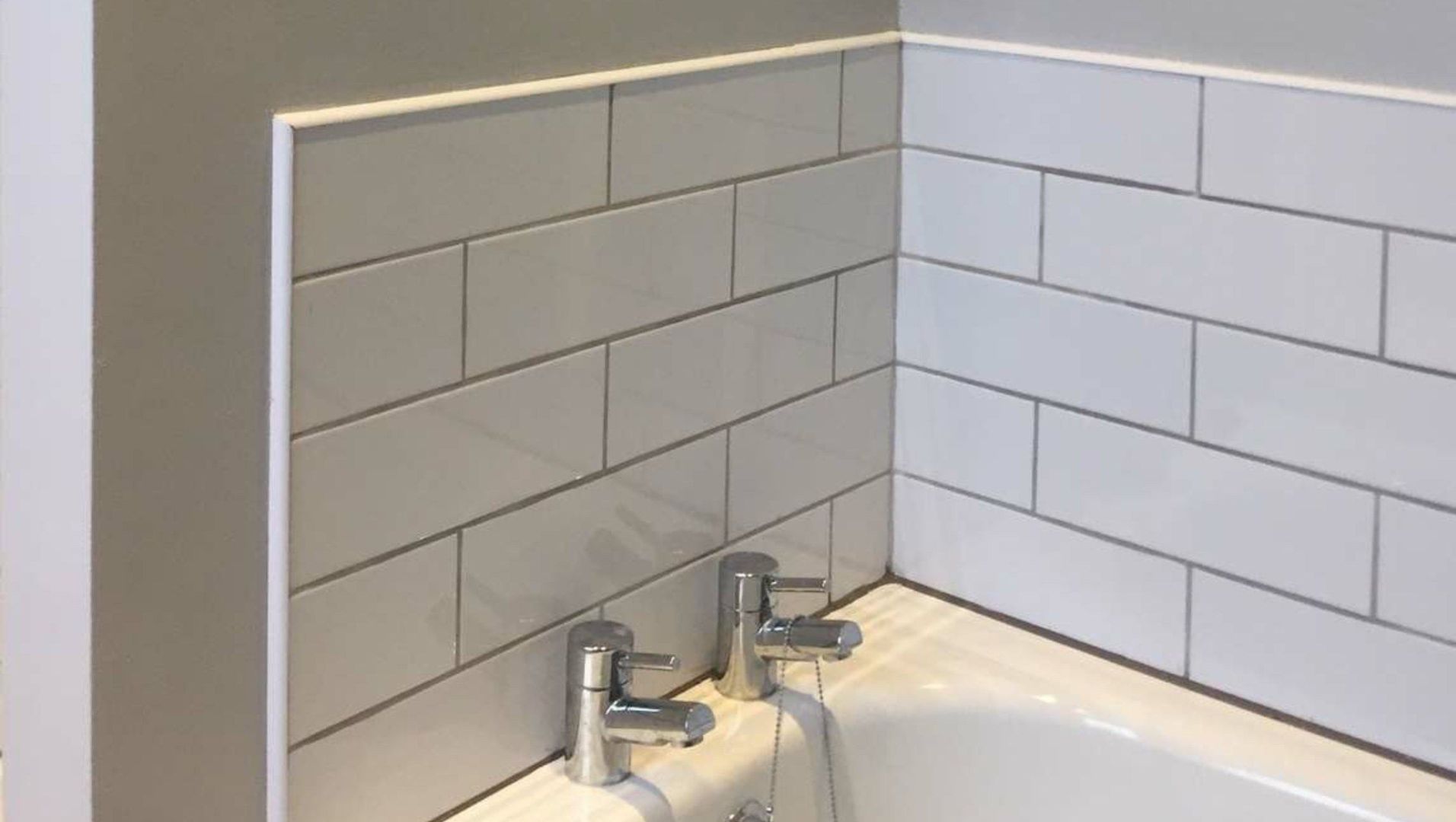
Choosing the right tile trim can feel overwhelming, but PVC makes it surprisingly simple.
PVC tile trim is a game-changer in tiling projects, offering cost-effectiveness, flexibility, and corrosion resistance. It’s lightweight and easy to install, making it a superior choice over metal trims for many applications.
There was a time when I was knee-deep in a renovation project, trying to balance quality with budget. That’s when I discovered the true value of PVC tile trim. Unlike metal trims that often require specialized tools and skills, PVC trims are user-friendly and won’t rust over time. As I compared it with other materials, it became clear how versatile PVC is—adapting effortlessly to various styles and settings while ensuring my projects always met the aesthetic and regulatory standards needed. It was like finding a hidden gem that not only fit my project’s demands but also made my life easier.
PVC tile trim is more expensive than metal trims.False
PVC tile trim is known for its cost-effectiveness compared to metal trims.
PVC tile trim is resistant to corrosion.True
PVC's material properties make it resistant to corrosion, unlike metals.
How does PVC tile trim compare to metal alternatives?
Ever stood in a hardware store, debating whether to choose PVC or metal tile trim?
PVC tile trim is lightweight, budget-friendly, and a cinch to install, perfect for DIYers. Metal options, while pricier, boast unmatched durability and a sleek look.
I remember the first time I had to choose between PVC and metal tile trims for my home renovation project. It felt like choosing between two equally tempting dessert options at a restaurant. Each had its charm and advantages, but I needed to weigh them carefully to make the right choice.
Durability and Strength
When I think of durability, metal trims like aluminum and stainless steel immediately come to mind. They remind me of my grandfather’s old toolbox—sturdy and reliable. These trims can withstand heavy traffic and resist corrosion, making them perfect for bustling areas or commercial projects.
PVC, on the other hand, is like that lightweight jacket I love—easy to wear and move around in. While it might not offer the same brute strength as metal, it’s more than adequate for residential spaces where the foot traffic is moderate. Plus, the fact that it doesn’t rust makes it a go-to choice for areas like bathrooms.
Aesthetic Appeal
Choosing between PVC and metal for aesthetic reasons is akin to deciding on the right outfit for a big event. Metal trims, especially those with a polished finish, offer that sleek modern look I often admire in high-end design magazines. Stainless steel is particularly chic, like that perfect little black dress that never goes out of style.
PVC trims offer versatility with their range of colors and finishes. They remind me of a favorite pair of jeans—reliable and easy to match with various styles. They work wonders when you want smooth transitions between different tile designs.
Cost Comparison
Here’s how the costs break down:
| Material | Average Cost (per linear meter) |
|---|---|
| PVC | $2 – $5 |
| Aluminum | $5 – $10 |
| Stainless Steel | $15 – $30 |
PVC was my choice when I was working with a tight budget—it’s an economical option without sacrificing much in terms of quality.
Maintenance Considerations
Maintaining PVC trim is like maintaining my favorite low-maintenance houseplant—it needs minimal attention to thrive. A quick wipe with mild soap and water keeps it looking fresh. And since it doesn’t rust, it stays pristine even in damp environments.
Metal trims require a bit more TLC to keep their sheen, much like polishing a beloved family heirloom. In high-traffic or outdoor areas, you might notice some patina developing over time, which can either add character or be managed with protective coatings.
For more insights on how to choose the best tile trim for your project, check out this comprehensive guide1.
Metal trims are more durable than PVC trims.True
Metal trims withstand high impact and resist corrosion, unlike PVC.
PVC tile trims are more expensive than metal alternatives.False
PVC is cheaper, costing $2-$5, while metals are $5-$30 per meter.
Why is PVC Tile Trim so Durable and Long-Lasting?
Ever found yourself wondering why PVC tile trim is hailed as the champion of durability? Let me take you on a little journey into why it’s a top pick for many, including myself.
PVC tile trim’s remarkable durability comes from its ability to resist moisture, chemicals, and impacts. Its flexible nature aids in shock absorption, preventing wear and tear. Plus, quality manufacturing and UV protection further bolster its longevity.
Key Features Contributing to Durability
Let me paint you a picture: imagine a world where humidity doesn’t wreak havoc on your tile edges. That’s precisely what you get with PVC tile trim2. Unlike metal trims that surrender to rust, PVC stands resilient even in the steamiest conditions. I remember working on a project in a particularly humid area, and seeing the metal trims corrode within months was an eye-opener. PVC was like a breath of fresh air – it held its ground, unyielding to the moisture.
What’s more, PVC‘s chemical resistance is a game-changer. Whether you’re dealing with cleaning agents or other harsh substances, this material remains steadfast, ensuring your trim stays pristine over time.
| Feature | Benefit |
|---|---|
| Moisture Resistance | Prevents rust and decay |
| Chemical Resistance | Suitable for harsh environments |
Impact Resistance and Flexibility
Now, picture this: you’re moving furniture or accidentally bump into your tiles. Instead of a heart-stopping crunch, PVC’s flexibility absorbs the impact with grace. It’s this very adaptability that makes installation a breeze, too. I’ve had those "uh-oh" moments during installs when walls weren’t quite perfect, but PVC trim just hugged the contours like it was meant to be.
Quality Manufacturing
The secret sauce? It’s all in the making. High-quality PVC formulations are crafted with UV stabilizers to fend off sun damage, which is crucial if your trims are sunbathing all day long. I once worked with a supplier who emphasized advanced manufacturing techniques – it was like watching magic unfold as these trims promised strength and uniformity.
Moreover, some manufacturers go the extra mile by offering trims with scratch-resistant treatments, perfect for high-traffic zones. Trust me, when you’re juggling multiple projects, knowing that the trims won’t scratch at the drop of a hat is a relief.
Environmental Considerations
Concerned about Mother Earth? Good news – PVC material3 is recyclable! This not only shrinks your environmental footprint but also champions a more sustainable approach to construction materials. Some suppliers even offer recycled options that are just as robust as their new counterparts. It’s like giving old materials a new lease on life – talk about a win-win!
PVC tile trim resists rust better than metal trims.True
PVC's moisture resistance prevents rust, unlike metal trims.
PVC tile trim cannot be recycled after use.False
PVC material can be recycled, reducing environmental impact.
Can PVC Tile Trim Truly Elevate Your Design?
Imagine transforming your space with just one simple addition. PVC tile trim might just be the secret ingredient your design recipe needs!
Yes, PVC tile trim can enhance the aesthetic appeal of designs by offering a seamless finish, complementing tiles with various colors and styles, and suiting both modern and traditional settings.
When I first discovered PVC tile trim, I was skeptical about its potential to add value to my home. But boy, was I wrong!
The Versatility of PVC Tile Trim
Picture this: a material so adaptable that it fits effortlessly into any interior design4 scheme, whether you’re channeling minimalist chic or cozy traditional. PVC tile trim does just that with its plethora of colors, textures, and finishes. I remember working on a project where I needed something lightweight yet sturdy for a complex mosaic pattern. PVC tile trim was a lifesaver—it was easy to cut and manipulate, making those intricate designs come together seamlessly.
Color and Finish Options
Back in the day, I spent countless hours trying to match trims with my tile designs. Now, with PVC tile trim, the world is my oyster. From vibrant hues that pop to understated neutrals that soothe, there’s something for every palette. I’ve found that finishes mimicking natural elements like wood or metal bring an elegant touch without breaking the bank. Here’s a simple table showcasing some common finishes:
| Finish Type | Description |
|---|---|
| Matte | Subtle, non-reflective |
| Glossy | Shiny, reflective |
| Metallic | Mimics metal appearance |
| Wood Grain | Natural wood texture |
These options allow designers to create unique spaces that resonate with their personal or project-specific aesthetic values.
Seamless Integration with Tiles
There’s nothing quite as satisfying as seeing everything come together perfectly. One time, I noticed that using PVC tile trim provided a seamless flow between different tile sections in my bathroom. Not only did it protect the edges from chipping, but it also gave the space a polished look that enhanced the overall aesthetic value of the space.
Durability Meets Style
But it’s not just about looking good—durability matters too! I’ve had trims in high-moisture areas like kitchens and bathrooms where PVC’s resistance to moisture and wear really proved its worth. It’s reassuring to know that my designs will remain stunning and intact over time.
Customization Possibilities
I once worked on a project requiring truly unique aesthetics. Thanks to suppliers who offered customized PVC tile trims, I could tailor the colors and patterns precisely to the client’s vision. This level of customization transformed what could have been an ordinary space into something extraordinary.
In wrapping up my exploration, it’s clear that PVC tile trim is far more than just a finishing tool. It’s an essential component in elevating the visual appeal5 of any design project, turning spaces into personal canvases that tell a story.
PVC tile trim offers a variety of finish options.True
PVC tile trim comes in matte, glossy, metallic, and wood grain finishes.
PVC tile trim is unsuitable for humid environments.False
PVC tile trim is moisture-resistant, ideal for bathrooms and kitchens.
Is PVC Tile Trim Compliant with Australian Standards?
Imagine standing in a tile shop, overwhelmed by choices, and wondering if PVC tile trim meets Australian standards. Let me help clarify this for you.
PVC tile trim can indeed meet Australian standards, but it’s vital to verify specific certifications like AS/NZS 1859.1. Ensuring these certifications are in place guarantees the product’s quality and safety for your projects.
Understanding Australian Standards for Tile Trim
I remember the first time I had to ensure compliance with Australian standards—it felt like navigating a maze. In Australia, we have to make sure that tile trims, including those made of PVC, adhere to strict guidelines for safety and quality. The AS/NZS 1859.1 standard primarily addresses particleboards, yet many manufacturers apply similar principles to trims. This ensures that the products we use are safe and reliable.
Certifications to Look For
When I first started in procurement, I quickly learned the importance of certifications. It’s crucial to look for documentation that shows adherence to relevant standards, covering both material safety and manufacturing processes. Here are a couple of key certifications:
| Certification | Description |
|---|---|
| AS/NZS 1859.1 | Ensures safety in particleboards, often referenced in trim standards |
| ISO 9001 | Quality management system certification |
Benefits of Using Compliant PVC Tile Trim
Using compliant PVC tile trim doesn’t just tick a regulatory box; it also boosts the durability and visual appeal of our installations. I once had a project where the right trim choice made all the difference, standing up beautifully to environmental challenges over time.
How to Verify Compliance
Before making a purchase, I always ask suppliers for the necessary documentation or certifications. If they can’t provide them, I consider an independent verification6 with a third-party consultant familiar with Australian standards. This extra step has saved me headaches down the line.
Choosing the Right Supplier
Finding a supplier who values compliance is like finding gold. Not only does it ensure quality, but it also streamlines the procurement process. I rely on those who offer a variety of compliant trims and are open about their certifications.
For more insights on evaluating suppliers, check out this detailed guide7. Understanding these factors will help you make informed decisions, ensuring your projects are both safe and compliant.
PVC tile trims must comply with AS/NZS 1859.1.False
AS/NZS 1859.1 is for particleboards, not specifically for tile trims.
ISO 9001 certification ensures quality management.True
ISO 9001 is a recognized standard for quality management systems.
Conclusion
PVC tile trim offers cost-effectiveness, flexibility, and corrosion resistance, making it ideal for DIY projects. It’s lightweight, easy to install, and enhances aesthetic appeal in various designs.
-
Explores various factors influencing the choice between PVC and metal trims, offering deeper insights into material selection. ↩
-
Explore why PVC tile trims are favored for their durability, resistance to elements, and ease of installation. ↩
-
Learn how recycling PVC contributes to sustainability and reduces environmental impact. ↩
-
Discover how PVC tile trim integrates seamlessly into various interior designs, enhancing visual appeal. ↩
-
Explore creative ways PVC tile trim can elevate the visual appeal of your home or office spaces. ↩
-
Gain insights into verifying compliance through third-party consultants or official testing agencies. ↩
-
Learn how to assess suppliers based on their compliance with Australian standards. ↩






