
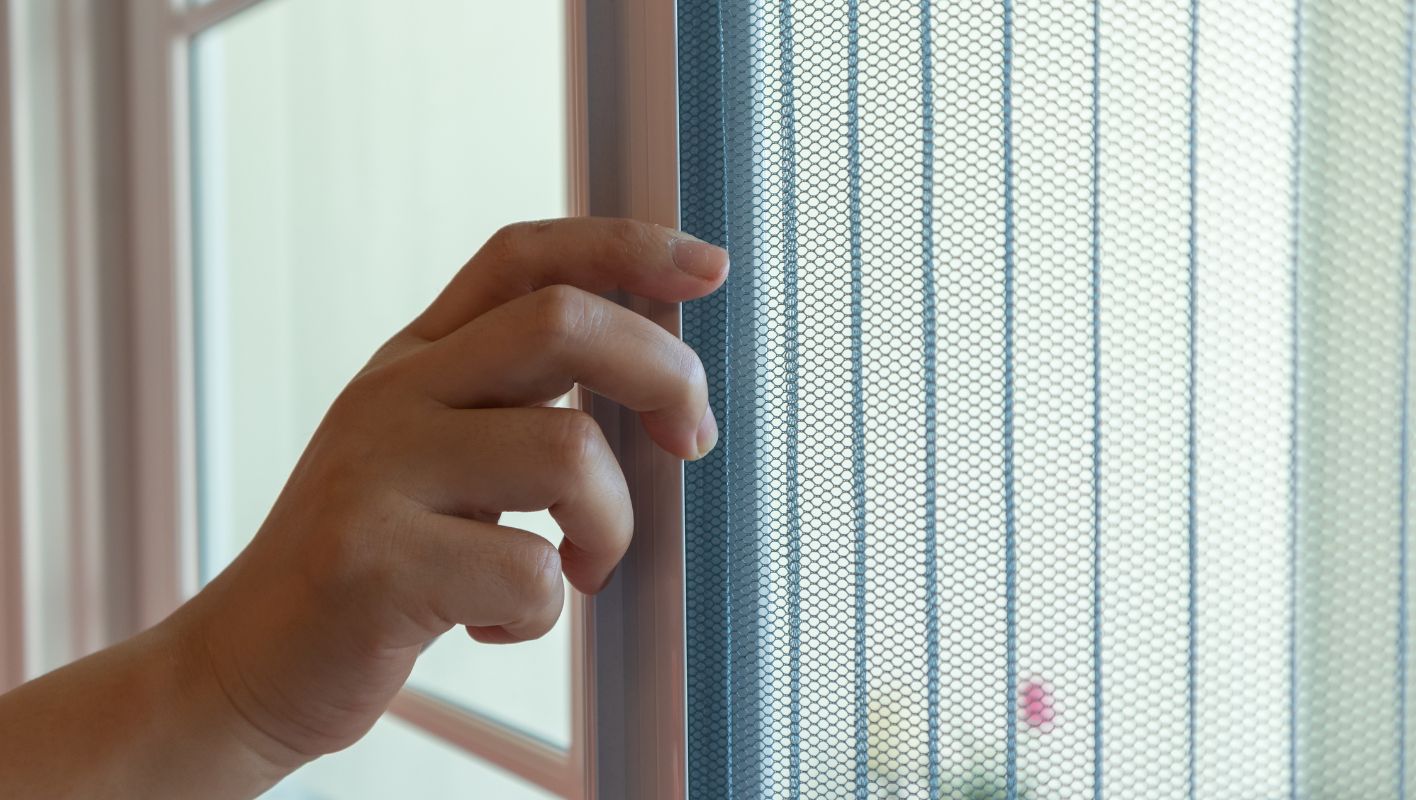
Choosing the perfect screen door material can be like finding the right shoes for an outfit—it’s all about balance between style and practicality.
Aluminum and fiberglass are top contenders for screen door materials, each offering unique benefits. Aluminum provides robust strength and a modern look, while fiberglass is budget-friendly and resistant to rust. Your choice depends on what you prioritize: durability or cost-efficiency.
I remember standing in my backyard one sunny afternoon, staring at my old screen door, contemplating its replacement. The options seemed endless, but it boiled down to what I truly needed: something that would last through the seasons without constant upkeep. Diving into the details, aluminum caught my eye with its sleek appearance and undeniable strength. It felt like choosing a classic leather jacket—always reliable and never out of style. On the other hand, fiberglass was like that comfy pair of sneakers—light on the wallet and enduring in its own right, thanks to its resistance to corrosion. Understanding these nuances helped me make a choice that suited both my home’s aesthetics and my practical needs.
Aluminum screen doors are more durable than fiberglass.True
Aluminum is known for its strength, making it more durable.
Fiberglass screen doors require high maintenance.False
Fiberglass is low maintenance due to its corrosion resistance.
Why Choose Aluminum for Your Screen Doors?
Ever wondered why aluminum is such a popular choice for screen doors? Let me walk you through the benefits that make it a homeowner’s favorite.
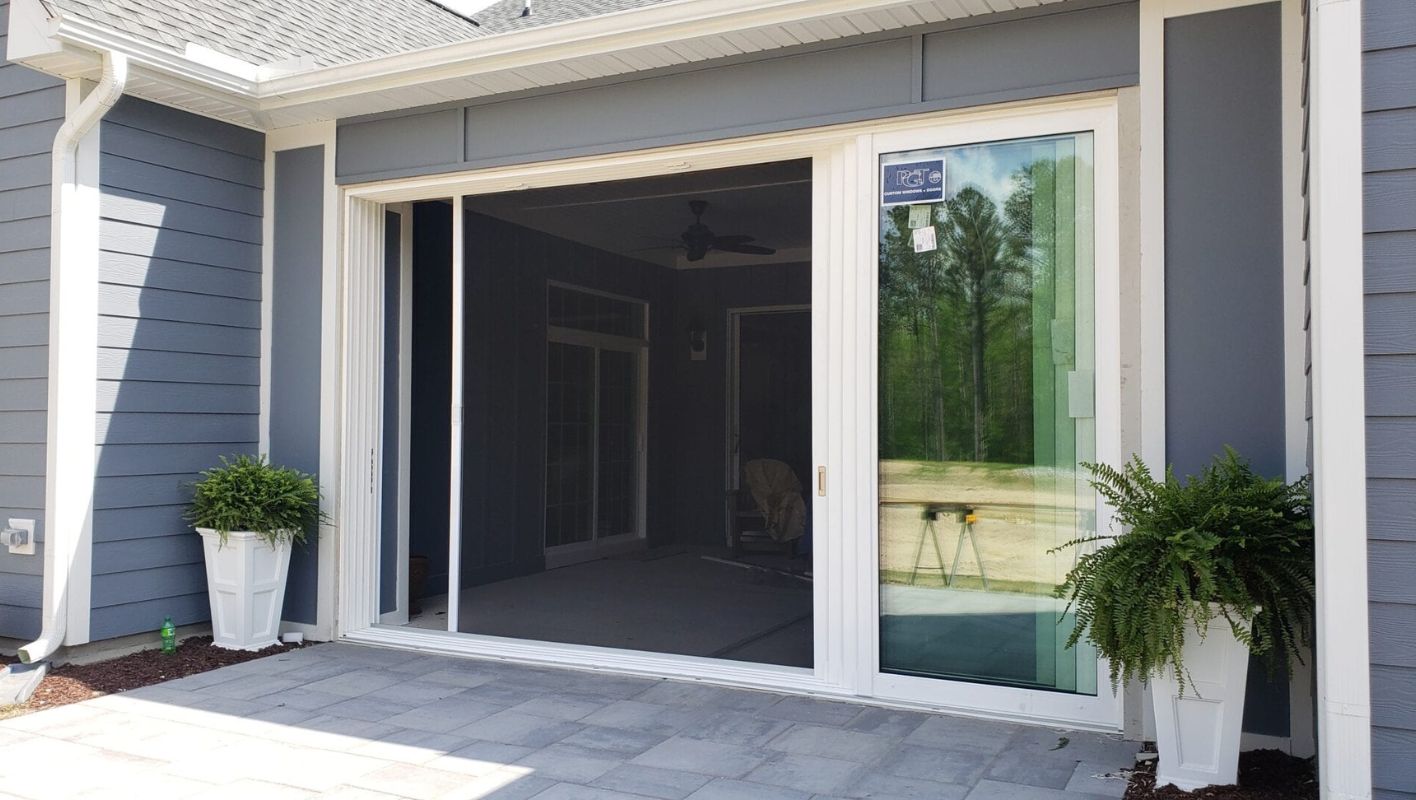
Aluminum screen doors are a smart choice for their durability, easy maintenance, energy efficiency, and stylish designs. They keep pests at bay while letting in natural light and fresh air, available in various styles to match any home decor.
Durability and Strength
I’ve always been fascinated by how aluminum stands up to harsh weather. Unlike wood, which can warp or crack, aluminum screen doors1 stay strong and reliable no matter what Mother Nature throws at them. This was a huge plus for me, living in an area where the weather can change on a dime.
Low Maintenance
I love the fact that my aluminum screen door doesn’t need constant attention. With wood, you’re looking at regular varnishing or painting. But with aluminum? A simple wipe-down keeps it looking sharp. It’s like having a door that takes care of itself!
| Feature | Aluminum | Wood | Vinyl |
|---|---|---|---|
| Durability | High | Medium | Medium |
| Maintenance | Low | High | Low |
| Weather Resistance | Excellent | Poor | Good |
Energy Efficiency and Environmental Impact
When I learned how aluminum minimizes heat transfer2, it just made sense to me. It’s not only about saving on energy bills but also doing my bit for the environment. Plus, knowing that aluminum is recyclable is a nice touch when you’re trying to be eco-friendly.
Aesthetic Versatility
One of the things I love most is how aluminum screen doors3 can fit any style. Whether you’re going for something modern or a bit more classic, there’s an aluminum option out there. It was fun picking a style that felt just right for my home.
Pest Control and Ventilation
If you’re anything like me, you want to keep the bugs out while enjoying a breeze. Aluminum screen doors do exactly that with their sturdy mesh. No more worrying about pesky insects ruining a perfect afternoon.
Choosing an aluminum screen door was one of those decisions that just felt right for my home. It’s all about balancing function and style, and aluminum delivers both in spades. From durability to eco-friendliness, it’s hard to beat the advantages aluminum offers.
Aluminum screen doors require regular painting.False
Aluminum doors need minimal upkeep, unlike wooden doors.
Aluminum is an eco-friendly material for screen doors.True
Aluminum is recyclable, supporting sustainability efforts.
What Makes Fiberglass Screen Doors Stand Out?
Ever stood at the crossroads of choosing the perfect screen door material, wishing for a sign? I’ve been there, and it can be quite the decision!
Fiberglass screen doors, with their durability, flexibility, and rust resistance, often outshine other materials like aluminum and polyester. They’re cost-effective and visually versatile, making them a favorite among homeowners looking for both reliability and style.
The Strengths of Fiberglass
You know that moment when you’re juggling multiple priorities and just need something dependable? That’s how I felt when I first discovered fiberglass screen doors. They’re like the old friend who never lets you down—always flexible and strong. Unlike aluminum, which sometimes surprises you with dents or bends after a windy night, fiberglass stands firm4. It’s like knowing your screens can take on the world (or at least a playful pet) without losing their shape or functionality.
| Material | Durability | Flexibility | Rust Resistance | Cost |
|---|---|---|---|---|
| Fiberglass | High | High | Yes | Moderate |
| Aluminum | Medium | Low | Yes | Moderate-High |
| Polyester | Low | High | No | Low |
Cost-Effectiveness and Maintenance
I once thought aluminum screens were the budget-friendly option until I realized how maintenance costs add up over time. With fiberglass, it’s like having a reliable friend who doesn’t need constant attention. Thanks to its rust-resistant properties, fiberglass keeps it simple—just a quick wipe with a damp cloth, and you’re good to go. It’s a wise investment5 that pays off in both time and money.
Aesthetic Versatility
If you’re like me and love customizing your space, fiberglass is a dream come true. Whether I’m trying to match my quirky outdoor furniture or blend with a serene garden backdrop, fiberglass can be painted to fit right in. This flexibility isn’t something you find easily with aluminum or polyester, making it a top pick for those who want style without compromising functionality.
Environmental Impact and Sustainability
These days, I’m all about making choices that align with eco-friendly values. Fiberglass screens check that box beautifully. Compared to polyester, which isn’t as recyclable, fiberglass supports green building6 practices. It’s a step towards sustainability that feels good for my conscience and my home.
In summary, while every screen door material has its perks, fiberglass strikes a harmonious balance between durability, low maintenance, and aesthetic adaptability. Understanding these features can help tailor your decision to meet your specific needs, ensuring your choice is as practical as it is stylish.
Fiberglass screens are more durable than aluminum screens.True
Fiberglass is renowned for its flexibility and strength, making it more durable.
Polyester screens are more rust-resistant than fiberglass.False
Polyester is not rust-resistant, unlike fiberglass, which offers rust protection.
Which Material Offers the Best Durability for Screen Doors?
Choosing the right material for screen doors can significantly impact their longevity and performance. In this post, I delve into the durability of various materials to help you make an informed decision.
Aluminum, fiberglass, and steel are top contenders for durable screen doors. Aluminum resists rust, fiberglass offers flexibility and strength, and steel provides unmatched sturdiness. Each has its own pros and cons.
Exploring Durable Materials for Screen Doors
Aluminum: A Lightweight Champion
I remember when I first opted for aluminum screen doors7 in my home. Living near the coast, the salty air was a real concern. Aluminum became a lifesaver with its rust-resistant nature. It’s lightweight, making installation a breeze, and cost-effective too. However, I did have a minor mishap involving my kid’s baseball—denting is something to watch out for.
Pros:
- Rust-resistant
- Lightweight
- Cost-effective
Cons:
- Prone to denting
- May not provide as much security as heavier options
Fiberglass: Flexibility Meets Strength
Fiberglass is like the unsung hero of screen doors. Its flexibility and strength are perfect if you’re in a sunny area like me, where corrosion resistance and light transmission matter. I found it to be a bit pricier, but the balance it offers is worth considering. You might notice some fading over time, though.
Pros:
- Corrosion-resistant
- Flexible and strong
- Good light transmission
Cons:
- Higher cost
- Potential for fading over time
Steel: The Sturdy Protector
If security tops your list, steel is your go-to. It brings peace of mind with its unmatched durability. I once had a project where steel screen doors were a must due to harsh weather conditions. They’re solid but remember, they require maintenance to fend off rust, especially in humid environments.
| Steel Screen Door Pros | Cons |
|---|---|
| High security | Heavy |
| Durable | Prone to rust without maintenance |
| Long-lasting | More expensive than aluminum or fiberglass |
Comparing the Options
When evaluating materials, think about your local environment and specific needs. Here’s a quick comparison that helped me weigh my options:
| Material | Durability | Maintenance | Cost |
|---|---|---|---|
| Aluminum | Moderate | Low | Affordable |
| Fiberglass | High | Low | Moderate |
| Steel | Very High | Moderate to High | Expensive |
To further explore these options, check out our guide on screen door materials8.
By weighing each material’s strengths and weaknesses, you can make a more informed decision that aligns with your specific needs and local environment.
Aluminum screen doors are rust-resistant.True
Aluminum is known for its resistance to rust, making it ideal for humid areas.
Steel screen doors require no maintenance.False
Steel needs maintenance to prevent rust, especially in harsh conditions.
How Do Screen Door Materials Impact Home Aesthetics?
Ever stood at your front door, pondering how the right screen door material could transform your home’s vibe? I’ve been there too. Picking the right one isn’t just about aesthetics—it’s about setting the perfect tone for your entire home.
Screen door materials impact home aesthetics by offering unique finishes, colors, and styles that align with different architectural designs. Options like wood, aluminum, and vinyl each add distinct visual and functional qualities, enhancing your home’s curb appeal.
Understanding Different Screen Door Materials
I’ve always been fascinated by how the smallest details can make a world of difference in home design. Take screen doors, for example. Each material—whether it’s wood, aluminum, vinyl, or fiberglass—carries its own charm and practicality.
Wood: Timeless Elegance
I remember the first time I installed a wooden screen door. The warmth it brought to my home was undeniable. Wooden doors can be dressed up with various finishes and intricate designs9 to suit traditional homes. The grain patterns are like nature’s fingerprint, offering both character and authenticity.
| Pros | Cons |
|---|---|
| Natural beauty | Requires upkeep |
| Customizable | Susceptible to rot |
Aluminum: Sleek and Modern
Then there’s aluminum. I love how it adds a sleek, modern touch to a home. Lightweight yet durable, these doors fit well with minimalist designs where clean lines10 are key. They’re also rust-resistant, which is a big win if you live in a damp climate like mine.
| Pros | Cons |
|---|---|
| Rust-resistant | Limited design variety |
| Low maintenance | Can dent easily |
Vinyl: Versatile and Affordable
Vinyl was a surprise discovery for me. It’s versatile, budget-friendly, and mimics wood’s appearance without the hefty upkeep. Perfect if you’re after aesthetic flexibility11 without breaking the bank.
| Pros | Cons |
|---|---|
| Cost-effective | Can fade over time |
| Resistant to elements | Less luxurious appearance |
Fiberglass: Durable Innovation
Fiberglass is the newcomer that’s winning hearts. Its strength and adaptability are impressive; you can mold it into various shapes and textures for modern or traditional styles. Plus, it’s highly durable and weather-resistant.
| Pros | Cons |
|---|---|
| High durability | Higher initial cost |
| Weather-resistant | Can yellow over time |
Incorporating Screen Doors into Home Design
Choosing the right screen door is like finding the perfect accessory for an outfit—it should complement and enhance your home’s existing style. Think about how the door’s finish pairs with your exterior paint or siding. I often consider current trends12 to keep my choices fresh and modern.
Remember, the material not only influences the look but also determines maintenance needs and lifespan. Wood gives timeless elegance while fiberglass offers modern durability aligned with eco-friendly practices. Whether you’re updating for aesthetics or practicality, there’s a screen door material that fits your vision.
Wooden screen doors require regular maintenance.True
Wood is susceptible to rot and needs upkeep to maintain its appearance.
Aluminum screen doors offer the widest design variety.False
Aluminum has limited design options compared to wood or fiberglass.
Conclusion
Choosing the right screen door material involves balancing durability, maintenance, and aesthetics. Aluminum and fiberglass are popular options, each offering unique benefits for homeowners.
-
Learn why aluminum’s strength and resilience make it a top choice for long-lasting screen doors. ↩
-
Explore how choosing aluminum contributes to an eco-friendly home environment. ↩
-
Discover various design styles available for aluminum screen doors to match your home aesthetic. ↩
-
Explores the resilience of fiberglass compared to aluminum, highlighting why it withstands more wear. ↩
-
Examines the cost-effectiveness and maintenance benefits of fiberglass over time. ↩
-
Discusses the sustainability of fiberglass as a greener choice than polyester. ↩
-
Discover why aluminum is a preferred material for screen doors, including its resistance to rust and lightweight nature. ↩
-
Learn more about the pros and cons of different screen door materials to make an informed choice. ↩
-
Explore various wooden screen door designs to find styles that match traditional home aesthetics. ↩
-
Discover sleek aluminum screen door styles that fit contemporary home designs. ↩
-
Uncover versatile vinyl screen door options that offer aesthetic flexibility at affordable prices. ↩
-
Stay updated on current trends in screen door design for making informed aesthetic choices. ↩






