
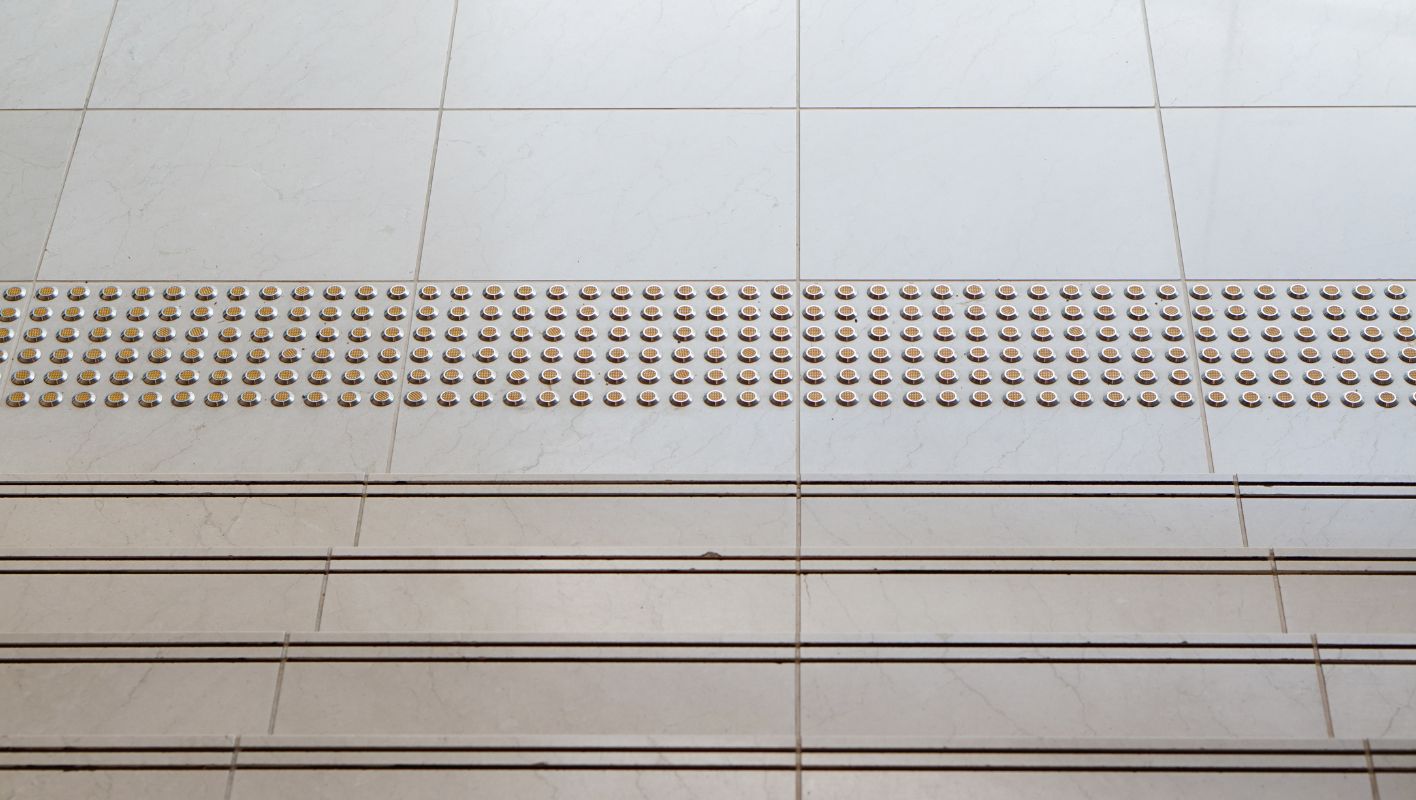
Choosing the right non-slip floor tile can be a game-changer for your home, blending safety with style.
The best non-slip floor tiles combine high slip-resistance ratings with appealing aesthetics and durability. Textured porcelain or ceramic tiles offer excellent grip and come in various designs to suit different spaces.
Thinking back to when I first realized the importance of non-slip tiles, I recall a near-miss slip in my kitchen. That’s when I dove deep into researching tile options. While you now know the top choices for non-slip tiles, understanding the nuances of each option can significantly influence your decision. Dive deeper into the specifics of these materials, their installation requirements, and how they cater to different environments. Picking the right tile isn’t just about safety; it’s about creating a space that feels welcoming and secure.
Textured porcelain tiles are the most slip-resistant.True
Textured porcelain tiles have high slip-resistance due to their surface.
Ceramic tiles offer less durability than porcelain tiles.True
Porcelain is denser and more durable than ceramic, making it last longer.
How Do Non-Slip Tiles Work to Prevent Accidents?
Ever slipped on a wet floor and had that heart-stopping moment? I know I have. That’s why non-slip tiles are a game-changer for safety.
Non-slip tiles work by enhancing surface friction through textured finishes and specialized coatings, minimizing the risk of slips and falls in areas like bathrooms and kitchens.
Understanding Surface Friction
I remember the first time I realized how important surface friction is. It was at my aunt’s place, where the bathroom floor turned into a slip-and-slide every time someone took a shower. Non-slip tiles counteract this by using surface friction1 through textures and micro-abrasions2, improving grip. The texture can vary from barely noticeable to quite pronounced, depending on where they’re used.
Material Composition
The material of the tile is crucial too. Think about ceramic and porcelain—these are common choices because they can be treated with anti-slip coatings3. These coatings create a rough surface or a chemical layer that boosts traction. Here’s a little table to break it down:
| Material | Slip Resistance Feature |
|---|---|
| Ceramic | Textured surface |
| Porcelain | Anti-slip coatings and micro-texture |
| Vinyl | Embedded grit particles |
Specialized Coatings
Specialized coatings increase the coefficient of friction4, which is just a fancy way of saying they make the tiles grippier. These coatings can be invisible or tinted, adding grip without changing how the tile looks. They’re perfect for places where water loves to linger.
Innovative Design Patterns
Remember those times when you tried to walk across the pool deck and almost did a split? Innovative design patterns like grooves5 help with that. They not only look good but also direct water away from your feet, reducing the chance of slipping.
Installation and Maintenance Considerations
I’ve learned that proper installation is everything. It’s like piecing together a puzzle; if one piece is out of place, the whole picture doesn’t work. Uneven installation can mess with the tile’s slip resistance. Plus, regular cleaning with non-abrasive products keeps them effective because dirt can decrease friction.
Application Areas
Non-slip tiles shine in bathrooms, kitchens, pool areas, and entryways. Each space might need different slip resistance levels tailored to specific conditions. Exploring advanced non-slip technologies6 can give you even more insights into how these tiles function.
Non-slip tiles use surface friction to prevent accidents.True
Surface friction from textures and coatings enhances grip, reducing slips.
Vinyl tiles rely solely on coatings for slip resistance.False
Vinyl tiles use embedded grit particles, not just coatings, for traction.
Which Materials Offer the Best Slip Resistance?
Imagine walking into your freshly renovated kitchen, only to find it as slippery as an ice rink after a bit of spilled water. Not exactly the look—or feel—you were going for, right?
Ceramic tiles with textured surfaces, non-slip vinyl, and rubber flooring offer the best slip resistance, ensuring safety even in wet conditions. These materials provide excellent traction, making them ideal for areas prone to moisture.
Understanding Slip Resistance
Let’s dive into the world of slip resistance—a term that might sound technical but is crucial for preventing accidents in our everyday environments. I remember the first time I truly understood its importance was during a home renovation project. My partner slipped in the bathroom one morning because we hadn’t yet upgraded the flooring, and it was a wake-up call. Slip resistance, essentially, is about how well a surface can prevent slipping, often measured by the coefficient of friction (COF). A higher COF means better slip resistance.
Top Materials for Slip Resistance
Ceramic and Porcelain Tiles
I once had the chance to work on a project where we installed ceramic tiles with a textured surface in a commercial kitchen. Not only did they look great, but the slip resistance they provided was a game-changer. These tiles are not just durable and easy to clean; their textured finishes significantly boost traction.
| Material | COF Rating | Cost Per Sq. Ft |
|---|---|---|
| Textured Tile | High | $3 – $10 |
Non-Slip Vinyl
Another material I swear by is non-slip vinyl. It’s incredibly affordable and versatile—perfect for bathrooms and kitchens where spills are inevitable. The special coating enhances traction significantly, which gave me peace of mind when my niece started toddling around our kitchen.
| Material | COF Rating | Cost Per Sq. Ft |
|---|---|---|
| Non-Slip Vinyl | Medium | $1 – $5 |
Rubber Flooring
Rubber flooring is fantastic, especially if you’ve ever visited a gym or playground and noticed how rare it is to see anyone slip. This stuff isn’t just slip-resistant; its cushioning also reduces fall injuries. I remember recommending rubber flooring to a friend who runs a daycare, and they’ve never looked back.
| Material | COF Rating | Cost Per Sq. Ft |
|---|---|---|
| Rubber | Very High | $2 – $15 |
Considerations When Choosing Materials
When choosing materials, I always advise looking beyond just the COF. Consider durability, maintenance needs, and environmental impact7. For instance, some highly slip-resistant materials might need frequent cleaning or replacement, which can be a hassle in busy settings.
Innovative Options in Slip-Resistant Materials
Lately, I’ve been intrigued by innovative materials like bamboo composite and treated hardwood. They combine eco-friendliness with practical safety features. If you’re curious about sustainable options, check out our eco-friendly flooring guide8. It’s filled with insights that might just lead you to your next project inspiration.
Textured ceramic tiles have a high COF rating.True
Textured ceramic tiles offer high slip resistance due to their surface design.
Non-slip vinyl is the most expensive slip-resistant material.False
Non-slip vinyl is affordable, costing $1-$5 per sq. ft., not the most expensive.
What Are the Aesthetic Options Available for Non-Slip Tiles?
Imagine walking into a room where safety meets stunning style. Non-slip tiles offer just that.
Non-slip tiles come in a variety of aesthetic options, including natural stone, wood-look, and patterned designs, blending safety with style to enhance both residential and commercial spaces.
I remember the first time I slipped in my own bathroom; the shock was enough to send me on a quest for safer flooring options. But let’s be honest, none of us want to compromise on style for the sake of safety. Thankfully, non-slip tiles have come a long way, offering both security and aesthetic appeal.
Natural Stone Elegance
Imagine the timeless beauty of natural stone beneath your feet, with the added comfort of knowing you’re secure. Non-slip tiles crafted from slate or travertine not only provide that earthy, luxurious feel but also ensure you won’t have any unplanned close encounters with the floor. These tiles transform any space into a sanctuary, grounding your home in nature’s palette.
Explore natural stone elegance9 to see how these textures can enhance your space.
Wood-Look Wonder
For years, I dreamed of having a home filled with rich, wooden tones but was always wary about slipping. Enter wood-look tiles! These gems replicate the warm embrace of wood grain using ceramic or porcelain, and they’re perfect for places like bathrooms and kitchens where moisture is a constant companion.
| Wood-Look Tile Advantages | Description |
|---|---|
| Realistic Appearance | Captures the essence of natural wood grain. |
| Versatility | Suitable for all interior designs. |
| Low Maintenance | Easy to clean and maintain. |
Patterned Designs
Patterned tiles have a magical way of injecting personality into your floors. Think geometric wonders or floral fantasies that draw the eye and spark conversation. They’re especially loved in modern homes where creativity reigns supreme.
I once had a client who transformed their entryway with a bold geometric pattern, turning an ordinary space into an extraordinary welcome mat. Explore creative patterns10 and let your floors tell their own story.
Textured Surfaces
Textures are more than just visual; they’re tactile experiences that engage our senses. Textured non-slip tiles might mimic industrial materials like concrete or metal, offering a rugged yet refined edge to your interiors. When I stepped onto my newly textured kitchen floor for the first time, it felt like stepping into a trendy urban loft.
Consider textures11 that align with your design dreams.
Vibrant Colors
Gone are the days of mundane tile hues. Today’s non-slip tiles burst with vibrant colors, letting you infuse any space with energy and emotion—from passionate reds to serene blues. Remember the last time you walked into a room where color just took your breath away? That could be your floor’s new story.
Natural stone tiles provide slip resistance.True
Natural stone tiles like slate have textured surfaces that enhance grip.
Patterned non-slip tiles are unsuitable for modern interiors.False
Patterned tiles are popular in modern and eclectic interior designs.
How Can I Maintain Non-Slip Tiles for Longevity?
Ever found yourself tiptoeing around the bathroom, wondering how to keep those tiles safe and spotless? I’ve been there, and I’ve got the scoop for you.
To keep your non-slip tiles in top shape, regularly clean them with a gentle detergent and a soft brush to avoid residue buildup. Skip the harsh chemicals, as they can damage the surface. Annually sealing the tiles will help preserve their non-slip qualities.
Understanding Non-Slip Tile Maintenance
You know, those tiles in your kitchen or bathroom that you trust to keep you upright are like the unsung heroes of your home. They’re not just about looks; they’re about safety. I’ve learned that keeping them functional and beautiful is all about understanding their needs.
Regular Cleaning Practices
-
Use Mild Detergents: Picture this—your favorite mug and a splash of mild detergent in warm water. That’s all your tiles need. It’s like giving them a gentle spa day. Avoid those strong chemicals; they’re like sending your tiles to a demolition derby.
-
Soft Brush Scrubbing: Grab a soft-bristled brush, and let’s pretend we’re sweeping away yesterday’s worries. Regular brushing keeps grime from turning your tiles into a slip-and-slide.
| Do’s | Don’ts |
|---|---|
| Use neutral pH cleaners | Use bleach or ammonia |
| Rinse with clean water | Leave soap residue |
| Dry with soft cloth | Use abrasive pads |
Preventive Measures
-
Seal Your Tiles: Once a year, it’s like giving your tiles a protective raincoat. Sealing helps them shrug off moisture, maintaining their grip. Choosing the Right Sealant12 ensures you don’t accidentally give them a glossy, slippery makeover.
-
Grout Care: Keeping grout lines neat is like making sure the seams on your favorite shirt don’t unravel. It prevents tile shifting and keeps everything solid and steady.
Addressing Stains and Discoloration
-
Immediate Action: Got a stain? Think quick! A little baking soda paste can be your best friend here. Apply, wait 15 minutes, then gently scrub. It’s like magic!
-
Regular Inspections: Make it a habit to check for early signs of trouble. Scheduling Routine Checks13 is like giving your tiles regular health check-ups, saving you from future headaches.
Safety Considerations
Keeping those tiles safe isn’t just about aesthetics—it’s about peace of mind. Regular maintenance ensures that they’re always ready to perform when you need them most. By sticking to these steps, you’ll find your tiles not only last longer but keep looking sharp, just like the first day they were installed.
Using bleach can damage non-slip tiles.True
Bleach is harsh and can erode the tile surface, reducing effectiveness.
Non-slip tiles require sealing every month.False
Sealing is recommended annually, not monthly, to maintain properties.
Conclusion
Discover the best non-slip floor tiles that combine safety, style, and durability. Explore materials like textured porcelain, ceramic, and vinyl for optimal slip resistance in various environments.
-
Explore how surface friction plays a role in preventing slips by increasing grip and traction. ↩
-
Understand how micro-abrasions contribute to slip resistance by enhancing surface texture. ↩
-
Learn about different types of anti-slip coatings that enhance tile safety. ↩
-
Discover the impact of specialized coatings on tile slip resistance. ↩
-
Find out how grooved designs help prevent slips by channeling water away. ↩
-
Delve into cutting-edge technologies that enhance tile safety features. ↩
-
Explore how different slip-resistant materials affect the environment, helping you choose eco-friendly options. ↩
-
Discover sustainable flooring choices that balance safety with environmental considerations. ↩
-
Discover various natural stone designs that enhance elegance and safety. ↩
-
View creative patterns that can make your flooring a standout feature. ↩
-
Explore different textures that enhance both grip and aesthetics. ↩
-
Learn how to select sealants that preserve the texture and color of non-slip tiles. ↩
-
Understand how regular tile inspections prevent damage and maintain safety. ↩






