
Considering changing your stairs? I’ve been in your shoes and I can say that the perfect nosing really changes both the safety and the overall feeling of your home. Really, it transforms the whole vibe.
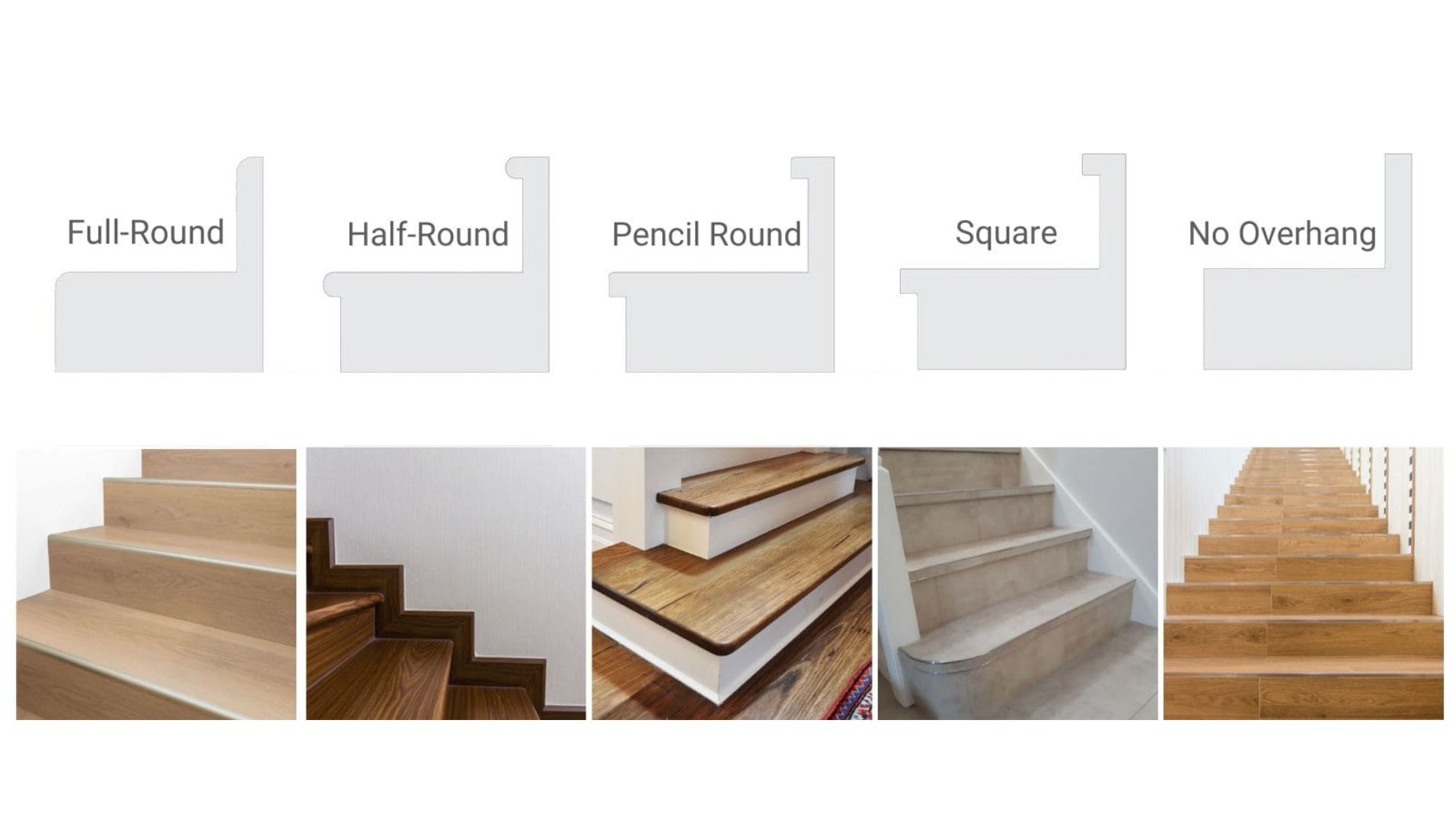
The best stair nosing types include full-round, half-round and pencil round. Each type looks and works differently. These differences affect your staircase’s safety and beauty. Knowing these can allow you to choose the best nosing for your renovation.
When I first worked on my stair upgrade, many choices surprised me. I found full-round, half-round and pencil round nosing options. Each one had its own mix of style and safety. The full-round nosing gave my stairs a classic vibe. The half-round looked very modern and sleek. The pencil round, with simple charm, caught my eye for its clean lines. Small details like these really change the feel of your space. I want to share what I learned to maybe help you in your own home project.
Full-round nosing enhances stair safety significantly.True
Full-round nosing provides a rounded edge that reduces slip risks, improving safety on stairs.
Pencil round nosing is the least stylish option available.False
Pencil round nosing offers a sleek, modern look, making it quite stylish for contemporary designs.
What are the Benefits of Different Stair Nosing Types?
Ever thought about how small things like stair nosing improve your project? Let’s explore stair nosing. These often missed features really change safety, style and function.
Different stair nosing types offer unique benefits. Metal nosing lasts a long time and works well in busy areas. Vinyl nosing is affordable and easy to customize. Rubber nosing provides comfort and absorbs sound. Wood nosing adds elegance. Each option increases safety. Each option improves the look of stairs. Stair nosings serve an important role in stair design.
Understanding Stair Nosing Types
Stair nosing seems like a tiny detail, but believe me, it plays a big role in both safety and looks. I remember starting a renovation and seeing how the right nosing changed the staircase. Different types have unique benefits, increasing safety, strength and style. Let’s look at these options together!
Benefits of Metal Stair Nosing
Metal stair nosing often uses strong materials like aluminum or stainless steel, offering great advantages:
- Durability: Metal nosing resists wear and tear. This quality suits busy areas, really important if you have kids or many guests.
- Safety: The slip-resistant surface helps a lot. People like me, who are sometimes clumsy, feel more secure with extra grip underfoot. Safety matters.
- Aesthetic Appeal: Metal comes in many finishes to match any design. It combines function with style, which is really a win.
For more insights on metal profiles, check out metal profile benefits1.
Benefits of Vinyl Stair Nosing
Vinyl stair nosing offers its own attractive benefits:
- Cost-Effective: On a tight budget, vinyl is a great choice. It’s usually cheaper than metal, giving good value without losing quality.
- Easy Installation: It’s lightweight and flexible, making installation easy. Complex setups waste time, so simple is better.
- Variety of Colors: Many colors and patterns allow infinite customization. I once perfectly matched nosing and wall color – it looked amazing!
Learn more about vinyl applications in construction2.
Benefits of Rubber Stair Nosing
Rubber stair nosing is my preference for commercial use:
| Feature | Description |
|---|---|
| Comfort | Softness makes stairs nicer to walk on. Gyms and schools often use rubber because people there are always moving. |
| Slip Resistance | Offers excellent grip, reducing slip hazards. |
| Sound Absorption | Helps in sound dampening, creating a quieter environment. |
To dive deeper into the advantages of rubber products, visit rubber material benefits3.
Benefits of Wood Stair Nosing
Lastly, wood stair nosing adds elegance:
- Warm Aesthetic: Wood has a timeless charm that warms spaces. It stands out in homes with rustic themes.
- Customizable: Stain or paint wood to match finishes, offering personal touch every homeowner enjoys. Personalization is key.
- Natural Insulation: Wood insulates better than metal. It keeps spaces cozy during cold months. Cozy feels matter.
Explore more on the importance of wood in design4.
In short, when choosing stair nosing, think about its role and how it changes your space’s feel. Each type has strengths to make your project really stand out!
Metal stair nosing is more durable than vinyl options.True
Metal stair nosing is resistant to wear and tear, making it ideal for high-traffic areas compared to vinyl, which is less durable.
Rubber stair nosing enhances sound absorption.True
Rubber stair nosing provides sound dampening properties, creating a quieter environment, which is beneficial in commercial settings.
How Do Materials Impact Stair Nosing Choices?
Picking the best material for stair edges involves more than safety concerns. Durability must match with style. I discovered how these decisions influence a room’s look and feel.
Selecting suitable materials for stair nosing greatly affects safety, durability and appearance. Aluminum, stainless steel, rubber and PVC each offer unique benefits for different places and design needs.
Understanding Stair Nosing Materials
Stair nosing is critical for both safety and aesthetics in stair design. The material chosen can greatly influence the performance and durability of stair nosing. Common materials include aluminum, stainless steel, rubber, and PVC, each with unique properties that cater to different environments and design needs.
-
Aluminum: This lightweight material looks modern and strong. I used it in a project where strength was very important. It worked well, resisting rust outside and keeping a stylish look. Learn more about aluminum benefits5.
-
Stainless Steel: Known for its strength and resistance to wear, stainless steel is perfect for high-traffic areas. It offers a sleek look and is easy to maintain, making it a popular choice in commercial settings. I often choose it for busy places because it stays beautiful under heavy use. Explore stainless steel options6.
-
Rubber: For homes, rubber is usually my choice. It feels soft to walk on and stops slipping, which is important for families with kids. It really makes a home feel safer and warmer. Find out about rubber stair nosing7.
-
PVC: This material is flexible and affordable. I’ve used PVC in many projects; it allows for fun color and style choices while protecting the stairs. Good for clients on a tight budget who still want to add style. Check PVC benefits8.
Factors Influencing Material Choice
When selecting stair nosing materials, several factors should be considered:
| Factor | Description |
|---|---|
| Safety | Materials should provide adequate traction to prevent slips and falls, especially in wet conditions. |
| Durability | Choose materials that can withstand heavy foot traffic without showing signs of wear or damage. |
| Aesthetics | The visual appeal of the material should complement the overall design of the space. |
| Maintenance | Some materials require more upkeep than others; consider how much maintenance you are willing to do. |
| Cost | Staying within budget might limit material choices, so balance between quality and affordability is crucial. |
Environmental Considerations
With a growing emphasis on sustainability, many buyers now consider the environmental impact of materials used in construction. As I advanced in my career, I began to think more about sustainability; many clients now ask about the environmental effects of their choices. Choosing eco-friendly options like recycled aluminum or sustainable rubber helps the planet while increasing project value. Discover sustainable materials9.
Conclusion on Material Impact
In my career in construction, I’ve realized that picking stair nosing material is not just a simple task; it affects safety, use, and beauty of each project. By understanding these impacts, procurement managers like me can make informed decisions that align with project specifications and budgetary constraints.
Aluminum stair nosing is ideal for high-traffic areas.True
Aluminum's strength and corrosion resistance make it suitable for high-traffic environments, ensuring durability and safety.
Rubber stair nosing is not slip-resistant.False
Rubber provides excellent grip and is specifically designed to be slip-resistant, especially in moist conditions.
What Should You Consider When Installing Stair Nosing?
Putting stair nosing is not only useful; it helps create a safe and lovely space at home. What parts should you remember when doing this?
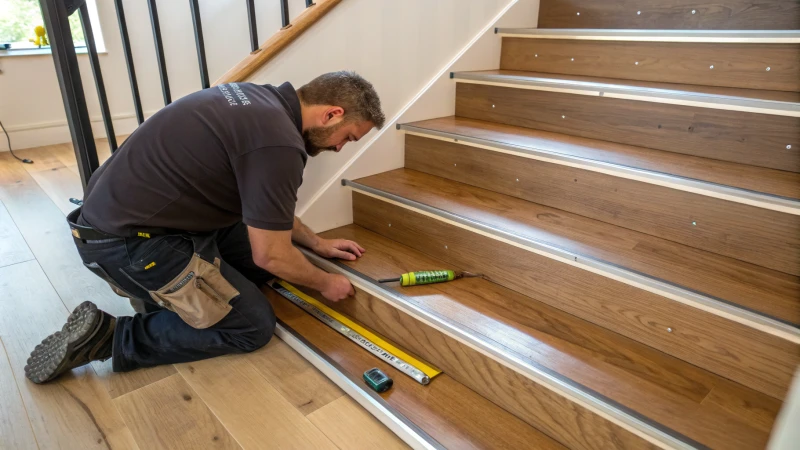
Think about the material when installing stair nosing. Follow safety standards for better protection. Use proper installation techniques. Choose a design that looks nice. Consider the cost. Material choice matters a lot.
Material Selection
Picking the correct material for stair nosing is important for both looks and use. Common materials include:
| Material Type | Benefits | Considerations |
|---|---|---|
| Aluminum | Lightweight, corrosion-resistant | May not provide enough grip |
| Stainless Steel | Durable, stylish finish | Higher cost, may require maintenance |
| Rubber | Excellent traction, comfortable | Less durable than metals, can wear down |
| Vinyl | Cost-effective, available in many colors | May not be as sturdy as other options |
For more about material choices10, think about how each option fits with your project’s needs and style.
Safety Standards
Safety must be the main focus for any home improvement project. I have learned how important it is to follow rules, especially with kids or elderly family members around:
- ADA Compliance: Nosing should stand out from the stair tread for better visibility.
- Slip Resistance: Choose materials that grip well, especially where spills or moisture may happen.
Check your local building codes for safety regulations because safety is really crucial!
Installation Techniques
Proper installation is very important for lasting safety. I found some helpful tips:
- Surface Preparation: Clean the stair surface deeply; it really matters for good adhesion.
- Alignment: Nosing must line up with the edge of the stair tread for a seamless look.
- Adhesive Application: Use the right adhesive for your material and apply it evenly to avoid annoying gaps.
Explore different installation methods to achieve the best results. Trust me, spending time on this step is worth it!
Aesthetic Considerations
Stair nosing impacts the stairs’ overall appearance greatly. You want it to fit well with your home:
- Color Coordination: Match or contrast with your stair tread and decor; it can really bring a room together.
- Profile Shape: Different profiles give unique visual effects; pick one that feels right for your style.
Look through aesthetic options to get design ideas that appeal to you.
Cost Factors
Budgeting is a very important part of any project. During my stair nosing plan, I had to consider several financial points:
- Material Costs: Higher-quality materials often last longer, so investing may be wise.
- Installation Expenses: Decide on DIY or hiring a professional. A pro might cost more, but they probably provide better results.
Check potential cost breakdowns to stay on budget while creating your ideal stairs.
Aluminum stair nosing is the most durable option available.False
While aluminum is lightweight and corrosion-resistant, it may not provide enough grip compared to other materials, making it less durable for certain applications.
ADA compliance is crucial for stair nosing installation.True
Ensuring that stair nosing provides contrast to the tread aids visibility, which is a key aspect of ADA compliance for safety.
What Are the Most Popular Stair Nosing Styles for Home Renovations?
Are you renovating your home and wondering which stair nosing styles will improve both safety and style? Let’s explore the most popular choices together!
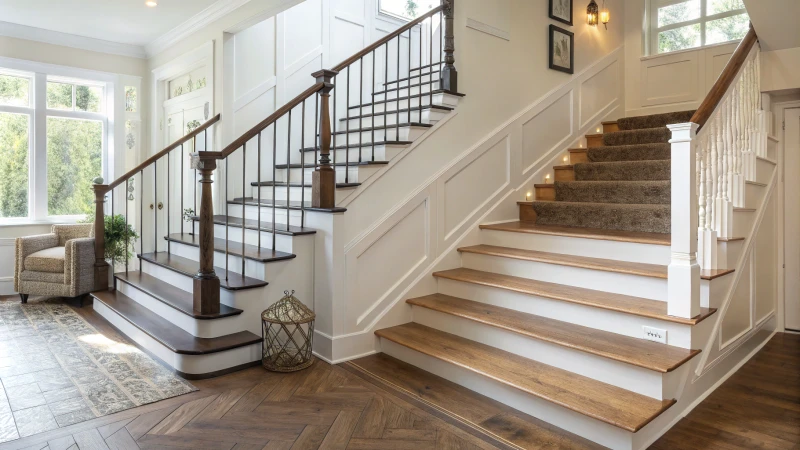
Square, rounded and beveled designs are the most popular stair nosing styles for home renovations. Each style provides unique looks and safety features. Different design preferences suit different homes. It is easy to find a style that matches your home’s appearance.
Understanding Stair Nosing Styles
Stair nosing is a crucial element in home renovations, providing both aesthetic appeal and safety. Common styles include square, rounded, and beveled nosing. Each style can enhance the overall design of your stairs while offering specific benefits related to safety and functionality.
Square Nosing
Square nosing features a straight edge that creates a defined step. This style is popular in modern designs and provides a minimalist look. It also aids in preventing slips, as the flat edge offers good traction.
For a modern touch, square nosing can be paired with materials such as:
- Aluminum
- Stainless steel
- Wood
Check out more about square nosing options11 to elevate your design.
Rounded Nosing
Rounded nosing features a curved edge, which softens the appearance of stairs. This style is often favored in traditional homes and can help reduce the risk of injury by eliminating sharp edges.
| Materials for rounded nosing include: | Material | Benefits |
|---|---|---|
| Wood | Warmth and classic appeal | |
| PVC | Cost-effective and durable | |
| Metal | Modern look and longevity |
Explore various rounded nosing styles12 to find the perfect match for your renovation.
Beveled Nosing
Beveled nosing is designed with an angled edge, which can give stairs a sleek, contemporary appearance. It is particularly effective for improving visibility of steps, thus enhancing safety, especially in low-light environments.
You might consider using:
- Laminated wood for a warm, inviting look
- Glass for a unique, modern twist
- Stone for durability and elegance
Learn more about the benefits of beveled nosing choices13 to complement your home’s architecture.
Factors Influencing Style Choice
When selecting stair nosing styles for home renovations, several factors come into play:
- Safety: Consider the level of foot traffic and whether extra traction is necessary.
- Aesthetic Appeal: The style should complement the overall design theme of your home.
- Material Durability: Ensure that the material chosen can withstand wear and tear over time.
- Cost: Assess budget constraints as some materials may be pricier than others.
By taking these factors into account, homeowners can make informed decisions that enhance both safety and style in their renovations. For additional insights on selecting stair nosing based on your needs, check out our guide on choosing the right style14.
Square nosing is the safest option for modern stair designs.True
Square nosing provides a flat edge that enhances traction, making it safer for high-traffic areas in modern homes.
Rounded nosing is preferred in contemporary home renovations.False
Rounded nosing is more commonly favored in traditional homes rather than contemporary designs due to its softer appearance.
Conclusion
Discover how different stair nosing types impact safety and style in home renovations, including metal, vinyl, rubber, and wood options.
-
Understanding the advantages can help you choose the best stair nosing for your project needs. ↩
-
Find out why vinyl is a popular choice for many projects and its specific advantages. ↩
-
Learn about rubber stair nosing features that enhance safety and comfort in commercial spaces. ↩
-
Explore how wood stair nosing can elevate the design of your interior spaces. ↩
-
This link will help you understand how various materials affect stair nosing, aiding in better decision-making for your project. ↩
-
Explore the advantages of using stainless steel for stair nosing in high-traffic areas. ↩
-
Learn about rubber stair nosing options for residential safety and comfort. ↩
-
Find out how PVC stair nosing can be cost-effective without compromising quality. ↩
-
This resource discusses sustainable material choices for eco-friendly projects. ↩
-
Explore essential factors for stair nosing installation to enhance safety and aesthetics in your home improvement project. ↩
-
This link offers comprehensive insights into the latest trends in stair nosing styles, helping you make an informed choice for your renovation project. ↩
-
Explore various materials and their benefits when it comes to stair nosing, ensuring durability and style in your home renovation. ↩
-
This resource will guide you through considerations for selecting stair nosing based on safety and aesthetic needs for your renovation. ↩
-
Find detailed information about different stair nosing styles to enhance your understanding and decision-making process. ↩






