Skip to content
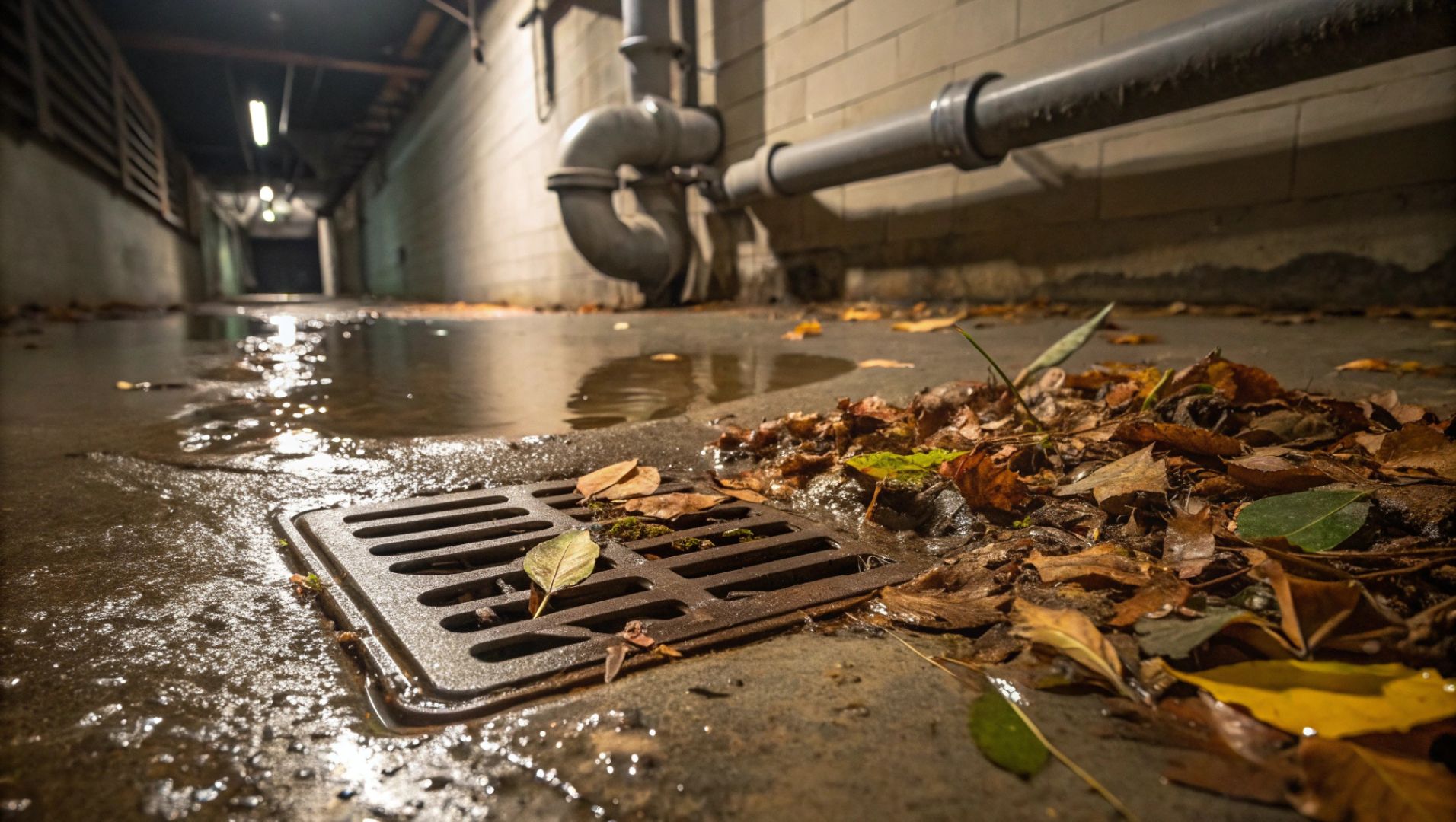
Have you ever faced the frustrating problem of floor drain backups?
Floor drains can back up primarily due to blockages caused by debris, foreign objects, pipe damage, and other obstructions in the drainage system. Identifying the specific cause is crucial for effectively addressing and preventing future backups.
While these primary causes provide a quick insight, delving deeper into each can offer valuable knowledge and practical solutions. Understanding the underlying issues will empower you to troubleshoot effectively and maintain a healthy drainage system.
Debris accumulation is the main cause of floor drain backups.True
Debris like hair, soap residue, and foreign objects cause blockages.
How Does Debris Accumulation Lead to Floor Drain Backups?
Is your floor drain frequently clogging, leaving you puzzled?
Debris accumulation, including hair, soap residue, and foreign objects, often causes floor drains to back up. Regular cleaning and preventive measures can help mitigate these blockages.
Common Types of Debris Causing Blockages
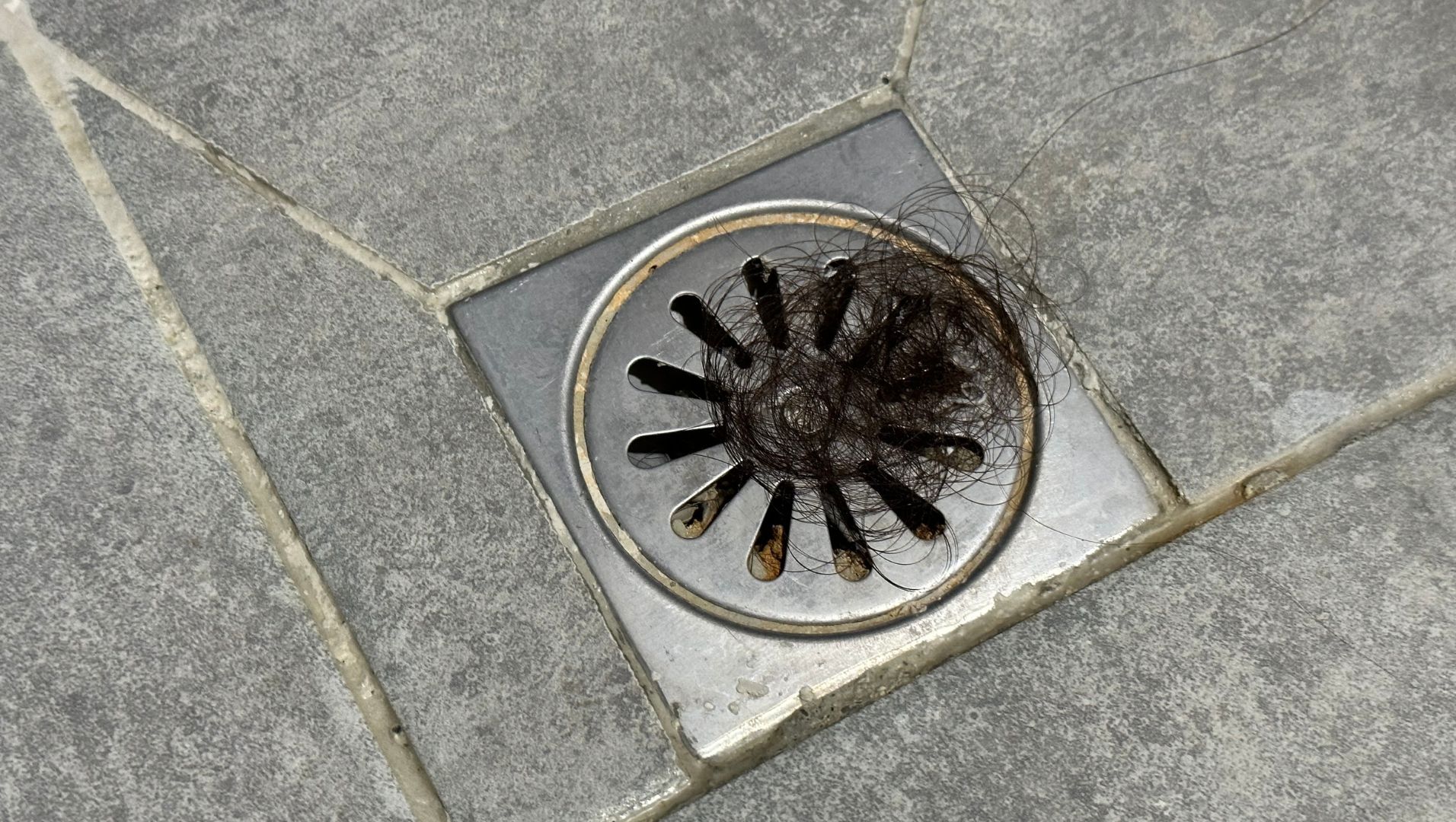
Hair and Skin Particles: The most frequent culprits in bathrooms, hair and skin particles combine with soap to form sticky clumps. These clumps adhere to pipe walls, gradually narrowing the passageway until water flow is significantly restricted.
Soap and Detergent Residue: Over time, the consistent use of soaps and detergents leads to a buildup of residue in pipes. This residue can harden, creating stubborn blockages that hinder water drainage.
Foreign Objects: In environments like kitchens or garages, small objects such as food scraps, bits of plastic, or even stones from shoes may fall into drains. These items contribute to clogs when they collect at critical junctions in the drainage system.
Impact of Debris on Drainage System
Blockage Formation: As debris accumulates, it forms a mass that obstructs water flow. This buildup can lead to water pooling on the floor and potentially causing damage to flooring materials.
Increased Pressure on Pipes: Accumulated debris not only blocks water but also increases pressure within the pipes. This pressure can exacerbate existing cracks or weaknesses in the pipe material, leading to leaks or breaks.
| Type of Debris | Potential Impact |
|---|---|
| Hair & Skin | Sticky clumps cause slow drainage |
| Soap Residue | Hardens and narrows pipe diameter |
| Foreign Objects | Create physical blockages in drains |
Preventive Measures
-
Regular Cleaning: Implement routine maintenance by clearing drains with a plumber’s snake or chemical cleaners designed for your specific type of pipes.
-
Drain Covers: Use mesh covers to catch larger debris like hair and food particles before they enter the drain system.
-
Proper Disposal Practices: Avoid washing grease or non-biodegradable materials down the drain. Instead, dispose of them appropriately to prevent residue buildup.
By understanding the types of debris that cause drain backups, you can implement effective solutions1 and maintain a clear drainage system.
Hair and skin particles form clumps in drains.True
Hair and skin combine with soap, forming sticky clumps that block drains.
Soap residue softens over time in pipes.False
Soap residue hardens over time, narrowing the pipe diameter.
What Role Do Foreign Objects Play in Blocking Floor Drains?
Floor drains are often overlooked until they stop working, usually due to blockages.
Foreign objects block floor drains by obstructing water flow, leading to backups. Common culprits include small items, sand, and gravel. Identifying these blockages helps in resolving and preventing drain issues.
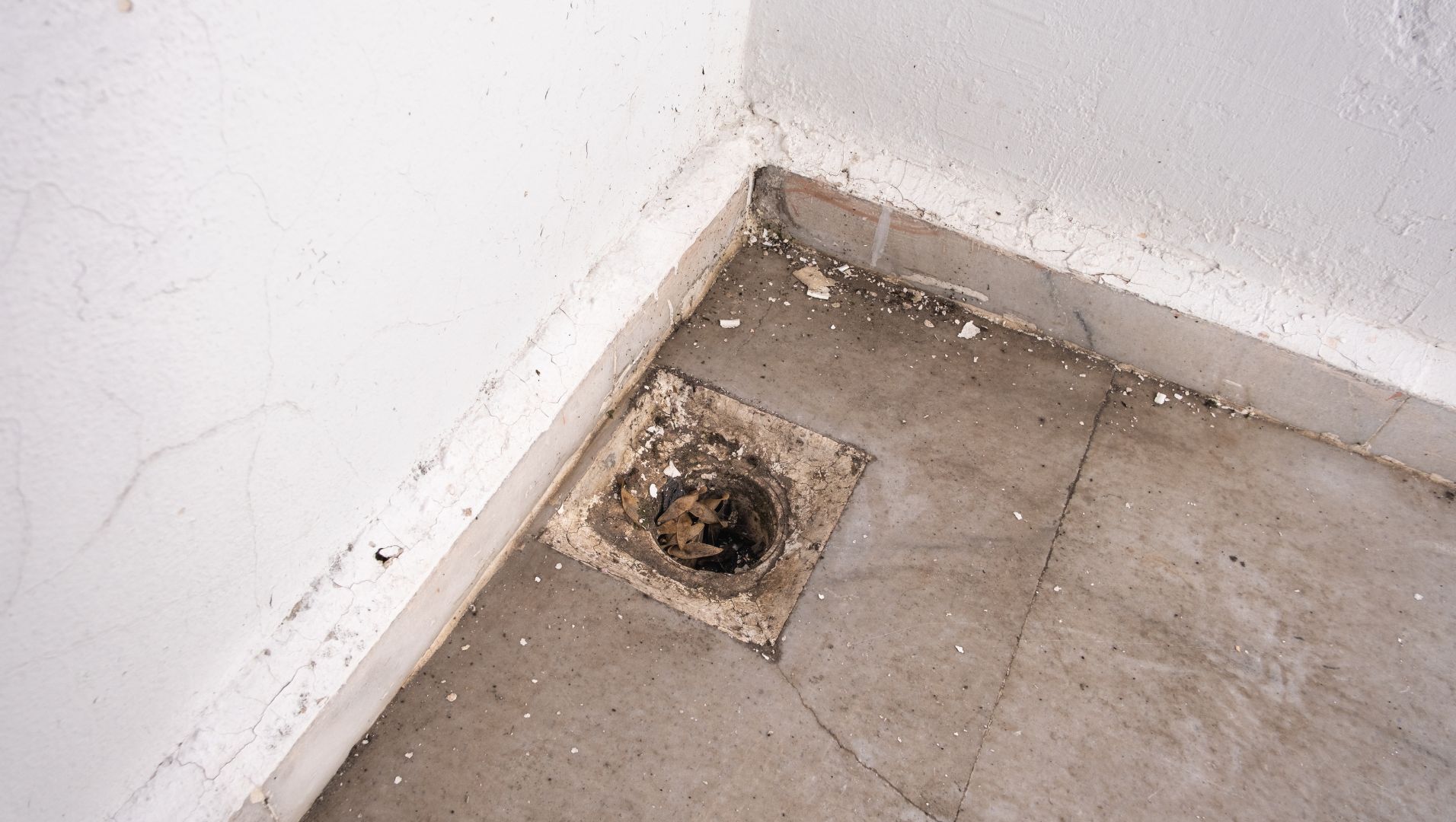
The Unseen Threat of Small Items
Small items, often considered insignificant, can become substantial hazards in floor drains. Everyday objects such as pieces of jewelry, children’s toys, or even small tools can accidentally find their way into the drainage system. Once lodged in the pipe, these items restrict water flow and accumulate debris over time. This gradual buildup leads to more severe blockages, resulting in costly repairs and inconvenience.
To mitigate this, homeowners should routinely check that drain covers are intact and secure. Additionally, educating family members about the importance of keeping small objects away from floor drains can prevent these incidents.
Sand and Gravel: Silent Blockers
In areas like garages or outdoor patios, sand and gravel can pose a unique challenge to drainage systems. These small particles are easily swept into drains by rainwater or cleaning activities. Once inside, they settle at the bottom of pipes and create a sedimentary blockage that can be difficult to remove without professional assistance.
Regular cleaning of these areas and installing fine mesh drain covers can significantly reduce the amount of sand and gravel entering the system. For areas prone to such issues, consider implementing a routine maintenance schedule to clear drains before they become problematic.
The Impact on Drainage Efficiency
Foreign objects not only block drains but also affect the overall efficiency of the drainage system. When blockages occur, water struggles to pass through, causing backflow that may lead to water damage or flooding in homes. This can particularly be an issue during heavy rains when the drainage system is already under stress.
Regular inspection and maintenance of floor drains can preemptively identify potential blockages. Using a plumber’s snake or hydro jetting services are effective methods for clearing existing obstructions and restoring full drainage capacity.
By understanding the role of foreign objects in blocking floor drains, homeowners can take proactive measures to maintain efficient and trouble-free drainage systems. For more in-depth strategies on preventing such blockages, explore our comprehensive guide here2.
Small items can cause severe floor drain blockages.True
Small items restrict water flow, causing debris buildup and blockages.
Sand and gravel are easy to remove from drains without help.False
Sand and gravel create sedimentary blockages needing professional removal.
Can Pipe Design Flaws Cause Drainage Issues?
Ever wonder if the design of your pipes could be causing your drainage woes?
Yes, pipe design flaws can indeed cause drainage issues. Improper slope, incorrect pipe diameter, or poorly planned layouts can lead to water flow problems, resulting in blockages and backups.
Understanding the Impact of Pipe Slope
The slope of a pipe is crucial for maintaining effective drainage. A slope that’s too steep can cause water to flow too quickly, leaving solids behind, while a slope that’s too shallow can slow down the flow, leading to sediment build-up. This principle is vital when designing drainage systems to ensure efficient water movement.
For instance, if your home’s drainage pipes are not installed with the correct gradient, you might experience frequent backups or slow draining sinks. Experts recommend a slope of about 1/4 inch per foot for most residential plumbing systems to balance water speed and sediment movement effectively.
The Importance of Correct Pipe Diameter
Selecting the right pipe diameter is another critical factor in preventing drainage issues. Pipes that are too narrow may not accommodate the expected water volume, while excessively wide pipes might result in low water pressure and increased sediment deposition.
Consider a scenario where a homeowner replaces old pipes with narrower ones to save costs. Although initially functional, these narrower pipes may soon struggle during peak usage times, leading to frequent clogs and water backing up.
Planning the Layout of Drainage Systems
Inadequate planning can lead to complex and inefficient drainage layouts. Pipes should be arranged in a manner that minimizes sharp bends and long horizontal runs that can slow down water flow and contribute to clogs.
A well-planned layout considers future needs and maintenance access points. For instance, incorporating clean-out plugs in strategic locations can make it easier to address blockages without dismantling the entire system.
For detailed guidelines on pipe installation and the factors affecting water flow in residential systems, refer to resources like pipe installation guidelines3 and water flow dynamics4. These can provide further insights into designing efficient and reliable drainage systems.
Pipe slope affects drainage efficiency.True
Correct slope ensures balanced water flow and prevents clogs.
Wider pipes always prevent drainage issues.False
Excessively wide pipes can reduce pressure, causing sediment build-up.
How Can You Prevent Floor Drain Backups During Heavy Rain?
Heavy rains often lead to drain backups, causing inconvenience and potential damage.
To prevent floor drain backups during heavy rain, ensure regular maintenance, install backwater valves, and inspect the drainage system for blockages. Proactive measures can effectively mitigate the risk of water damage and maintain a functional drainage system.
Regular Maintenance: A Key to Prevention
Consistent maintenance is crucial for preventing drain backups. Regularly clean and inspect your drains to remove any accumulated debris or potential blockages. Use natural cleaners or enzyme-based solutions to break down organic materials without harming the pipes. Scheduling professional inspections at least annually can help catch issues early, ensuring your drains remain clear and effective.
Install Backwater Valves
Backwater valves are an effective tool to prevent sewage from backing up into your home during heavy rain. These devices automatically close if water begins to flow back towards your property. Installation should be done by a professional to ensure proper function. For more detailed insights on this solution, consider exploring installing backwater valves5.
Evaluate Your Outdoor Drainage System
Assessing and optimizing your outdoor drainage setup can significantly reduce the risk of backups. Ensure gutters and downspouts are clear of leaves and debris, directing water away from your home’s foundation. Additionally, ensure that landscaping slopes away from the house to prevent water accumulation around the foundation.
Address Pipe Issues Promptly
Cracks or damages in the pipes can exacerbate backup issues during heavy rain. These should be repaired immediately to prevent further complications. Routine inspections using a camera can help detect problems before they escalate.
Consider a Sump Pump Installation
In areas prone to heavy rainfall, installing a sump pump can be an effective preventive measure. Sump pumps help remove excess water from basements or crawl spaces, reducing the risk of backups. Research sump pump benefits6 for more comprehensive understanding.
These strategies, when combined, offer a robust defense against floor drain backups during heavy rains.
Backwater valves prevent all types of drain backups.False
They prevent sewage backups, not all types of drain backups.
Regular maintenance can prevent floor drain backups.True
It helps remove debris and blockages, preventing backups.
Conclusion
Understanding the root causes of floor drain backups enables proactive prevention and effective solutions. Addressing issues like blockages, foreign objects, and pipe damage ensures smooth drainage.
-
Learn practical tips to keep your drains clog-free.: My makeshift solution was to surround the drain with brushes, etc., to catch the debris while letting water pass through, albeit more slowly. ↩
-
Learn practical strategies for preventing foreign object-induced drain blockages.: To avoid this problem, only let water, toilet paper and human waste go into your drains, while all other objects should be recycled or disposed … ↩
-
Understand how to design effective and reliable pipe systems.: Our guide breaks down the essentials of residential plumbing, including the basic components plus advanced technologies and best practices. ↩
-
Gain insights into what influences water movement efficiency.: All pipes carrying fluids experience losses of pressure caused by friction and turbulence of the flow. ↩
-
Understand how backwater valves protect against sewer backups.: Main advantage of an indoor install is that backwater valve is easily accessible. It is protected from the weather elements. You can visually inspect it, or, in … ↩
-
Learn how sump pumps prevent basement flooding effectively.: Removes Flood Water from Basement. One of the most obvious advantages of sump pumps is that they remove excess water that gets into your basement. This means … ↩