
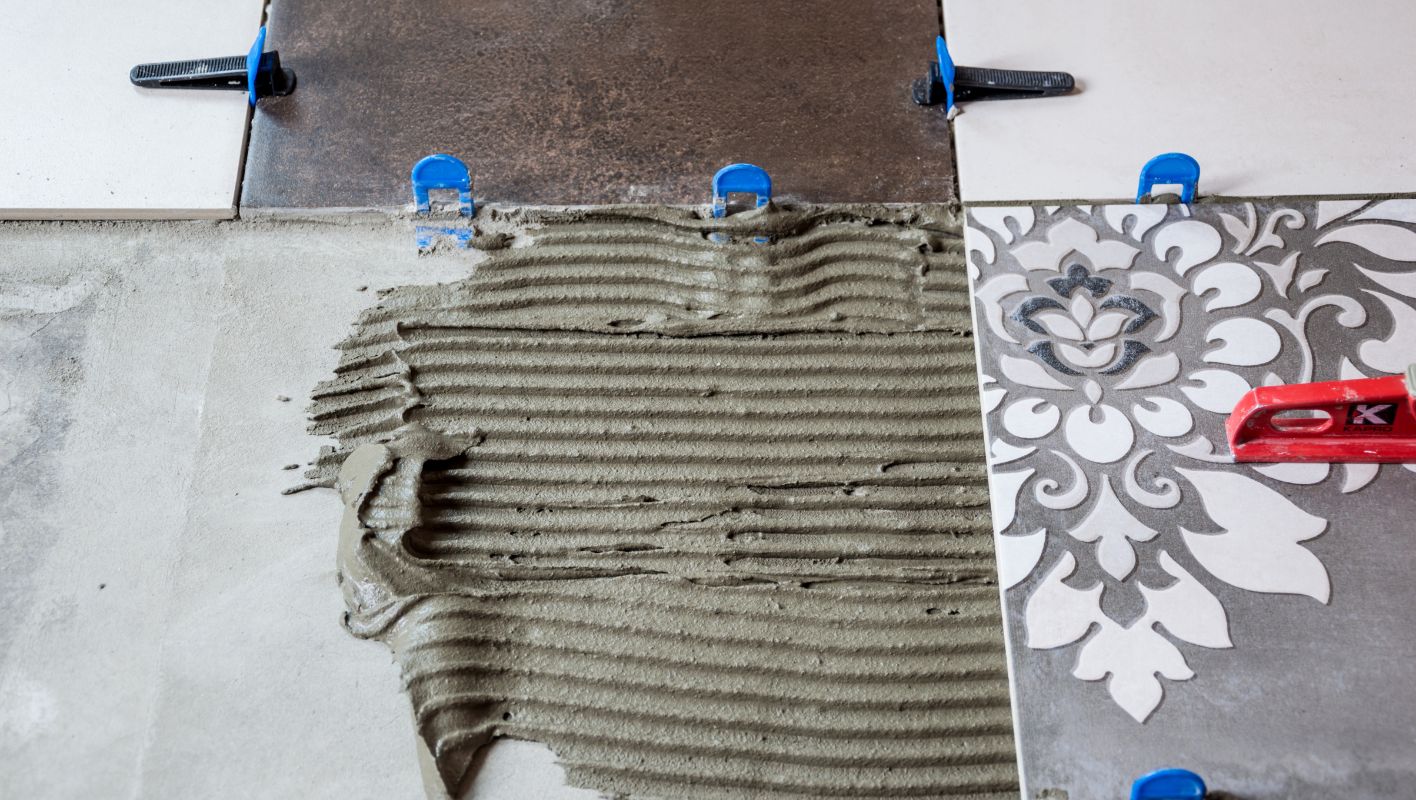
Ever pondered if those ceramic wall tiles could handle the hustle and bustle of your floors? Let’s find out!
Ceramic wall tiles aren’t the best choice for flooring due to their lack of durability and slip resistance needed for floors. Floor tiles are crafted to endure foot traffic and provide better slip resistance. Always check the COF rating before using any tile for flooring.
When I first toyed with the idea of using some leftover ceramic wall tiles for my kitchen floor, I imagined saving a ton on my renovation budget. But here’s the thing: wall tiles and floor tiles are built differently. Wall tiles tend to be more delicate and, let’s be honest, slippery. Imagine trying to hustle through your morning routine only to find yourself in an unexpected dance-off with your floor! Not ideal, right?
Instead, I learned about the importance of checking the COF rating—a measure of slip resistance—before making any flooring decisions. This little detail can make all the difference in ensuring both safety and durability. It’s always worth exploring the right materials for the job to prevent future headaches and mishaps.
Ceramic wall tiles lack slip resistance for floors.True
Wall tiles are not designed to provide the slip resistance needed for flooring.
Floor tiles can be used interchangeably with wall tiles.False
Floor tiles are specifically designed for durability and slip resistance, unlike wall tiles.
How Do Wall and Floor Tiles Differ?
Deciding between wall and floor tiles often feels like picking the right shoes for a big event. Each type has its own unique role to play, and knowing the differences can make all the difference in your project.
Wall tiles are designed to be lightweight and decorative for vertical surfaces, whereas floor tiles are thicker and built to handle foot traffic. Choose based on where they’ll be used.
Understanding Material Composition
I’ve always found the world of tiles to be a bit like choosing a jacket versus a coat. Wall tiles are like that lightweight jacket you wear for style—typically made of ceramic, they’re perfect for vertical surfaces, adding a decorative touch without being too hefty. I remember when I was first introduced to them during a renovation project; their glazed finish added an unexpected elegance to the walls of my kitchen.
In contrast, floor tiles1 are the rugged coat you reach for when you need something durable. Usually made from porcelain, these tiles can withstand daily wear and tear, which makes them ideal for flooring. I had this realization when my living room floor needed an upgrade—it was like finding that perfect winter coat that withstands everything!
Design and Aesthetic Differences
Wall tiles offer a vibrant palette of intricate designs, much like picking out a flashy tie to complement your suit. They don’t need to worry about durability as much as floor tiles do, which is why they can be so bold and colorful. On the other hand, floor tiles might not shout as loudly with patterns, but they speak volumes in strength and reliability. However, with recent innovations, even these sturdy tiles have started exploring new design territories.
| Type | Material | Typical Use |
|---|---|---|
| Wall Tiles | Ceramic | Bathrooms, Kitchens |
| Floor Tiles | Porcelain | Living Rooms, Exteriors |
Functionality and Durability
When it comes to handling life’s everyday chaos, floor tiles are your go-to. They bear the brunt of foot traffic and moisture with grace. Think of them as the reliable friend who always has your back. Wall tiles2, on the other hand, are like that friend who’s great at parties but maybe not suited for heavy lifting—they simply aren’t made for such demands.
Installation and Adhesive Considerations
I’ve learned through trial and error that using the right adhesive can make or break a tiling project. Floor tile adhesive is like super glue, strong enough to hold up under weight. Meanwhile, wall tile adhesive is specially formulated for lighter loads on vertical surfaces. Getting this right is crucial, as I discovered during my bathroom renovation when the wrong choice led to a cascading tile disaster—lesson learned!
Practical Use Cases
There’s an art to knowing where each type of tile should go. Once, in a moment of creativity, I thought about using wall tiles on my floor. Big mistake! They cracked under the pressure just like flimsy flip-flops on a rocky trail. Conversely, using floor tiles on walls is possible but requires some extra support due to their weight—like hanging a heavy picture frame securely. For anyone curious about the nitty-gritty details of installation, I’d recommend diving into this detailed guide3.
Wall tiles are typically made of porcelain.False
Wall tiles are usually made of ceramic, not porcelain.
Floor tiles can be used on walls with extra support.True
Floor tiles are heavier and may need extra support when used on walls.
How can I determine the durability of ceramic tiles?
Remember the time when choosing tiles felt like navigating a maze? Understanding their durability makes all the difference.
To determine the durability of ceramic tiles, I consider PEI ratings, water absorption rates, and flexural strength. Conducting both visual and standardized tests ensures a comprehensive assessment of tile quality.
Understanding PEI Ratings
Let me take you back to my first major renovation project. I was overwhelmed by the sheer variety of ceramic tiles available. That’s when I discovered the Porcelain Enamel Institute (PEI) rating. This little number became my go-to guide for evaluating a tile’s ability to endure wear and tear. For example, during that renovation, I opted for a tile rated4 PEI 4 for a bustling café space. It turned out to be perfect for the heavy foot traffic. Here’s a handy breakdown:
| PEI Rating | Recommended Use |
|---|---|
| 1 | Wall applications only |
| 2 | Light traffic areas |
| 3 | All residential and light commercial |
| 4 | Moderate to heavy traffic areas |
| 5 | Heavy traffic and industrial areas |
Water Absorption Rates
Then, there’s the matter of water absorption rates. I recall a time when a client’s newly installed kitchen tiles began to warp because they absorbed too much moisture. That’s when I learned that tiles with low absorption rates are crucial for wet areas. Now, I always recommend tiles with5 less than 0.5% absorption rate for bathrooms or kitchens to avoid such mishaps.
Flexural Strength Testing
Flexural strength testing is another critical aspect. Imagine this: you’re planning a chic new office space, and you need the floors to withstand not just the daily footfall but also the occasional moving of heavy furniture. High flexural strength ensures your tiles won’t crack under pressure. Trust me, it’s a lifesaver in high-traffic areas.
Visual Inspection and Testing Standards
And finally, never underestimate the power of a good visual inspection. Back when I was still learning the ropes, I once overlooked color uniformity in a batch of tiles and ended up with a patchy floor that screamed "rookie mistake." Checking for uniformity in color, texture, and finish, along with ensuring compliance with standards like ISO 10545-4, helps guarantee durability and quality. Plus, familiarizing myself with industry guidelines6 has been invaluable for meeting necessary specifications.
By focusing on these factors and conducting thorough inspections, I’ve learned to effectively assess the durability of ceramic tiles for any project needs. It’s not just about picking a pretty pattern; it’s about making sure the beauty lasts.
PEI 4 tiles are suitable for residential bathrooms.False
PEI 4 is for moderate to heavy traffic, not residential bathrooms.
Tiles with less than 0.5% absorption are ideal for kitchens.True
Low absorption rates prevent moisture damage in wet areas like kitchens.
Why is Slip Resistance Important in Floor Tiles?
You know that moment when you almost slip in the kitchen and your heart skips a beat? Slip-resistant tiles can help avoid those heart-stopping moments.
Slip-resistant floor tiles are crucial for safety, especially in moisture-prone areas like bathrooms and kitchens. They provide necessary grip to prevent accidents, meeting industry standards for slip resistance.
Understanding Slip Resistance Standards
When it comes to slip resistance, I like to think of it as the quiet hero of safety in our homes and workplaces. It’s a measure of how well a tile can keep us steady on our feet, and it’s evaluated by something called the Coefficient of Friction (COF). Higher COF values mean better grip, which translates to fewer accidents waiting to happen.
| Slip Resistance Rating | Description |
|---|---|
| 0.0 – 0.3 | Low slip resistance |
| 0.4 – 0.6 | Moderate slip resistance |
| 0.7 and above | High slip resistance |
Real-World Applications
In my experience, especially in bustling commercial spaces like restaurants or hospitals, having slip-resistant tiles is non-negotiable. These tiles act as silent sentinels, preventing mishaps in areas prone to spills and heavy foot traffic. And let’s not forget our homes—places like the bathroom or kitchen, where a little bit of water can turn a smooth floor into a slip-and-slide.
Material and Design Considerations
Choosing the right tile material and design can be a game changer. I remember walking into a friend’s house and noticing how their textured tiles made such a difference in grip compared to my smooth ones at home. Textured surfaces or natural stone tiles often provide that extra bit of security we all need.
Selecting the right material7 can significantly enhance safety.
Industry Insights
Many top suppliers, like Trimetix8, offer detailed specifications on slip ratings, making it easier for folks like us to make informed decisions. This kind of transparency is crucial when you’re trying to balance safety standards with project needs.
Sustainability and Safety
Nowadays, I’m thrilled to see eco-friendly materials stepping up with slip-resistant features. The great news is that sustainable production doesn’t have to mean compromising on safety. Manufacturers are getting creative, integrating recycled materials into innovative designs that keep us safe and environmentally conscious.
When choosing tiles, focusing on both sustainability and safety9 is key. It’s all about being part of the modern movement towards eco-friendly solutions while keeping safety front and center in our projects.
Tiles with COF below 0.3 have low slip resistance.True
COF ratings below 0.3 indicate low slip resistance, increasing slip risk.
Smooth tiles offer better grip than textured ones.False
Textured tiles provide better grip than smooth surfaces due to added friction.
Can Wall Tiles Be Used on Floors?
Ever wondered if those gorgeous wall tiles could also work wonders on your floors? Let’s uncover when and how this might actually be possible.
In certain situations, wall tiles can be used on floors, specifically in areas with low foot traffic, provided they have adequate slip resistance and durability. Always check the tile’s specifications and seek professional advice before proceeding with installation.
I remember the first time I considered using wall tiles on my floor. I was captivated by a stunning tile design that I wanted everywhere, but I wasn’t sure if it would hold up underfoot. This led me to dive into the world of tile ratings and specifications.
Understanding Tile Ratings
Tiles have what’s called a Porcelain Enamel Institute (PEI) rating10, which tells us how tough they are. Generally, for floor use, tiles should have a PEI rating of 3 or higher. Wall tiles often have lower ratings because they’re not made to endure the wear and tear that floors do.
Assessing Slip Resistance
Slip resistance is another crucial factor, especially if you’re thinking of tiling a bathroom floor. The Coefficient of Friction (COF)11 helps gauge how slippery a tile might be when wet. To keep things safe, I always look for a COF rating above 0.60.
| Tile Type | Recommended Use |
|---|---|
| Wall Tiles | Walls, Backsplashes |
| Floor Tiles | Kitchens, Bathrooms, Entryways |
Aesthetic Considerations
There’s something incredibly satisfying about having a seamless look with the same tiles on walls and floors. However, it’s important to ensure that these wall tiles can withstand the rigors of foot traffic, particularly in busy areas.
Exceptions: Where Wall Tiles May Work
- Low-Traffic Areas: If you’re considering a hallway or another area that doesn’t see much foot traffic, some wall tiles might just do the trick. Just make sure to check their wear resistance.
- Temporary Installations: When I’ve needed a quick, temporary fix, wall tiles have sometimes been a cost-effective option.
- Decorative Purposes: If you’re aiming for a unique artistic floor pattern, wall tiles can be used creatively, often with special adhesives or backings to bolster their durability.
Consulting Professionals
Before jumping into installation, it’s always wise to consult with a flooring expert. They can give you valuable insights on whether those beautiful wall tiles can handle being on the floor and suggest alternatives if needed.
Final Thoughts
While the idea of using wall tiles on floors is tempting for their aesthetic appeal, it’s important to balance beauty with practicality. Consulting experts and paying close attention to specifications12 will help ensure your home project not only looks great but is also safe and durable.
Wall tiles can have a PEI rating of 3 or higher.False
Wall tiles typically have lower PEI ratings, suitable for walls only.
COF rating above 0.60 is ideal for floor tiles.True
A COF rating over 0.60 indicates good slip resistance for floors.
Conclusion
Ceramic wall tiles are not ideal for flooring due to durability and slip resistance issues. Always check COF ratings and consider appropriate materials for safety and longevity.
-
Learn about the specific materials that make wall and floor tiles distinct in terms of durability and usage. ↩
-
Understand the implications of using wall tiles on floors to prevent potential damages. ↩
-
Discover installation tips for using floor tiles on walls, focusing on support and adhesive requirements. ↩
-
Understanding PEI ratings helps in selecting the right tiles for specific areas based on wear resistance. ↩
-
Low absorption rates prevent moisture damage, making them ideal for wet environments like bathrooms. ↩
-
Knowing these standards ensures your tiles meet essential durability and quality benchmarks. ↩
-
Learn about various materials offering superior slip resistance to enhance safety. ↩
-
Discover Trimetix’s offerings on slip-resistant tiles to ensure quality and compliance. ↩
-
Explore options that combine environmental sustainability with high safety standards. ↩
-
Understanding PEI ratings helps you choose tiles suitable for different applications, ensuring proper use and longevity. ↩
-
Learn about COF ratings to select safe flooring options, particularly important in wet areas like bathrooms. ↩
-
Find out how to evaluate tile specifications to ensure they’re suitable for floor use and meet safety standards. ↩






