
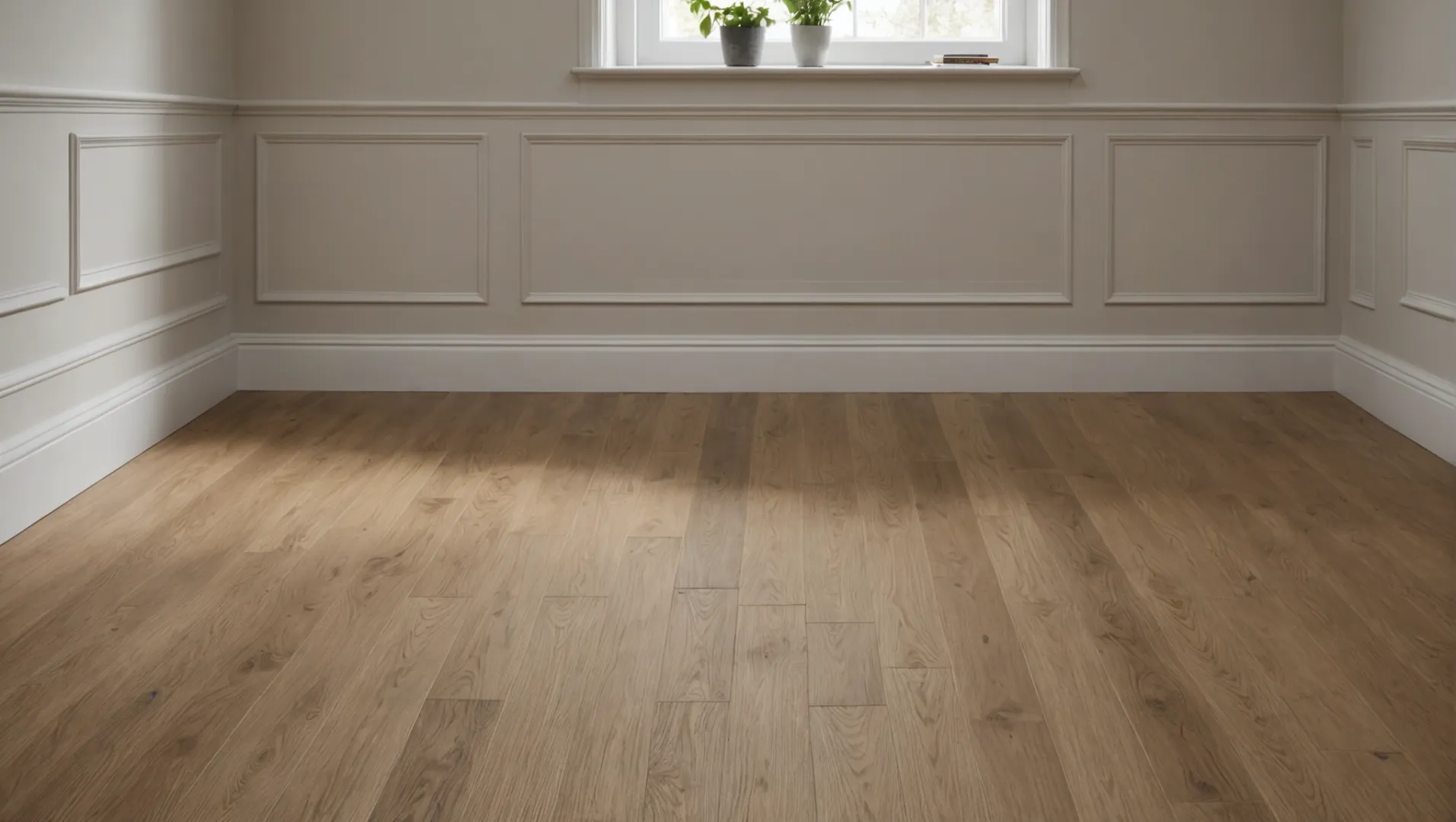
Selecting skirting boards might seem like a small detail, but it’s one that can truly transform your home’s interior.
To choose the perfect skirting boards, consider material, style, and height that complement your home’s architecture and existing elements. Evaluate durability, maintenance needs, and budget to ensure a practical and stylish selection.
While this brief overview provides a solid starting point, there are intricate details and decisions to be made that can significantly impact the final look. Dive deeper into each aspect to make informed choices that truly enhance your space.
Wooden skirting boards require regular maintenance.True
Wood can warp or get damaged by moisture, needing upkeep.
What Materials Are Best for Skirting Boards?
Choosing the right material for skirting boards can enhance both functionality and aesthetics in your home.
The best materials for skirting boards include MDF for affordability, wood for elegance, PVC for moisture resistance, and aluminum for modernity. Each offers distinct advantages suitable for different home environments.
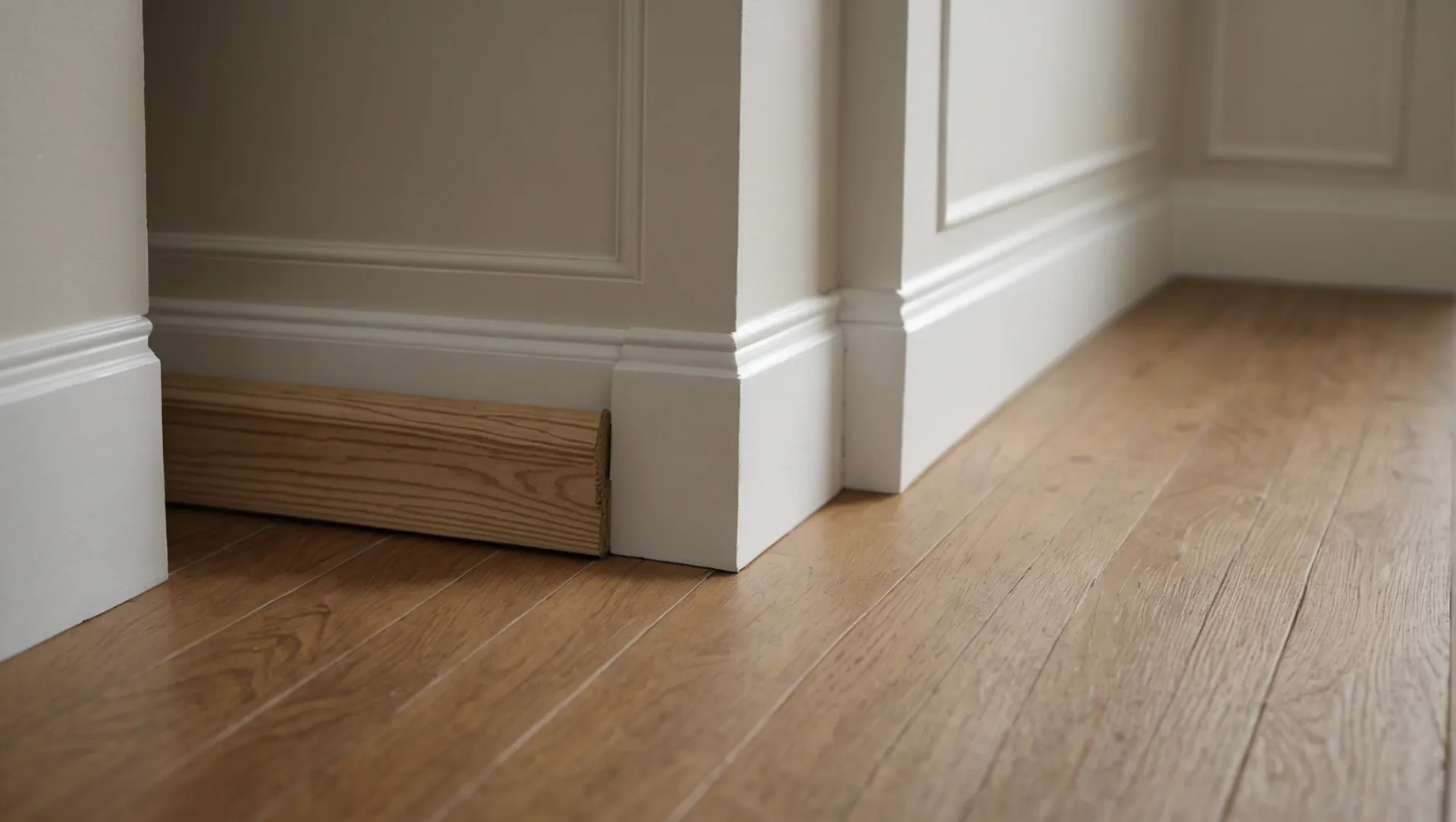
MDF: The Budget-Friendly Choice
MDF (Medium Density Fiberboard) is popular due to its affordability and ease of painting. It’s perfect for those looking to achieve a smooth finish without breaking the bank. However, considerations about durability1 are crucial, especially in high-traffic areas where wear and tear are common.
Wood: Timeless Elegance
Wooden skirting boards offer a classic look and can be stained or painted to match any decor. They are durable and add a touch of luxury, but they may require regular maintenance2 to prevent warping or damage from moisture.
PVC: Moisture Resistance
PVC is an excellent option for rooms prone to moisture, such as bathrooms or kitchens. It’s low-maintenance and resistant to water damage, but it may lack the aesthetic appeal3 of natural materials like wood.
Aluminum: Sleek and Modern
Aluminum skirting boards provide a sleek, contemporary look ideal for modern homes. They’re incredibly durable and resistant to corrosion, making them suitable for various environments. However, the cost can be higher, which is something to weigh against its long-term benefits4.
| Material | Key Benefits | Drawbacks |
|---|---|---|
| MDF | Affordable, easy to paint | Less durable than wood |
| Wood | Classic look, durable | Requires maintenance |
| PVC | Water-resistant, low-maintenance | Less aesthetic appeal |
| Aluminum | Modern look, durable | Higher cost |
Understanding these options helps in selecting the right skirting board material that aligns with your home’s needs and style. Consider your specific environment, the room’s function, and existing decor when making a decision.
MDF skirting boards are the most durable option.False
MDF is affordable but less durable than wood, especially in high-traffic areas.
Aluminum skirting boards resist corrosion.True
Aluminum is known for its durability and resistance to corrosion, making it ideal for various environments.
How Does Style Influence Skirting Board Selection?
Choosing skirting boards isn’t just about function; style plays a pivotal role in shaping your space.
Style influences skirting board selection by aligning with your interior design theme, enhancing aesthetics, and maintaining harmony with existing architectural elements.
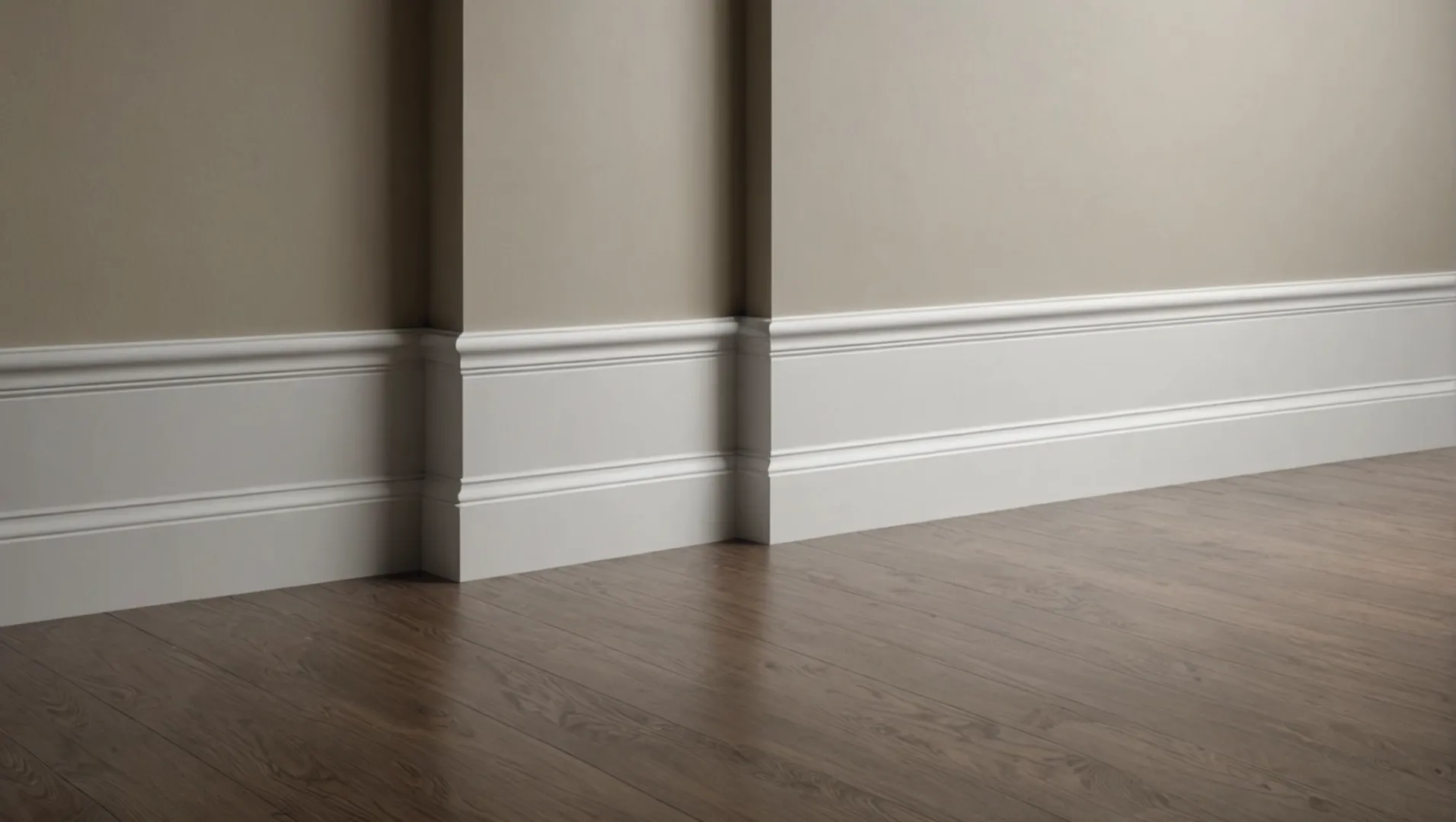
Aligning with Interior Themes
When selecting skirting boards, the style of your home is an essential consideration. A minimalist approach5 might suit a modern apartment, where clean lines and understated elegance are key. In contrast, a Victorian home might benefit from more ornate skirting boards that reflect its historical charm.
- Modern Spaces: Opt for skirting boards with simple, sleek designs that emphasize minimalism. Materials like MDF or aluminum work well here.
- Traditional Homes: Consider detailed woodwork or taller profiles to capture the grandeur of classic designs.
Enhancing Aesthetics
The style of skirting boards should enhance the room’s visual appeal. The height and profile can dramatically influence how a space is perceived. Tall skirting boards can make ceilings feel higher, adding a sense of spaciousness.
- Profile Options: From bullnose to ogee, each profile offers a different aesthetic feel. Choosing the right one can subtly but significantly affect your room’s ambiance.
- Color Coordination: Matching or contrasting the color of the skirting board with your walls can either blend them seamlessly or highlight architectural details.
Harmony with Architectural Elements
Skirting boards should harmonize with existing features such as door frames, moldings, and flooring. It’s crucial to ensure consistency across these elements to avoid visual dissonance.
- Consistency: Use the same material or color family for cohesive flow throughout your home.
- Transitioning Styles: For homes that blend modern and traditional elements, transitional styles offer a middle ground that can bridge different design periods gracefully.
A well-chosen skirting board doesn’t just complete a room; it elevates it by reinforcing your home’s architectural style and enhancing its overall aesthetic. Understanding how different styles impact your choice will ensure you pick skirting boards that not only fit but also uplift your space.
Modern spaces benefit from ornate skirting boards.False
Modern spaces typically use simple, sleek designs, not ornate ones.
Tall skirting boards make ceilings appear higher.True
Tall skirting boards create an illusion of height, enhancing spaciousness.
What Practical Considerations Should You Keep in Mind?
Choosing skirting boards involves more than just aesthetic preferences. Practicality is key.
Key practical considerations include durability, ease of maintenance, installation complexity, and cost-effectiveness. These factors ensure that skirting boards are not only visually appealing but also functional and long-lasting, enhancing the overall investment in your home.
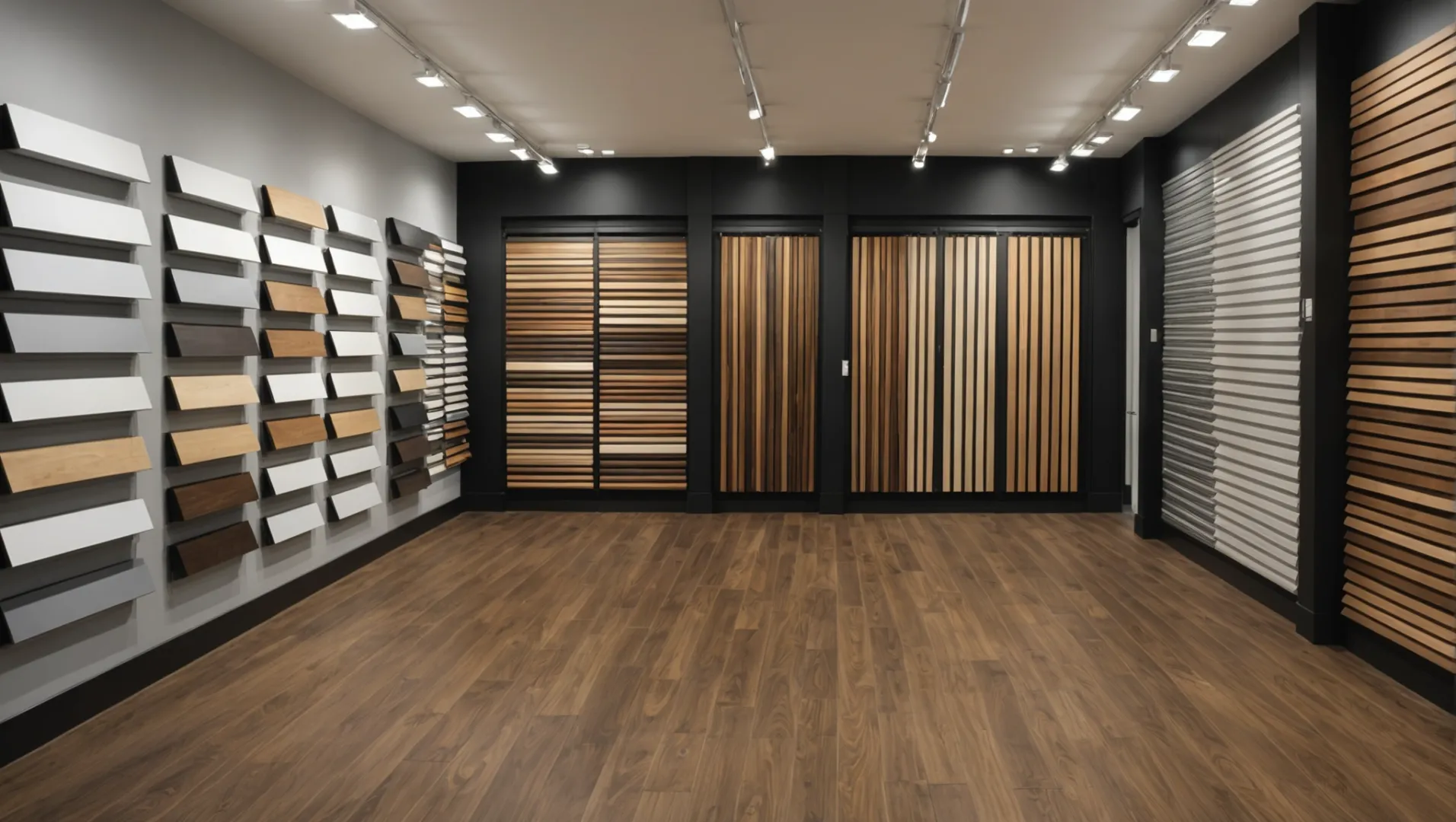
Durability and Maintenance
When selecting skirting boards, consider the material’s durability. For high-traffic areas, materials like hardwood or aluminum offer better longevity compared to MDF or PVC. It’s important to weigh maintenance requirements6, as some materials require regular upkeep to maintain their appearance.
Installation Complexity
Installation can vary significantly depending on the skirting board material and style. Some options, like clip-on PVC boards, offer ease of installation7 and might be suitable for DIY projects. However, intricate styles or heavier materials may necessitate professional installation, impacting your budget.
Budgeting Effectively
Budget considerations go beyond the initial cost of materials. Factor in additional expenses such as tools, adhesives, and potential professional installation fees. Opting for higher-quality materials can be more cost-effective long-term due to reduced maintenance and replacement costs. Balancing quality and budget is crucial for a satisfying outcome.
Functional Extras
Some skirting boards come with added functionalities like built-in cable management systems or moisture resistance. These features can be particularly beneficial for homes with specific needs8, such as areas prone to dampness or where cable management is required.
| Consideration | Impact on Choice |
|---|---|
| Material Durability | Affects longevity and maintenance requirements |
| Installation Method | Influences cost and feasibility for DIY projects |
| Budget | Determines material choice and potential quality |
| Additional Features | Enhances functionality and adaptability |
Hardwood skirting boards require less maintenance than MDF.False
Hardwood requires regular maintenance to maintain appearance, unlike MDF.
PVC skirting boards are easier to install than hardwood ones.True
PVC boards often use clip-on systems, simplifying installation compared to hardwood.
How Do You Accurately Measure for Skirting Boards?
Accurate measurements are key to ensuring your skirting boards fit seamlessly and enhance your space.
To measure for skirting boards, start by determining the perimeter of the room, account for any corners, and include doorways in your calculations. Consider the height of the skirting board relative to wall height and existing features for a harmonious look.

Understanding Your Room’s Perimeter
The first step in measuring for skirting boards is to determine the perimeter of your room. Use a tape measure to capture the length of each wall from corner to corner. For rooms with non-standard shapes or alcoves, take detailed measurements of each section separately.
Considerations for Corners
For corners, remember that external corners require additional material compared to internal ones due to the way skirting boards join. You might need to purchase corner blocks or have a miter saw handy for precise cuts. Here’s a simple table to illustrate:
| Corner Type | Additional Material Needed |
|---|---|
| Internal Corner | Minimal |
| External Corner | Extra Length for Joints |
Factoring in Doorways
When measuring, account for doorways and other interruptions in the wall. Subtract these from your total perimeter measurement but plan for neat cuts or transitions at these points. It’s crucial to ensure continuity in style and color across these junctions.
Choosing the Right Height
The height of your skirting board should complement your room’s proportions. High ceilings might demand taller skirting boards, whereas standard rooms benefit from medium-height options. It’s also essential to ensure your skirting board height doesn’t obstruct electrical outlets or switches.
Matching Existing Features
Evaluate existing elements such as door frames, window sills, and flooring materials when selecting the height and style of your skirting boards. A cohesive look can greatly enhance the aesthetics of a room. For more insight on matching with existing elements, refer to choosing compatible skirting styles9.
Final Tips for Accurate Measurements
- Double-check measurements: Always measure twice to avoid mistakes.
- Plan for waste: Purchase extra material (about 10-15%) to account for errors and cuts.
- Consult professionals if needed: Sometimes, expert advice can save time and prevent costly mistakes.
In conclusion, careful measurement is critical to ensuring your skirting boards fit perfectly and blend with your home’s design elements.
External corners need more skirting material than internal.True
External corners require extra length for joints, unlike internal ones.
Skirting board height should not obstruct electrical outlets.True
Avoid blocking outlets to maintain functionality and aesthetics.
Conclusion
Thoughtful selection of skirting boards not only beautifies your home but also adds functional value. Reflect on your specific needs and explore various options to make the best choice.
-
Learn about the durability challenges of using MDF in high-traffic areas.: What are the disadvantages of MDF ? · Weak material. MDF lacks the directional grain that gives solid wood and plywood its strength and structural integrity. ↩
-
Discover effective maintenance practices for keeping wooden skirting boards pristine.: Start by dusting your skirting boards with a microfibre, light cloth · Follow this by using brush attachment on your vacuum · Wipe the surfaces … ↩
-
Explore ways to enhance the look of PVC skirting boards in your home.: Skirting boards, also known as baseboards or base moldings, play a significant role in enhancing the visual appeal of a room while serving … ↩
-
Understand the long-term advantages of choosing aluminum for your skirting boards.: Aluminum skirting boards are lightweight yet extremely durable. With these features, they both facilitate the installation process and provide long-lasting use. ↩
-
Explore minimalist designs to match modern interiors and enhance simplicity.: Discover Pinterest’s best ideas and inspiration for Minimalist skirting boards. Get inspired and try out new things. ↩
-
Discover how different materials require varying levels of upkeep.: Routine Cleaning. Dust and wipe the skirting regularly with a damp cloth to keep it free from dirt and debris. Avoid using overly wet cloths, as moisture can … ↩
-
Learn about straightforward installation options for DIY enthusiasts.: How To Install Skirting Boards | Easy DIY Guide For Perfect Skirtings 00:00 Intro 01:32 How To … ↩
-
Explore skirting boards that offer integrated cable management solutions.: Hi, I recently moved into new place (rental) and I’m wanting to manage an ethernet cable along the skirting board in my office, … ↩
-
Learn how to ensure skirting boards complement existing home features.: Some skirting board materials may lend themselves better to matching the wall colour, while others may look better with a contrasting colour. ↩






