
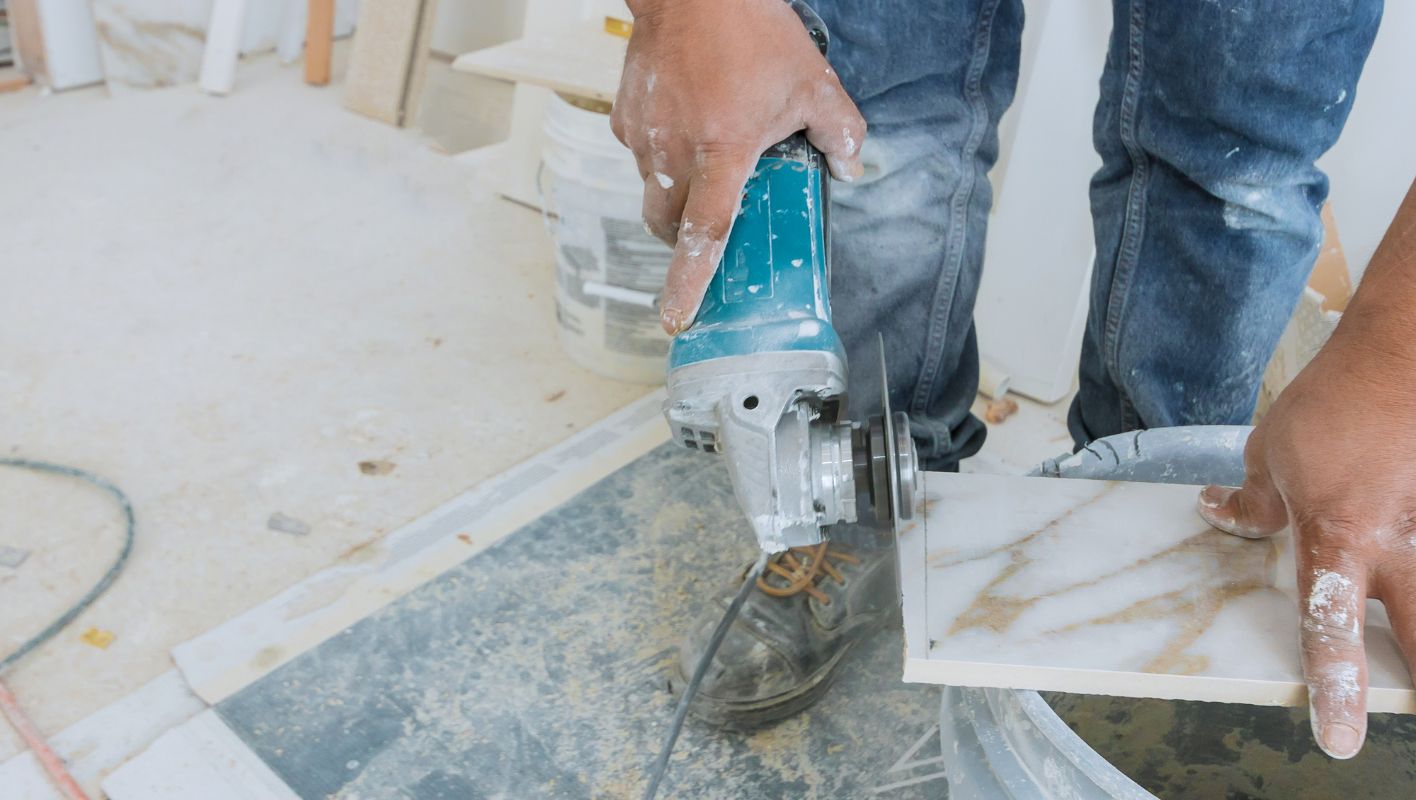
Ever found yourself staring at a pile of tiles, wondering how on earth you’ll cut them perfectly? I’ve been there, and with a trusty grinder, it’s easier than you think.
Cutting tiles with a grinder starts with selecting the right diamond blade for your tile type. Then, mark the cut line precisely, secure the tile, and guide the grinder steadily along the line with even pressure to avoid chips.
There was this one time I decided to renovate my bathroom. It was all going well until I had to cut the tiles. I was nervous, but taking it slow made all the difference. Beyond just the basics, it’s essential to delve into the specifics of each tool and technique to minimize chipping and consider other methods that might better fit your project’s needs. Trust me, getting these details right can be a game-changer.
Using a grinder for tiles requires a diamond blade.True
Diamond blades are essential for cutting hard materials like tiles.
A steady hand is unnecessary when cutting tiles with a grinder.False
A steady hand ensures precision and reduces the risk of chipping.
What Tools Do You Need to Cut Tiles with a Grinder?
Ever tried cutting tiles with a grinder and felt a bit overwhelmed? Let me walk you through the essential tools and tips to make your tile-cutting adventure a success.
To cut tiles with a grinder, you’ll need a diamond blade, safety goggles, a dust mask, and ear protection. Always ensure your grinder has a guard and secure the tiles with clamps for safe cutting.
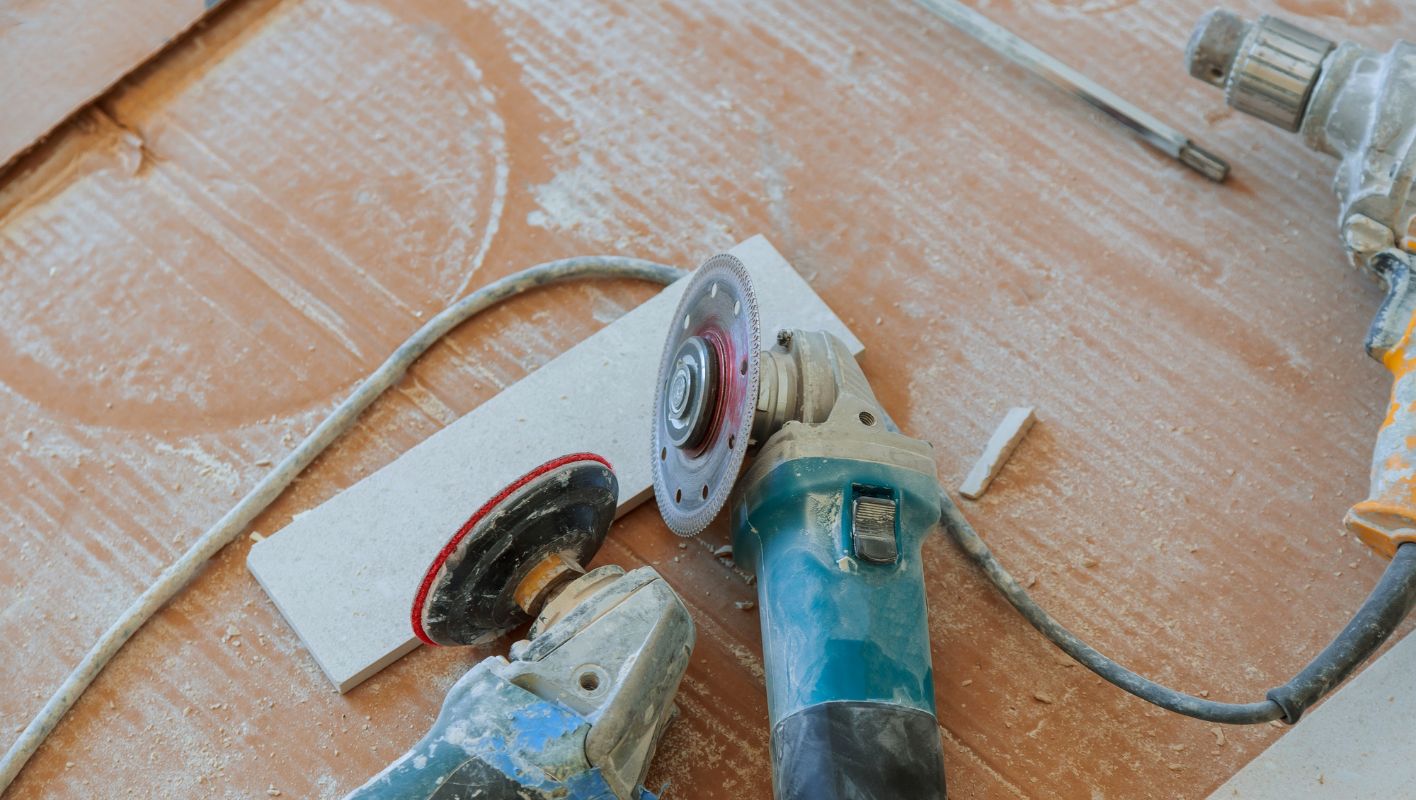
Essential Tools for Tile Cutting with a Grinder
I remember my first time using a grinder to cut tiles. I was both excited and nervous, eager to see if I could achieve those precise cuts I’d seen professionals pull off. Here’s what I learned you absolutely need:
| Tool | Purpose |
|---|---|
| Diamond Blade | Ideal for cutting through ceramic or porcelain tiles due to its toughness and precision. |
| Safety Goggles | Protects your eyes from flying debris. |
| Dust Mask | Shields you from inhaling dust particles. |
| Ear Protection | Reduces noise exposure from the grinder. |
| Tile Clamps | Keeps the tile steady during cutting. |
Choosing the Right Diamond Blade
Selecting a diamond blade feels a bit like choosing the right tool for an epic quest. Each blade has its own specialty. A continuous rim blade works wonders for ceramic tiles1, offering smooth, chip-free cuts.
Safety Precautions
Safety was something I didn’t take lightly, especially after hearing horror stories of DIY mishaps. Besides wearing goggles and masks, make sure your grinder’s guard is firmly in place. Work in a well-ventilated area and keep things tidy to avoid accidents.
Techniques for Accurate Cutting
The first time I cut into a tile, it wasn’t perfect, but each attempt got better. Start by marking your cut line clearly with a pencil or marker. Secure the tile with clamps so it doesn’t slip, then carefully guide your grinder along the line.
If you’re like me and want to tackle curves or intricate shapes, practicing on spare tiles can be incredibly helpful to hone your technique2. It makes all the difference when aiming for those flawless final cuts.
Additional Equipment Considerations
Using a spray bottle to dampen the tile surface was a game-changer for me, reducing dust and preserving my blade’s sharpness. Regular maintenance of your tools, such as cleaning your grinder and ensuring blade sharpness, enhances performance and safety.
Exploring various tile-cutting methods3 broadened my understanding and helped me choose the best approach for each project. It’s like discovering new paths in a journey—each one offering something unique to learn.
Diamond blades are ideal for cutting ceramic tiles.True
Diamond blades provide smooth cuts without chipping ceramic tiles.
Ear protection is unnecessary when using a grinder.False
Grinders produce loud noise, making ear protection essential for safety.
How Can You Prevent Chipping When Cutting Tiles?
Ever tried cutting tiles and ended up with a chipped mess? I have, and it was frustrating! But with the right approach, you can achieve those perfect cuts effortlessly.
To prevent chipping when cutting tiles, use a wet saw with a diamond blade, secure the tiles firmly, and cut at a steady pace. Make precise marks and consider scoring for thin tiles.
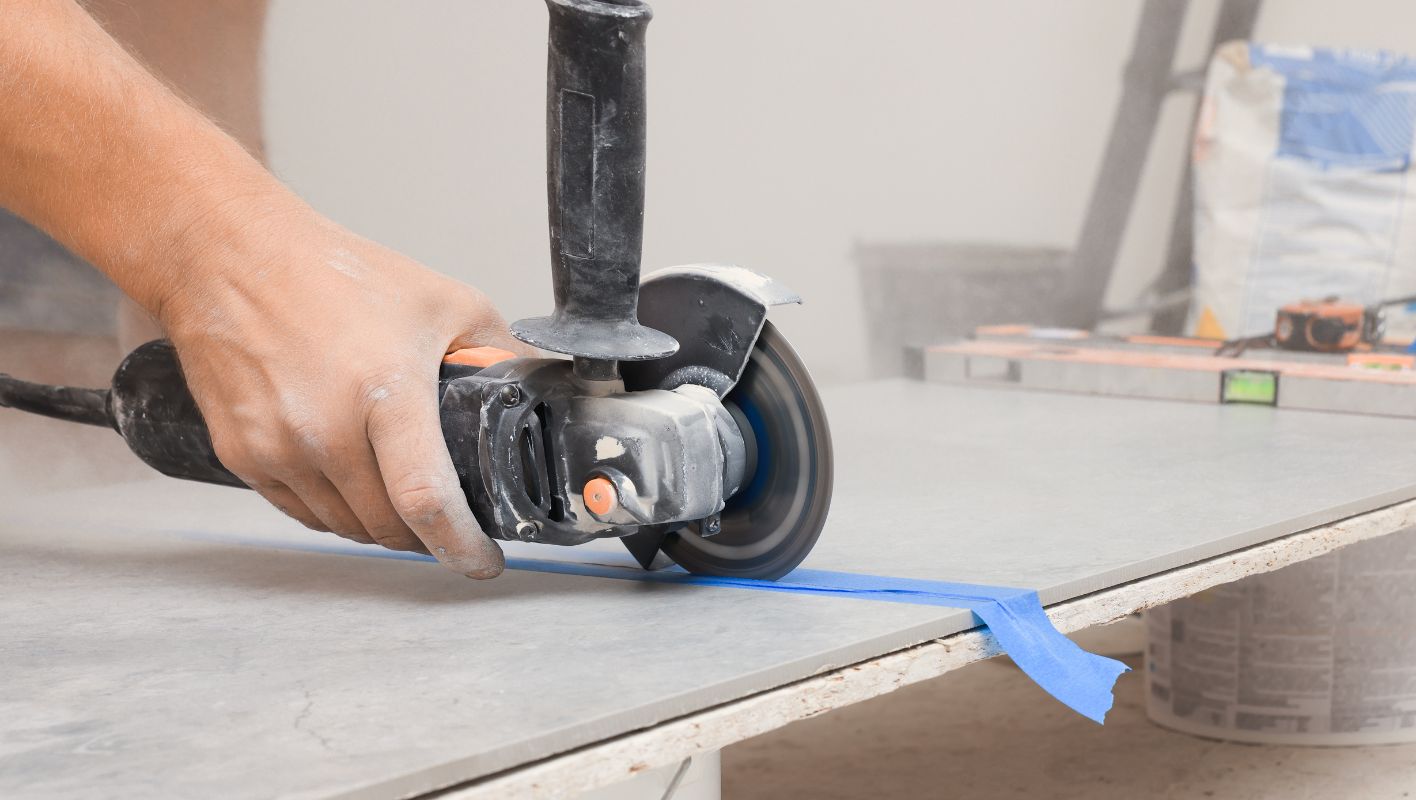
Understanding Tile Composition
I remember my first time working with porcelain tiles; they were much denser than I expected. Porcelain’s density makes it tricky, prone to chipping more than ceramic. Understanding the tile material4 you’re working with can make all the difference in choosing the right tools.
Selecting the Right Tools
The right tool is everything. Trust me, a wet saw with a diamond blade is your best friend here. It keeps the tile cool, minimizing heat and chipping risk. I once tried using just a tile cutter for curves—it didn’t end well.
| Tool Type | Best For | Potential Issues |
|---|---|---|
| Wet Saw | Curved cuts | Requires water supply |
| Tile Cutter | Straight cuts | Limited to certain thicknesses |
| Angle Grinder | Small projects | High chipping risk |
Techniques to Reduce Chipping
- Secure the Tile: I learned the hard way—always clamp your tiles down. It stops them from slipping and ensures a clean cut.
- Scoring Before Cutting: A tip from a seasoned pro—score thin tiles first. It creates a guideline and helps reduce chipping.
- Slow and Steady: My impatience cost me a few tiles. Go slow, whether you’re using a saw or cutter, to avoid pressure that causes chips.
- Proper Marking: Precision is key. Mark your cuts carefully to avoid redoing them.
Wet Saw Operation Tips
Using a wet saw can be daunting at first. Start by marking your tile clearly. Keep the water reservoir full; it reduces friction and heat.
Steps:
- Set Up: Adjust the saw blade for your tile’s thickness.
- Position: Align the tile against the guide firmly.
- Cut Slowly: Begin gently and maintain a steady pace.
For more detailed tips, check out expert recommendations on wet saw techniques5.
Avoiding Common Mistakes
Rushing is tempting, especially when you’re pressed for time—but don’t. Using worn-out blades was another mistake I made early on. Regularly inspect and replace tools as needed.
Summary Table: Best Practices
| Practice | Benefit |
|---|---|
| Using Diamond Blade | Cleaner cuts |
| Proper Clamping | Reduced tile movement |
| Slow Cutting Speed | Minimized chipping risk |
For advanced techniques, dive into more insights from tile experts6.
Porcelain tiles chip more easily than ceramic tiles.True
Porcelain is denser, increasing the risk of chipping compared to ceramic.
A tile cutter is best for curved tile cuts.False
Tile cutters are ideal for straight cuts, not curves.
What Are Safer Alternatives to Using a Grinder for Tile Cutting?
Ever felt a bit uneasy wielding a grinder for tile cutting? Let’s explore safer alternatives that promise precision without the usual worries.
Yes, there are safer alternatives to using a grinder for tile cutting, such as manual tile cutters and snap cutters. These tools offer precision cuts without the high-speed risks associated with grinders.
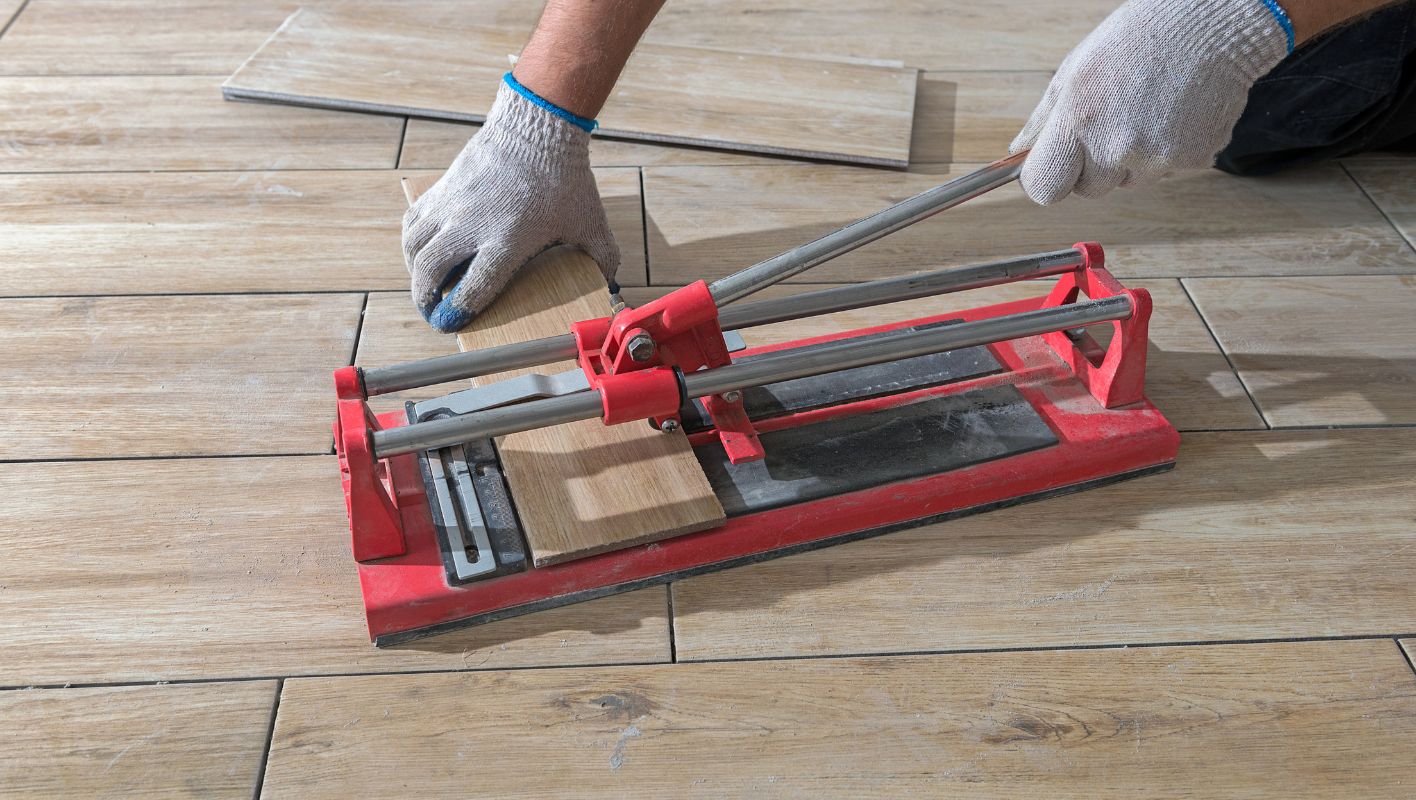
Understanding the Risks of Grinders
Let me tell you, when I first started using a grinder for tile cutting, the potential hazards quickly became clear. The high-speed rotation can cause accidental slips, leading not only to uneven cuts but, more alarmingly, injuries. Plus, the dust and debris flying around can seriously affect air quality, potentially causing health issues. It’s like trying to handle a double-edged sword, quite literally.
Exploring Manual Tile Cutters
I remember the first time I switched to a manual tile cutter. It was a revelation—no electricity needed and barely any dust to worry about. These cutters work by scoring and snapping the tile, making them perfect for small projects where precision and safety are top priorities. They reminded me of a simpler time when craftsmanship was all about control and finesse.
| Feature | Manual Tile Cutter |
|---|---|
| Power Source | Manual |
| Safety Level | High |
| Cut Precision | Straight cuts |
Considering Snap Cutters for Curved Cuts
Snap cutters have been my go-to for more intricate designs. If you’ve ever tried achieving curved cuts with high-speed equipment, you know how nerve-wracking it can be. Snap cutters offer flexibility without compromising safety, making them indispensable for those detailed projects where every curve needs to be just right.
Wet Saws: A Balanced Option
For larger projects demanding both safety and versatility, I’ve found wet saws to be a game-changer. They use water to cool the blade, minimizing dust while providing smoother cuts. While they might be a bit more complex than manual tools, they strike an excellent balance between safety and efficiency—like having your cake and eating it too!
Weighing Cost-Effectiveness
When it comes to cost, manual and snap cutters are usually the cheaper route. However, for larger jobs, I’ve discovered that investing in a wet saw can be more cost-effective7 in the long run due to its multi-functional capabilities. It’s all about weighing your project’s needs against your budget.
Summary of Alternatives
Ultimately, by understanding your specific project requirements, you can choose a tool that aligns with your safety concerns while meeting cutting needs.
| Tool | Best For | Safety Rating |
|---|---|---|
| Manual Cutter | Straight cuts | High |
| Snap Cutter | Curved designs | High |
| Wet Saw | Large projects | Moderate |
Each option provides unique advantages that can help you achieve professional results without compromising on safety or quality8. It’s all about finding the right fit for your peace of mind and your project’s success.
Manual tile cutters produce less dust than grinders.True
Manual cutters don't use high-speed blades, reducing dust production.
Wet saws are not suitable for straight tile cuts.False
Wet saws can effectively make straight cuts while minimizing dust.
Which Types of Blades Are Best for Different Tile Materials?
I remember the first time I tried cutting tiles without knowing which blade to use. It was a disaster! Luckily, I learned the importance of choosing the right blade for each type of tile.
For ceramic tiles, a continuous rim blade ensures smooth edges. Porcelain requires a turbo rim blade for precision, while diamond blades are best for natural stone, offering durability and accuracy.
Understanding Tile Material Types
When I first ventured into tile work, I was overwhelmed by the variety of materials. It was like walking into a candy store but with tiles instead of sweets. Each material seemed to have its own personality and quirks. Let’s break it down:
- Ceramic Tiles: These are the softies of the tile world—easy to cut, perfect for bathrooms and kitchens.
- Porcelain Tiles: Imagine these as the tough cookies—dense and durable, requiring more finesse.
- Natural Stone Tiles: These are like the strong, silent types; granite and marble need robust tools to handle their thickness.
Blade Types Explained
Choosing the right blade felt like picking a dance partner. Each one brought something unique to the floor. Here’s what I found out:
| Tile Type | Recommended Blade | Key Features |
|---|---|---|
| Ceramic | Continuous Rim Blade | Smooth finish with minimal chipping |
| Porcelain | Turbo Rim Blade | Fast cuts with high precision |
| Natural Stone | Diamond Blade | Durability and enhanced sharpness |
Ceramic Tile Cutting
The first time I used a continuous rim blade on ceramic tiles, it felt like slicing through butter. Smooth edges and no chips—it was a game-changer! These blades are great for wet saws, which help keep everything cool and extend the blade’s life. Check out continuous rim blades9 if you want that perfect cut.
Porcelain Tile Cutting
Porcelain can be tricky, but turbo rim blades make it manageable. They cut quickly and precisely, even when things get complicated. Whether you’re working dry or wet, these blades are your best friend. Consider turbo rim options10 for those intricate designs.
Natural Stone Tile Cutting
Cutting natural stone was intimidating at first, but diamond blades changed everything. They handle granite and marble without losing their edge. I’ve used diamond blade choices11 multiple times and they never let me down.
Additional Tips
- Blade Maintenance: I’ve learned that keeping blades clean and stored properly makes a big difference.
- Safety Precautions: Always wear protective gear. Trust me, safety first!
- Consider Tile Thickness: For thicker tiles, you might need stronger blades or several passes to avoid cracks.
Using the right blade not only improves finish quality but also saves time and reduces waste. Trust me, understanding these details can transform your tile cutting projects.
Ceramic tiles require a diamond blade for cutting.False
Ceramic tiles are best cut with continuous rim blades, not diamond blades.
Turbo rim blades are ideal for porcelain tiles.True
Turbo rim blades offer fast, precise cuts suitable for dense porcelain tiles.
Conclusion
Learn how to cut tiles with a grinder using the right tools, techniques, and safety precautions for precise cuts without chipping, ensuring successful DIY tile projects.
-
Explore which diamond blades are best for ceramic tiles to ensure clean cuts without chipping. ↩
-
Learn how practicing on spare tiles can improve your cutting precision. ↩
-
Discover different methods of tile cutting to enhance your skills. ↩
-
Discovering tile materials helps in selecting proper cutting tools and methods. ↩
-
Learning wet saw techniques ensures precise, chip-free tile cuts. ↩
-
Expert tips provide advanced strategies for perfecting your tile cuts. ↩
-
Learn how investing in a wet saw can save money on large-scale projects by offering versatility. ↩
-
Discover how different tools maintain quality in tile cutting and choose the best fit for your needs. ↩
-
Explore top-rated continuous rim blades that ensure smooth cuts on ceramic tiles. ↩
-
Discover reliable turbo rim blades ideal for cutting dense porcelain tiles. ↩
-
Find durable diamond blades suited for efficiently cutting natural stone tiles. ↩






