
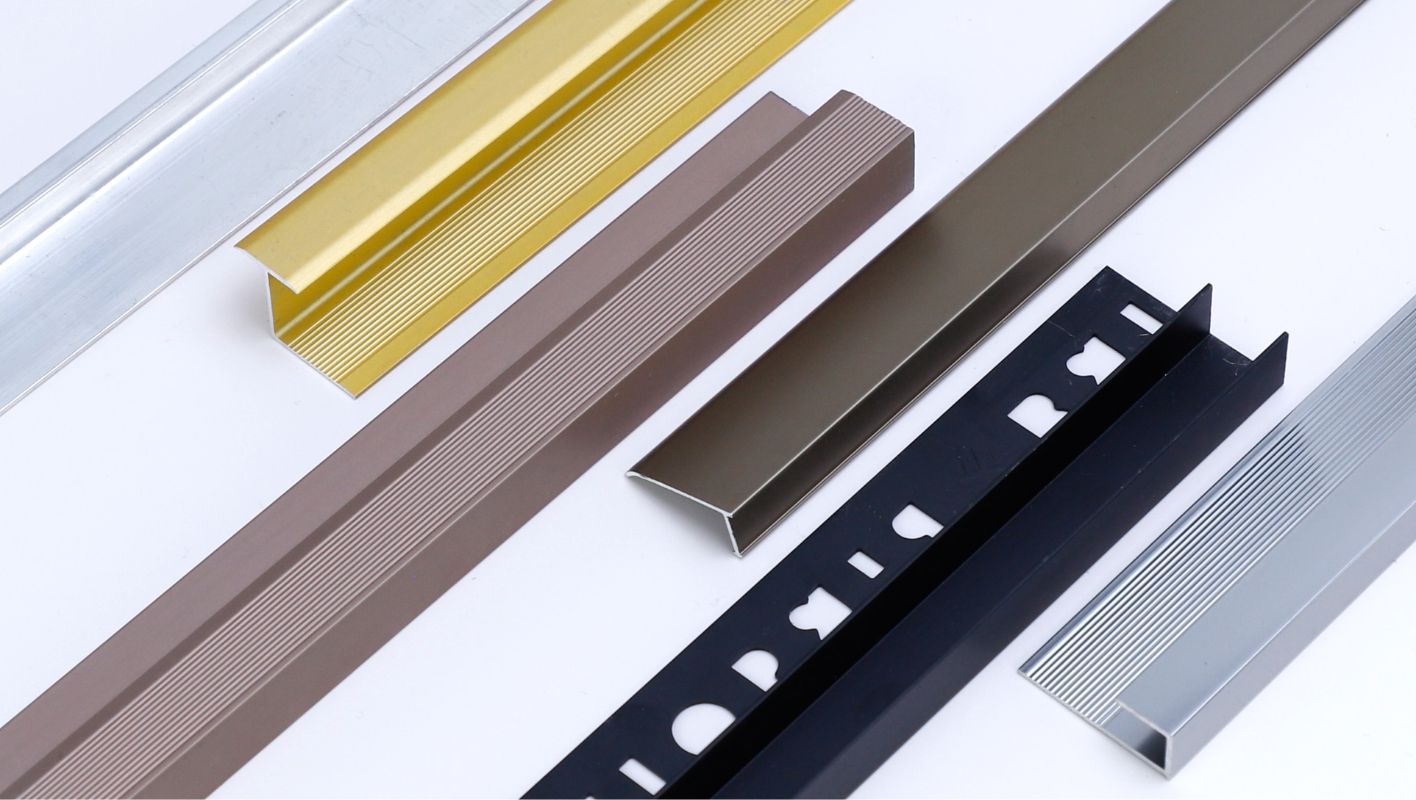
Have you ever seen a beautiful building that grabbed your attention? I know I really have! Let’s explore the wonder of anodising and how it changes aluminium profiles into art pieces.
Anodising aluminium profiles adds a pretty surface. This process helps to protect the metal from rust and wear. It also allows for a wide range of styles. Anodised aluminium is a perfect option for many building and engineering uses. Choosing anodised aluminium means picking a long-lasting and beautiful material. It really adds elegance.
Anodising aluminium profiles gives them a new life. I remember seeing anodised aluminium for the first time in a modern office building. The surfaces looked sleek and vibrant, shining in the sunlight. This electrochemical process improves the look and strengthens the material against weather. Choose from many colors and finishes. These options allow for endless changes to meet any project’s goals. This process is very effective. It’s a perfect mix of beauty and strength!
Anodising improves the visual appeal of aluminium profiles.True
Anodising enhances the aesthetics of aluminium, providing a decorative finish that is visually appealing.
Anodising does not increase corrosion resistance in metals.False
The anodising process significantly boosts the corrosion resistance of aluminium profiles, making them more durable.
What is the Anodising Process and How Does It Work?
Have you wondered how aluminum changes from a basic metal to a shiny, lasting surface? This journey explores the amazing world of anodising – a key process that gives aluminum its beauty and strength.
The anodising process uses electricity to change aluminum into a strong, rust-proof surface by adding a thick layer of oxide. This change increases both the strength and looks of the metal. Anodised aluminum is a very good choice for many uses.
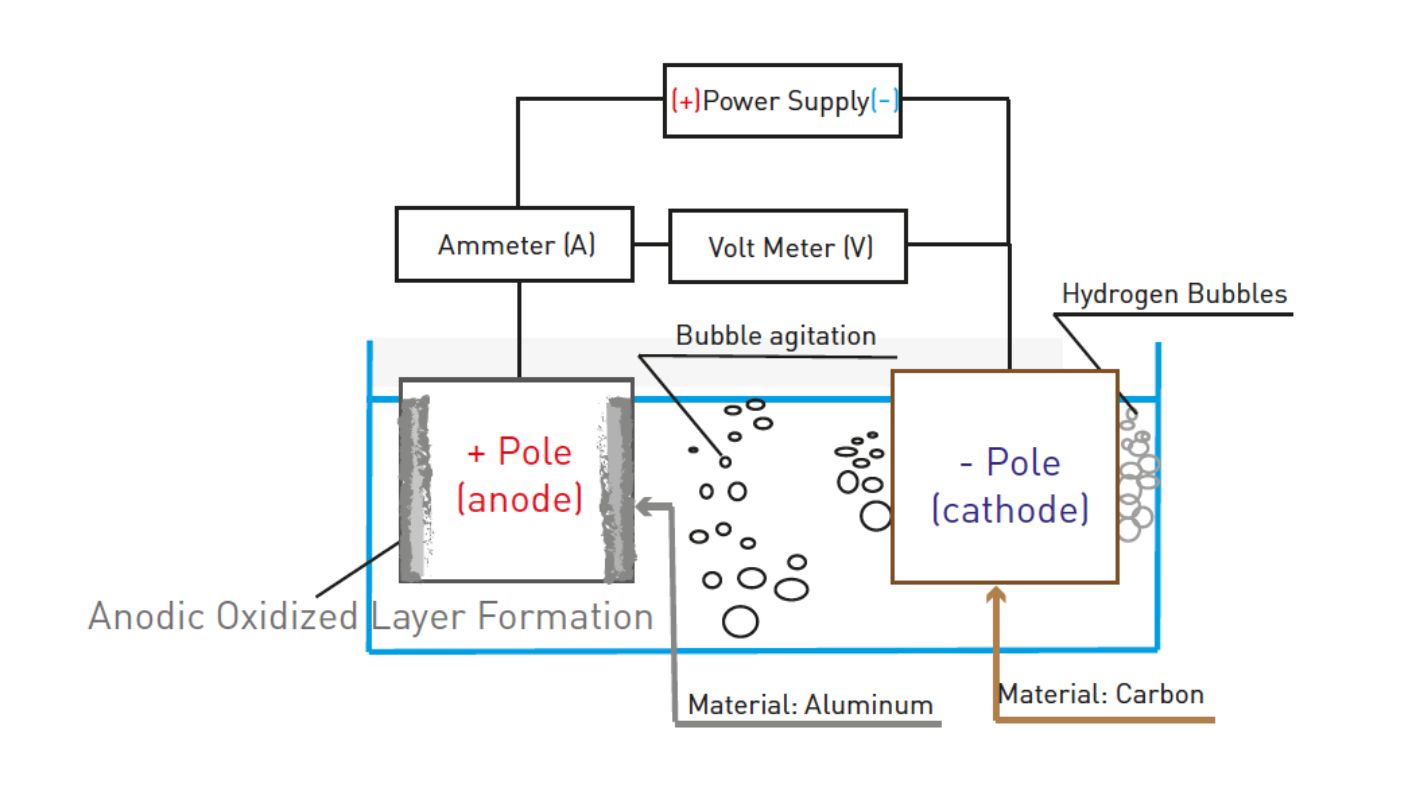
Understanding the Anodising Process
Anodising is an electrochemical process that converts the metal surface into a decorative, durable, corrosion-resistant, anodic oxide finish. The process is primarily used on aluminum and its alloys, providing an effective way to enhance the material’s properties while adding an aesthetically pleasing finish.
The key steps in the anodising process include:
- Cleaning: The aluminum must be cleaned well to remove any dirt or oil. This is like making a canvas ready for a painting.
- Electrolytic Oxidation: The clean aluminum is placed in a solution with an electric current. This step is very interesting! It causes oxygen to form a layer of aluminum oxide on the metal.
- Sealing: After anodising, the surface is closed to make it resist rust. This may include putting it in hot water or using other chemicals.
This process creates a thicker oxide layer than natural rusting, making the material very wear-resistant.
Benefits of Anodising
Anodising offers many fantastic benefits:
| Benefit | Description |
|---|---|
| Corrosion Resistance | Creates a protective layer that prevents oxidation and rust. |
| Aesthetic Enhancement | Available in various colors and finishes to improve visual appeal. |
| Durability | Increases surface hardness making it more resistant to scratches and wear. |
| Eco-Friendly | Anodising is a non-toxic process that does not release harmful substances. |
| Lightweight | Enhances properties without adding significant weight to the metal. |
I have often suggested anodised aluminum to clients for these great advantages!
How Anodising Works at a Molecular Level
At the tiny level, anodising is very interesting. It forms aluminum oxide, a strong material harder than aluminum. This layer acts as a shield against things that cause damage.
When anodising happens:
- The surface gets small holes that can hold dyes or sealants. It gives the metal a unique look!
- The oxide layer increases the thickness of the aluminum, making it tough against hits.
Learn more by exploring this detailed study1.
Applications of Anodised Aluminum
Anodised aluminum is used everywhere! I’ve seen it in many fields due to its improved qualities:
- Construction: Perfect for window frames and roofing for their beauty and strength.
- Automotive: Essential for parts needing to resist weather while staying light.
- Consumer Products: Used in mobile phones, laptops and kitchen devices for both look and use.
Explore more about specific uses through this resource2.
Considerations When Choosing Anodising for Projects
When thinking about anodising for your work, consider the oxide layer’s thickness, the sealing type needed and the desired look. It’s really cool how anodising can be changed to meet project needs by adjusting process details.
For more tips on customizing anodising processes, check out this guide3. Let’s elevate your projects together!
Anodising enhances aluminum's corrosion resistance.True
The anodising process creates a protective layer on aluminum, preventing oxidation and rust, thus significantly improving its corrosion resistance.
Anodised aluminum is heavier than untreated aluminum.False
Contrary to this claim, anodising increases the durability of aluminum without adding significant weight, maintaining its lightweight properties.
What Are the Aesthetic Benefits of Anodising Aluminium Profiles?
Did you ever think about how anodising changes aluminium profiles into beautiful design parts? This process not only improves looks but also adds usefulness to your projects. Anodising really helps projects look great and work well.
Anodised aluminium profiles provide attractive looks with different color choices. They resist wear and tear from the environment, offering durability. They interact uniquely with light, giving special effects. These profiles suit modern architecture well. They are both beautiful and functional.
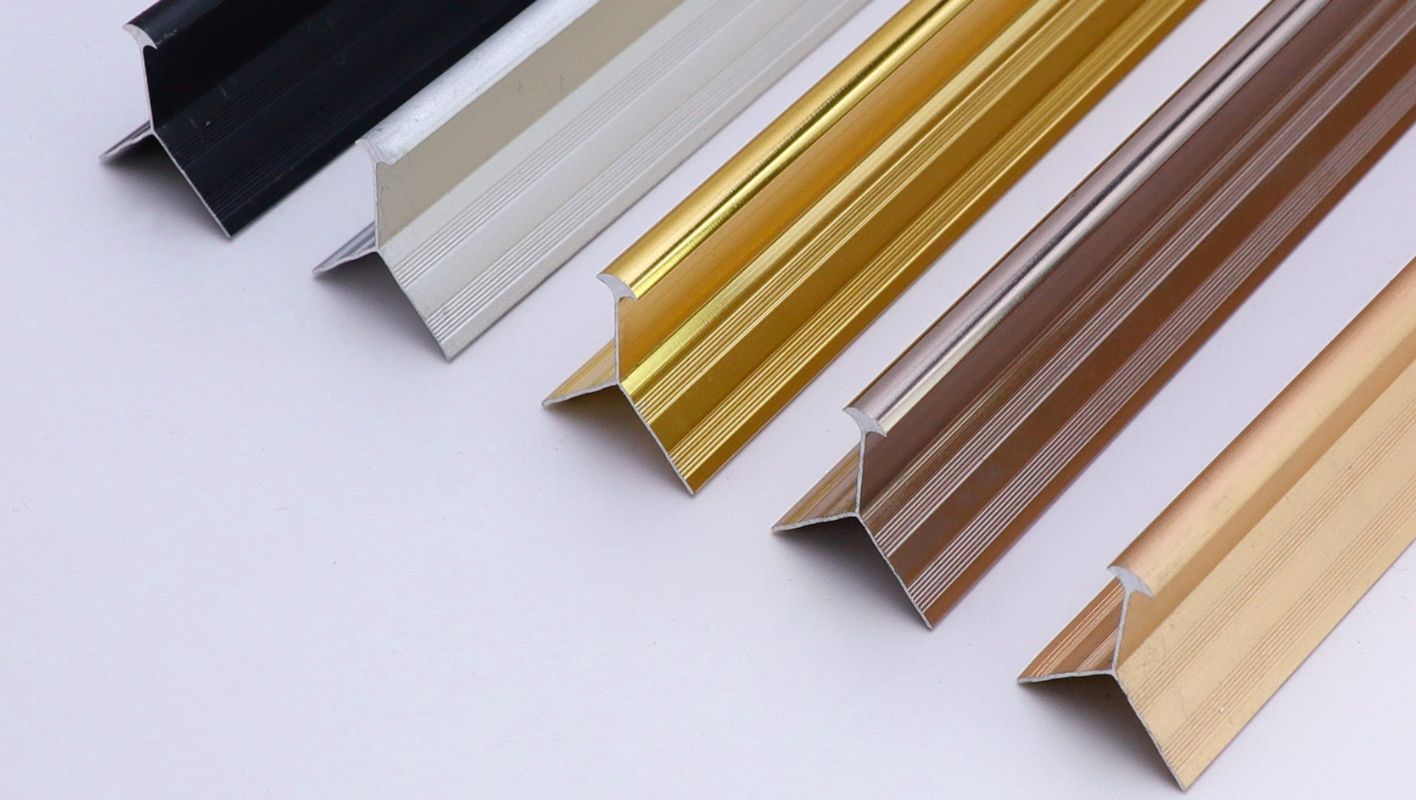
Visual Appeal of Anodized Aluminium
Anodized aluminium looks very different and really beautiful. It changes from plain to stunning. The anodizing process gives many colors and finishes, perfect for any design idea.
For instance, anodized aluminium can exhibit a shiny metallic sheen or a soft matte finish, depending on the desired aesthetic. This versatility is crucial in architectural applications where color schemes play a vital role in the overall design.
Additionally, changing surface textures creates exciting depth. Brushed and polished looks mean a different feeling for each space.
- Color Options: Vibrant colors in anodized surfaces last long. They resist fading. Strong colors stay true.
- Texture Variation: Different textures invite touch, enhancing tactile experiences and visual complexity.
By using anodized aluminium, designers can achieve a modern look that complements contemporary architecture while ensuring longevity.
Light Interaction and Reflection
A favorite feature of anodized aluminium is its play with light. The anodizing process forms a layer that reflects light in amazing ways beyond what untreated aluminium does.
| Finish Type | Light Reflection | Aesthetic Impact |
|---|---|---|
| Glossy | High | Bright, eye-catching designs |
| Matte | Moderate | Soft, understated elegance |
| Textured | Variable | Unique, dynamic appearances |
Imagine being in a room where light changes all day, altering the mood! This invites creative experiments with light, making spaces feel open and welcoming. I’ve seen beautiful effects indoors and outdoors as light changes them beautifully.
Durability Meets Aesthetic Functionality
Anodizing benefits extend beyond looks. Surfaces resist scratching and corrosion. They stay nice with little need for maintenance.
I worked on an outdoor piece facing tough weather. Anodized aluminium was a fantastic choice; it stayed visually appealing through all weather conditions. Choosing anodized aluminium can therefore be seen as an investment in both beauty and performance.
Furthermore, eco-friendly anodizing options fit well with green building practices, appealing to environmentally-conscious designers who care about the environment. By choosing these materials, we uplift design while supporting sustainability initiatives. It feels good to help our planet.
Conclusion
In summary, anodizing aluminium brings stunning visual benefits along with enhanced durability and customizability. Beauty and strength come together in this material’s unique properties that guide professionals like me in choosing wisely for our projects.
Anodising aluminium improves its visual appeal significantly.True
The anodising process enhances the color and finish options, making aluminium profiles visually appealing for architectural designs.
Anodised aluminium is not resistant to scratching or corrosion.False
Contrary to this claim, anodised aluminium is highly resistant to scratching and corrosion, ensuring longevity in aesthetics.
How Does Anodising Enhance Durability and Corrosion Resistance?
Have you ever thought about how anodizing turns regular aluminum into a very strong and rust-resistant material? This process changes aluminum and is very important for many things we use today.
Anodising increases metal strength and resistance to rust by forming a thick oxide coating on aluminum surfaces. This layer hardens the metal and shields it from environmental harm. This process is very important for different industrial uses where long life is really needed. Longevity is essential.
Anodising: Transforming Metals for a Sustainable Future
Anodising does more than change metals; it gives them new life. I first saw anodised aluminum at a building site. It shined in the sun and resisted bad weather. Anodising turns aluminum into something special. It really prepares it for environmental challenges.
Understanding the Anodising Process
So, what happens during anodising? Aluminum sits in an acid bath while electricity flows through. This forms a thicker oxide layer on the aluminum. This layer makes the metal stronger and looks better.
I often remember visiting a factory to watch this process. Aluminum pieces changed right before my eyes. It was really amazing! The anodised layer has tiny openings that allow more treatments like adding colors or sealing. Anodised aluminum lasts a long time while looking good. Just imagine a smooth, anodised metal surface on a building—it stays fresh through rain and snow.
Enhanced Durability
Anodised aluminum is very tough. Its surface becomes as hard as steel. I have witnessed its strength in tough conditions where products that resist scratches and hits are necessary. Fewer repairs and replacements are needed, which saves a lot of money over time.
Corrosion Resistance
Corrosion is a hidden enemy for many industries, especially where moisture or chemicals are present. Anodising adds a thick oxide layer to protect against these elements. I remember a project using anodised aluminum for outer walls; it was a real game-changer! The protective layer resisted humidity, salt, and dirt, keeping the building strong and looking good.
People working with marine or industrial materials should know that anodised aluminum withstands these conditions well. If you’re curious about comparing anodising to other coatings, explore this resource4.
Applications of Anodised Metal
Anodised aluminum is both strong and flexible! I’ve seen it used in many areas:
- Architectural Features: Beautiful window frames and tough doors bring elegance and durability.
- Automotive Components: Light yet strong parts improve vehicle longevity and performance.
- Electronics: Protects cases and housings from daily damage.
For someone like me—let’s say James here—understanding these benefits is crucial when buying materials for projects. Choosing the right materials means they meet needs and perform well.
Conclusion on Anodising’s Impact on Material Selection
Thinking about how anodising improves durability and resists corrosion, it is clear this process matters a lot in choosing materials wisely. For procurement people like James, using anodised metals means better economic and sustainable project results. If you want to learn more about anodising, don’t hesitate to check out this resource5.
By knowing this transformative process, projects can achieve new success levels, standing strong against anything nature presents.
Anodising significantly increases aluminum's hardness.True
The anodising process creates a tough surface on aluminum, increasing its hardness to 6-7 on the Mohs scale, comparable to steel.
Untreated aluminum has better corrosion resistance than anodised.False
Anodised aluminum has superior corrosion resistance due to a dense protective oxide layer compared to untreated aluminum, making it more durable in harsh environments.
What Customization Options Can I Explore with Anodised Aluminium?
Did you ever think about how projects truly stand out? Let’s explore anodized aluminum. Aluminum with anodizing offers endless choices for customization. These choices probably lift designs from ordinary to extraordinary.
Anodized aluminum gives many choices for customization. This includes different colors, surface looks and special shapes. People explore several anodizing methods like Type I, II and III. These methods provide personalized results. They probably match your project needs. Many options exist.
Anodized Aluminum: Customization and Versatility
Anodized aluminum changes everything in customization. People choose it for bright colors, unique looks, or special shapes. This material matches your ideas exactly. The first time I saw anodized aluminum, it felt like walking into a rainbow. Each color shone with possibility. Customizing is really about showing your style and meeting your needs.
Types of Anodizing Processes
Anodizing is an electrochemical process that enhances the surface of aluminum, providing durability and aesthetic appeal. The primary types of anodizing include:
- Type I: Chromic Acid Anodizing offers lightweight but strong finishes.
- Type II: Sulfuric Acid Anodizing (most common) is known for resisting rust.
- Type III: Hard Anodizing handles tough conditions, great for heavy use.
In factories, Type III provides strong finishes that last a long time.
Color Customization
A great thing about anodized aluminum is its color variety. The process allows many dyes, creating beautiful colors. Common color options include:
| Color | Description |
|---|---|
| Clear | Natural aluminum finish |
| Black | Sleek and modern appearance |
| Bronze | Warm, metallic tone |
| Custom Colors | Achieved through dyeing |
Dyeing can be adjusted to achieve various shades, making it possible to match specific design requirements. For more information on color options6, check out this detailed guide.
Surface Finishes
Anodized aluminum also has different surface finishes:
- Matte: Dull surface, subtle in appearance.
- Glossy: For those liking bright and shiny looks.
- Textured: Adds grip and looks interesting; both practical and nice.
These finishes not only affect aesthetics but also impact functionality, such as slip resistance in architectural applications.
Custom Shapes and Profiles
Customizing goes beyond colors and finishes; anodized aluminum forms different shapes. Popular ones include:
- Angles
- Channels
- Tubes
- Custom Extrusions
This versatility really allows for creative designs meeting specific needs. Explore custom profiles available7 for more options.
Eco-Friendly Options
Today, sustainability really matters. Many suppliers now produce anodized aluminum using eco-friendly methods:
- Recycled Content: Uses recycled aluminum.
- Low Environmental Impact: Reduces waste and energy use.
Choosing these helps meet project goals and supports green building initiatives. For more details on sustainable practices, visit this resource8. Opting for eco-friendly choices feels like helping build a better future.
Anodized aluminum can be dyed in various colors.True
The anodizing process allows for dye incorporation, resulting in a range of color options for aluminum surfaces.
Type III anodizing is the most commonly used process.False
Type II, or sulfuric acid anodizing, is the most common type, not Type III which is for extreme conditions.
Conclusion
Anodising aluminium enhances its durability and aesthetics, providing corrosion resistance and customizable options for various architectural applications.
-
Learn about anodising’s benefits and applications in various industries for better project insights. ↩
-
Discover how anodising enhances aluminum properties at a molecular level for deeper understanding. ↩
-
Find out how to customize anodising processes according to specific project needs. ↩
-
Discover comprehensive resources on anodising processes and their benefits, helping you make informed material choices for your projects. ↩
-
Discover comprehensive resources on anodising processes and their benefits, helping you make informed material choices for your projects. ↩
-
Clicking this link will lead you to a comprehensive guide on anodizing processes and color options, enhancing your understanding of customization. ↩
-
Discover the various custom shapes and profiles that can be achieved with anodized aluminum to suit your construction needs. ↩
-
Learn more about sustainable anodizing practices that use recycled materials and eco-friendly processes for your projects. ↩






