
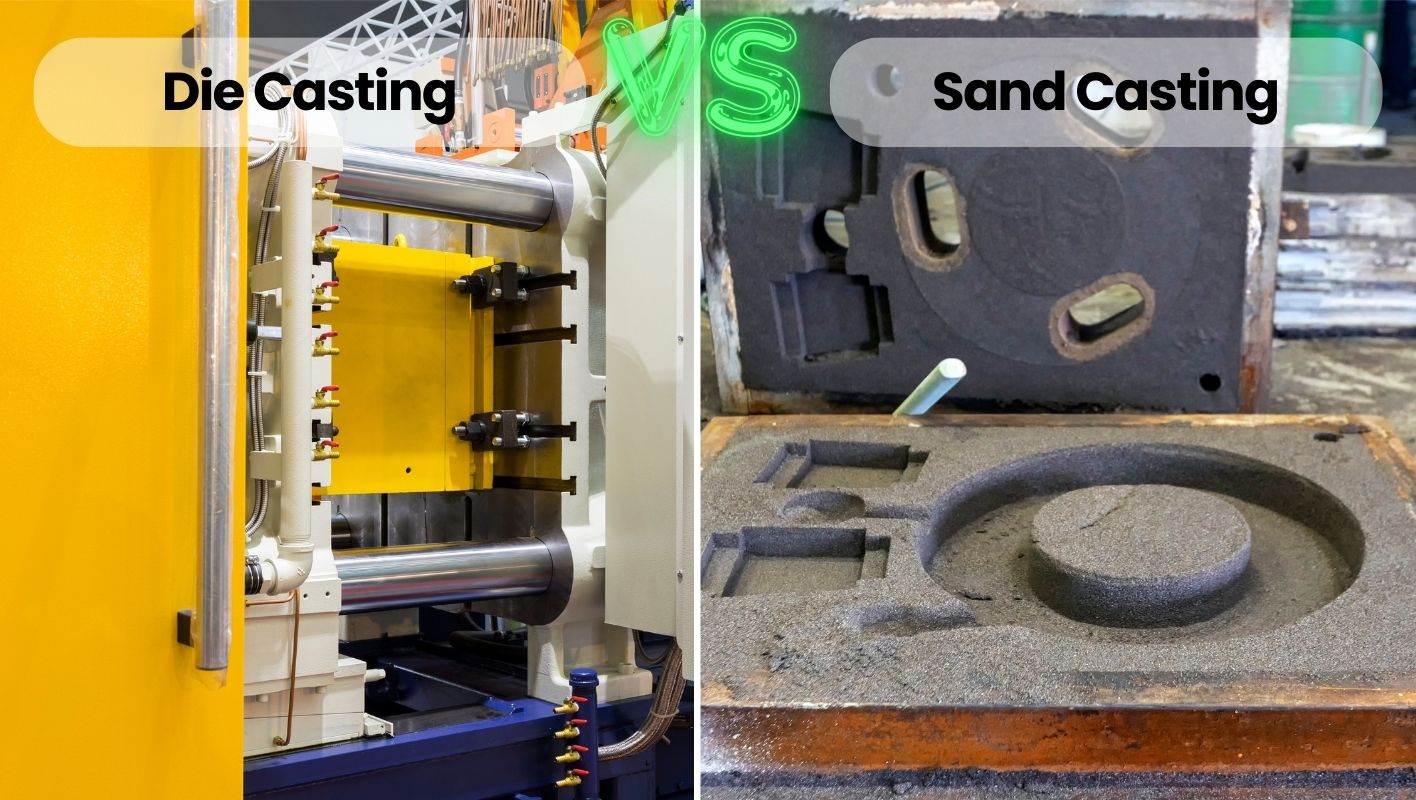
Choosing between die casting and sand casting can feel like picking the perfect tool for a DIY project.
Die casting forces molten metal into a mold under high pressure, offering high precision and smooth finishes, ideal for mass production. Sand casting uses sand molds for cost-effective, versatile casting of complex parts with various metals, though typically less precise.
I remember when I first had to choose a casting method—it was like deciding between two equally tempting desserts. Each has its own flavor, if you will. Die casting is your go-to when you need a high-volume production with immaculate precision—think of it as the fine art of casting. But if you’re looking for versatility and cost-effectiveness, sand casting is your trusty sidekick, ready to handle complex parts with a bit more grit.
The trick is in understanding what you truly need—precision or flexibility? Once you get that, the choice becomes much clearer, almost like finding that perfect recipe for success in your manufacturing kitchen.
Die casting results in smoother finishes than sand casting.True
Die casting uses high pressure, creating smoother finishes than sand molds.
Sand casting is more expensive than die casting for high-volume production.False
Sand casting is generally cheaper for low-volume production due to mold costs.
Why Choose Die Casting for Your Manufacturing Needs?
Ever wondered why die casting is a game-changer in metal manufacturing? Let me take you through its key advantages that have industries choosing it time and again.
Die casting delivers outstanding dimensional precision, high efficiency, and excellent surface finishes. It’s perfect for crafting intricate shapes with minimal machining, making it a cost-effective choice for large-scale production runs.
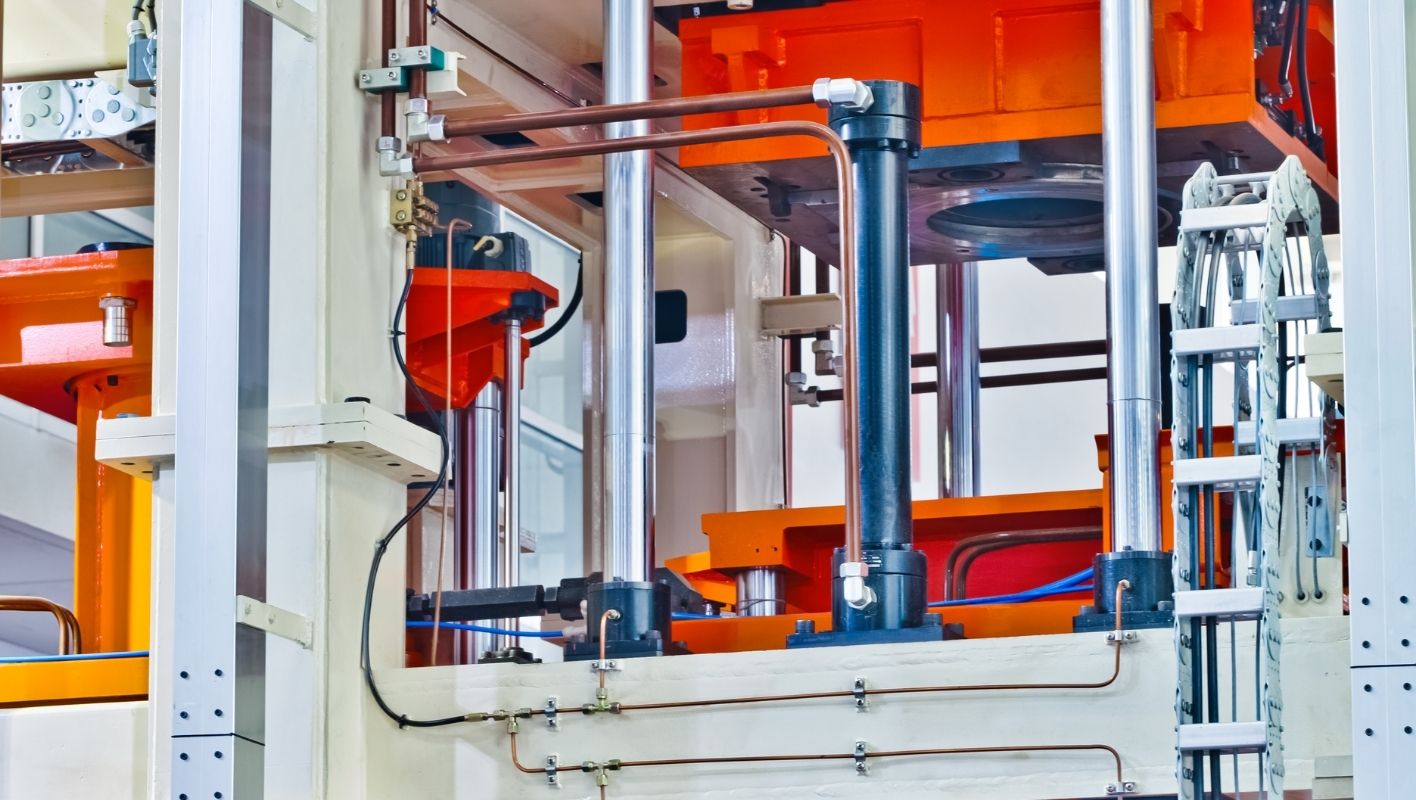
Superior Dimensional Accuracy
Die casting is renowned for its ability to produce parts with precise dimensions. This precision is crucial in industries like aerospace manufacturing1. The process ensures that each part is consistent with design specifications, reducing the need for additional machining.
| Feature | Benefit |
|---|---|
| Tight tolerances | Reduces post-processing |
| Complex geometries | Enables intricate designs |
High Production Efficiency
I remember walking into a die casting facility and being taken aback by how swiftly everything moved. The process is almost fully automated, which means it’s not only fast but also cuts down on labor costs, boosting output efficiency2. For anyone in a fast-paced industry, this efficiency translates to quicker lead times, keeping you ahead of the competition.
Enhanced Surface Finish
One of my favorite things about die casting is the beautiful finish it achieves straight out of the mold. Parts produced through die casting often require no additional finishing due to the smooth surface finish inherent to the process. This means no extra steps are needed to polish or smoothen parts, which saves time and money—especially for products like consumer electronics and automotive components3.
Material Versatility
The flexibility in material choice with die casting is impressive. Die casting supports a wide range of metals such as aluminum, zinc, and magnesium. Whether you’re dealing with aluminum for lightweight applications4 or zinc for durability, there’s a solution tailored to your needs. This range means you can choose the best material based on your project’s demands, be it strength, weight, or resistance to corrosion.
Cost-Effectiveness for Large Runs
While die casting requires an initial investment in tooling, I often tell clients that while the upfront investment might seem steep, the savings really kick in during large production runs. As production scales up, the cost per part drops significantly compared to other methods like sand casting or machining. It’s all about achieving those economies of scale and trimming down overall production costs.
Sustainability Considerations
In today’s world, sustainability isn’t just a buzzword; it’s a necessity. Modern die casting processes embrace eco-friendly practices by recycling scrap metal and using energy-efficient technologies. This commitment aligns with what many companies are looking for—environmental responsibility5—making it a smart choice for businesses aiming to be green.
Die casting requires extensive post-processing.False
Die casting produces parts with tight tolerances, minimizing post-processing.
Aluminum is commonly used in die casting for lightweight parts.True
Aluminum's lightweight properties make it ideal for die casting applications.
How Does Sand Casting Compare in Terms of Cost?
Ever felt the weight of choosing the right casting method for your project? I’ve been there. Let’s unpack the cost dynamics of sand casting versus other methods like die casting.
Sand casting typically proves more economical for low to medium production volumes due to its lower tooling costs, although its per-part costs can be higher than die casting for larger production scales.
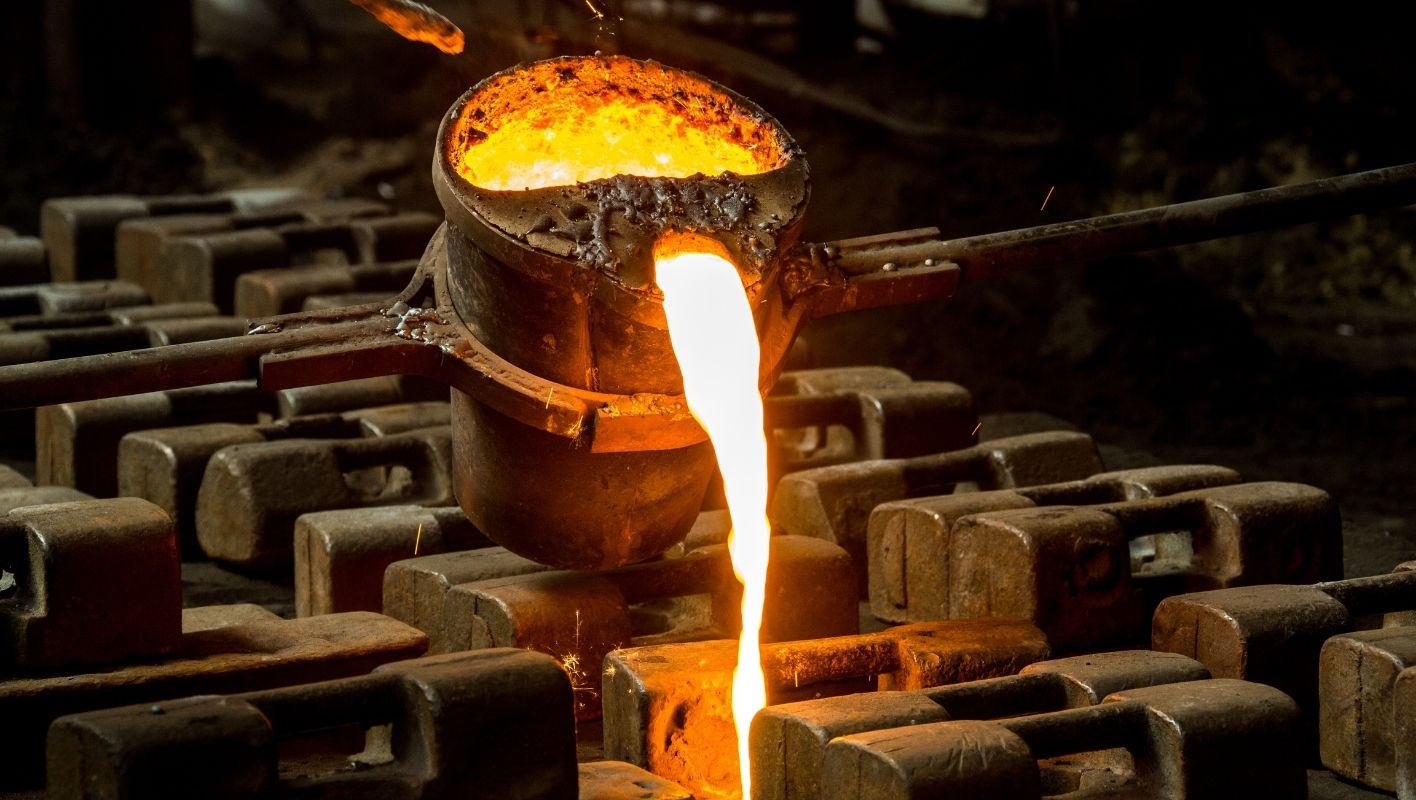
Tooling Costs: A Key Consideration
I’ve always marveled at how sand casting6 manages to keep its tooling costs so low. The molds—crafted from a simple mix of sand and clay—are a godsend when budgets are tight or when I’m dealing with a project that needs design flexibility. Unlike die casting, which demands pricey steel molds, sand casting has saved me a fortune on several occasions. If your project is anything like mine, where every dollar counts and adaptability is essential, sand casting could be the way to go.
| Casting Method | Tooling Cost Range | Per-Part Cost for Low Volume |
|---|---|---|
| Sand Casting | Low | Medium |
| Die Casting | High | Low |
Production Volume Impact
But here’s the kicker: as production ramps up, the cost dynamics shift. For those massive runs, die casting’s efficiency shines through, offering lower per-part costs thanks to its quicker cycle times and less need for post-production finishing. I remember one particular high-volume project where switching to die casting significantly reduced our costs.
Material and Labor Costs
Let’s not forget about material and labor costs. Sand casting can sometimes lead to more material waste and requires extra hands for mold prep and finishing. In contrast, die casting7 often cuts down on waste and labor through automation—a real boon if labor efficiency is a top priority for you, as it often is for me.
Flexibility and Customization
On the flip side, if you’re working on a project that needs lots of tweaks, sand casting offers unbeatable flexibility. The low tooling cost means changes don’t break the bank. I’ve had projects where I needed to adjust designs on the fly, and sand casting’s adaptability was a lifesaver. On the other hand, modifying a die-cast mold can be both time-consuming and costly, making it less ideal for projects with frequent design shifts.
Understanding these nuances is key in choosing the best casting method. For deeper insights into optimizing costs across different methods, you might want to explore resources like cost analysis tools8 or check out industry benchmarks that align with your project’s unique needs.
Sand casting has lower tooling costs than die casting.True
Sand molds are cheaper than steel molds, reducing tooling costs.
Die casting is more cost-effective for high-volume production.True
Die casting's faster cycle times lower per-part costs at high volumes.
Which Casting Method is Better for Complex Part Designs?
Deciding on the best casting method for intricate designs can feel like a high-stakes puzzle. But understanding each method’s unique strengths can transform your manufacturing process.
Investment casting shines in crafting complex designs with precision and intricate details, making it ideal for aerospace and engineering applications. Die casting excels in high-volume production with consistent quality, while sand casting is perfect for large, flexible designs.
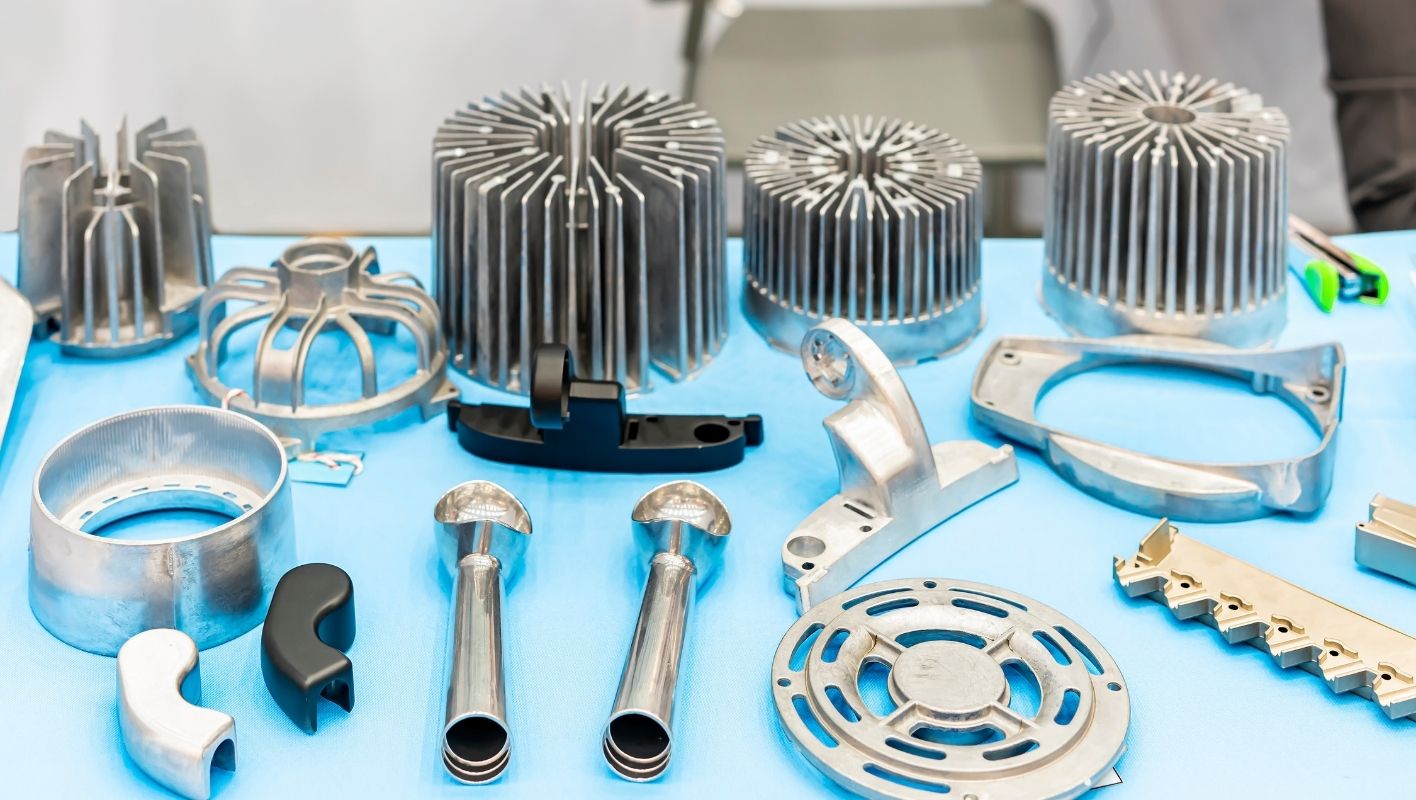
I remember the first time I stood in front of a casting setup, utterly fascinated by how different methods could shape the same raw material into such varied forms. It was like choosing a path in a maze; each turn had its potential benefits and challenges.
Understanding Different Casting Methods
Investment Casting
For me, investment casting feels like the artist’s choice, where creativity meets engineering precision. This method, also called lost-wax casting, captures intricate designs with such finesse that it’s almost poetic. The process is akin to sculpting with wax—each curve and detail lovingly crafted before being captured in ceramic. It’s particularly fantastic for materials like titanium and aluminum alloys, which demand precision.
| Benefits | Drawbacks |
|---|---|
| High precision | Higher cost compared to other methods |
| Excellent surface finish | Longer production cycle |
| Suitable for complex geometries | Requires detailed mold preparation |
Die Casting
Die casting strikes me as the powerhouse of casting methods—perfect for when you need to churn out large volumes of parts without compromising on quality. It’s all about speed and efficiency, similar to watching a well-oiled machine at work. The automotive industry loves it for good reason; it produces parts that are both lightweight and incredibly durable.
| Benefits | Drawbacks |
|---|---|
| Fast production rates | Limited to high-volume production |
| Good dimensional accuracy | High initial tooling cost |
| Minimal finishing required | Not suitable for all metals |
Sand Casting
Sand casting is the adaptable friend that’s always ready for an adventure. With its roots deep in history, this method can tackle larger components with flexibility. It reminds me of crafting sandcastles as a child—molding and reshaping until just right.
| Benefits | Drawbacks |
|---|---|
| Cost-effective for large parts | Surface finish may require additional work |
| Suitable for small batch production | Lower precision than other methods |
| Flexibility in design changes | Longer lead times |
Key Considerations for Complex Part Designs
When you’re tasked with selecting the best casting technique9 for complex designs, it’s like piecing together a puzzle with each piece representing a crucial factor—material type, part geometry, and production volume. Think of investment casting as the artisan’s tool for precision-required aerospace components, while die casting’s scalability aligns seamlessly with automotive needs.
Evaluating these nuances carefully will guide you toward the right technique. Engage with suppliers who can offer insights into their production capabilities10 to align your project goals. This holistic approach ensures your decision balances quality, efficiency, and budget constraints effectively.
Evaluating Supplier Expertise
In my experience, partnering with seasoned suppliers can make all the difference. Their technical expertise and tailored solutions ensure that even the most intricate designs are handled expertly. Look for suppliers showcasing innovative practices11 and sustainability. This not only enhances your company’s reputation but also contributes to eco-friendly manufacturing practices.
Aligning with partners who prioritize environmental stewardship results in collaborations that uphold your quality standards while advancing sustainability goals in the industry. It’s about creating reliable partnerships that support both current needs and future aspirations.
Investment casting offers excellent surface finishes.True
Investment casting provides high precision and intricate details.
Die casting is suitable for all metals.False
Die casting is not suitable for all metals due to its method constraints.
How Do Material Choices Affect Die and Sand Casting?
Material choices in casting are like choosing the right ingredients for a perfect recipe – they define the entire outcome!
Material choices in die and sand casting dramatically influence outcomes by affecting thermal conductivity, fluidity, and shrinkage rates, impacting mold design, cost, and product quality.
Importance of Material Properties in Casting
I’ve always been fascinated by the intricate dance between material properties and casting processes. It’s like orchestrating a symphony where each metal has its part to play. In die casting, I’ve found that materials like aluminum, zinc, and magnesium are like the virtuosos of the ensemble. Their excellent thermal conductivity12, high fluidity, and low melting points allow them to flow seamlessly into molds, creating those precise, complex shapes that are akin to the crescendo in a well-composed piece.
Conversely, when it comes to sand casting, it’s a different tune. Here, the heavy hitters like cast iron, steel, and bronze step up. These are the sturdy performers, chosen for their strength and resilience. They might require more energy to mold due to their higher melting points, but the results are worth it—robust components built to last.
| Material | Die Casting Suitable | Sand Casting Suitable |
|---|---|---|
| Aluminum | Yes | No |
| Zinc | Yes | No |
| Magnesium | Yes | No |
| Cast Iron | No | Yes |
| Steel | No | Yes |
Influence on Mold Design and Cost
Each material choice is like setting a stage for the performance. In die casting, the investment in permanent metal molds feels like buying a grand piano—it’s costly at first, but the durability pays off over time. The molds are reusable, making them ideal for high-volume production runs.
On the other hand, sand casting is like having a versatile jazz band ready to adapt on the fly. With expendable sand molds that need re-creation for each cast, it offers flexibility and creativity in design at a more affordable initial cost.
One of the lessons I’ve learned is that metals with higher shrinkage need careful mold design adjustments. It’s similar to tuning an instrument to ensure every note hits just right.
Impact on Final Product Quality
The choice of material isn’t just about getting through the casting process; it’s about setting up your products for success. Aluminum die-cast parts are like those high-performing athletes—lightweight yet strong—making them perfect for automotive and aerospace applications.
Meanwhile, steel castings from sand molds are the dependable workhorses suited for heavy machinery. Each material brings its unique properties to the table, offering distinct advantages that align with your production goals.
Understanding these dynamics allows us to optimize processes and make informed decisions that resonate with our sustainability goals. For instance, I’ve seen how considerations like recyclability can greatly influence material selection in casting. If you’re curious about how this plays out in practice, you might want to explore sustainable casting practices13.
Navigating these choices feels like conducting an orchestra where each decision adds depth and harmony to the final composition.
Aluminum is suitable for sand casting.False
Aluminum is not typically used for sand casting due to its low melting point.
Die casting uses permanent metal molds.True
Permanent metal molds are used in die casting for high volume production.
Conclusion
Die casting offers high precision and efficiency for mass production, while sand casting provides cost-effective flexibility for complex designs. Choosing depends on project needs: volume versus adaptability.
-
Understanding dimensional accuracy’s role in aerospace highlights why precision is critical, impacting safety and performance. ↩
-
Learn how automation streamlines operations, cutting costs and boosting output efficiency—a key benefit of die casting. ↩
-
Explore why surface finish quality is vital in automotive parts, influencing aesthetics and performance. ↩
-
Discover how aluminum’s properties support its use in lightweight designs across various industries. ↩
-
See how sustainable practices are integrated into modern manufacturing, aligning with industry trends and consumer demand. ↩
-
Learn about the economic benefits of sand casting, especially its lower tooling costs, which make it ideal for budget-conscious projects or those needing frequent design changes. ↩
-
Discover how die casting’s automation can reduce labor costs and waste, offering lower per-part costs for high-volume projects. ↩
-
Explore tools that provide detailed cost comparisons across different casting methods to help optimize project budgets effectively. ↩
-
Find out which methods excel in handling intricate designs efficiently. ↩
-
Assess how different suppliers match your project needs through their capabilities. ↩
-
Uncover new trends in casting that enhance efficiency and sustainability. ↩
-
Discover why thermal conductivity is crucial for efficient metal flow and cooling in die casting. ↩
-
Explore how sustainability in casting processes can improve environmental impact and efficiency. ↩






