

Looking to brighten up your space without the glaring visibility of LED strip lights? I’ve got you covered!
To discreetly hide LED strip lights, consider using crown molding, under cabinet placement, or furniture integration. These methods not only conceal the strips but also enhance the ambient lighting in your space, maintaining a seamless look.
While these initial strategies offer immediate solutions, exploring further into innovative techniques and community-shared experiences can provide even more ways to achieve a polished, professional appearance. Let’s dive into these creative methods.
What Are the Best Materials for Concealing LED Strip Lights?
Choosing the right materials to conceal LED strip lights can make a significant difference in achieving a polished finish.
To effectively conceal LED strip lights, consider using aluminum channels, crown molding, or diffusers. These materials not only hide the strips but also enhance light distribution and aesthetics. They ensure your lighting setup is both discreet and functional.
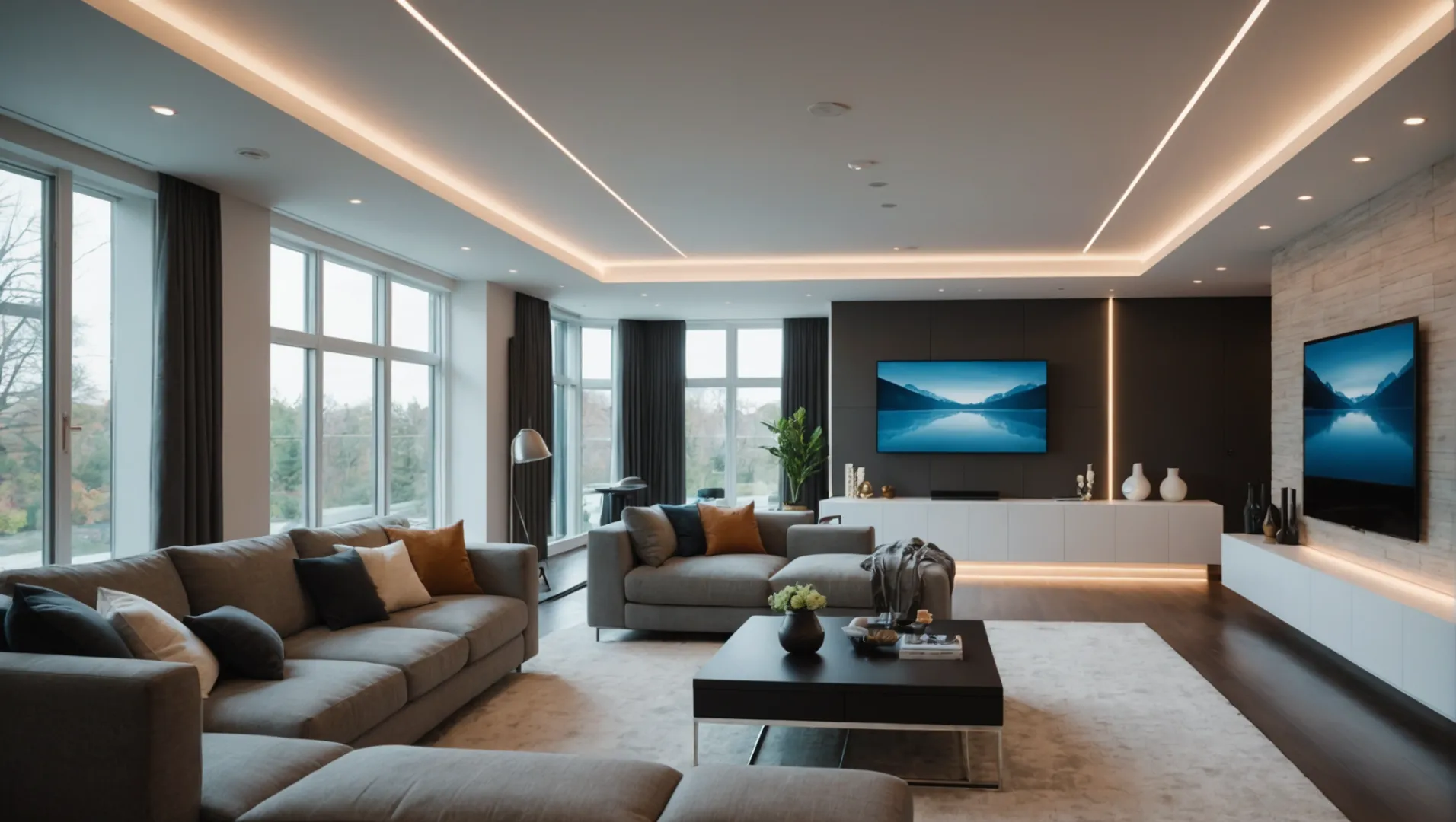
Aluminum Channels and Diffusers
Aluminum channels paired with diffuser covers are among the best solutions for hiding LED strip lights. These channels are designed specifically to house LED strips, providing a sleek and professional look. The diffuser cover helps in softening the light output, ensuring a more uniform glow and eliminating the "dot effect" often associated with LED strips.
| Material | Benefits |
|---|---|
| Aluminum Channels | Provides a sleek finish, acts as a heat sink, extends LED life |
| Diffuser Covers | Softens light, reduces glare, improves light distribution |
These materials are especially useful in modern settings where minimalist design is preferred.
Crown Molding
Crown molding offers a stylish method to conceal LED strips while adding architectural interest to a room. When installed along the ceiling line, it not only hides the strips but also allows light to wash down walls in an elegant manner. Crown molding1 can be painted to match your décor, making it both functional and decorative.
Recessed Cove Lighting
Creating a recessed cove within your walls or ceiling provides another fantastic option for concealing LED strips. This involves designing a groove or indentation where the lights can be placed out of direct view, creating an ambient glow. This method is often used in upscale residential and commercial spaces for a seamless lighting effect.
Furniture Integration
Another creative approach is integrating LED strips within furniture pieces. For instance, strips can be installed behind bookshelves or under floating shelves. This not only hides the lights but also creates a backlit effect that highlights the furniture piece itself.
By choosing the right materials and integrating them thoughtfully into your design, you can achieve a beautifully illuminated space without visible lighting fixtures.
Aluminum channels extend LED strip life.True
Aluminum channels act as heat sinks, reducing heat build-up.
Crown molding cannot be painted to match decor.False
Crown molding can be painted to blend with room aesthetics.
How Can Furniture Placement Enhance LED Light Discreteness?
Strategically placing furniture can cleverly conceal LED lights, ensuring both elegance and functionality.
Placing furniture such as sofas or shelves strategically can conceal LED lights, enhancing their discreteness while providing ambient lighting.
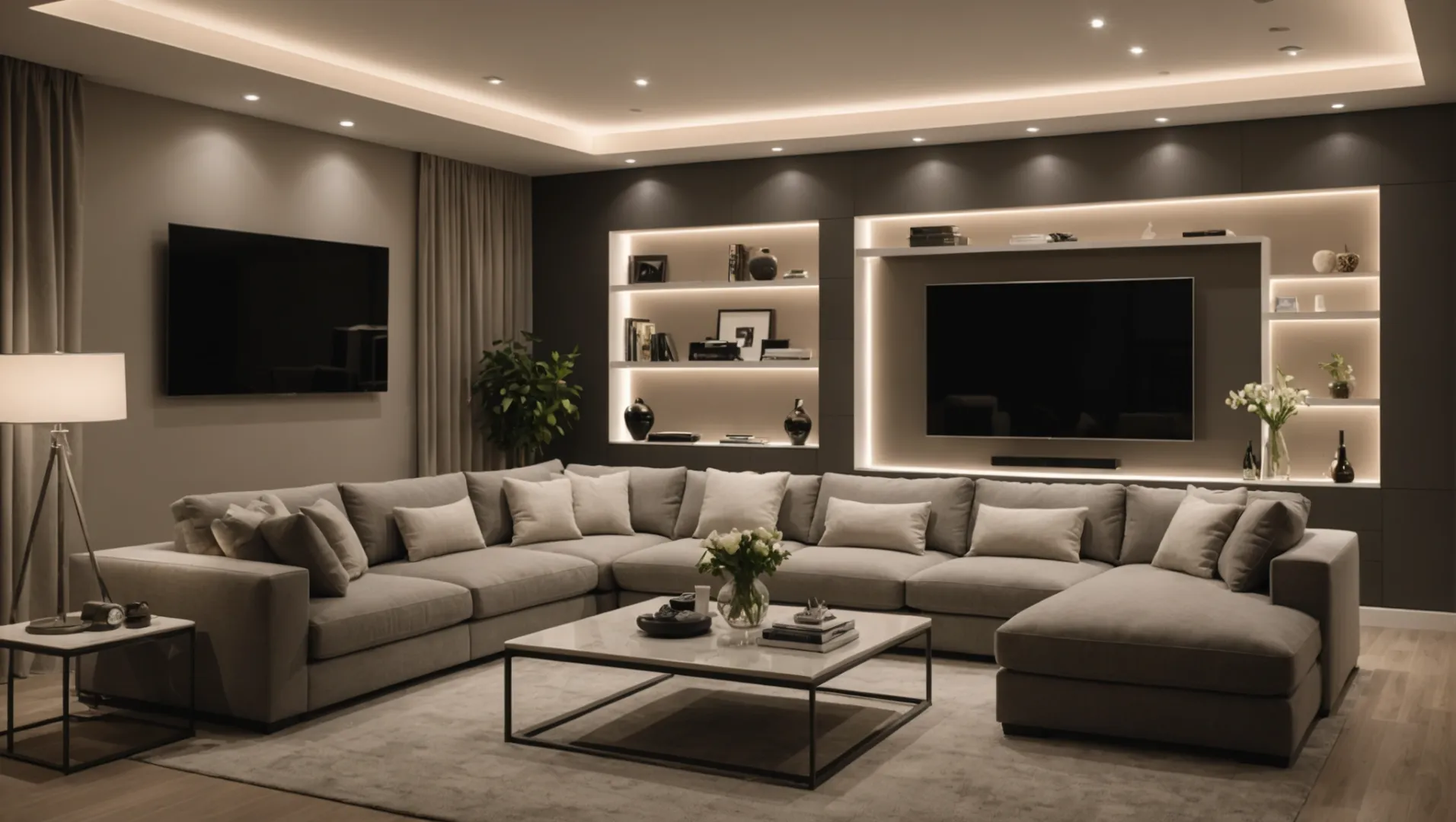
Leveraging Furniture for LED Light Concealment
Furniture placement plays a pivotal role in enhancing the discreteness of LED lights2. By utilizing strategic positioning, you can not only hide the light source but also create a sophisticated ambiance.
1. Behind Sofas and Entertainment Units
Positioning LED strips behind large furniture pieces like sofas or entertainment centers is an excellent way to disguise the light strips. The furniture blocks the direct view of the lights, allowing only the glow to be visible, which creates an inviting atmosphere without the distraction of visible light fixtures.
2. Headboard Backlighting
In bedrooms, placing LED strips behind headboards can result in a relaxing backlit effect. This setup provides ambient lighting ideal for winding down at night, without any harsh glare. It can serve as a creative focal point3 in the room’s decor.
3. Underneath Floating Shelves
LED lights installed under floating shelves can cast a warm light over the items displayed. The shelves naturally hide the lights from view, making it a perfect blend of functionality and aesthetics. This method is particularly useful in kitchens or living rooms where subtle lighting is desired.
Enhancing Aesthetic Appeal with LED and Furniture
The beauty of integrating LEDs with furniture is the seamlessness it brings to room design. By hiding lights beneath or behind furniture, you achieve not just functionality but also enhanced visual appeal4.
| Furniture Piece | LED Placement Idea |
|---|---|
| Sofa | Behind for a backlit wall effect |
| Bookshelves | Underneath shelves for uplighting |
| Bed Headboard | Back for ambient bedroom lighting |
| TV Unit | Around edges for enhanced viewing |
By thoughtfully integrating these strategies, you can maintain a stylish and modern look while enjoying the benefits of discreet lighting solutions.
LED lights can be hidden behind sofas.True
Placing LED strips behind sofas hides the light source effectively.
Floating shelves cannot hide LED lights.False
LEDs under floating shelves are concealed, casting subtle light.
What Role Does Color Play in Hiding LED Strips?
Understanding how color affects the visibility of LED strips can be key to achieving a seamless lighting design.
Color influences the concealment of LED strips by blending them with their surroundings, using either matching or contrasting hues for effective camouflage.
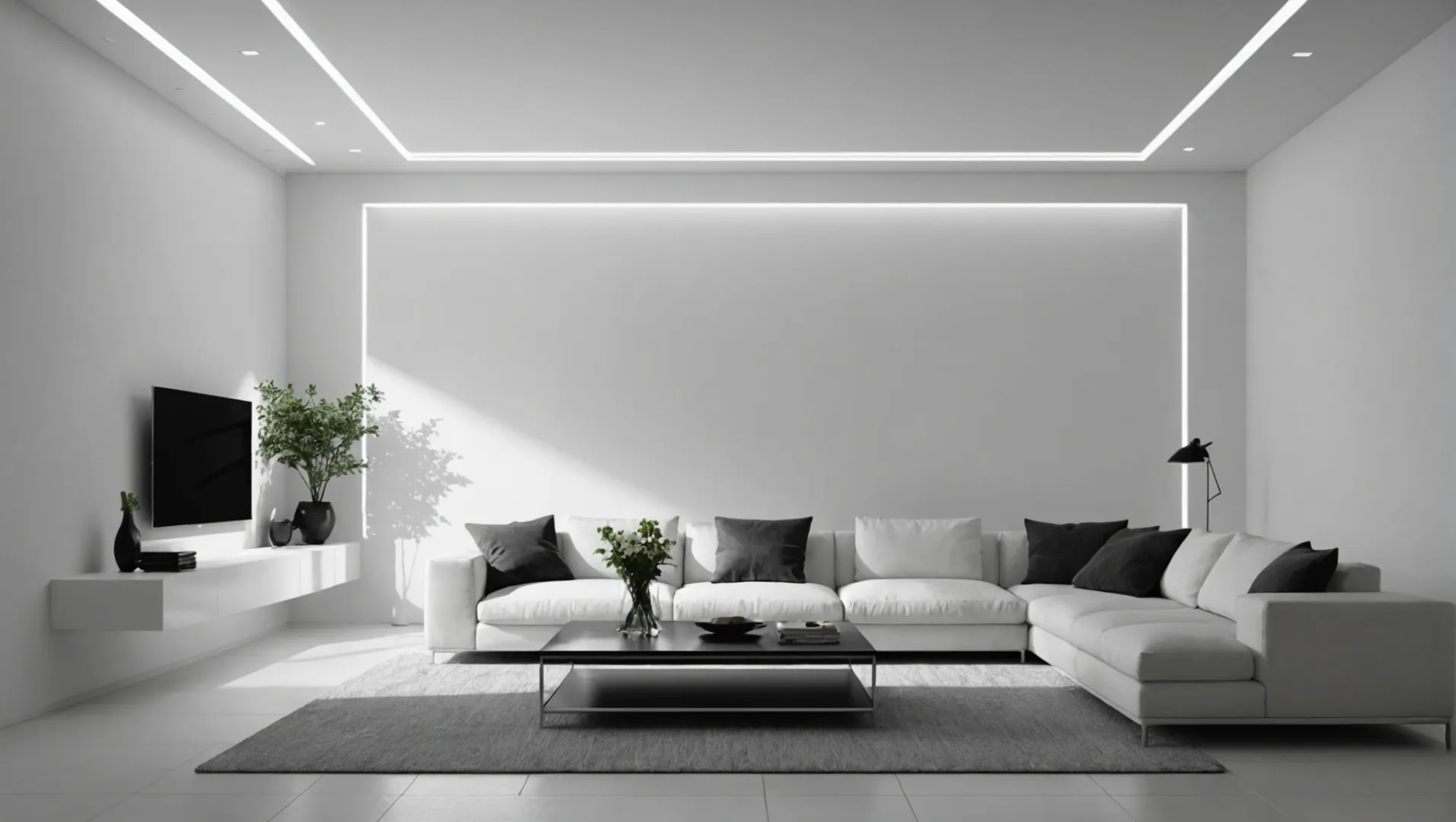
The Impact of Background Colors
One of the most effective ways to hide LED strips is to match them with the surrounding background colors. For instance, placing white LED strips against a white ceiling or wall makes them less noticeable when turned off. This approach works well in spaces where you aim to maintain a clean and minimalist aesthetic.
Conversely, using contrasting colors can also be an effective strategy. By selecting a strip color that starkly contrasts with its mounting surface, you can create a deliberate visual barrier. For example, black strip casings on a white background may emphasize the strip as a design feature rather than hiding it completely.
Integrating with Interior Color Schemes
Integrating LED strips with your existing color scheme enhances both the lighting and the overall decor. Warm-toned strips, like those in amber or soft white, blend beautifully with earthy tones and wooden finishes, making them less obtrusive. On the other hand, cool-toned strips, such as blue or green, pair well with modern interiors dominated by greys and blacks.
To explore how colors interact with different light spectrums, consider investigating LED light color temperature options5. This knowledge can guide you in selecting LED colors that complement your space while effectively concealing the strips.
Using Color-Adjustable LEDs for Versatility
Color-adjustable LEDs are a versatile option that allows for dynamic control over the lighting and its visibility. These systems enable users to change the color and intensity of the light, adapting to various moods or times of day. By selecting appropriate colors for different settings, you can effectively blend the LED strips into your environment whenever needed.
For those interested in DIY projects, exploring DIY LED strip color customization6 can offer insights into personalizing LED strips for better concealment while adding unique touches to your decor.
White LED strips blend with white ceilings.True
White LED strips become less noticeable against white surfaces when off.
Black strips are invisible on white walls.False
Black strips contrast with white walls, making them more visible.
Can DIY Solutions Offer Better Concealment Options?
Discover how DIY approaches can offer unique ways to hide LED strip lights effectively.
DIY solutions can provide personalized concealment options for LED strip lights. By using materials like custom-built channels or repurposed items, you can create unique, functional, and visually appealing lighting arrangements tailored to your space.
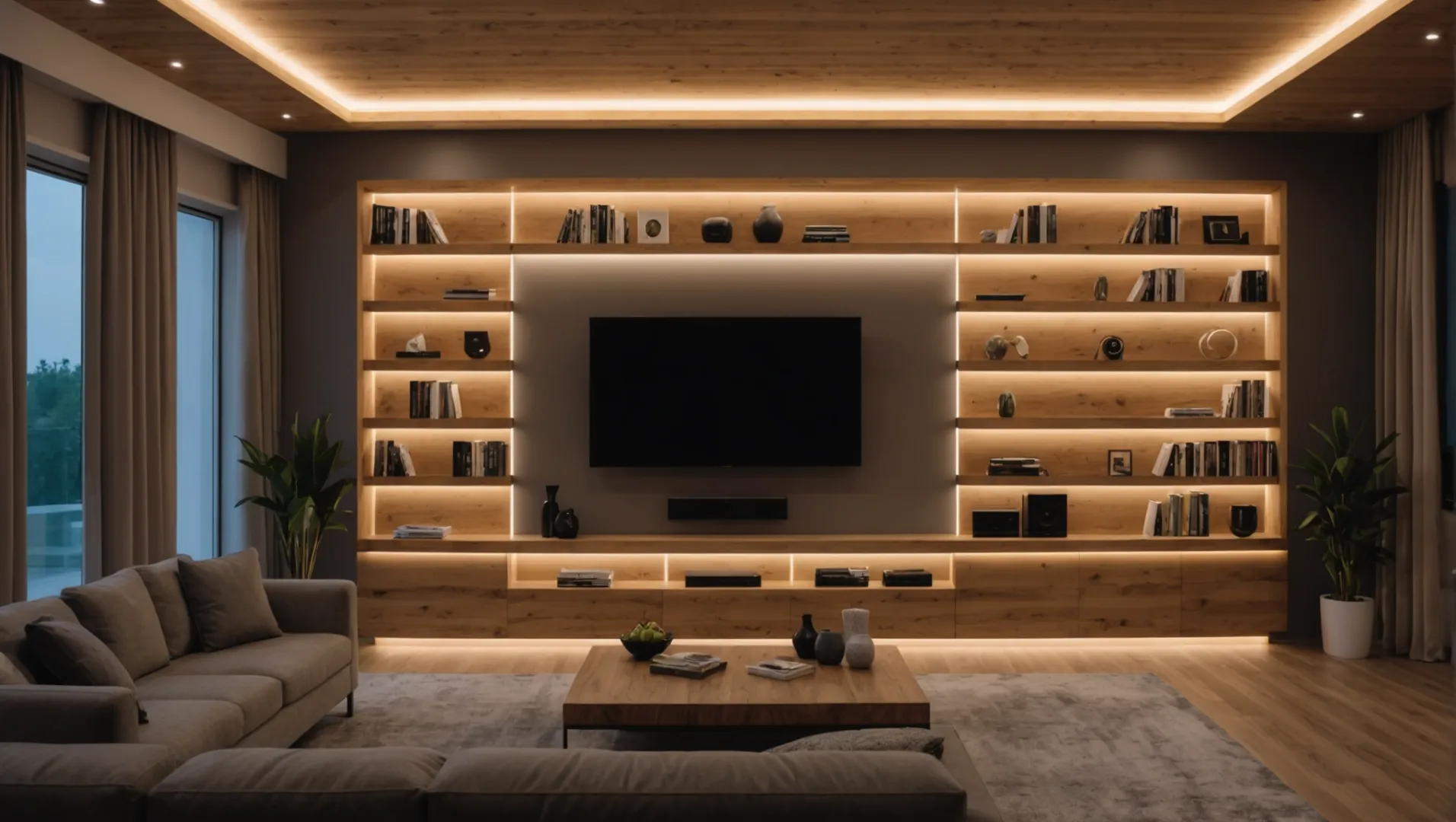
Exploring DIY Materials for LED Concealment
DIY enthusiasts often find creative solutions for hiding LED strip lights using everyday materials. For instance, you can repurpose wooden planks7 to build custom channels or use PVC pipes to create sleek light covers. These materials not only offer concealment but also add a decorative touch to your home.
| Material | Advantage | Use Case |
|---|---|---|
| Wooden Planks | Easy to customize and paint | Custom light channels |
| PVC Pipes | Durable and inexpensive | Covers for outdoor lighting |
| Fabric | Softens light output | Wrapped around fixtures |
Integrating LED Strips with Furniture
Another innovative DIY method involves integrating LED strips into furniture. By embedding lights into the underside of a table or the back of a bookshelf, you achieve indirect lighting that enhances the room’s ambiance. This approach not only hides the lights but also makes furniture pieces stand out.
Consider building your own floating shelves8 with pre-installed LED strips. This not only provides additional storage but also creates a stunning visual effect with minimal effort.
Personalized Color and Design Choices
DIY projects give you the freedom to choose colors and designs that complement your home’s aesthetic. Whether you prefer a minimalist look or something more vibrant, customizing LED strip lights to suit your style is entirely possible.
You might experiment with colored gels9 or paint around the lighting area to blend the strips into the decor seamlessly. This personalization ensures that the lights enhance rather than disrupt the design harmony of your space.
By combining creativity with practical materials, DIY solutions can indeed provide superior concealment options, making your LED installations both functional and aesthetically pleasing.
DIY solutions can conceal LED strips effectively.True
DIY methods offer tailored options for hiding LED strips creatively.
PVC pipes are not suitable for LED light covers.False
PVC pipes are durable and inexpensive, ideal for LED light covers.
Conclusion
With these methods, you can enjoy the benefits of LED lighting without compromising on design. Choose the best approach to fit your space and style needs.
-
Discover how crown molding enhances aesthetics and conceals LED strips elegantly.: Another great advantage for indirect lighting is that it provides stylish lighting to a room without taking up the space of table or floor lamps. When there is … ↩
-
Explore methods to position furniture for optimal LED concealment.: Hide led strip wires by running them along the corners or edges where walls meet the ceiling or in the gap behind the baseboard to keep them out … ↩
-
Discover innovative headboard lighting designs for ambient effects.: 35 LED Headboard Lighting Ideas For Your Bedroom · 5050 SMD Bluetooth LED Strip Lights 30M 20M RGB LED LightFlexible Ribbon Waterproof Tape Diode DC 12V … ↩
-
Understand how hidden LEDs enhance interior aesthetics.: Enhanced Ambiance: Invisible lighting can create a variety of atmospheres—from a soft, diffuse glow that enhances relaxation to dynamic, … ↩
-
Learn about how different color temperatures affect space and mood.: So, exactly what is LED color temperature? · 1700K – the dull glow of a match flame · 1900K – the steady light of a candle · 2700K – warm, incandescent fixtures … ↩
-
Discover ways to personalize LED strip colors for better integration.: 1. Press the DIY button. 2. Long press the arrow keys to select the color. 3. Press the same DIY button again. In second step, you should long … ↩
-
Learn to craft customized wooden channels for elegant LED concealment.: I extended the wood back past the end of the stud, to give me some mounting "flanges" for attaching the light to the ceiling. I cut some small pieces of plywood … ↩
-
Discover DIY floating shelves that integrate LED strips seamlessly.: See how I build these DIY floating shelves with wireless LEDs for my office makeover! Thanks … ↩
-
Explore how colored gels can customize your LED lighting design.: I would go with led light with gel. Specifically, LED panels. Rgb tube lights are a bit expensive, and light output is not the best on the lower end products. ↩