
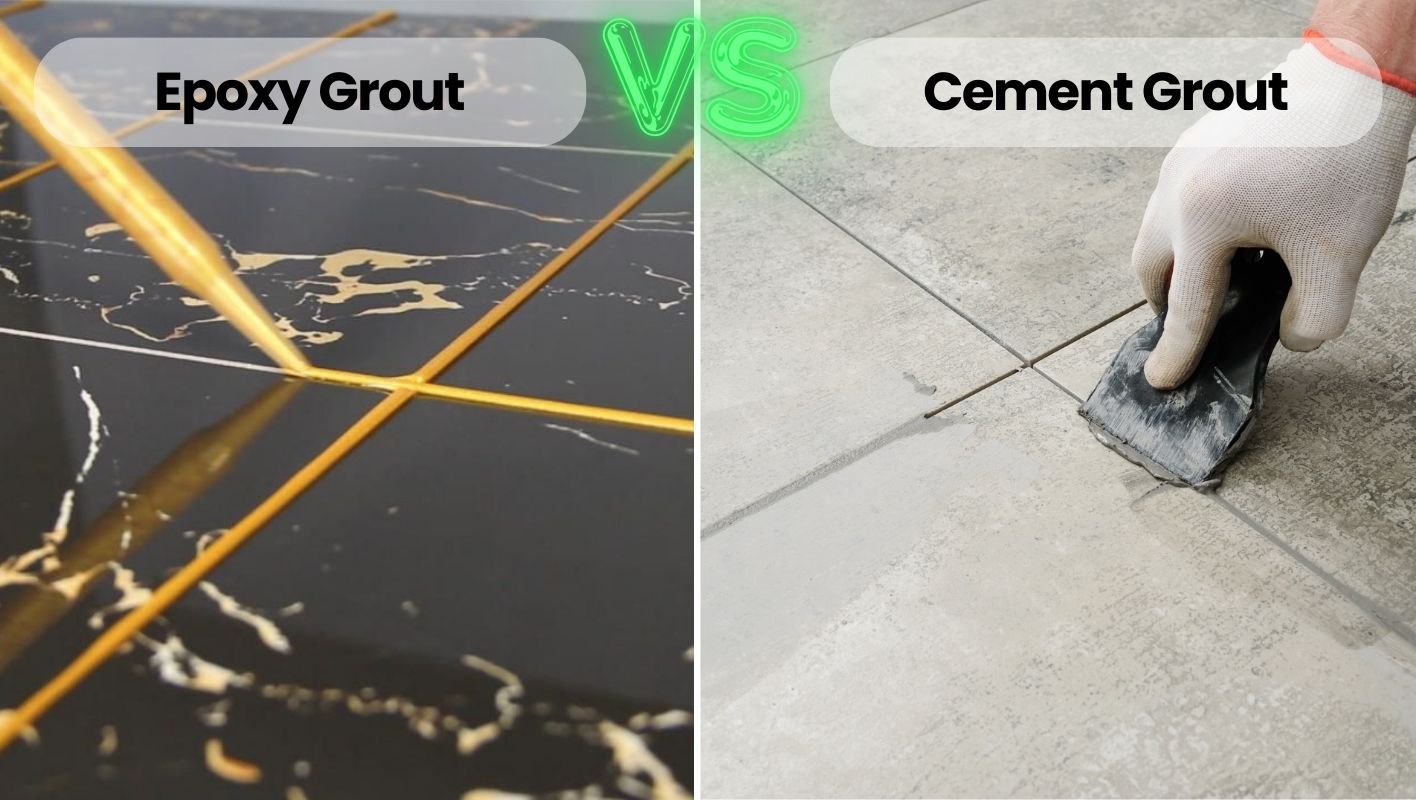
Ever found yourself torn between epoxy and cement grout for your tiling project? Trust me, it’s a common conundrum.
Epoxy grout stands out for its durability and stain resistance, making it perfect for busy or damp spaces. Meanwhile, cement grout offers a more budget-friendly option and is easier to apply, making it ideal for cost-conscious projects.
Knowing these basic differences is just the start of the journey. I remember my first big project where choosing the right grout felt like picking the right pair of shoes for a marathon. It wasn’t just about looks; it was about performance and longevity. Let’s delve into the practical aspects of installing each type, as well as tips on maintenance to help you make a choice that’s best suited to your project’s demands.
Epoxy grout is more stain-resistant than cement grout.True
Epoxy grout's chemical composition makes it highly resistant to stains.
Cement grout is more expensive than epoxy grout.False
Cement grout is generally cheaper due to its simpler composition.
How do epoxy and cement grout differ?
Have you ever found yourself standing in a hardware store aisle, staring at grout options and feeling completely overwhelmed?
Epoxy grout is the go-to for durability and resistance to stains and moisture, making it ideal for high-traffic areas. In contrast, cement grout is more budget-friendly and easier to apply, though it may require more maintenance. Weigh your needs to pick the right fit.
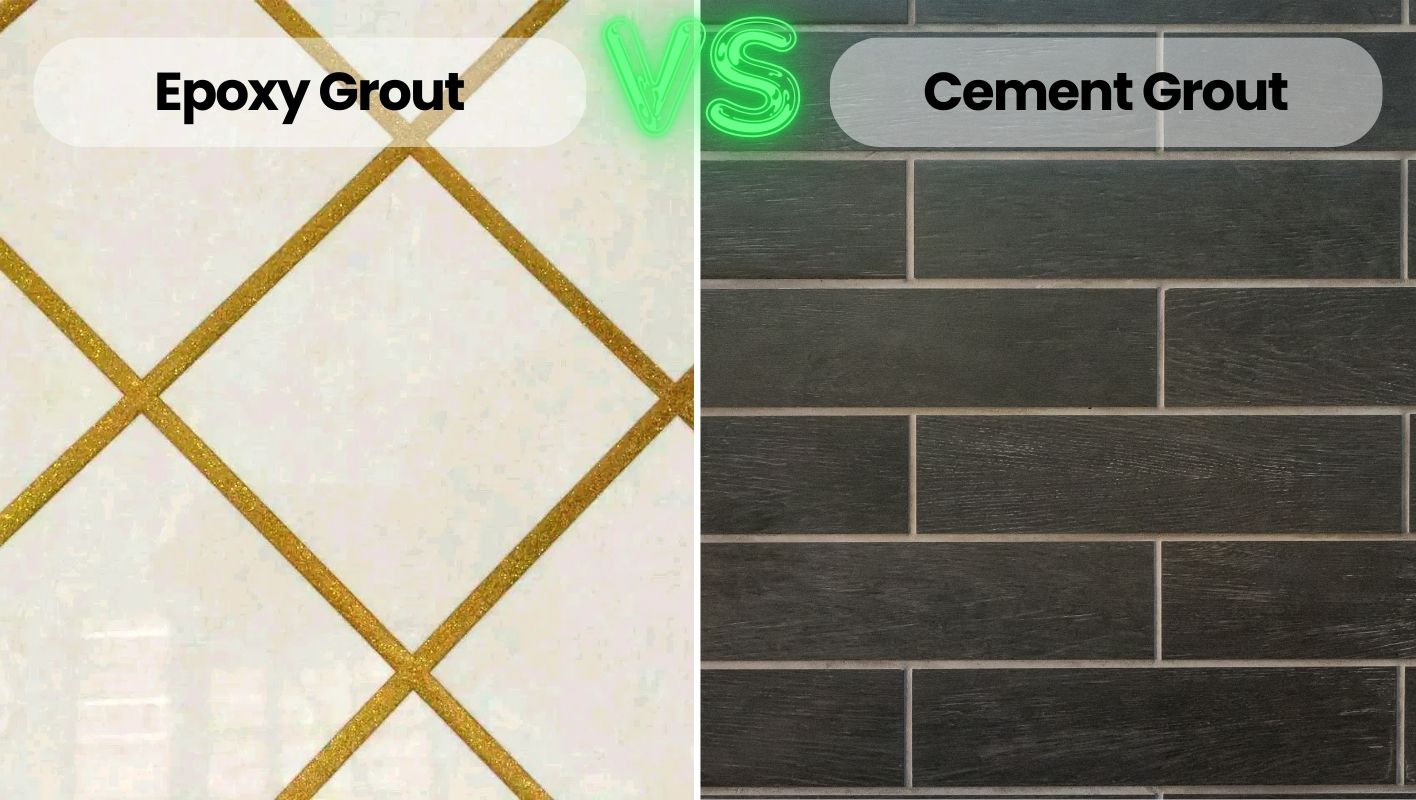
I remember the first time I tackled a tiling project in my own home. It was a mix of excitement and sheer terror. I had meticulously chosen the perfect tiles to transform my dated kitchen backsplash, but when it came to choosing grout, I was lost. Epoxy or cement? It felt like a make-or-break decision.
Understanding Epoxy Grout
What I discovered about epoxy grout was fascinating. It’s a two-part system made of epoxy resins and fillers, which gives it an edge in durability and resistance1 to stains and chemicals. If you’re planning to tile high-traffic areas like kitchens or bathrooms, this type of grout might be your new best friend. I learned the hard way how valuable stain resistance is after an unfortunate spaghetti sauce incident!
| Feature | Epoxy Grout |
|---|---|
| Durability | High |
| Stain Resistance | Excellent |
| Cost | Higher than cement grout |
Exploring Cement Grout
On the other hand, cement grout, which is a blend of cement, water, and sand, brought back memories of helping my dad with weekend DIY projects. It’s affordable and user-friendly, especially if you’re not a seasoned tiler. However, it does fall short in terms of stain resistance compared to epoxy.
| Feature | Cement Grout |
|---|---|
| Durability | Moderate |
| Stain Resistance | Low to moderate |
| Cost | Lower than epoxy grout |
Comparing Installation and Maintenance
The installation process was another story altogether. Epoxy grout requires careful mixing and application. I admit, it tested my patience at times! But the payoff? Minimal maintenance compared to cement grout, which might need sealing every now and then to keep looking sharp.
One of the key differences lies in installation ease2. Epoxy grout requires meticulous mixing and application while cement grout offers more flexibility during installation.
Suitability for Various Applications
Choosing between these two types boils down to your project needs. For wet or chemical-heavy areas, epoxy’s protection is hard to beat. But if budget or aesthetics are more your focus, cement grout can work beautifully too.
When deciding between epoxy and cement grout, consider the specific needs of your project:
| Application | Recommended Grout |
|---|---|
| Kitchens/Bathrooms | Epoxy |
| Living rooms | Cement |
| Outdoor Spaces | Epoxy |
I eventually decided on epoxy for my kitchen and never looked back—it was worth every penny.
Epoxy grout is more durable than cement grout.True
Epoxy grout's composition provides superior durability compared to cement.
Cement grout is more stain-resistant than epoxy grout.False
Epoxy grout offers excellent stain resistance, unlike cement grout.
How Do Installation Techniques Differ Between Epoxy and Cement Grouts?
Ever felt overwhelmed choosing between epoxy and cement grouts for your project? I’ve been there, and understanding their installation differences can make all the difference.
Epoxy grouts require precise mixing and quick application due to their fast-setting nature, while cement grouts are more forgiving but need careful sealing to prevent water damage and staining. Choose based on your project’s needs.
Mixing and Preparation
Epoxy Grout
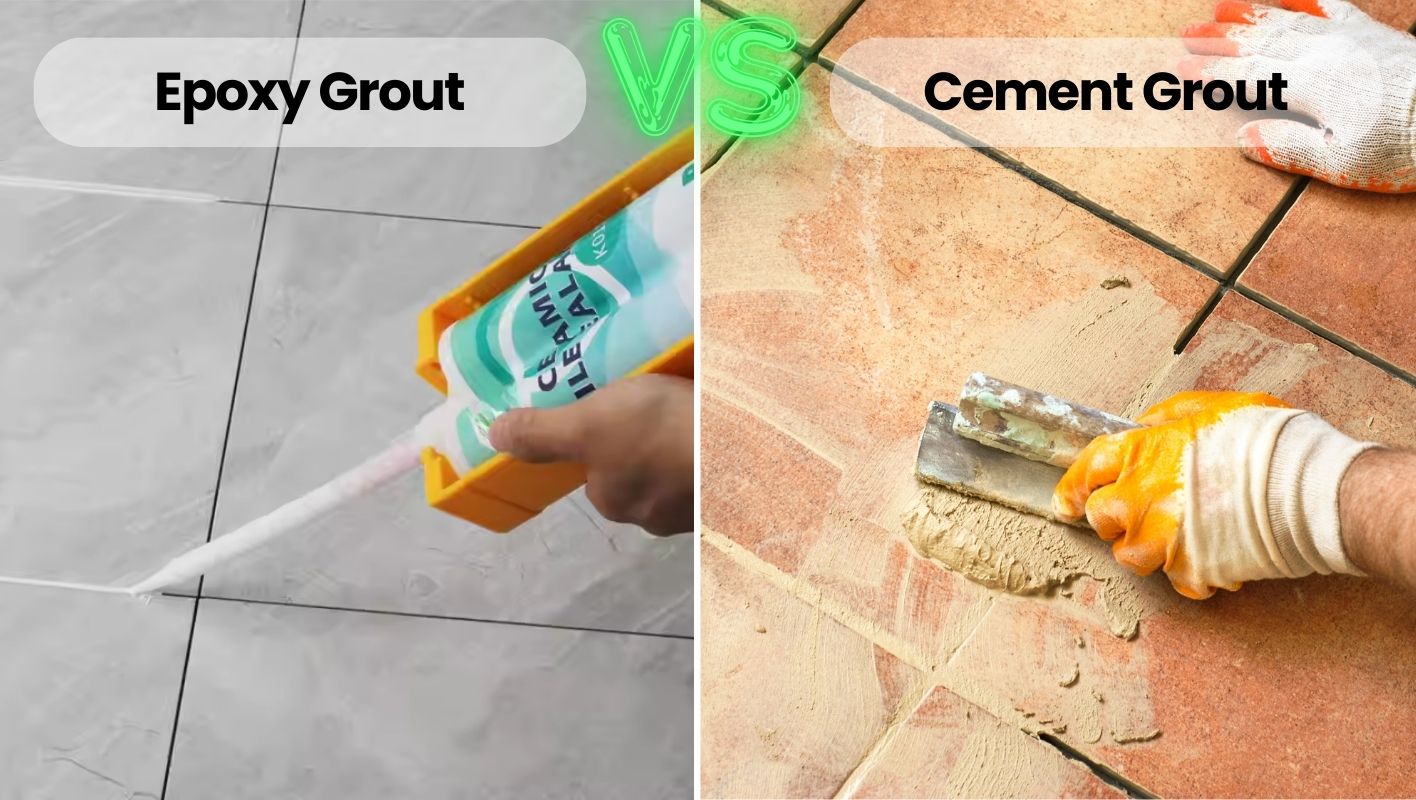
When I first tried my hand at using epoxy grout, I quickly realized the importance of precision. Mixing the resin and hardener requires a steady hand and attention to detail because it sets faster than you can say "grout disaster." It’s like baking—one misstep and you’ve got a mess! Working in small batches became my mantra, ensuring I didn’t waste precious material.
- Pros: High durability3, resistant to stains.
- Cons: Challenging for beginners.
Cement Grout
On the flip side, cement grout was like that comforting old friend who’s always there when you need them. Just add water, mix to the right consistency, and you’re good to go. It allowed me more time to work over larger areas without breaking a sweat, making it perfect for those sprawling kitchen floors.
- Pros: Easier application, more forgiving.
- Cons: Prone to cracking if not sealed properly.
Application Techniques
Epoxy Grout
Applying epoxy grout was another lesson in patience. Using a rubber float, I pressed it firmly into the joints—it’s a workout! Cleaning up had to be immediate; otherwise, it turned into an immovable beast. Trust me, once it hardens, you’re left with a souvenir you didn’t ask for.
Cement Grout
Cement grout application was more forgiving. It spread over tiles with a float just as smoothly as peanut butter on toast. Plus, I had the luxury of taking my time cleaning up without the grout setting instantly.
Curing and Sealing
| Grout Type | Curing Time | Sealing Required? |
|---|---|---|
| Epoxy | 24 hours | No |
| Cement | 48-72 hours | Yes |
Epoxy Grout
Knowing that epoxy grout required no additional sealing was a relief. It cures within 24 hours but avoiding water exposure during this time makes all the difference.
Cement Grout
Cement grout demanded more patience, with a longer curing time of 48 to 72 hours. Sealing it was non-negotiable if I wanted to keep stains and moisture at bay, although it did mean extra cost and effort.
Considerations for Specific Applications
In spaces like bathrooms or kitchens where moisture is an enemy, epoxy grout’s resistance is invaluable. However, for less demanding environments or when keeping costs down is key, cement grout served me well enough.
Understanding these nuances helped me choose the right grout for each project, ensuring both functionality and longevity. If you’re curious about specific applications4 of each grout type, diving into more resources can be enlightening.
Epoxy grout requires sealing after curing.False
Epoxy grout does not require sealing, saving time and effort.
Cement grout has a longer curing time than epoxy grout.True
Cement grout cures in 48-72 hours, while epoxy cures in 24 hours.
How Do Epoxy and Cement Grout Compare in Maintenance?
Choosing the right grout can be a game-changer for your tiles. Let’s dive into the maintenance needs of epoxy versus cement grout to keep your space looking fresh.
Epoxy grout is low-maintenance due to its stain and moisture resistance. In contrast, cement grout needs regular sealing to fend off stains and mold.

Understanding Epoxy Grout Maintenance
The first time I had to deal with grout was during a home renovation. I remember standing in the aisle of the home improvement store, overwhelmed by the choices. I chose epoxy grout because I heard it was durable and easy to clean. And let me tell you, it lived up to its reputation. Thanks to its non-porous nature5, it resists stains like a champ, which was a lifesaver in my bustling kitchen. Just a quick wipe with warm water and a touch of mild detergent keeps it looking pristine. The downside? It’s pricier than cement grout, which made my wallet wince a bit at the checkout counter.
Table: Epoxy Grout Pros & Cons
| Pros | Cons |
|---|---|
| Stain-resistant | Higher cost |
| Durable | More difficult to apply |
| Low maintenance | Limited color choices |
Caring for Cement Grout
On the flip side, when I used cement grout in my bathroom, I quickly realized it was a more budget-friendly option. But here’s the catch: it’s porous. This means without regular sealing, it’s like an open invitation for stains and mold, especially in damp areas. I’ve made it part of my routine to reseal it annually to keep it looking fresh. Cleaning involves special grout cleaners or a vinegar solution, which is a bit of a chore but manageable if you stay on top of it.
Table: Cement Grout Pros & Cons
| Pros | Cons |
|---|---|
| Cost-effective | Requires regular sealing |
| Easy to apply | Prone to stains |
| Wide color range | Can harbor mold |
Comparing Moisture Resistance
When you’re dealing with moisture, epoxy grout6 takes the crown. Its impermeable surface keeps water at bay, making it ideal for places like bathrooms where humidity is a constant battle. Cement grout, however, might need some extra help in such environments to stay dry and mold-free. In my experience, choosing epoxy for damp areas has been worth every penny for peace of mind.
Maintenance Tips
- Epoxy Grout: Stay on top of spills; use gentle cleaners to avoid surface damage.
- Cement Grout: Seal it once a year; use a pH-neutral cleaner regularly to extend its lifespan.
By understanding these maintenance requirements, you can choose the right grout type to meet your project’s needs.
Epoxy grout needs regular sealing to prevent stains.False
Epoxy grout is non-porous and does not require sealing.
Cement grout is more prone to mold than epoxy grout.True
Cement grout is porous, making it susceptible to mold growth.
Which Environments Are Best Suited for Epoxy or Cement Grout?
Ever found yourself in a tile store, overwhelmed by grout choices? Picking the right grout can feel like a small decision with a big impact.
Epoxy grout is perfect for wet and high-traffic areas because of its water resistance and durability. On the other hand, cement grout shines in drier spaces, where it’s easier to apply and budget-friendly.
Characteristics of Epoxy Grout
I remember standing in my own kitchen, staring at the tiles and wondering if I’d made the right choice. Epoxy grout was my go-to for the kitchen because it’s like the superhero of grouts – super tough, handles water like a pro, and doesn’t back down from a fight with stains or chemicals. It’s perfect for places like:
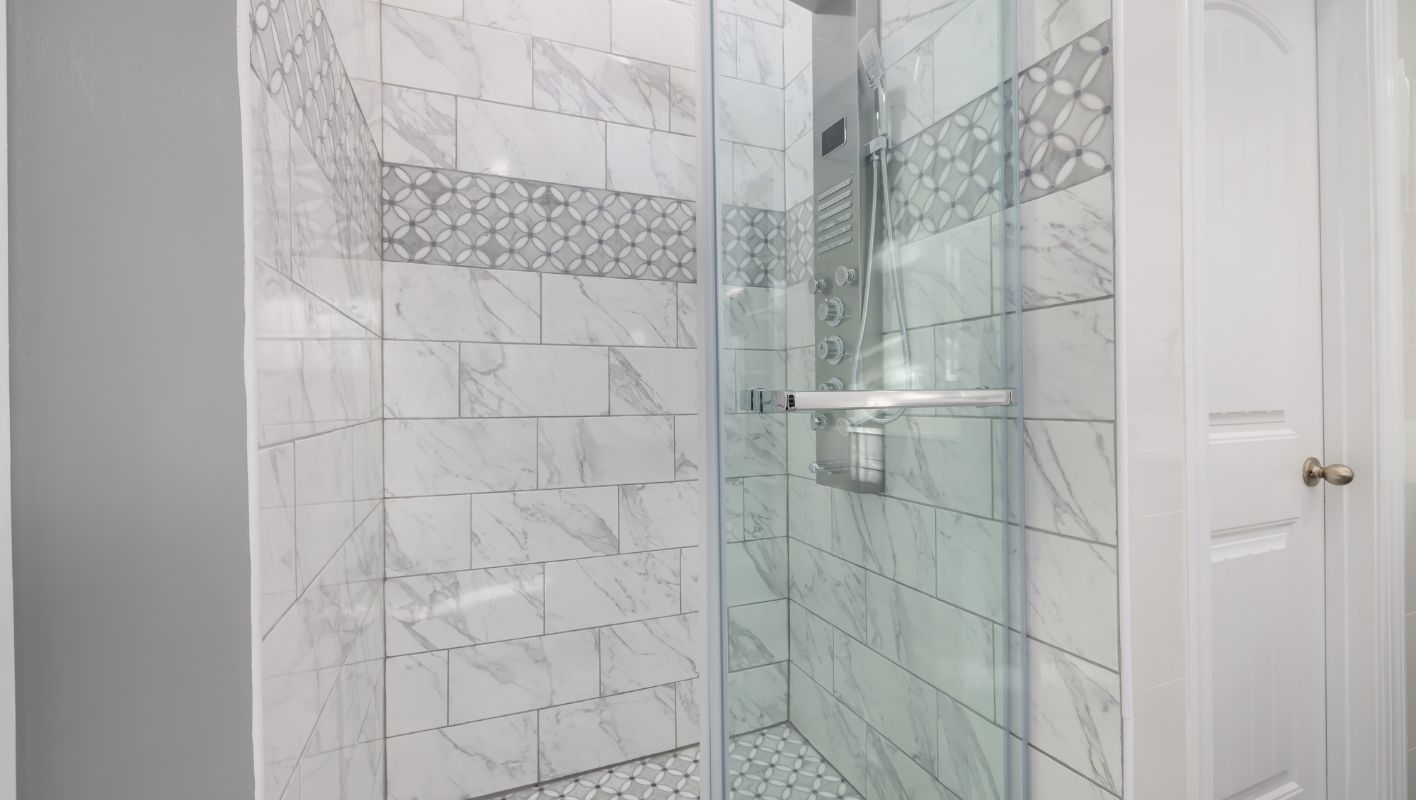
- Bathrooms and Kitchens: The water-resistance of epoxy is legendary, fighting off mold like nobody’s business.
- High-Traffic Areas: If you’ve got a bustling family or run a commercial kitchen, this grout stands strong under pressure.
| Environment | Suitability |
|---|---|
| Moist areas | High |
| Chemical exposure | High |
| Outdoor | Moderate |
Applications of Cement Grout
Then there’s cement grout. I love it for those cozy corners of the house where things are a bit more laid back. Its simplicity makes it a favorite among DIY enthusiasts like me:
- Living Rooms and Bedrooms: It’s just right for dry spaces where water isn’t a worry.
- DIY Projects: Easy to apply and easy on the wallet, making it great for smaller, less intense projects.
| Environment | Suitability |
|---|---|
| Dry areas | High |
| Low traffic | Moderate |
| Cost-sensitive | High |
Choosing between epoxy and cement grout boils down to what your space needs most. Whether you prioritize superior performance7 or cost-effectiveness, understanding your specific environment will lead you to the right choice. So, weigh your options carefully and trust that you’re making an informed decision. After all, as someone who’s been through the tiling trenches, I can assure you that the right grout really does make all the difference.
Epoxy grout is ideal for high-traffic areas.True
Epoxy grout's durability makes it suitable for commercial kitchens.
Cement grout is best for moist environments.False
Cement grout is better suited for dry areas with minimal water exposure.
Conclusion
Epoxy grout offers superior durability and stain resistance, ideal for high-traffic areas, while cement grout is budget-friendly and easier to apply, suitable for less demanding environments.
-
Discover how epoxy grout’s unique properties can enhance durability and cleanliness in high-traffic areas. ↩
-
Learn about the challenges of installing epoxy grout compared to the more straightforward cement grout process. ↩
-
Discover why epoxy grout offers superior durability, making it ideal for high-traffic areas. ↩
-
Learn about specific scenarios where epoxy grout outperforms cement grout. ↩
-
Explore how epoxy’s non-porous structure provides superior stain resistance compared to cement grout. ↩
-
Discover why epoxy’s structure makes it a better choice for areas prone to moisture. ↩
-
Understand the key differences in performance between epoxy and cement grout in various conditions. ↩






