
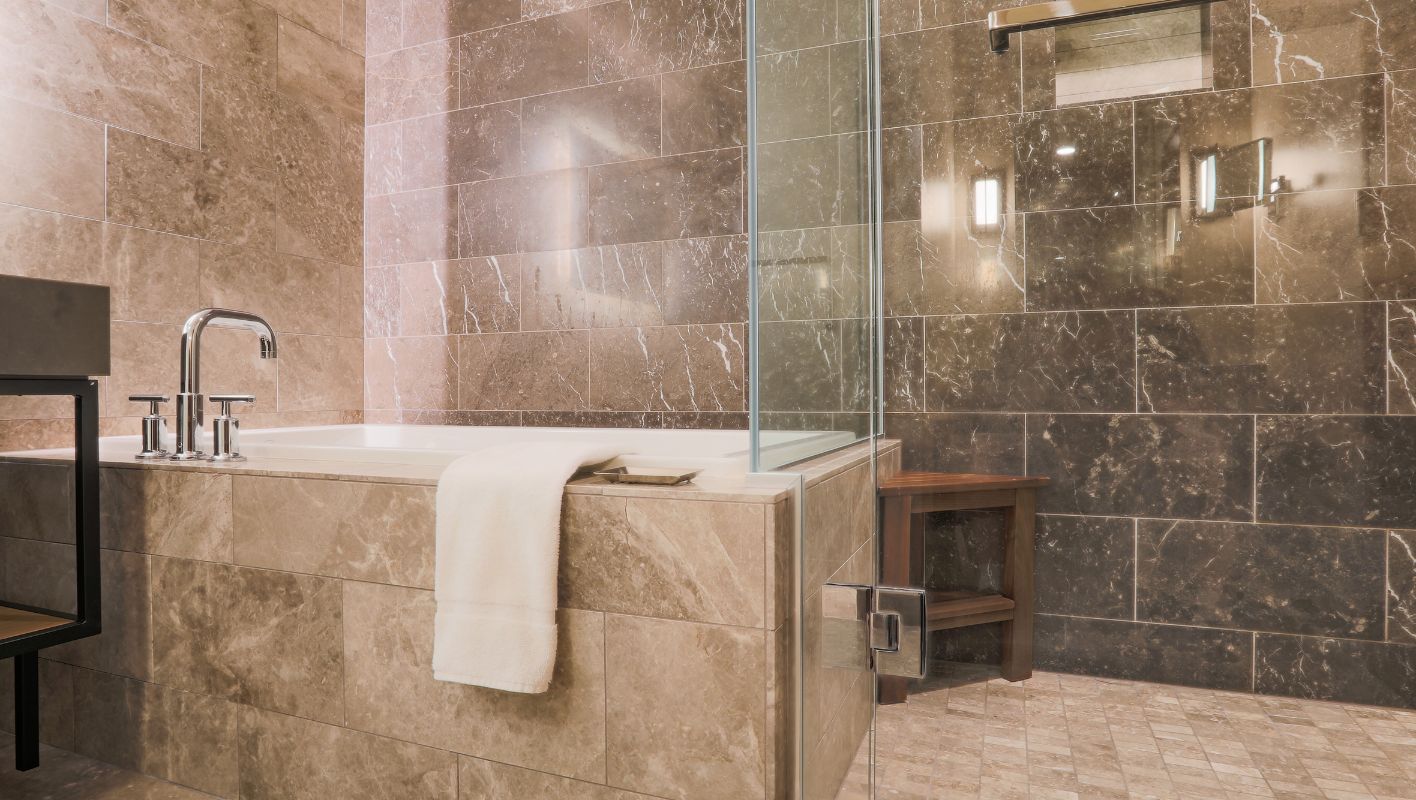
Sealing marble tiles might feel like an art, but it’s your best ally in keeping them beautiful and protected.
To seal marble tiles effectively, start by thoroughly cleaning the surface, then apply a high-quality stone sealer with a clean cloth, allowing it to cure according to the manufacturer’s instructions. This shields the tiles from stains and moisture while boosting their natural glow.
Years ago, when I first tackled sealing marble in my own home, I was nervous about ruining that pristine look. But with the right approach, it became a rewarding task. Now, beyond the basics, choosing the right sealant and knowing when to reapply it are game-changers. Dive deeper with me to explore expert tips on selecting the best sealant, the perfect sealing frequency, and techniques tailored for various marble applications.
Marble tiles should be sealed once a year.True
Annual sealing is recommended to maintain protection and appearance.
Sealing marble tile prevents all types of stains.False
Sealing reduces stain risk but doesn't prevent all stains, especially acidic ones.
What are the best sealers for marble tiles?
Ah, marble tiles—nothing quite says ‘elegance’ like those sleek, polished surfaces. But how do you keep them looking pristine for years?
The best sealers for marble tiles are penetrating sealers and topical sealers. Penetrating sealers absorb into the stone, offering deep protection against stains, while topical sealers form a protective surface layer against scratches and moisture.
Understanding Marble Tile Sealers
From the moment I first laid eyes on marble tiles, I knew I was in love. That luxurious sheen, the way it catches the light—it’s like having a piece of art underfoot. But maintaining that beauty? Well, that’s where the real work begins.
I remember when I first considered sealing my marble tiles. I was torn between penetrating sealers1 and topical ones. Penetrating sealers dive deep into the stone, which sounded perfect because I wanted something that would stand up to my family’s bustling life. These sealers fill in the porous surface, providing long-lasting protection against stains. Ideal for someone like me who doesn’t want to worry about every little spill.
Pros and Cons of Penetrating Sealers
| Pros | Cons |
|---|---|
| Long-lasting protection | Higher upfront cost |
| Doesn’t alter appearance | May require professional application |
| Suitable for high-traffic areas | Needs reapplication over time |
While penetrating sealers offer impressive longevity, the initial investment can be steep. However, given their effectiveness in high-traffic areas and their ability to preserve that natural marble look, they quickly became a front-runner in my decision-making process.
Exploring Topical Sealers
On the flip side, topical sealers2 create a protective layer on top of the marble. This barrier is great against water and scratches but might alter that lovely natural sheen I adore. However, if your space is prone to frequent spills or heavy wear and tear, these sealers might be your best friend.
How to Choose the Right Sealer
So how did I choose? Well, it came down to where I was planning to use the marble. For my kitchen—an area brimming with spills and stains—a penetrating sealer seemed like the obvious choice. But in spaces where aesthetics were my priority, topical sealers3 offered just the right touch of protection.
Factors to Consider
- Application Method: I’m all about convenience, so easy-to-apply sealers were high on my list.
- Environmental Impact: I’m trying to be more eco-conscious these days, so considering sustainable options was important.
- Cost vs. Longevity: It’s always a balance between upfront costs and how often I’ll need to reseal.
By weighing these factors, I found a sealer that worked perfectly for my needs. Checking product reviews and consulting expert opinions4 helped me ensure I was getting a quality product that fit my lifestyle. Trust me; a little research goes a long way in keeping those marble tiles looking as stunning as day one.
How Often Should I Reseal My Marble Tiles?
Caring for marble tiles can feel like a balancing act between beauty and practicality. How often should we reseal these elegant surfaces to keep them shining?
Typically, I reseal my marble tiles every 6 to 12 months, depending on how much wear and tear they endure and their exposure to the elements. Keeping an eye on the tile’s porosity helps me decide the right timing, ensuring they remain both stunning and protected.
Factors Affecting Resealing Frequency
I’ve learned that several factors influence how often I need to reseal my marble tiles. In areas like my kitchen and hallway, where foot traffic never seems to stop, I’ve found that frequent maintenance is key. Likewise, any surface that regularly faces water or outdoor conditions5 needs a little more attention.
How to Test for Resealing Needs
One day, I discovered the water drop test—simple yet effective. Just placing a few drops of water on the marble and watching what happens can tell me all I need to know:
| Reaction | Implication |
|---|---|
| Water beads up | Sealer is intact |
| Water absorbs | Time to reseal |
If the water absorbs in less than half a minute, I know it’s time to roll up my sleeves and get to work.
Types of Sealers and Their Lifespan
Over time, I’ve come to appreciate the different sealers available and how long they last. Here’s a quick breakdown I’ve put together:
| Sealer Type | Durability |
|---|---|
| Topical Sealers | 6-12 months |
| Penetrating Sealers | Up to 2 years |
I often lean toward penetrating sealers since they offer a longer-lasting shield. Of course, for unique situations, exploring different sealer types6 might be the way to go.
Environmental Considerations
In today’s world, thinking about sustainability is more important than ever. When choosing sealers, I always consider eco-friendly options that fit with sustainable practices. Checking out green sealing products7 helps me ensure I’m doing my part for the environment while keeping my marble looking its best.
Understanding these factors has been essential in preserving the elegance and longevity of my marble tiles.
Marble tiles in high traffic areas need resealing every 6 months.True
High foot traffic increases wear, requiring more frequent resealing.
Penetrating sealers last longer than topical sealers on marble.True
Penetrating sealers can last up to 2 years, longer than topical ones.
Can I Seal Marble Tile Myself or Should I Hire a Professional?
Have you ever stared at your marble tiles, wondering if sealing them is a DIY job or if you should call in a pro?
Sealing marble tiles yourself can be rewarding if you’re equipped with the right tools and patience. However, for complex or extensive projects, hiring a professional might offer superior results and longer-lasting protection.
Understanding Marble Sealing Requirements
I remember the first time I faced my marble tile dilemma. It was one of those "can I really do this myself?" moments. Marble, as stunning as it is, tends to be a bit high maintenance due to its porous nature. Sealing it means applying a protective layer to fend off those pesky stains and grime. The initial step—cleaning—reminds me of prepping for a big event: every spot needs to be spotless. I once spent a whole weekend scrubbing and drying, ensuring the marble was as ready as I was for the sealing adventure.
The first step in sealing marble8 is ensuring the surface is thoroughly clean and dry. This can be achieved by using specific marble cleaners and allowing ample drying time.
Tools and Materials Needed for DIY
If you’re like me and have decided to roll up your sleeves, here’s a helpful list of what you’ll need:
| Tool/Material | Purpose |
|---|---|
| Marble Cleaner | To remove dirt and residue |
| Sealer | Protects the marble surface |
| Applicator Brush | Even application of the sealer |
| Microfiber Cloth | Wipe off excess sealer |
| Safety Gear | Protection from chemicals |
Choosing the right sealer felt like picking out the perfect tool for a job. Penetrating sealers are often recommended as they soak into the stone without affecting its appearance. Check product specifications to ensure compatibility with your type of marble.
DIY vs. Professional Sealing
DIY Considerations
- Cost-Effective: Diving into DIY can be a real money-saver. For me, the challenge was exciting and fit my budget perfectly.
- Time-Consuming: It’s no joke—it took a few days of my life, but it was worth every second.
- Skill Level: If you’ve got some basic DIY chops and have brushed up on marble maintenance9, you’re halfway there.
Professional Services
- Expertise: The pros have this down to an art form. Their finish is like the cherry on top.
- Time-Saving: They can breeze through what might take me forever.
- Warranty: This is like having insurance on peace of mind, knowing future issues might be covered.
Factors Influencing Your Decision
In deciding whether to tackle this on your own or go pro, think about how big your project is, how comfy you are with DIY tasks, and of course, your budget. High-traffic areas or tricky installations might just scream for a professional’s touch.
For those who are ready to embark on the DIY path, diving into marble sealing techniques10 and absorbing tutorials was key for me. By weighing your situation carefully, you’ll ensure those marble tiles stay as beautiful as you envisioned.
DIY marble sealing is cost-effective.True
DIY projects save money on labor costs, making them budget-friendly.
Professionals seal marble tiles faster than DIY.True
Professionals have experience and tools to complete tasks efficiently.
What Are Common Mistakes to Avoid When Sealing Marble Tiles?
Ever found yourself gazing at those stunning marble tiles, dreaming of preserving their natural beauty forever? But wait, sealing them is trickier than it looks. Let me share what I’ve learned along the way.
To avoid common mistakes when sealing marble tiles, clean and dry the surfaces thoroughly, select a suitable sealant, and apply it evenly. Be cautious not to over-apply, as this may lead to a cloudy appearance.
Choosing the Wrong Sealant?
I remember the first time I sealed my marble tiles—I thought any sealant would do. Big mistake! Not all sealants suit every marble type. I learned the hard way that choosing a penetrating sealer11 specifically made for porous surfaces is key to long-lasting protection and stain resistance. It’s like finding the right sunscreen for your skin type!
Inadequate Surface Preparation?
Oh, the rookie error of rushing through cleaning! Once, I didn’t properly clean my tiles before sealing. Dirt and residue can prevent the sealant from bonding correctly—trust me, it’s worth the extra effort. Always dry your surface completely; trapped moisture under the sealant can cause discoloration or even mold, which is never a fun surprise.
| Step | Key Action | Mistake to Avoid |
|---|---|---|
| Surface Cleaning | Use pH-neutral cleaner | Using harsh chemicals |
| Drying | Ensure thorough drying | Sealing wet surfaces |
| Application | Apply thin, even coats | Over-application |
Over-Application of Sealant?
I’ll admit, more seemed better at first. But applying too much sealant resulted in a cloudy finish that wasn’t part of the aesthetic I was going for. The trick is to apply a thin, even coat and wipe away any excess before it dries—just like baking, where precision is key. Follow those instructions like a recipe!
Ignoring Sealant Curing Time?
Patience has never been my virtue, especially when it comes to letting things set. But jumping the gun on walking over or using the sealed surface can really mess with its effectiveness. Checking your sealant’s guidelines for curing durations is crucial.
Neglecting Regular Maintenance?
Even after sealing, your marble needs some TLC. Regularly re-seal based on how much wear and tear it gets and environmental factors. It’s like giving your tiles a spa day! Refer to the manufacturer’s advice on re-sealing intervals12 to keep everything looking pristine.
By understanding these common pitfalls and taking proactive steps, you can ensure your marble tiles remain not just beautiful but also functional for many years to come. It’s all about learning from those past missteps and becoming a bit of a tile-sealing pro in the process.
Using harsh chemicals damages marble tiles.True
Harsh chemicals can etch or discolor marble, reducing its aesthetic appeal.
All sealants work for every marble type.False
Different marbles require specific sealants to ensure proper protection and longevity.
Conclusion
Sealing marble tiles is essential for protection and beauty. Clean thoroughly, choose the right sealer, and maintain regularly to prevent stains and preserve their elegance.
-
Discover why penetrating sealers offer superior stain protection and durability for marble tiles. ↩
-
Learn how topical sealers protect marble from scratches and moisture while maintaining its appearance. ↩
-
Compare the advantages of each sealer type to determine which is optimal for your specific needs. ↩
-
Read expert opinions to ensure you choose a high-quality sealer that meets your requirements. ↩
-
Learn how exposure to elements affects marble maintenance needs, ensuring you take appropriate measures for outdoor surfaces. ↩
-
Understand the differences between various marble sealers to choose one that suits your specific needs and offers long-lasting protection. ↩
-
Discover sustainable sealing solutions that protect your marble while supporting eco-friendly practices. ↩
-
Clicking this link will guide you through step-by-step instructions on sealing marble tiles effectively. ↩
-
Discover essential tips for maintaining marble surfaces to keep them looking pristine. ↩
-
Explore different methods and techniques to seal marble tiles properly. ↩
-
Discover why penetrating sealers are ideal for marble and how they provide deep protection against stains. ↩
-
Learn about the recommended frequency for resealing marble tiles to maintain their durability and appearance. ↩






