
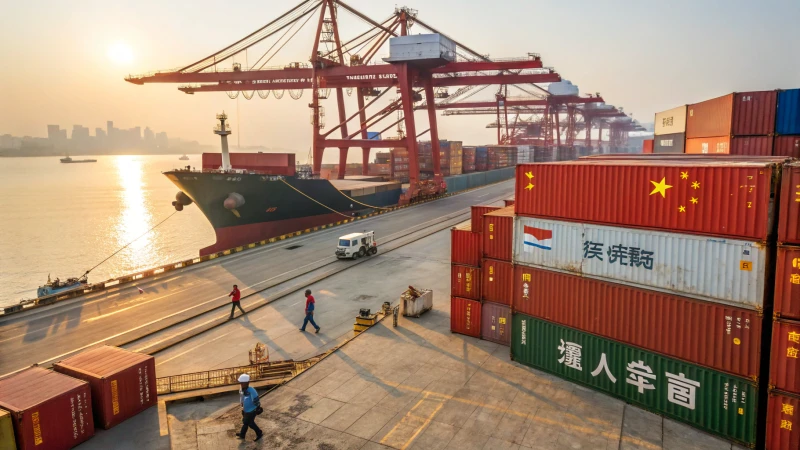
Ever wondered how to successfully import goods from China to India without losing your mind? I’ve been there.
To import goods from China to India efficiently, focus on pinpointing high-demand products, sourcing trustworthy suppliers, grasping import regulations, calculating total costs, and meticulously managing shipping and customs clearance.
Navigating the world of importing can feel like stepping into a labyrinth. Years ago, I remember my first attempt, overwhelmed by the sheer volume of paperwork and the fear of missing a critical step. But over time, I’ve gathered insights and tricks that make the process smoother. This guide will walk you through each phase, offering tried-and-true advice to make your importing journey less daunting and more rewarding.
Importing from China to India requires understanding import regulations.True
Understanding import regulations is crucial to avoid legal issues and delays.
All products from China can be imported to India without restrictions.False
Some products are restricted or banned due to trade policies or safety concerns.
What Are the Most Profitable Products to Import from China to India?
I’ve always been fascinated by the potential of international trade, especially between China and India. Join me as I explore the most profitable products to import.
If you’re looking to tap into the lucrative import market from China to India, focus on electronics, textiles, machinery, and toys. These categories are consistently in high demand, thanks to China’s manufacturing efficiency and India’s growing consumer base.
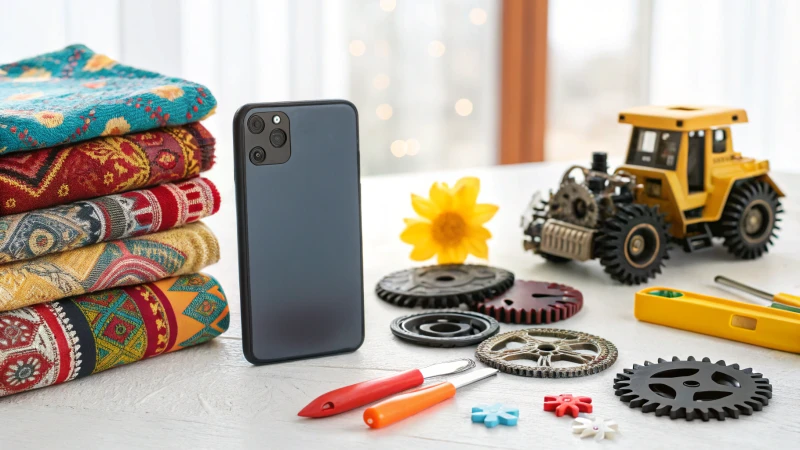
Analyzing Market Demand
I remember when I first dived into the world of international trade. One of the key lessons I learned was the importance of understanding market demand. For instance, India’s tech-savvy population creates a huge demand for electronics like smartphones and laptops.
Cost-Effective Electronics
China’s ability to produce high-quality electronics at competitive prices is remarkable. Items such as mobile phones and accessories are not just popular; they’re essential. When I ventured into importing these products, I noticed a steady growth1 in sales almost immediately.
| Product Category | Key Advantages |
|---|---|
| Electronics | High demand, manufacturing efficiency |
| Textiles | Diverse range, competitive pricing |
Textiles and Apparel
During my early days in trade, I stumbled upon the textile sector. The vibrant fashion scene in India means there’s always a market for new fabrics and styles. Importing garments from China turned out to be a profitable move, given their diverse range and competitive pricing.
Machinery and Industrial Goods
I often think about how vital machinery is for India’s infrastructure growth. Importing parts and industrial equipment can be a game-changer for large-scale projects, as I’ve seen in many successful ventures.
Toys and Games
India’s young population fuels a thriving toy market. I recall how importing toys from China, with their low production costs and variety, offered significant returns on investment.
Exploring these products further can open doors to successful business opportunities. It’s crucial to consider logistics and import regulations2 as you navigate this trade corridor. Understanding these elements can truly elevate your business in the Indo-China trade landscape.
Electronics are the most profitable imports from China to India.True
High demand and manufacturing efficiency make electronics very profitable.
Textiles have lower demand than electronics in India.True
Electronics have a higher demand due to India's tech-savvy population.
How can I find reliable suppliers in China?
Navigating the maze of finding trustworthy suppliers in China can be daunting, but with a strategic approach, you can find partners who deliver quality materials and peace of mind.
To find reliable suppliers in China, I use online platforms, attend trade shows, and work with sourcing agents. It’s crucial to verify supplier credentials and request samples to ensure reliability and quality.

I remember when I first started sourcing from China, the sheer number of suppliers felt overwhelming. It was like trying to find a needle in a haystack. But through trial and error, I’ve developed a few tried-and-true strategies that have made the process smoother and more efficient.
Utilize Online Platforms
When I’m on the hunt for new suppliers, my first stop is often online platforms3 like Alibaba, Global Sources, and Made-in-China. These sites are a treasure trove of information, offering detailed listings categorized by industry and product type. I always make it a point to dive into the supplier’s reviews4 and ratings—they’re invaluable for gauging credibility.
| Platform | Features |
|---|---|
| Alibaba | Wide variety, buyer protection |
| Global Sources | Industry-focused, extensive verification |
| Made-in-China | Direct factory contacts, product certifications |
Attend Trade Shows
Attending trade shows like the Canton Fair has been a game-changer for me. Meeting suppliers face-to-face at events such as these not only allows me to assess their capabilities firsthand but also helps build trust through personal connections. The energy at these expos is infectious, and it’s a great way to discover innovative products.
Engage Sourcing Agents
I’ve learned that sometimes it’s best to call in the experts. Engaging a local sourcing agent5 can save a lot of headaches. These professionals bring invaluable local knowledge and cultural insights, navigating complex negotiations and logistics with ease.
Verify Supplier Credentials
Before sealing any deal, I go through a rigorous verification process. This means requesting business licenses, quality certifications, and client references. Conducting factory audits is another step I never skip—it’s essential for confirming production capabilities and ensuring quality standards are met.
Request Product Samples
Receiving samples is non-negotiable for me. They provide a tangible measure of quality before committing to bulk orders, significantly reducing the risks associated with large purchases.
Leverage Technology
In today’s digital age, technology is my best friend. Tools like WeChat enable direct communication, which helps in managing expectations and timelines effectively. Clear communication is key to maintaining smooth operations.
By employing these strategies, I’ve been able to navigate6 the complexities of finding reliable suppliers in China efficiently. It requires patience and diligence, but the rewards are well worth the effort.
Alibaba offers buyer protection services.True
Alibaba provides buyer protection to ensure safe transactions.
Trade shows are ineffective for meeting suppliers.False
Trade shows facilitate face-to-face meetings and trust-building.
What are the key regulatory requirements for importing goods into India?
I still remember the first time I tried to import building materials into India—what a learning curve that was!
When importing goods into India, it’s essential to secure an Importer Exporter Code (IEC), understand the customs duties, and prepare the right documentation like invoices and shipping bills to ensure smooth and legal trade operations.

Importer Exporter Code (IEC) Requirement
Imagine setting off on a journey without a map. That’s what importing goods into India is like without an Importer Exporter Code (IEC)7. This code, issued by the Director General of Foreign Trade (DGFT), is your ticket to legally bringing products into the country. I vividly recall my first IEC application—a blend of excitement and trepidation. It felt like getting a passport for my business dreams.
Customs Duties and Tariffs
Navigating customs duties was like solving a puzzle where each piece was crucial. Duties vary depending on the product category8, and understanding the Harmonized System (HS) codes was like deciphering a new language.
| Product Category | HS Code | Duty Percentage |
|---|---|---|
| Electronics | 8517 | 10% |
| Textiles | 6203 | 5% |
The first time I dealt with these tariffs, I was baffled, but now it’s second nature.
Documentation and Compliance
The art of documentation can’t be overstated. My early days were filled with lessons in precision—like ensuring every detail on the bill of entry matched the commercial invoice and packing list. The accuracy was non-negotiable to avoid delays. Each document was a crucial piece of the compliance puzzle that, when perfectly aligned, opened doors smoothly.
- Bill of Entry: This is like your boarding pass for clearing goods through customs.
- Commercial Invoice: Captures every detail of the transaction between you and your supplier.
- Packing List: Details all items included in each shipment package.
- Certificate of Origin: Verifies where your product originated from.
Adhering to Indian Standards
Ensuring compliance with Indian standards can feel like aiming for a bullseye in a dart game. The Bureau of Indian Standards (BIS) is the key player here. I remember going through the checklist to see if my products needed BIS certification before shipping—catching potential issues early saved me from headaches down the line.
For more on BIS standards, check out the official BIS website9.
Restricted and Prohibited Goods
Before you get too deep into importing, it’s vital to know which goods are restricted or outright prohibited. The Foreign Trade Policy10 became my best friend as I navigated these waters. Knowing what was off-limits helped me strategize smarter and avoid costly errors.
Embarking on this journey taught me that attention to detail is my best ally in navigating India’s import regulations. From securing the right licenses to meticulously preparing documentation, each step brings you closer to seamless transactions and successful import operations.
IEC is mandatory for all importers in India.True
The Importer Exporter Code (IEC) is required for importing goods.
BIS certification is optional for all imported goods.False
Some goods must comply with BIS standards before importation.
How Can I Manage Shipping and Customs Clearance Effectively?
Ever felt the weight of shipping logistics and customs clearance? Trust me, I’ve been there.
To effectively manage shipping and customs clearance, it’s crucial to familiarize yourself with international regulations, prepare all necessary documentation ahead of time, and leverage technology for shipment tracking. Collaborating with seasoned logistics providers can also greatly simplify the process.
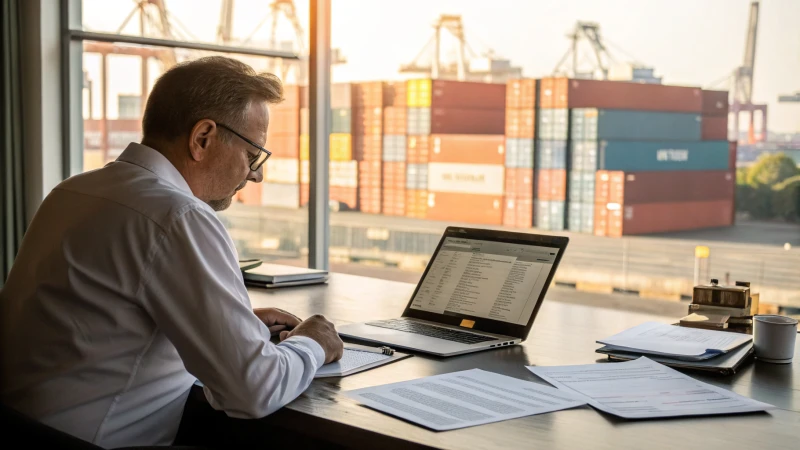
Understanding International Regulations
I remember the first time I had to deal with international shipping regulations—it was like learning a new language. I spent countless hours poring over documents, trying to grasp the nuances of Harmonized System codes11 for correct goods classification. Trust me, getting this right is vital to avoid those pesky delays and fines.
Preparing Documentation
When it comes to documentation, I’ve learned that having everything ready ahead of time is like gold. Here’s a quick guide on what you’ll need:
| Document Type | Description |
|---|---|
| Bill of Lading | A detailed list of shipment contents. |
| Commercial Invoice | Proof of transaction between buyer and seller. |
| Certificate of Origin | Confirms where the goods are manufactured. |
Being meticulous with paperwork has saved me from many headaches at customs checkpoints.
Leveraging Technology
In my experience, using software solutions to track shipments in real-time is a game-changer. These tools have alerted me to potential issues early on, allowing me to manage customs compliance12 more effectively.
Partnering with Experienced Providers
Finding the right logistics partner can feel like finding a needle in a haystack, but once you do, it’s worth it. Partnering with a reliable provider has significantly improved my supply chain efficiency13, ensuring my materials reach their destination on time.
Every shipment is a learning curve, but understanding each step and utilizing available resources has helped me streamline operations. Now, I can focus more on what truly matters—driving my business forward.
Harmonized System codes classify goods for shipping.True
HS codes ensure correct classification, preventing delays or penalties.
Real-time tracking software doesn't aid customs compliance.False
Tracking software alerts to delays and aids in managing compliance.
Conclusion
Learn efficient strategies for importing goods from China to India, including product selection, supplier sourcing, understanding regulations, and managing shipping logistics for a successful trade experience.
-
This link provides insights into the growing electronics market in India, helping businesses target profitable import segments. ↩
-
Clicking this link ensures compliance with India’s import regulations, crucial for smooth trade operations. ↩
-
Discover a curated list of reputable platforms to find suppliers across various industries. ↩
-
Learn methods to authenticate supplier reviews ensuring you’re dealing with credible partners. ↩
-
Explore how sourcing agents can streamline your supplier search and negotiations. ↩
-
Uncover effective communication tools and techniques for dealing with suppliers. ↩
-
Learn about the importance and application process of IEC for importing goods into India. ↩
-
Discover how to identify HS codes critical for determining customs duties. ↩
-
Understand which products need BIS certification to comply with Indian standards. ↩
-
Explore details on restricted items that need special licenses for import. ↩
-
Learn about Harmonized System codes to classify building materials correctly, avoiding delays and penalties. ↩
-
Discover tools that ensure your shipments meet international customs requirements efficiently. ↩
-
Find logistics providers that specialize in transporting building materials securely and on time. ↩






