
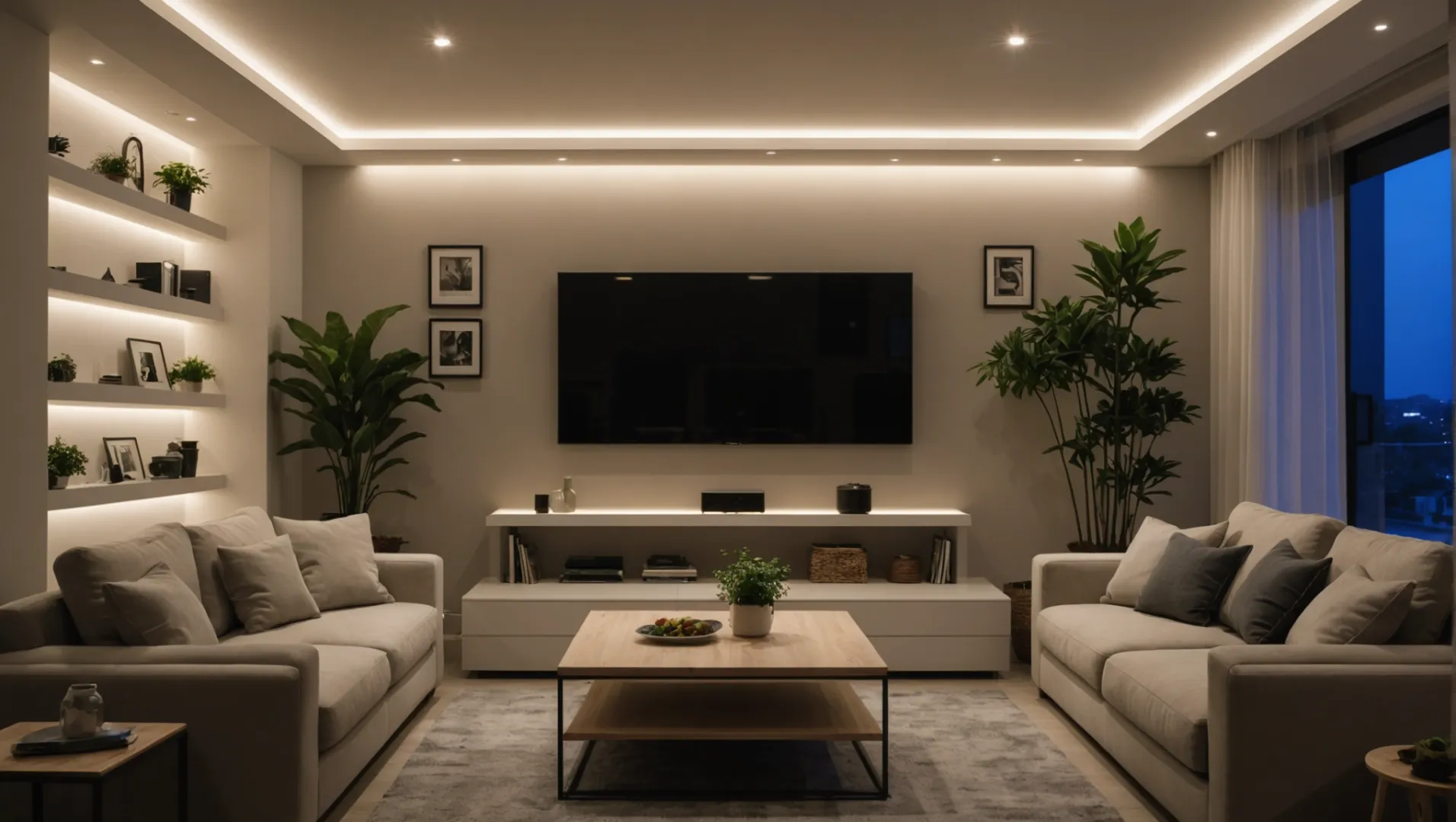
LED strip lights are all the rage in home decor. But are they truly safe to keep on all night? Let’s dive into this!
Yes, it is generally safe to leave LED strip lights on all night. They generate minimal heat, reducing the risk of fire, and are designed for long-term use with a lifespan often exceeding 50,000 hours. However, ensure proper installation and use high-quality products to minimize risks.
While it’s reassuring to know that LED strip lights can safely illuminate your space overnight, understanding the nuances of their operation is crucial. Explore further to learn about energy costs, health implications, and installation best practices that can enhance your LED lighting experience.
LED strip lights generate minimal heat.True
LEDs convert most energy into light, not heat, reducing fire risk.
What Makes LED Strip Lights Safe for Prolonged Use?
LED strip lights are a popular choice for creating ambient lighting, but what makes them safe for extended use?
LED strip lights are safe for prolonged use due to their low heat output and long lifespan. These lights are designed to operate efficiently with minimal risk of overheating, making them suitable for continuous lighting applications. Always prioritize quality components and correct installation to ensure maximum safety.
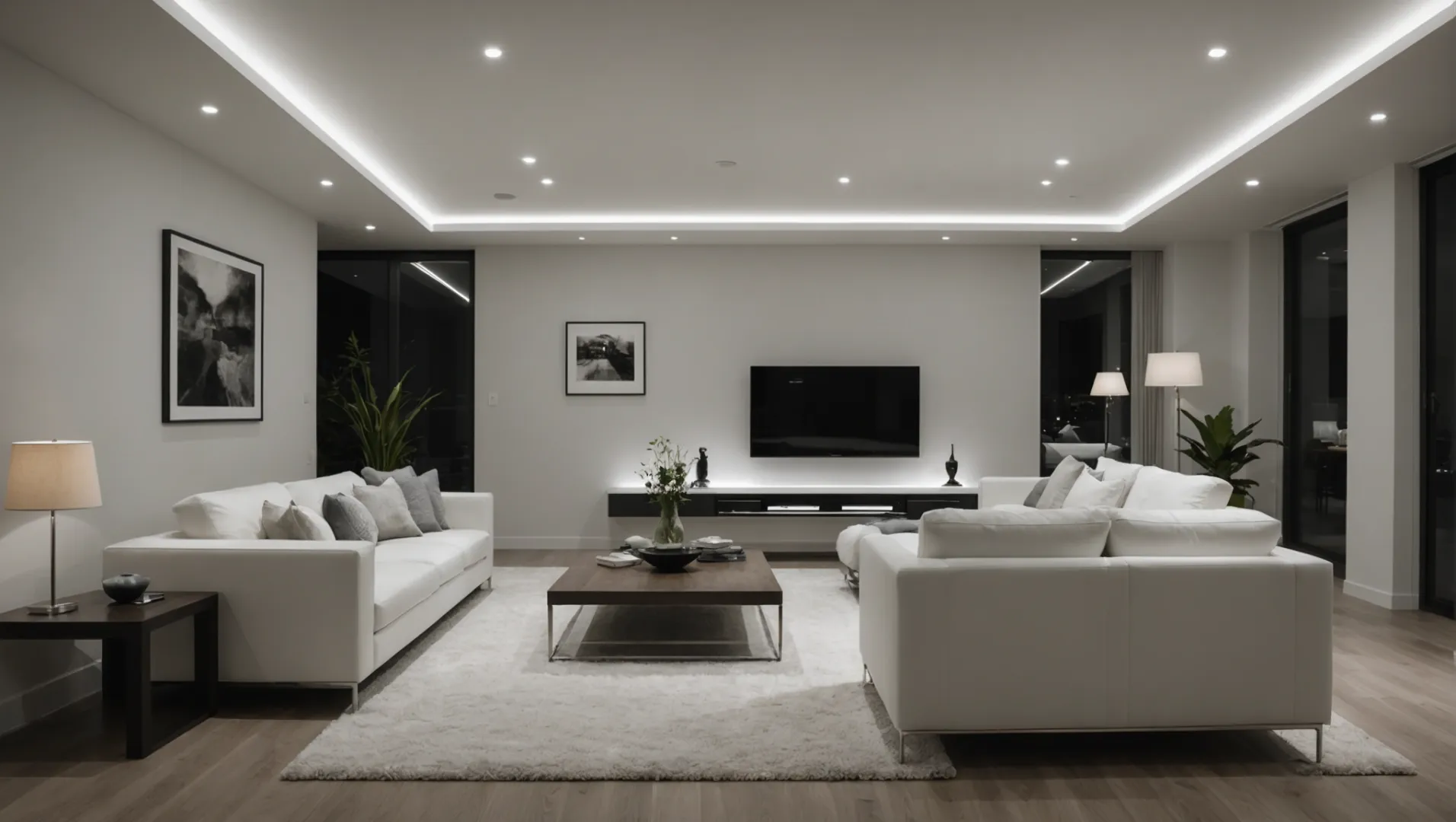
Understanding Heat Generation in LEDs
One of the key factors contributing to the safety of LED strip lights1 is their ability to produce light with minimal heat. Unlike incandescent bulbs, which convert a significant portion of energy into heat, LEDs are highly efficient, converting most energy into light. This efficiency reduces the risk of overheating and subsequent fire hazards.
Heat Management Techniques
To further enhance safety, many LED strip lights come with built-in heat sinks or are designed to dissipate heat effectively. Here’s how:
- Aluminum Backing: Often, LED strips have an aluminum layer that acts as a heat sink, drawing heat away from the LEDs.
- Flexible Substrates: Some strips use flexible materials that can withstand minor heating without damage.
Long Lifespan and Durability
Another safety feature of LED strip lights is their longevity. Most quality LED strips are rated to last upwards of 50,000 hours. This long lifespan reduces the need for frequent replacements, minimizing exposure to potentially faulty installations.
Factors Affecting Lifespan
- Quality of Components: High-grade LEDs and power supplies tend to last longer and perform better.
- Operating Conditions: Keeping LEDs at recommended temperatures can significantly extend their life.
Importance of Quality and Installation
Using high-quality components from reputable manufacturers is crucial. Inferior products may have poor insulation or inadequate heat management, increasing safety risks. Proper installation is equally important. Ensure that:
- Wiring is correct and secure.
- Circuits are not overloaded.
Safety Tips for Prolonged Use
- Check for Certifications: Look for UL or CE certifications on your LED strips and power supplies, indicating they meet safety standards.
- Install in Suitable Environments: Avoid placing LED strips in areas prone to moisture unless they are specifically rated for such conditions.
- Regular Inspections: Periodically check your installations for wear and tear, which could compromise safety.
Understanding these aspects2 can help you enjoy your LED lighting safely for years.
LED strip lights produce significant heat.False
LEDs are efficient, converting most energy into light, not heat.
Quality components extend LED strip lifespan.True
High-grade LEDs and power supplies last longer and perform better.
How Does Leaving LED Strip Lights On Affect Energy Costs?
With LED strip lights’ growing popularity, understanding their energy impact is essential for cost-conscious users.
LED strip lights are highly energy-efficient, using about 90% less electricity than incandescent bulbs. Their low wattage consumption means that even when left on continuously, they incur minimal additional energy costs. Calculating the total power consumption will help assess their impact on your electricity bill.
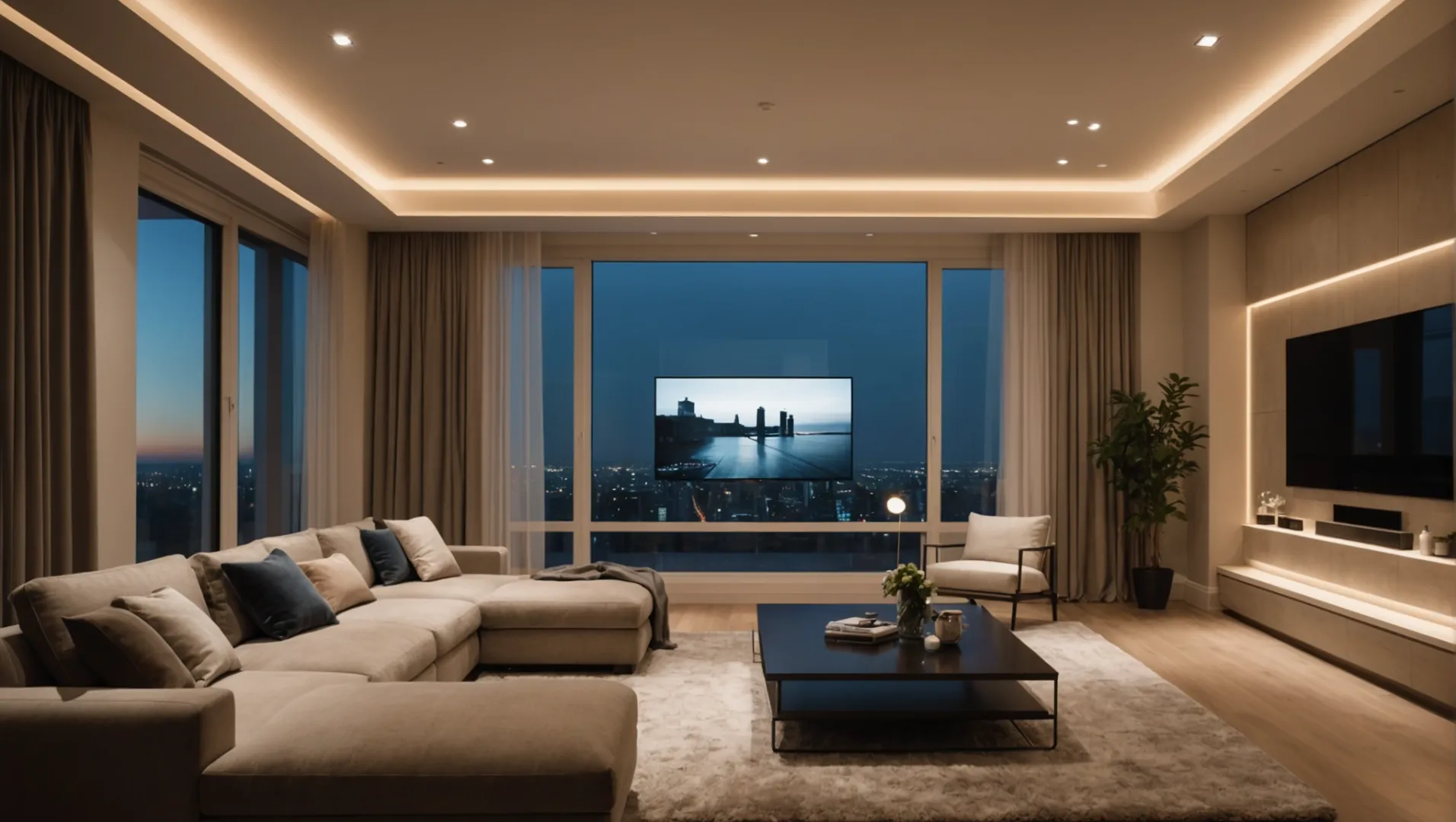
Understanding LED Energy Efficiency
LED strip lights are heralded for their energy-saving capabilities3. They use significantly less electricity compared to traditional incandescent or even CFL lighting. This efficiency stems from their ability to convert most of their energy into light rather than heat, which is why they are cooler to touch and safer for prolonged use.
Comparing Energy Consumption
To put things in perspective, consider this simple comparison:
| Lighting Type | Average Wattage | Annual Cost* (24/7 usage) |
|---|---|---|
| Incandescent Bulbs | 60 watts | $131 |
| CFLs | 14 watts | $31 |
| LED Strips | 4 watts | $9 |
(*Based on average U.S. electricity rate of $0.13 per kWh)
From the table, it’s clear that even if you leave LED strip lights on all day, their annual energy cost remains nominal compared to other lighting options.
Calculating Your Usage
To assess the impact on your personal electricity bill, consider the formula:
Total Power Consumption (kWh) = (Wattage × Hours Used) / 1000
For example, a typical LED strip might be rated at 4 watts per meter. If you have 5 meters of strip lighting and leave it on for 12 hours daily:
Total Power Consumption = (4 watts/meter × 5 meters × 12 hours) / 1000 = 0.24 kWh/day
This translates to approximately $0.94 per month at the average U.S. electricity rate.
Factors Influencing Energy Costs
- Brightness Settings: Dimmable LEDs allow you to reduce brightness, thus lowering energy consumption.
- Timer Settings: Implementing timers can automatically turn off lights when not needed, further saving costs.
- Usage Duration: While overnight usage might be negligible in cost, optimizing usage hours can lead to savings over time.
Understanding these factors and making informed decisions can help you enjoy the benefits of LED lighting while keeping your energy costs in check. For more detailed insights, consider exploring energy-saving tips4 specifically tailored for LED users.
LED strip lights use 4 watts on average.True
LED strips consume about 4 watts, making them energy-efficient.
Leaving LED strips on costs $131 annually.False
LED strips cost about $9 annually, much less than $131.
Are There Health Concerns with Continuous LED Light Exposure?
With LEDs being a common lighting choice, concerns about their effects on health are rising.
Continuous exposure to LED lights can potentially impact circadian rhythms, disrupt sleep patterns, and cause eye strain. While the health risks are minimal for most people, those sensitive to light or using LEDs excessively should take precautions like using warmer tones or limiting exposure before bedtime.
Understanding Circadian Rhythms and LED Light Exposure
Our bodies operate on a natural cycle known as the circadian rhythm5, which regulates sleep-wake patterns and other physiological processes. Light exposure, particularly blue light, plays a crucial role in this cycle. LEDs, especially those emitting blue light, can potentially disrupt these rhythms by signaling the brain to stay alert when it should be winding down.
The Impact of Blue Light on Sleep Patterns
Blue light has been shown to suppress the production of melatonin, the hormone responsible for inducing sleep. This suppression can lead to difficulties in falling asleep or maintaining restful sleep. Using LED lights with high blue light content before bedtime may contribute to poor sleep quality, which can have cascading effects on overall health.
Eye Strain and Discomfort
Extended exposure to LED lights, particularly at high intensities, can cause eye strain or discomfort. Symptoms might include dryness, irritation, or fatigue. Individuals who spend long hours under artificial lighting may experience these effects more intensely. To mitigate these issues, consider using LED lights that offer dimming options or selecting warmer color temperatures.
Mitigating Health Concerns
For those concerned about potential health impacts:
- Opt for LED lights with adjustable color temperatures to reduce blue light exposure.
- Consider using smart lighting systems that adjust brightness and color based on the time of day.
- Take regular breaks from artificial lighting and incorporate natural daylight into your environment when possible.
While the risks associated with LED lighting are generally low for most people, being mindful of exposure levels and making informed choices about lighting can help maintain both comfort and health.
| Potential Issue | Recommended Solution |
|---|---|
| Disrupted sleep | Use warm-toned LEDs; reduce exposure before bed |
| Eye strain | Choose dimmable options; take regular visual breaks |
| Circadian disruption | Implement smart lighting solutions |
LED lights disrupt circadian rhythms.True
LEDs emit blue light, which can signal the brain to stay alert.
All LED lights cause eye strain.False
Not all LEDs cause strain; dimmable or warm-toned LEDs reduce risk.
What Installation Tips Ensure Safe Overnight Use?
Ensuring your LED strip lights are installed correctly can make overnight use both safe and efficient.
To safely use LED strip lights overnight, focus on proper installation: select high-quality strips, ensure correct wiring, and avoid overloading circuits. This minimizes risks of overheating or short circuits, making your lighting setup safer for continuous use.
Choosing Quality LED Strips
The first step in ensuring safe overnight use of LED strip lights is selecting high-quality products. Look for brands that offer certifications such as UL (Underwriters Laboratories) or CE (Conformité Européenne) to guarantee safety standards. High-quality strips are less likely to fail and pose fewer risks.
Ensuring Proper Wiring
Correct wiring is essential to prevent any electrical hazards:
- Use the Right Power Supply: Match the power supply with the LED strip’s voltage requirements to avoid overloading or under-powering the lights.
- Secure Connections: Use connectors instead of soldering wires directly to ensure secure connections, which reduces the risk of short circuits.
- Avoid Overloading Circuits: Distribute the electrical load evenly by using multiple power sources if necessary.
Employing Safe Installation Techniques
- Mounting Considerations: Ensure LED strips are mounted on surfaces that can dissipate heat effectively, like aluminum channels. Avoid flammable materials.
- Cable Management: Organize cables neatly to prevent entanglement or accidental disconnections.
Regular Maintenance Checks
Conduct periodic inspections to identify any wear and tear that could compromise safety. Look for signs of damage such as discoloration or exposed wires and replace parts promptly.
Consult Expert Guides6
Reading expert guides on LED installation can provide you with additional tips and tricks to enhance safety and efficiency. These resources often include step-by-step instructions and troubleshooting advice for common issues.
High-quality LED strips reduce overheating risks.True
Certified LED strips are designed to meet safety standards, minimizing failure risks.
Soldering wires directly is safer than using connectors.False
Connectors provide secure connections, reducing short circuit risks compared to soldering.
Conclusion
LED strip lights are safe for overnight use when properly installed. Consider quality and energy efficiency in your setup for optimal results.
-
Learn why LEDs generate less heat compared to traditional lights.: Flex strips are really inefficient due to low quality LEDs paired with resistors that bleed off a lot of energy as heat. You can buy solid metal … ↩
-
Discover certifications ensuring your LED products are safe.: The GS (Geprüfte Sicherheit) certification for LED lights is a voluntary safety certification that is widely recognized in Germany and other European countries. ↩
-
Explore detailed comparisons of LED and incandescent efficiency benefits.: This means that if left on for 10 hours, an LED strip would consume only 90-120 watt-hours of electricity, versus the 600 watt-hours from the incandescent bulb. ↩
-
Learn strategies to maximize energy savings with LED strip lights.: LED strip lights are a great way to save money on electric bills. The right bulb and cord management system can help you save up to 25% of your electricity … ↩
-
Discover how light influences our natural sleep-wake cycles.: Roughly speaking, the effect of morning light is that it advances the clock, while evening and night light delays the clock. The human circadian … ↩
-
Offers comprehensive steps for safe and efficient LED installation.: LED lighting can add a cool, modern aesthetic to any entertainment space. Follow these steps … ↩






