

Navigating the world of LED strips can feel overwhelming with so many options. But don’t worry! Let’s break down the different widths and discover what works best for your lighting needs.
LED strip widths range from ultra-narrow 5mm to wide 20mm options. Common widths like 8mm, 10mm, and 12mm offer balance between size and performance, while wider strips provide increased brightness and power.
Understanding how each width affects installation and performance is key to making the right choice. So, let’s dive deeper!
Wider LED strips offer better heat dissipation.True
Wider strips have larger surface area, enhancing heat dissipation.
How Do Different LED Strip Widths Affect Performance?
LED strip widths directly influence performance in terms of brightness, heat management, and installation options.
Wider LED strips generally offer more light output and better heat dissipation, making them ideal for high-output applications. Narrower strips, while more versatile for tight spaces, may compromise on brightness and thermal management.
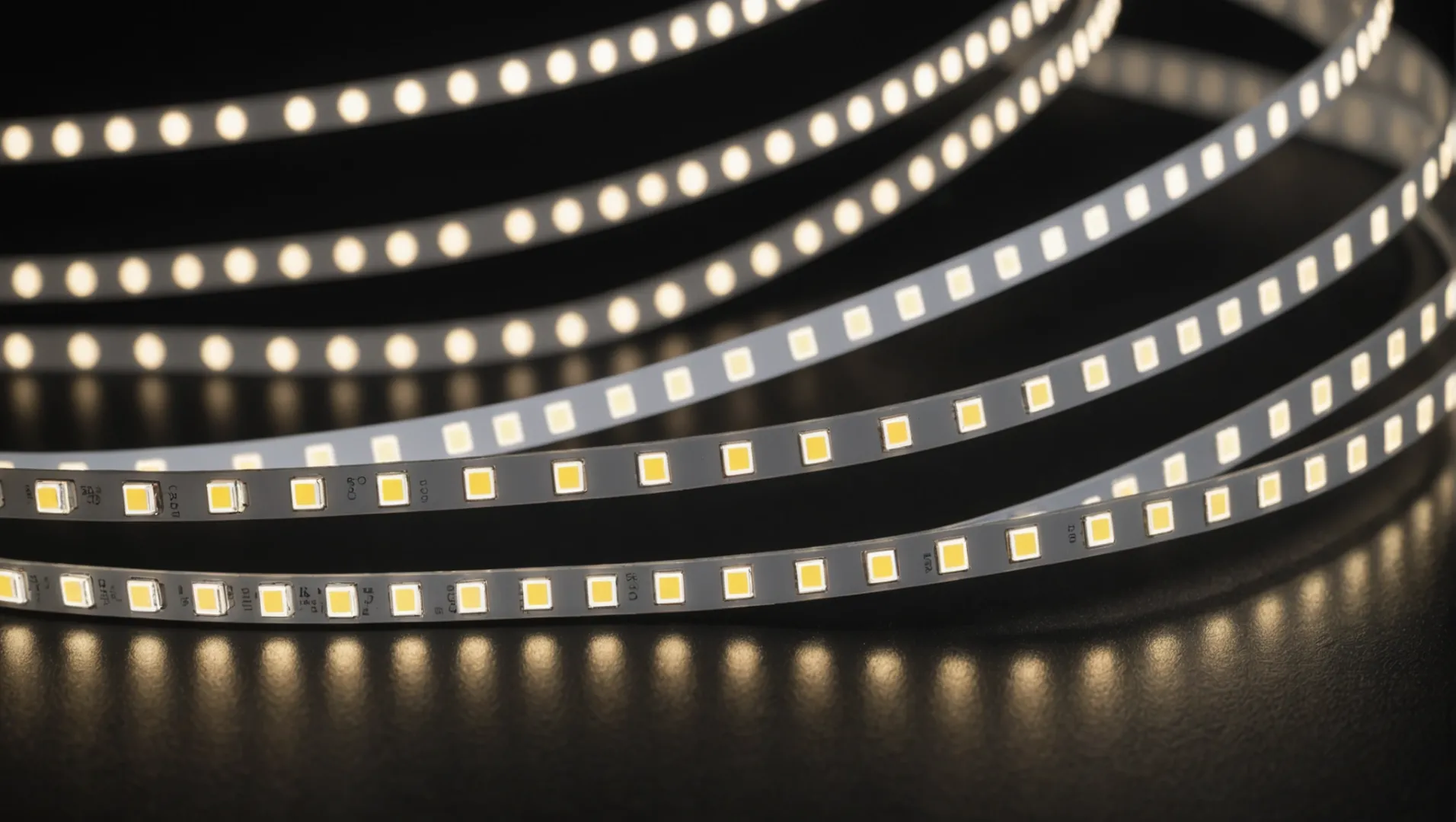
Understanding LED Strip Widths and Their Impact
When selecting LED strip widths1, understanding their performance implications is vital. The strip width determines not only the physical space it occupies but also the type and number of LEDs it can hold, affecting overall brightness and thermal characteristics.
Brightness and Light Output
Wider LED strips, such as those measuring 15mm or 20mm, are capable of housing more or larger LEDs. This results in greater light output, making them suitable for tasks requiring intense illumination like under-cabinet lighting or commercial displays. Conversely, narrower strips like the 5mm or 8mm varieties may offer less light output but excel in discrete installations where visibility is secondary.
Heat Dissipation
Heat management is crucial for the longevity and efficiency of LED strips. Wider strips generally provide better heat dissipation due to their larger surface area, reducing the risk of overheating. This feature makes them advantageous for prolonged use or in confined areas where heat buildup could be problematic. Narrow strips might require additional heat management solutions, such as aluminum channels or heat sinks, to ensure optimal performance.
Installation Flexibility
The installation requirements also vary significantly with strip width. Narrow LED strips are ideal for installations in tight corners or small fixtures where space is limited. They can fit into more intricate designs, providing a sleek, seamless finish. On the other hand, wider strips may necessitate more planning regarding mounting space and power supply due to their larger size and higher power draw.
| Width (mm) | Application Suitability | Key Considerations |
|---|---|---|
| 5mm | Ultra-confined spaces | Limited brightness, high flexibility |
| 8mm | Versatile applications | Balance of size and light output |
| 10mm | General-purpose lighting | Popular for most installations |
| 12mm | Slightly higher output needs | More robust light presence |
| 15mm+ | High-output or commercial uses | Requires good heat management |
In summary, choosing the right LED strip width involves balancing factors such as brightness needs, thermal management capabilities, and installation constraints. Each width offers distinct advantages tailored to different use cases, ensuring that your lighting project achieves both functional and aesthetic success.
Wider LED strips offer better heat dissipation.True
Wider strips have more surface area, enhancing heat dissipation.
Narrow LED strips are ideal for high-output applications.False
Narrow strips compromise on brightness, less suited for high-output needs.
What Are the Installation Considerations for Various LED Strip Widths?
Selecting the right LED strip width can simplify installation and ensure optimal lighting results.
When installing LED strips, consider the width to ensure compatibility with available space, ease of handling, and desired light output. Strips range from narrow 5mm for confined spaces to 20mm for high-output needs, impacting installation methods and hardware choices.
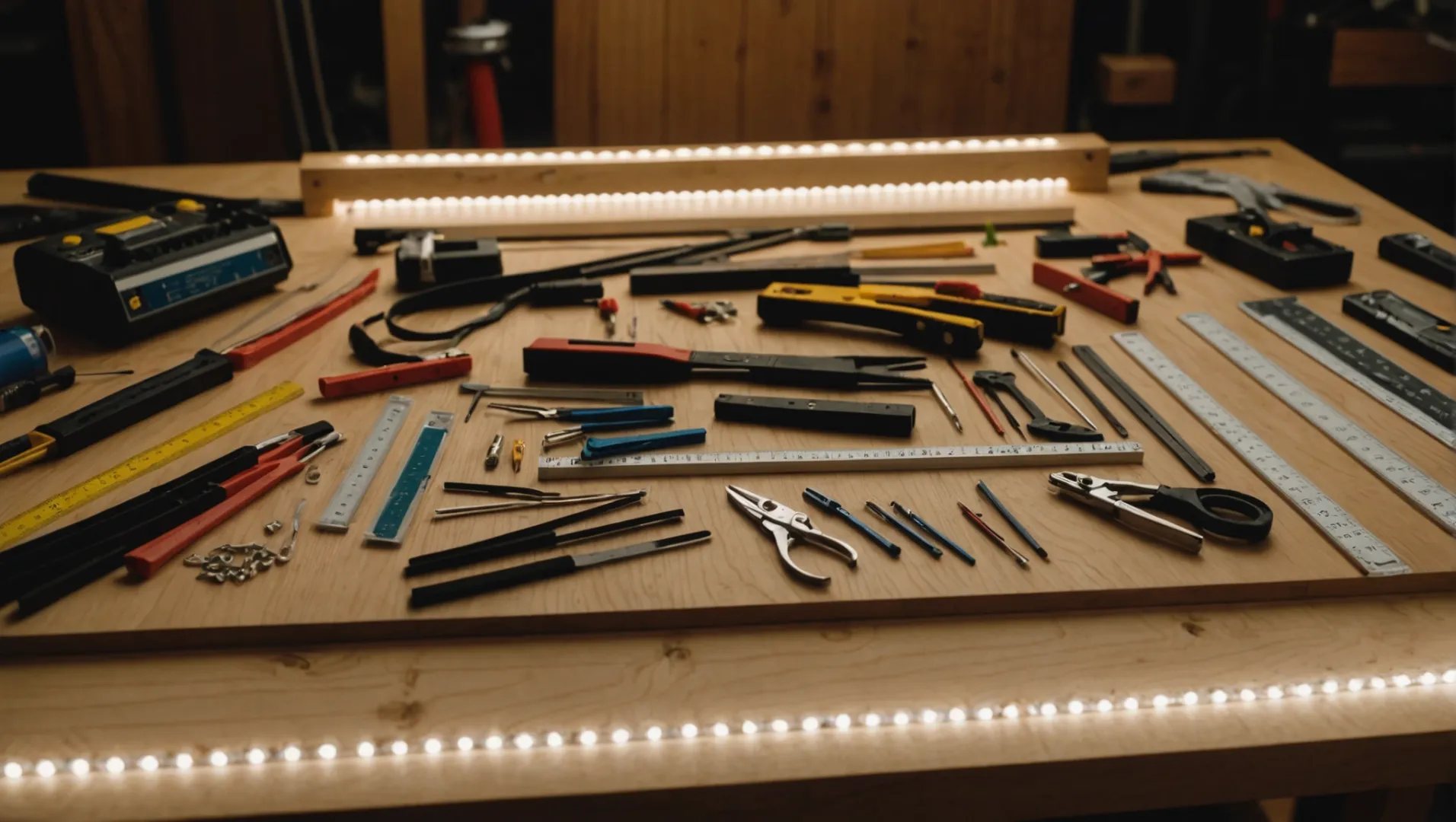
Understanding Space Constraints
One of the primary considerations when installing LED strips is the available space. Narrower strips, like 5mm and 8mm, are ideal for tight spaces such as under cabinets or in slim architectural details where larger strips might not fit. This makes them highly versatile for projects that require subtlety.
Conversely, wider strips like 15mm and 20mm require more space but offer increased brightness, making them suitable for larger installations like commercial settings or outdoor applications.
Handling and Installation Methods
The width of an LED strip can affect the ease of handling during installation. Narrow strips are generally more flexible and easier to bend around corners, which can be advantageous in complex layouts. However, they may also be more delicate and require careful handling to avoid damage.
Wider strips, on the other hand, might be less flexible but are often more robust, allowing for more straightforward installation without the need for additional support structures. When working with wider strips, ensure that the mounting surface is large enough to accommodate the strip’s width.
| LED Strip Width | Ideal Use Case |
|---|---|
| 5mm | Confined spaces requiring minimal visibility |
| 8mm | General applications with moderate space restrictions |
| 10mm | Balance between flexibility and brightness |
| 12mm | Slightly higher output needs |
| 15mm+ | High-output or commercial applications |
Power Supply and Connection Needs
Different widths may also impact the choice of power supplies and connectors. Wider strips generally house more LEDs and thus may require higher wattage power supplies to function efficiently. Ensure that the power supply matches the voltage and current requirements of your chosen strip width.
Connectors must also be compatible with the strip’s width. For example, a 5mm strip will need a slimmer connector than a 20mm strip. When planning your project, make sure to source connectors that fit securely with the specific width you’re using.
For further insights on how to select connectors compatible with various strip widths, visit selecting LED connectors2.
Narrow LED strips are more flexible than wider ones.True
Narrow strips bend easily, ideal for complex layouts, unlike wider ones.
Wider LED strips require less robust power supplies.False
Wider strips house more LEDs, needing higher wattage power supplies.
Why Does Strip Width Matter in Different Applications?
Strip width determines compatibility, flexibility, and brightness in LED applications.
Strip width impacts how LED strips fit into spaces, affect light distribution, and meet power needs. Narrow strips are ideal for compact areas, while wider ones suit high-output applications, influencing both aesthetics and functionality.
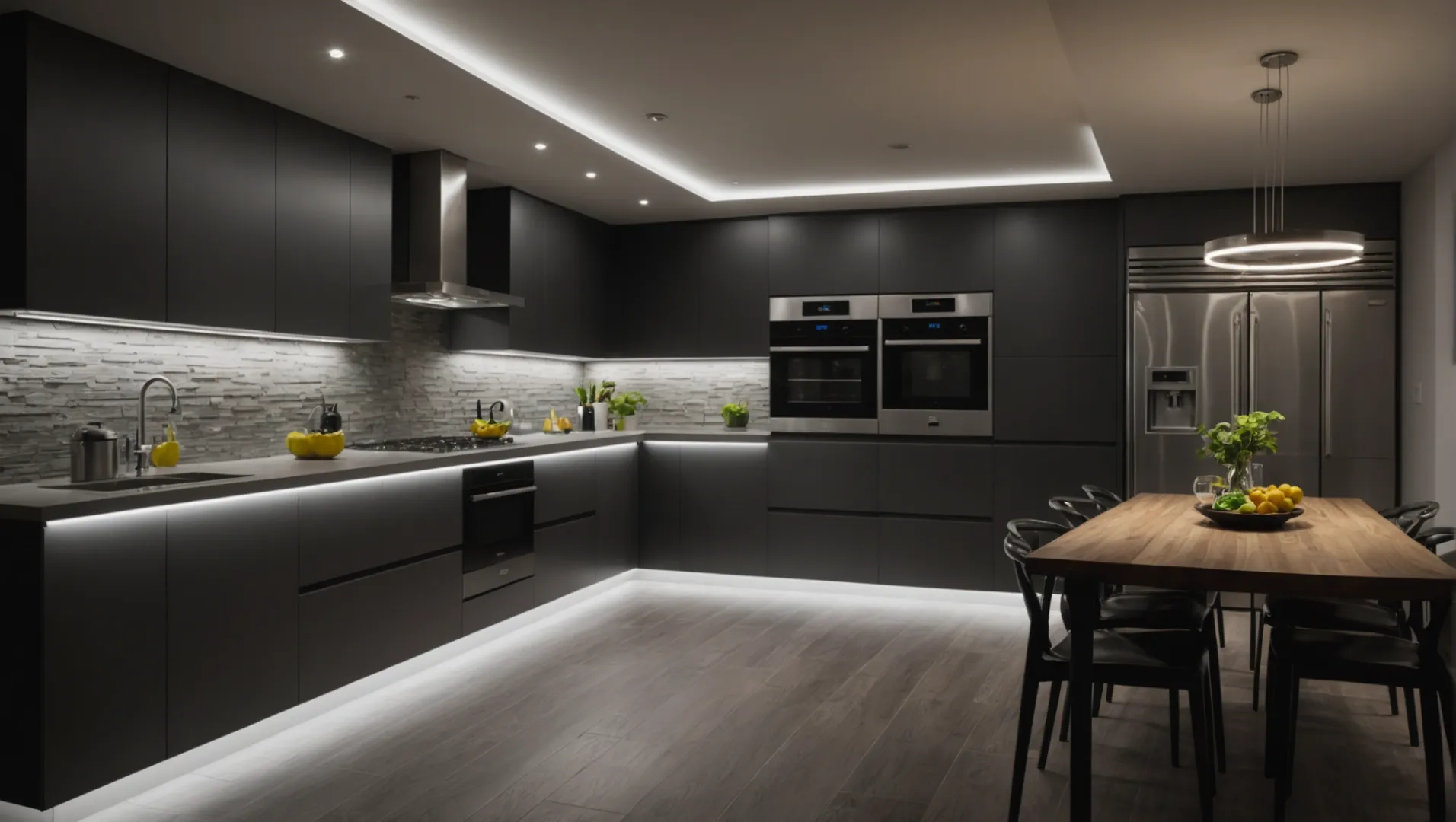
The Role of Strip Width in Lighting Design
The width of an LED strip plays a significant role in how light is distributed and perceived in a space. For example, narrower strips, such as the 5mm variants, are perfect for tight spaces where subtle lighting is needed. These ultra-narrow strips3 are often used in cove lighting or within small fixtures to create discrete but effective illumination.
In contrast, wider strips like the 15mm or 20mm options provide more room for larger or more powerful LEDs. These are suitable for applications requiring high-intensity lighting, such as commercial spaces or large-scale installations. The increased width allows for better heat dissipation, which is crucial for maintaining performance and longevity.
Impact on Installation Flexibility
Different widths also affect the flexibility of installation. Narrower strips offer greater flexibility, allowing them to bend around corners or fit into irregular spaces without compromising the light output. This makes them ideal for intricate designs where lighting needs to follow specific architectural features.
Wider strips, however, might require more planning during installation due to their rigidity. They are often used in applications where straight lines are sufficient and high brightness is necessary.
Matching Strip Width with Power Requirements
The power requirement is another consideration affected by strip width. Wider strips can house more LEDs or larger diodes, thus requiring higher power input. It’s essential to match your LED strip choice with appropriate drivers and power supplies to ensure efficient performance. For instance, a 20mm strip designed for intense brightness in an industrial setting will need a robust power source.
Understanding the interplay between strip width and application requirements helps in making informed decisions that balance aesthetics with functionality. Whether you’re working on a cozy home interior or a vibrant commercial space, choosing the right width is pivotal for achieving desired lighting effects.
Narrow LED strips are ideal for tight spaces.True
Narrow strips fit compact areas, providing subtle, effective lighting.
Wider LED strips require less power than narrow ones.False
Wider strips house more LEDs, needing higher power input.
How to Choose the Right LED Strip Width for Your Project?
Choosing the right LED strip width ensures your lighting project is both functional and aesthetically pleasing.
Consider space constraints, desired brightness, and application when selecting LED strip width. Narrow strips suit confined areas, while wider strips offer higher brightness and are ideal for larger spaces.
Understanding Your Project’s Needs
Before selecting an LED strip width, evaluate the specific needs of your project. Identify the location where the LED strip will be installed. Is it a narrow crevice requiring an ultra-narrow 5mm strip4, or a larger area demanding a more powerful 20mm option?
Space Constraints
Space availability plays a significant role in determining the appropriate width. For tight spaces, such as inside cabinets or under shelving, opt for narrower widths like 8mm or 10mm. These slimmer profiles are less intrusive and fit snugly into compact spaces.
Desired Brightness Levels
The brightness level required for your project will also guide your decision. Wider strips like 15mm and 20mm can house more LEDs per unit length, offering increased brightness. They are ideal for areas where high illumination is necessary, such as kitchens or workspaces.
| Width | Applications | Advantages |
|---|---|---|
| 5mm | Tight spots | Discreet, fits small spaces |
| 8mm-10mm | General-purpose lighting | Versatile, balanced output |
| 12mm | Larger fixtures | Enhanced brightness |
| 15mm-20mm | Large area/high-output needs | Maximum brightness |
Application-Specific Needs
Consider the specific application of your LED strip. For instance, if you’re planning ambient lighting for a residential setting, a 10mm strip may suffice. However, for commercial applications requiring robust illumination, a wider strip would be more appropriate.
Installation Considerations
Installation requirements such as power supply and mounting options should not be overlooked. Some wider strips might necessitate additional hardware or power considerations due to their higher energy consumption.
Selecting the correct LED strip width involves balancing physical space, desired light output, and practical installation factors. By evaluating these aspects, you ensure that your choice aligns with both the functional and aesthetic goals of your project.
Wider LED strips provide higher brightness.True
Wider strips can house more LEDs per length, increasing brightness.
Narrow LED strips are unsuitable for confined spaces.False
Narrow strips fit well in tight spots like cabinets or shelves.
Conclusion
Choosing the right LED strip width is pivotal for your project’s success. Reflect on space, brightness, and application needs as you decide.
-
Explore how LED strip widths impact light output and design flexibility.: An LED strip light is typically half an inch (10-12 mm) in width, and up to 16 feet (5 meters) or more in length. They can be cut to specific lengths using … ↩
-
Learn to match connectors with LED strip width for secure installations.: Measure the dimensions of your LED light strips and select connectors that match the size requirements. Connector Sizes: 8mm, 10mm, 12mm Width Connectors. ↩
-
Learn about specific uses for ultra-narrow LED strips.: Applications and Use: · Backlighting · Edge Lighting · Cabinets and Shelving · Furniture and Display Lighting · Linear Lighting … ↩
-
Discover where ultra-narrow LED strips excel in tight installation spaces.: The thin design of the strip has been constructed for high brightness, optimal heat dissipation, consistency of color, and great color rendering. It is one of … ↩






