Skip to content
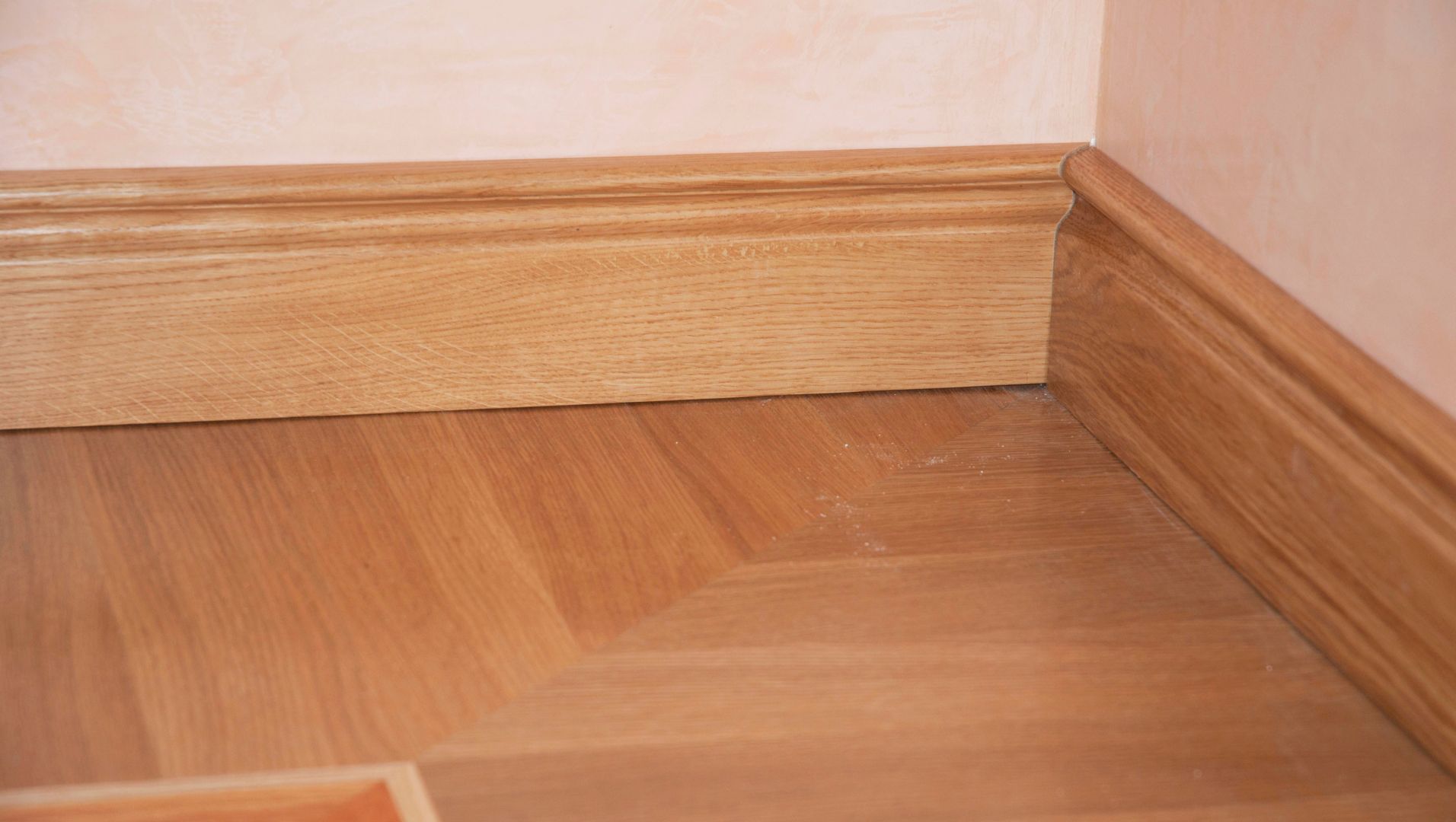
When I first tackled the challenge of matching my skirting boards with my flooring, I realized it was about more than just aesthetics—it was about creating a cohesive atmosphere that truly felt like home.
To perfectly match skirting boards with your flooring, consider the material, color scheme, style, and installation. Choose materials like wood for hardwood floors or MDF for laminate. Complementary or contrasting colors can enhance the room’s aesthetics. Ensure proper installation to avoid gaps.
Now that you have a glimpse into what’s involved, let’s dive deeper into each element. Together, we can ensure that every detail of your home improvement project is meticulously planned and beautifully executed.
Wood skirting boards best match hardwood floors.True
Wood's natural elegance complements hardwood, creating a cohesive look.
What Are the Best Materials for Skirting Boards?
Choosing the right material for skirting boards can significantly enhance your interior design and ensure durability.
The best materials for skirting boards include wood, MDF, and metal. Wood offers a classic look suitable for hardwood floors. MDF is versatile and cost-effective, ideal for laminate or engineered floors. Metal skirting provides a sleek, modern aesthetic and works well in industrial or minimalist decor.
Wood: A Timeless Choice
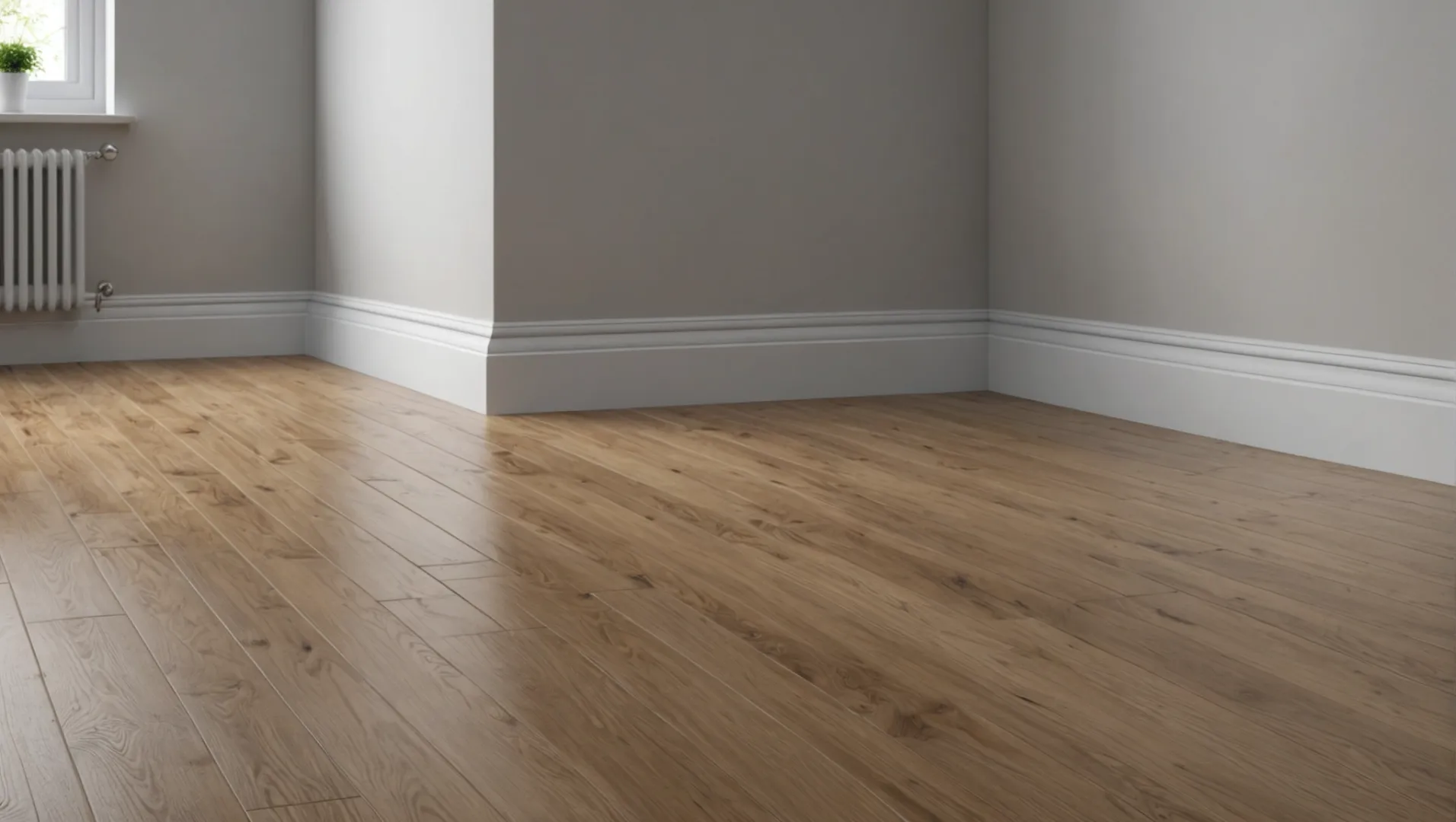
Wood skirting boards are a popular choice for those looking to achieve a classic and cohesive look. They work exceptionally well with hardwood flooring1, enhancing the natural elegance of the space. Available in various types such as oak, walnut, or pine, wooden skirting boards can be stained or painted to match your interior design.
Benefits of Wood Skirting
- Durability: Wood is a long-lasting material that withstands wear and tear.
- Versatility: Can be customized with different finishes and colors.
- Aesthetic Appeal: Offers a warm, natural look that complements most decor styles.
MDF: The Versatile Option
Medium-Density Fibreboard (MDF) is a cost-effective alternative to wood, offering versatility in design and easy customization. MDF skirting boards are particularly suitable for laminate or engineered flooring2 due to their smooth finish and ease of installation.
Advantages of MDF
- Cost-Effective: More affordable than solid wood.
- Smooth Surface: Ideal for painting and achieving a flawless finish.
- Moisture Resistant: Some MDF varieties are treated to resist moisture, making them suitable for humid environments.
Metal: Modern and Durable
For those with a penchant for contemporary design, metal skirting boards offer a sleek and modern aesthetic. They pair well with a variety of flooring options, including wood, tile, or concrete. Metal skirting is especially favored in industrial or minimalist settings3.
Pros of Metal Skirting
- Durability: Highly resistant to damage and wear.
- Minimalist Look: Provides a clean, unobtrusive appearance.
- Low Maintenance: Easy to clean and maintain, perfect for busy households.
When selecting the best material for your skirting boards, consider the overall style of your home, the type of flooring you have, and the desired level of maintenance. Each material offers unique benefits that can complement your home’s aesthetic while ensuring functionality and longevity.
Wood skirting boards can be stained or painted.True
Wood can be customized with various finishes and colors.
MDF skirting boards are not moisture resistant.False
Some MDF varieties are treated to resist moisture.
How Do Color Schemes Affect Room Aesthetics?
Color schemes can transform a room’s aesthetic, influencing mood, perceived space, and harmony.
Color schemes in a room influence its aesthetic by affecting mood, size perception, and visual harmony. Choosing the right color palette enhances the overall ambiance, making spaces appear larger, cozier, or more vibrant. Balance between walls, flooring, and skirting boards is crucial for achieving a cohesive look.
The Psychology of Colors
Colors have the power to influence emotions and behaviors. For instance, blues and greens are often associated with calmness and serenity, while reds and oranges can evoke warmth and energy. When selecting a color scheme for your room, consider the mood you want to create. Neutral tones like beige or grey are versatile and can be paired with bold accents to maintain balance.
Creating Visual Balance
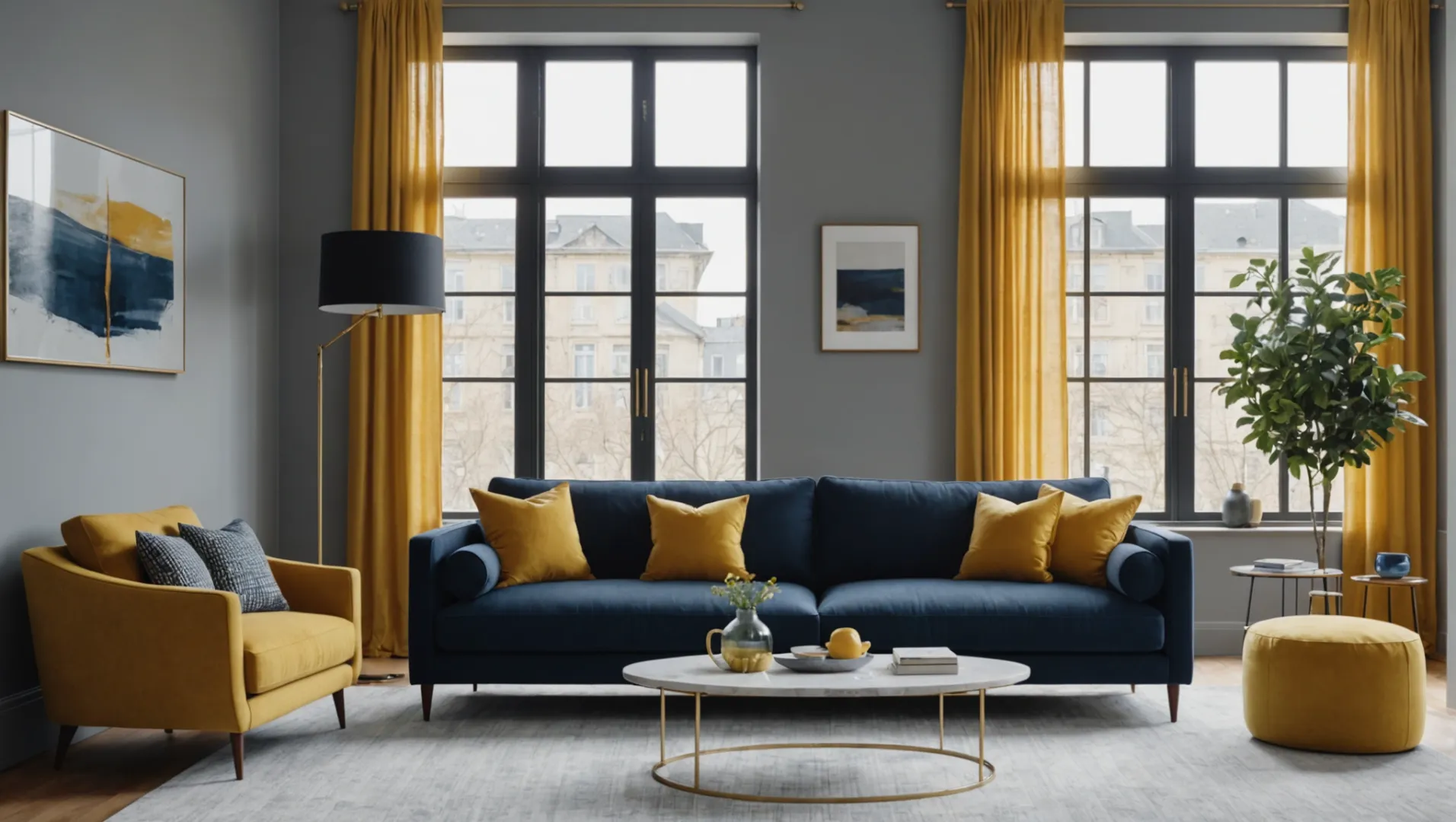
A well-chosen color scheme can create harmony in a room by balancing the elements. The 60-30-10 rule is a popular guideline: 60% of a room’s color should be the dominant shade (like the walls), 30% the secondary color (like upholstery or flooring), and 10% an accent color (like skirting boards or decor).
Example Color Scheme:
| Dominant Color | Secondary Color | Accent Color |
|---|---|---|
| Soft Grey | Deep Blue | Mustard Yellow |
This combination provides a serene backdrop with a splash of vibrancy.
Influence on Space Perception
Colors can alter the perception of space. Lighter colors tend to make rooms appear larger and more open, while darker shades create a cozy, intimate atmosphere. If you have a small room, consider using lighter colors on walls and floors to enhance spaciousness. Explore how colors affect space perception4.
Coordinating with Skirting Boards
Skirting boards often serve as a transition between walls and flooring. Coordinating their color with the room’s scheme can subtly tie the space together. For example, a white skirting board against dark wood flooring creates a striking contrast, highlighting both elements. Conversely, matching the skirting board with the floor can elongate walls visually.
Seasonal Color Schemes
Adapting color schemes seasonally can refresh your home’s aesthetic without major renovations. Warm hues like burnt orange or rich burgundy are perfect for autumn, while pastel shades work beautifully in spring. This approach keeps your interiors dynamic and engaging.
To see examples of seasonal color transformations, check out this guide on seasonal decor5.
Blue rooms evoke calmness and serenity.True
Blue is often associated with calmness and tranquility in color psychology.
Dark colors make rooms appear larger.False
Dark colors tend to make spaces feel smaller and more intimate.
Why Is Skirting Board Height Important?
Skirting board height plays a crucial role in enhancing the aesthetic and functional appeal of a room.
Skirting board height matters because it affects the room’s visual balance, complements architectural features, and can impact practical elements like furniture placement. Choosing the right height involves considering ceiling height, room size, and design style to achieve harmony within the space.
The Influence of Ceiling Height and Room Size
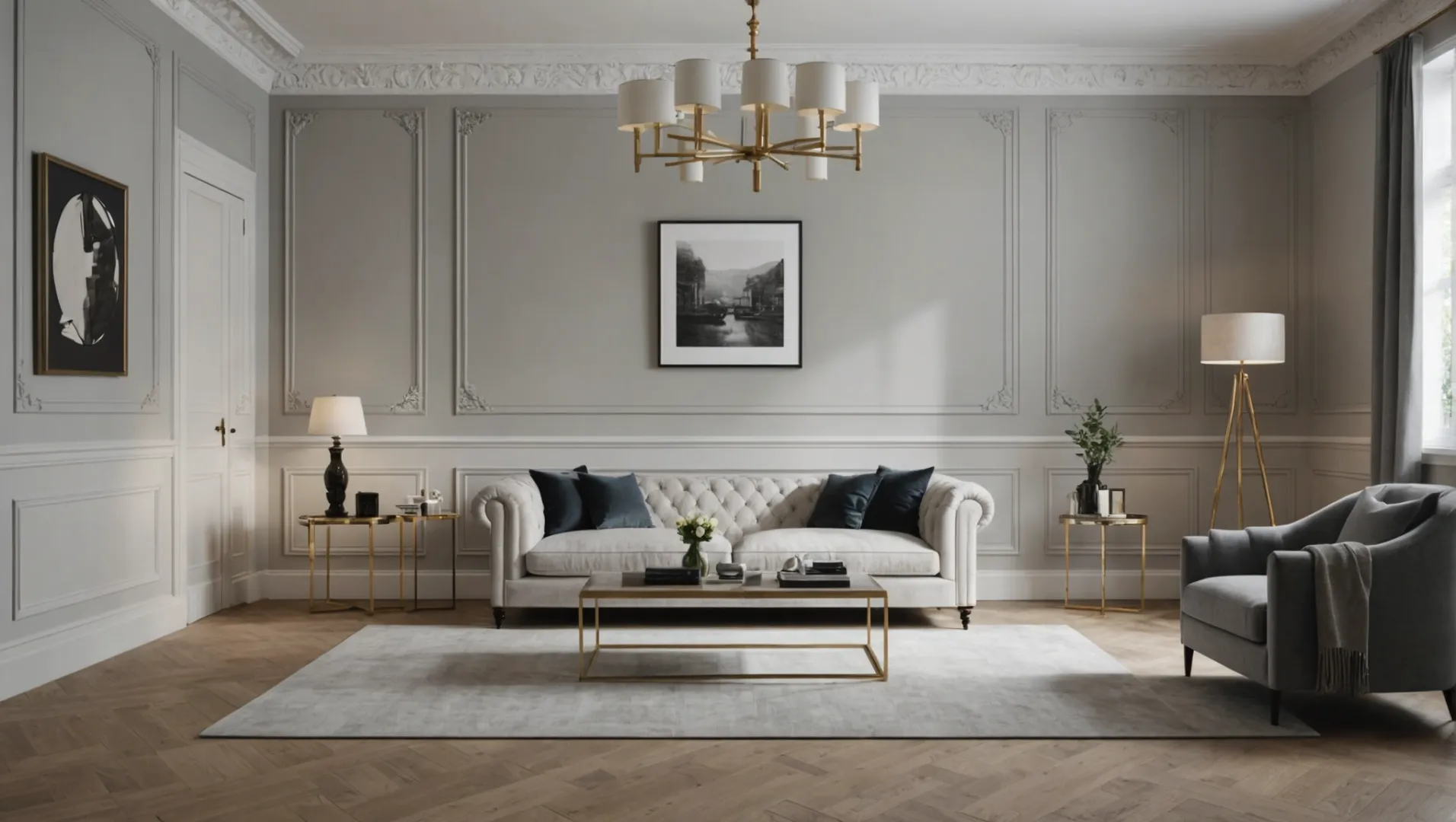
A significant factor in choosing skirting board height is the ceiling height of a room. In spaces with high ceilings, taller skirting boards can draw the eye upwards, accentuating the verticality and grandeur of the room. Conversely, in rooms with low ceilings, shorter skirting boards are preferable as they maintain proportion without overwhelming the space. For instance, a room with a standard ceiling height of 8-9 feet might benefit from skirting boards that are 4-5 inches high.
Room size also plays a vital role. Large, spacious rooms can accommodate taller skirting boards, which add depth and definition to the walls. In smaller rooms, however, it’s advisable to choose skirting boards with a lower height to avoid making the space feel cramped.
Architectural Style Considerations
The architectural style of your home should guide your choice of skirting board height. Traditional homes with ornate details may suit taller, more decorative skirting boards that echo the intricate designs found in other elements like cornices and moldings. On the other hand, contemporary homes often feature sleeker, minimalistic designs that call for shorter, simpler skirting boards.
Moreover, certain styles may dictate specific heights. For example, Victorian homes often boast skirting boards ranging from 6-12 inches in height, adding to their distinctive character.
Practical Implications of Skirting Board Height
Beyond aesthetics, skirting board height can have practical implications. Taller skirting boards offer better protection against knocks and scuffs from furniture and cleaning equipment. They can also be used to conceal electrical cables or pipework, providing both functionality and beauty.
However, it is crucial to ensure that higher skirting does not interfere with furniture placement. For instance, when selecting taller skirting boards, ensure there is adequate clearance for items like shelving or low-profile furniture.
Choosing the right height for your skirting board involves careful consideration of these factors to create a harmonious and functional space. If you’re unsure about making the perfect choice, consulting with an interior designer can provide additional insights tailored to your home’s unique characteristics.
Tall skirting boards suit high-ceilinged rooms.True
Tall skirting boards draw the eye upwards, enhancing verticality.
Short skirting boards make small rooms feel larger.True
They maintain proportion without overwhelming the space.
What Are Key Installation Tips for Skirting Boards?
Installing skirting boards can be the finishing touch that ties a room together, but it requires precision to ensure a professional look.
To install skirting boards effectively, measure accurately, prepare surfaces, and use appropriate adhesive or nails. Ensure boards are flush against the floor to prevent gaps. Use caulk to fill any small gaps for a seamless appearance.
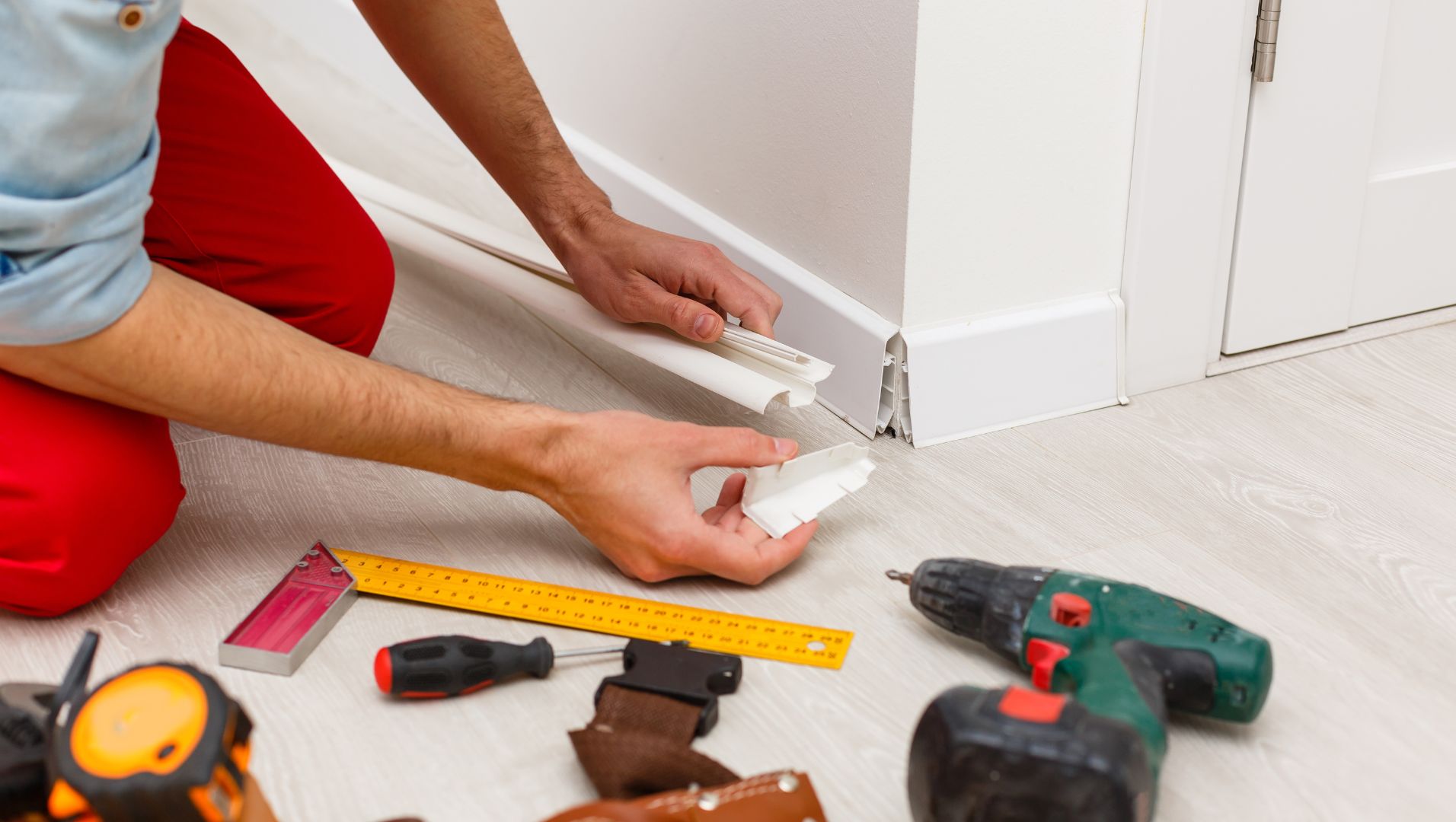
Step 1: Measure and Cut Precisely
Accurate measurements are crucial when installing skirting boards. Begin by measuring the perimeter of the room. Remember to account for corners and any irregularities in wall alignment.
- Tools Needed: Tape measure, pencil, miter saw
- Tips: Always double-check your measurements before cutting. Use a miter saw6 for precise angles, especially in corners.
Step 2: Surface Preparation
A well-prepared surface is essential for skirting board installation. Ensure walls are smooth and free from dust or debris.
- Cleaning: Wipe down walls and flooring edges.
- Repair: Fill in any holes or cracks to provide a stable base for the skirting.
Step 3: Choosing Fasteners
The choice between adhesive and nails depends on the wall type and personal preference.
- Adhesive: Ideal for smooth walls, providing a clean finish without visible fixings.
- Nails/Screws: Recommended for uneven walls or heavier boards, offering greater stability.
Step 4: Aligning and Securing Skirting Boards
Position the skirting board against the wall, ensuring it sits flush with the floor.
- Installation Technique: Start at one corner and work around the room.
- Adjustments: Use a spirit level to ensure the board is straight. Adjust as needed before securing.
Step 5: Finishing Touches
Once installed, inspect for any gaps or misalignments.
- Caulking: Use caulk to fill small gaps between the skirting and wall or floor. This not only improves aesthetics but also prevents dirt accumulation.
- Painting: If necessary, paint or varnish the boards for a cohesive look with your room’s decor.
Troubleshooting Common Issues
Common problems during skirting board installation include misaligned cuts or gaps due to uneven floors.
- Solution: Re-cutting and sanding may be necessary for precise fitting. Consider using a plinth block7 at corners to mask slight misalignments.
Using adhesive for skirting boards ensures a clean finish.True
Adhesive provides a clean finish without visible fixings on smooth walls.
Miter saws are unnecessary for cutting skirting boards.False
Miter saws are essential for precise angle cuts, especially in corners.
Conclusion
By carefully considering materials, colors, and installation details, you can create a harmonious look between skirting boards and flooring. Take a moment to reflect on your design goals and make informed choices that enhance your living space.
-
Explore wood types to find the perfect match for your decor.: Types of Skirting Board Profiles · 1. Flush Recessed Skirting Boards · 2. Torus Skirting Board · 3. Ogee Skirting Board · 4. Chamfered Skirting … ↩
-
Discover why MDF is a versatile and cost-effective option.: The best advantage of solid woods over MDF is that they look great when finished in a paint, lacquer or varnish. ↩
-
Learn how metal skirting enhances modern and industrial interiors.: Aluminium skirting has all of the benefits of aluminum, such as its durability, functionality, corrosion resistance, water resistance, recyclability, … ↩
-
Discover how different colors can alter room size perception.: In general, lighter colors can make interiors feel larger, more spacious, while darker hues can make spaces feel smaller, cozier, and more intimate. ↩
-
Explore ideas for refreshing your home with seasonal colors.: As a general rule of thumb for seasonal decor for Spring/Summer, Fall, Winter, switch the decor when the weather starts to change. ↩
-
Learn precise cutting techniques for perfect skirting board angles.: Learn how to use a mitre saw in our step-by-step tutorial. Enjoyed this video? Subscribe to our … ↩
-
Understand how plinth blocks can aid in skirting installations.: In today’s video, we shall explain what plinth blocks are and why you might want to look into … ↩