

The finishing touches of a tiling project can make or break its overall aesthetic—trust me, I’ve been there!
Mitre tile edges for a seamless and modern finish, but it requires precision and skill. Alternatively, use trims for easier installation and added protection, offering various styles to suit your decor. Consider your skill level, budget, and desired aesthetic when choosing.
While both methods have their merits, the choice ultimately depends on several factors including your personal taste, the scope of the project, and long-term maintenance considerations. Let’s delve deeper into these aspects to ensure you choose the best option for your renovation.
Mitering tile edges offers a seamless and modern finish.True
Mitering creates a smooth, continuous look by cutting tiles at angles.
What Are the Benefits of Mitering Tile Edges?
Mitering tile edges can elevate your tiling project with a sleek and professional appearance.
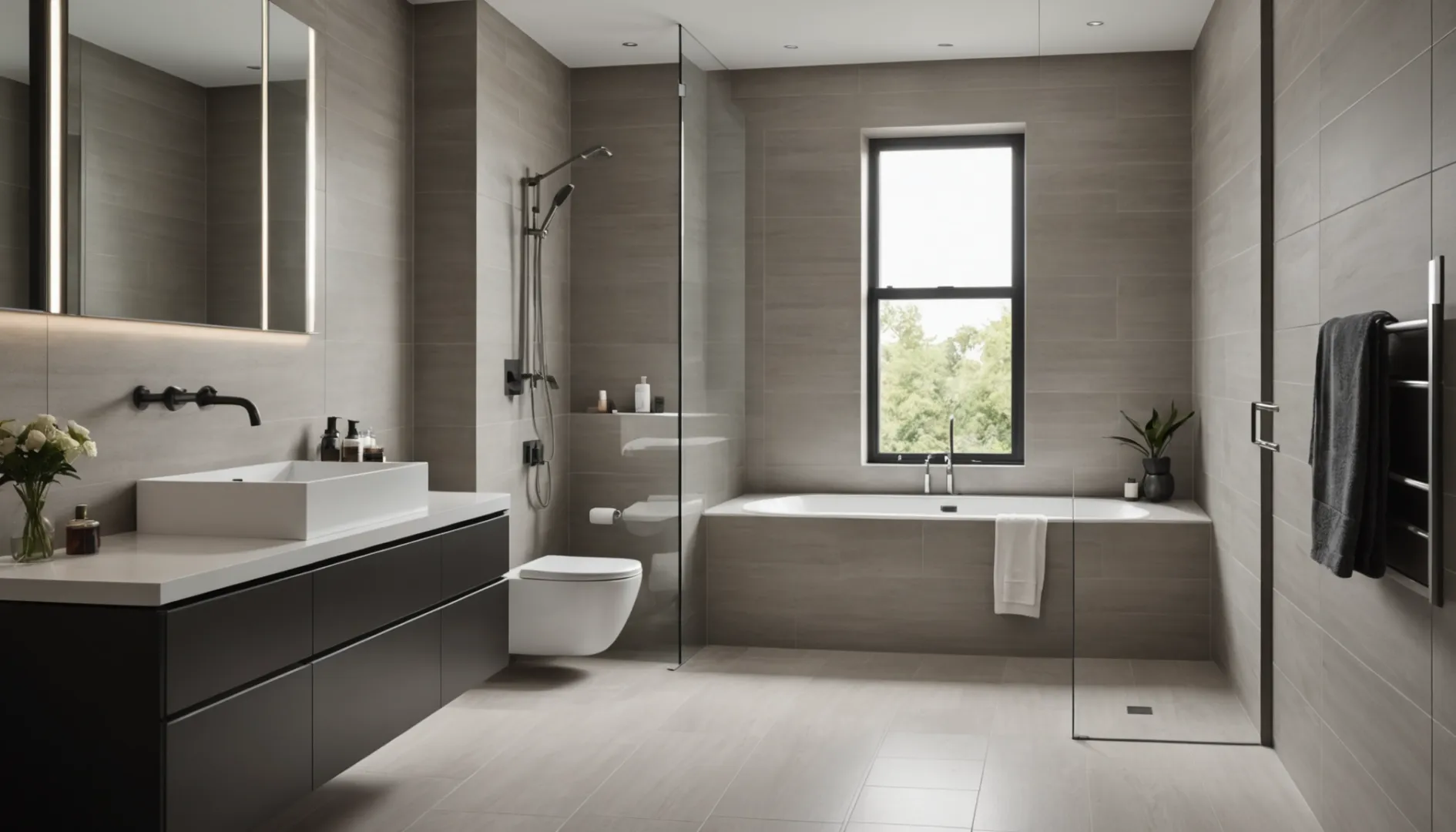
Mitering tile edges offers a seamless, modern aesthetic, enhancing the visual appeal of your space. It’s ideal for creating custom angles and intricate designs, although it demands precision and expertise. Consider mitering when aiming for a high-end look in areas like bathrooms and kitchens.
Enhancing Aesthetics with Mitered Edges
Mitering tile edges can significantly enhance the overall aesthetics of a space by creating a seamless transition1 between tiles. This technique eliminates the need for external trims, which can sometimes disrupt the continuity of your design. For those pursuing a modern or minimalist style, mitered edges are a preferred choice as they offer a clean, unobtrusive finish.
Ideal for Custom Designs
Mitering is particularly advantageous when working with intricate designs or when creating custom shapes and angles. By cutting tiles at precise 45-degree angles, mitering allows for the creation of unique patterns and layouts that would be impossible with traditional trimming techniques. This makes it an excellent choice for creative tiling projects2 in areas like showers and feature walls.
Achieving Professional Results
While mitering requires a higher skill level and precision, it delivers professional results that can elevate the quality of any tiling project. Skilled craftsmen can use mitering to ensure that every edge aligns perfectly, providing a polished finish that reflects the quality of workmanship. This is especially beneficial in high-end residential or commercial settings where attention to detail3 is paramount.
| Benefit | Description |
|---|---|
| Seamless Finish | Creates a smooth, uninterrupted surface without the need for trims. |
| Customization | Allows for unique angles and designs that trims can’t accommodate. |
| High-End Look | Offers a sophisticated and polished appearance ideal for luxury settings. |
Considerations Before Mitering
While the benefits are numerous, it’s essential to weigh these against potential challenges such as increased time, skill requirements, and potential waste from errors. Mitering is not always the most cost-effective solution, especially for DIY enthusiasts4 who may lack the necessary tools or experience.
Mitering tile edges creates a seamless finish.True
Mitering eliminates external trims, providing a smooth surface.
Mitered edges are easy for DIY enthusiasts.False
Mitering requires precision and skill, challenging for DIY projects.
How Do Trims Compare in Terms of Durability?
When choosing between mitering and trims, durability is a key consideration for any tiling project.
Trims provide superior durability due to their ability to protect tile edges from chipping and wear. Made from materials like aluminum or PVC, trims withstand moisture and impact better than mitered edges, which can be more susceptible to damage over time.

Material Matters
When assessing the durability of trims, the material composition is a significant factor. Most trims are made from robust materials such as aluminum, PVC, or stainless steel. These materials are not only resistant to moisture but also offer excellent impact resistance, making them suitable for high-traffic areas like kitchens and bathrooms.
In contrast, mitered edges5 involve cutting the tile at a 45-degree angle, which can leave the edge more vulnerable to chipping. Over time, especially in areas with high usage or moisture exposure, mitered edges may show signs of wear faster than trimmed edges.
Protective Barrier
Trims act as a protective barrier for tile edges. They shield the vulnerable edges from physical damage and environmental factors, significantly extending the lifespan of your tiling work. For example, in areas prone to water exposure, such as shower corners, trims prevent water infiltration that could lead to tile damage or mold growth.
Maintenance and Longevity
One of the main advantages of using trims over mitered edges is the reduced maintenance requirement. Trims are designed to withstand daily wear and tear without losing their aesthetic appeal. They also simplify cleaning, as there are no sharp angles where dirt and grime can accumulate.
Here’s a simple comparison table:
| Feature | Mitered Edges | Trims |
|---|---|---|
| Material | Tile (cut at angle) | Aluminum/PVC/Steel |
| Durability | Susceptible to chips | Resistant to impacts |
| Maintenance | High | Low |
| Best Use Case | Low-traffic areas | High-traffic/wet areas |
By choosing trims for your project, you’re investing in a durable solution that not only protects but enhances the overall longevity and appearance of your tiled surfaces.
Trims are more durable than mitered edges in tile projects.True
Trims, made from materials like aluminum or PVC, protect tile edges.
Mitered edges offer better moisture resistance than trims.False
Mitered edges are prone to water infiltration, unlike trims.
Which Option Is More Cost-Effective?
Making a cost-effective choice between mitering and trims can significantly impact your renovation budget.
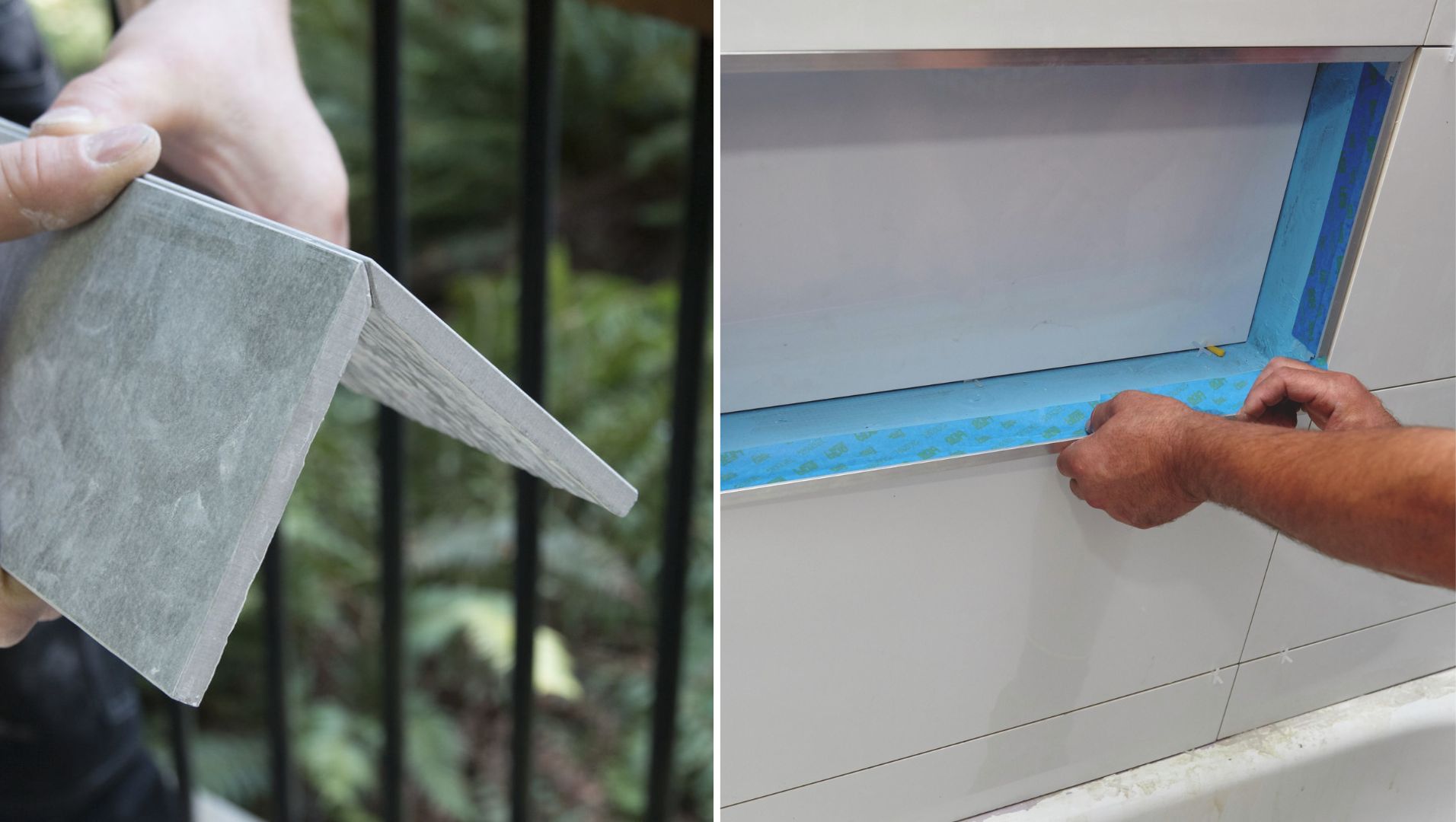
Choosing between mitering and trims depends on material costs, labor expenses, and long-term maintenance. Mitering may require specialized tools and skilled labor, increasing upfront costs. Trims, although initially cheaper, might need replacements over time. Evaluate both initial expenses and future maintenance to determine the most economical option.
Comparing Material Costs
When considering the cost-effectiveness of finishing tile edges, the material expenses are a crucial factor. Mitering involves cutting the tiles at a 45-degree angle, which might lead to wastage if not done correctly. This technique often necessitates the purchase of extra tiles to account for potential mistakes, driving up the initial material costs.
In contrast, trims can be purchased in precise lengths, minimizing waste. They are generally more affordable per unit compared to tiles, making them a budget-friendly choice initially. However, selecting high-quality trims is essential to avoid frequent replacements, which can add up over time.
Labor Expenses
The labor cost is another significant consideration. Mitering requires precision and skill, often necessitating professional installation. This increases labor costs compared to trims, which are simpler to install and can be a DIY-friendly option for those with basic skills.
Hiring professionals for mitering might be necessary to ensure a perfect finish, adding to the overall expenses. On the other hand, trims usually come with straightforward installation instructions, saving on labor costs if you decide to install them yourself.
Long-Term Maintenance and Costs
While mitered edges provide a sleek and seamless look, they can be prone to chipping over time if not maintained properly. This could lead to additional repair costs down the line. In contrast, trims offer an added layer of protection against wear and tear but may need periodic replacement if they become damaged or outdated in style.
Here’s a simple comparison table for a quick overview:
| Aspect | Mitering | Trims |
|---|---|---|
| Initial Material Cost | Higher due to potential waste | Lower, as purchased in needed lengths |
| Labor Cost | Higher (professional needed) | Lower (DIY friendly) |
| Long-term Maintenance | Potentially higher due to chipping | Moderate, may need periodic replacement |
By weighing these factors, you can make an informed decision about which option is more cost-effective for your tiling project. Consider not just the immediate costs but also the long-term implications on maintenance and potential replacements when planning your budget. For more insights on how different materials impact cost and durability, explore our guide on tile edge finishing options6.
Mitering requires more skilled labor than trims.True
Mitering needs precision, often requiring professional installation.
Trims have higher initial material costs than mitering.False
Trims are generally cheaper per unit and reduce waste.
How Do You Decide Based on Your Skill Level?
Determining the best method for finishing tile edges can hinge on your experience with tiling projects.
Consider your tiling expertise: mitering requires advanced skills and precision, while trims are suitable for beginners. Evaluate your comfort level with cutting tools and the complexity of your project to make the best choice.
Understanding Your Tiling Experience
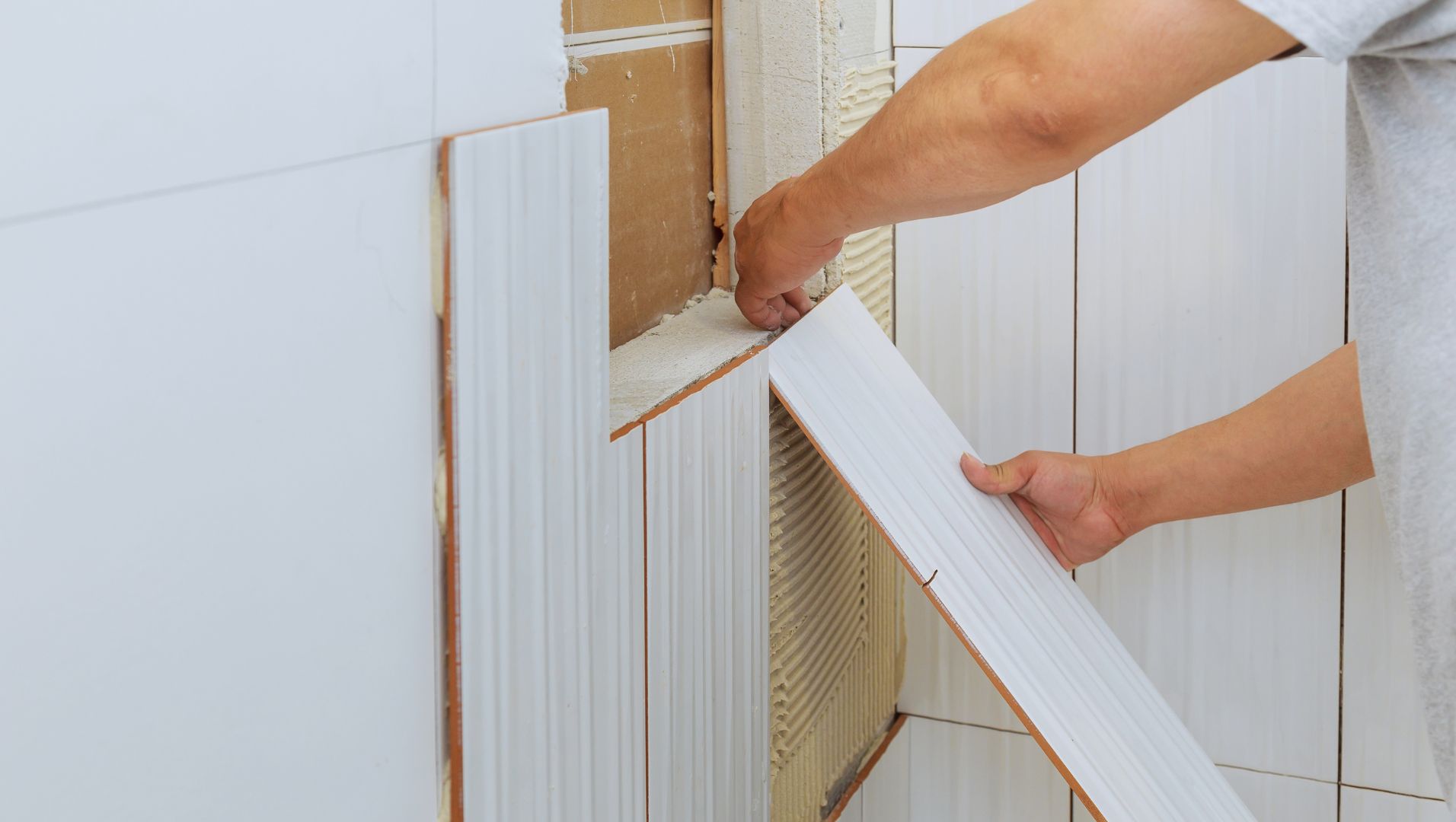
Before deciding between mitering and using trims, it’s essential to assess your tiling experience. Mitering tile edges is generally recommended for those who have significant experience with tiling. It involves cutting tiles at a 45-degree angle to create a seamless edge, which requires precision and skill with cutting tools. Mistakes can lead to uneven edges or wasted materials, potentially increasing costs.
For beginners7 or those less confident in their cutting abilities, trims offer a more forgiving option. Trims are easy to install and come in various styles that can complement any decor. They can cover slight imperfections, making them a practical choice for DIY enthusiasts.
Evaluating Project Complexity
The complexity of your tiling project should also influence your decision. If you’re working on a large or intricate area, such as a kitchen backsplash or a bathroom shower, consider your capacity to maintain consistency with mitered edges across the entire surface. Consistency is crucial in these projects, and even small errors can be conspicuous.
Trims, on the other hand, simplify the process and can be particularly advantageous in complex layouts where achieving perfect mitered edges might be challenging. They provide a neat finish with less effort and are ideal for larger projects where time efficiency is a factor.
Tool Proficiency and Availability
Your comfort level with tiling tools is another critical consideration. Mitering requires specialized tools such as a wet saw or a mitre saw, which can be intimidating for those unfamiliar with their operation. If you lack access to these tools or the confidence to use them, trims are a viable alternative.
Tool Comparison Table
| Skill Level | Recommended Method | Tools Required |
|---|---|---|
| Beginner | Trims | Basic hand tools |
| Intermediate | Either | Tile cutter |
| Advanced | Mitering | Wet saw |
Ultimately, choose the method that aligns with your skill level and comfort with tools. Prioritizing ease and precision will lead to better results and satisfaction with your project.
Mitering requires advanced tiling skills.True
Mitering involves precise 45-degree cuts, needing skill and experience.
Trims are only suitable for advanced tilers.False
Trims are ideal for beginners due to their ease of use and installation.
Conclusion
Ultimately, weigh the style, cost, and complexity of your project before deciding. Mitering brings elegance but demands skill; trims offer ease and versatility. Choose wisely to enhance your project’s longevity and appeal.
-
Explore why seamless transitions enhance design appeal.: They are not just about aesthetics; they offer functionality and protection to the tile edges, preventing them from chipping or cracking. When … ↩
-
Discover inspiration for unique tiling patterns.: Mitered tile corner. Discover Pinterest’s best ideas and inspiration for Mitered tile corner. Get inspired and try out new things. 35 people searched this. ↩
-
Learn how precision impacts overall finish.: Mosaic tiling is all about precision and attention to detail. The smallest miscommunication or oversight can lead to costly mistakes during the installation … ↩
-
Understand potential difficulties for DIY projects.: A mitre cut to a tile, is when the tile is cut at a 45-degree angle along an edge, essentially removing the ‘biscuit’ or underside of the tile. ↩
-
Understand how mitered edges are created and their potential drawbacks.: A mitre cut to a tile, is when the tile is cut at a 45-degree angle along an edge, essentially removing the ‘biscuit’ or underside of the tile. ↩
-
Explore detailed comparisons of various tile edge finishing methods.: Explore our collection of metal tile trim & edging. Perfect for tiling corners, countertop edge, and backsplash trim. Variety of tile edging options. ↩
-
A comprehensive guide for beginners on installing tile trims effectively.: This guide will help you understand important aspects of tile trim, whether you are a beginner or an expert. ↩






