
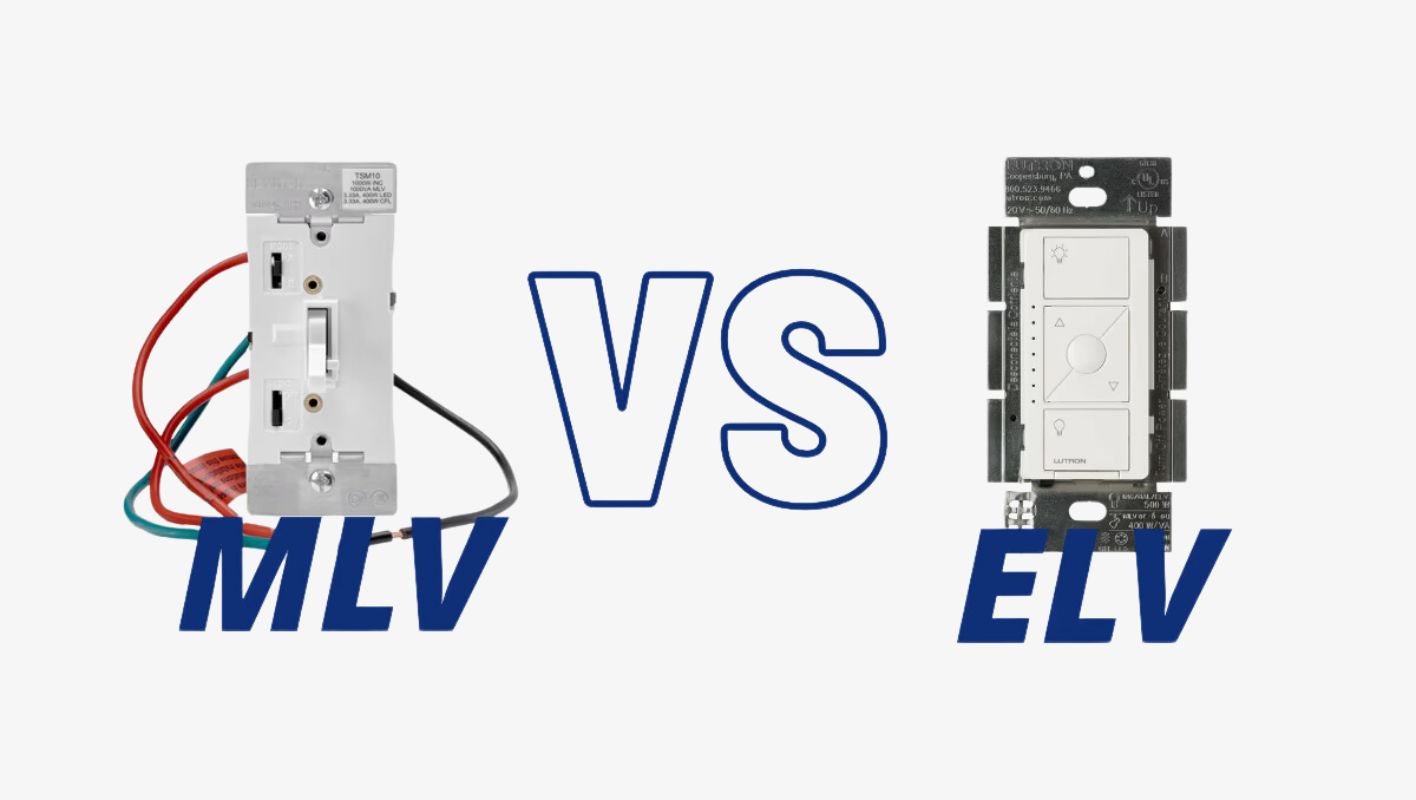
Ever wondered why some LEDs just won’t cooperate with certain dimmers? It’s like trying to fit a square peg in a round hole!
MLV (Magnetic Low Voltage) and ELV (Electronic Low Voltage) dimmers aren’t universally compatible with all LED lights because their electronic designs and power requirements differ. These dimmers work on distinct electrical principles, which can impact performance and safety if mismatched with LED products.
Remember the time I tried to dim the lights for a cozy movie night, only to end up with flickering chaos? Yeah, not all dimmers play nice with every LED. It turns out, the secret lies in the unique electrical principles behind each type of dimmer. Let me share more about what I’ve learned—these insights might just save you from your own lighting fiasco.
ELV dimmers require specific LED compatibility.True
ELV dimmers need compatible LEDs for optimal performance and safety.
MLV dimmers work with all LED lights.False
MLV dimmers are not compatible with all LEDs due to design differences.
What Are MLV and ELV Dimmers?
Choosing the right dimmer can transform your space, but understanding MLV and ELV is key. Here’s why it matters.
MLV (Magnetic Low Voltage) and ELV (Electronic Low Voltage) dimmers adjust lighting with low voltage transformers. MLV dimmers pair with magnetic transformers, while ELV works with electronic ones. Select based on your fixture’s transformer type for optimal results.
When I first started diving into the world of lighting solutions, understanding the nuances between MLV and ELV dimmers felt like unlocking a secret to the perfect ambiance. It’s like choosing the right seasoning for a dish; the wrong choice can completely alter the final flavor.
Understanding MLV Dimmers
Magnetic Low Voltage (MLV) dimmers might seem straightforward, but they pack quite a punch when it comes to reliability and cost-effectiveness. I remember setting up my first architectural lighting project and opting for MLV dimmers because their robust design promised long-lasting performance.
Pros and Cons
| Pros | Cons |
|---|---|
| Robust design | Larger in size |
| Simple technology | Limited compatibility |
| Cost-effective option | Audible hum |
Applications
Whenever durability was at the top of my priority list, especially in residential settings, MLV dimmers were my go-to. They’ve proven invaluable in architectural lighting1 for their steadfast reliability.
Exploring ELV Dimmers
Electronic Low Voltage (ELV) dimmers offer a different kind of magic with their silent operation and sleek design. I once had a client who needed absolutely no buzzing for their meditation room—ELV was the perfect match.
Pros and Cons
| Pros | Cons |
|---|---|
| Quiet operation | Higher cost |
| More compact design | Complex installation |
| Better compatibility | Less durable |
Applications
In modern lighting setups2, where silence is golden, ELV dimmers shine brightly. They’re particularly popular in high-end residential projects where precision control is non-negotiable.
Compatibility with LED Lights
Both types can be friends with LED lights, but it’s a bit like matchmaking—you need to ensure they’re compatible. I learned this the hard way after an LED setup flickered embarrassingly at a client’s event. Always check if your LED driver matches up with MLV or ELV methods.
Key Considerations
- Transformer Type: Verify what type of transformer your lighting system uses—trust me, it saves a lot of headaches.
- Dimming Range: Make sure the dimming range suits your needs. It’s all about getting that perfect glow.
- Noise Levels: If you’re setting up in a quiet space, like a bedroom or an office, noise can make all the difference.
Navigating the choice between MLV and ELV dimmers feels like picking the right tool for a job—each has its strengths depending on what you’re looking to achieve. For more insights, dive into lighting control solutions3.
MLV dimmers are compatible with electronic transformers.False
MLV dimmers are designed for magnetic transformers, not electronic.
ELV dimmers provide quieter operation than MLV dimmers.True
ELV dimmers use electronic circuitry, reducing noise during operation.
What Sets MLV and ELV Dimmers Apart?
Remember that time you tried a new gadget, only to realize it needed a specific type of battery? Choosing the right dimmer for your LED lights is kind of like that.
MLV dimmers, with their trusty magnetic transformers, are like the old reliable of dimming systems—tough and dependable. ELV dimmers, however, are the tech-savvy cousins, using electronic circuits for smoother and more precise LED control.
The Basics of MLV and ELV Dimmers
Imagine working on a project where you need something built like a tank—that’s when I turn to Magnetic Low Voltage (MLV) dimmers. These bad boys use magnetic transformers, making them ideal for handling those demanding, low-voltage lighting tasks. They’re like the old workhorse in your garage that just won’t quit.
Then there are those times when precision is everything—maybe you’re setting the mood in a chic restaurant or adjusting the ambiance in a smart home setup. That’s where Electronic Low Voltage (ELV) dimmers shine. With their advanced circuitry, they’re lighter on their feet and offer pinpoint control over lighting. It’s like having a nimble sports car in your lighting toolbox.
Key Differences in Functionality
| Feature | MLV Dimmers | ELV Dimmers |
|---|---|---|
| Voltage Reduction | Magnetic Transformer | Electronic Circuitry |
| Dimming Range | Limited | Wide, Smooth |
| Compatibility | Halogen, Incandescent | LED, CFL, Modern Lighting |
| Installation | More Complex | Simpler, Less Wiring |
Voltage Reduction:
Picture this: MLV dimmers are like those trusty friends who always come through in a pinch—they convert high-voltage AC to low-voltage DC with the help of a magnetic element. Sturdy? Absolutely. But adaptable to the latest tech trends? Not quite.
ELV dimmers, though, are the sleek new kids on the block. They use electronic circuits to manage power efficiently and precisely, making them a perfect match for modern LED systems4. It’s like upgrading from an old flip phone to the latest smartphone.
Compatibility Considerations:
I’ve been there—trying to pair MLV dimmers with LED systems can sometimes feel like trying to fit a square peg in a round hole. They tend to flicker, not quite vibing with the limited dimming range.
ELV dimmers, on the other hand, fit right into smart lighting environments without a hitch, offering seamless compatibility and smooth operations. It’s like finding that perfect adapter that connects all your gadgets effortlessly.
Application Scenarios for MLV and ELV Dimmers
When you’re faced with choosing between MLV and ELV, think about what you really need:
- For Rugged Applications: If you’re prioritizing durability over everything else, go for MLV dimmers—they’re built to last.
- For Modern and Precise Control: When energy efficiency and precise light control are on your checklist, especially if you’re working with smart home systems5, ELV dimmers are your best bet.
Understanding these differences can help you make informed choices about lighting solutions6. By considering the specific requirements of your lighting project, you can select the appropriate dimming technology to ensure optimal performance.
MLV dimmers are more compatible with LED lighting.False
MLV dimmers may cause flickering with LEDs due to limited range.
ELV dimmers offer smoother dimming than MLV dimmers.True
ELV dimmers use electronic circuits for precise, smooth control.
What Happens When You Use an Incompatible Dimmer?
Ever plugged in your favorite LED lamp only to be greeted by an annoying flicker or buzz? Let’s explore why mismatched dimmers might be the culprit.
Using an incompatible dimmer with LED lamps often results in flickering, buzzing, reduced lifespan, or even complete failure of the lights. Ensuring that your dimmer and LEDs are compatible is key to avoiding these issues and achieving optimal lighting performance.
Understanding Dimmer Compatibility
Dimmer switches work by altering the voltage delivered to a light fixture. When paired with LED lamps, the right dimmer7 ensures smooth operation. Incompatible dimmers, however, may send erratic voltage pulses that LED drivers cannot handle. This can lead to flickering, which is not only annoying but can reduce the lifespan of your LEDs.
The Flickering Phenomenon
Flickering lights feel like a scene from a horror movie. It’s usually the first sign that something’s off with your dimmer. If the dimmer’s control method—whether it’s leading edge or trailing edge—doesn’t match the LED‘s needs, you’ll end up with intermittent light output. I remember one evening sitting down with a book only to be constantly distracted by the flicker overhead.
| Dimmer Type | Common Issues |
|---|---|
| Leading Edge | Flickering, buzzing at low levels |
| Trailing Edge | Better for LEDs, but still check specs |
Buzzing Noises
That low hum can drive anyone mad! Buzzing typically arises from unstable electrical currents. LEDs are sensitive to these fluctuations, and they often respond with an audible hum. I once had guests over for dinner, only to have our conversations overshadowed by that incessant buzzing from the lights. If you hear this after installing a new dimmer, it might be worth exploring alternative dimmers8 specifically rated for LED use.
Potential Damage
Beyond just annoyance, using an incompatible dimmer can lead to long-term damage to your LED fixtures. Over time, inconsistent power delivery can cause overheating or premature failure of internal components. This not only means shelling out more money for replacements but also goes against the energy efficiency goals we all love about LEDs.
What To Look For in a Compatible Dimmer
When choosing a dimmer, look for products explicitly labeled as LED-compatible. These dimmers are engineered to manage the low wattage and specific power requirements of LEDs. Often, manufacturers provide lists of tested and approved dimmers that ensure optimal performance. Checking these lists can prevent issues like those discussed above.
Consider exploring manufacturer recommendations9 when selecting your dimmer to ensure seamless operation and avoid unnecessary complications.
Incompatible dimmers cause LED flickering.True
Incompatible dimmers send erratic voltage pulses, leading to flickering.
All dimmer types are suitable for LEDs.False
Only specific dimmers match LED requirements; others cause issues.
How can you choose the right dimmer for your LED lights?
Choosing the right dimmer for your LED lights is like finding the perfect partner; it makes all the difference in creating the ideal ambiance. Let me guide you through the process with some personal insights and practical tips.
To choose the right dimmer for your LED lights, make sure it’s LED-compatible, check its wattage capacity, and decide between a leading-edge or trailing-edge dimmer based on your setup.
Understanding Dimmer Compatibility
Let me tell you, when I first switched to LED lights, I was baffled by the flickering that ensued with my old dimmer. Little did I know that LEDs and traditional dimmers often don’t play well together. It’s crucial to ensure your dimmer is explicitly compatible with LEDs to avoid such headaches.
Wattage Considerations
I remember doing some math on the back of an envelope when trying to figure out the right dimmer wattage. Imagine having a string of ten 10W LED bulbs; that totals to 100 watts. You’d need a dimmer rated above that to handle the load comfortably. Trust me, exceeding this can lead to overheating—a lesson I learned the hard way!
| Number of LED Bulbs | Wattage per Bulb | Total Wattage |
|---|---|---|
| 10 | 10W | 100W |
| 5 | 8W | 40W |
Leading-edge vs. Trailing-edge Dimmers
I used to think a dimmer was just a dimmer until I encountered buzzing noises with leading-edge dimmers on my LEDs. Trailing-edge dimmers, though pricier, offered smoother control and peace of mind—definitely worth considering if buzzing drives you up the wall.
Smart Dimmers and IoT Integration
Being a bit of a tech enthusiast, exploring smart dimmers opened up a whole new world. The convenience of adjusting lighting through an app or voice command is something I now can’t live without. Just be sure to check compatibility with your existing smart devices.
Explore smart home automation10 options to discover how modern dimmers can enhance your lighting experience.
Consulting Manufacturer Recommendations
Whenever in doubt, I always turn back to what manufacturers recommend. Their guidelines ensure that the lights and dimmers work in harmony, ultimately saving me from frequent replacements and frustrations.
For a deeper dive, review manufacturer compatibility charts11 to compare different brands and models suitable for your needs.
All dimmers work with LED lights.False
Not all dimmers are compatible with LEDs; specific ones are required.
Trailing-edge dimmers reduce LED buzzing.True
Trailing-edge dimmers provide smoother control and reduce buzzing.
Conclusion
MLV and ELV dimmers aren’t universally compatible with all LEDs due to differing electrical designs, impacting performance and safety. Understanding compatibility is crucial for optimal lighting results.
-
Explore how MLV dimmers enhance architectural lighting with their robust design and compatibility. ↩
-
Discover the benefits of ELV dimmers in creating silent, precise lighting solutions for modern spaces. ↩
-
Gain insights into comprehensive lighting control strategies utilizing both MLV and ELV dimmers. ↩
-
Explore why ELV dimmers are ideal for modern LED systems due to their precise control. ↩
-
Learn how ELV dimmers integrate with smart home systems for enhanced lighting control. ↩
-
Gain insights into selecting the right dimmer type based on specific lighting needs. ↩
-
Understanding the type of dimmer you have can help prevent flickering issues with LED lights. ↩
-
Exploring compatible dimmers can help eliminate buzzing and enhance LED performance. ↩
-
Manufacturer lists can guide you in selecting the right dimmer for your LED setup. ↩
-
Explore the benefits of smart dimmers and how they can be integrated into a modern home setup. ↩
-
Check compatibility charts to ensure your dimmer and LED lights work together effectively. ↩






