
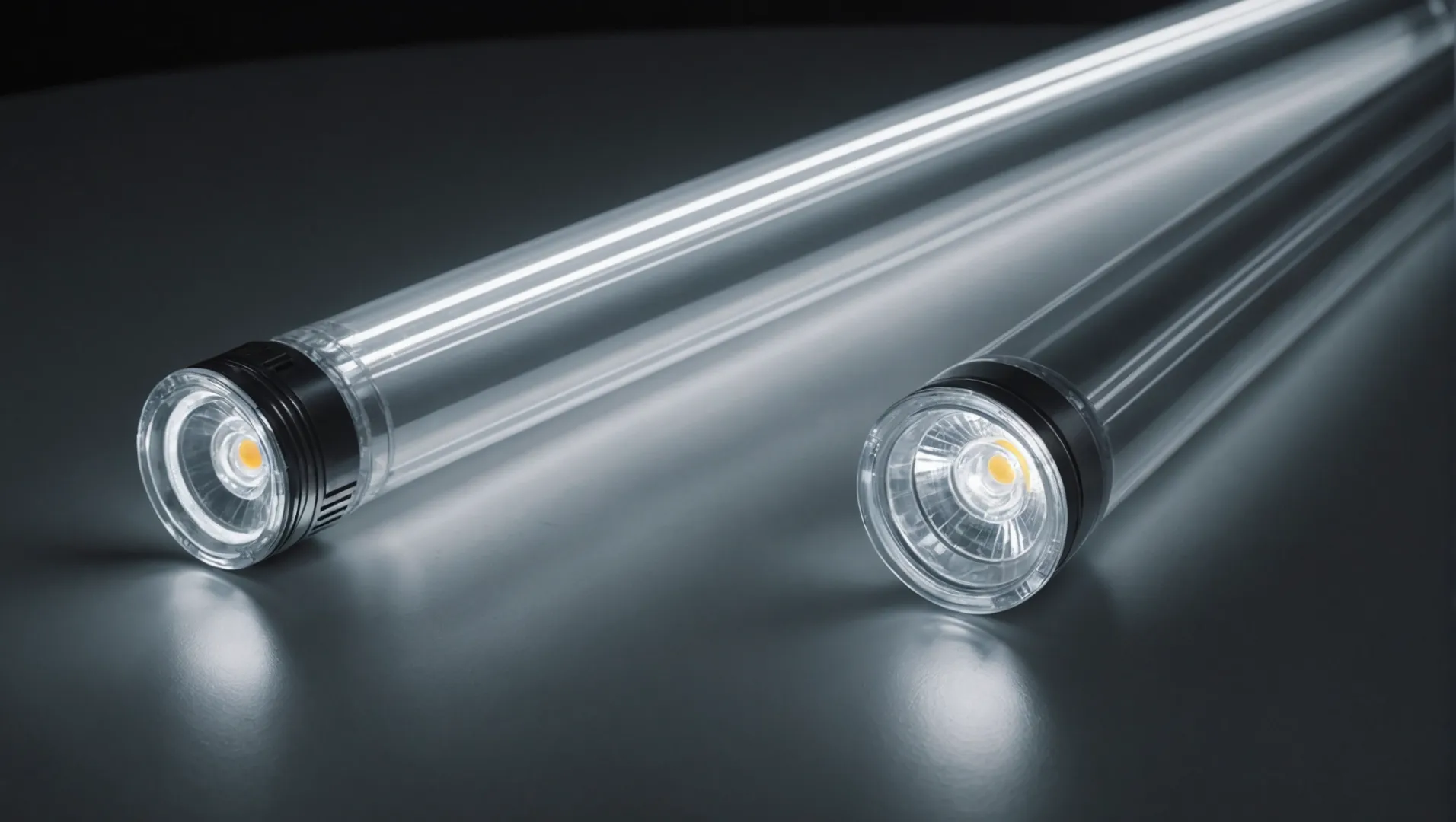
Choosing the right material for LED tube lights can feel overwhelming, but it doesn’t have to be. Let’s break it down together!
When selecting LED tube lights, the material choice between plastic and aluminum can significantly impact performance and longevity.
Let’s dive deeper into the comparison of these materials across key factors like thermal management, cost-effectiveness, and application suitability.
Aluminum LED tubes have better heat dissipation than plastic.True
Aluminum's high thermal conductivity allows effective heat management, enhancing LED lifespan.
What Are the Advantages of Plastic LED Tube Lights?
Considering plastic LED tube lights? Discover their benefits in residential lighting and more.
Plastic LED tube lights are lightweight, affordable, and offer excellent insulation, making them a preferred choice for residential and office environments. They are less prone to damage from accidental drops and provide a cost-effective solution for everyday lighting needs.

Lightweight and Easy Installation
One of the most notable advantages of plastic LED tube lights is their lightweight nature. This characteristic makes them incredibly easy to install, particularly in settings where weight might be a concern, such as suspended ceilings or older buildings with structural limitations.
Plastic’s light weight also means that installation can often be completed without the need for specialized equipment or additional support structures, reducing both the time and cost associated with the setup process.
Cost-Effectiveness
When it comes to affordability, plastic LED tube lights generally have the upper hand. They are typically less expensive than their aluminum counterparts due to the lower material cost and easier manufacturing processes. This cost advantage makes them particularly appealing for large-scale projects, like outfitting an entire office building or residential complex.
Superior Insulation
Plastic materials inherently offer excellent electrical insulation properties. This makes plastic LED tube lights safer to use in environments where electrical safety is a priority. Additionally, the insulating properties help prevent any issues related to electrical leakage, ensuring the longevity of the light fittings.
Safety and Durability
Unlike glass or other brittle materials, plastic is highly resistant to breaking. This resilience makes plastic LED tube lights ideal for use in environments where lights might be subject to impacts or vibrations, such as in educational settings or busy commercial spaces.
Furthermore, the lack of sharp edges or shards in the event of a breakage adds an extra layer of safety, minimizing the risk of injury.
Aesthetic Versatility
Plastic LED tube lights come in various shapes and designs, offering greater flexibility for interior design. Whether you want a sleek modern look or something more traditional, plastic can be molded to fit a wide range of aesthetic preferences.
For more detailed insights into the benefits of using plastic materials in lighting solutions, consider exploring resources on LED lighting trends1. This will provide a broader understanding of how plastic materials are being utilized to enhance modern lighting systems.
Plastic LED tubes are lighter than glass ones.True
Plastic is inherently lighter than glass, making installation easier.
Plastic LED tubes are more expensive than aluminum ones.False
Plastic LED tubes are generally cheaper due to lower material costs.
How Does Aluminum Enhance Thermal Management in LED Tubes?
Aluminum plays a crucial role in optimizing thermal management within LED tubes, boosting their efficiency and lifespan.
Aluminum enhances thermal management in LED tubes by acting as an effective heat sink. Its high thermal conductivity allows heat to dissipate quickly from the LED chips, maintaining optimal performance and preventing damage due to overheating.
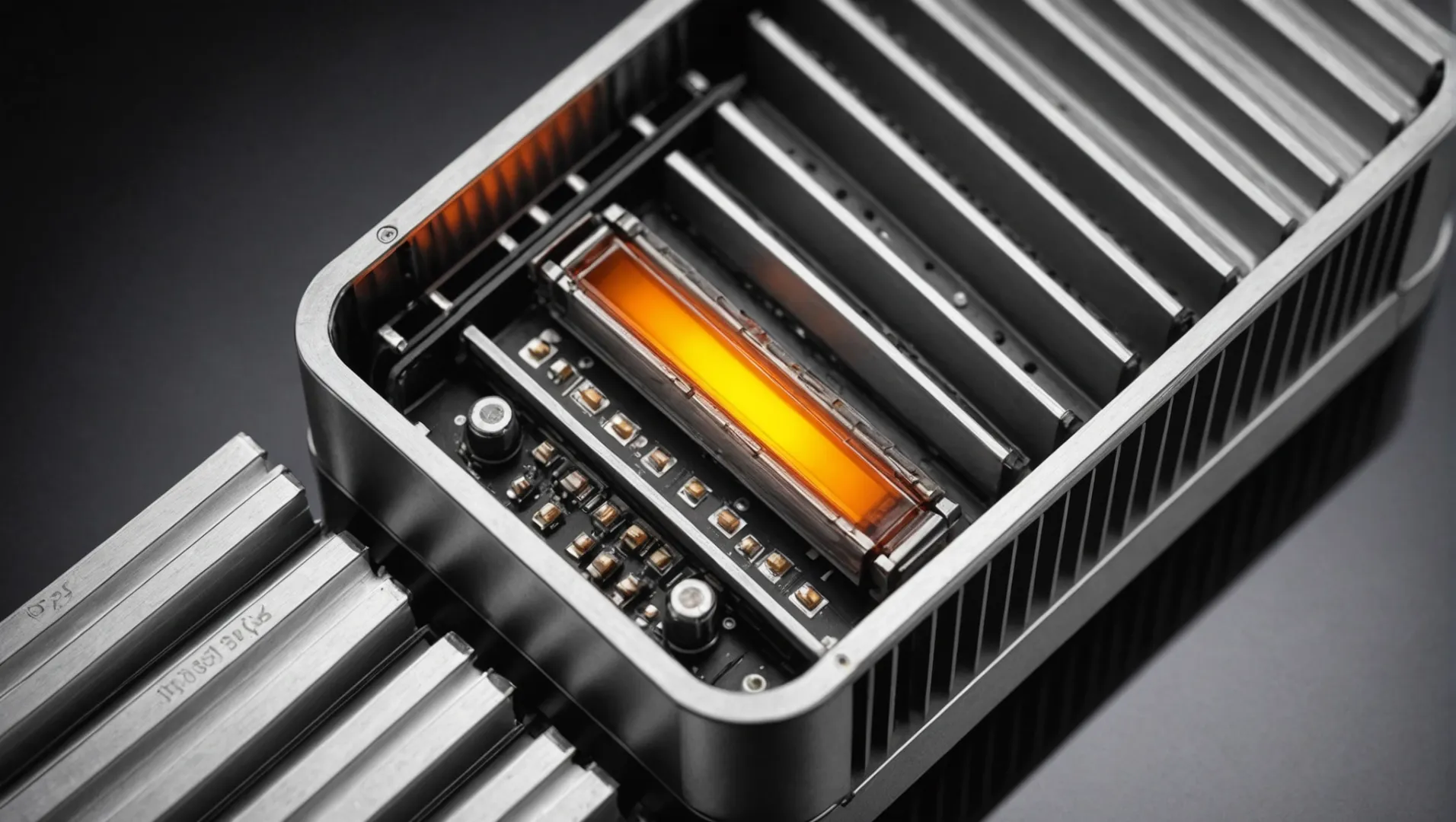
Understanding Thermal Management in LEDs
LEDs generate heat during operation, which can negatively impact their performance and longevity if not managed effectively. Efficient thermal management is essential to maintain LED brightness, color consistency, and life span.
The Role of Aluminum as a Heat Sink
Aluminum is widely used in LED tubes due to its excellent thermal conductivity. It acts as a heat sink, drawing heat away from the LED chips. This helps maintain a lower operating temperature, which is crucial for preserving the LED’s luminous efficacy2.
Benefits of Aluminum in Thermal Management
- High Thermal Conductivity: Aluminum’s ability to conduct heat surpasses many other materials, allowing for quick dissipation of heat generated by LEDs.
- Lightweight and Durable: Despite being a metal, aluminum is lightweight yet strong, making it suitable for a variety of applications without adding significant weight.
- Corrosion Resistance: Aluminum’s resistance to corrosion ensures that it maintains its structural integrity and thermal performance over time.
Comparative Analysis: Aluminum vs. Plastic
| Feature | Aluminum | Plastic |
|---|---|---|
| Thermal Conductivity | High, optimal for heat sinks | Low, not ideal for heat dissipation |
| Weight | Lightweight | Extremely lightweight |
| Durability | Highly durable | Less durable |
| Cost | Higher | Lower |
Practical Applications
In industrial settings where high ambient temperatures are common, the superior thermal management offered by aluminum is critical. It ensures that the LEDs can operate efficiently without frequent failures or reduced output. This makes aluminum LED tubes particularly suitable for environments like warehouses or manufacturing facilities where reliability is paramount.
By understanding how aluminum enhances thermal management, businesses and consumers can make informed choices about their lighting solutions, optimizing both performance and cost-efficiency.
Aluminum LED tubes are more durable than plastic ones.True
Aluminum is highly durable compared to plastic, making it ideal for heat sinks.
Plastic has better thermal conductivity than aluminum.False
Aluminum has high thermal conductivity, surpassing that of plastic.
Which Material Offers Better Cost-Effectiveness for Your Needs?
Choosing between plastic and aluminum for LED tube lights involves balancing cost and performance.
Plastic LED tube lights are generally more cost-effective due to lower material and manufacturing costs. Aluminum, while initially more expensive, offers long-term savings through improved efficiency and longevity in demanding environments.
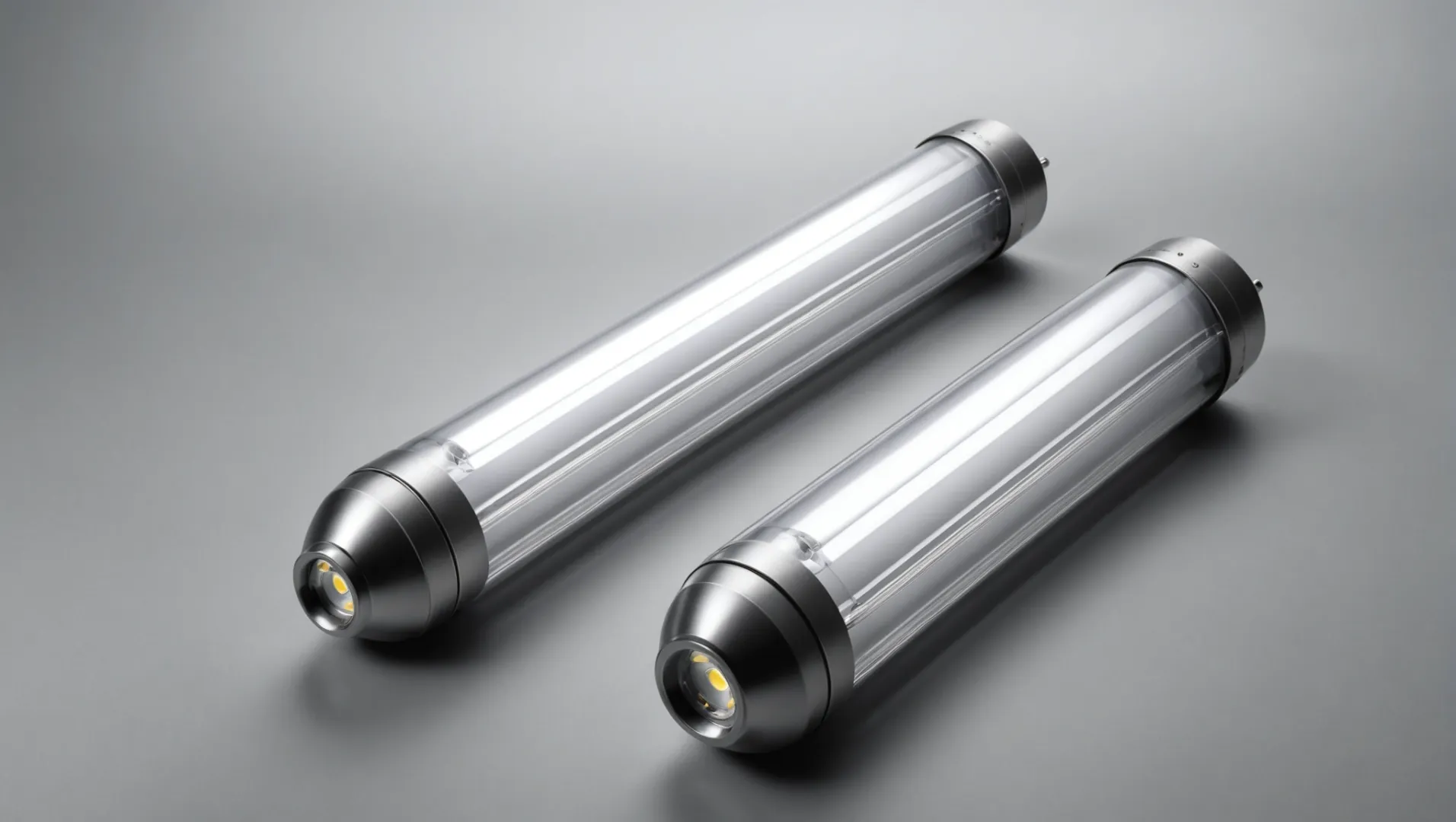
Understanding Cost Components
When assessing cost-effectiveness, it’s essential to consider both initial purchase costs and long-term operational expenses. Plastic LED tubes3 often have a lower upfront price due to cheaper raw materials and easier manufacturing processes. Conversely, aluminum LED tubes might require a higher initial investment.
Long-term Savings with Aluminum
While aluminum may cost more initially, it can lead to significant savings over time. Aluminum’s superior heat dissipation reduces the risk of overheating, potentially extending the lifespan of the LED components. This means fewer replacements and maintenance costs over the years, which can be particularly beneficial in commercial settings where downtime is costly.
Application-Specific Needs
For residential applications where light usage is intermittent, plastic LED tubes might suffice given their cost efficiency. However, in industrial settings4 where lights are used extensively, aluminum’s durability can translate into better long-term value.
| Feature | Plastic LED Tubes | Aluminum LED Tubes |
|---|---|---|
| Initial Cost | Lower | Higher |
| Thermal Management | Basic | Advanced |
| Durability | Moderate | High |
| Maintenance Frequency | Potentially higher | Lower |
| Ideal Use | Residential | Industrial |
Environmental Considerations
An often overlooked aspect of cost-effectiveness is the environmental impact. Aluminum is recyclable, which can be a factor in sustainability-focused projects. Considering recycling and disposal costs can further tilt the scales in favor of aluminum when evaluating long-term benefits5.
Understanding these factors allows you to align your choice with your specific needs, ensuring you get the best value for your investment in LED lighting solutions.
Plastic LED tubes have a lower initial cost than aluminum.True
Plastic is cheaper to manufacture, reducing upfront costs compared to aluminum.
Aluminum LED tubes are ideal for residential use.False
Aluminum is better suited for industrial settings due to its durability.
Are Plastic or Aluminum LED Tubes More Suitable for Industrial Use?
Choosing the right material for LED tubes in industrial settings can enhance efficiency and longevity.
Aluminum LED tubes excel in industrial environments due to their robust heat management and durability, crucial for high-demand settings. While plastic tubes are cost-effective, they may not withstand the rigorous conditions of industrial use as effectively as aluminum.
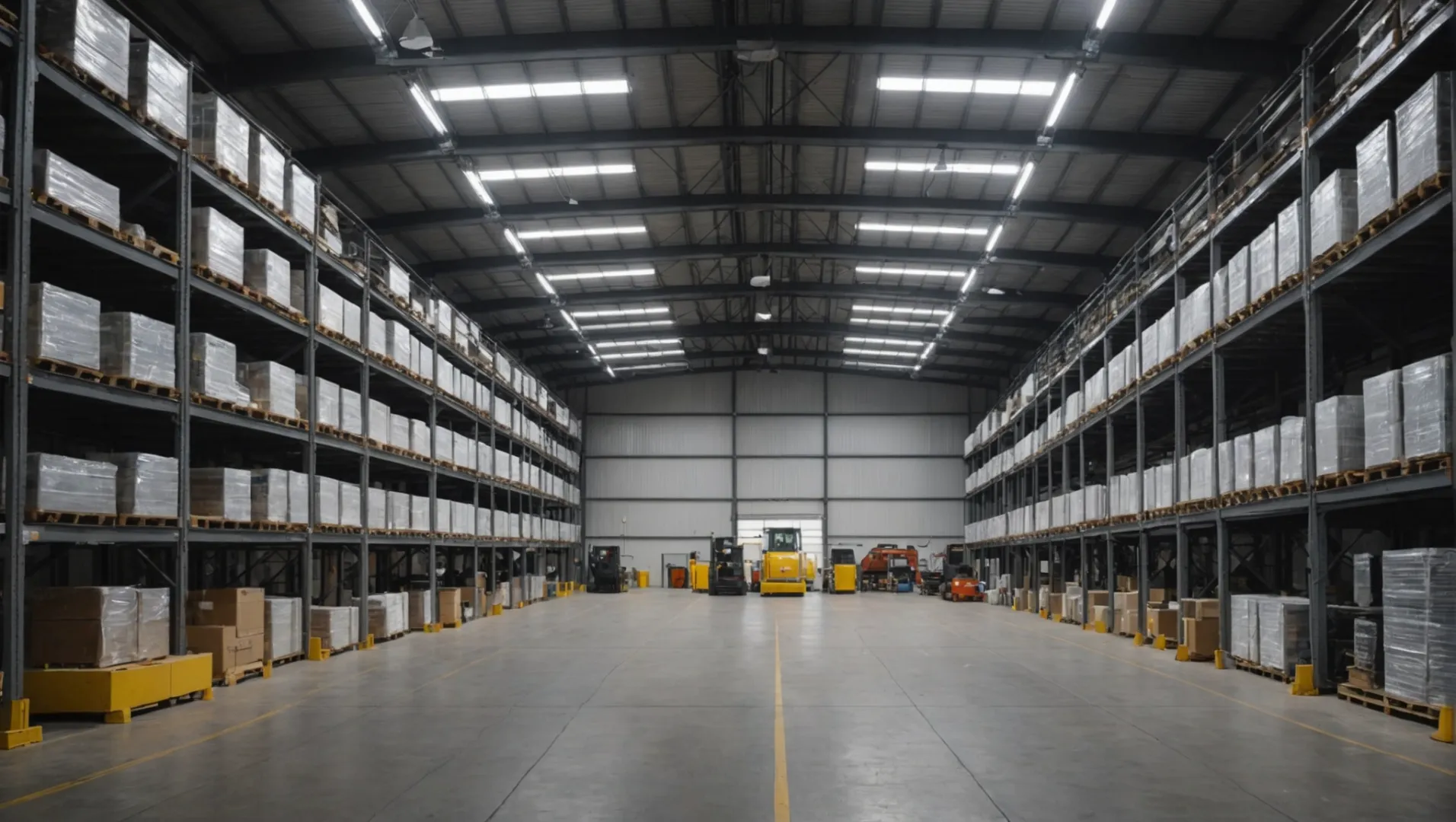
Key Factors in Industrial Settings
In an industrial environment, the performance of LED tubes is paramount. Factors like heat generation, mechanical stress, and exposure to various elements must be considered. Aluminum tubes are known for their excellent thermal management6, which is vital in settings where lights operate continuously or under high power.
Thermal Management
Aluminum Advantage: The superior heat dissipation capabilities of aluminum help prevent overheating and extend the lifespan of the LEDs. This property is particularly beneficial in industries where lights are exposed to high temperatures or operate continuously.
Plastic Limitation: Plastic, while suitable for low-intensity applications, may not manage heat as effectively as aluminum. This can lead to quicker degradation of the LED components if used in high-heat industrial settings.
Durability and Weight Considerations
Durability: Aluminum’s resilience to physical impacts and environmental factors like moisture makes it more suited for demanding industrial conditions compared to plastic, which can be prone to cracking under stress.
Weight: Although plastic is lighter, which might ease installation, aluminum’s sturdiness offers a better trade-off in environments that prioritize durability over ease of installation.
Cost Implications
Cost is always a critical factor. While plastic LED tubes7 are generally less expensive upfront, aluminum tubes provide better long-term value due to reduced maintenance needs and longer lifespan.
| Feature | Plastic LED Tubes | Aluminum LED Tubes |
|---|---|---|
| Cost | Lower upfront cost | Higher upfront cost |
| Heat Dissipation | Moderate | Excellent |
| Durability | Lower | High |
| Weight | Lightweight | Heavier |
Application Suitability
For industries like manufacturing or logistics, where lighting must endure heavy usage and potentially harsh conditions, aluminum’s advantages become clear. Conversely, plastic might find its niche in less demanding settings such as temporary setups or areas with lower intensity requirements.
The choice between plastic and aluminum ultimately hinges on evaluating the specific needs of your industrial application, considering both immediate costs and long-term performance benefits.
Aluminum LED tubes have better heat management than plastic.True
Aluminum dissipates heat more effectively, prolonging LED lifespan.
Plastic LED tubes are more durable than aluminum in industrial use.False
Plastic is less resilient to stress and environmental factors than aluminum.
Conclusion
Ultimately, both materials have their unique benefits. Assess your specific needs to make the best choice for efficiency and longevity.
-
Learn how plastic enhances LED lighting in diverse applications.: Plastic channels, while not as inherently sleek as aluminium, offer unique aesthetic advantages. They can be translucent or opaque, providing … ↩
-
Explore how aluminum supports optimal brightness and longevity in LEDs.: Aluminum LED channels assist in reducing heat more effectively. The metal acts as a heat sink, pulling heat away from the LED bulbs and … ↩
-
Learn about the affordability and benefits of plastic LED tubes.: LED tube lights don’t often need new fixtures or extensive re-wiring, as they can fit into pre-existing incandescent fixtures. This saves time and money. ↩
-
Discover why aluminum tubes excel in industrial environments.: Aluminum is lightweight, durable, and highly conductive, making it an ideal choice for LED tubes that need to reach high levels of brightness … ↩
-
Understand the sustainability benefits of aluminum over plastic.: Are LED lights bad for the environment? No, cause they are energy-efficient, cool-running, low carbon footprint, long-lasting, non-toxic, … ↩
-
Learn how aluminum manages heat effectively, enhancing LED performance.: Aluminum heat dissipation fins are used as part of the shell to increase the heat dissipation area. 2. Thermal conductive plastic shell: Fill … ↩
-
Explore why plastic tubes might be cost-effective initially.: The benefits are clear – reduced energy bills, longer lifespan, customizable lighting, and a reduced environmental impact. With the advantages … ↩






