
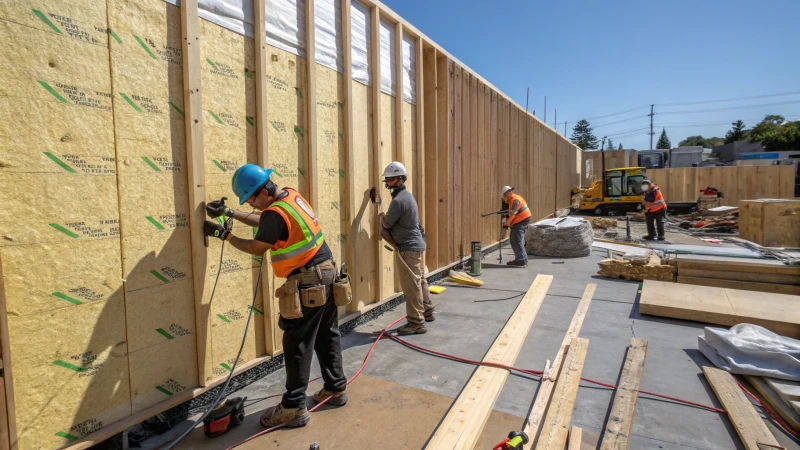
You might not give furring walls a second thought, but they quietly work wonders in the world of construction.
A furring wall is a clever construction hack, acting as a secondary layer that smooths out surfaces, boosts insulation, and keeps moisture in check. It’s like the unsung hero that prepares walls for finishes like drywall, ensuring everything looks seamless and performs at its best.
Now, if you’re like me, you probably appreciate how things work behind the scenes. That’s exactly what furring walls do—they enhance the efficiency of construction projects in ways you might not notice at first glance. From providing that perfect flat surface to managing pesky moisture issues, their role is crucial.
Diving into their benefits, you’ll find that they help in creating better-insulated spaces, which can significantly cut down on energy costs—a big plus if you’re running a project with tight budget constraints. Plus, when it comes to installation, they offer flexibility and ease, allowing for creativity in design without compromising functionality. This makes them a favorite among industry pros looking to blend aesthetics with practicality.
Furring walls are used to improve insulation.True
Furring walls create a gap for additional insulation, enhancing thermal efficiency.
Furring walls are only used on interior surfaces.False
They can be applied to both interior and exterior surfaces for leveling.
How Does a Furring Wall Improve Insulation?
Remember that feeling when a cold draft sneaks into your cozy living room? A furring wall might just be your unsung hero in this fight against the chill.
Furring walls improve insulation by creating a cavity for extra insulating materials, reducing thermal bridging, and providing barriers against moisture and noise. This results in better energy efficiency and comfort.

The Role of Furring Walls in Insulation
I remember standing in my first ever home renovation project, surrounded by bare walls and endless possibilities. It was then I learned the magic of furring walls. These aren’t just about aesthetics; they are an unsung hero in modern construction, adding an extra layer of insulation capabilities1 that transforms a house into a warm haven. By using furring strips, we create a space between the original wall and the new surface, which is perfect for stuffing in additional insulation like fiberglass or foam boards.
Benefits of Reduced Thermal Bridging
Back in those early days, I didn’t know the term "thermal bridging," but I certainly felt it—the way heat seemed to slip right out of our home through hidden paths. With furring walls, though, there’s a gap that acts like a bouncer at a club, stopping heat from sneaking out through conductive materials.
| Component | Impact on Insulation |
|---|---|
| Furring Strip | Reduces thermal bridging |
| Cavity | Allows for extra insulation |
Moisture and Sound Barrier Advantages
I can still recall the sound of raindrops echoing in my old apartment. That was before I learned how furring walls could act as both moisture barriers and sound shields. By creating an air gap, they prevent condensation and preserve insulation efficiency—no more damp walls or unwanted noise crashing my quiet evenings.
Material Considerations
Choosing the right materials was like picking the perfect outfit for a special occasion. For instance, mineral wool2 not only soundproofs but also resists moisture, making it ideal for pairing with furring walls.
Practical Application and Installation
In every project I’ve tackled since, paying attention to detail during installation has been crucial. Ensuring that furring strips are evenly spaced and securely fastened optimizes their insulating benefits. I always recommend consulting experts or reviewing detailed guides to sidestep common pitfalls.
Furring walls have become my go-to for enhancing energy efficiency and comfort without major structural changes. They help maintain stable temperatures and quiet spaces—making every home feel like a true sanctuary.
Furring walls reduce thermal bridging in buildings.True
Furring walls create a gap that minimizes direct contact between conductive materials.
Furring walls decrease a building's energy efficiency.False
They improve energy efficiency by enhancing insulation and reducing heat transfer.
What Are the Different Types of Furring Materials?
I remember the first time I tackled a major renovation, clueless about furring materials. It was like a lightbulb moment discovering how vital these materials are in shaping our spaces.
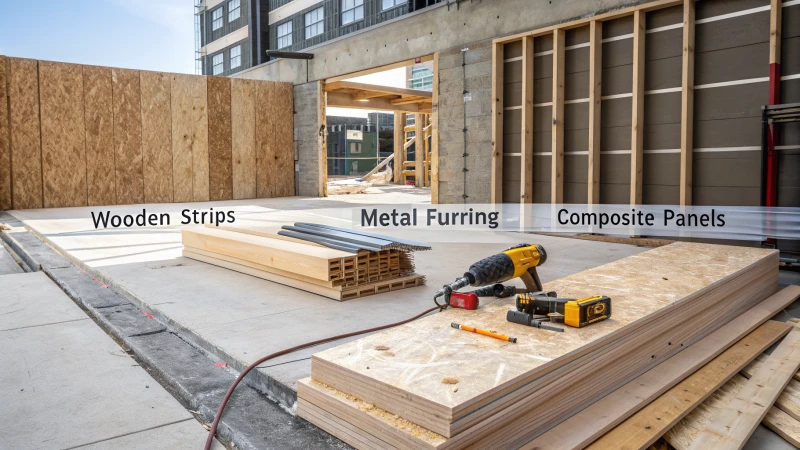
The main types of furring materials include wood, metal, and composite. Each type offers unique benefits: wood is economical and easy to work with; metal provides durability and moisture resistance; composite combines both advantages for specialized applications.
Wood Furring
Wood furring strips were my go-to for early DIY projects because they fit right into my budget and were super easy to handle. I could saw through them like butter, making them perfect for my small apartment revamps. But trust me, if you’re working in a humid place, be sure to think about moisture resistance3 unless you want them to end up warping or rotting—lesson learned the hard way!
| Type | Cost | Durability |
|---|---|---|
| Pine | Low | Moderate |
| Cedar | Moderate | High |
| Redwood | High | Very High |
Metal Furring
Then there was the time I tried metal furring for a commercial project. Wow, what a difference! Made from galvanized steel or aluminum, these babies don’t just stand up to moisture—they laugh at it. If you’re dealing with heavy installations or need something that won’t buckle under pressure, heavy installations4 call for metal every time.
Benefits of Metal Furring
- Corrosion-resistant: Galvanization prevents rust.
- Non-combustible: Adds safety in fire-prone areas.
- Eco-friendly: Often made from recycled materials.
Composite Furring
Composite furring was a revelation when I started working on more sustainable projects. Imagine the best of both worlds—wood’s warm look and metal’s sturdy feel. They were a game-changer for my eco-conscious clients who wanted sustainability5 without compromising on aesthetics or strength.
Key Features:
- Hybrid Design: Offers the aesthetic appeal of wood with the strength of metal.
- Versatile Applications: Suitable for both interior and exterior use.
- Customizable: Available in various sizes and finishes to meet specific project needs.
Exploring these options helps you make informed decisions that fit your project specs and budget. When choosing furring materials, weigh factors like load-bearing capacity, environmental conditions, and maintenance needs. If you’re still curious about which materials suit your needs best, explore more about furring materials6 and find the perfect match for your construction journey.
Wood furring is ideal for high-humidity areas.False
Wood furring is prone to warping in humid environments.
Metal furring is non-combustible and eco-friendly.True
Metal furring resists fire and often uses recycled materials.
How Do I Properly Install a Furring Wall?
Ever found yourself staring at an uneven wall, wondering how to make it perfect for drywall?
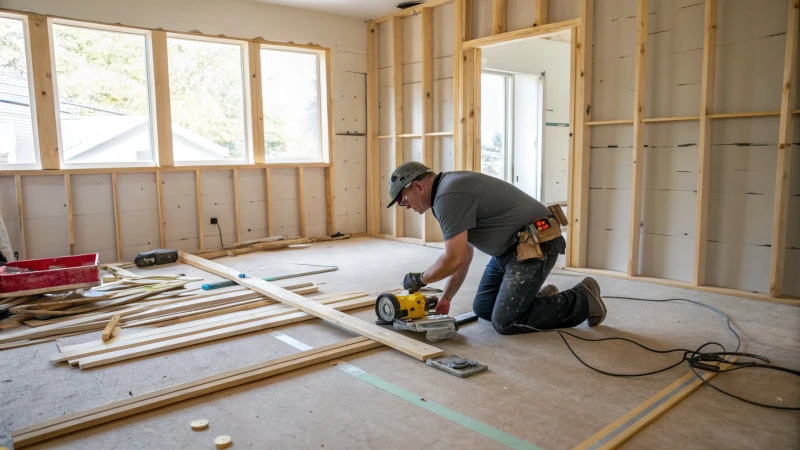
To properly install a furring wall, start by measuring the area and cutting your furring strips to size. Attach them either horizontally or vertically with screws or adhesive, ensuring they are level. This creates a smooth framework for drywall or paneling.
Understanding Furring Walls
Ah, furring walls – the unsung heroes in the world of DIY projects. I remember the first time I tackled one; it was a blend of excitement and a little anxiety. These structures are fantastic for leveling out uneven surfaces and providing that essential support for drywall or paneling. They can even boost insulation, making your home more energy-efficient.
Materials Needed
Before jumping in, let’s talk materials. Imagine the satisfaction of having everything you need right at your fingertips. Here’s what you’ll want:
- Furring strips: The backbone of your project, choose between wood or metal based on your preference.
- Screws or adhesive: These will hold your strips securely in place.
- Drill and bits: Trust me, a good drill is your best friend here.
- Level: No one likes a wonky wall.
- Measuring tape: Accuracy is key!
| Material | Purpose |
|---|---|
| Furring Strips | Framework for wall |
| Screws/Adhesive | Secure strips to surface |
| Drill & Bits | Drilling holes for screws |
| Level | Ensures strips are even |
| Measuring Tape | Accurate measurement for cuts |
Preparing the Surface
Preparation is half the battle won. Clean and dry surfaces make all the difference when it comes to adhesion7 and stability. Picture yourself working on a clean slate – it’s satisfying and sets you up for success.
Measuring and Cutting
Accuracy is your guiding star. Once, I thought eyeballing measurements would save time; let’s just say I’ve learned my lesson! Use a measuring tape to get precise lengths for each strip, ensuring a perfect fit for your wall dimensions.
Attaching the Furring Strips
Here comes the fun part – attaching the strips! Whether you’re going horizontal for vertical drywall or vertical for horizontal paneling, make sure each strip is level before securing it. A trusty drill will make this step smoother, especially on tough surfaces like concrete.
- Horizontal Installation: For vertical drywall, attach strips horizontally with equal spacing.
- Vertical Installation: If you’re going for horizontal paneling, place strips vertically.
Ensure each strip is level before securing with screws or adhesive using a drill if necessary.
Checking for Levelness
After installation, double-check that everything’s level. Uneven strips can lead to frustrating issues later on – it’s worth taking a few extra minutes now to avoid headaches in the future.
Final Steps
With your furring wall in place, you’ve built a solid framework ready to support your finishing materials. Reflecting back on my own projects, I can assure you that taking these careful steps makes a big difference in the durability and quality of the final outcome.
If you’re curious about how this could improve your space further, explore more about insulation benefits8 with furring walls.
Furring strips can be attached with screws or adhesive.True
Both screws and adhesive are commonly used to secure furring strips.
Furring walls are not suitable for uneven surfaces.False
Furring walls are specifically used to create flat surfaces on uneven foundations.
When Should You Use a Furring Wall Over Other Methods?
Ever found yourself staring at a bumpy wall and wondering how to fix it without a major overhaul? That’s when furring walls come to the rescue!
Furring walls are perfect for tackling uneven surfaces, boosting insulation, or when space is limited. They provide a budget-friendly way to enhance thermal and sound efficiency without taking up much room.
Addressing Uneven Surfaces
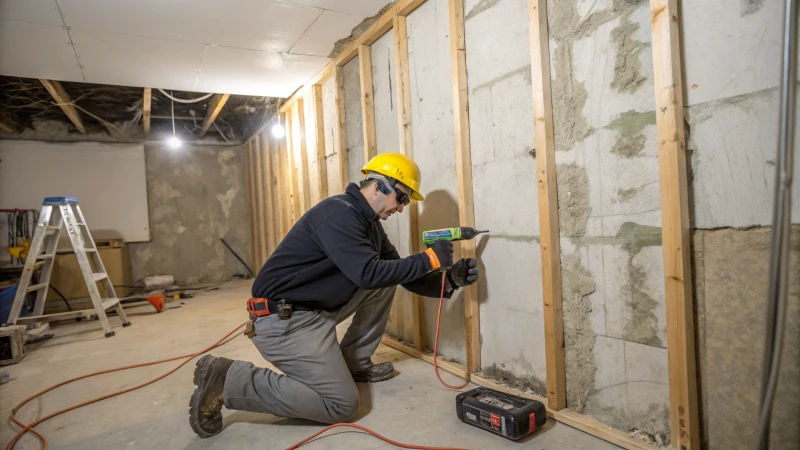
I remember the first time I faced a renovation challenge: an old building with walls that seemed to have a mind of their own, twisting and turning in ways walls shouldn’t. Furring walls9 became my saving grace. By installing furring strips, I quickly transformed those wavy surfaces into a smooth canvas ready for fresh drywall or elegant paneling. It was like giving the room a facelift without the hassle of tearing everything down.
Enhancing Insulation
One winter, I noticed my energy bills were through the roof. That’s when I decided to use furring walls to beef up the insulation in my home. Adding that extra layer not only kept the warmth in but also muted the outside noise. It was like wrapping my house in a cozy, soundproof blanket. The cost savings on heating and cooling were just the cherry on top.
Space Constraints
Living in a bustling city, I’ve learned that every inch of space counts. When renovating my cramped apartment, furring walls offered a slim solution that accommodated new wiring and piping without sacrificing living space. It felt like magic, having a sleek, modern setup without expanding the footprint.
Cost-Effectiveness
On a tight budget for one of my projects, furring walls were an absolute lifesaver. Instead of opting for a complete rebuild, using fewer materials and labor saved both time and money. The simplicity of installation meant less disruption and faster results, which kept everyone happy.
| Scenario | Benefits of Furring Walls |
|---|---|
| Uneven Surfaces | Creates a smooth, level surface for finishes |
| Insulation Needs | Enhances thermal efficiency and soundproofing |
| Space Constraints | Provides a slim profile accommodating utilities without major overhaul |
| Cost Considerations | Offers a budget-friendly solution with reduced labor and material use |
The versatility of furring walls has consistently proven invaluable in my construction projects. Whether it’s about aesthetics or efficiency, understanding when to use this method has saved me time, money, and quite a few headaches. For more insights into choosing the right construction method, explore our comprehensive guide10.
Furring walls are ideal for uneven surfaces.True
Furring walls create a smooth, level surface for finishes.
Furring walls require extensive reconstruction.False
They provide a slim profile, accommodating utilities without major overhaul.
Conclusion
Furring walls enhance construction by providing a smooth surface, improving insulation, managing moisture, and reducing noise, making them essential for energy efficiency and aesthetic appeal in building projects.
-
This link explores how furring walls specifically contribute to better insulation, offering detailed insights into their advantages. ↩
-
Discover the top materials that complement furring walls for optimal insulation performance, focusing on effectiveness and practicality. ↩
-
This link explains how moisture impacts wood furring strips, crucial for preventing warping or rotting in construction projects. ↩
-
Discover why metal furring is ideal for heavy installations, offering superior support compared to traditional wood. ↩
-
Learn about composite furring materials that focus on sustainability, balancing aesthetic appeal with environmental responsibility. ↩
-
Explore a comprehensive guide on various furring materials to find the best match for your project needs. ↩
-
Learn tips on achieving strong adhesion for stable and secure installations. ↩
-
Understand how furring walls contribute to better insulation and energy efficiency in homes. ↩
-
Discover how furring walls improve surface quality and accommodate other structural needs efficiently. ↩
-
Explore various construction methods to find the best fit for your project’s specific needs. ↩






