
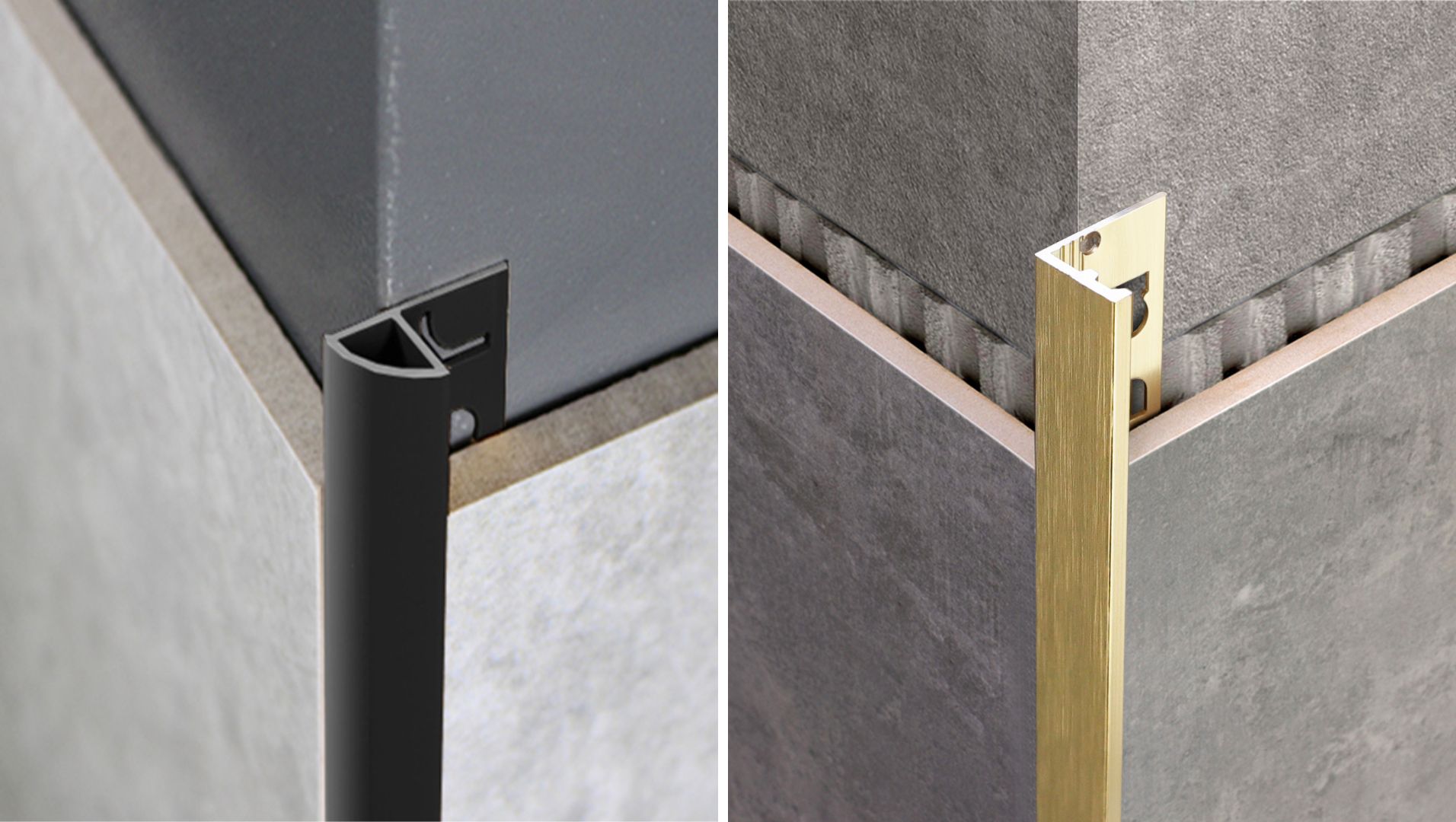
Choosing the right tile trim can transform your tiling project from ordinary to extraordinary!
When it comes to finishing a tiling project, selecting the right tile trim can make all the difference in aesthetics and longevity.
But wait! There’s more to this decision than meets the eye. Let’s explore the nuances of each option!
PVC tile trim is more cost-effective than aluminum.True
PVC is generally cheaper, ranging from $0.50 to $1.00 per foot, while aluminum costs $2.00 to $4.00.
What Are the Key Differences Between PVC and Aluminum Tile Trim?
Understanding the distinctions between PVC and aluminum tile trims is crucial for any tiling project.
PVC tile trim is lightweight and cost-effective, suitable for decorative purposes, while aluminum tile trim provides strength and longevity, ideal for high-impact areas.
Material Composition
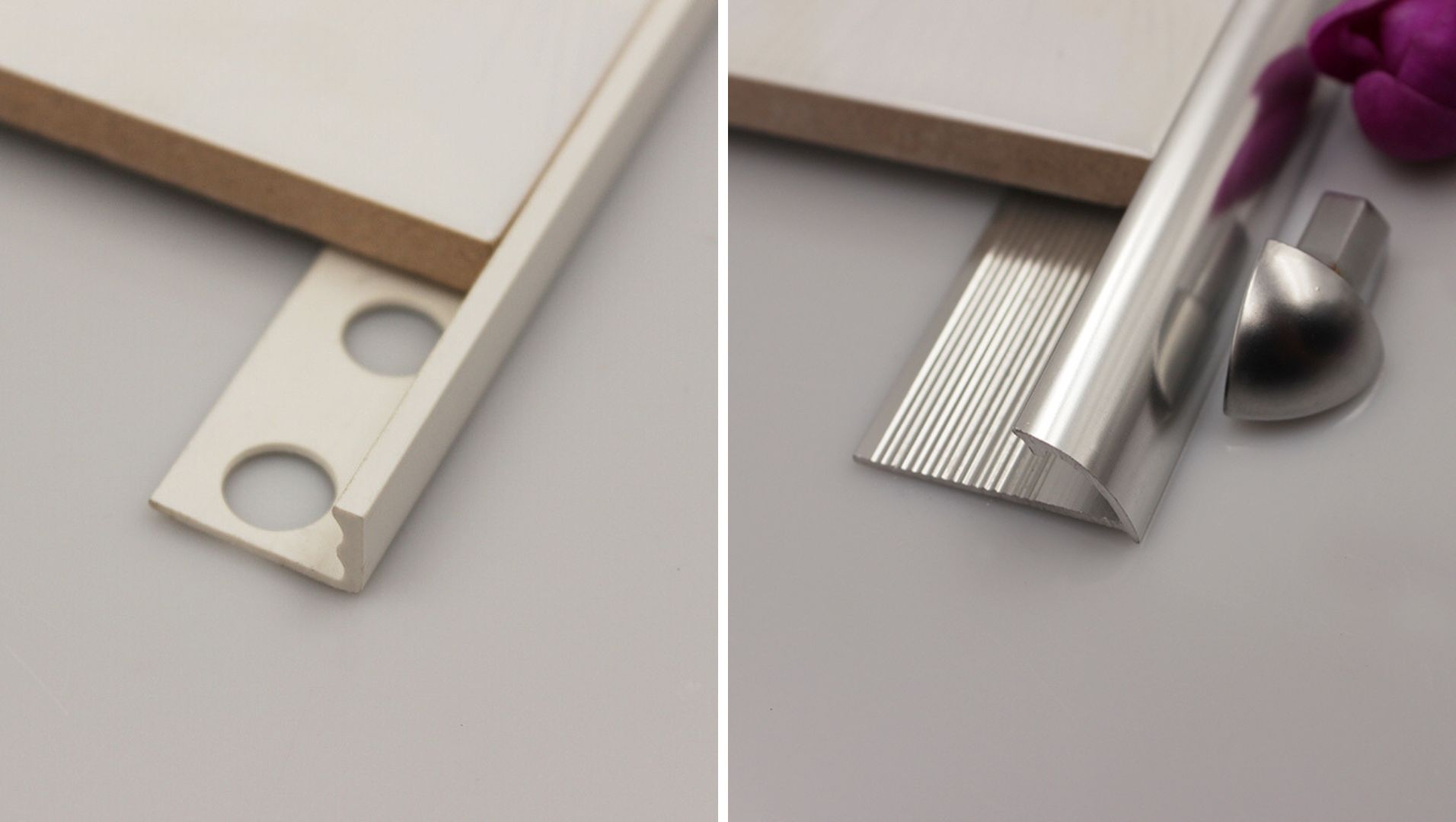
PVC (Polyvinyl Chloride) is a synthetic plastic polymer known for its flexibility and lightweight properties. It’s commonly used in construction due to its affordability and ease of handling. Aluminum, a metallic element, is renowned for its strength, durability, and resistance to corrosion.
Visual Appeal
PVC tile trims often come in a variety of colors and finishes, allowing for customization to match different interior designs. They have a softer look, making them suitable for residential spaces. Aluminum tile trims offer a modern, sleek appearance with a metallic finish that can complement contemporary aesthetics.
Durability and Maintenance
One of the most significant differences lies in durability. PVC is more susceptible to scratches and dents, making it less suitable for areas with high traffic or impact. It also may fade or discolor over time when exposed to UV light. In contrast, aluminum tile trims are highly durable, resist rust and corrosion, and maintain their appearance with minimal maintenance.
Applications
- Residential vs. Commercial: PVC is often used in residential projects where budget constraints are a priority, and the environment is less demanding. Aluminum is preferred in commercial settings or high-traffic areas due to its robust nature.
- Indoor vs. Outdoor: PVC is typically reserved for indoor use because it can degrade under harsh weather conditions, whereas aluminum can be used both indoors and outdoors without deteriorating.
Installation Process
PVC tile trim is easier to cut and install, which makes it a favorite among DIY enthusiasts. It requires fewer specialized tools compared to aluminum. Aluminum installation might require professional skills, particularly when cutting or bending to fit specific designs.
| Feature | PVC Tile Trim | Aluminum Tile Trim |
|---|---|---|
| Cost | Lower | Higher |
| Durability | Moderate | High |
| Weight | Lightweight | Heavy |
| Maintenance | Low | Very Low |
| Visual Options | Multiple colors/finishes | Limited finishes |
For further understanding of these materials’ applications and benefits, explore resources that detail their uses in various projects.
Aluminum tile trim requires professional installation skills.True
Aluminum cutting and bending may need professional expertise.
PVC tile trim is more durable than aluminum.False
PVC is less durable, prone to scratches and dents.
How Do Cost and Durability Compare Between PVC and Aluminum?
Choosing between PVC and aluminum tile trim impacts both your budget and your project’s lifespan.
PVC is cost-effective and best for low-impact areas, while aluminum is pricier but offers unmatched durability for high-traffic zones.
Cost Analysis: PVC vs. Aluminum
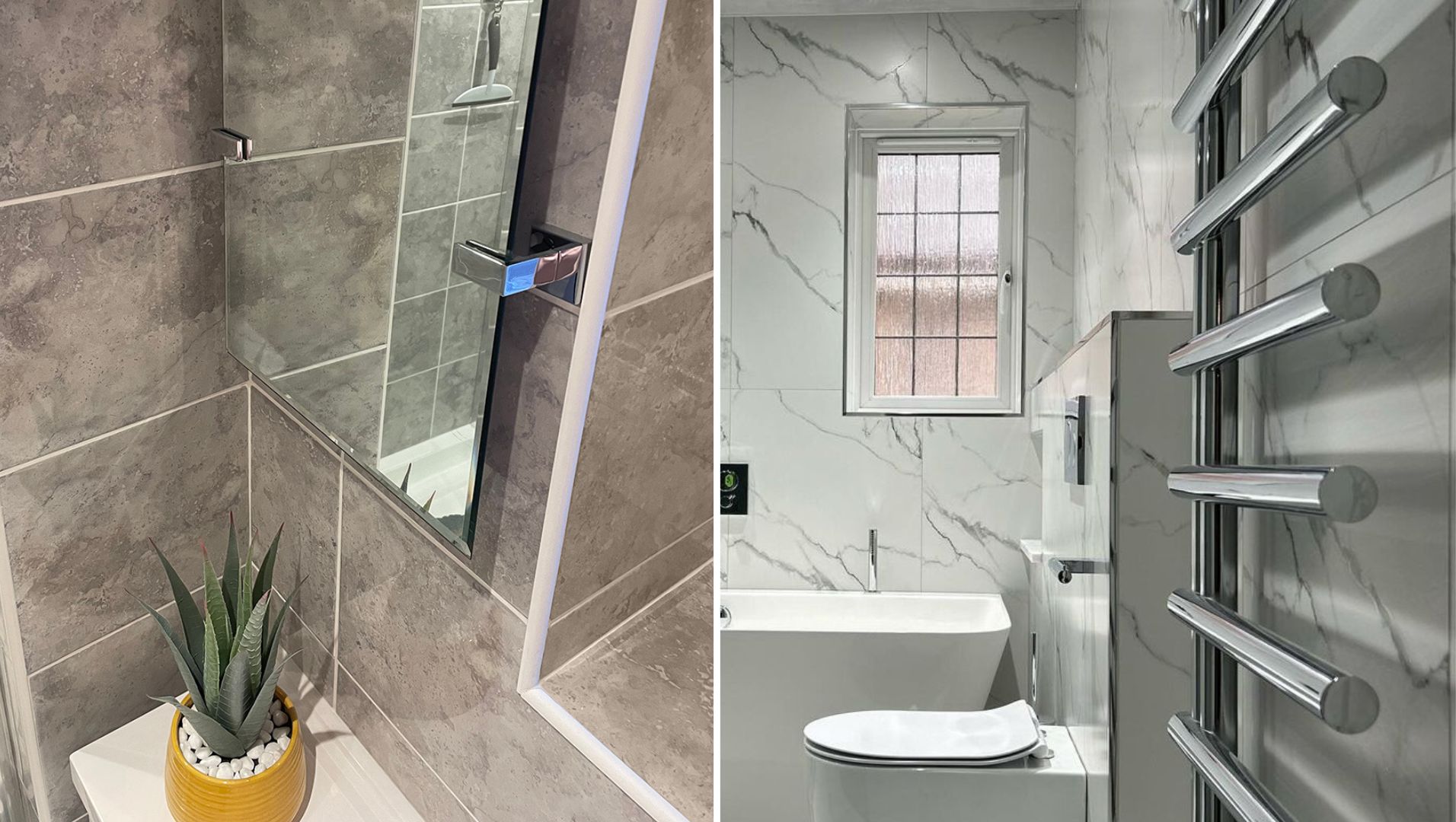
When it comes to pricing, PVC tile trim tends to be the more economical choice. This affordability makes it popular for residential projects where budget constraints are a concern. On average, PVC trim can cost anywhere from $0.50 to $1.00 per linear foot, depending on the supplier and specific style chosen.
Aluminum tile trim, however, commands a higher price point, typically ranging from $2.00 to $4.00 per linear foot. The cost is justified by its premium look and superior durability, which we’ll explore further.
| Material | Average Cost per Linear Foot |
|---|---|
| PVC | $0.50 – $1.00 |
| Aluminum | $2.00 – $4.00 |
Durability Considerations
The primary advantage of aluminum tile trim over PVC is its durability. Aluminum is resistant to impacts, scratches, and general wear and tear, making it ideal for high-traffic areas1 such as commercial spaces or bustling households.
On the other hand, PVC tile trim is more susceptible to dents and scratches, which may occur over time in busy environments. However, for areas with less foot traffic or for DIY projects where ease of installation is paramount, PVC remains a viable option.
Environmental Factors
The environment in which the tile trim will be used also affects its longevity. Aluminum does not warp or degrade when exposed to moisture, making it suitable for wet areas like kitchens or bathrooms. Conversely, while PVC is generally water-resistant, prolonged exposure to harsh sunlight or extreme temperatures can cause it to fade or become brittle over time.
Conclusion
Ultimately, the decision between PVC and aluminum tile trim should be guided by the specific needs of your project and the environmental conditions of the installation site. Consider both immediate costs and long-term durability when making your choice.
PVC trim is more durable than aluminum.False
Aluminum is more durable than PVC, ideal for high-traffic areas.
Aluminum trim is costlier than PVC.True
Aluminum costs $2-$4 per foot, while PVC costs $0.50-$1.
Which Tile Trim Is More Suitable for Bathrooms and Kitchens?
Choosing the right tile trim for bathrooms and kitchens is crucial to ensure both functionality and style.
For bathrooms and kitchens, aluminum tile trim is often more suitable due to its moisture resistance and durability, while PVC is preferred for its cost-effectiveness and ease of installation in lower-stress areas.
Evaluating Moisture Resistance
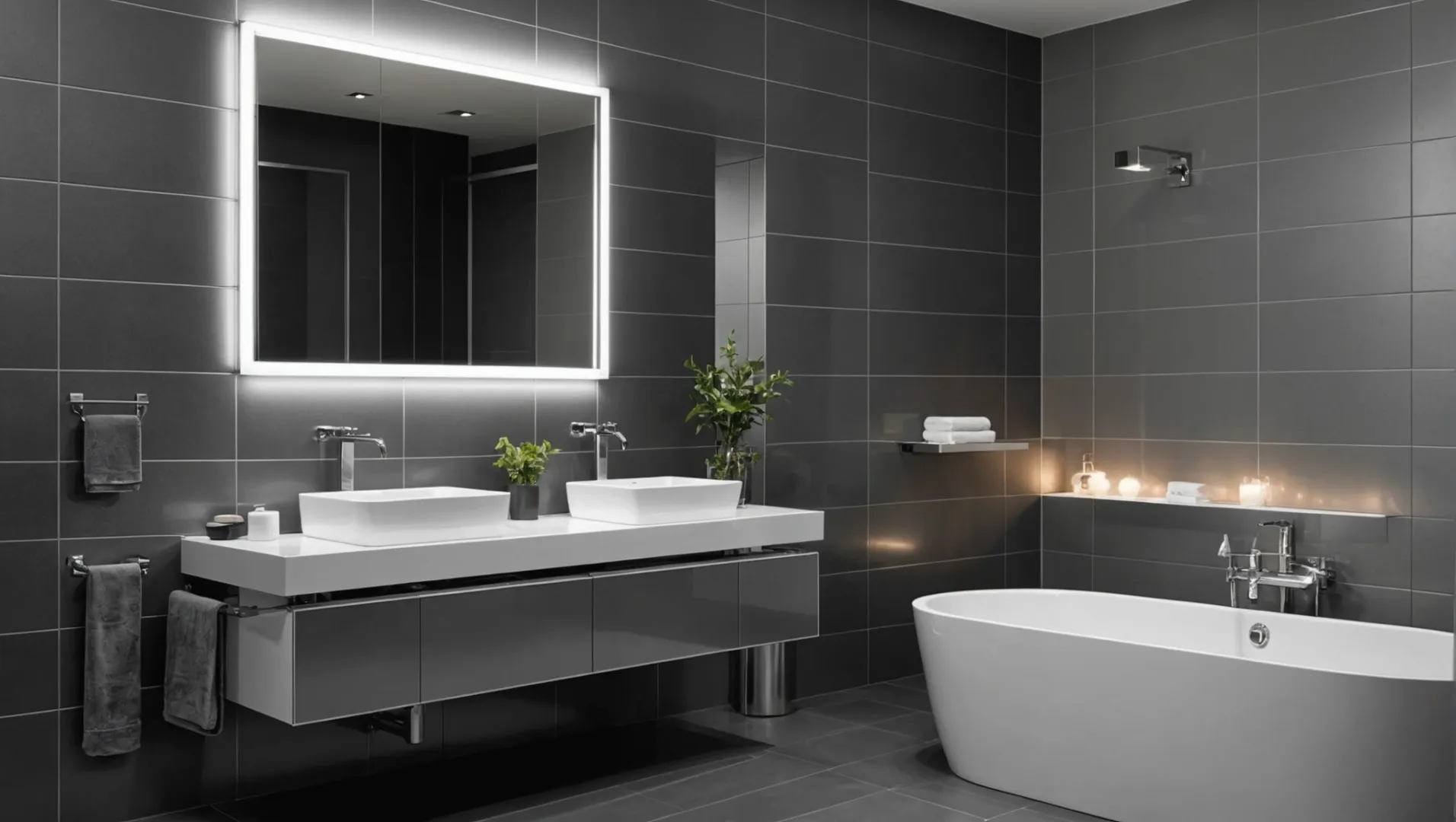
In both bathrooms and kitchens, moisture is a constant factor. Aluminum tile trim naturally resists rust and corrosion, making it ideal for areas exposed to water or steam. Its robust nature ensures that it won’t warp or deteriorate over time, providing a long-lasting finish.
PVC tile trim, although less resistant to moisture compared to aluminum, can still be suitable for areas with lower moisture exposure. It’s crucial to ensure that any gaps or seams are properly sealed to prevent water ingress, which can lead to mold or damage over time.
Aesthetic Versatility
Bathrooms and kitchens often have unique style considerations. Aluminum trim2 offers a sleek, modern look that complements contemporary design schemes. It comes in various finishes, from matte to polished, allowing for a customized aesthetic that can enhance the overall design.
PVC trim tends to be more limited in terms of finishes and colors. However, it can be painted to match any color scheme, offering a degree of customization. This makes it suitable for projects where the budget is tight but aesthetics cannot be compromised.
Budget Considerations
When budget constraints are a priority, PVC tile trim emerges as the more economical choice. Its lower cost and ease of installation make it a favorite for DIY enthusiasts or projects with tight financial limits.
Conversely, aluminum trim’s higher upfront cost can be offset by its longevity and reduced need for replacements or repairs. For homeowners planning long-term stays or commercial projects where durability is essential, this may prove to be more cost-effective in the long run.
Installation Ease
PVC tile trim is lighter and easier to cut, which simplifies the installation process, particularly for those opting for DIY projects. This can significantly reduce labor costs if professional installation isn’t necessary.
Aluminum trim requires more precision during installation due to its sturdier nature. It may require specialized tools and skills, potentially increasing labor costs but ensuring a more durable and professional finish.
Conclusion: Making the Right Choice
Ultimately, the choice between PVC and aluminum tile trim for bathrooms and kitchens hinges on balancing factors such as budget, desired aesthetic, and environmental conditions. For high-moisture environments with a modern aesthetic preference, aluminum is generally superior. Conversely, for cost-effective solutions with flexible design options, PVC may be more appropriate.
Aluminum tile trim resists moisture better than PVC.True
Aluminum is naturally resistant to rust and corrosion, ideal for wet areas.
PVC tile trim offers more finish options than aluminum.False
PVC is limited in finishes but can be painted; aluminum has more finishes.
What Are the Installation Considerations for Each Type of Tile Trim?
Proper installation of tile trim ensures both aesthetic appeal and structural integrity in your project.
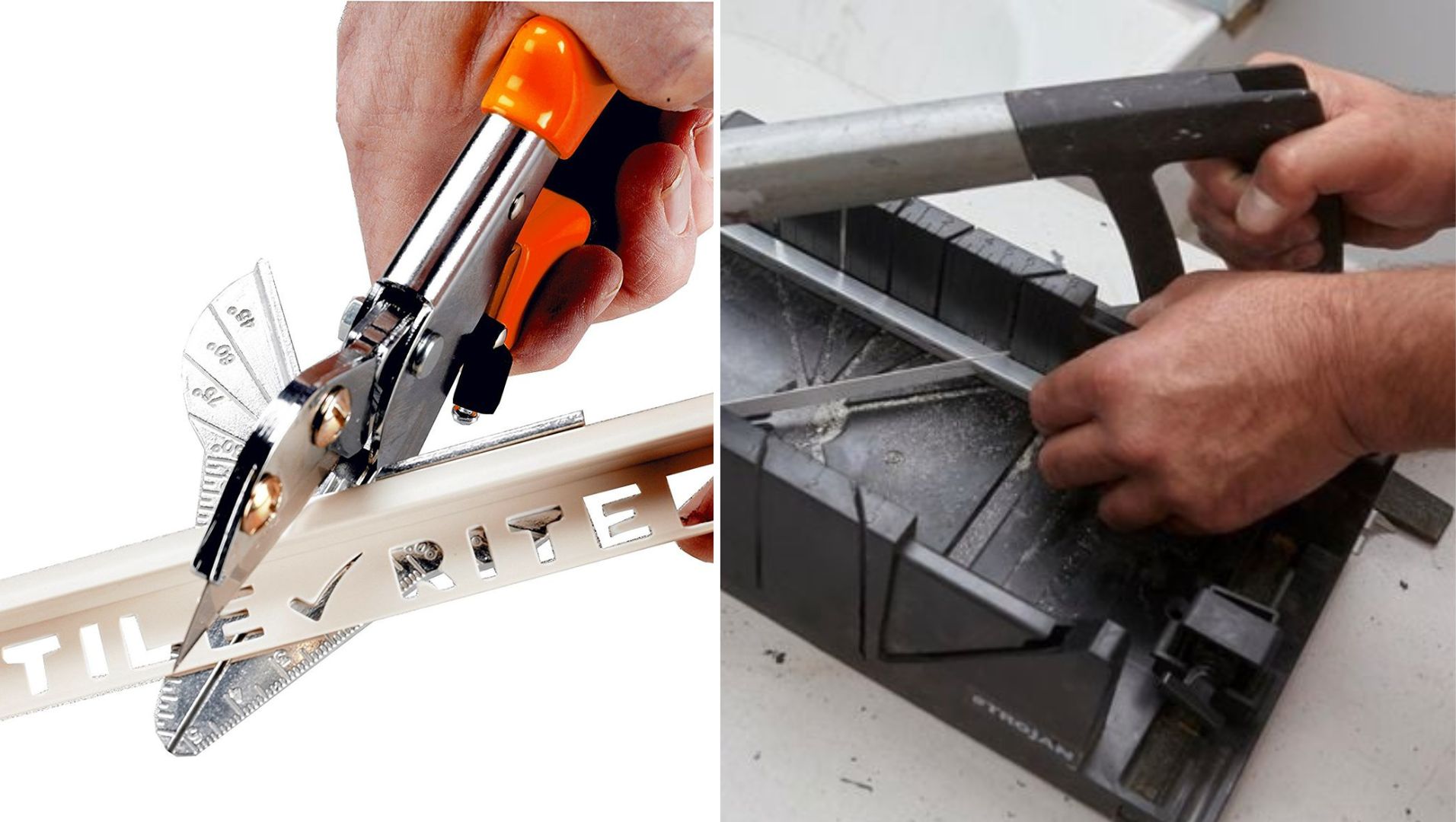
PVC tile trim requires less precision and can be cut with standard tools, making it suitable for DIY enthusiasts. Aluminum tile trim, though sturdier, often necessitates specialized tools for cutting and precise installation, ensuring a clean finish in professional settings.
Tools and Materials Needed
For PVC tile trim3:
- Cutting Tools: You can use simple tools like a hacksaw or utility knife.
- Adhesives: Standard tile adhesive or even a strong double-sided tape can suffice for securing PVC trims.
- Finishing Tools: Basic sandpaper can smooth out any rough edges after cutting.
In contrast, aluminum tile trim4:
- Cutting Tools: Requires a miter saw or an angle grinder with a suitable blade for metal.
- Fasteners: Screws or nails might be needed, especially in high-traffic areas to ensure stability.
- Finishing Tools: A metal file or deburring tool is essential to avoid sharp edges post-cutting.
Surface Preparation
For both types of trims, ensure that:
- The edges of the tiles are clean and free from debris.
- The surfaces are dry to allow adhesive bonding effectively.
Installation Techniques
PVC Tile Trim
PVC is forgiving and allows for slight adjustments during installation. Its flexibility also means it can be used on slightly uneven surfaces without compromising on the finish. This makes it ideal for DIY enthusiasts who might not have access to professional-grade tools.
Aluminum Tile Trim
Aluminum requires a bit more precision. Ensure that the tiles are perfectly aligned before installation since adjustments post-installation are challenging. The rigid nature of aluminum means it is less forgiving on uneven surfaces, so careful planning is necessary.
Environmental Considerations
- Moisture Levels: PVC is naturally resistant to moisture, making it great for bathrooms and kitchens. Aluminum, though resistant to rust, should be coated or anodized if used in wet environments to prevent corrosion over time.
- Temperature Fluctuations: Aluminum expands and contracts with temperature changes. It’s crucial to consider expansion gaps during installation in areas exposed to significant temperature variations.
By understanding these considerations, you can ensure that your tile trim not only enhances the look of your space but also lasts for years to come.
PVC tile trim can be cut with a utility knife.True
PVC is soft and flexible, allowing it to be easily cut with basic tools.
Aluminum tile trim is ideal for uneven surfaces.False
Aluminum is rigid and requires precise alignment, not suitable for uneven surfaces.
Conclusion
Ultimately, weigh your project’s needs against the benefits of each trim material to make an informed choice.
-
Learn why aluminum is perfect for high-traffic areas.: It has tensile strength and can also resist corrosion which contributes to durability which makes it suitable for homes and business entities. ↩
-
Discover why aluminum trim excels in moist environments.: Aluminium tile trim has very high factors of durability and strength but it is also resistant to moisture, chemicals, and the environment. ↩
-
Discover essential tools and techniques for installing PVC tile trims.: Find PVC tile tools & supplies at Lowe’s today. Shop tile tools & supplies and a variety of flooring products online at Lowes.com. ↩
-
Explore the best tools for cutting aluminum tile trims efficiently.: Aluminum Blade and Replacement · VEVOR. Tile Cutter 48 in. Manual Tile Cutter with 0.6 in. Aluminum Blade and Replacement Blade Non slip hand grip. ↩






