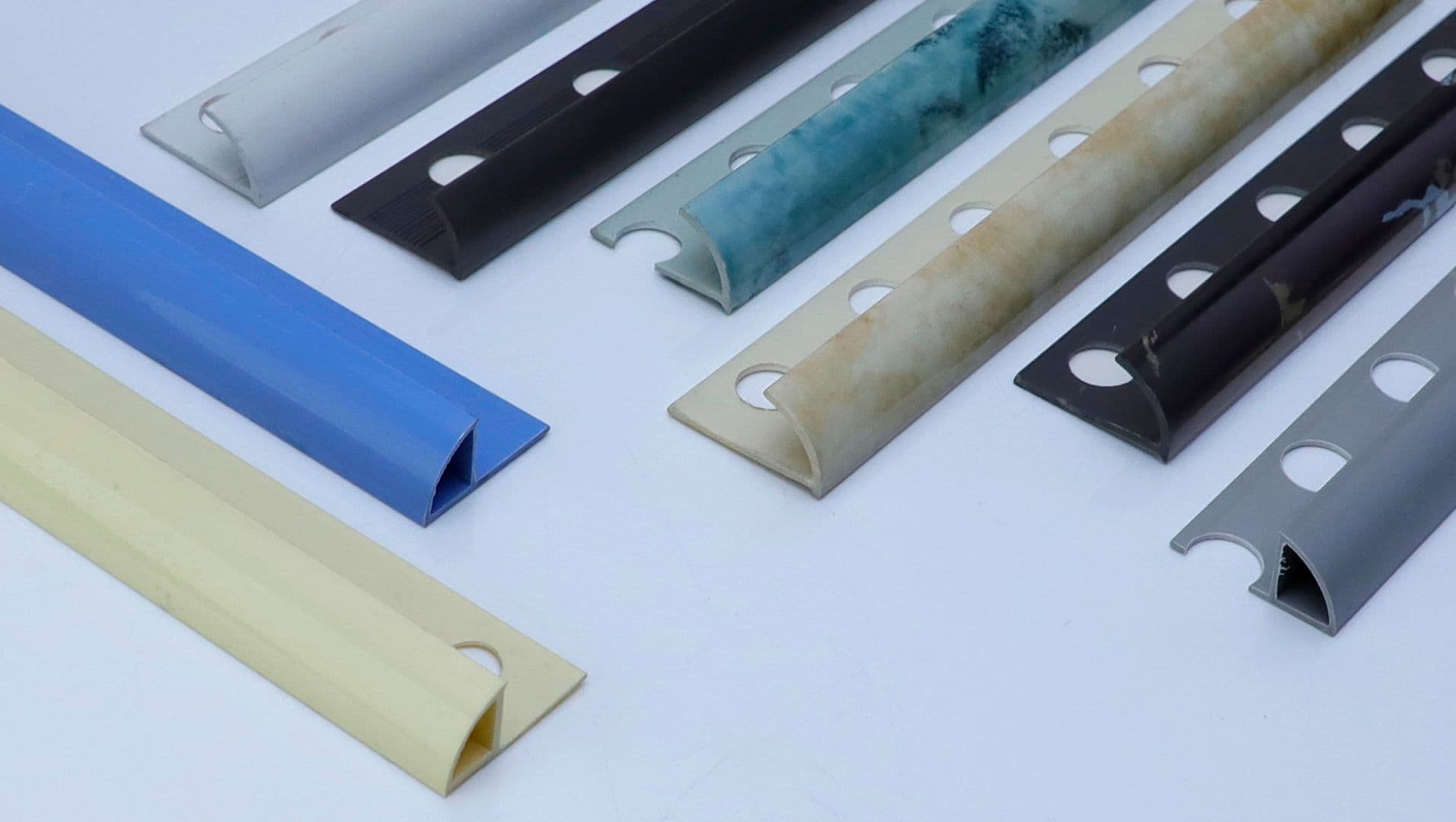
Ever found yourself stuck choosing the right finishing touch for your tiles? I’ve been there too, and PVC tile trims were my lifesaver.
PVC tile trims, made from polyvinyl chloride, are your go-to for durable, water-resistant, and cost-effective tiling solutions. They’re light and easy to install, perfect for wet zones like bathrooms and kitchens.
PVC tile trims aren’t just about utility; they add a touch of finesse to your tiling projects. I remember when I first installed them in my kitchen. Not only did they streamline the look, but they also gave me peace of mind with their water-resistant properties. They’re particularly great if you’re like me—someone who appreciates a blend of function and style without breaking the bank. In this guide, I’ll share more insights on how you can make these versatile trims work for you.
PVC tile trim is water-resistant.True
PVC's resistance to moisture makes it ideal for wet areas.
PVC tile trim is heavier than metal alternatives.False
PVC is lighter and easier to work with than metal trims.
What Makes PVC Tile Trims a Popular Choice for Bathrooms and Kitchens?
Imagine stepping into a kitchen or bathroom that not only looks great but is built to last. PVC tile trims make this possible with their incredible durability and sleek look.
PVC tile trims are popular for their water resistance, durability, and affordability, making them perfect for bathrooms and kitchens. They’re easy to install, offering a budget-friendly alternative without sacrificing quality.
Durability and Longevity
When I was first planning my bathroom renovation, I wanted something that wouldn’t just look good but would last through the years. That’s when I stumbled upon PVC tile trims1. These trims are made from polyvinyl chloride, which means they resist chipping, cracking, and breaking. This durability is a game-changer for areas like kitchens and bathrooms where foot traffic can be intense. Over time, this robustness has saved me from frequent maintenance and replacement costs.
Water Resistance
Bathrooms and kitchens deal with a lot of moisture, right? I used to worry about water damage constantly. But with PVC tile trims, water absorption isn’t an issue. They don’t let mold or mildew form because they simply don’t soak up moisture. This quality keeps them looking pristine for years—something I truly appreciate as it saves me from frequent clean-ups.
Lightweight and Easy to Install
Honestly, I’m no DIY expert. So, when I learned that PVC trims2 are lightweight and easy to handle, I was relieved. Installing them myself was simpler than I imagined. This ease reduced the need for professional help, keeping both time and labor costs low.
Cost-Effectiveness
I was working on a tight budget during my renovation. PVC tile trims were more affordable than metal or stone options, yet they didn’t compromise on quality. This cost-effectiveness was crucial in helping me stick to my budget while still achieving a high-quality finish.
Aesthetic Versatility
Aesthetically speaking, I’m all about having options. PVC tile trims3 come in various colors and finishes. Whether you’re into modern vibes or prefer something more classic, there’s a trim for that look. This versatility allowed me to bring my vision to life without sacrificing the practical benefits I needed.
PVC tile trim is water-resistant.True
PVC's moisture resistance makes it ideal for wet areas like bathrooms.
PVC tile trim is heavier than metal alternatives.False
PVC is lightweight, making it easier to handle than metal trims.
How Do PVC Tile Trims Compare to Metal or Stone Alternatives?
Remember when you first decided to renovate your space? The tile trim you choose can make all the difference, blending practicality with style.
PVC tile trims are a fantastic choice if you’re looking for something lightweight, budget-friendly, and perfect for wet areas. Meanwhile, metal offers unmatched durability, and stone adds a touch of luxury. Each has its strengths, depending on what your project needs.
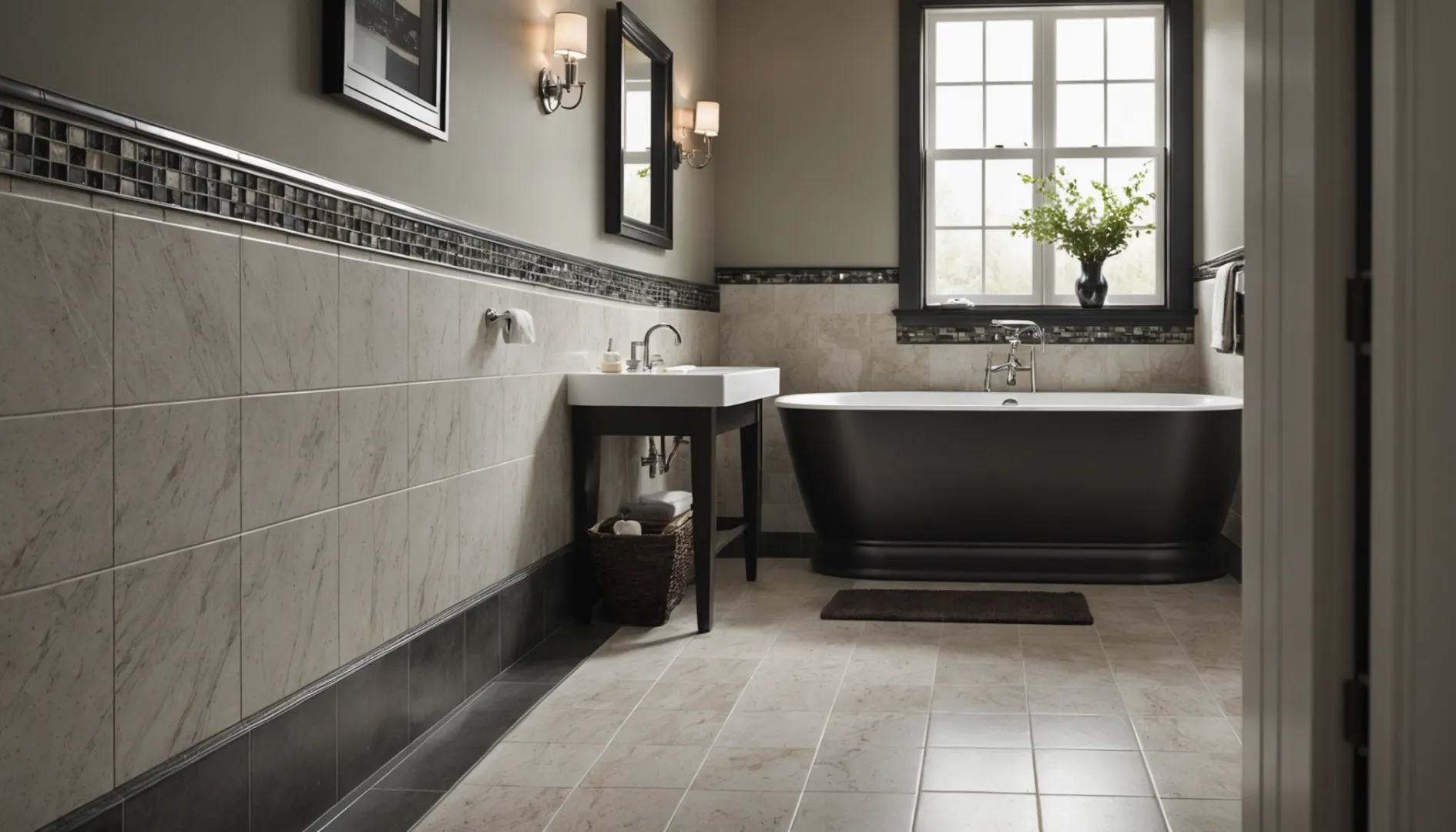
Durability and Strength
When I first embarked on my home renovation journey, I quickly realized the importance of durability4. Metal trims stood out to me as a powerhouse of strength, especially aluminum or stainless steel. They’re the champions of withstanding heavy impacts, making them perfect for bustling areas like my kitchen, where pots and pans seem to fly around like it’s a circus.
On the flip side, PVC trims caught my eye for their flexibility. Although they’re not as tough in terms of impact resistance, this flexibility can actually prevent cracks. It’s like they adapt and bend without breaking—something I wish I could do during those stressful renovation days! Stone trims, while quite durable, reminded me of that fancy dinnerware I keep for special occasions—beautiful but prone to chipping if you’re not careful.
Cost Considerations
Let’s talk money because who isn’t on a budget when renovating? PVC trims were my wallet’s best friend—cost-effective5 without skimping on the essentials. They made me feel like I was getting a bargain without settling.
Metal trims came in at a mid-range price but promised longevity, which felt like an investment more than a cost. And stone, oh stone! Gorgeous but the most expensive option. It felt like buying a designer handbag—definitely worth it if it’s within your budget, adding a touch of luxury to your space.
Aesthetic Appeal
I have a soft spot for aesthetics; after all, who doesn’t want their space to look like a page from a design magazine? PVC trims offer a rainbow of colors and finishes, allowing for creativity and personal expression. However, they might not scream "luxury," which is sometimes what you’re after.
Metal trims6, with their sleek and modern flair, fit seamlessly into contemporary styles. I could imagine them polished to perfection or brushed for that edgy vibe.
And then there’s stone, with its timeless elegance. It offers a natural beauty that’s hard to beat but requires careful selection to ensure harmony with your overall design theme.
Maintenance and Installation
Having wrestled with various DIY projects, I truly appreciated how easy PVC trims were to install. Their lightweight nature made handling them less of a workout compared to heftier metal or stone options.
Maintenance-wise, PVC was a breeze—water-resistant7 and non-corrosive. Metal required a bit more upkeep with occasional polishing to keep that shine alive, while stone needed sealing to fend off stains and moisture.
PVC tile trim is more water-resistant than metal trim.True
PVC's synthetic polymer structure offers superior moisture resistance.
Metal tile trim is lighter than PVC tile trim.False
PVC is generally lighter than metal, making it easier to handle.
Why Should I Choose PVC Tile Trims for My Home Renovation?
Ever thought about how a simple trim can transform your home renovation? PVC tile trims might just be your secret weapon.
PVC tile trims are perfect for home renovations due to their water resistance, durability, lightweight nature, and cost-effectiveness, especially in moisture-heavy areas like kitchens and bathrooms.
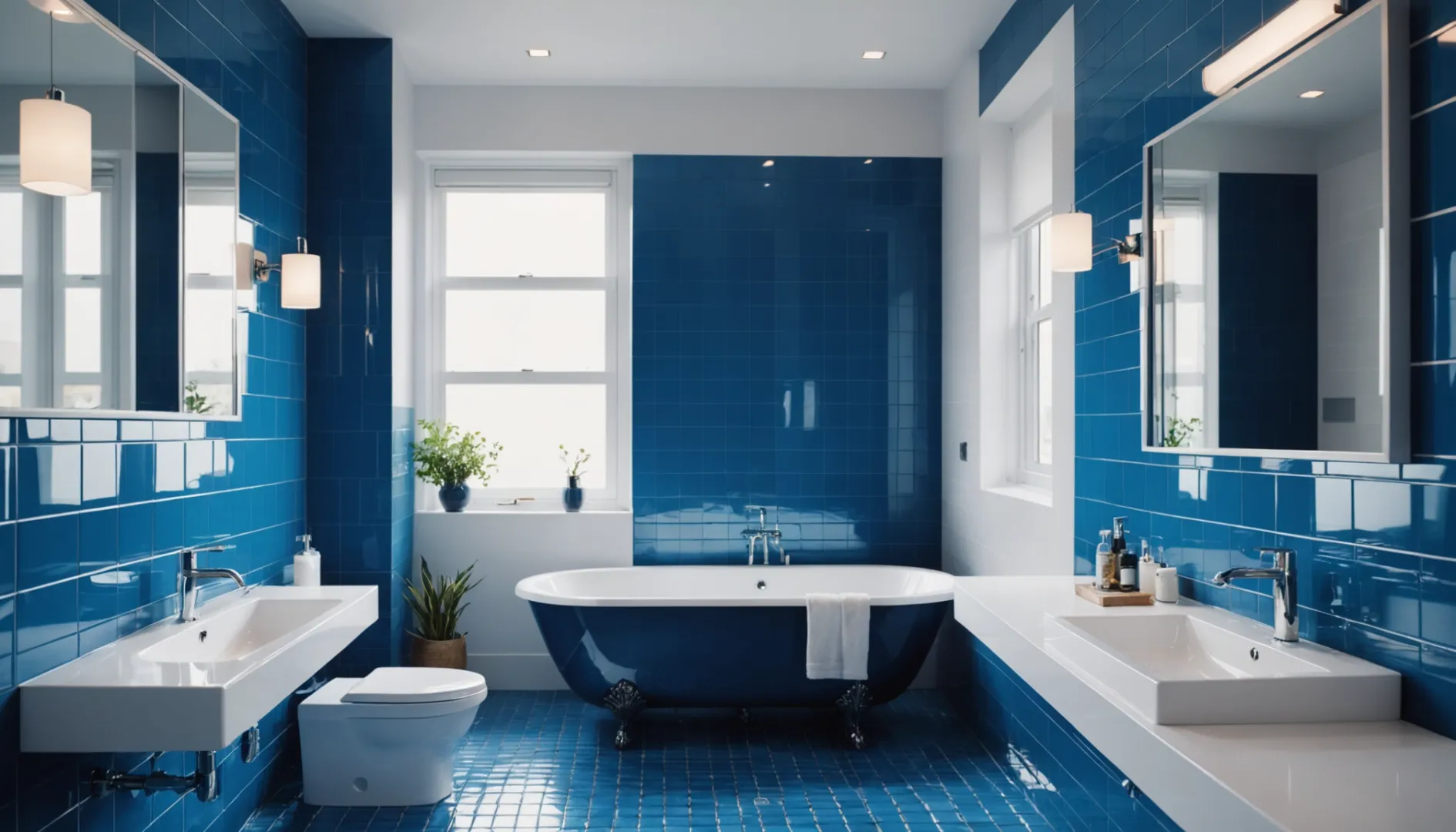
I remember the first time I tackled a bathroom renovation—it was an eye-opener. The constant battle against moisture was something I hadn’t fully anticipated. That’s when I discovered the magic of PVC tile trims.
Water Resistance: A Must-Have for Wet Areas
One of the standout features of PVC tile trims is their exceptional water resistance8. This quality makes them particularly suitable for areas prone to moisture, such as bathrooms and kitchens. Unlike some materials that may absorb water and eventually degrade, PVC maintains its integrity over time, reducing the risk of mold and mildew growth.
Durability That Stands the Test of Time
When investing in home renovations, longevity is a crucial factor. PVC tile trims are known for their durability9, resisting chipping and cracking even in high-traffic areas. This ensures that the beauty and functionality of your tiles remain intact for years. The resilient nature of PVC also means fewer repairs or replacements, saving both time and money.
Lightweight and Easy to Install
Another benefit of PVC tile trims is their lightweight nature. This makes them easier to handle and install compared to heavier materials like metal or stone. For DIY enthusiasts or those looking to cut down on labor costs, PVC‘s lightweight property10 can be a significant advantage.
Cost-Effectiveness Without Compromising Quality
Budget-conscious renovators will appreciate the cost-effectiveness of PVC tile trims. They typically come at a lower price point than their metal counterparts, yet do not compromise on quality or aesthetic appeal. This affordability allows homeowners to invest in other aspects of their renovation projects without overspending.
Versatile Design Options to Suit Any Style
PVC tile trims are available in a wide range of designs and finishes, enabling homeowners to match them perfectly with their existing décor. Whether you prefer a sleek modern look or a classic touch, there’s a PVC option to meet your aesthetic needs. Explore the various design possibilities11 that can elevate your space’s style effortlessly.
Every time I walk into my newly renovated bathroom, I’m reminded of how these simple trims have not only elevated the look but also saved me countless headaches over maintenance. If you’re contemplating your next renovation, give PVC tile trims a thought—they might just be the ally you need in your home improvement journey.
PVC tile trim is water-resistant.True
PVC's moisture resistance makes it ideal for wet areas like bathrooms.
PVC tile trim is heavier than metal alternatives.False
PVC is lighter than metal, making it easier to handle in projects.
How do you properly install PVC tile trims for a professional look?
Ever tackled a home project that seemed simple but needed a bit more finesse than expected? Installing PVC tile trims might just be that project.
To install PVC tile trims properly, begin by measuring accurately and using the right tools. Dry-fit the trims to ensure perfect alignment before applying adhesive. Use a miter box for precise cuts, and clean up excess adhesive immediately for a polished finish.
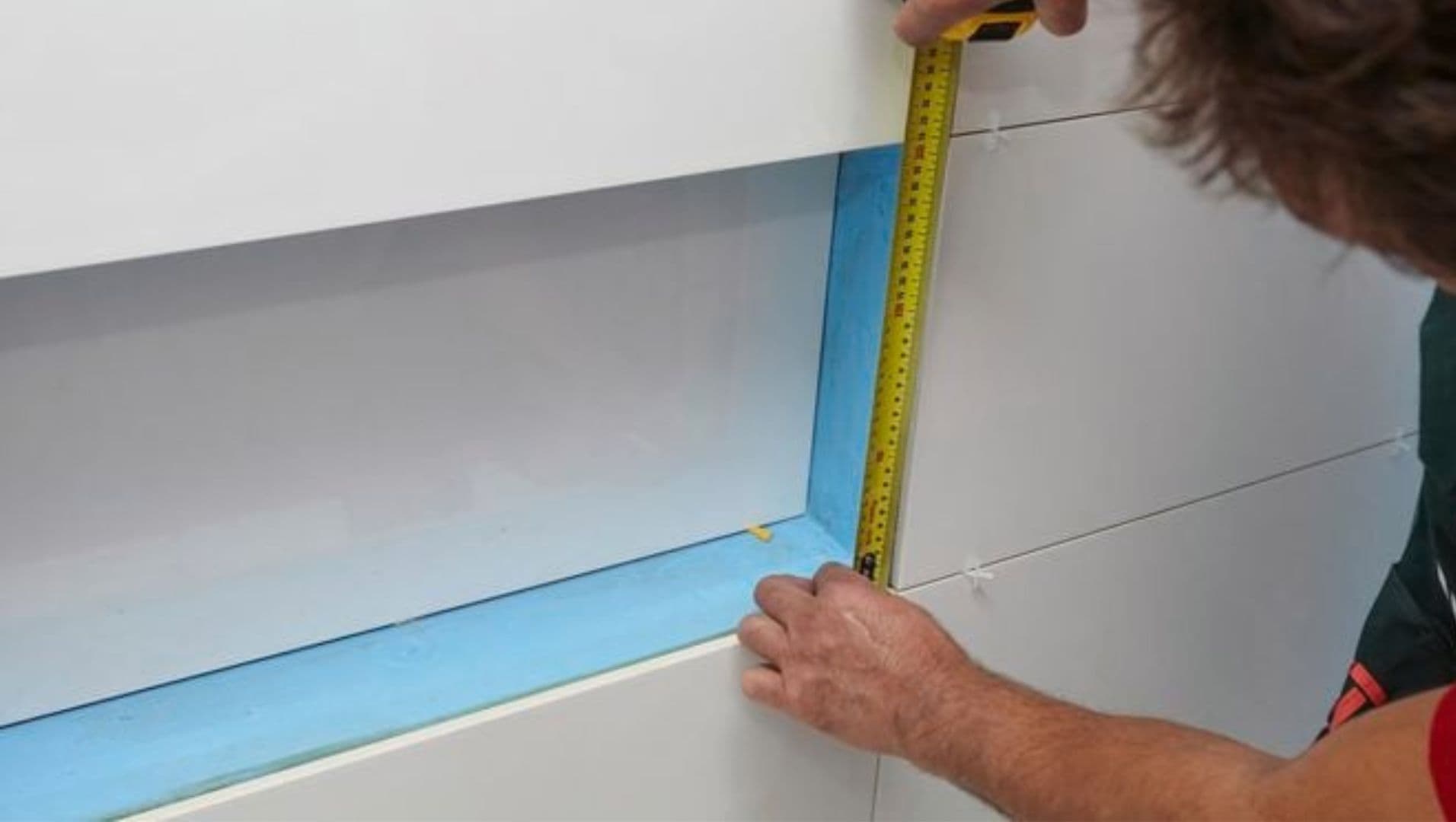
Planning and Measuring
Before diving in, I found that a good plan is half the battle won. Take precise measurements of the area where you’ll be installing the trim. I remember using a laser measuring tool12 for my kitchen backsplash—it was a game-changer, especially for those pesky corners. Accurate measurements help you avoid buying too much or too little trim, saving both time and money.
Cutting PVC Tile Trims
Cutting trims might sound daunting, but with the right tools, it can be quite satisfying. I recommend using a miter box or a power saw with a fine-tooth blade for those crisp cuts. When I first tried my hand at angled cuts for the bathroom, practicing on spare pieces saved me from potential disaster. Precision here prevents gaps and enhances the overall beauty of your tiling project.
Choosing the Right Adhesive
The adhesive choice is crucial. I learned this lesson the hard way when the wrong glue led to wobbly trims. Go for PVC-specific adhesives—they offer strong bonding properties. Spread it evenly on the back of the trim and press firmly into place. Trust me, following the adhesive manufacturer’s guidelines13 can save you from common bonding blunders.
Dry-Fitting and Installation
Dry-fitting is like a dress rehearsal; it’s your chance to check everything before making it permanent. Lay out the trims without adhesive to ensure they align perfectly with your tiles. This step is crucial, as I once had to adjust multiple trims in my bathroom after realizing they weren’t lining up right. Once you’re happy with the fit, go ahead and secure each piece.
Finishing Touches
After installation, a damp cloth will be your best friend for wiping away any excess adhesive. This little step prevents staining and gives your project that polished look. For added protection in wet areas like bathrooms, consider applying silicone sealant along the edges—this has saved my tiles from water damage countless times.
By incorporating these strategies, you’ll achieve professional results in your PVC tile trim project. It’s all about attention to detail and patience, but trust me, the end result is worth every bit of effort.
PVC tile trim is water-resistant.True
PVC is highly resistant to moisture, ideal for wet areas.
PVC tile trim is heavier than metal alternatives.False
PVC trim is lighter and easier to work with than metal.
What Are the Drawbacks of Using PVC Tile Trims?
Ever wonder if PVC tile trims are the perfect fit for your home project?
PVC tile trims are affordable and water-resistant, but they may discolor and lack heat resistance. Consider these factors to make the right choice for your tiling project.
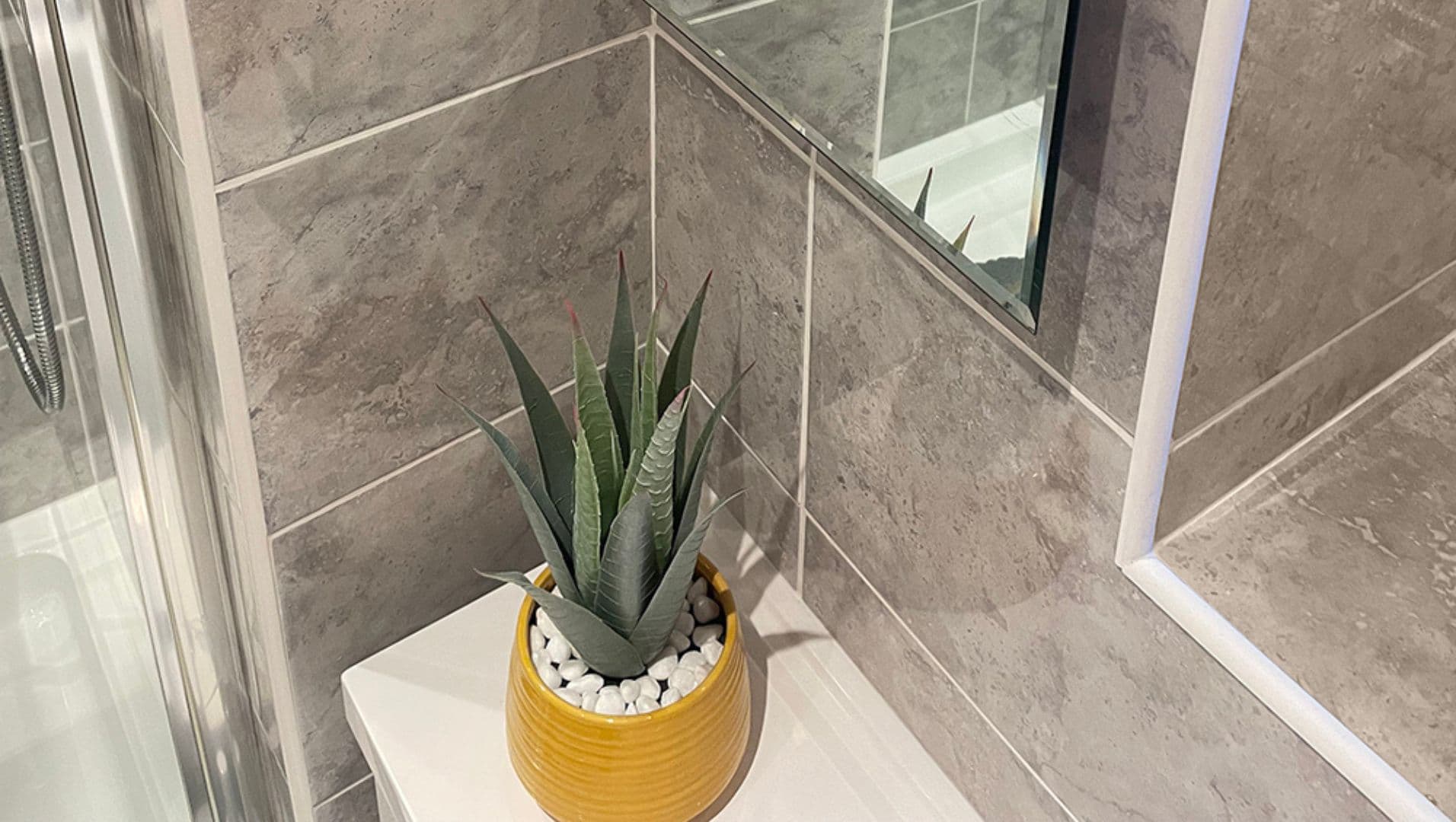
Limited Heat Resistance
When I first started exploring tile trims, PVC seemed like a no-brainer—affordable and easy to install. But then I found out about its struggles with heat. I remember standing in my kitchen, feeling the warmth from the oven, and wondering if those PVC trims might warp someday. They can’t handle high temperatures like metal trims can, so if you’re planning to use them near fireplaces or in hot outdoor spaces, it might be worth checking out metal alternatives14.
Potential for Discoloration
I once had this beautiful, gleaming white PVC trim in my bathroom. Over time, though, it started turning yellow, especially after using some strong cleaning agents. It was a bit of a bummer seeing it not match the rest of the decor. If you want to avoid this issue, considering UV-resistant coatings15 could help maintain that fresh look longer.
Environmental Concerns
As someone who’s always tried to be eco-conscious, learning about the chemicals involved in making PVC gave me pause. The environmental impact during production and disposal is definitely something to think about. If you’re like me and want to keep things green, looking into sustainable trim options16 could be a better fit for your values.
Aesthetic Limitations
While browsing through trim options, I noticed that PVC just couldn’t capture the elegance of stone or high-quality metal. Sure, they come in various designs, but if you’re aiming for that luxurious finish, you might want to see how different materials17 stack up in terms of design and finish.
Durability Compared to Alternatives
PVC trims are pretty tough against chips and cracks, but they don’t quite measure up to metal or stone when it comes to withstanding heavy impacts. When I was redoing a high-traffic area in my house, I realized that durability was crucial. If you’re in a similar boat, looking into more robust materials18 could save you from frequent replacements and maintenance headaches.
PVC tile trim is more heat resistant than aluminum.False
PVC has lower heat resistance compared to aluminum, which withstands higher temperatures.
PVC tile trim is less expensive than metal alternatives.True
PVC is generally cheaper due to lower material and manufacturing costs compared to metal.
Conclusion
PVC tile trims are lightweight, durable, and water-resistant, making them ideal for bathrooms and kitchens. They offer a cost-effective solution without compromising on style or functionality.
-
Discover detailed benefits that make PVC trims ideal for tiling projects. ↩
-
Learn step-by-step installation tips for PVC tile trims. ↩
-
Explore various color options to suit different home decors. ↩
-
Explore how different materials withstand wear over time. ↩
-
See a detailed cost analysis across different tile trim options. ↩
-
Discover visual styles offered by various tile trim materials. ↩
-
Learn why PVC’s water resistance is ideal for wet areas. ↩
-
Learn why PVC’s water resistance is crucial for wet areas. ↩
-
Understand how PVC’s durability enhances longevity. ↩
-
Find out how easy installation can be with PVC. ↩
-
Explore design options available with PVC trims. ↩
-
A laser tool ensures accurate measurements, preventing costly mistakes. ↩
-
Guides you in selecting adhesives that ensure strong bonding. ↩
-
Discover why metal trims might suit high-temperature areas better. ↩
-
Find solutions to prevent discoloration in sunlight-exposed areas. ↩
-
Explore sustainable alternatives to traditional PVC trims. ↩
-
See visual comparisons of different tile trim materials. ↩
-
Learn about durable materials that withstand wear in busy zones. ↩