
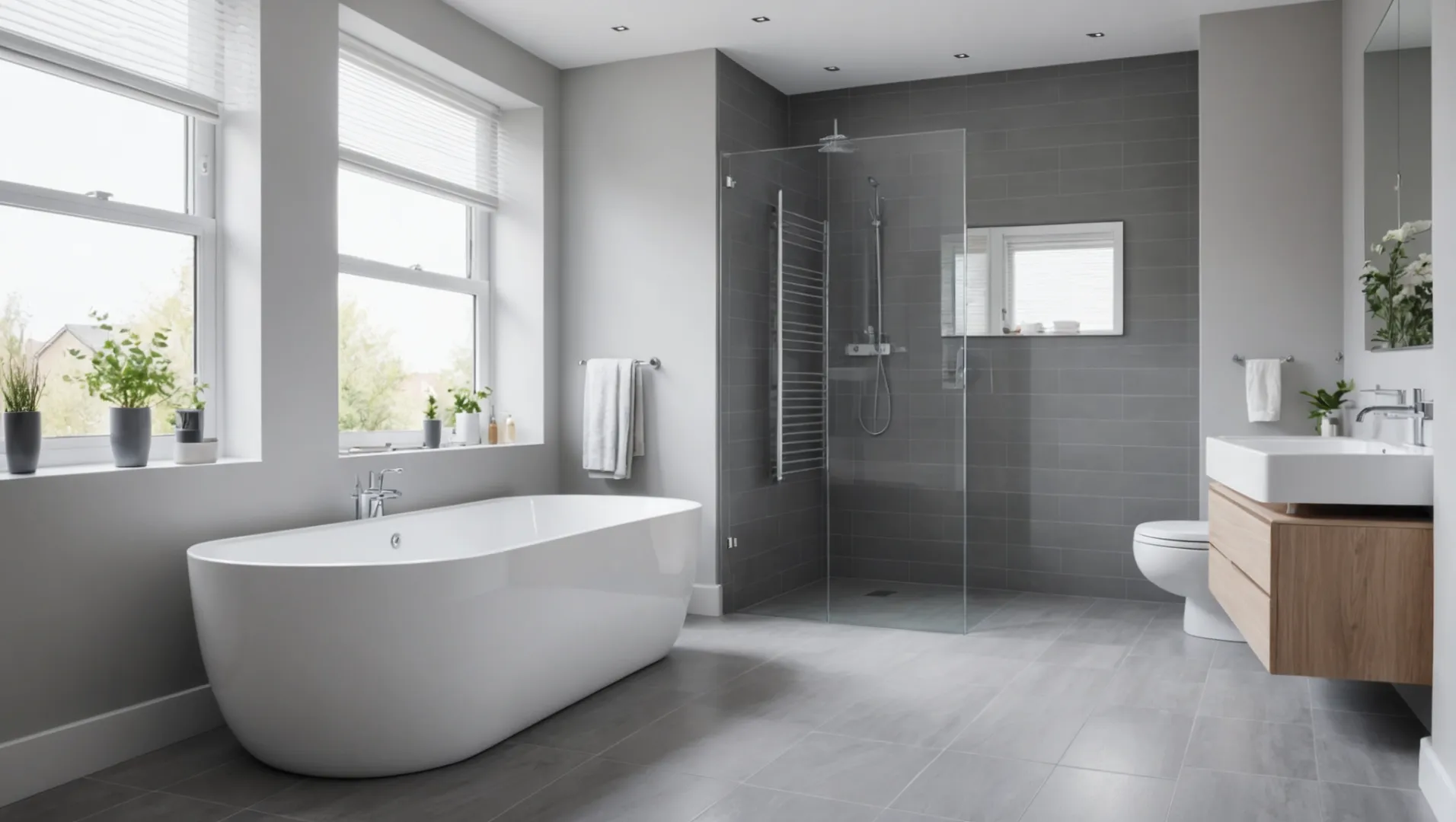
When I embarked on my bathroom renovation journey, one of the first decisions I faced was whether to include skirting boards. Would they really enhance the space, or were they just an unnecessary extra?
Skirting boards can enhance bathroom aesthetics by providing a finished look and protecting walls from water damage. However, they must be moisture-resistant to prevent warping and decay. Choose waterproof materials like PVC or treated wood for durability.
Join me as we dive deeper into the world of skirting boards and discover the materials, aesthetic influences, and exciting alternatives that can transform your bathroom.
Skirting boards are necessary in all bathrooms.False
Not all bathrooms require skirting boards; alternatives exist for moisture protection.
What Materials Are Best for Bathroom Skirting Boards?
Choosing the right material for bathroom skirting boards is essential to ensure durability and aesthetics.
Opt for PVC or treated wood skirting boards in bathrooms for their moisture resistance and long-lasting properties. These materials prevent warping and decay caused by humidity, making them ideal for wet environments.
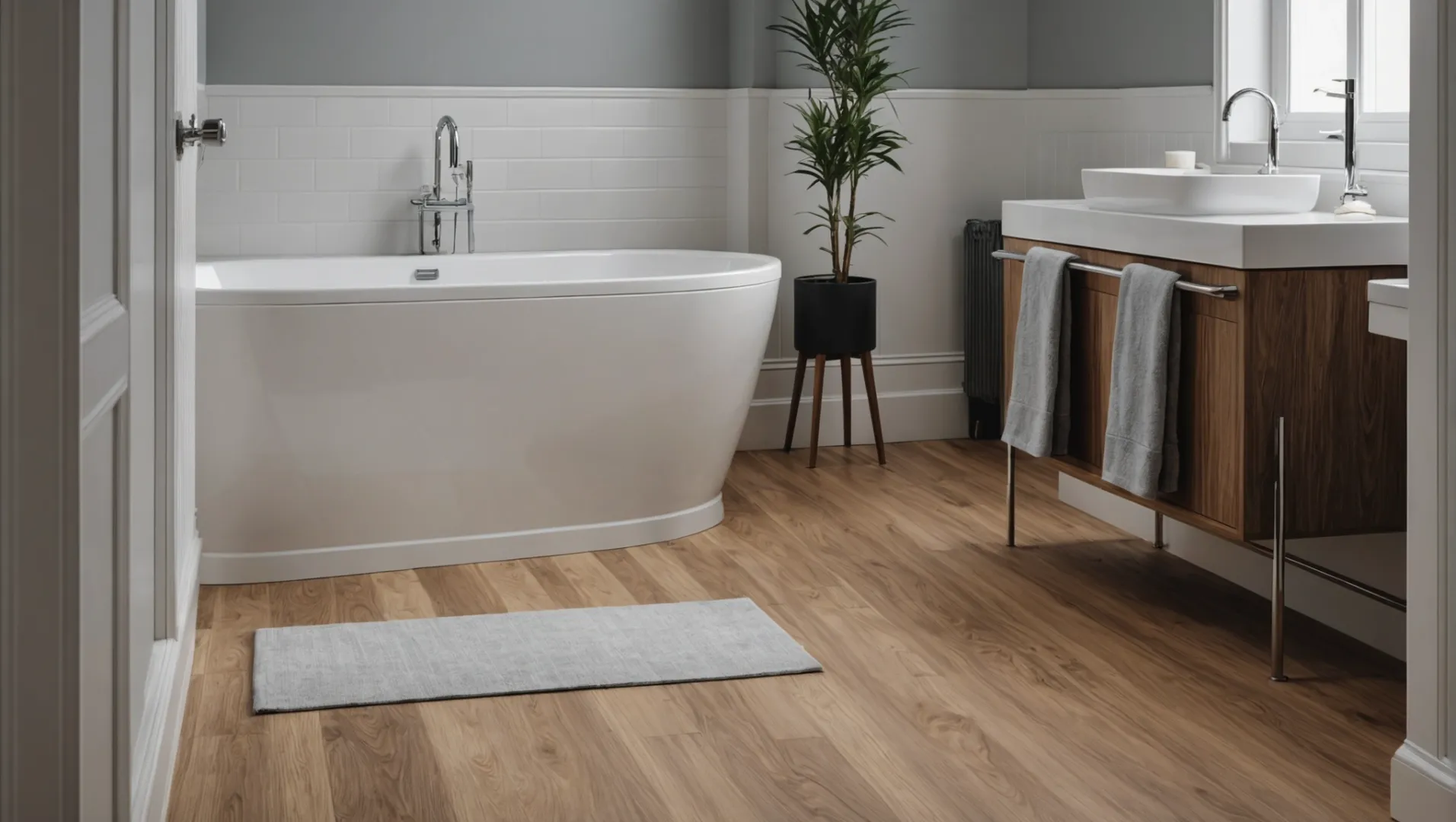
Understanding Material Choices for Bathroom Skirting Boards
When selecting materials for bathroom skirting boards1, the primary consideration is their ability to withstand moisture. Bathrooms are inherently damp spaces, and any material used needs to resist warping, swelling, or decaying over time.
-
PVC (Polyvinyl Chloride)
- Advantages: PVC is highly water-resistant, making it an excellent choice for bathroom applications. It is durable, easy to clean, and resistant to mold and mildew.
- Disadvantages: Some homeowners may find PVC less aesthetically pleasing compared to natural materials. However, advancements in technology have led to PVC options that mimic the appearance of wood or stone.
-
Treated Wood
- Advantages: Treated wood, such as teak or cedar, is naturally resistant to moisture and decay. It brings a warm, natural look to the bathroom.
- Disadvantages: While treated wood is more resistant than untreated varieties, it still requires maintenance such as regular sealing or varnishing to maintain its resilience against water.
-
Aluminum
- Advantages: Aluminum skirting boards are lightweight, rust-resistant, and can provide a modern aesthetic.
- Disadvantages: Aluminum can be more expensive and may not suit all bathroom styles.
Comparing Popular Materials
Here’s a quick comparison table:
| Material | Water Resistance | Maintenance Needs | Aesthetic Versatility |
|---|---|---|---|
| PVC | High | Low | Medium |
| Treated Wood | Medium | High | High |
| Aluminum | High | Low | Medium |
Expert Recommendations
Experts often recommend combining aesthetics with functionality when choosing skirting board materials. For instance, using PVC in high-moisture areas like around the shower or bathtub can be practical, while treated wood can be used in less exposed areas for a balanced design.
Moreover, consider the overall design theme of your bathroom. For a minimalist, modern style, aluminum might be the perfect fit. On the other hand, if you aim for a more traditional or rustic look, treated wood could be the ideal choice.
In conclusion, the best material for your bathroom skirting boards depends on both your aesthetic preferences and the specific moisture challenges in your space.
PVC is highly water-resistant for bathroom use.True
PVC's composition makes it resistant to moisture, ideal for bathrooms.
Treated wood requires no maintenance in bathrooms.False
Treated wood needs regular sealing to maintain water resistance.
How Do Skirting Boards Affect Bathroom Aesthetics?
Skirting boards can transform a bathroom’s look, blending function with style. How do they enhance aesthetics?
Skirting boards add elegance to bathrooms by concealing uneven flooring edges, offering a seamless transition between wall and floor, and complementing the overall interior design theme. They should be chosen carefully to match the bathroom’s decor and withstand its humid conditions.
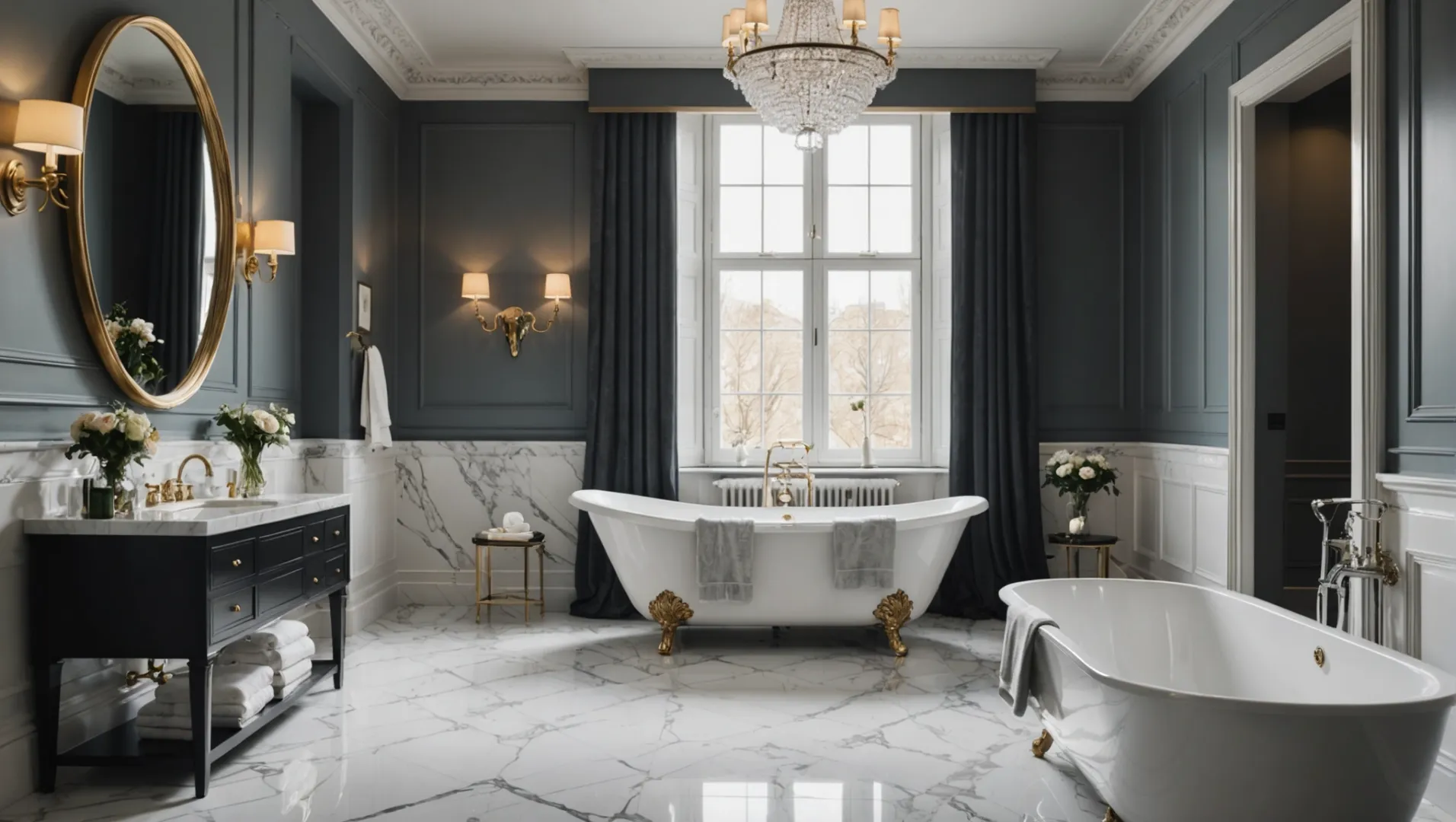
Enhancing Design Cohesion
In a bathroom, design harmony is crucial. Skirting boards can significantly contribute to this by creating a seamless transition between walls and floors2. They help tie together various elements of the space, ensuring that fixtures, tiles, and paint colors appear as part of a cohesive design plan. This unification can make even a small bathroom feel polished and well-thought-out.
Concealing Imperfections
Bathrooms often present challenges like uneven floor edges or unsightly gaps between walls and floors. Skirting boards effectively hide these imperfections, providing a clean and finished appearance. This feature is particularly valuable in older homes where flooring may have shifted over time, leaving visible gaps.
Adding Character and Style
Depending on their design, skirting boards can add character to a bathroom. For instance, ornate or detailed designs can lend a touch of luxury and classic charm, while sleek, minimalistic styles offer modern elegance. Selecting a skirting board that complements the bathroom’s overall aesthetic can significantly enhance the space’s visual appeal.
| Style | Effect |
|---|---|
| Ornate | Adds classic charm and sophistication |
| Minimalistic | Provides modern elegance |
| Rustic | Contributes to a warm, natural feel |
Considerations for Material Choice
The choice of material is crucial when selecting skirting boards for bathrooms. They must not only fit the aesthetic but also withstand moisture. PVC or treated wood are popular choices due to their durability in wet environments. These materials prevent common issues such as warping and decay, ensuring that the skirting boards maintain their look over time.
Customization Options
Customizing skirting boards allows homeowners to tailor their bathrooms to specific tastes. This includes choosing colors that match or contrast with the walls and selecting finishes that reflect light or add texture. Such customization can dramatically influence the bathroom’s atmosphere, making it feel more spacious or intimate depending on the chosen design strategy.
In conclusion, while choosing skirting boards3 for your bathroom, considering both aesthetics and functionality ensures that they not only enhance the visual appeal but also serve practical purposes effectively.
By exploring these factors, you can make informed decisions about incorporating skirting boards into your bathroom’s design, thereby elevating its overall aesthetic appeal.
Skirting boards hide uneven floor edges in bathrooms.True
They conceal imperfections, offering a clean, finished look.
PVC skirting boards are unsuitable for humid bathrooms.False
PVC is durable and moisture-resistant, ideal for bathrooms.
Are There Waterproof Skirting Board Options?
When selecting skirting boards for bathrooms, ensuring they can withstand moisture is paramount. But what are the waterproof options available?
Yes, there are waterproof skirting board options, such as PVC and moisture-treated wood, ideal for bathrooms to prevent water damage and ensure durability.
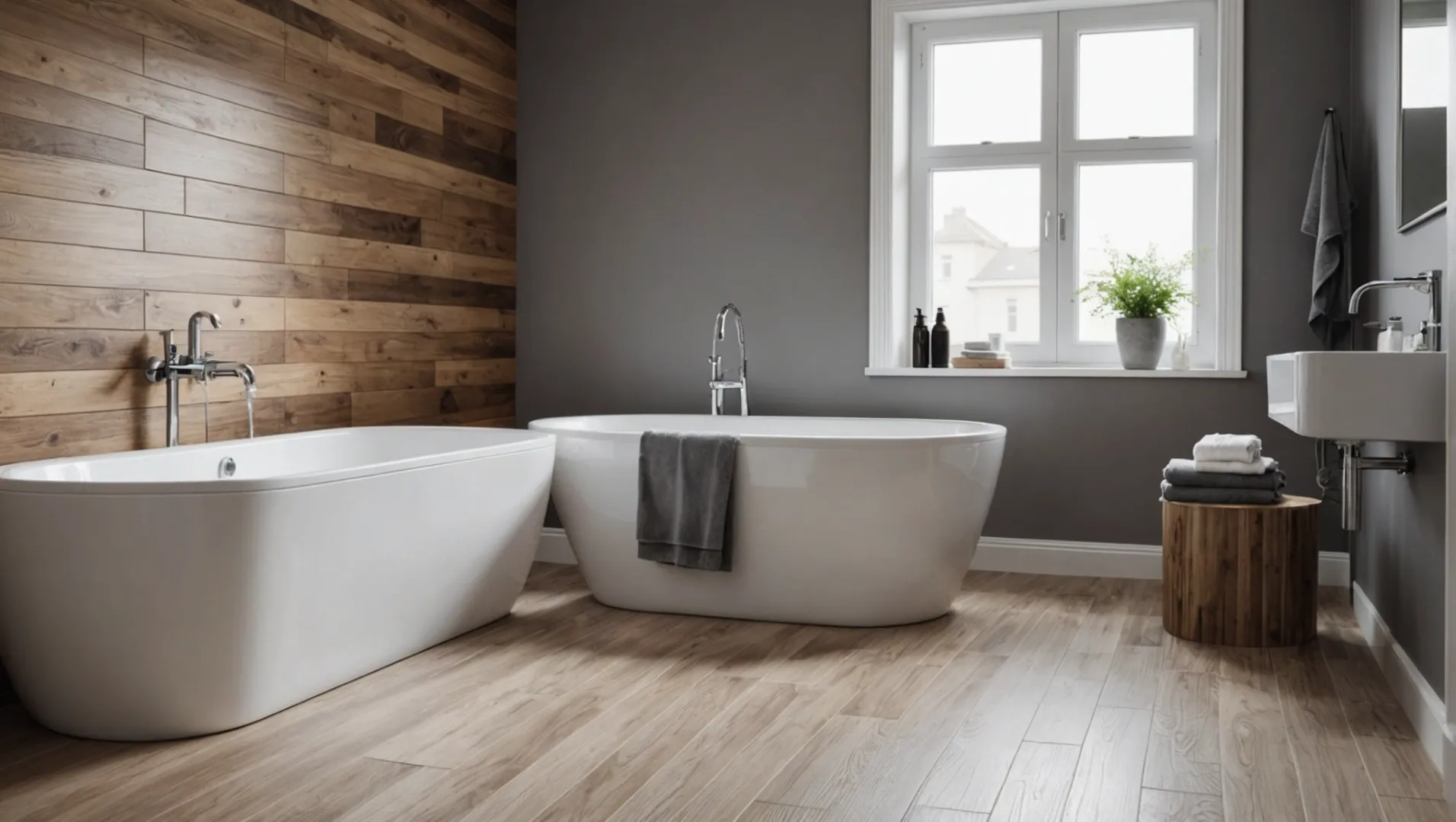
Understanding Waterproof Skirting Boards
Waterproof skirting boards are designed to resist water infiltration, making them ideal for bathrooms where moisture is prevalent. They protect the lower part of walls from water splash damage, mold, and rot.
Two primary materials are often recommended for waterproof skirting boards: PVC4 and treated wood. PVC skirting boards are entirely resistant to moisture, meaning they won’t warp or swell even when exposed to high humidity. Treated wood options undergo chemical treatments to enhance their resistance to water and decay.
Benefits of PVC Skirting Boards
PVC skirting boards are made from polyvinyl chloride, a type of plastic known for its durability and resistance to moisture.
- Cost-Effective: PVC is typically cheaper than other waterproof options.
- Low Maintenance: Easy to clean with just a wipe.
- Versatile Designs: Available in various colors and styles to match bathroom decor.
Treated Wood as an Option
While natural wood may not seem suitable for moist environments, treated wood skirting boards undergo specific processes to enhance their waterproof properties:
- Pressure-Treated Wood: Infused with chemicals that repel moisture.
- Cedar and Redwood: Naturally more resistant to moisture compared to other woods.
| Material | Advantages | Considerations |
|---|---|---|
| PVC | Cost-effective, low maintenance | Limited design options |
| Treated Wood | Natural look, durable | Requires regular sealing |
Installation Tips for Waterproof Skirting Boards
Regardless of the material chosen, proper installation is key to maximizing the longevity of skirting boards in a bathroom setting. Here are some tips:
- Seal the Edges: Use silicone sealant at the bottom edges to prevent water ingress.
- Ensure Proper Ventilation: Good air circulation will reduce humidity and help protect the skirting boards.
- Regular Maintenance: Regular checks for signs of damage or mold can extend the life of your skirting boards.
By considering materials like PVC and treated wood, homeowners can find waterproof skirting board solutions that enhance both the appearance and functionality of their bathrooms.
PVC skirting boards are waterproof.True
PVC is impervious to moisture, making it ideal for bathrooms.
Treated wood skirting boards require no maintenance.False
Treated wood needs regular sealing to maintain its waterproof properties.
What Are the Alternatives to Skirting Boards in Bathrooms?
Looking for alternatives to traditional skirting boards in your bathroom? Explore unique options that offer both style and practicality.
Alternatives to skirting boards in bathrooms include tile trim, wall cladding, and moisture-resistant paint. These options provide a seamless, modern look while protecting walls from moisture without the risk of warping.
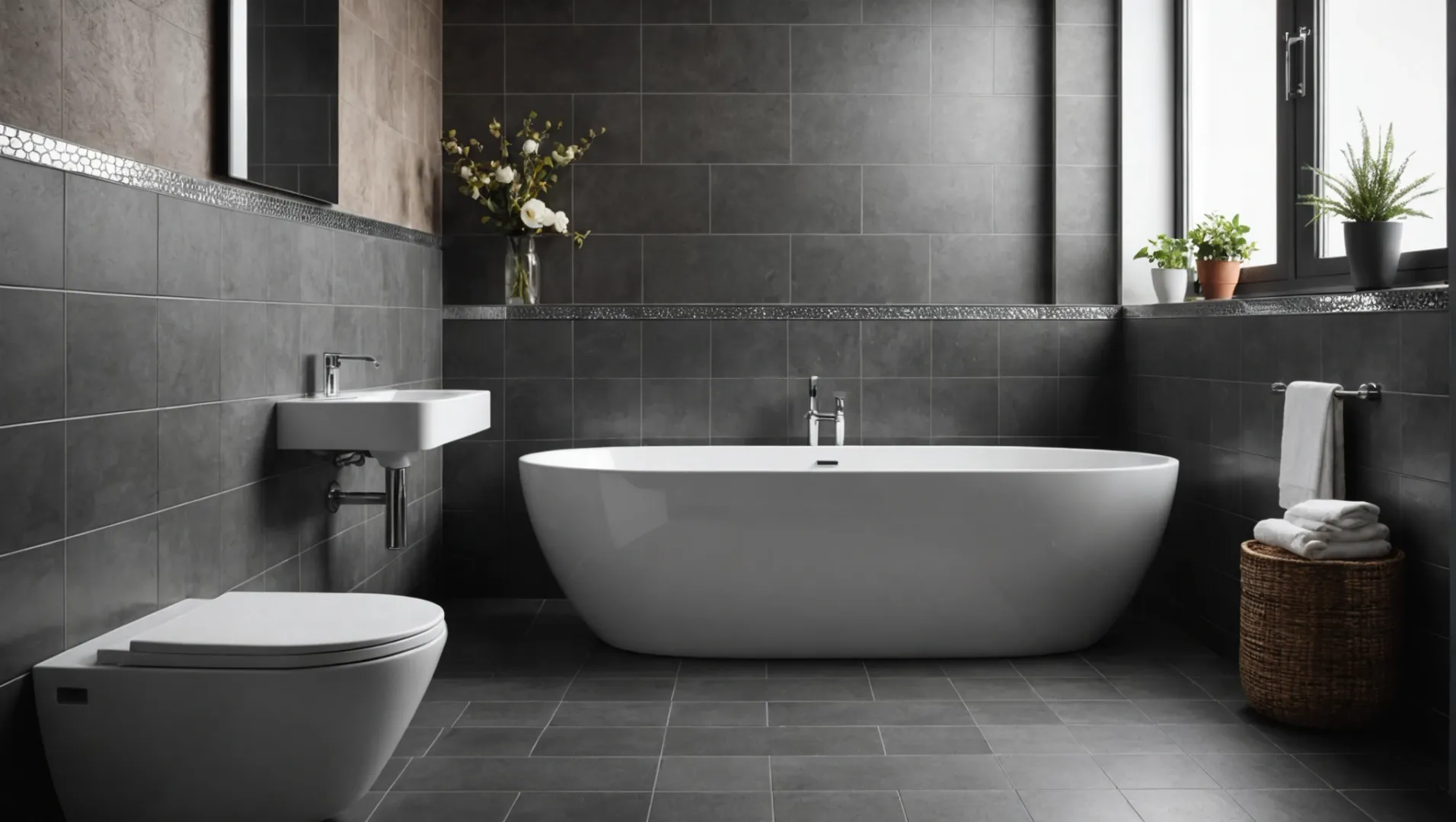
Tile Trim: A Seamless Solution
Tile trim is an excellent alternative to skirting boards, especially in bathrooms where moisture is a concern. It provides a clean, finished edge to tiled surfaces, creating a seamless transition between the floor and wall. Tile trim comes in various materials like ceramic, metal, and plastic, allowing you to match it with your bathroom decor.
- Advantages: Durable, water-resistant, easy to clean.
- Disadvantages: Limited to tiled areas, installation can be tricky for DIYers.
For those seeking a modern look, tile trim installation tips5 can be invaluable.
Wall Cladding: Style and Functionality Combined
Wall cladding is another effective alternative. It covers the lower portion of your bathroom walls with waterproof panels that mimic the look of tiles or natural stone. This option not only protects the walls from moisture but also adds a touch of elegance.
- Advantages: Variety of styles, hides imperfections, easy maintenance.
- Disadvantages: Can be costly, professional installation recommended.
To explore stylish wall cladding ideas, see this guide on wall cladding6.
Moisture-Resistant Paint: A Cost-Effective Choice
For a minimalist approach, using moisture-resistant paint at the base of your bathroom walls can serve as a practical alternative. This paint type is specially formulated to withstand humidity and prevent mold growth.
- Advantages: Inexpensive, easy to apply, customizable colors.
- Disadvantages: Less durable than other options, requires periodic touch-ups.
Consider best practices for applying moisture-resistant paint7 to ensure longevity.
Comparing Alternatives
| Alternative | Durability | Aesthetic Appeal | Cost |
|---|---|---|---|
| Tile Trim | High | Modern | Medium |
| Wall Cladding | High | Elegant | High |
| Moisture-Resistant Paint | Medium | Customizable | Low |
When choosing an alternative to skirting boards in your bathroom, consider the overall design scheme, budget, and functional requirements.
Tile trim is only suitable for tiled areas in bathrooms.True
Tile trim requires a tiled surface for proper installation and function.
Moisture-resistant paint is more durable than wall cladding.False
Wall cladding is generally more durable due to its material properties.
Conclusion
In conclusion, skirting boards can beautifully enhance your bathroom if selected with care. Consider your space’s unique needs and explore various options to find the perfect fit.
-
Discover more on choosing materials suitable for moist environments.: Definitely go for skirting board. However, make sure it is ACTUAL pine board as apposed to the MDF stuff. The MDF boards if they get any … ↩
-
Explore how skirting boards harmonize different surfaces seamlessly.: can use these two tricks to transition the height of your skirting down stairs, underneath … ↩
-
Understand key considerations for selecting effective bathroom skirting boards.: Factors to Consider When Choosing the Best Type of Skirting Board · Aesthetic appeal · Material selection · Height and proportion · Maintenance and … ↩
-
Discover why PVC is a top choice for bathroom skirting.: PVC skirting boards are affordable and durable. · They are easy to maintain and ideal for high-traffic areas. · Suitable for kitchens and … ↩
-
Discover expert tips for installing tile trim efficiently.: This is how to install bathroom and shower tile trim my way, it’s the easiest best way that I’ve … ↩
-
Explore creative wall cladding designs to enhance bathroom aesthetics.: DIY Planked Wall Treatment Tutorial | Learn how to create a farmhouse-inspired wall treatment to add character to your home! ↩
-
Learn effective techniques for applying moisture-resistant paint in humid spaces.: Good ventilation is essential when painting and drying. Use fans or open windows to circulate air and reduce humidity levels. This not only … ↩






