Are you puzzled by the choice between skirting boards and beading for your home improvement project?
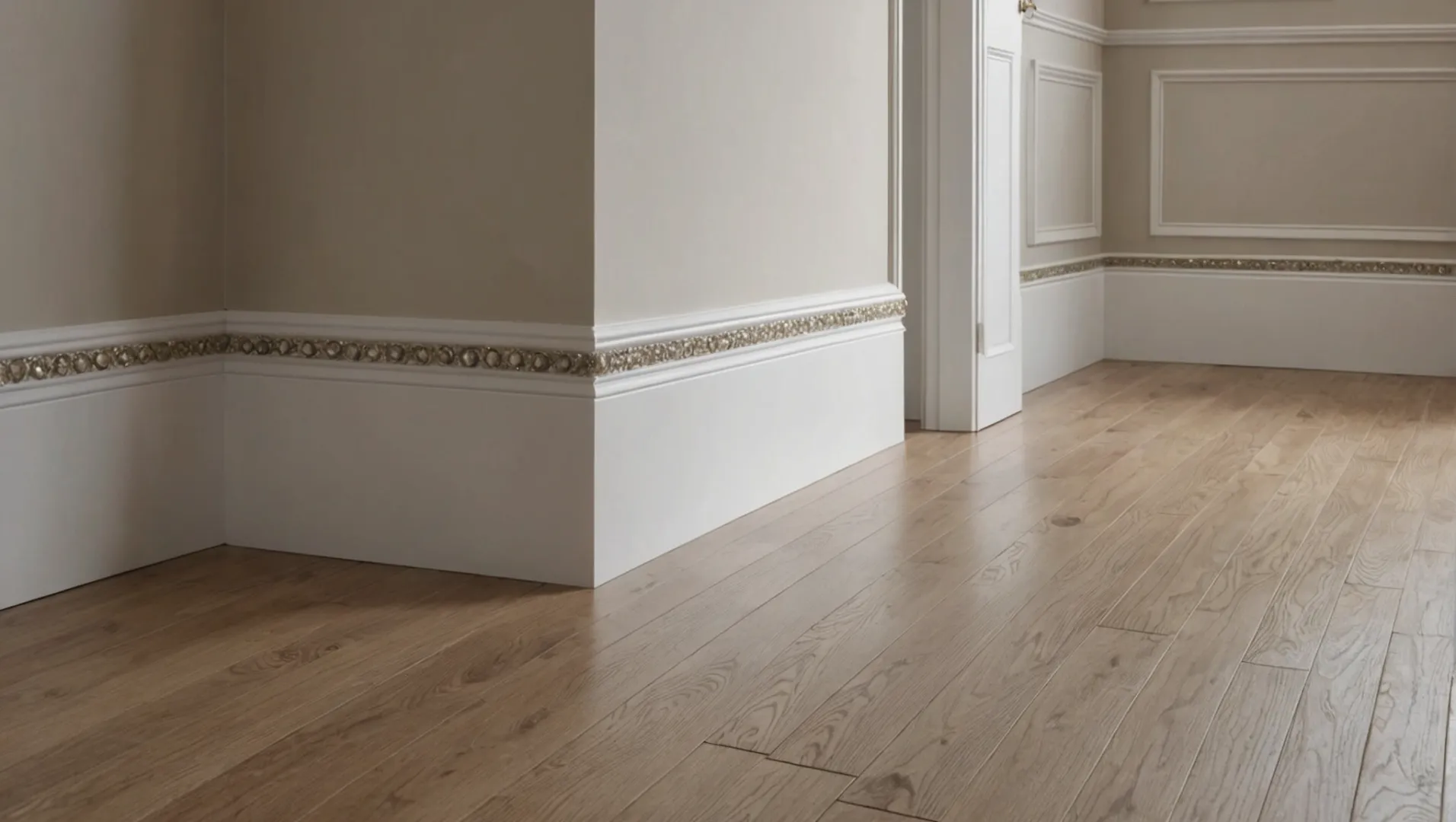
Skirting boards are larger, decorative trim pieces used to cover gaps between the floor and wall, providing both protection and style. Beading is smaller, used primarily to cover expansion gaps in flooring, offering a minimalistic finish. Choosing between them depends on your design preference and functional needs.
While skirting boards and beading serve similar purposes, understanding their unique benefits can greatly influence the aesthetic and practical outcome of your project. Dive deeper as we explore their differences, installation methods, and how to match them with your interior decor.
Skirting boards are primarily decorative elements.False
Skirting boards are both decorative and protective, covering gaps and shielding walls.
How Do Skirting Boards Enhance Interior Design?
Skirting boards, often overlooked, can transform a room by adding elegance and cohesion to your space.
Skirting boards elevate interior design by framing rooms, providing contrast, and protecting walls. Their versatile designs range from classic to modern, allowing you to match them with any decor style. They serve not only as a decorative element but also as a functional feature, concealing wiring and gaps.
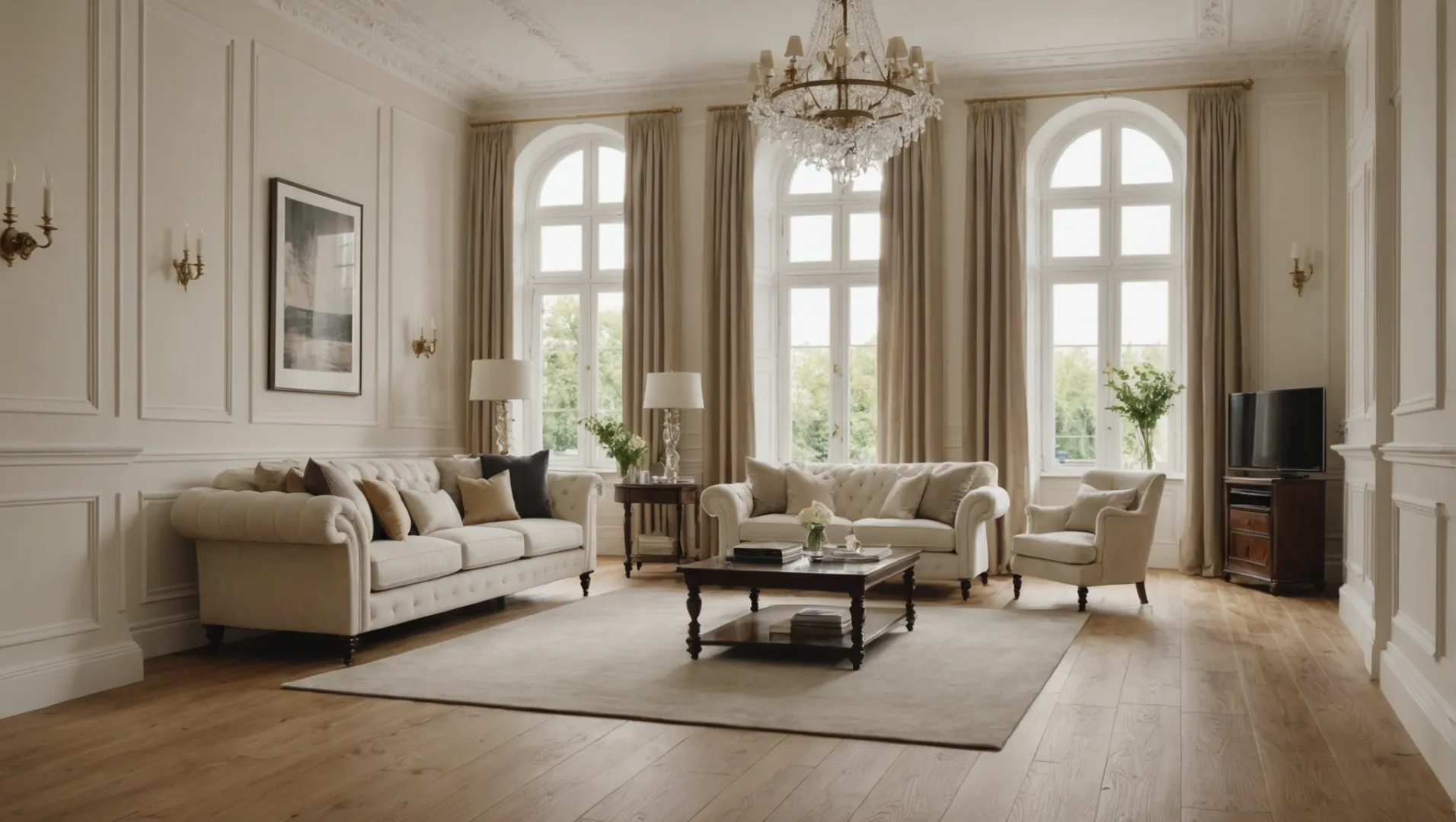
The Aesthetic Appeal of Skirting Boards
Skirting boards act as a visual boundary between the floor and the wall, effectively framing a room. This visual framing1 can make spaces appear more polished and cohesive. By selecting the right style and color, skirting boards can either stand out as a bold statement or seamlessly blend with the existing decor.
For instance, tall, intricately detailed skirting boards are often used in traditional settings to enhance the grandeur of period properties. On the other hand, slimline or shadow gap styles are favored in contemporary interiors for their sleek and minimalistic look.
Functional Benefits Beyond Aesthetics
Beyond their decorative function, skirting boards serve practical purposes. They protect walls from damage caused by furniture or vacuum cleaners and conceal unsightly wiring. This protective role can be crucial in maintaining the longevity and cleanliness of your wall surfaces.
Moreover, skirting boards help hide uneven edges where walls meet floors, ensuring a neat finish. This is particularly important in older homes where floors and walls may not align perfectly.
Integrating Skirting Boards with Your Interior Design
When choosing skirting boards, consider how they integrate with other architectural elements like door frames and windowsills. Opting for consistent styles across these elements can create a harmonious look throughout your home.
Consider using contrasting colors for your skirting boards to create visual interest. For example, pairing dark skirting boards with lighter walls can add depth to a room, while matching them to the wall color can make spaces feel larger.
| Skirting Board Styles | Typical Use Cases |
|---|---|
| Victorian or Edwardian | Period properties |
| Minimalist | Modern apartments or offices |
| Shadow Gap | Contemporary and high-end designs |
In summary, skirting boards are an essential component of interior design that offer both stylistic and functional advantages. By carefully selecting the right type for your space, you can enhance the overall aesthetics while also reaping practical benefits.
Skirting boards can conceal unsightly wiring.True
Skirting boards hide wiring, enhancing room aesthetics and safety.
Minimalist skirting boards are best for period properties.False
Period properties typically use detailed skirting for enhanced grandeur.
What Are the Practical Benefits of Using Beading?
Discover how beading can enhance your space both aesthetically and functionally.
Beading offers practical benefits such as covering expansion gaps in flooring, enhancing aesthetics with a sleek finish, and protecting edges from damage. It is ideal for minimalist designs and cost-effective renovations, providing a subtle yet effective solution for finishing touches in various settings.
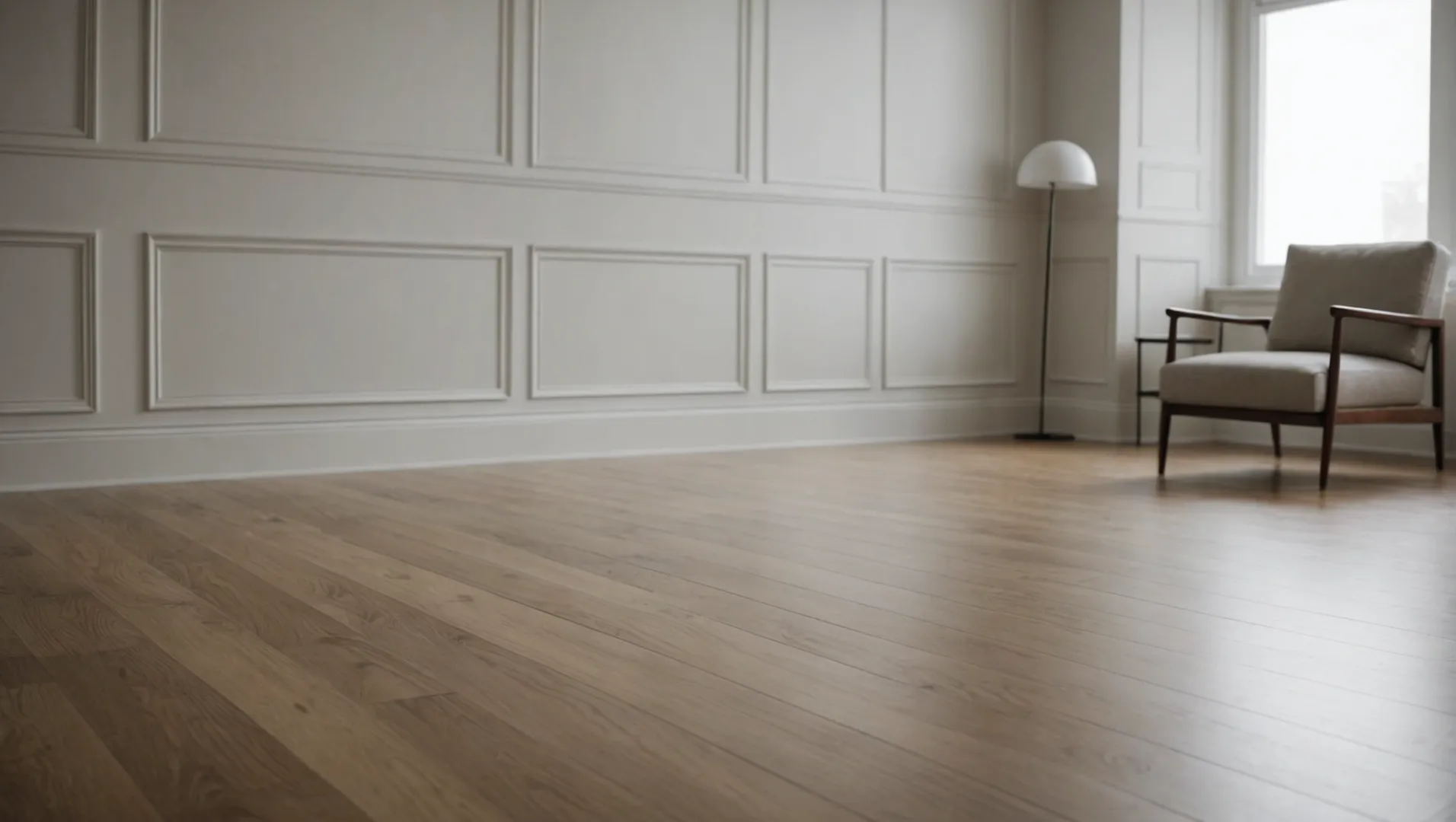
Enhancing Aesthetics with Minimalist Design
One of the most notable benefits of using beading is its ability to provide a sleek and minimalist finish. Unlike skirting boards, which often add a bold visual element to a room, beading delivers a more understated look. This makes it particularly suitable for modern interiors where simplicity and elegance are desired.
For instance, when used to cover expansion gaps around laminate or hardwood flooring, beading seamlessly integrates into the design without drawing attention away from the flooring itself. This subtlety can enhance the overall aesthetic appeal of a room, allowing other design elements to shine.
Protection and Durability
Beading is not just about aesthetics; it also serves a functional purpose. By covering expansion gaps, it helps prevent dust, dirt, and moisture from accumulating, which can otherwise lead to damage over time. This protective feature is especially beneficial in high-traffic areas such as hallways and living rooms.
Moreover, beading protects the edges of flooring from wear and tear. This is crucial in maintaining the longevity of your floors, especially when considering the cost and effort associated with replacing or repairing flooring materials.
Cost-Effectiveness and Easy Installation
Another practical benefit of beading is its cost-effectiveness. Generally less expensive than skirting boards, beading offers a budget-friendly option for those looking to update their home without significant expense. This makes it an attractive choice for homeowners or renovators working within tight budgets.
Installation is typically straightforward, often involving adhesive or small nails to secure the beading in place. This simplicity not only saves time but also reduces labor costs, making it a DIY-friendly option for many.
Ideal for Various Settings
Beading is versatile enough to be used in various settings beyond residential homes. In commercial spaces where understated elegance is required, such as offices or retail stores, beading provides a professional finish without overwhelming the design. Additionally, its ability to match various flooring types and styles makes it adaptable to different environments.
In summary, the practical benefits of using beading extend beyond aesthetics. Its protective properties, cost-effectiveness, and ease of installation make it a valuable addition to any space. Whether you’re renovating on a budget or aiming for a minimalist design, beading offers a solution that balances function and style effectively. For those interested in learning more about how beading compares to skirting boards2, exploring different material options can provide additional insights into its advantages and limitations.
Beading is more expensive than skirting boards.False
Beading is generally less expensive than skirting boards.
Beading protects flooring edges from wear and tear.True
Beading covers expansion gaps, preventing edge damage.
Which Option Offers Easier Installation?
Deciding between skirting boards and beading can hinge on installation ease, influencing time, cost, and effort.
Beading generally offers easier installation due to its smaller size and simpler attachment method compared to skirting boards, which often require more precision and tools.
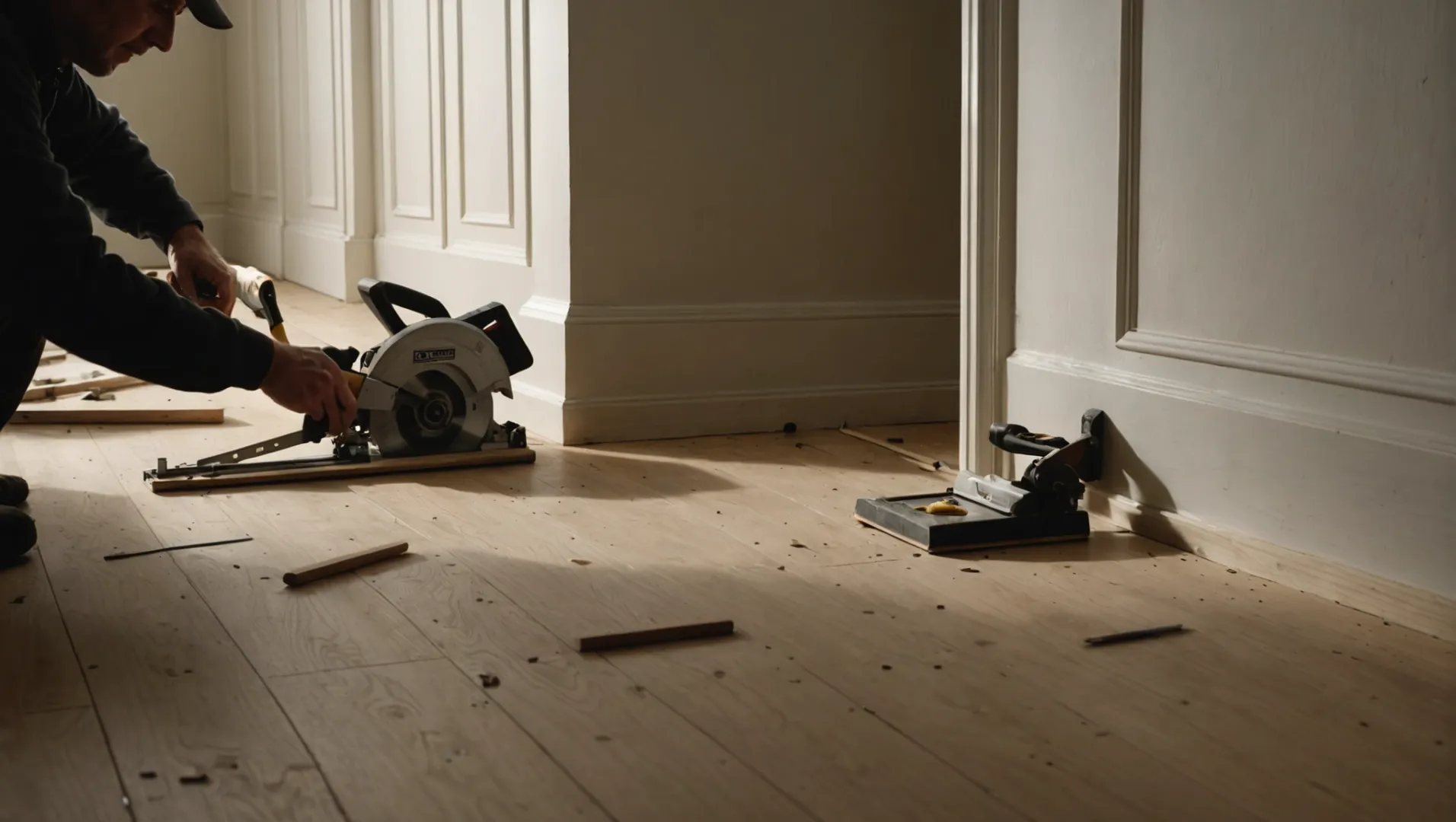
Understanding Installation Requirements
When comparing the installation of skirting boards and beading3, it’s essential to consider the complexity and skill level required for each. Skirting boards are typically larger and heavier, demanding precise cutting and fitting around corners and obstructions like door frames. This often requires specific tools such as mitre saws, hammers, or nail guns. On the other hand, beading is lightweight and smaller, making it easier to handle and install without specialized equipment.
Time and Effort Comparison
For those looking to complete a project quickly, beading is generally more time-efficient. Its straightforward attachment process involves simple nailing or gluing over the expansion gaps in flooring. Skirting boards, however, often need more prep work, including measuring, cutting at angles, and potentially sanding or painting to fit seamlessly into your space.
| Aspect | Beading | Skirting Boards |
|---|---|---|
| Tools Needed | Basic hand tools, adhesive | Mitre saw, hammer/nail gun |
| Skill Level | Beginner | Intermediate to advanced |
| Time to Install | Quick | Moderate to long |
Considering DIY vs. Professional Installation
For DIY enthusiasts or homeowners on a budget, beading might be the preferred choice due to its simplicity. However, if opting for skirting boards, some may choose professional installation to ensure a polished look, especially in homes with intricate or uneven walls. Weighing the cost of professional help against the potential satisfaction of a DIY job is crucial.
Final Thoughts on Choosing the Right Option
Ultimately, whether you choose beading or skirting boards4 should align with your skill level, available time, and the desired aesthetic outcome of your space. While beading provides a quick fix for hiding floor gaps, skirting boards offer a classic finish that can elevate a room’s design.
Beading requires fewer tools than skirting boards.True
Beading typically needs basic hand tools, while skirting boards require more.
Skirting boards are quicker to install than beading.False
Beading is generally quicker due to its simple attachment process.
How to Match Skirting Boards or Beading with Your Decor?
Choosing skirting boards or beading that complement your decor can enhance your room’s overall aesthetic appeal.
To match skirting boards or beading with your decor, consider the room’s color scheme, design style, and material texture. Opt for complementary colors and styles that enhance the overall look. Don’t shy away from mixing materials for a unique effect.
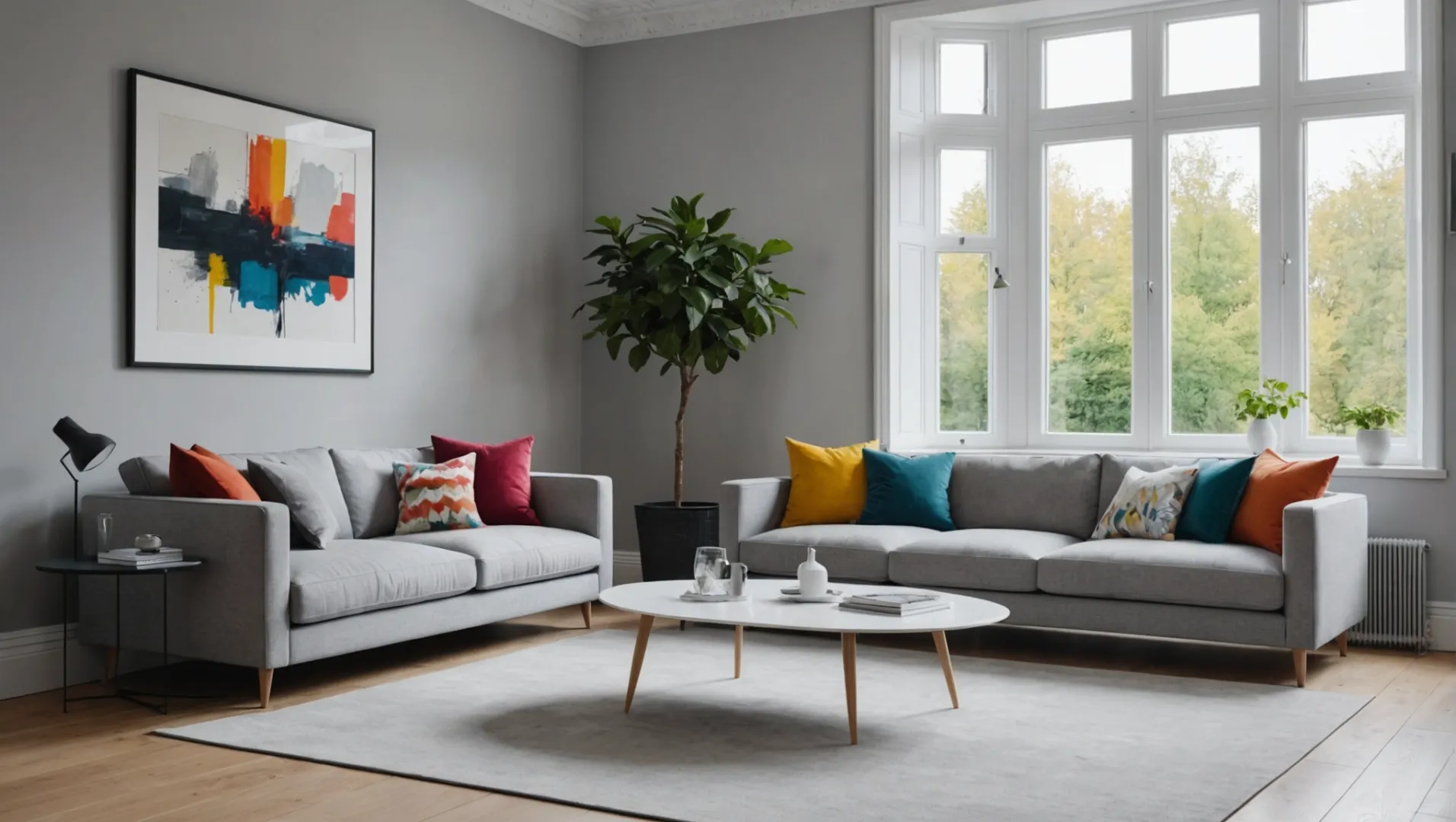
Consider the Color Scheme
The first step in matching skirting boards or beading to your decor is to consider the existing color palette of your room. If your walls are painted in neutral tones, you might want to choose skirting boards in a contrasting shade to make them stand out. Alternatively, matching the color of the skirting boards with the wall can create a seamless look.
For those who prefer bold statements, consider selecting skirting boards in a vibrant hue that complements accent elements in the room, such as cushions or artwork. This approach ties different elements together, creating a cohesive look.
Align with the Design Style
Your room’s design style significantly influences the choice of skirting boards or beading. For traditional interiors, ornate and larger skirting boards can add an element of elegance and sophistication. Meanwhile, modern spaces often benefit from minimalist skirting boards or beading that provide a clean line without overwhelming the space.
Consider using skirting board styles5 as inspiration to find designs that resonate with your room’s aesthetic. Mixing classic elements with contemporary styles can also create a unique and personalized touch.
Evaluate Material Texture
Material texture plays a crucial role in how skirting boards or beading integrate into your decor. Wooden skirting boards offer a warm and timeless appeal, perfect for rustic or farmhouse designs. On the other hand, metallic or PVC options might suit modern interiors better due to their sleek finish.
For a distinct look, consider combining different materials. For instance, wooden skirting boards paired with metallic beading can create an intriguing visual contrast while maintaining harmony within the room.
Mix and Match
Don’t hesitate to experiment with different materials and styles to achieve the desired effect. For instance, using beading types6 that subtly differ in color or material from the skirting boards can enhance the depth and dimension of the space.
Ultimately, the key to successfully matching skirting boards or beading with your decor lies in balancing visual appeal with functional necessity.
Neutral walls need contrasting skirting boards for impact.True
Contrasting skirting boards against neutral walls create visual interest.
Modern spaces require ornate skirting boards for elegance.False
Modern spaces benefit from minimalist skirting, not ornate designs.
Conclusion
Choosing between skirting boards and beading hinges on your design goals and functional needs. Consider style, protection, and installation ease when making your decision. For a polished finish, either option can enhance your space beautifully.
-
Discover how skirting boards visually frame and enhance room aesthetics.: How To Install Skirting Boards | Easy DIY Guide For Perfect Skirtings 00:00 Intro 01:32 How To … ↩
-
Explore detailed comparisons between skirting boards and beading.: Beading, also known as Scotia, is a decorative profile that is installed over the gap between the flooring and the skirting board or wall. ↩
-
Discover detailed comparisons of installation methods.: Skirting and beading are both types of wooden floor edging used to fill the gap between a newly installed floor and the walls of the room. ↩
-
Learn why skirting boards might suit your design needs better.: They make your room that bit smaller for furniture, they give you that gap at the top when you have something tall like a wardrobe, … ↩
-
Explore various styles to find one matching your interior aesthetic.: Jan 21, 2022 – Explore Martti’s board "Skirting boards" on Pinterest. See more ideas about skirting boards, baseboards, skirting. ↩
-
Learn about diverse beading types to add depth to your decor.: Beading wall · Paneled Walls, Dining Room Wainscoting, Wainscoting Styles, Hal Decor, Orac Decor, · Diy Wainscoting, Wall Paneling Diy, Hallway Designs, 카페 … ↩