
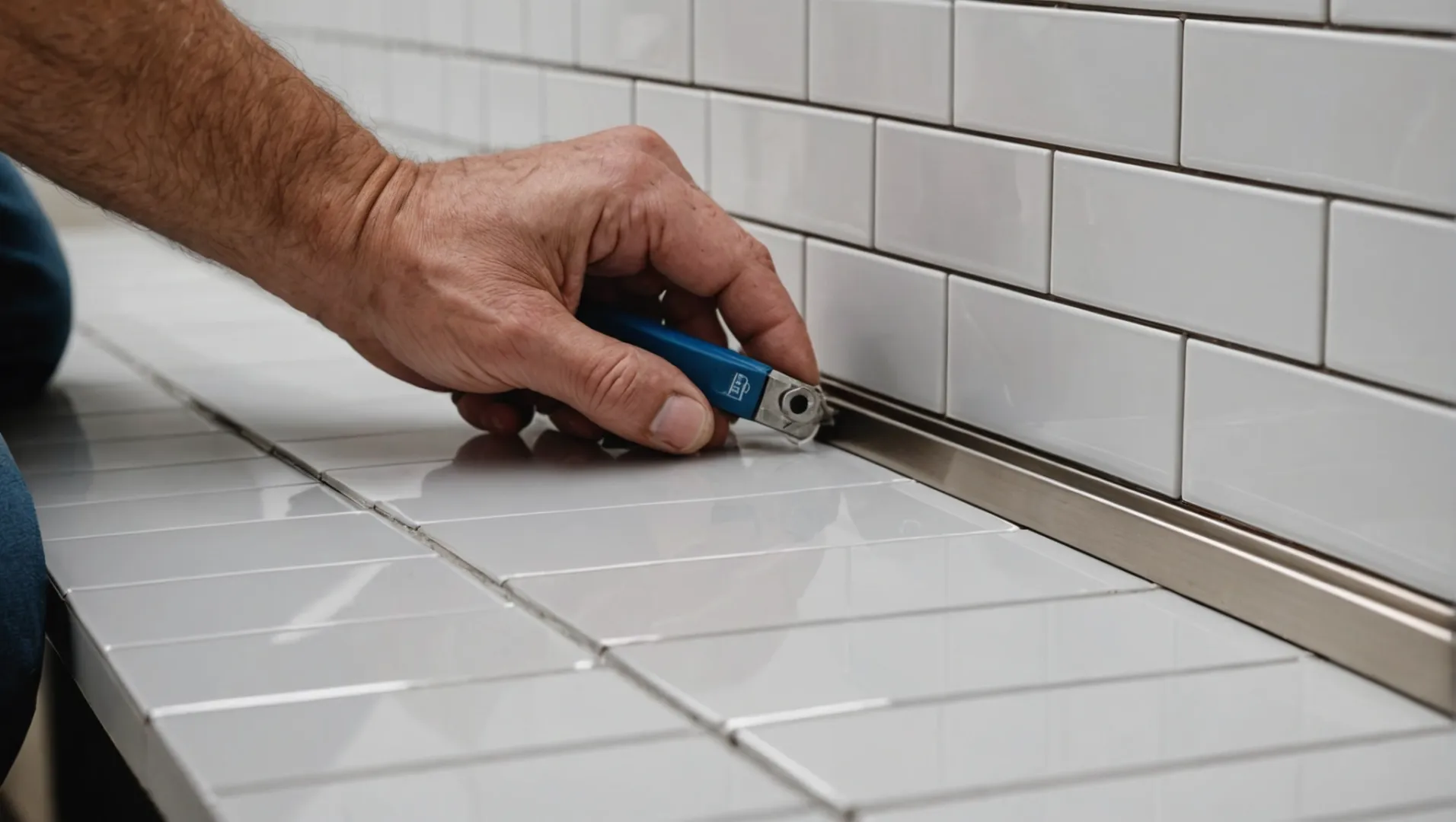
Have you ever embarked on a tiling project only to feel something was missing?
Tile trim is a finishing material used to protect the edges of tiles and provide a polished look to tiled surfaces. It is important because it prevents chipping, enhances aesthetics, and ensures a clean transition between different surfaces in tiling projects.
While tile trim might seem like a minor detail, it plays a crucial role in the longevity and beauty of your tiling work. In the sections below, we delve into various types of tile trim and their specific applications, offering you insights to make informed decisions for your next project.
Tile trim prevents tile edges from chipping.True
Tile trim acts as a protective barrier, reducing the risk of chipping.
What Are the Different Types of Tile Trim Available?
Discover the variety of tile trims that can elevate your tiling project from ordinary to extraordinary.
Tile trims come in various types, including bullnose, edge trim, and corner pieces. Each serves a specific purpose, such as protecting tile edges or completing corner transitions. These trims are essential for both functionality and aesthetics, providing a seamless and professional finish to any tiling project.
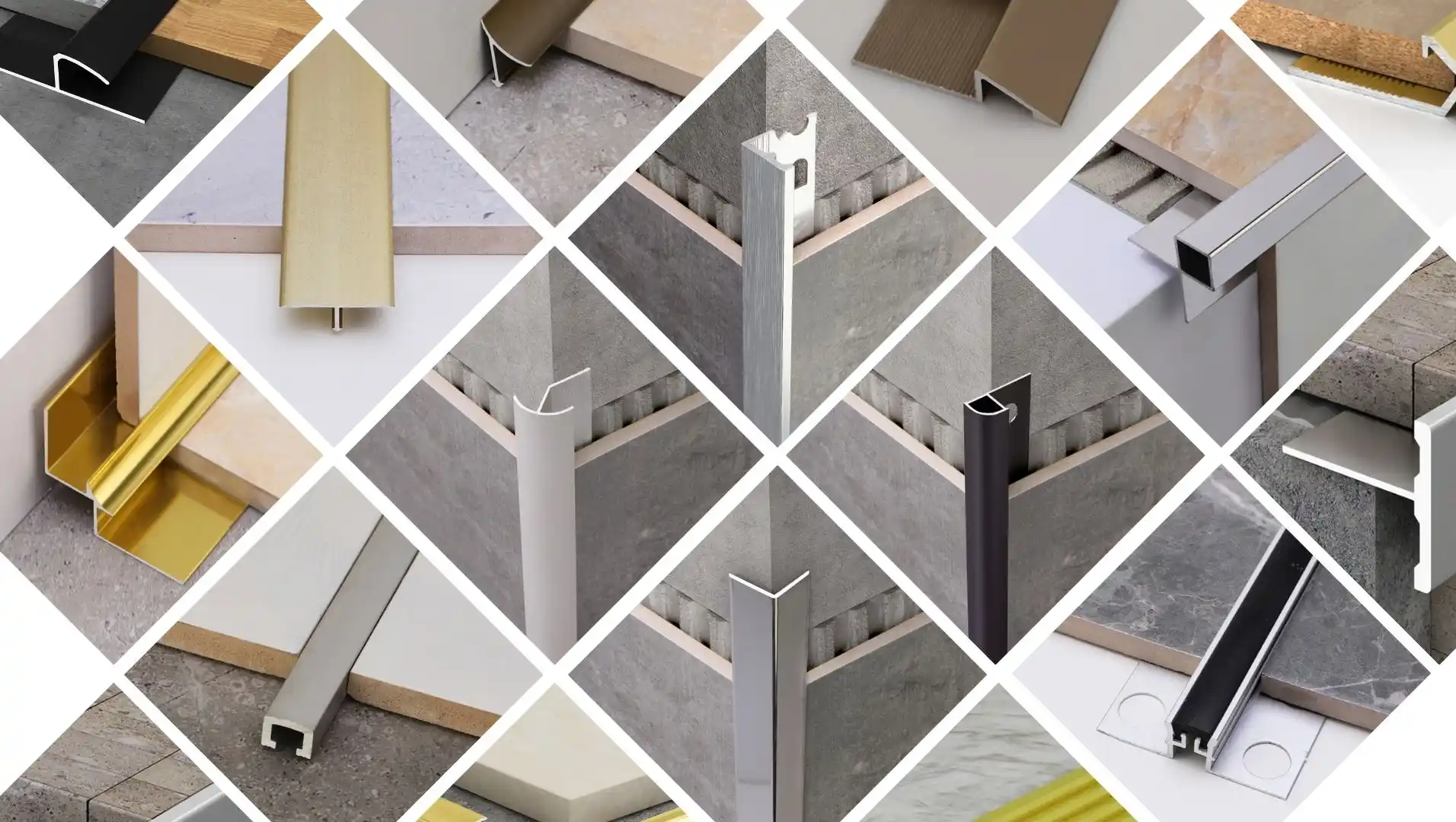
Bullnose Trim
Bullnose trim is a popular choice for those seeking a smooth, rounded edge. It is often used to finish the edges of countertops, baseboards, and stair treads, ensuring a sleek transition that minimizes sharp edges.
- Application: Perfect for edges that require a soft finish.
- Material Options: Available in ceramic, porcelain, and natural stone.
Edge Trim
Edge trim, sometimes referred to as straight edge or L-shaped trim, offers a clean cut for exposed tile edges. This type is essential for protecting tiles from chipping while providing a neat border.
- Usage: Ideal for wall perimeters and floor transitions.
- Styles: Comes in various metals like aluminum and stainless steel, enhancing modern decor.
Corner Trim
For internal and external corners, corner trims are indispensable. These trims ensure seamless transitions at right angles, maintaining consistency throughout the tiling layout.
- Types: You can choose between internal and external corner trims depending on your project’s needs.
- Compatibility: Works well with both wall and floor tiles.
Listello Trim
Listello trim is decorative and serves more than just functional purposes. It adds a touch of artistry to the tile layout, often used as borders or accents.
- Designs: Available in intricate patterns and vibrant colors.
- Placement: Commonly used in kitchen backsplashes and bathroom walls.
T-Molding
T-Molding is perfect for transitioning between two different floor types. This trim is especially useful in open-plan living spaces where tile meets hardwood or laminate flooring.
| Type | Best Use | Material Options |
|---|---|---|
| Bullnose | Countertops, baseboards | Ceramic, porcelain |
| Edge Trim | Wall perimeters, floors | Aluminum, stainless steel |
| Corner Trim | Internal/external corners | PVC, metal |
| Listello | Decorative accents | Glass, mosaic |
| T-Molding | Floor transitions | Wood, metal |
Understanding these different types of tile trim can significantly enhance the functionality and appearance of your tiling project. Each type serves a specific purpose and choosing the right one can transform your space into a professionally finished masterpiece. To further explore how these trims can fit into your design plans, consider looking into more detailed applications1 for each type.
Bullnose trim is used for sharp edges.False
Bullnose trim is used for smooth, rounded edges, not sharp ones.
Listello trim is decorative.True
Listello trim adds artistic accents to tile layouts, enhancing decor.
How Do You Choose the Right Tile Trim for Your Project?
Selecting the right tile trim can make or break your tiling project’s overall appearance.
To choose the right tile trim, consider the material, color, and profile that best complement your tiles. Evaluate the environment where it will be installed, such as wet areas or high-traffic zones, to ensure durability and functionality. Consult with professionals or use online tools for accurate measurements.

Understanding the Role of Tile Trim in Your Project
Tile trim not only protects but also enhances the edges of your tiles, preventing chipping and ensuring a clean transition between surfaces. Choosing the right trim involves considering both function and aesthetics. Whether you’re tiling a bathroom wall or a kitchen backsplash, tile trim can significantly impact the final look.
Material Matters: Metal, PVC, or Ceramic?
The first decision is the material. Metal tile trim offer durability and a sleek, modern appearance, ideal for contemporary designs. PVC tile trims are more affordable and versatile in color options, suitable for less demanding environments like residential areas. Ceramic tile trims provide a seamless match with ceramic tiles, maintaining uniformity in color and texture.
| Material | Benefits | Drawbacks |
|---|---|---|
| Metal | Durable, modern look | Can be expensive |
| PVC | Affordable, versatile colors | Less durable |
| Ceramic | Seamless match with tiles | Limited styles |
Profile and Shape: From Square to Round
The profile of your trim should match both the aesthetic style and practical needs of your project. Square edge trims offer a minimalist finish, often used in modern designs. Round edge trims provide a softer transition, popular for spaces requiring a more classic touch. Consider L-shaped trims for external corners to protect and enhance aesthetics.
Color Coordination: Blending or Contrasting?
Color selection can transform a tiling project from simple to sophisticated. Matching trim color with your tile can create a cohesive look, while contrasting colors can highlight specific areas, adding depth to your design. Use color theory2 to make informed decisions about complementary or contrasting shades.
Practical Considerations: Environment and Usage
Consider the environment where your tiles will be placed. Wet areas like bathrooms require trims that resist moisture and corrosion. High-traffic areas may need stronger materials like metal to withstand wear and tear. Evaluate the potential exposure to elements and select a trim that ensures both longevity and functionality.
Measurement and Installation: Precision is Key
Accurate measurement is crucial to selecting the right trim size. Utilize online tools3 or consult professionals to ensure precise cuts and fittings. Incorrect measurements can lead to wastage and increased costs.
By weighing these factors, you can confidently select a tile trim that not only complements your design but also meets the functional demands of your space.
Metal trims are more affordable than PVC trims.False
Metal trims are durable but generally more expensive than PVC.
Square edge trims are ideal for modern designs.True
Square edge trims offer a minimalist finish, perfect for modern styles.
What Are the Benefits of Using Tile Trim in Your Home?
Tile trim is more than just a finishing touch; it’s a game-changer for any tiling project.
Using tile trim in your home provides protection for tile edges, enhances aesthetic appeal, and contributes to a seamless transition between surfaces, ultimately increasing the longevity and value of your tiling work.
Protection and Durability
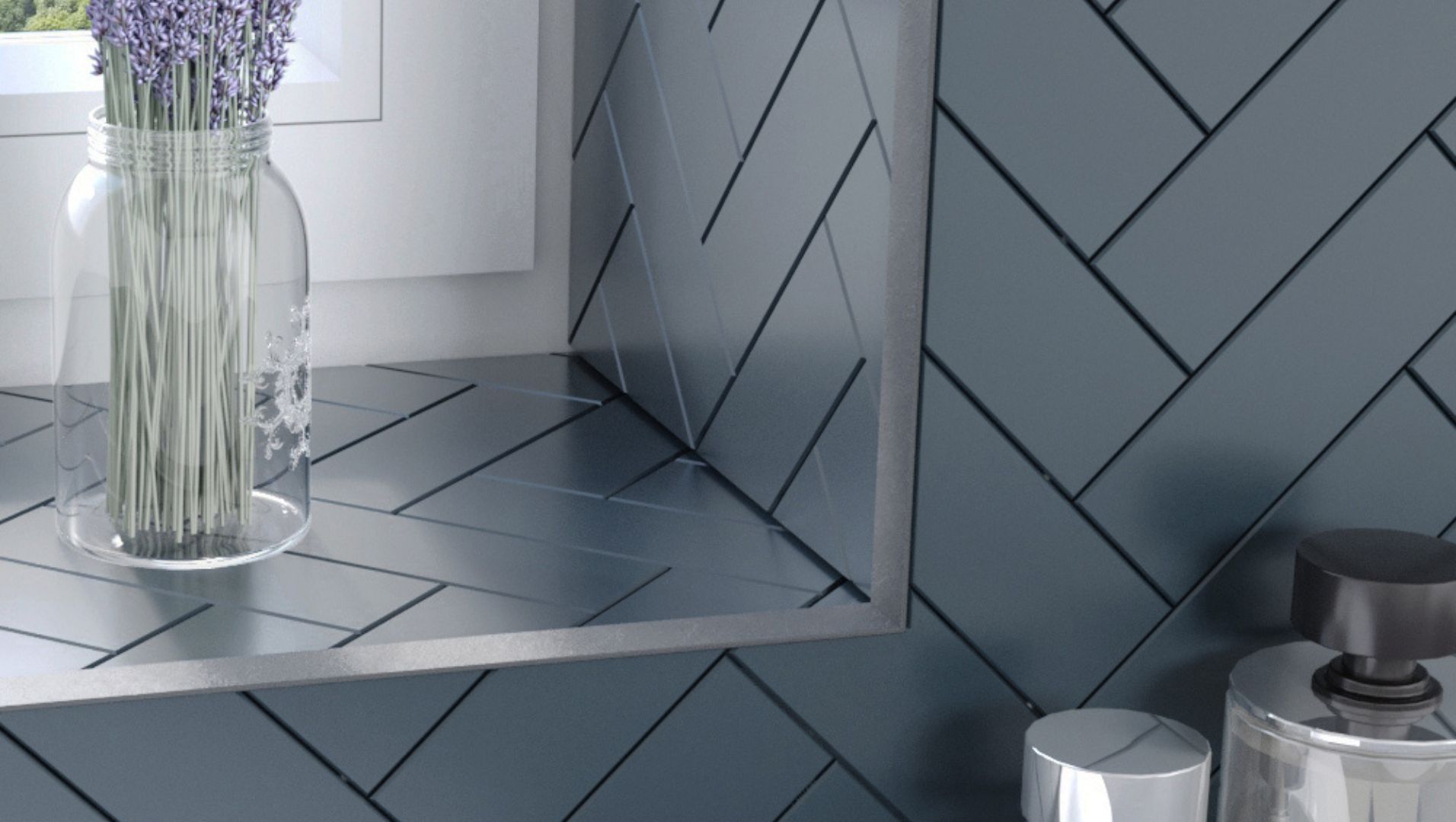
Tile trim acts as a protective barrier for the edges of tiles. By preventing chipping and cracking, it significantly extends the lifespan of your tiled surfaces. This is especially important in areas exposed to frequent use, such as bathrooms and kitchens. Without trim, exposed edges can become vulnerable to damage over time.
Enhanced Aesthetic Appeal
One of the primary benefits of tile trim is its ability to enhance the visual appeal of your tiled surfaces. Available in various materials, such as metal, plastic, and ceramic, trim can complement or contrast with your tiles to create a finished look. This added layer of design sophistication can transform mundane surfaces into focal points within a room.
Seamless Transitions
Tile trim facilitates smooth transitions between different surfaces, such as from tiled floors to carpet or hardwood. This not only improves the functionality of the space but also contributes to a cleaner, more cohesive appearance. Seamless transitions are particularly valuable in open-concept spaces where consistency in design elements is crucial.
Increased Property Value
Incorporating tile trim can add value to your property by providing a polished finish that potential buyers find appealing. The attention to detail suggests a high level of craftsmanship, which can make your home more attractive on the market. To explore more about how design details affect property value, check out property value design factors4.
Cost-Effective Solution
While it might seem like an extra expense, using tile trim can be cost-effective in the long run. By protecting tiles from damage and reducing the need for repairs or replacements, trim helps maintain the integrity of your tiling project over time. If you’re looking for budget-friendly ways to enhance your home’s interior, consider reading affordable home improvement tips5.
Tile trim increases the longevity of tiled surfaces.True
Tile trim protects edges from chipping, extending tile lifespan.
Tile trim is only available in ceramic material.False
Tile trim comes in metal, plastic, and ceramic materials.
How Can Tile Trim Enhance the Aesthetic Appeal of Your Space?
Elevate your interiors with the right tile trim, making spaces not only functional but also visually striking.
Tile trim enhances aesthetic appeal by creating clean lines, protecting edges, and adding a professional finish. It offers diverse styles and materials that complement different design themes, thus transforming ordinary tiles into cohesive and elegant surfaces.
The Role of Tile Trim in Design
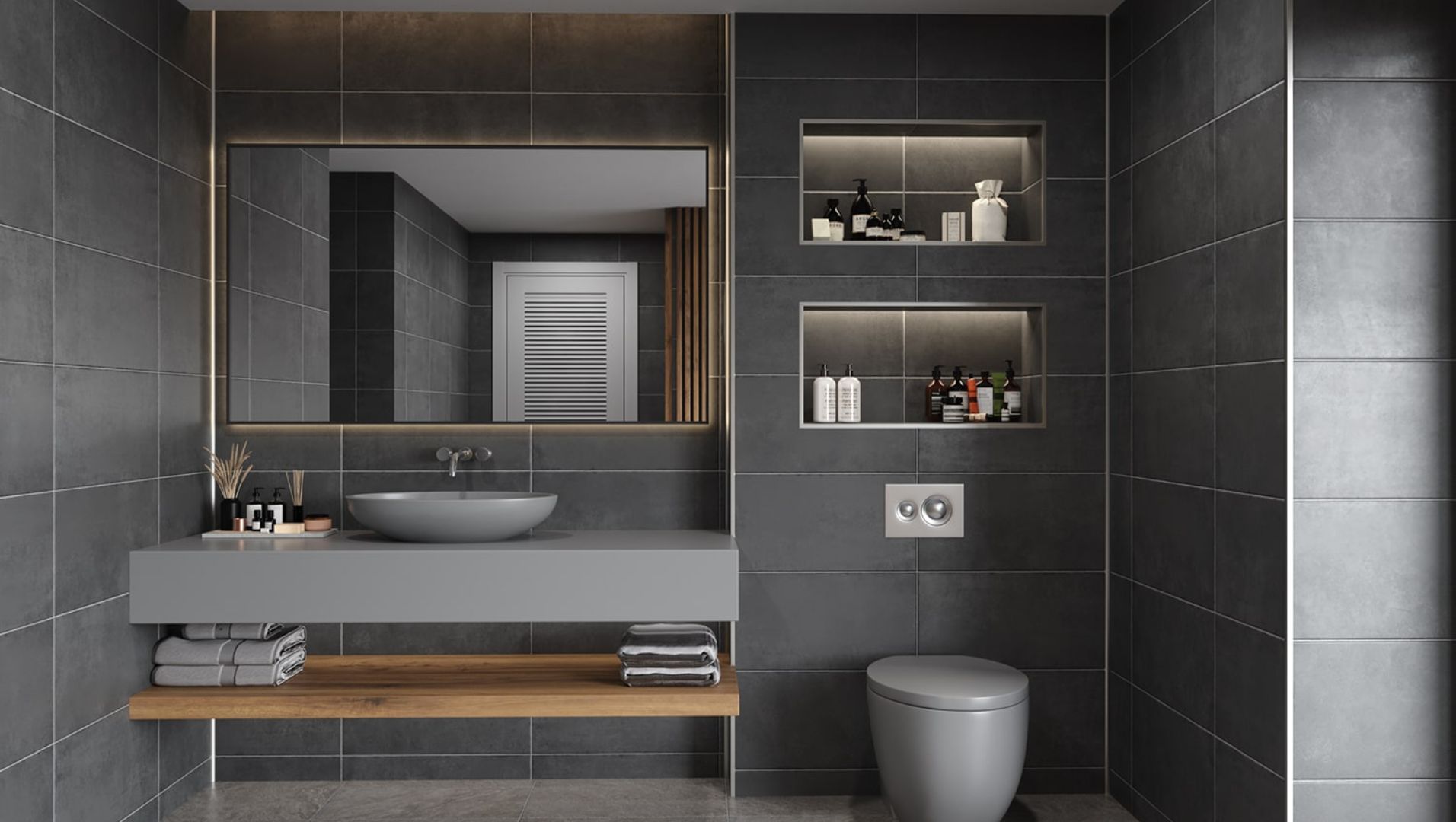
Incorporating tile trim6 into your design can significantly elevate the overall aesthetic by providing a seamless finish. Whether you’re working with intricate mosaics or large format tiles, tile trim helps define edges clearly, giving your space a structured and polished look.
Tile trims come in various materials like metal, PVC, and wood, allowing for a personalized touch. For instance, aluminum trims can provide a modern edge to contemporary designs, while wood trims might complement rustic or traditional spaces.
Creating Visual Flow with Tile Trim
Tile trim is essential in creating a visual flow between different surfaces. For example, when transitioning from tiled walls to painted surfaces or between different types of tiles, trims act as connectors that unify the space. This continuity helps avoid abrupt changes that can disrupt the visual harmony of a room.
Consider using contrasting or complementary colors to make your tile trim stand out or blend seamlessly with the existing decor. This choice can either highlight certain areas or ensure that the trim does not distract from focal points in the room.
Enhancing Texture and Depth
Adding tile trim is also a way to introduce texture and depth to flat surfaces. Trims with decorative profiles or embossed designs can break the monotony and add layers of visual interest. Using varied finishes such as gloss or matte further plays with light reflection, enhancing the dimensionality of the space.
For those aiming to achieve an industrial look, brushed metal trims can provide a sleek finish. In contrast, for a more organic ambiance, consider using natural stone trims which add an earthy texture.
Customizing Your Space
Tile trim not only protects but also allows for customization. With a wide range of styles available, from minimalistic square edges to ornate profiles, you can tailor the look to fit your design vision. For bathrooms, selecting trims with water-resistant properties will ensure longevity without compromising style.
A well-chosen trim acts like the frame of a painting, emphasizing the beauty of the tiles it borders. This small detail can transform an otherwise plain wall into an elegant feature piece.
By exploring these aspects, you can understand how tile trim contributes to both the functionality and beauty of your spaces.
Tile trim creates clean lines and protects edges.True
Tile trim provides a neat finish and safeguards tile edges.
Wood trims are ideal for modern, sleek designs.False
Wood trims suit rustic or traditional styles, not modern designs.
Conclusion
Understanding and using tile trim can transform your tiling project from average to exceptional. Explore different types and applications for a durable, beautiful finish.
-
Explore specific uses and benefits of various tile trim options.: Tile trim, also known as tile edging or tile edge trim, is a material used to finish the exposed edges of tiles in various applications. ↩
-
Learn how color theory enhances tile aesthetics effectively.: The color theory uses various principles such as hue, value, intensity, and temperature to harmonize colors. By combining different tints, … ↩
-
Discover tools ensuring precision in measuring tile trims.: 10 key tile tools that a tiler must have in their toolbox · 1. MANUAL TILE CUTTERS · 2. ELECTRIC TILE CUTTERS · 3. DIAMOND BLADES · 4. DIAMOND DRILL … ↩
-
Learn how design elements impact your home’s market value.: A recent study has shown that better interior design can impact property valuation by up to 20%. In this article, let’s explore some ways you can make your … ↩
-
Discover budget-friendly strategies to enhance your home’s interior.: 30 High-Impact, Low-Cost Home Improvement Ideas · Boost Accessible Kitchen Storage · Embellish the Entrance · Restore Shine to a Wood Floor · Give the Fireplace … ↩
-
Discover various tile trim styles to enhance your design creativity.: The shapes, colors, and designs of different style tile trims can be perfect accents to your layout. Tile trims can seamlessly blend into your design, draw … ↩






