
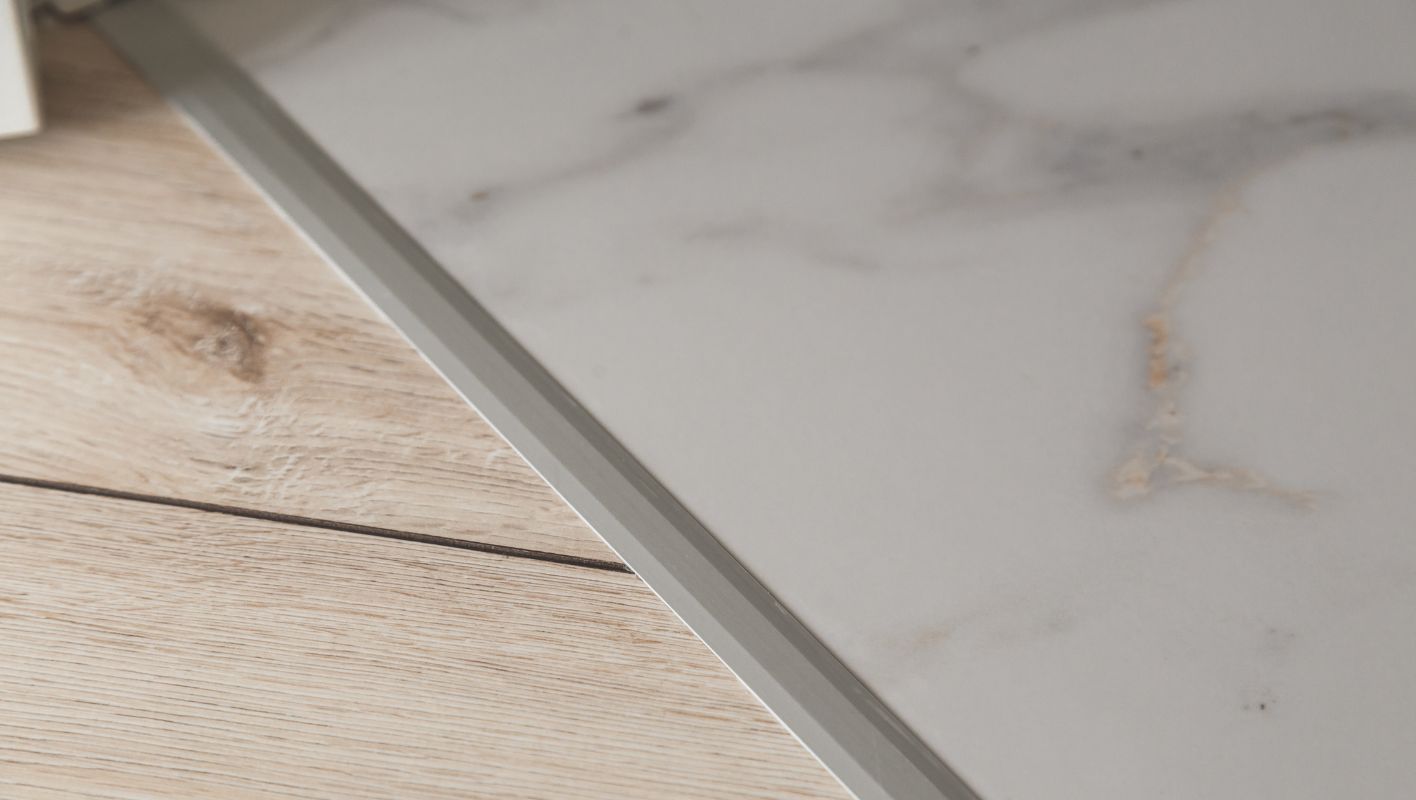
Ever wondered how a tiny strip can transform your tile project? Transition strips are the unsung heroes in flooring, making everything look seamless and last longer.
Transition strips are essential in tile installations where there is a change in height or material between two areas. They manage tile expansion and contraction, preventing damage. Even with the same tile type, transition strips boost durability and appearance.
Remember the time I was renovating my kitchen? I thought I could skip the transition strip between tiles, thinking it was just another unnecessary expense. But my contractor insisted otherwise. He explained how these strips can prevent future headaches by accommodating the natural expansion and contraction of tiles. It’s like giving your floor a bit of breathing room, ensuring that everything stays in place and looks pristine for years to come.
Let’s dive into when you might need these strips and how to pick the perfect one for your project. Trust me, understanding their role can save you from future tiling troubles and keep that polished look intact.
Transition strips are necessary for same tile type installations.True
They enhance durability and appearance by managing tile expansion.
Transition strips only serve an aesthetic purpose in tiling.False
They also manage expansion, preventing damage and ensuring longevity.
What Are Transition Strips and Why Are They Used?
Ever walked into a room and felt the jarring shift underfoot from one floor type to another? That’s where transition strips come in, creating harmony in your home.
Transition strips are narrow pieces that bridge two different flooring types, ensuring a smooth transition. They prevent trip hazards, protect flooring edges, and enhance the overall aesthetic of a room.
Understanding Transition Strips
Picture this: You’re walking from the cozy carpeted living room into the sleek, tiled kitchen, and you barely notice the transition. That’s the magic of transition strips. They bridge the gap between different flooring types—like hardwood and carpet1 or tile and laminate—making your home safer and prettier.
I remember when we renovated our home; I was baffled by how these small details could make such a big difference. I mean, who knew a strip of metal or wood could be so crucial? These strips are usually crafted from materials like wood, metal, or vinyl to seamlessly blend with the floors they connect.
Types of Transition Strips
- T-Molding: Perfect for those moments when you’re matching floors of the same height.
- Reducer Strips: My lifesaver when one floor ended up higher than the other.
- End Molding: Gives a polished finish to floors that stop at a barrier.
Each strip serves its unique purpose, keeping your space safe and visually cohesive.
| Transition Strip Type | Best Use |
|---|---|
| T-Molding | Same height connections |
| Reducer Strips | Different height levels |
| End Molding | Flooring to barrier edge |
Applications of Transition Strips
Beyond functionality, transition strips add that finishing touch to your home design. In open-plan spaces, they subtly define areas without breaking up the flow. Imagine a chic strip gently separating kitchen tiles2 from living room hardwood—it’s both practical and stylish.
In commercial settings where foot traffic is heavy, robust transition strips are a must. They not only protect the flooring but also boost safety by preventing mishaps where different floorings meet, like between offices and corridors.
Installation Insights
Getting these strips installed correctly is key. Trust me, I’ve learned the hard way that choosing the right type for your flooring needs and ensuring they’re securely in place can save you from future headaches. If you’re not sure which strip suits your space best or how to get it just right, it’s worth seeking professional advice.
Understanding these elements will empower you to make informed choices when selecting and installing transition strips, ensuring your home or business space is both beautiful and functional.
T-Molding is used for floors of different heights.False
T-Molding connects floors of the same height, not different heights.
Transition strips enhance safety in high-traffic areas.True
They reduce trip hazards and protect flooring edges, ensuring safety.
When do you need a transition strip between tiles?
Ever stumbled over a transition strip and wondered if it’s really necessary?
Transition strips are crucial when tiles meet different heights, materials, or room transitions. They ensure safety by smoothing out height changes, prevent tile damage, and enhance the aesthetic flow between spaces.
The Importance of Transition Strips
Transition strips are crucial not only for aesthetics but also for safety. They help bridge height differences between different types of flooring, preventing trip hazards and protecting the edges from damage. This is especially important in high-traffic areas where flooring transitions can wear over time.
Height Differences
Think about it: every time you step from one type of flooring to another, like from ceramic to laminate, the height difference can be a literal trip hazard. I once had to install a reducer strip between my kitchen’s ceramic tiles and the hallway’s laminate flooring. Not only did it save my toes from stubbing, but it also preserved the edges of the tiles from chipping.
| Tile Type | Height | Recommended Transition Strip |
|---|---|---|
| Ceramic | Higher | Reducer |
| Porcelain | Even | T-Molding |
| Marble | Lower | End Cap |
Material Transitions
Imagine the visual chaos without transition strips when you switch from a sleek tile to a cozy carpet. In my living room, the transition strip not only made the aesthetic switch seamless but also protected both the tile and carpet edges. It was like adding a little peace treaty between two warring flooring factions.
Room Changes
In open-plan areas of my house, like the living room flowing into the kitchen, transition strips help delineate spaces without erecting walls. They guide your eye smoothly from one area to another, allowing each room’s character to shine through while maintaining a cohesive look.
Specialized Uses
Particularly in wet rooms or patios, where water flow and temperature changes come into play, specialized transition strips can be a game-changer. They’re built to withstand moisture and temperature swings, ensuring your floors look great and last longer.
For more detailed insights on selecting the right transition strip for your project, you might find this guide3 helpful. It covers a range of options to fit every need.
Transition strips prevent tile edge damage.True
They protect edges from chipping when different flooring meets.
Ceramic tiles need T-Molding for height transition.False
Ceramic tiles typically use a reducer for height differences.
How to Choose the Right Transition Strip for Your Project?
Transitioning between different flooring can be tricky, but I’ve got some tips to make it smooth and stylish.
To choose the right transition strip, think about the materials you’re connecting, the height difference, and your design style. Measure carefully, pick the right profile, and ensure it matches your flooring.
Understanding Transition Strips
I remember the first time I tackled a flooring project. The trickiest part was making sure the transitions between rooms looked flawless and professional. Transition strips are those unsung heroes that do just that—they bridge the gaps between different types of flooring, giving you a smooth flow while protecting those edges. They come in various materials4 like wood, metal, and vinyl, each perfectly suited to different kinds of floors.
Types of Transition Strips
- T-Molding: These work wonders when you’re dealing with surfaces of the same height, like going from laminate to laminate.
- Reducer Strips: These are lifesavers when one floor is slightly higher than the other—say, from wood to vinyl.
- End Molding: Great for when your floor stops against a wall or window; it finishes things off nicely.
- Carpet Transition Strips: Designed specifically for those pesky transitions from carpet to hard surfaces.
Key Considerations
- Material Compatibility: It’s like pairing wine with cheese—you want the strip material to complement your flooring choices5. Wood strips look great with hardwood floors, while metal strips fit well with sleek, modern designs.
- Height Differences: If there’s a noticeable height difference between floors, reducers are your best friend.
- Design Preferences: Choose a design that enhances your room’s vibe without stealing the spotlight.
Measuring and Installation
I learned early on that measuring accurately is half the battle won. Measure the width and gap between floors carefully. Choose a profile that fits snugly and follow the manufacturer’s guidelines for installation.
Here’s a simple table to guide your selection:
| Flooring Types | Suggested Transition Strip |
|---|---|
| Tile to Carpet | Carpet Transition Strip |
| Laminate to Laminate | T-Molding |
| Wood to Vinyl | Reducer Strip |
| Floor to Wall/Window | End Molding |
These steps are crucial not just for functionality but also for ensuring that your transition strip complements your overall design aesthetic6. When done right, it can truly tie a room together.
T-Molding is used for different height surfaces.False
T-Molding is ideal for same-height surfaces, not different heights.
Wood transition strips are best for hardwood floors.True
Wood strips complement the aesthetics and durability of hardwood floors.
Can You Achieve a Seamless Look Without Transition Strips?
I remember the first time I tackled a flooring project without transition strips—it felt like stepping into uncharted territory.
Absolutely! You can achieve a seamless floor look without transition strips by meticulously planning your installation, choosing materials that work well together, and using techniques like tongue-and-groove systems or specialized underlayments for an even surface.
Understanding Transition Strips
Let me tell you about my love-hate relationship with transition strips. They’re like that extra piece of broccoli your mom makes you eat at dinner—they serve a purpose, but they don’t always make the dish more appealing. Transition strips are meant to bridge gaps between different flooring types, accommodating varying heights and expansion needs. But let’s be honest, they can sometimes stick out like a sore thumb in an otherwise seamless flooring aesthetic7.
Choosing Compatible Materials
I remember working on a project where the client was adamant about not using any transition strips between their porcelain tiles and engineered wood. It was a challenge! But by choosing materials with similar thicknesses and expansion characteristics, we found a perfect match. Luxury vinyl planks8 that mimicked wood and aligned perfectly with tile were a game-changer in this scenario. This approach not only met the client’s aesthetic goals but also offered practical benefits.
Advanced Installation Techniques
Tongue-and-Groove Systems
During another project, I discovered the magic of tongue-and-groove systems. These clever systems lock tiles or planks together, reducing movement and keeping everything flat and stable across the flooring surface9. By using this method, I was able to minimize the need for transition strips, achieving a beautiful, cohesive surface that left my clients thrilled.
Use of Underlayments
And then there’s the unsung hero of flooring—underlayments. A quality underlayment can be your best friend when it comes to compensating for minor height differences. I always choose an underlayment compatible with both flooring types to ensure a smooth transition10. It’s like finding that perfect pair of shoes that go with every outfit.
Considerations for Seamless Design
When aiming for a seamless design, I always pay attention to the little details:
- Color and Texture: Make sure adjacent flooring has complementary colors and textures to visually blend the transition.
- Pattern Continuity: Consistent patterns can create the illusion of one continuous surface11.
| Material Pairing | Example | Considerations |
|---|---|---|
| Tile & Wood | Porcelain & Engineered Wood | Match thickness |
| Vinyl & Laminate | Luxury Vinyl Planks & Laminate | Use underlayment |
By understanding your materials and employing strategic installation techniques, it’s entirely possible to achieve that seamless look without relying on transition strips. This approach not only elevates the aesthetic appeal but also highlights innovative design solutions in flooring. Explore further how professionals use these methods to bring elegance to spaces without visible transitions. It’s all about creating harmony between different elements, making the flooring not just a functional part of your home but also a masterpiece of design.
Transition strips are mandatory for all flooring types.False
Choosing compatible materials can eliminate the need for transition strips.
Tongue-and-groove systems reduce flooring movement.True
They lock tiles or planks together, creating a stable surface.
Conclusion
Transition strips are essential for bridging gaps between different flooring types, enhancing safety, preventing damage, and ensuring a seamless aesthetic in tile installations.
-
Explore the uses and benefits of T-molding for connecting flooring of the same height. ↩
-
Learn design strategies for transitioning between kitchen tiles and hardwood floors. ↩
-
Discover comprehensive guidance on selecting the ideal transition strip for any flooring project. ↩
-
Explore the variety of materials available for transition strips to choose one that best matches your flooring needs. ↩
-
Learn about selecting flooring materials to ensure compatibility with your transition strips. ↩
-
Discover tips on selecting transition strips that blend seamlessly with your room’s design aesthetic. ↩
-
Learn about the function and necessity of transition strips in creating seamless floors. ↩
-
Discover how luxury vinyl planks can help achieve seamless transitions in flooring. ↩
-
Understand how tongue-and-groove systems contribute to creating seamless floor surfaces. ↩
-
Explore top underlayments that help level floors and support seamless designs. ↩
-
Find tips on maintaining pattern continuity to enhance seamless floor designs. ↩






