
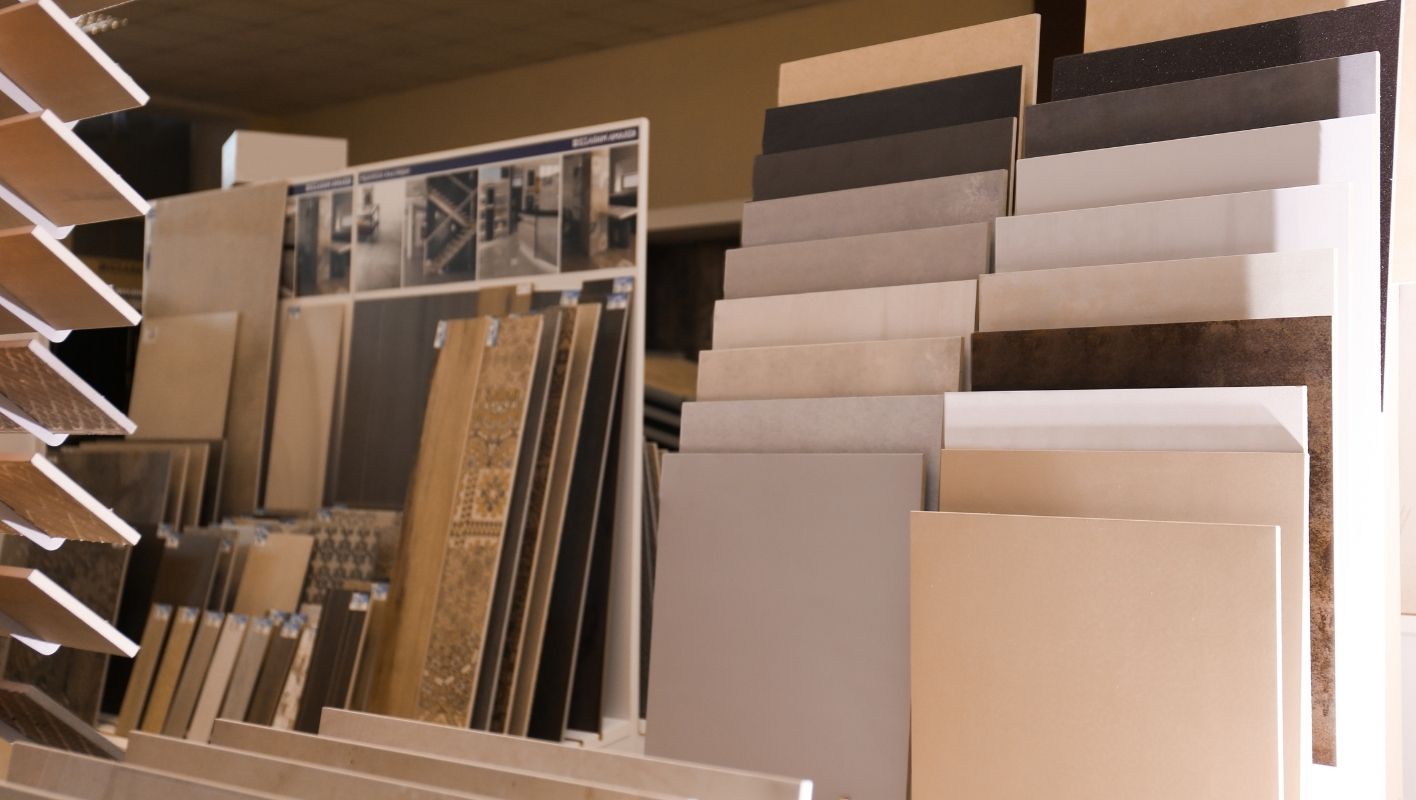
Choosing the perfect floor tiles can feel like navigating a maze of options.
Floor tiles, ranging from ceramic to porcelain, natural stone, glass, and cement, each bring unique features in durability, style, and cost. Knowing these distinctions helps you select the right tile for your home or renovation project.
Understanding the basics is just the start. Each tile type has its own story — from the earthy texture of natural stone to the sleek finish of glass tiles. Imagine walking barefoot on a cool ceramic floor in the summer or feeling the warmth of radiant-heated porcelain in winter. Let’s dive deeper into these characteristics, applications, and maintenance needs so you can find that perfect fit for your space.
Ceramic tiles are more durable than porcelain tiles.False
Porcelain tiles are denser and more durable than ceramic tiles.
Natural stone tiles require regular sealing maintenance.True
Natural stone is porous and needs sealing to prevent stains and damage.
How Do Ceramic and Porcelain Tiles Compare?
Remember that time you had to choose between two equally appealing options, like a delicious chocolate cake or a refreshing fruit tart? That’s how I feel when deciding between ceramic and porcelain tiles.
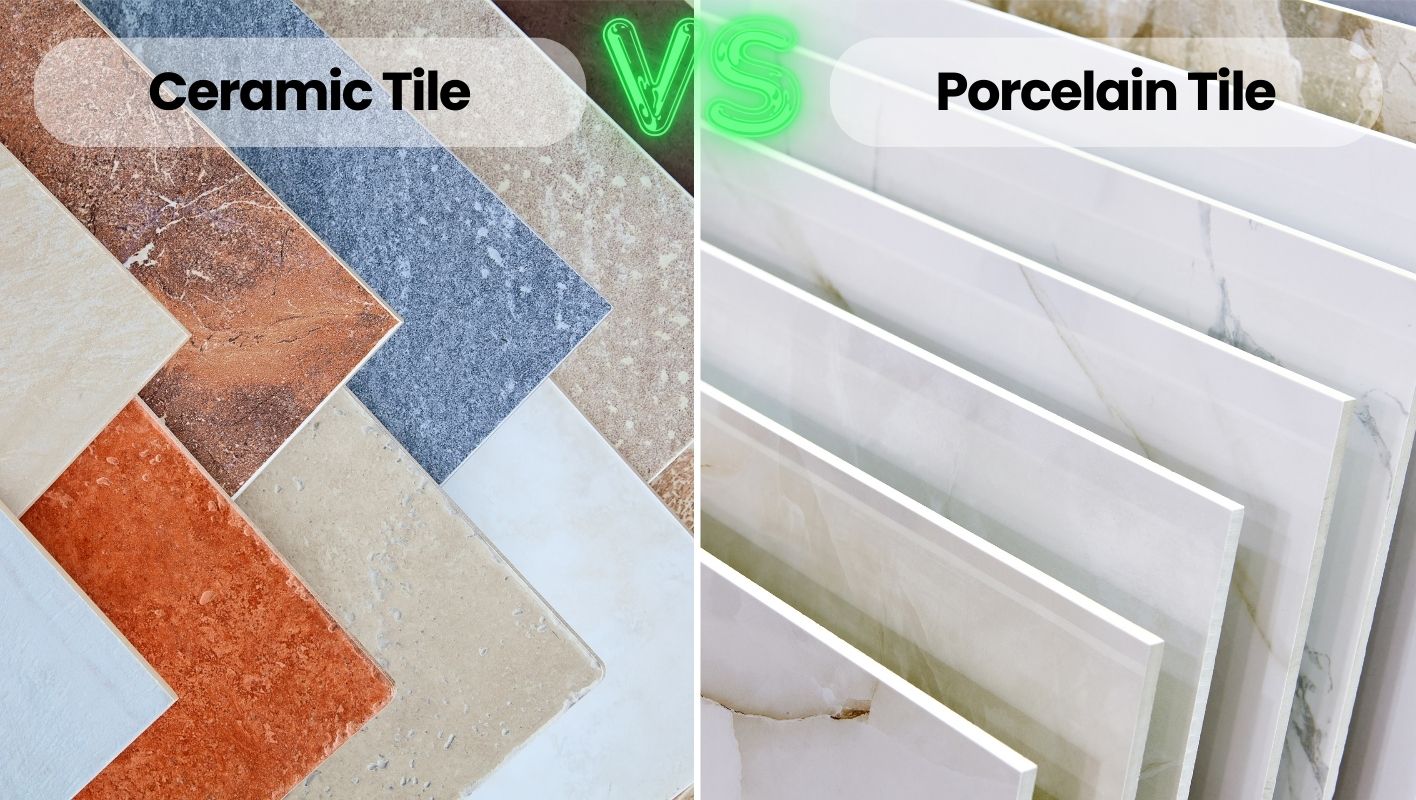
Ceramic tiles, less dense and more affordable, are perfect for indoor projects with lighter foot traffic. Porcelain tiles, denser and more durable, excel in high-traffic areas and outdoor use.
Composition and Manufacturing
Every time I look at tiles, I’m reminded of my first big project. I learned that both ceramic and porcelain tiles start with clay, but there’s a twist. Ceramic tiles are made from red, brown, or white clay, fired at lower temperatures, which is like baking cookies at 350 degrees versus 400. Porcelain tiles1, on the other hand, are crafted from refined clay and fired at higher temperatures. This process gives them their dense, durable nature—like a well-cooked steak compared to a rare one.
Durability and Strength
During one of my early renovation jobs, I discovered porcelain’s superiority in durability. Imagine your floor enduring years of heavy footsteps without a crack. That’s porcelain for you—resistant and reliable. It’s like choosing a sturdy hiking boot over a flimsy slipper. Ceramic tiles, while charming, might chip or crack more easily, ideal for spaces where you want style without the stress of constant wear.
| Property | Ceramic Tiles | Porcelain Tiles |
|---|---|---|
| Density | Less Dense | More Dense |
| Water Absorption | Higher | Lower |
| Suitability | Indoor Use | Indoor & Outdoor |
Aesthetics and Design Versatility
When I first started experimenting with tile designs, I was amazed by the array of choices. Porcelain tiles can mimic the look of natural stone or wood due to their fine grain and consistent color, perfect for those who love the elegance of nature indoors. Ceramic tiles come in vibrant colors and patterns, offering a playful palette for creative indoor styles.
Cost Considerations
Budgeting is always crucial in any project. Think of ceramic tiles as the economical yet stylish pair of shoes you grab on sale—they’re affordable for large areas. Porcelain tiles tend to be pricier due to their advanced manufacturing process—akin to a designer brand worth the price for their unmatched quality.
Maintenance and Lifespan
I once tackled a bathroom project that taught me about maintenance. Porcelain tiles2 were a breeze—water-resistant and stain-proof; they barely needed upkeep. Ceramic tiles required more frequent cleaning and sealing—especially in wet areas like kitchens or bathrooms.
Installation Challenges
The first time I attempted installing porcelain tiles, I realized they could be as tough as they are durable. Their hardness makes cutting and installing tricky, often needing specialized tools or professional help—think of assembling a complex piece of furniture without instructions. Ceramic tiles are easier to handle, perfect for DIY enthusiasts wanting to save on costs while enjoying a hands-on project.
Porcelain tiles are more water-resistant than ceramic tiles.True
Porcelain tiles have lower water absorption due to their density.
Ceramic tiles are harder to install than porcelain tiles.False
Ceramic tiles are easier to cut and install due to their softness.
Are Natural Stone Tiles the Right Choice for Your Home?
Ever wondered if natural stone tiles are worth the investment for your home? Let me share what I discovered when I went through the same dilemma.
Natural stone tiles are visually stunning and long-lasting, perfect for upscale projects. However, they can be expensive and demand higher upkeep compared to synthetic options, potentially making them unsuitable for those on a budget or seeking low-maintenance solutions.
The Appeal of Natural Stone Tiles
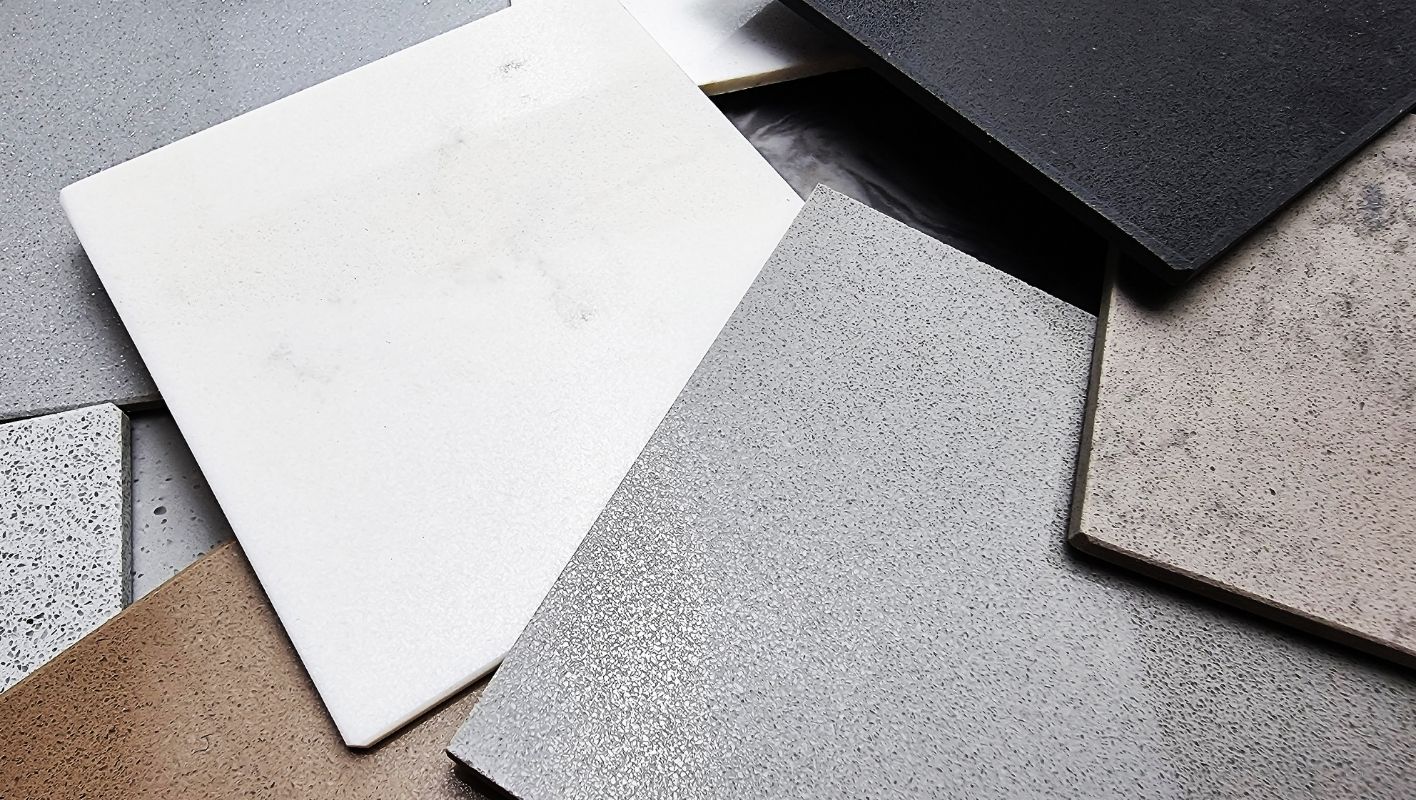
I remember the first time I stepped into a friend’s newly renovated kitchen; the gleaming marble floors immediately caught my eye. Natural stone tiles like marble, granite, and limestone exude an elegance that’s hard to beat. Each tile is like a piece of art, unique in its own right, with beautiful veining and color variations that bring character and sophistication to any room. They have this timeless allure that can transform a space into something truly special. And let’s not forget their durability; these tiles can withstand years of wear and tear, often outlasting other flooring materials.
Challenges in Maintenance
However, living with natural stone tiles has its challenges. When I installed marble tiles in my bathroom, I quickly learned about their delicate nature. They require regular maintenance to keep their lustrous appearance. Marble, for instance, is prone to staining and scratching, which means frequent sealing and cautious cleaning with pH-neutral products are a must. I found myself becoming quite the expert in tile care—an unexpected hobby! While the effort is worth it for the beauty they offer, it’s something to consider if you’re not up for the maintenance commitment.
Cost Considerations
Another aspect to weigh is cost. When I was budgeting for my kitchen remodel, I found natural stone tiles significantly more expensive than other options. The price not only includes the material but also the installation. The tiles are heavy and often require professional installation, adding to the expense. This can be a deal-breaker if you’re working within a tight budget.
| Material | Cost per sq ft (approx) | Durability | Maintenance |
|---|---|---|---|
| Marble | $10-$20 | Medium | High |
| Granite | $15-$30 | High | Medium |
| Limestone | $8-$20 | Medium | High |
Environmental Impact
For those who value sustainability like I do, the environmental impact3 of natural stone can be a concern. The quarrying and transportation processes aren’t exactly eco-friendly. However, I’ve noticed a shift in the market with suppliers offering more sustainable options, like stone from eco-friendly quarries or even recycled stone. This has made it easier to align my renovation choices with my green values.
Versatility in Design
One thing that continues to impress me is the versatility of natural stone tiles. Whether I’m considering them for my kitchen countertops or my bathroom floor, they adapt beautifully to any design vision. With a variety of textures, finishes, and sizes available, they allow for creativity and personalization in every project. It’s no wonder designers love them for their ability to bring unique solutions4 to life.
Natural stone tiles are more durable than synthetic options.True
Natural stone tiles often outlast synthetic materials due to their robust composition.
Marble is the most affordable natural stone tile option.False
Marble tiles range from $10-$20 per sq ft, making them not the cheapest option.
Are Glass Tiles Suitable for High-Traffic Areas?
I’ve always loved the look of glass tiles, but I often wonder if they’re practical for my busy spaces.
Glass tiles can be a great choice for high-traffic areas if they’re installed and maintained correctly. They combine durability with style, but it’s crucial to use non-slip finishes and keep them clean to avoid scratches and damage.
Durability of Glass Tiles
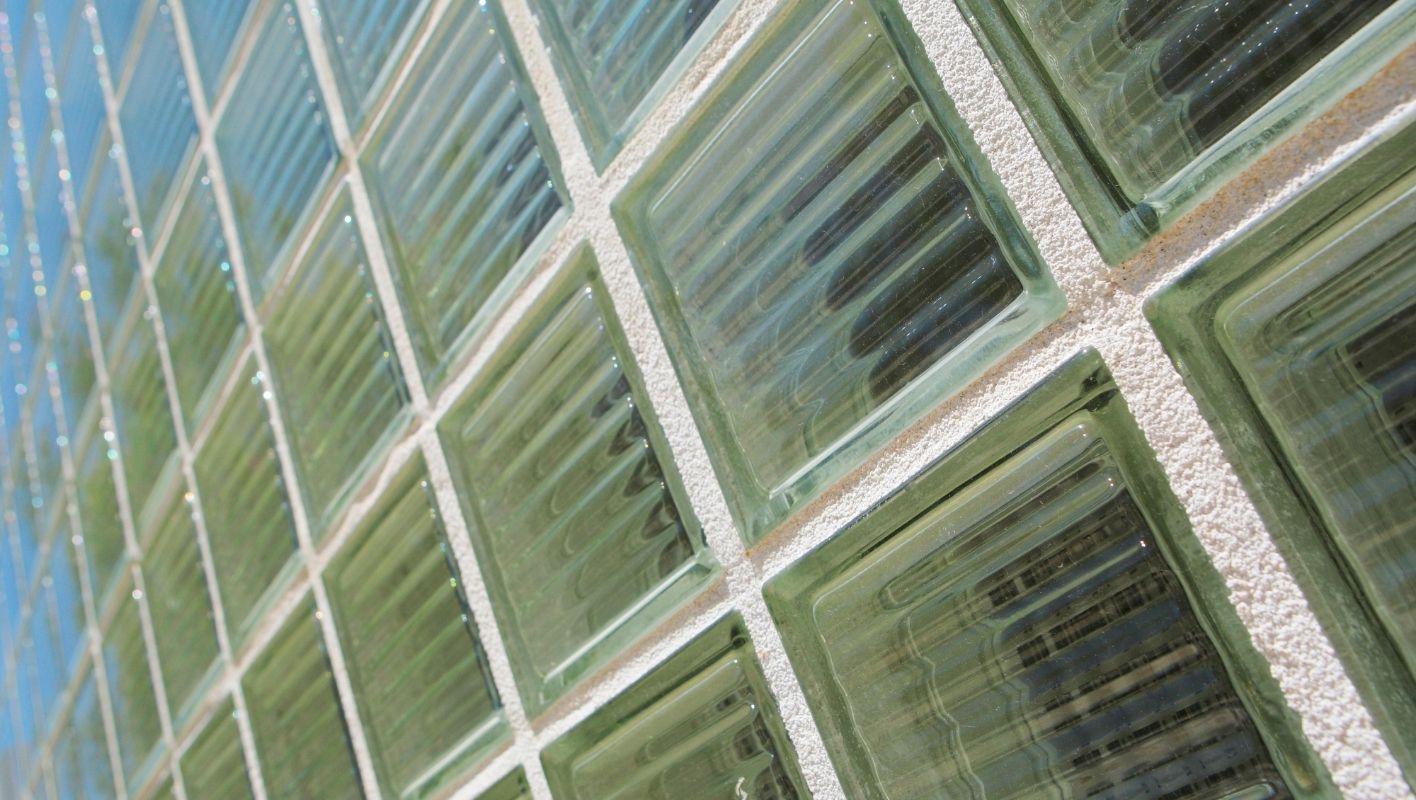
I remember the first time I considered glass tiles for my hallway. I was drawn to their sleek, elegant look, but I worried about their durability5. It turns out, glass tiles are tougher than they seem, thanks to their strong composition. However, they can chip if subjected to extreme conditions, like dropping heavy objects on them—a lesson I learned the hard way when my son decided to test his bowling skills indoors. For high-traffic areas, like a busy kitchen or hallway, reinforced glass tiles with thicker profiles might be the way to go to ensure they last longer.
| Pros | Cons |
|---|---|
| Elegant appearance | Prone to scratching |
| Reflects light well | Can be slippery when wet |
| Eco-friendly options | Requires regular maintenance |
Maintenance Requirements
Keeping glass tiles looking pristine in a bustling space requires some commitment. Regular cleaning is essential to prevent scratches and maintain their shine. I’ve found that using a mild detergent with a soft cloth works wonders in preserving their beauty. Adding a non-slip coating or opting for textured tiles can also make these surfaces safer and more practical in busy environments. I had a near miss once when my niece dashed through the kitchen with wet feet—thankfully, the non-slip finish saved the day!
Comparing Glass Tiles to Other Materials
When I weigh the pros and cons of glass tiles against other materials like porcelain or ceramic, it’s clear that each has its own perks. Porcelain tiles are known for their strength and low maintenance, while ceramic offers a budget-friendly versatility. Yet, there’s something magical about how glass tiles reflect light, brightening up any space they adorn.
| Material | Durability | Maintenance | Aesthetic Appeal |
|---|---|---|---|
| Glass | Moderate | Moderate | High |
| Porcelain | High | Low | Moderate |
| Ceramic | Moderate | Low | Moderate |
Understanding the advantages6 and potential drawbacks of each option helps in making an informed choice for high-traffic areas. When deciding, I focus on what matters most: safety, ease of cleaning, and cost-effectiveness—all while ensuring the space looks fantastic.
Glass tiles are stronger than porcelain tiles.False
Porcelain tiles are generally stronger and more durable than glass tiles.
Glass tiles require regular maintenance in high-traffic areas.True
Regular cleaning is needed to prevent scratches and maintain their appearance.
Why Are Cement Tiles So Popular?
I remember the first time I saw cement tiles—it was like stepping into a mosaic of colors and stories. These tiles tell tales of artisanship, resilience, and timeless beauty.
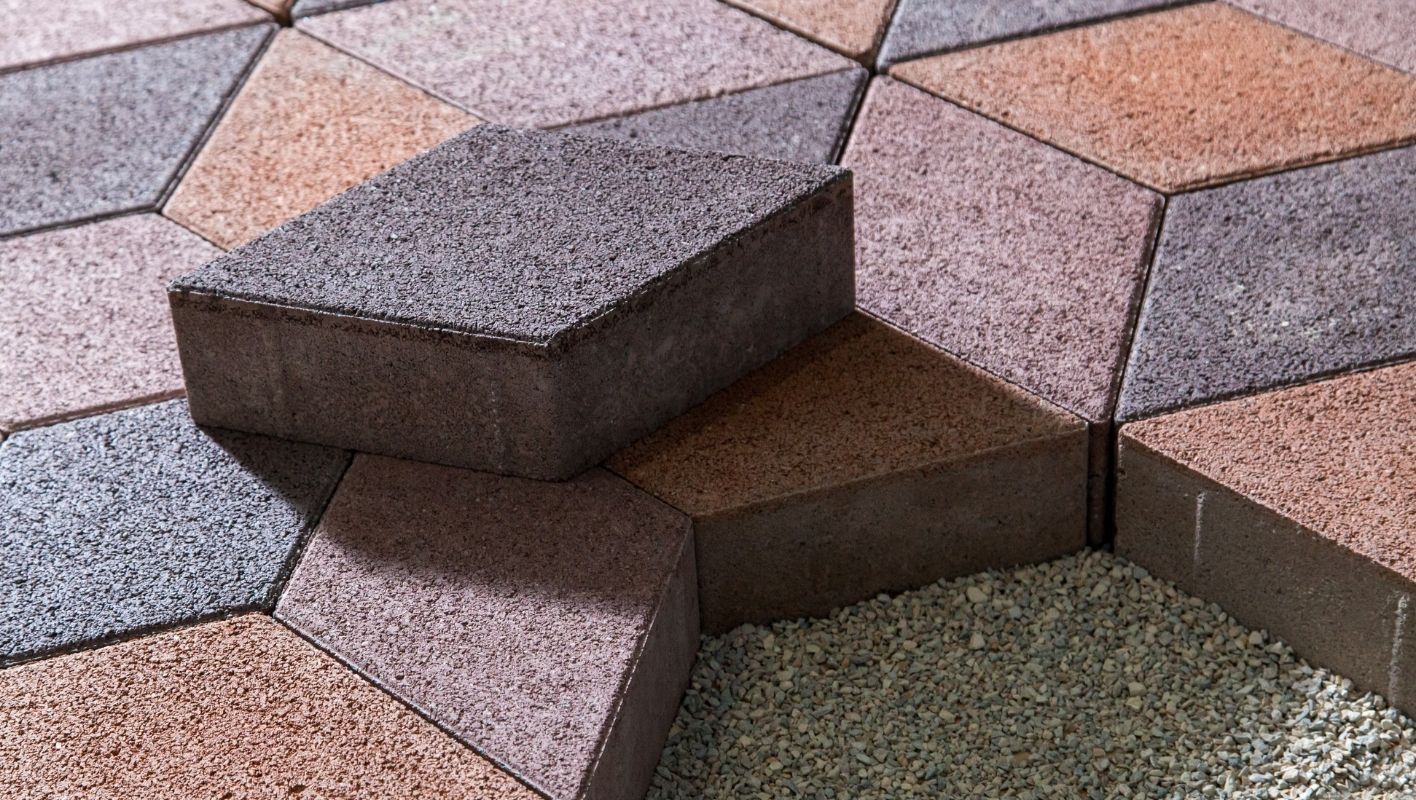
Cement tiles captivate with their blend of durability, eco-friendliness, and artistic flair. Each handmade tile is unique, offering endless design possibilities while being robust enough for high-traffic areas.
The Unique Craftsmanship of Cement Tiles
There’s something genuinely magical about knowing that each cement tile is crafted by hand. Imagine the care and skill artisans pour into these tiles; it’s like each one carries a piece of their soul. I remember visiting a workshop once, watching them mix colors and patterns with such precision that no two tiles turned out the same. This level of craftsmanship means you can truly customize your space—each design feels like it’s telling your personal story.
Cement tiles are revered for their handcrafted quality. Each tile is made by skilled artisans using a unique process7, ensuring no two tiles are exactly alike. This craftsmanship allows for customizable designs, making them perfect for personalized projects.
Durability and Longevity
The strength of cement tiles never ceases to amaze me. These aren’t just pretty faces; they’re built to last. I once used them in a high-traffic hallway project, and years later, they still look as good as new. Their secret lies in the combination of cement, sand, and vibrant pigments, all pressed together to create a resilient surface.
Unlike other tiles, cement tiles boast impressive longevity. They’re created with a mixture of cement, sand, and pigments, which are hydraulically pressed. This gives them remarkable strength, ideal for areas with high foot traffic.
| Material Comparison | Cement Tiles | Ceramic Tiles |
|---|---|---|
| Durability | High | Moderate |
| Customization | Extensive | Limited |
| Eco-Friendliness | High | Low |
Eco-Friendly Benefits
For those of us who care about the planet, choosing cement tiles feels like making a stand for sustainability. They’re crafted from natural materials, which aligns perfectly with my commitment to eco-friendly building practices. Plus, the production process is gentle on the environment compared to many mass-produced alternatives, so it’s a win-win.
Cement tiles are an eco-conscious choice. They’re made from natural materials, making them a sustainable option compared to other tiles that may contain harmful chemicals. The production process of cement tiles also has a lower environmental impact8 compared to mass-produced ceramic tiles.
Versatility in Design
Cement tiles have this incredible ability to adapt to any design style—be it a bold kitchen backsplash or a serene bathroom floor. I’ve seen them transform spaces, bringing a unique character that fits both residential and commercial settings perfectly. The possibilities are endless, allowing each project to become a personal work of art.
From classic to contemporary, cement tiles offer endless design possibilities. Whether it’s a vibrant kitchen backsplash or a muted bathroom floor, these tiles can complement any style. Their versatility makes them suitable for both residential and commercial spaces.
Explore more about the unique applications9 of cement tiles and how they can transform your space into a work of art.
Cement tiles are handmade by artisans.True
Each tile is crafted using a unique process, ensuring uniqueness.
Cement tiles are less durable than ceramic tiles.False
Cement tiles have high durability, surpassing ceramic tiles.
Conclusion
Explore various floor tile types including ceramic, porcelain, natural stone, glass, and cement. Each offers unique durability, aesthetics, and maintenance needs to suit diverse design preferences and budgets.
-
Discover how porcelain tiles are manufactured to understand their superior durability and aesthetic qualities. ↩
-
Learn effective maintenance tips for porcelain tiles to keep them looking new and extend their lifespan. ↩
-
Understand the ecological concerns and efforts to minimize impact in natural stone sourcing. ↩
-
Discover how natural stone tiles can be customized for innovative design applications. ↩
-
Discover expert opinions on the durability of glass tiles to ensure they meet your high-traffic needs. ↩
-
Explore how glass tiles compare to porcelain in terms of aesthetics and practical use for informed decisions. ↩
-
Discover the intricate handmade process behind each cement tile, highlighting the artistry and craftsmanship involved. ↩
-
Learn about the eco-friendly production process of cement tiles and how they contribute to sustainable building practices. ↩
-
See various design ideas and applications for cement tiles, offering inspiration for your own projects. ↩






