
Have you ever been excited to set the mood with your LED strip lights, only to be met with an annoying flicker? Trust me; I’ve been there too! Understanding why this happens can help you restore that perfect glow.
LED strip lights often flicker due to voltage fluctuations, incompatible dimmers, or wiring issues. These problems can be caused by unstable power supplies, poor connections, or low-quality components. Identifying the specific cause is essential for effective troubleshooting.
While understanding the basic causes of flickering is helpful, delving deeper into each factor will equip you with the knowledge to address these issues thoroughly. From voltage stabilization to selecting the right dimmer, our comprehensive guide will illuminate the path to a flicker-free LED experience.
Voltage fluctuations cause LED strips to flicker.True
Unstable power supply disrupts current flow, leading to flickering.
How Do Voltage Fluctuations Affect LED Strip Lights?
Voltage fluctuations can significantly impact LED strip lights, causing issues like flickering and reduced lifespan. Understanding these effects is key to maintaining optimal performance.
Voltage fluctuations cause LED strip lights to flicker by disrupting the stable current flow required for consistent illumination. An unstable power supply or inadequate driver often leads to such fluctuations, resulting in noticeable flickering and potential damage over time.
The Role of Voltage in LED Strip Lights
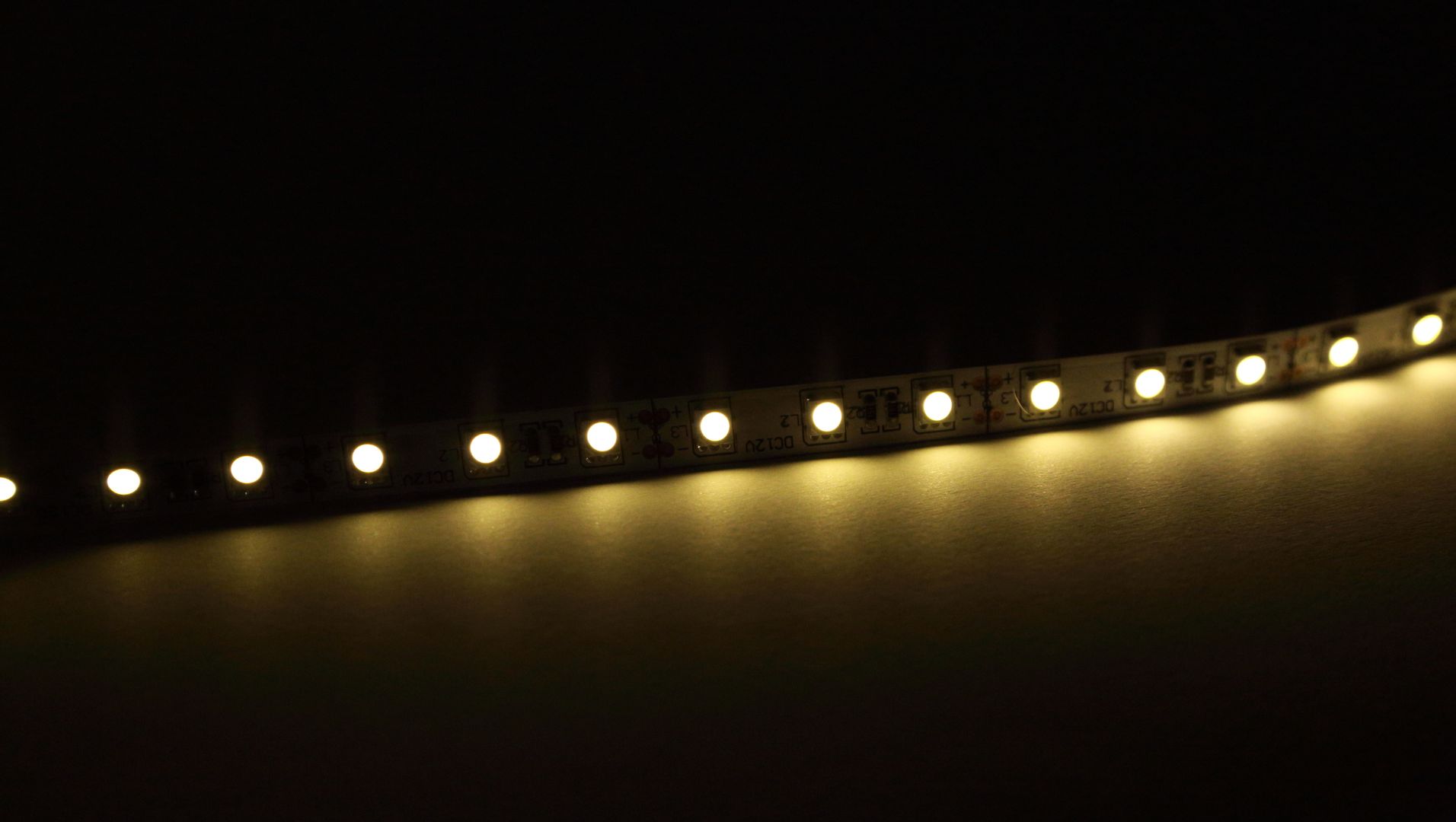
LED strip lights rely on a constant voltage to maintain their luminosity and efficiency. When voltage fluctuates, the electrical current driving the LEDs becomes inconsistent, leading to flickering or dimming. This not only affects the lighting quality but also impacts the longevity of the LEDs.
Common Causes of Voltage Fluctuations
-
Inadequate Power Supply
LED strips require a power supply capable of delivering a steady voltage. If the power supply is underpowered or faulty, it can cause fluctuations that lead to flickering. Selecting the right power supply, matched to the wattage and length of your LED strip, is crucial.
-
Voltage Drop Over Long Distances
When LED strips are installed over long distances without sufficient power feed points, voltage drop can occur. This drop results in lower voltage at the far end of the strip, causing uneven brightness and potential flickering.
-
Unstable Electrical Grid
External factors such as an unstable electrical grid can also lead to voltage fluctuations. This is more common in areas with frequent power outages or poor electrical infrastructure.
| Factors | Impact on LED Strip Lights |
|---|---|
| Inadequate Power Supply | Flickering, reduced brightness |
| Voltage Drop | Uneven brightness, flickering at ends |
| Unstable Grid | General flickering across installations |
Solutions for Managing Voltage Fluctuations
To mitigate voltage fluctuations, consider implementing some of these solutions:
- Use a High-Quality Power Supply: Ensure that your power supply is adequate for the LED strip’s requirements. Look for options with built-in voltage stabilization features.
- Install Additional Power Feed Points: For long LED strips, additional power feed points help maintain consistent voltage throughout the length of the strip.
- Voltage Regulators: Installing voltage regulators can help manage fluctuations from the electrical grid, providing a steady output to your LED strips.
Understanding power supply requirements1 and how to stabilize voltage can significantly enhance the performance and lifespan of your LED strip lights.
Voltage fluctuations cause LED strip lights to flicker.True
Fluctuations disrupt the stable current flow, leading to flickering.
Voltage regulators worsen LED strip light performance.False
Regulators stabilize voltage, enhancing LED strip performance.
Can Dimmer Compatibility Issues Lead to Flickering?
Understanding dimmer compatibility is crucial in preventing flickering issues in LED strip lights.
Yes, dimmer compatibility issues can cause LED strip lights to flicker. Incompatible or low-quality dimmers may not manage the lower wattage and electronic properties of LEDs effectively, leading to inconsistent lighting. Ensuring dimmer and LED compatibility is essential to achieving stable, flicker-free illumination.
Understanding Dimmer Types
To address flickering caused by dimmer compatibility, it’s important to understand the different types of dimmers available:
- Leading-Edge Dimmers: These are traditionally used for incandescent bulbs. They work by cutting off part of the sine wave at the beginning, which isn’t ideal for LED technology.
- Trailing-Edge Dimmers: Designed for electronic loads, these are better suited for LED lighting because they provide smoother control and less flickering.
Impact of Incompatible Dimmers
Using a dimmer that is not compatible with LED technology can lead to several issues:
- Flickering and Strobing: Incompatible dimmers can result in noticeable flickering or strobing effects, disrupting the desired lighting ambiance.
- Limited Dimming Range: An inappropriate dimmer may not allow for full-range dimming, leading to lights being either too bright or too dim.
Selecting the Right Dimmer for LED Strip Lights
When choosing a dimmer for your LED strip lights, consider the following tips:
- Check the manufacturer’s specifications to ensure compatibility with LED lighting.
- Opt for dimmers specifically labeled as "LED-compatible" or "LED-rated" to avoid potential flickering.
Troubleshooting Flickering Issues
If you experience flickering, consider these steps:
- Replace Incompatible Dimmers: Upgrade to a trailing-edge dimmer or one recommended by your LED strip light manufacturer.
- Check Wiring and Connections: Ensure all connections are secure and appropriate for LED technology.
- Consult with Experts: If problems persist, consulting a lighting specialist may help identify and resolve underlying issues.
Understanding the compatibility between dimmers and LEDs2 is crucial for a stable lighting experience. Choosing the right components can help you achieve the desired ambiance without interruptions.
Incompatible dimmers cause LED flickering.True
Incompatible dimmers can't manage LEDs' lower wattage, causing flicker.
Leading-edge dimmers are ideal for LEDs.False
Leading-edge dimmers aren't suited for LEDs; trailing-edge are better.
What Wiring Problems Cause LED Lights to Flicker?
LED lights flickering can often be traced back to wiring problems. Understanding these issues can help you ensure a stable lighting setup.
Wiring problems causing LED flickering include loose connections, insufficient power supply, and voltage drops from long strips. Ensuring secure wiring and appropriate power distribution is key to resolving these issues.
Loose Connections and Corroded Wires
One of the most common wiring issues leading to LED flickering is loose connections. When the wires are not securely fastened, the electrical current cannot flow smoothly, causing intermittent power delivery. This can result in a noticeable flicker in your LED lights. Corrosion on connectors can also exacerbate this issue by increasing resistance, further disrupting the current flow.
To address this, ensure all connections are tight and free from corrosion. Regular maintenance checks can prevent this problem by catching loose or corroded wires before they become significant issues.
Voltage Drops in Long LED Strips
LED strips that run over long distances without adequate power feed points can experience voltage drops. This occurs when the voltage decreases as it travels along the length of the strip, resulting in dimming or flickering, especially towards the end of the strip.
To mitigate this, consider using thicker gauge wires or adding additional power supply points along the strip. This ensures a consistent voltage is maintained throughout the entire strip.
Inadequate Power Supply
LED lights require a stable power source to function correctly. If the power supply is underpowered for the total wattage of your LED setup, it can lead to flickering. It’s crucial to choose a power supply that matches or exceeds the total wattage of your LEDs.
Table: Recommended Power Supply for LED Strip Lights
| Total Wattage of LED Strip | Recommended Power Supply Capacity |
|---|---|
| 10 Watts | 15 Watts |
| 20 Watts | 30 Watts |
| 30 Watts | 45 Watts |
By selecting a power supply with a higher capacity, you ensure that your LEDs receive a consistent voltage, preventing flickering caused by power insufficiencies.
For more detailed guidance on selecting the right power supply for your setup, explore resources on power supply selection3 and wiring techniques4 to enhance your LED experience.
Loose connections cause LED lights to flicker.True
Loose connections disrupt current flow, causing flickering.
Voltage drops do not affect long LED strips.False
Voltage drops in long strips can cause dimming or flickering.
How Does LED Quality Influence Flickering?
LED strip lights’ performance and stability largely depend on their quality, directly impacting flickering issues.
LED quality affects flickering as low-quality components may lead to unstable performance. Inferior manufacturing processes can result in defective diodes, poor heat management, and inadequate drivers, causing LEDs to flicker.
The Role of LED Components in Flickering
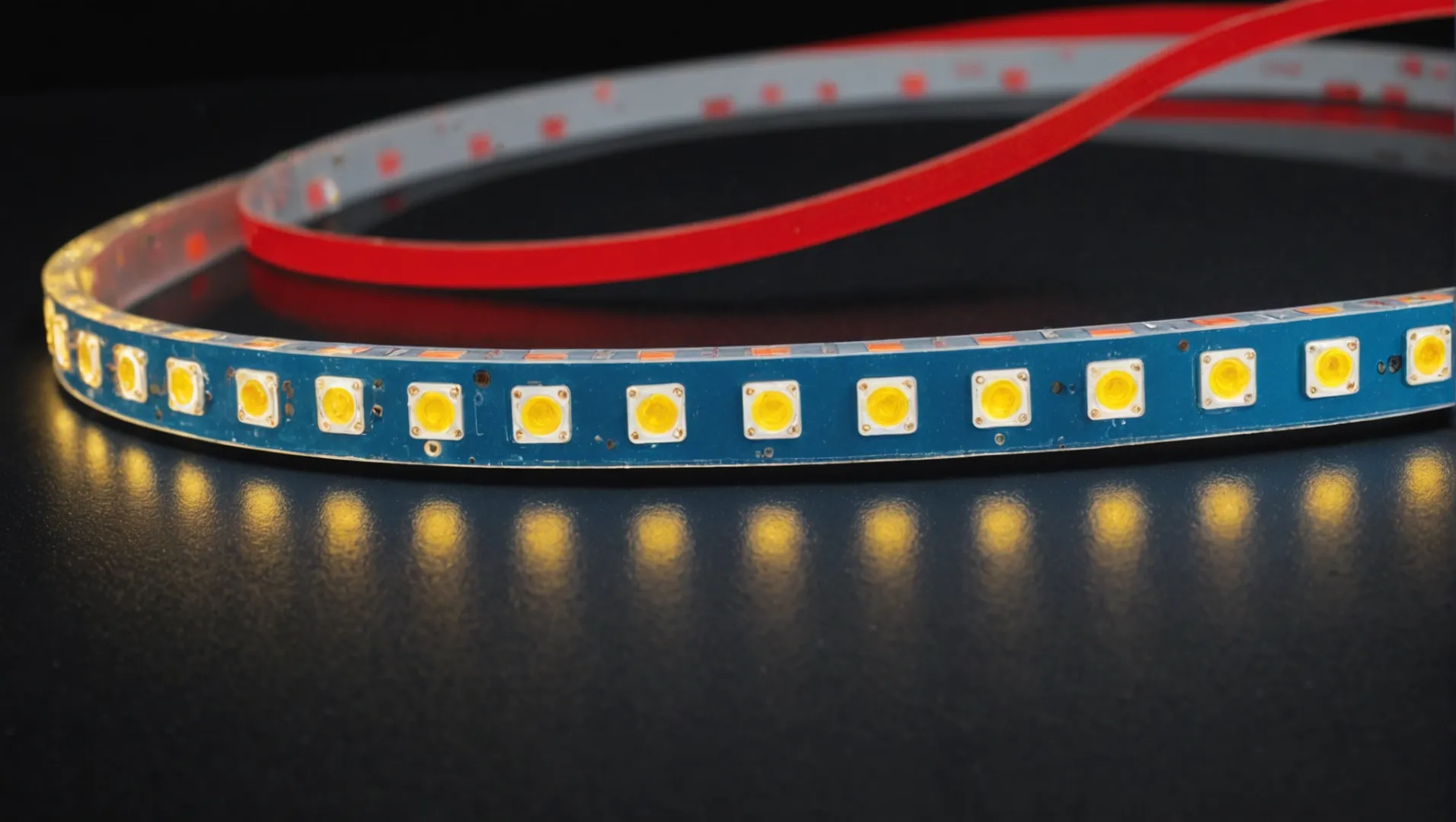
The quality of components used in LED strip lights is a primary factor in their tendency to flicker. High-grade components are designed to handle electrical loads more efficiently, reducing the risk of instability. In contrast, low-quality LEDs often contain cheaper materials that are susceptible to wear and tear, leading to flickering.
For instance, low-quality diodes might not handle current fluctuations well, resulting in inconsistent light output. Manufacturers using poor-quality phosphors can also affect the light consistency, making flickering more noticeable.
Impact of Manufacturing Processes
The manufacturing process plays a significant role in determining LED quality. Precision in the assembly line ensures that each component functions correctly within its system. However, cost-cutting measures during production can lead to defects such as misaligned diodes or inadequate soldering. These defects contribute significantly to flickering by causing intermittent electrical connections.
For example, some manufacturers may skip essential quality control steps to reduce costs, resulting in LEDs that fail prematurely or flicker under normal operating conditions.
Importance of Heat Management
Effective heat dissipation is critical for maintaining LED stability. Poor heat management can lead to thermal runaway—a condition where the LED overheats, causing flickering or even failure. Quality LEDs are equipped with superior heat sinks and materials that ensure effective heat management.
In comparison, subpar LED strips might lack adequate cooling mechanisms, leading to increased internal temperatures and subsequent flickering. This highlights the importance of investing in high-quality LED products with proper thermal design.
Choosing the Right LED Driver
The LED driver is an integral component that regulates power supply to the strip lights. Low-quality drivers may not provide a consistent current, resulting in flickering. High-quality drivers ensure stable power delivery and compatibility with dimmers, reducing the likelihood of flicker.
For instance, opting for LED strips with advanced driver technology can mitigate issues related to voltage fluctuations and provide a smoother lighting experience.
Understanding these factors can guide consumers towards selecting better-quality LED products that minimize flickering and enhance overall performance. To explore further, consider checking out resources on LED component quality standards5 and LED driver technologies6.
Low-quality LEDs often flicker due to poor heat management.True
Inferior heat management in low-quality LEDs leads to flickering.
High-quality LED drivers increase flickering risk.False
High-quality drivers ensure stable power, reducing flickering risk.
Conclusion
Understanding and addressing flickering in LED strip lights is crucial for optimal performance. By identifying causes and implementing fixes, you can enjoy consistent lighting without interruptions.
-
Learn to select a compatible power supply for stable LED performance.: The first step is to figure out what the voltage of the LED strip is. The majority of LED strips available on the market run at 12V DC. Others are primarily at … ↩
-
Guides on selecting compatible dimmers ensure optimal LED performance.: If you have a universal dimmable driver, you’re in luck. You can choose ANY dimmer switch rated for LEDs. Can you guess why we call this one ‘universal’? ↩
-
Learn how to select the ideal power supply for flicker-free LEDs.: Step 1: Determine the LED strip voltage · Step 2: Determine the power draw of the LED strip · Step 3: Determine the connection method. ↩
-
Discover effective wiring techniques to prevent LED flickering.: A wire gauge of 22 AWG or higher is recommended. You should also use a high-quality soldering iron and solder to connect your wires to the LED strip lights. To … ↩
-
Learn about the benchmarks for superior LED component quality.: Quality control and product testing ensure that everything meets safety standards, maintains quality performance, and provides an excellent user experience. ↩
-
Understand how innovative driver technologies enhance LED stability.: A large value capacitor across the LED panel will smooth the supply current and so reduce the flicker. Some drivers might object to the … ↩






