
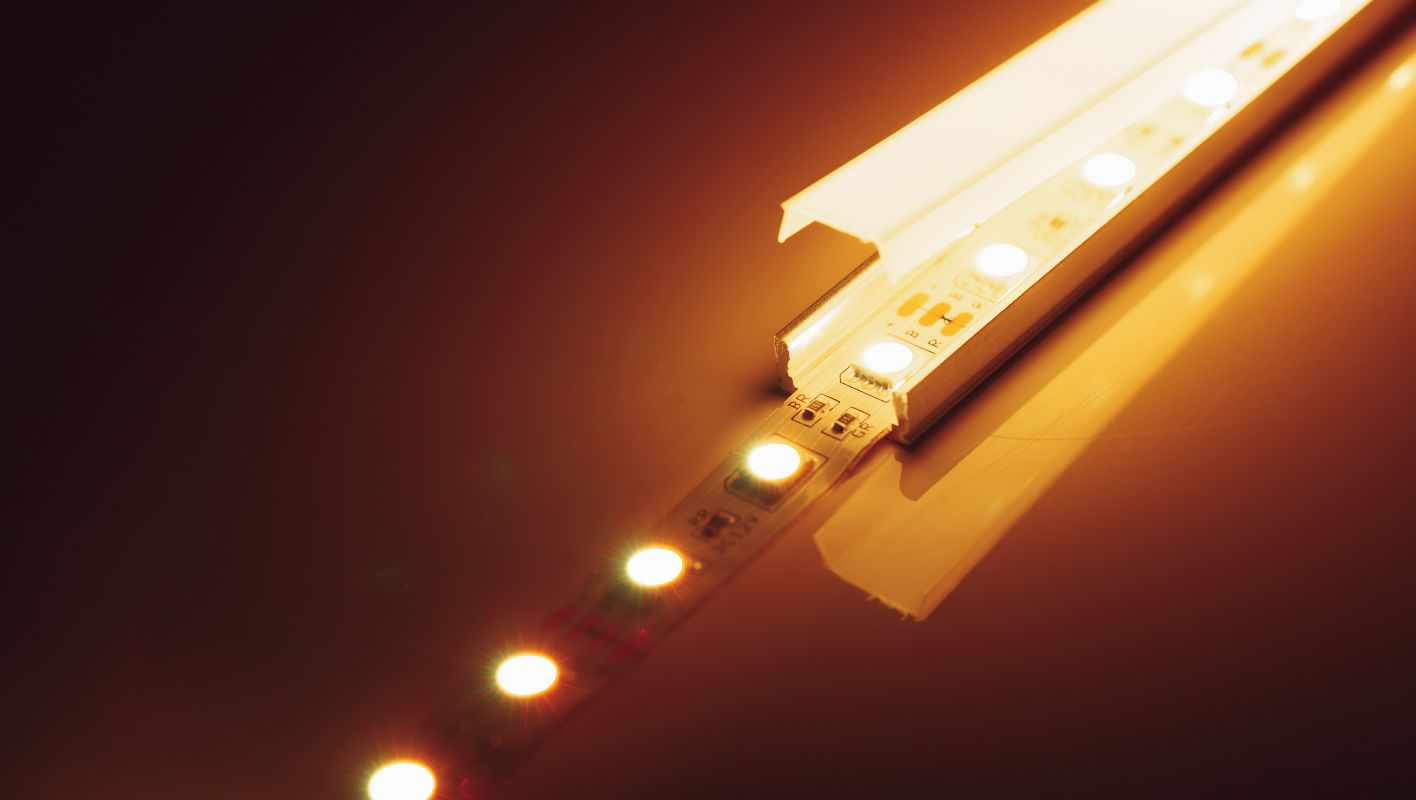
Ever gazed at an LED light and marveled at its gentle, even glow? The magic lies in a clever little device called an LED light diffuser.
An LED light diffuser is a tool that disperses light from LEDs to create a smooth, consistent glow while minimizing glare. It transforms harsh light into a softer, more appealing radiance, enhancing both the ambiance and functionality of lighting.
When I first learned about LED diffusers, it felt like discovering a hidden gem in the world of lighting. You see, choosing the right diffuser isn’t just about aesthetics—it’s about tailoring light to fit the mood and purpose of your space. Imagine walking into a room where the lighting feels just right, no harsh shadows or glaring beams; that’s the magic diffusers bring.
There are various types of LED diffusers, each with unique benefits, from improving light distribution to enhancing energy efficiency. Let me guide you through understanding these options better, so you can find what perfectly suits your lighting needs and projects.
LED diffusers reduce glare from LED lights.True
LED diffusers scatter light, reducing glare and creating uniform illumination.
All LED diffusers are made from glass.False
LED diffusers can be made from various materials like acrylic or polycarbonate.
How Does a LED Light Diffuser Work?
Ever find yourself marveling at the gentle glow of LED lights in a room and wondering what makes it so soothing?
A LED light diffuser works by scattering the LED’s light, distributing it uniformly across surfaces, which reduces glare and enhances visual comfort.

What is a LED Light Diffuser?
I remember the first time I stumbled upon the magic of LED light diffusers. It was during a project where I was tasked with creating the perfect ambiance for a cozy reading nook. A LED light diffuser, it turns out, is like the secret ingredient to achieving that warm, inviting glow. These diffusers are crafted from durable materials like polycarbonate or acrylic—selected for their excellent light transmission properties1 and resilience.
How Diffusers Scatter Light
The way these diffusers scatter light is fascinating. Through a mix of refraction and reflection, they take the direct beams from the LED and soften them, spreading the light evenly across an area. It’s like turning a harsh spotlight into a gentle embrace of illumination.
Refraction and Reflection Process
- Refraction: Picture light entering a diffuser and bending at various angles because of density differences—it’s like watching a straw appear bent in a glass of water.
- Reflection: Some light bounces inside the diffuser, further spreading the glow to every nook and cranny.
| Property | Polycarbonate | Acrylic |
|---|---|---|
| Impact Resistance | High | Moderate |
| Light Transmission | Up to 90% | Up to 92% |
| UV Resistance | Good | Excellent |
Benefits of Using a Diffuser
- Reduced Glare: Imagine trying to read your favorite book with glaring lights above. Diffusers help by softening these reflections, making reading so much more enjoyable.
- Enhanced Aesthetic Appeal: Whether it’s setting the mood for a dinner party or creating a calm space for relaxation, diffusers lend a seamless light output that’s just perfect for any setting.
- Visual Comfort: There’s nothing quite like uniform lighting to ease eye strain and improve visibility, especially during long hours at work or while indulging in hobbies.
Choosing the Right Diffuser Material
Selecting the right diffuser can feel like choosing the right pair of shoes—it depends on what you need them for. If you’re prioritizing strength, polycarbonate is your go-to; for clarity, acrylic is unbeatable. Frosted or prismatic diffusers add another layer of customization, letting you tailor the lighting effect just how you like it.
Dive into the different types of diffusers2 available and explore how they can transform both residential and commercial spaces. Each type brings something unique to the table depending on your lighting needs and style preferences.
LED light diffusers reduce glare by scattering light.True
Diffusers spread light evenly, minimizing harsh reflections and glare.
Acrylic diffusers have higher impact resistance than polycarbonate.False
Polycarbonate has higher impact resistance compared to acrylic materials.
Why Should I Consider Using LED Light Diffusers?
You know those moments when lighting can make or break a mood? Enter LED light diffusers, the unsung heroes of smooth, glare-free lighting that elevate both aesthetics and comfort.
LED light diffusers elevate lighting by minimizing glare and evenly spreading light, enhancing the room’s aesthetics and creating a cozy ambiance. They’re crucial for settings demanding consistent lighting quality.
Enhanced Light Distribution
Imagine walking into a room where the lighting feels just right—no harsh shadows or blinding bright spots. That’s what LED light diffusers do for you. I remember setting up my home office and realizing how uneven the light was without a diffuser. It felt more like a spotlight interrogation than a workspace. Once I added a diffuser, everything softened, creating a more welcoming environment. It’s particularly beneficial in commercial spaces3 like offices or retail stores where even light is essential for productivity and presentation.
Glare Reduction
Have you ever felt your eyes squinting under the assault of glaring LED lights? That was me during countless late-night study sessions in college. I only wished I knew about diffusers back then! By softening the light, diffusers significantly cut down on glare, making it much easier on the eyes. This can be a lifesaver in environments like educational institutions4, where reducing eye strain is crucial for both students and staff.
Improved Aesthetic Appeal
There’s something about walking into a room with sleek lighting that just screams modern elegance. I noticed this when I visited a friend’s new apartment. She had these beautifully concealed LED fixtures, thanks to her diffusers, which made the space look like a feature in an interior design magazine. They hide the raw brightness of the bulbs, adding an aesthetic touch that elevates the overall ambiance—something indispensable in architectural lighting5, where style meets functionality.
Versatility in Applications
Whether you’re aiming to create a snug living room vibe or need precise lighting for your workshop, LED light diffusers are up to the task. I’ve used them in various settings—from making my living room feel cozy for movie nights to ensuring my garage is well-lit for DIY projects. Their adaptability is what makes them so appealing.
| Application Type | Benefit |
|---|---|
| Residential | Creates warm ambiance |
| Commercial | Enhances uniformity |
| Industrial | Provides precision |
Energy Efficiency
When I first heard about how diffusers could save energy, I was skeptical—until my electricity bill arrived. By helping spread light more efficiently, you can lower energy consumption without sacrificing brightness. This is especially appealing if you’re committed to sustainability goals6 and want your lighting to be eco-friendly.
Understanding these benefits is like having a lightbulb moment (pun intended). Investing in LED light diffusers not only enhances visual appeal but also ensures practical functionality, making them an indispensable part of modern lighting solutions.
LED light diffusers reduce energy consumption.True
Diffusers distribute light effectively, reducing need for extra fixtures.
LED diffusers are only used in residential settings.False
They are versatile and used in commercial, industrial, and home settings.
What types of materials are used in LED diffusers?
Ever wondered what makes LED lights glow so evenly and beautifully?
LED diffusers are crafted from materials like acrylic, polycarbonate, and silicone rubber. These materials minimize glare and hotspots, ensuring smooth and consistent lighting while offering durability and clarity.
Acrylic Diffusers: Lightweight and Versatile
Imagine you’re setting up lights for a cozy living room or a chic office space, and you need that perfect balance between bright light and soft ambiance. That’s where acrylic comes into play. When I first discovered acrylic diffusers, I was impressed by their ability to transmit light so effectively. They’re lightweight, easy to mold into various designs, and are perfect for both homey and professional settings. Whether you’re crafting a stylish kitchen or an inviting lobby, acrylic’s versatility makes it a favorite.
Acrylic is one of the most popular materials for LED diffusers due to its excellent light transmission properties. It offers a good balance between clarity and diffusion7, making it ideal for both residential and commercial applications.
Polycarbonate Diffusers: Strength and Durability
If you’ve ever worked in an environment where durability is key—like a bustling café or a busy workshop—you’ll appreciate the toughness of polycarbonate. I recall a project where we needed lighting that could withstand some rough handling, and polycarbonate was our go-to. Although it’s a tad less transparent than acrylic, its high impact resistance and ability to handle heat make it ideal for outdoor settings too.
Polycarbonate is renowned for its toughness and impact resistance. Despite being slightly less transparent than acrylic, polycarbonate still provides excellent diffusion8 capabilities.
| Property | Acrylic | Polycarbonate |
|---|---|---|
| Light Transmission | High | Moderate |
| Impact Resistance | Moderate | High |
| Temperature Resistance | Moderate | High |
Silicone Rubber: Flexibility and Heat Resistance
Silicone rubber is like the yoga master of diffuser materials—flexible and resilient. I remember being amazed at how it can be shaped into intricate designs, perfect for custom lighting solutions. It’s especially handy in high-heat environments, maintaining its elasticity across various temperatures. Whether you’re designing a unique piece or need something that can handle the heat, silicone rubber is a solid choice.
Silicone rubber maintains its elasticity over a wide range9 of temperatures.
Glass Diffusers: Clarity and Elegance
Glass diffusers are like the elegant classic car of lighting solutions—sophisticated and timeless. They offer unparalleled clarity and are often used in high-end installations. While they add a touch of class, I’ve found that their weight and fragility can be a downside in more practical applications. But if aesthetics are your top priority, glass could be worth the extra care.
Although not as commonly used as other materials, glass diffusers offer unmatched clarity and elegance but may limit their practical applications10.
In summary, choosing the right LED diffuser material involves balancing light quality, durability, and environmental needs. Each material offers unique advantages, making it essential to weigh these factors for your specific project. Whether you’re aiming for elegance with glass or durability with polycarbonate, understanding these options can illuminate your path to the perfect lighting solution.
Acrylic diffusers are more durable than polycarbonate.False
Polycarbonate is known for its high impact resistance, making it more durable.
Silicone rubber diffusers can withstand high temperatures.True
Silicone rubber maintains elasticity and heat resistance, ideal for high-heat environments.
How to Choose the Right LED Diffuser for Your Project?
I still remember the first time I tackled a lighting project; picking the right LED diffuser felt like an art.
To choose the perfect LED diffuser, focus on your project’s lighting needs—brightness, color temperature, and design. Consider the diffuser’s material and finish to match these requirements.
Understanding LED Diffusers
Thinking back to one of my first big projects, the importance of LED diffusers really hit home. These little components transform the harsh glare of LEDs into a soft, inviting glow. It’s like magic! Whether it’s acrylic or polycarbonate11, each material has its unique impact on brightness and color.
Comparing Diffuser Types
I recall standing in a showroom, squinting under different lights as I tried to decide between clear, frosted, and opal diffusers. Here’s what I’ve learned:
- Clear Diffusers: Perfect for when you want maximum light output. They’re great for task lighting but don’t expect much in the way of glare reduction.
- Frosted Diffusers: These are my go-to for general lighting because they balance diffusion and glare reduction so well.
- Opal Diffusers: If you’re aiming for ambient lighting with a cozy feel, opal diffusers are the way to go, offering gentle illumination.
| Diffuser Type | Light Output | Glare Reduction | Use Case |
|---|---|---|---|
| Clear | High | Low | Task lighting |
| Frosted | Medium | Medium | General lighting |
| Opal | Low | High | Ambient lighting |
Application-Specific Considerations
It wasn’t until I was knee-deep in an outdoor project that I realized how important it is to pick weather-resistant materials. Polycarbonate, with its durability, became my best friend. For those commercial spaces where productivity is key, frosted diffusers really helped reduce eye strain.
Consider your project’s application:
- Outdoor Projects: Choose weather-resistant materials like polycarbonate. Waterproof options12 can prevent damage from moisture.
- Commercial Spaces: Frosted diffusers can enhance productivity by reducing eye strain in work environments.
- Residential Settings: Opal diffusers can create cozy atmospheres in living areas.
Evaluating Aesthetic and Functional Needs
Balancing looks with practicality is like walking a tightrope. I’ve spent countless hours ensuring that the diffuser not only fits the aesthetic vibe—be it sleek and modern or something more traditional—but also matches the desired brightness and color temperature.
Practical Tips for Diffuser Selection
Over the years, I’ve picked up a few handy tips:
- Test Samples: Never skip this step. A sample can tell you a lot about how it will look in the actual setting.
- Consult Experts: Sometimes you just need that extra pair of eyes to ensure compatibility with your LED strips.
- Consider Sustainability: I’ve become more conscious about using eco-friendly materials—it’s a small step towards sustainable practices that can make a big difference. Opt for eco-friendly materials that align with sustainable practices13.
Understanding these nuances can be the difference between a good project and a great one. Every choice shapes the ambiance and functionality of your space, so take your time to explore what’s right for your project.
Clear diffusers provide the highest light output.True
Clear diffusers maximize light output but offer minimal diffusion.
Opal diffusers are ideal for task lighting.False
Opal diffusers deliver soft lighting, better suited for ambient lighting.
Conclusion
LED light diffusers soften and distribute LED light evenly, reducing glare and enhancing ambiance. They come in various materials, each offering unique benefits for different lighting needs.
-
Discover how polycarbonate and acrylic differ in their ability to transmit light effectively and their suitability for various lighting applications. ↩
-
Gain insights into the various types of LED light diffusers available on the market and their specific uses in lighting design. ↩
-
Learn how diffusers enhance lighting quality and consistency in commercial environments. ↩
-
Discover how reducing glare with diffusers enhances learning environments. ↩
-
Explore how diffusers contribute to modern lighting designs. ↩
-
Understand how diffusers help achieve energy-saving goals. ↩
-
Explore how acrylic diffusers balance clarity with light diffusion, making them versatile for various applications. ↩
-
Learn why polycarbonate is chosen for its impact resistance and suitability in challenging environments. ↩
-
Discover how silicone rubber’s flexibility and heat resistance benefit custom lighting solutions. ↩
-
Understand the elegance and clarity of glass diffusers in luxury lighting projects. ↩
-
Explores the differences in material properties and light diffusion qualities between acrylic and polycarbonate diffusers. ↩
-
Discusses waterproof options suitable for outdoor projects, highlighting their durability against moisture and weather conditions. ↩
-
Covers eco-friendly materials used in LED diffusers that support sustainable practices and environmental consciousness. ↩






