
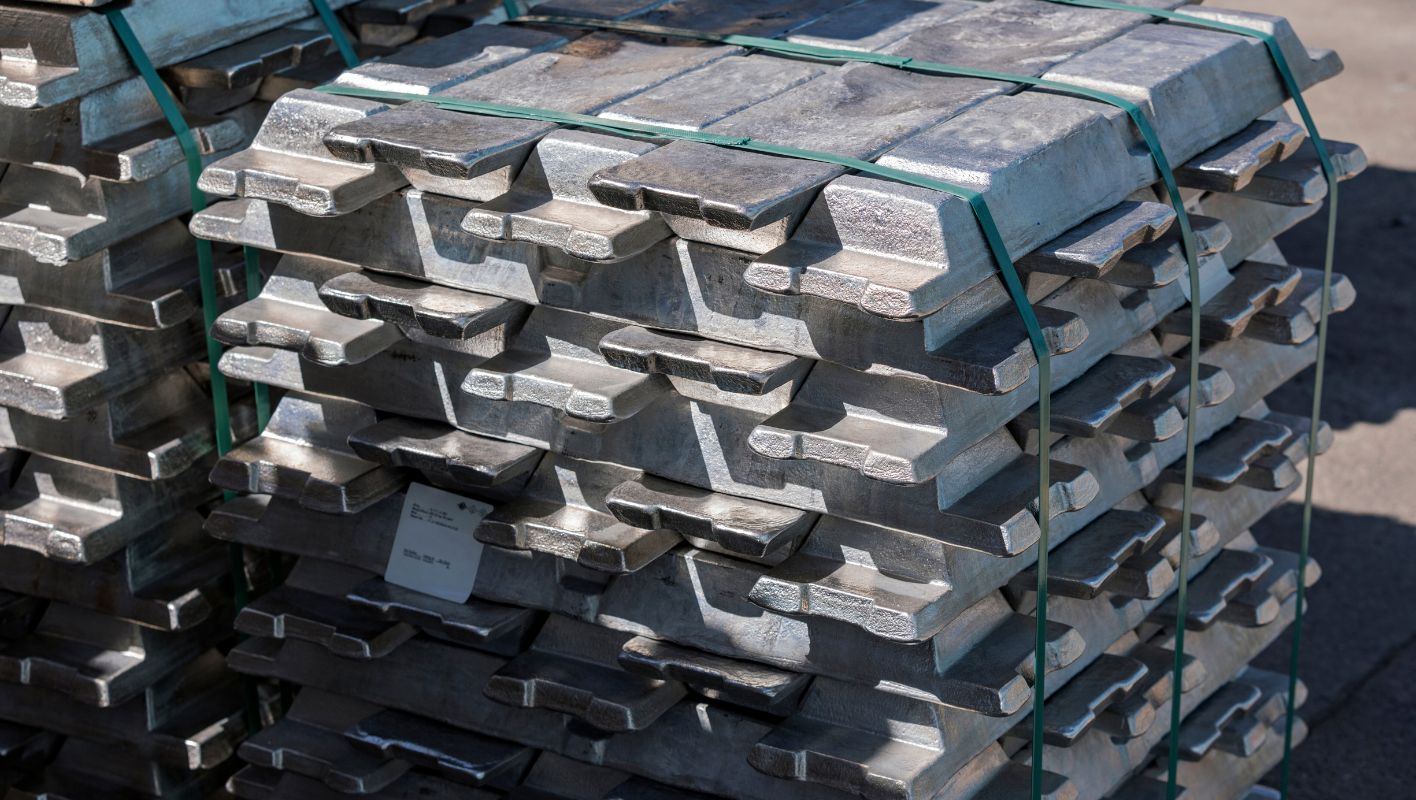
Ever wondered about the magic behind aluminum alloys? Let me introduce you to A413 aluminum, a true game-changer.
A413 aluminum is a die-casting alloy celebrated for its excellent fluidity, pressure tightness, and corrosion resistance. With silicon as its primary alloying element, it enhances mechanical properties, making it perfect for complex casting designs.
Think of A413 aluminum as the unsung hero of die-casting—versatile and reliable. It’s like when I first discovered the perfect tool that made my projects smoother and more efficient. A413’s technical specifications are like that tool, offering not just the basics but everything you’d need to create intricate designs with precision.
As we delve deeper into its world, you’ll see why engineers and manufacturers, much like myself, often turn to this alloy. From its role in automotive components to its impact in aerospace applications, A413 aluminum is more than just metal; it’s a cornerstone of innovation. Join me on this journey to explore its advantages and why it’s a staple in the industry.
A413 aluminum is ideal for complex casting designs.True
Its high fluidity and pressure tightness make it suitable for intricate castings.
Silicon is the primary alloying element in A413 aluminum.True
Silicon enhances mechanical properties, crucial for A413's performance.
What Makes A413 Aluminum So Special?
Ever wondered why A413 aluminum is the darling of the die-casting world? Its unique properties make it a star performer in complex applications. Let’s dive into what sets it apart.
A413 aluminum is renowned for its exceptional fluidity, excellent corrosion resistance, and superb castability, making it perfect for intricate shapes and thin-walled sections, especially in automotive and industrial applications.
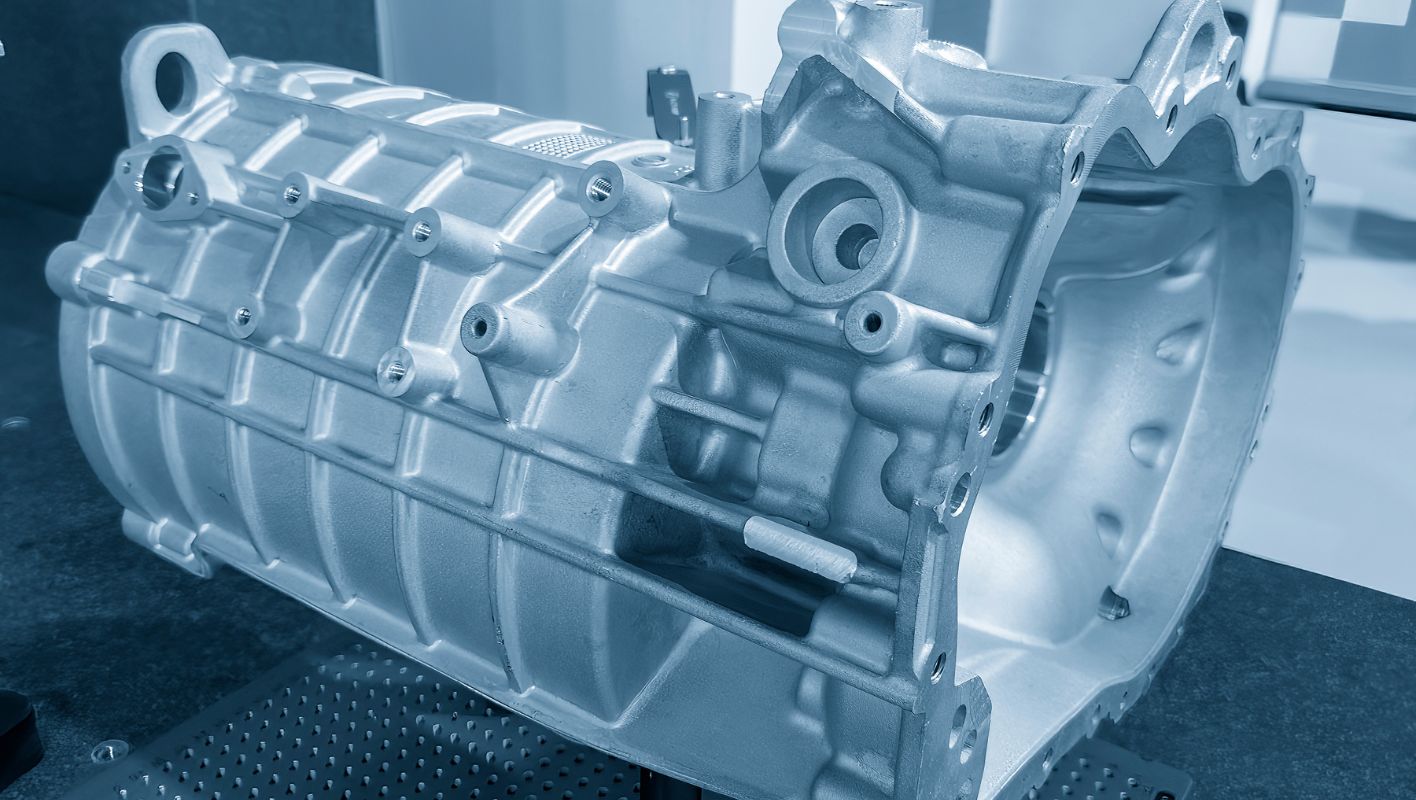
Composition of A413 Aluminum
I remember the first time I encountered A413 aluminum in my career. It was a revelation to see how effortlessly it flowed into the most complex molds. This alloy is predominantly composed of aluminum and silicon, about 11-13% silicon to be precise, which is what gives it that incredible fluidity and ease of casting. There are also trace amounts of other elements like iron, copper, and magnesium. These enhance certain characteristics, giving it an edge in specific applications.
Mechanical Properties
When I was tasked with choosing the right material for a high-stakes project, I learned firsthand how the mechanical strength of A413 aluminum can be a game-changer. It strikes a balance between hardness and ductility, making it suitable for a variety of industrial uses.
| Property | Value |
|---|---|
| Tensile Strength | 30-34 ksi |
| Yield Strength | 22-28 ksi |
| Elongation | 1-3% |
| Hardness (HB) | 75-95 |
Thermal Conductivity and Corrosion Resistance
One of the most impressive aspects of A413 aluminum is its ability to handle heat. During a project involving automotive components, I realized how crucial its thermal conductivity was for effective heat dissipation. Plus, its resistance to corrosion makes it perfect for environments that are less than friendly. This alloy naturally forms a protective layer that stands up to oxidation—a feature that saves on maintenance and prolongs the life of parts.
Applications in Industry
From my experience in the field, A413 aluminum has always been a reliable choice in die casting, especially for automotive components1. Its ability to maintain structural integrity even in thin-walled sections is something engineers like me appreciate.
- Automotive Parts: Engine blocks, cylinder heads.
- Industrial Machinery: Valve bodies, gear casings.
- Consumer Electronics: Housings, heat sinks.
Understanding these properties helps me choose the right materials for specific applications in manufacturing. If you’re also interested in sustainability, like me, you’ll be pleased to know that A413 aluminum is easily recyclable—aligning perfectly with eco-friendly initiatives that are so important to us today.
A413 aluminum contains 11-13% silicon.True
The silicon content enhances fluidity and castability of A413 aluminum.
A413 aluminum has poor thermal conductivity.False
A413 aluminum exhibits good thermal conductivity, aiding heat dissipation.
How is A413 Aluminum Used in the Automotive Industry?
When I first discovered the wonders of A413 aluminum, I was captivated by its role in transforming the automotive industry.
A413 aluminum is primarily used for automotive engine parts due to its high fluidity and corrosion resistance. These properties are perfect for casting complex shapes, which enhance engine efficiency and longevity.
The Role of A413 Aluminum in Automotive Engineering
I remember the first time I saw an engine block crafted from A413 aluminum. It was like watching a master artist at work, sculpting something both beautiful and functional. This alloy is highly valued in the automotive industry2 for its exceptional casting capabilities, which are crucial for creating intricate parts like engine blocks and cylinder heads. The precision with which it can be molded means less time and money spent on additional machining, making it a favorite among manufacturers.
Properties That Drive Its Usage
What truly stands out about A413 aluminum is its high fluidity. It allows for the creation of detailed components that maintain their structural integrity. I often compare it to pouring liquid silver into a mold—smooth, seamless, and satisfying. Its lightweight nature also plays a critical role in reducing overall vehicle weight, which not only boosts fuel efficiency but also helps cut down on emissions—a major plus in today’s eco-conscious world.
Furthermore, its excellent resistance to corrosion means engine components last longer, even under harsh conditions. This durability is essential when you consider the constant exposure to various fluids and environmental factors that engines endure.
| Property | Benefit in Automotive Applications |
|---|---|
| High Fluidity | Allows for precise casting of complex shapes |
| Lightweight | Contributes to better fuel efficiency |
| Corrosion Resistance | Prolongs the life of engine components |
Comparing A413 to Other Alloys
Despite the allure of A413, it’s important to see how it stacks up against other alloys like A356 aluminum3. While A413 excels in fluidity, A356 offers superior tensile strength. This means choosing between them often depends on the specific needs of the component you’re designing.
The table below highlights some of these differences:
| Alloy | Fluidity | Tensile Strength | Corrosion Resistance |
|---|---|---|---|
| A413 | High | Moderate | Good |
| A356 | Moderate | High | Excellent |
Challenges and Considerations
Working with A413 aluminum isn’t always straightforward. I’ve seen firsthand how crucial it is to manage casting parameters carefully to avoid issues like porosity or shrinkage. Manufacturers often need to employ advanced techniques to ensure quality results.
As automotive designs evolve4, there’s an increasing demand for materials that balance performance with sustainability. The industry continuously explores ways to optimize A413 aluminum use to meet these evolving demands while adhering to strict environmental standards.
Future Outlook for A413 in Automotive Manufacturing
Looking ahead, as innovations continue5 to reshape the landscape of automotive manufacturing, A413 aluminum is poised to remain a key player. Its unique properties support the ongoing push for lighter, more efficient vehicles, making it integral to sustainable automotive solutions.
A413 aluminum is used for automotive engine blocks.True
A413's high fluidity allows precise casting, ideal for engine blocks.
A413 aluminum has higher tensile strength than A356.False
A356 aluminum has higher tensile strength compared to A413.
Why Choose A413 Aluminum for Manufacturing?
Imagine being in a world where every car part or aircraft component holds up against pressure like a pro.
A413 aluminum is like the unsung hero in manufacturing, offering high pressure tightness, excellent castability, and robust corrosion resistance. It’s the go-to for crafting reliable automotive and aerospace components.
Key Properties of A413 Aluminum
When I first started in the metal processing industry, I was struck by how certain materials seemed to have their own personalities. A413 aluminum? It’s like the dependable friend who always comes through. With its exceptional pressure tightness and castability, it’s perfect for high-performance applications. This alloy contains about 12% silicon, which gives it the edge in fluidity6 during casting, making it possible to create intricate designs and thin walls.
| Property | A413 Aluminum |
|---|---|
| Density | 2.68 g/cm³ |
| Tensile Strength | 240 MPa |
| Elongation | 3% |
Advantages in Die Casting
One time, while working on a challenging project, I realized how A413 aluminum shines in die casting. The finish is smooth, and the need for additional machining is minimal, saving both time and money. Its outstanding fluidity means fewer defects, which boosts efficiency—a win-win for any manufacturer.
Corrosion Resistance and Durability
I remember a project where durability was non-negotiable. A413 aluminum stood out because of its corrosion resistance, crucial for components in tough environments like marine or automotive sectors. It delivers durability without adding unnecessary weight, maintaining performance standards.
Applications in Various Industries
Think about how industries like automotive and aerospace thrive on innovation. A413 aluminum contributes significantly to this. Its lightweight yet strong nature helps improve fuel efficiency while ensuring critical parts like engine blocks and gearboxes7 meet safety standards. As industries shift towards sustainability, these attributes align perfectly with the goals of efficiency and eco-friendliness.
Comparison with Other Alloys
In comparing A413 with other alloys like A380, I’ve found that its higher silicon content and better pressure tightness make it ideal for parts requiring leak-proof performance—think hydraulic systems or pumps. While it might be pricier than alternatives, the specific benefits it offers can be worth it for specialized uses8.
A413 aluminum has a density of 2.68 g/cm³.True
The density of A413 aluminum is indeed 2.68 g/cm³, as stated.
A413 aluminum is unsuitable for marine applications.False
A413 aluminum's corrosion resistance makes it suitable for marine use.
How Does A413 Compare to Other Aluminum Alloys?
Ever wonder why A413 aluminum is such a favorite in casting circles?
A413 aluminum alloy stands out for its exceptional casting abilities, excelling in creating detailed and intricate designs. While it offers moderate strength and good corrosion resistance, it’s often compared to A380 for its casting prowess and holds its ground in various industrial applications.
A413 Aluminum Alloy Properties
When I first got into metal processing, I was fascinated by how different alloys behaved under pressure—literally and metaphorically. A413, an aluminum-silicon alloy, quickly caught my attention with its unique properties. Its silicon content not only enhances fluidity but also reduces shrinkage, making it a dream for creating complex shapes. Picture this: trying to fit together a puzzle with pieces so intricate, and A413 just makes it all click. This quality is why it’s often used in crafting engine components where precision is paramount.
| Property | A413 | A380 | 6061 |
|---|---|---|---|
| Strength (MPa) | Moderate | Moderate | High |
| Corrosion Resist. | Good | Moderate | Excellent |
| Casting Ability | Excellent | Good | Poor |
Comparison with Other Alloys
Strength and Hardness
I remember the first time I had to choose between alloys for a project. It was like picking the right gear for a mountain hike—each option had its strengths and weaknesses. While A413 offers moderate strength, when you need something that can take a beating, 6061 aluminum9 is your go-to. However, if you’re looking for a balance between strength and casting capability, A38010 stands shoulder to shoulder with A413, particularly in the automotive industry.
Corrosion Resistance
In terms of standing up to the elements, A413 does pretty well in mildly corrosive environments thanks to its silicon makeup. But if you’re working on something like a boat hull or an aerospace part where corrosion is the enemy, 6061, with its magnesium content, is your best friend.
Casting Capabilities
Where A413 really shines is in die casting11—it’s like the master sculptor of alloys with its superior flow characteristics. It allows for thin walls and intricate designs that industries like automotive simply can’t resist. There’s a certain satisfaction in seeing these intricate pieces come together flawlessly.
Practical Applications
I’ve seen A413’s magic firsthand in manufacturing components like engine blocks and transmission cases. It just makes the process smoother, almost like a seasoned chef effortlessly whisking ingredients into a perfect sauce. While A380 might be favored for similar applications, it often requires more post-processing—another reason why many stick with A413.
Ultimately, choosing the right alloy is a bit like choosing the right partner; it all comes down to what you need most at that moment. Each alloy has its own strengths to bring to the table, and knowing them helps make informed decisions tailored to specific applications.
A413 has better corrosion resistance than A380.True
A413 is described as having good corrosion resistance, whereas A380 is moderate.
6061 aluminum is preferred for high tensile strength needs.True
6061 offers high strength, making it suitable for applications requiring durability.
Conclusion
A413 aluminum is a versatile die-casting alloy known for its excellent fluidity, corrosion resistance, and suitability for complex designs in automotive and aerospace applications.
-
Explore the specific automotive components made with A413, providing insights into its practical applications and benefits. ↩
-
Explore detailed insights into how A413 aluminum is utilized across various automotive applications. ↩
-
Learn about the differences between A356 and A413 aluminum alloys to make informed material selections. ↩
-
Stay updated on the latest trends in automotive design that influence material choices. ↩
-
Discover how aluminum alloys are shaping the future of automotive manufacturing. ↩
-
Silicon content enhances the fluidity during casting, crucial for detailed designs. ↩
-
A413 is integral in making lightweight, durable automotive parts. ↩
-
Understanding differences aids in selecting the right alloy for specific applications. ↩
-
Learn about the high tensile strength and corrosion resistance of 6061 aluminum. ↩
-
Discover why A380 is a popular choice for automotive parts alongside A413. ↩
-
Explore this link to understand the benefits of die casting and why A413 is favored for intricate designs. ↩






