
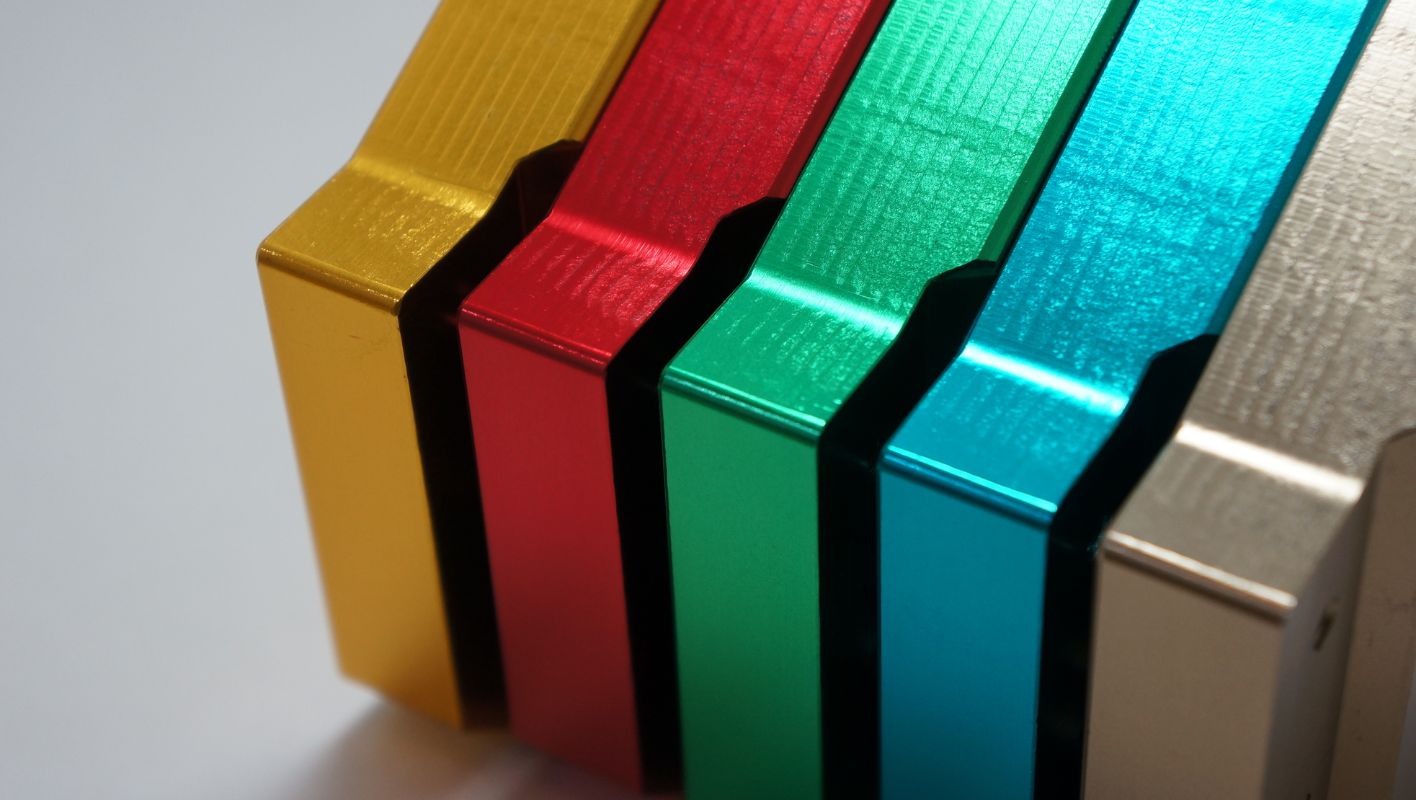
Ever wondered why anodized aluminum is everywhere, from your kitchen to skyscrapers? Let’s explore why it’s so versatile.
Anodized aluminum undergoes an electrochemical process that builds a robust oxide layer on its surface, boosting durability, corrosion resistance, and aesthetics. This makes it a top choice for everything from cookware to architectural marvels.
But there’s a deeper story behind anodized aluminum. I remember the first time I came across it in my workshop; it was like discovering a secret ingredient that made everything better. Not only does it withstand the test of time, but its beauty adds a touch of elegance to any design. Whether you’re working on a sleek modern kitchen or a cutting-edge piece of machinery, understanding anodized aluminum’s properties can guide your choices and ensure you’re getting the best out of your materials. Let’s delve into its myriad benefits and see how this metal can transform your projects.
Anodized aluminum is more durable than untreated aluminum.True
The anodizing process creates a protective oxide layer that enhances durability.
Anodized aluminum is not resistant to corrosion.False
The oxide layer formed during anodizing increases resistance to corrosion.
How is Anodized Aluminum Made?
Ever wondered how a simple piece of aluminum becomes a masterpiece of durability and beauty? Let me take you through the mesmerizing journey of anodizing aluminum.
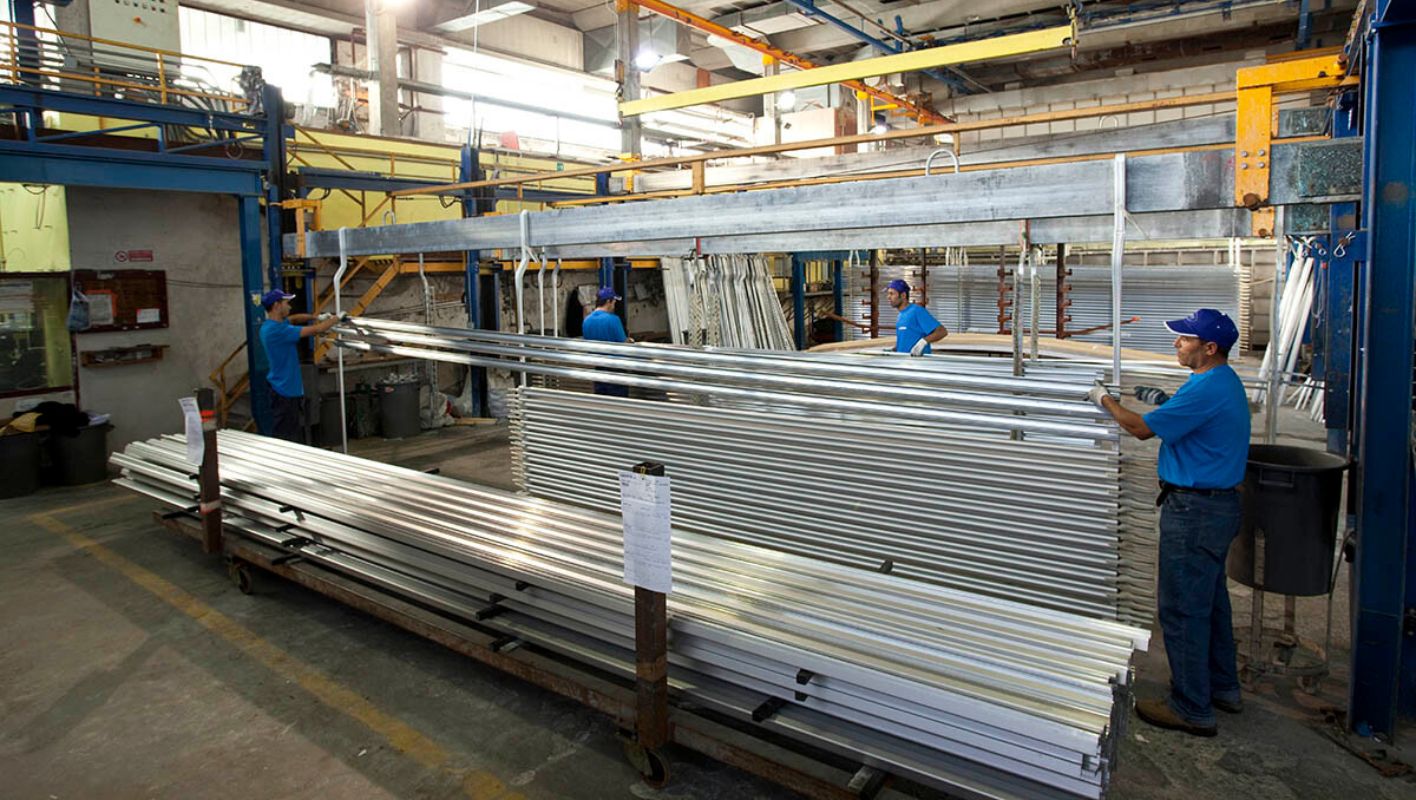
Anodized aluminum is created through an electrochemical process that transforms the metal’s surface into a resilient, corrosion-resistant oxide finish. This involves cleaning, pre-treatment, anodizing, coloring, and sealing stages.
Understanding the Anodizing Process
I remember the first time I saw anodized aluminum; its sleek, polished look caught my eye instantly. This incredible finish is achieved through an electrochemical process that enhances the natural oxide layer on the metal’s surface. It’s like giving the aluminum a protective armor, making it both corrosion-resistant and visually appealing. The process kicks off with cleaning the aluminum1 to ensure no impurities disrupt the magic that follows.
Pre-Treatment Methods
Think of pre-treatment as priming a canvas before painting. To achieve that perfect finish, methods like etching and brightening come into play. When I first learned about etching, it reminded me of sanding wood—a bit rough around the edges to allow for better adhesion. Brightening, on the other hand, is like polishing your shoes to a mirror shine.
| Method | Purpose |
|---|---|
| Etching | Roughen the surface |
| Brightening | Enhance reflectivity |
Explore more about pre-treatment methods2 for a deeper understanding of their impact on anodizing.
The Anodizing Stage
Imagine an anodizing tank as a spa for aluminum—only instead of relaxing in bubbles, it’s charged with electricity. The aluminum acts as the anode in this setup, and with sulfuric acid as its bubbly companion, an amazing transformation occurs. When the current flows, oxygen ions unite with aluminum, crafting a thick oxide layer. Initially porous, this layer welcomes further enhancements like colors.
Coloring Techniques
This is where the fun begins! After anodizing, aluminum can be dyed in vibrant hues or metallic tones. Each technique gives it a unique personality—from understated elegance to bold and brash. Check out coloring techniques3 to see examples of possible finishes.
Sealing the Surface
Sealing is like putting on that final coat of varnish on a wooden masterpiece. It locks in the color and reinforces durability, typically with hot water or steam treatment. I’ve always found this step crucial—it ensures that all that hard work doesn’t fade away over time.
Understanding each step of this process is essential for producing high-quality anodized aluminum products. This insight can assist procurement directors like John in evaluating suppliers’ capabilities and aligning them with company standards.
Anodizing aluminum enhances its natural oxide layer.True
The electrochemical process thickens the oxide layer, improving durability.
Coloring anodized aluminum is done before the anodizing stage.False
Coloring occurs after anodizing, using dyes or electrolytic processes.
Why Choose Anodized Aluminum for Your Projects?
Ever wondered why anodized aluminum is the go-to material for many industries? It’s not just about the shiny finishes—there’s so much more to it.
Anodized aluminum boasts impressive durability, exceptional corrosion resistance, and a variety of aesthetic finishes, making it a top choice for industries like automotive, architecture, and electronics.
Durability and Longevity
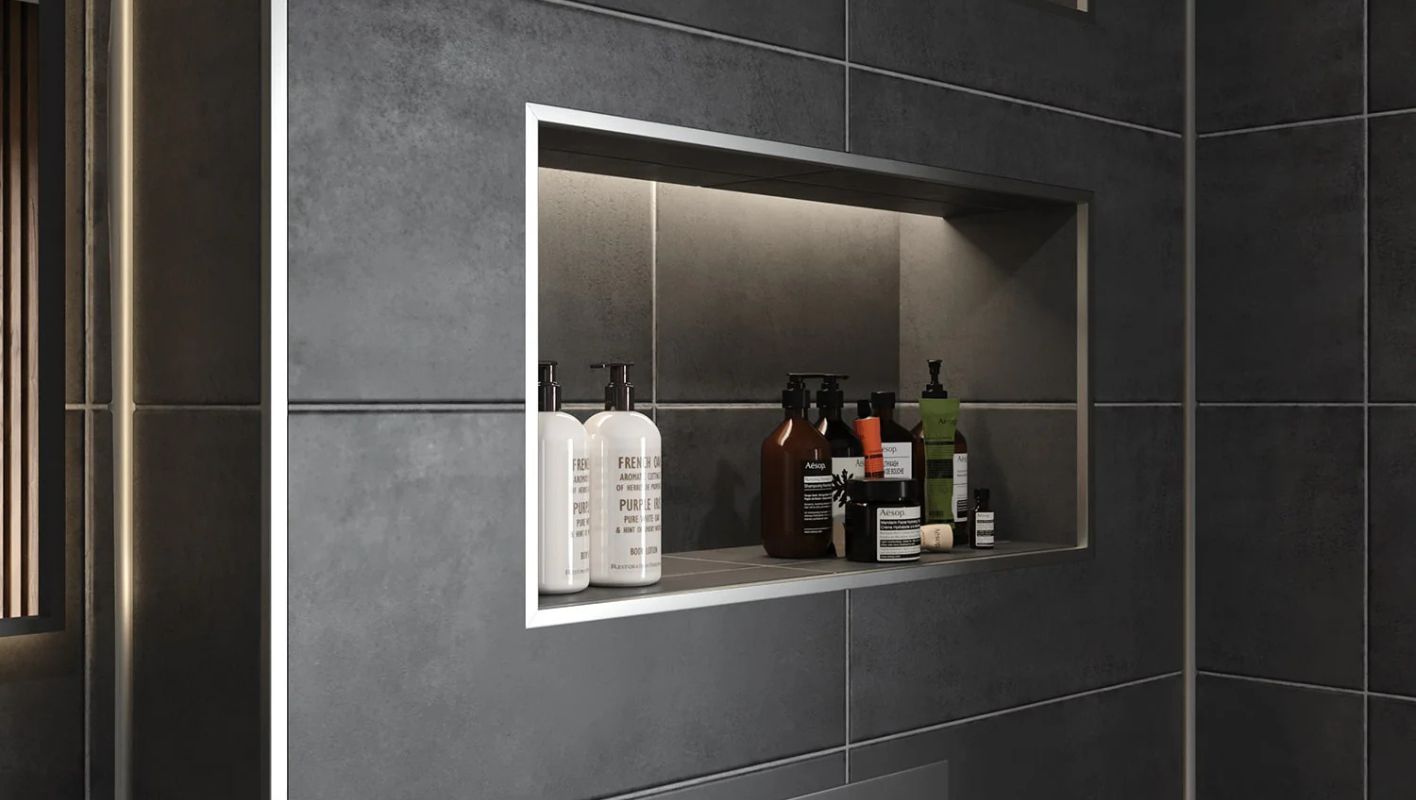
I remember the first time I held a piece of anodized aluminum in my hands. It felt different, almost like it had a protective aura around it. That’s because anodizing creates a thick oxide layer that enhances durability, standing strong against wear and tear. Whether it’s facing harsh weather conditions or daily use, anodized aluminum doesn’t just survive—it thrives. Perfect for outdoor applications4, right?
Corrosion Resistance
Living near the coast, I’ve seen firsthand how brutal salty air can be on materials. But anodized aluminum? It’s like the superhero of metals, with superior corrosion resistance thanks to its enhanced oxide layer. This makes it an ideal choice for marine applications5, where the environment is as challenging as it gets.
Aesthetic Versatility
Anodized aluminum isn’t just about toughness; it’s also a canvas for creativity. I love how designers can play with a spectrum of colors and finishes—from understated matte to striking glossy. The color becomes part of the metal, ensuring your designs stay vibrant without worrying about peeling or chipping.
Aesthetic Finishes Comparison
| Finish Type | Characteristics |
|---|---|
| Matte | Subtle, non-reflective |
| Glossy | Bright, reflective |
| Satin | Smooth, semi-gloss |
Environmentally Friendly
In an age where sustainability is more important than ever, anodized aluminum stands out. I appreciate that the anodizing process is eco-friendly, producing no VOCs and using fewer resources. Plus, it’s fully recyclable, aligning perfectly with sustainable practices6 in manufacturing.
Lightweight and Strong
When I think about the balance of strength and weight in materials, anodized aluminum often comes to mind. Despite being lightweight, it maintains a high strength-to-weight ratio, making it invaluable in the automotive7 and aerospace industries where every gram counts.
In summary, when you combine durability, corrosion resistance, aesthetic flexibility, and environmental benefits, anodized aluminum proves to be an exceptional choice across various sectors. It’s not just about choosing a material—it’s about investing in quality and longevity.
Anodized aluminum is ideal for marine applications.True
Its corrosion resistance makes it perfect for salty environments.
Anodized aluminum emits VOCs during production.False
The anodizing process does not emit volatile organic compounds.
Is Anodized Aluminum Safe for Cookware?
Ever wonder if anodized aluminum cookware is truly safe for your meals? Let’s dive into what makes it a popular choice among home cooks and chefs alike.
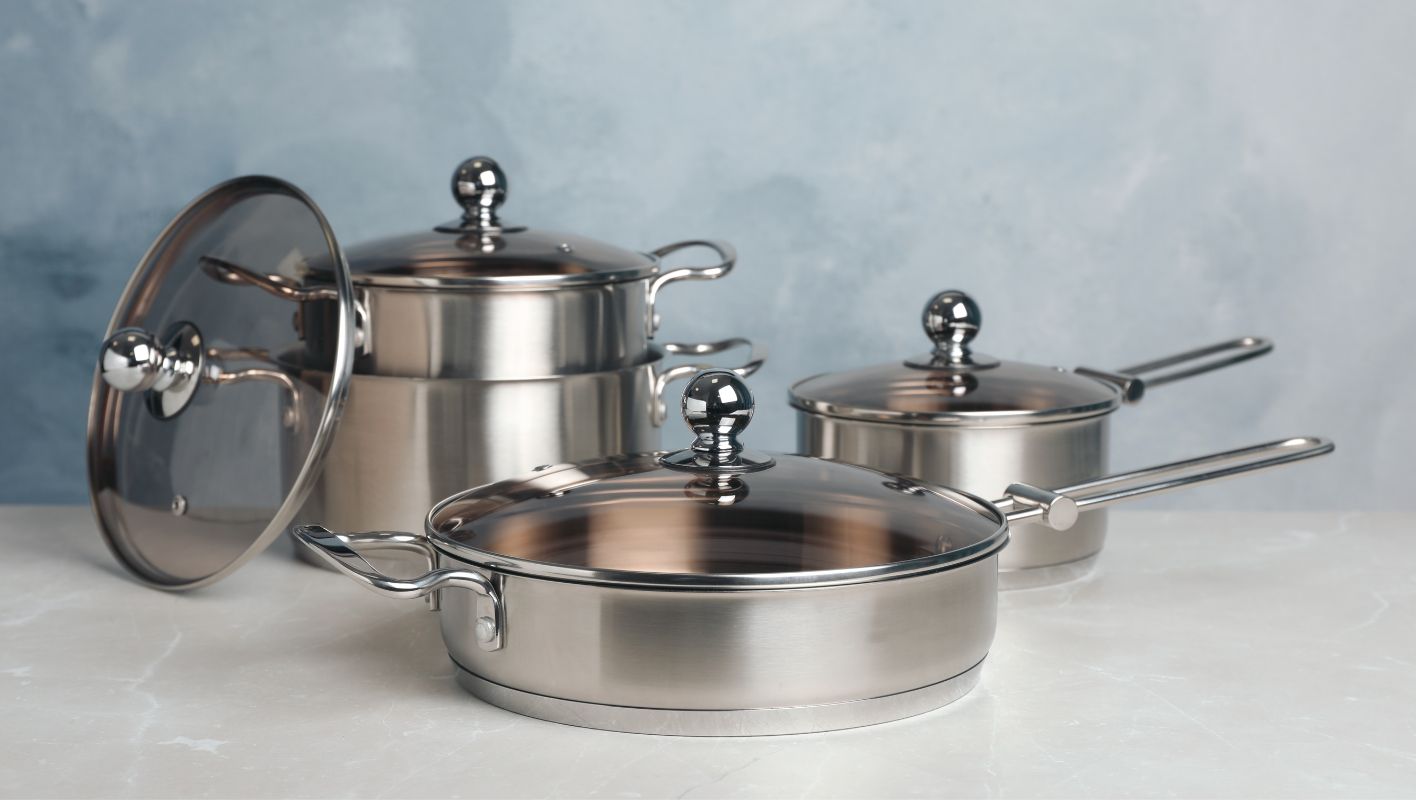
Yes, anodized aluminum cookware is safe to use. Its non-reactive surface prevents metal leaching into food, making it a favorite for its durability and excellent heat distribution.
Understanding Anodization Process
When I first stumbled upon anodized aluminum cookware, I was intrigued by the anodization process. It’s fascinating how an electrochemical treatment enhances the natural oxide layer on aluminum, creating a robust, non-reactive surface8. This transformation ensures that anodized aluminum doesn’t interact with acidic foods like tomatoes or citrus, unlike its non-anodized counterpart.
Benefits of Anodized Aluminum Cookware
As someone who enjoys both cooking and the science behind it, I appreciate how anodized aluminum offers a wonderful balance of durability and performance:
- Durability: I can attest to its resilience. My anodized pans have survived countless culinary experiments without a scratch!
- Heat Conduction: There’s nothing quite like the even heating of anodized aluminum; it’s like having a trusted sous-chef managing those hot spots.
| Feature | Anodized Aluminum | Stainless Steel |
|---|---|---|
| Durability | High | Medium |
| Heat Conductivity | Excellent | Good |
| Reaction with Acidic Food | Non-Reactive | Reactive |
Comparing Anodized Aluminum to Other Materials
In my kitchen, I’ve compared various materials. While stainless steel9 impresses with its rust resistance, it can be cumbersome to handle and clean. Anodized aluminum’s lightweight nature and superior heat conductivity have made it my go-to choice.
Health Considerations
I often get asked about health concerns with cookware. The anodized layer is a game-changer, acting as a protective barrier that keeps metals from seeping into your food. Just remember to check for any chips or damage that could expose the raw aluminum beneath.
For those wary of non-stick coatings, there are anodized options that skip these additional layers, retaining all the benefits without the potential risks associated with some non-stick surfaces.
Environmentally Friendly Aspects
Sustainability is close to my heart, and I’m thrilled to see many manufacturers leaning towards eco-friendly anodization processes. By recycling materials and cutting down on energy use, they align with our growing need for greener kitchen choices.
Anodized aluminum cookware is non-reactive with acidic foods.True
The anodization process creates a hard, non-reactive surface on aluminum.
Anodized aluminum cookware is less durable than stainless steel.False
Anodized aluminum is more scratch-resistant and durable than stainless steel.
How can you tell if a product is anodized aluminum?
Spotting anodized aluminum can be tricky, but with a few simple tips, you’ll become an expert in no time!
To identify anodized aluminum, check for uniform color, a metallic sheen, and scratch resistance. Use a multimeter to test for non-conductivity, confirming the anodization.
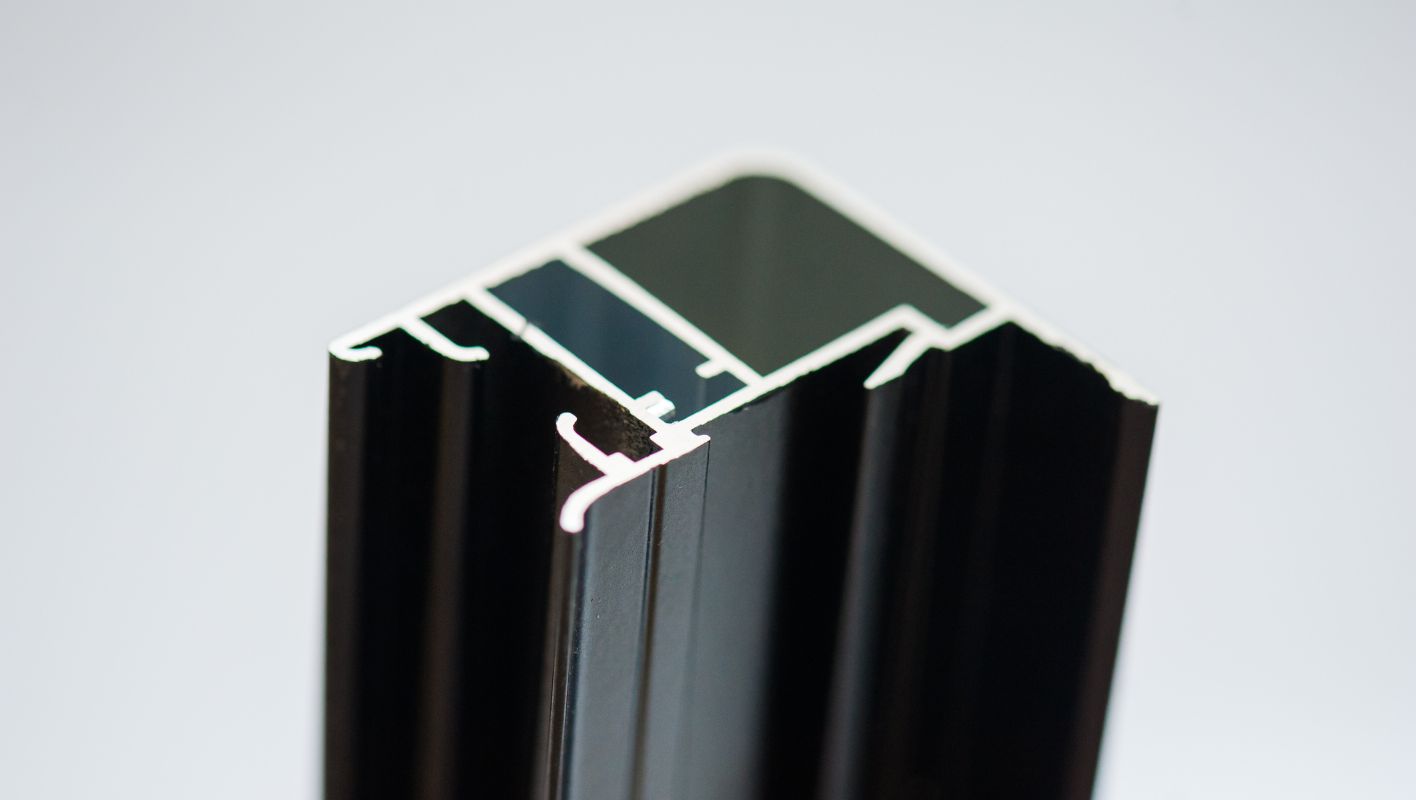
Visual Inspection
I remember the first time I tried to identify anodized aluminum. It was on a sunny Saturday afternoon, and I was tinkering with some old parts in my garage. That’s when I learned that anodized aluminum often boasts a consistent, attractive finish that glows with a slightly metallic sheen. This is thanks to an electrochemical process10 that crafts a protective oxide layer on the surface. Unlike painted or powder-coated surfaces, this finish stays impressively consistent across the product.
| Characteristic | Anodized Aluminum | Non-Anodized Aluminum |
|---|---|---|
| Surface Appearance | Metallic Sheen | Matte or Dull Finish |
| Color Uniformity | Consistent | Variable |
Physical Properties
Back in the day, during one of my "DIY experiments," I discovered the scratch test—a simple yet effective method to check if aluminum is anodized. Just take a sharp object and gently scrape it over a discreet part of the item. If it’s anodized, it’ll resist visible damage more than non-anodized surfaces.
Conductivity Testing
Another neat trick involves checking electrical conductivity. The oxide layer from anodization is non-conductive, and using a multimeter will reveal this. I once used this method to confirm the corrosion-resistant properties11 essential for some industrial parts I was working with.
Application Contexts
Knowing where anodized aluminum is typically used can be super helpful. You’ll often find it in architectural structures, electronic gadgets, and automotive components due to its enhanced properties12. These fields demand the material’s enhanced durability and aesthetic appeal—key reasons why I often choose anodized parts in my projects.
DIY Tests
For those who love a bit of hands-on testing at home, here’s what you can try: grab a magnet. Anodized aluminum won’t stick since it’s non-magnetic. But be cautious; this isn’t foolproof as other metals share this trait. For a more definitive test, consider an acid test; anodized layers shrug off mild acids better than untreated aluminum.
When you examine products, make sure your findings align with these characteristics to confidently spot anodized aluminum items. Grasping these aspects can significantly influence your buying decisions, especially when considering international certifications13 like ISO standards for quality assurance. This knowledge has certainly helped me make informed choices over the years.
Anodized aluminum has a metallic sheen.True
The anodization process gives aluminum a uniform, metallic finish.
Non-anodized aluminum is non-conductive.False
Non-anodized aluminum conducts electricity; anodization creates a non-conductive layer.
Conclusion
Anodized aluminum is a durable, corrosion-resistant material created through an electrochemical process, enhancing its aesthetic appeal and making it ideal for various applications in multiple industries.
-
Learn about cleaning techniques crucial for preparing aluminum surfaces before anodizing. ↩
-
Understand different pre-treatment methods to enhance aluminum’s anodizing results. ↩
-
Discover how different coloring techniques create vibrant finishes on anodized aluminum. ↩
-
Explore how anodized aluminum’s durability makes it suitable for outdoor environments. ↩
-
Learn why anodized aluminum is a preferred choice for marine environments. ↩
-
Discover how anodizing aligns with sustainable manufacturing practices. ↩
-
Understand why the automotive industry values anodized aluminum. ↩
-
Learn about anodization and how it enhances aluminum’s durability and safety. ↩
-
Explore a detailed comparison between stainless steel and anodized aluminum cookware. ↩
-
This link explains the anodization process, enhancing understanding of its effects on aluminum’s appearance. ↩
-
Learn how anodization enhances corrosion resistance, crucial for industrial applications. ↩
-
Discover why anodized aluminum is favored for architectural and automotive uses. ↩
-
Understand international quality standards related to anodized aluminum products. ↩






