
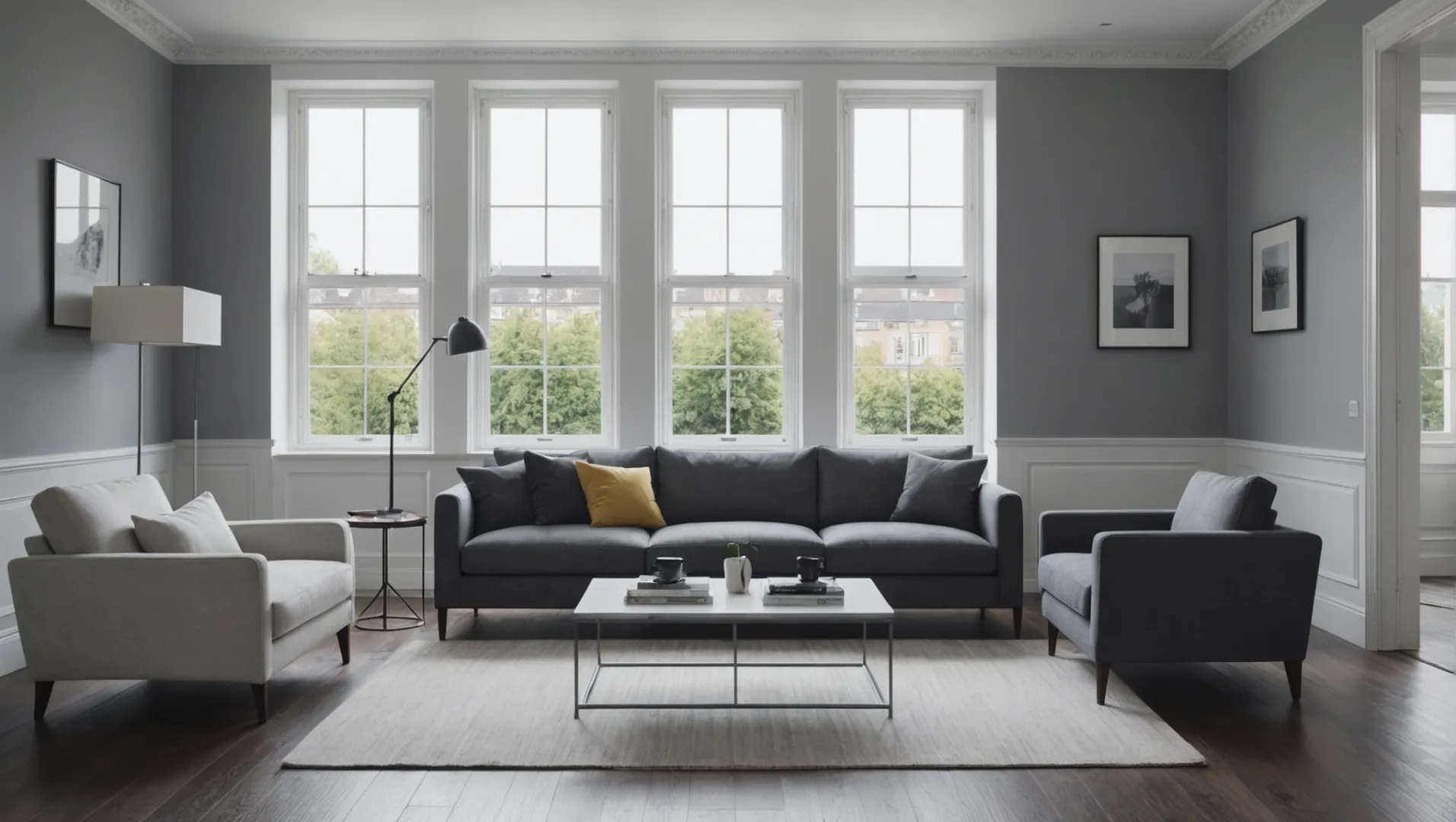
Have you ever stopped to think about the unsung heroes of our homes? Skirting boards, those humble trim pieces at the base of our walls, are often ignored yet play a vital role in our living spaces.
Skirting boards, or baseboards, are trim pieces installed along the lower part of interior walls. They protect walls from damage, cover gaps between flooring and walls, and add a decorative touch. Their importance lies in functionality and aesthetics, making them a staple in design.
But skirting boards are more than just functional. They can truly elevate the style of your space! Let’s dive deeper into what makes these pieces indispensable.
Skirting boards protect walls from damage.True
Skirting boards prevent scuffs and marks by acting as a barrier.
What Are the Different Types of Skirting Boards?
Discover the variety of skirting boards and how they can enhance your interior space.
There are several types of skirting boards, including MDF, wood, PVC, and metal. Each type offers different benefits and suits various styles and budgets. Choosing the right skirting board involves considering factors like durability, appearance, and cost.
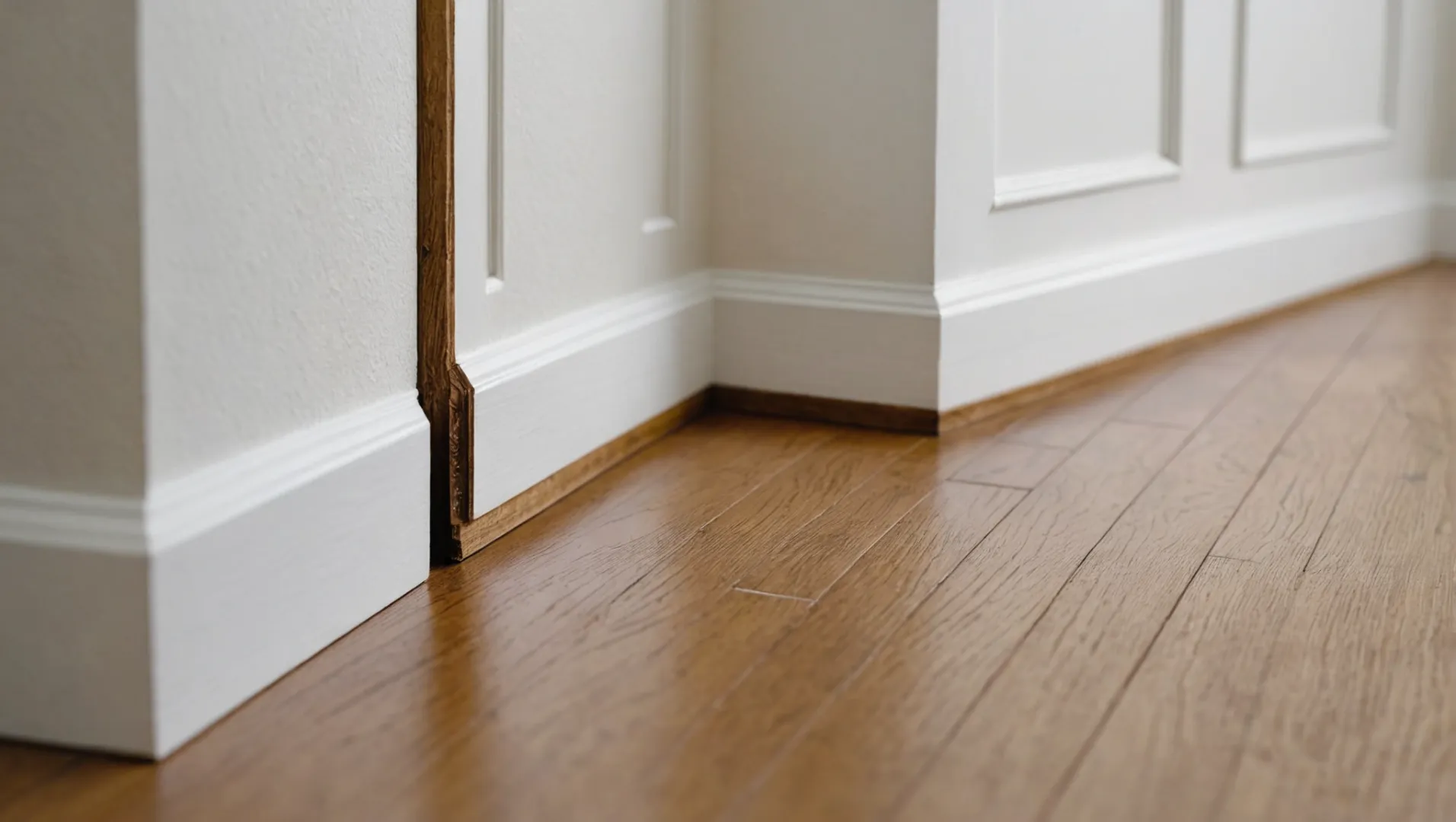
MDF Skirting Boards
MDF (Medium Density Fibreboard) skirting boards are popular due to their affordability and versatility. They are easy to paint and provide a smooth finish, making them an excellent choice for modern interiors. MDF is resistant to warping and swelling, which makes it a durable option for areas prone to moisture.
Wooden Skirting Boards
Wooden skirting boards offer a classic look that can add warmth and elegance to any room. Available in varieties like oak, pine, and walnut, these boards can be stained or painted to match your decor. They are generally more expensive than MDF but offer unmatched beauty and natural appeal.
PVC Skirting Boards
PVC skirting boards are a practical choice for areas where moisture is a concern, such as bathrooms or kitchens. They are waterproof, easy to clean, and available in various designs that mimic the appearance of wood or other materials. This makes them a low-maintenance option for busy households.
Metal Skirting Boards
For a modern and industrial look, metal skirting boards can be an excellent choice. Typically made from stainless steel or aluminum, they are durable and resistant to impact. Metal skirting can add a sleek touch to commercial spaces or contemporary homes.
Comparison Table
| Type | Durability | Cost | Maintenance |
|---|---|---|---|
| MDF | Medium | Low | Low |
| Wood | High | High | Medium |
| PVC | High | Medium | Low |
| Metal | Very High | High | Low |
When choosing a skirting board, consider the specific needs of your space. Factors such as humidity levels, foot traffic, and the overall aesthetic of your home should guide your decision.
For further insights into selecting the right skirting board1, consulting a professional interior designer can provide valuable advice tailored to your needs.
MDF skirting boards resist moisture better than wood.True
MDF is resistant to warping and swelling, suitable for moist areas.
Metal skirting boards are the cheapest option available.False
Metal skirting boards are high in cost due to their durability.
How Do Skirting Boards Protect Your Walls?
Skirting boards are more than just decorative elements; they serve a protective role for your walls.
Skirting boards shield walls from scuffs, dirt, and moisture. Acting as a barrier, they prevent damage from furniture and foot traffic while maintaining the room’s aesthetic appeal.
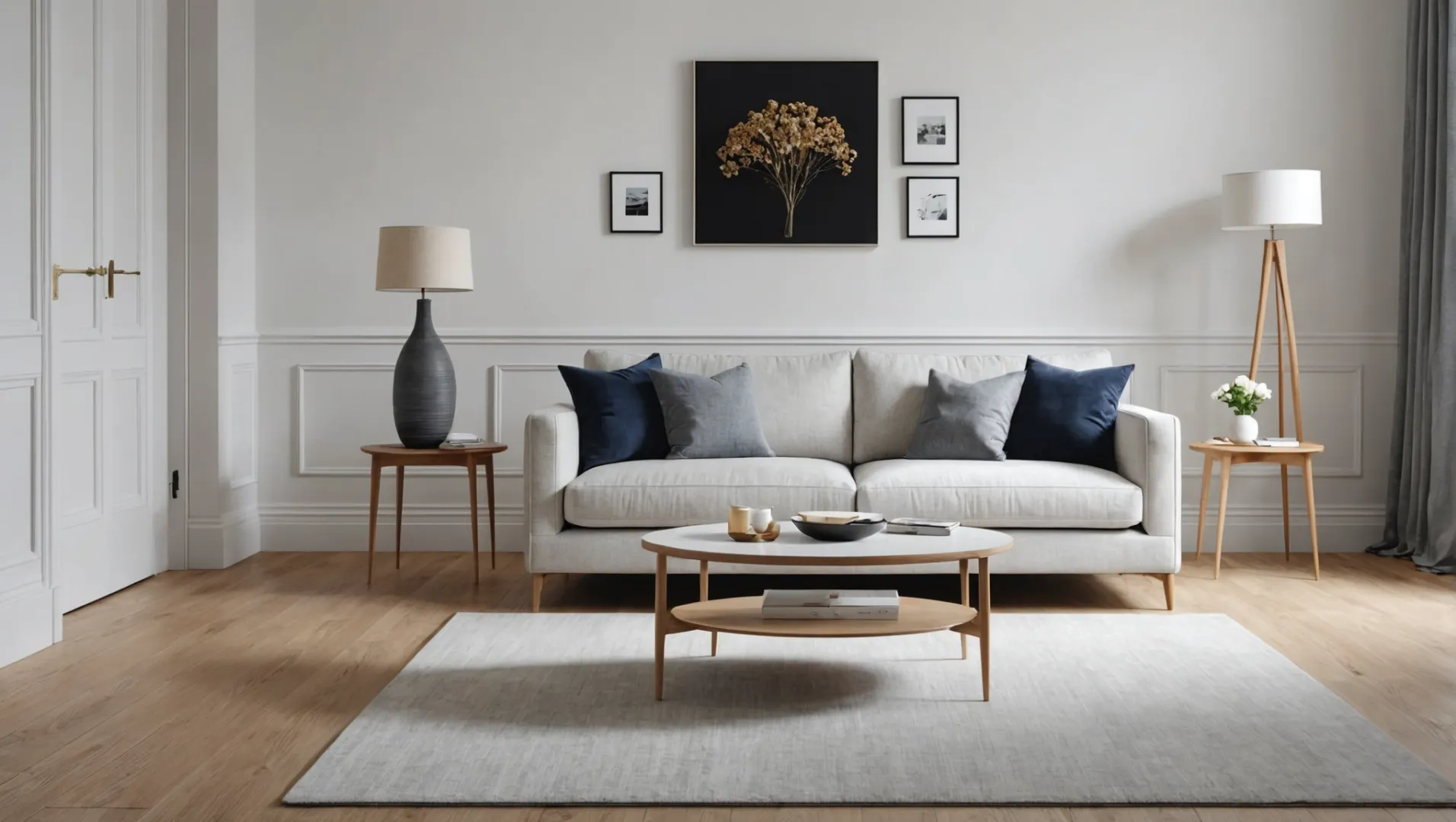
The Protective Role of Skirting Boards
Skirting boards serve as a frontline defense for your walls. Positioned at the base of interior walls, they protect against various forms of damage such as scuff marks from shoes, accidental kicks, or furniture collisions. This is especially beneficial in high-traffic areas where the risk of wall damage is higher.
Acting as a Moisture Barrier
In spaces like bathrooms and kitchens, skirting boards act as a barrier against moisture. By preventing water ingress, they help reduce the risk of mold and mildew development, preserving both the structural integrity and appearance of your walls. Installing water-resistant materials such as PVC or treated wood enhances this protective feature.
Covering Imperfections and Gaps
Skirting boards are also effective at concealing any gaps between the wall and the floor. These gaps can collect dirt and debris, making cleaning challenging. By covering these areas, skirting boards not only improve cleanliness but also ensure a neat finish, contributing to the overall aesthetics of a room.
| Type of Skirting Board | Key Feature | Ideal Use Case |
|---|---|---|
| PVC Skirting | Water-resistant | Bathrooms/Kitchens |
| Wooden Skirting | Durable and classic look | Living Rooms |
| Metal Skirting | Industrial style | Commercial Spaces |
Enhancing Aesthetics
Beyond protection, skirting boards significantly contribute to the aesthetic appeal2 of a space. Available in a range of materials, styles, and finishes, they allow for customization to match your interior design vision. Whether opting for a sleek minimalist look or ornate Victorian style, skirting boards can seamlessly blend with your décor while offering protection.
In conclusion, while often unnoticed, skirting boards play a vital role in maintaining the durability and appearance of your interior spaces.
Skirting boards protect walls from scuffs and dirt.True
Skirting boards act as a barrier, preventing scuff marks and dirt accumulation.
Wooden skirting is ideal for bathrooms due to water resistance.False
PVC skirting, not wooden, is recommended for water resistance in bathrooms.
What Are the Alternatives to Traditional Skirting Boards?
Looking for skirting board alternatives? Discover innovative options to enhance your space’s style and functionality.
Alternatives to traditional skirting boards include shadow gap details, decorative trims, and flexible mouldings. Each offers unique aesthetic and functional benefits, such as modern appeal or ease of installation, catering to diverse design needs and preferences.
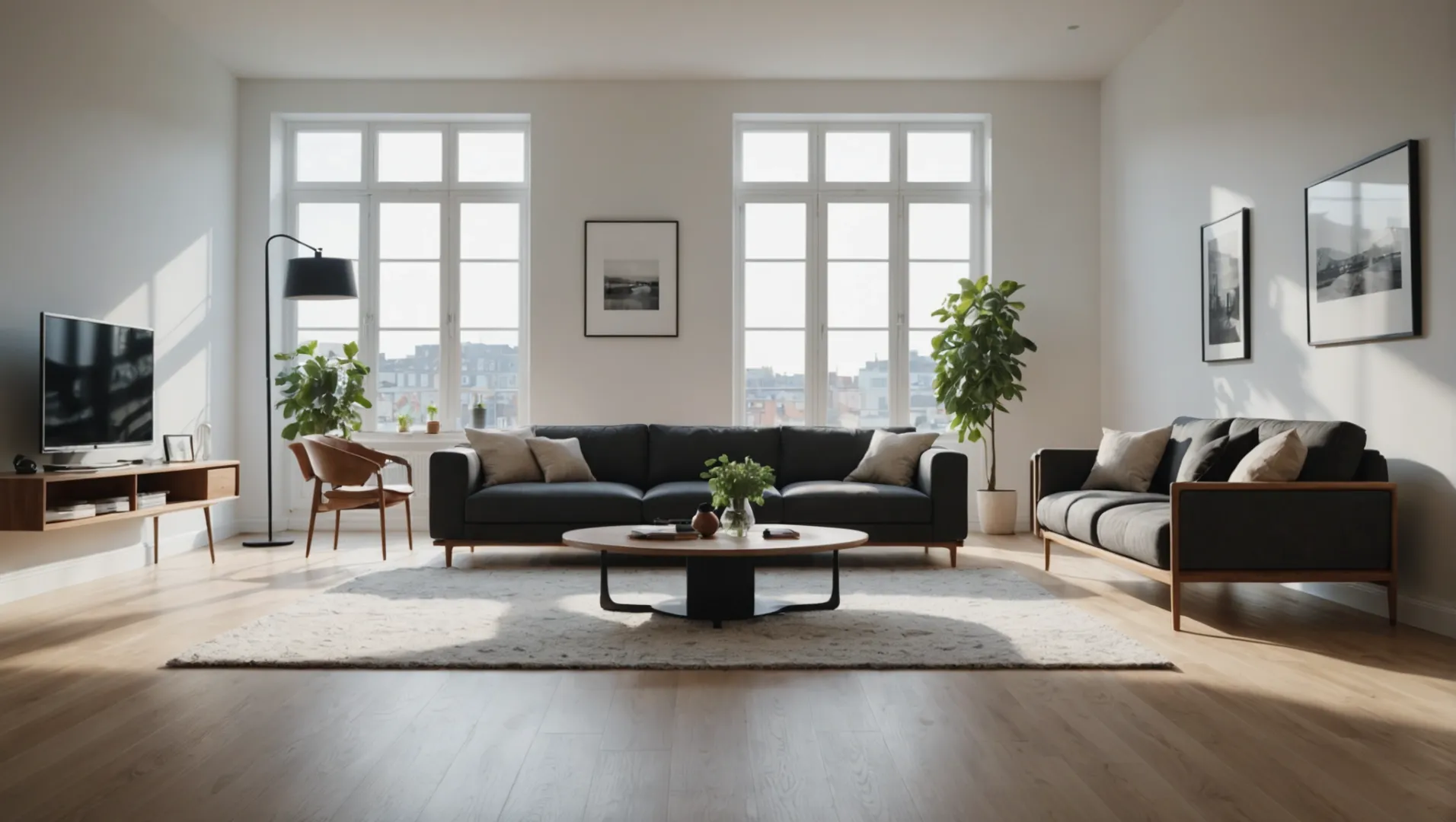
Shadow Gap Details
Shadow gap detailing is a contemporary alternative to traditional skirting boards, often used in minimalist or modern interiors. Instead of a visible skirting board, a small gap is left between the floor and the wall, creating a seamless transition that emphasizes clean lines and open spaces. This option is perfect for those who want to achieve a sleek, unobtrusive look without compromising on style.
Explore more about shadow gaps3 to understand how they can transform your interior design.
Decorative Trims
Decorative trims offer a versatile alternative to conventional skirting boards. These trims can be customized in various designs, materials, and finishes, allowing you to match them with the existing decor seamlessly. Whether you’re aiming for a classic look with ornate designs or a more straightforward, modern approach, decorative trims provide flexibility and can be easily installed over existing flooring.
Discovering the best decorative trim options4 can elevate your home’s visual appeal without traditional baseboards.
Flexible Mouldings
Flexible mouldings are an excellent choice for homes with curved walls or irregular shapes where standard skirting boards may not fit perfectly. Made from pliable materials such as polyurethane, these mouldings can adapt to different contours and provide a smooth finish. This adaptability makes them ideal for both renovation projects and new builds where design creativity is paramount.
Learn how flexible mouldings5 can offer both practicality and style in uniquely shaped spaces.
Shadow gap details eliminate visible skirting boards.True
Shadow gaps create a seamless transition without visible skirting.
Flexible mouldings are only suitable for straight walls.False
Flexible mouldings adapt to curved or irregularly shaped walls.
How to Choose the Right Skirting for Your Flooring?
Choosing the right skirting enhances both protection and aesthetic appeal of your flooring.
To choose the right skirting for your flooring, consider factors such as material compatibility, style, and height. Match skirting materials with flooring types, ensure design harmony with your interior, and select appropriate heights for function and visual impact.
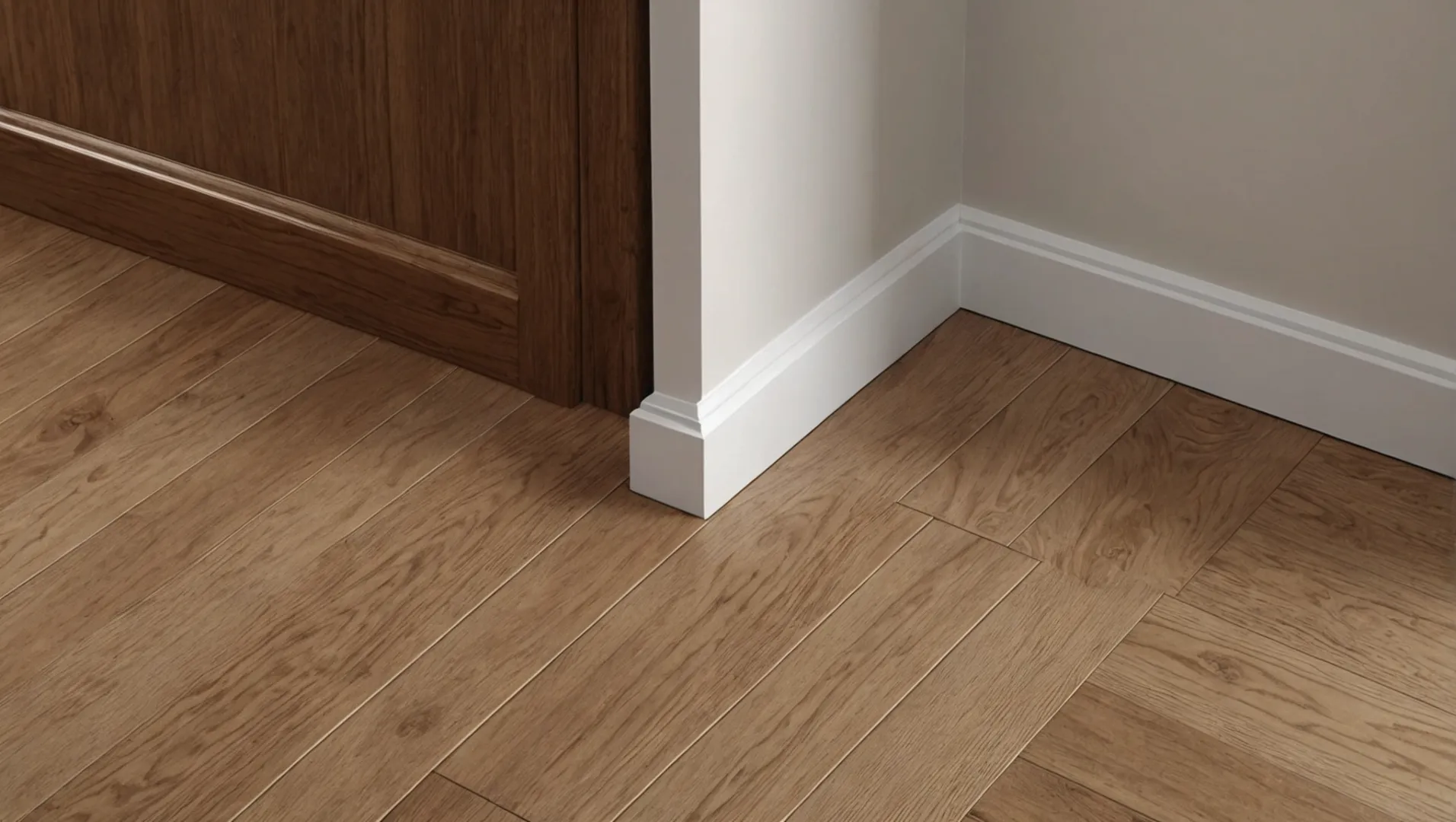
Consider Material Compatibility
When selecting skirting, the first thing to assess is the material of your flooring6. Hardwood floors pair well with wooden skirting for a seamless look, while tiles might benefit from PVC or MDF options that offer moisture resistance.
Table: Material Matching Guide
| Flooring Type | Recommended Skirting Material |
|---|---|
| Hardwood | Wood |
| Laminate | MDF or PVC |
| Tile | PVC or MDF |
| Carpet | MDF or Wood |
Evaluate Style and Design
The style of skirting can significantly influence the overall aesthetic of your room. For classic interiors, ornate wooden skirting can add elegance, whereas minimalist spaces might benefit from simple, sleek designs. Consider the color palette of your room and choose a skirting that complements or contrasts effectively to enhance visual appeal.
Determine the Height and Profile
The height of your skirting can change the perception of space in a room. Tall skirtings are ideal for rooms with high ceilings, creating a grander appearance. In contrast, shorter skirtings are suitable for modern or smaller spaces, offering a compact and clean look. Be sure to match the skirting profile with architectural elements like window frames or door casings.
Assess Functional Needs
If your walls are prone to damage from furniture or foot traffic, opt for skirtings with a more robust build. For areas like kitchens or bathrooms, where moisture can be an issue, choose materials that provide resistance to warping or rotting.
Seek Professional Advice
Don’t hesitate to consult with interior design experts7 to ensure your choices align with both functional and stylistic needs. Their expertise can guide you in making decisions that you might not have considered on your own.
Wood skirting is best for tile flooring.False
PVC or MDF skirting is recommended for tile flooring due to moisture resistance.
Tall skirtings suit rooms with high ceilings.True
Tall skirtings enhance the grandeur of rooms with high ceilings, adding elegance.
Conclusion
Skirting boards may be easily overlooked, but they are crucial for both protection and style. Consider how they can enhance your home’s interior on your next renovation adventure!
-
Gain tailored advice on selecting the perfect skirting board material.: As a very general rule, you should opt for skirting boards that are roughly 1/18 of the height of your room or choose skirting boards that are as tall as … ↩
-
Explore how skirting boards enhance room aesthetics and offer design flexibility.: Skirting boards are known for protecting the lower parts of your walls that are normally prone to damage from your daily activities. ↩
-
Learn how shadow gaps create seamless transitions in modern interiors.: The shadow gap is one way of doing this, by forming an engineered break between two surfaces that might otherwise not meet cleanly. ↩
-
Discover decorative trims to match any interior design style.: Crown Molding · Chair Rail Trim · Casing · Picture Rail Trim · Wainscotting · Batten Trim · Baseboard Trim · Picture Frame Trim. ↩
-
Explore flexible mouldings suitable for irregularly shaped spaces.: Made of flexible polyurethane, these trim options are resistant to moisture and can be matched to the original grain of wood you are working with. To find … ↩
-
Discover which skirting materials best complement various flooring types.: In this article, we will explore the different types of skirting available for flooring, including timber skirting, PVC skirting, and MDF … ↩
-
Learn professional tips for selecting skirting that suits your space.: Skirting boards can help avoid wall damage, cracks and so on by providing a barrier between the lower part of the wall and things that could … ↩






