
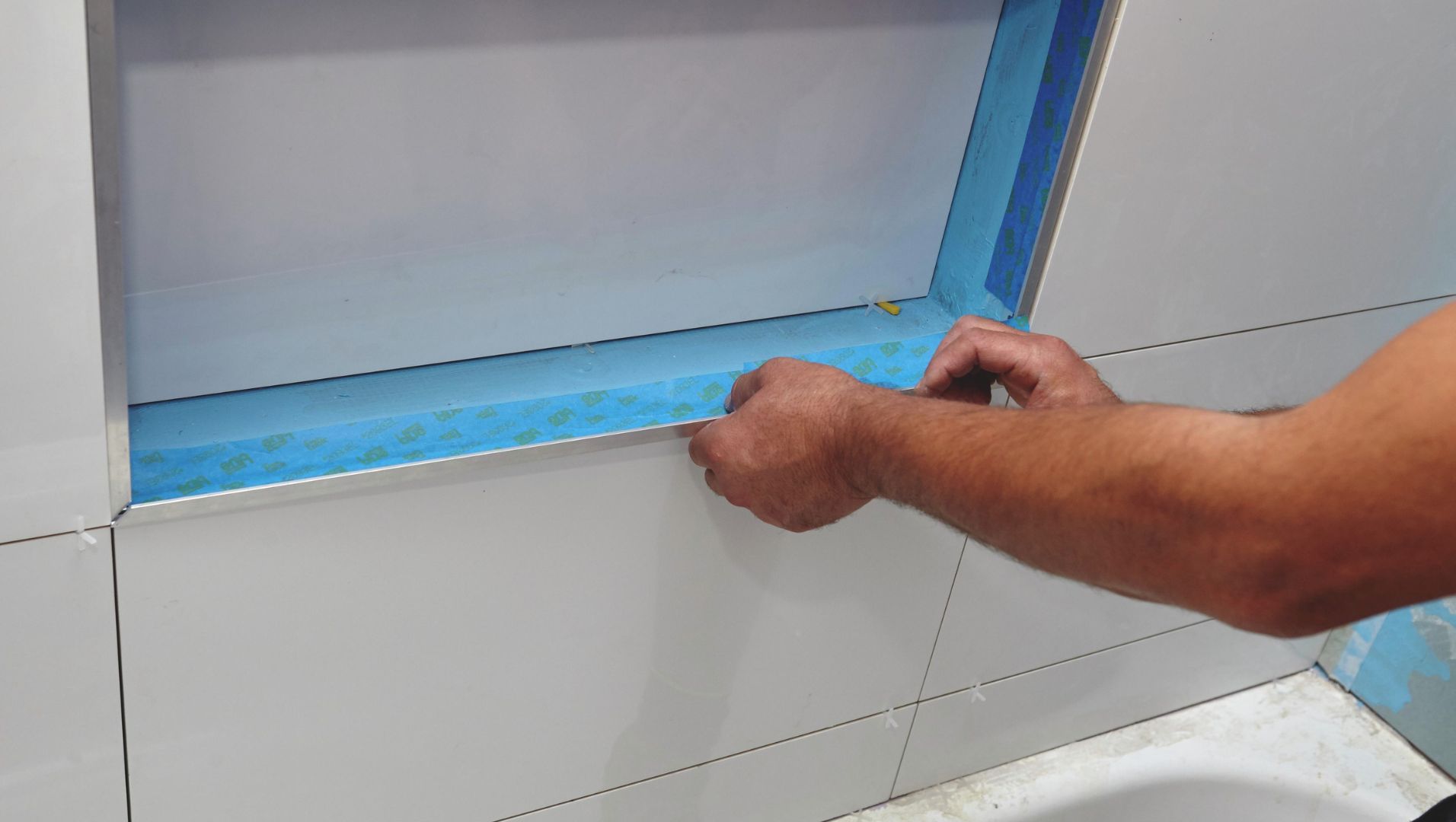
Tile trim might feel like just another accessory, but trust me, it’s a game changer!
Tile trim is important because it provides a finished look, protects tile edges from damage, and enhances the overall aesthetic of a tiling project. It acts as a barrier against moisture and wear, ensuring durability and a polished finish.
Now that we’ve touched on its importance, let’s dive deeper into the various trim options available and the expert tips that can elevate your tiling craftsmanship.
Tile trim prevents tile edge chipping.True
Tile trim acts as a barrier, protecting edges from damage.
What Are the Benefits of Using Tile Trim?
Tile trim might appear as an afterthought, yet it holds immense value in tiling.
Tile trim offers a refined finish, safeguards tile edges, and boosts aesthetic appeal while providing moisture protection and enhancing longevity.
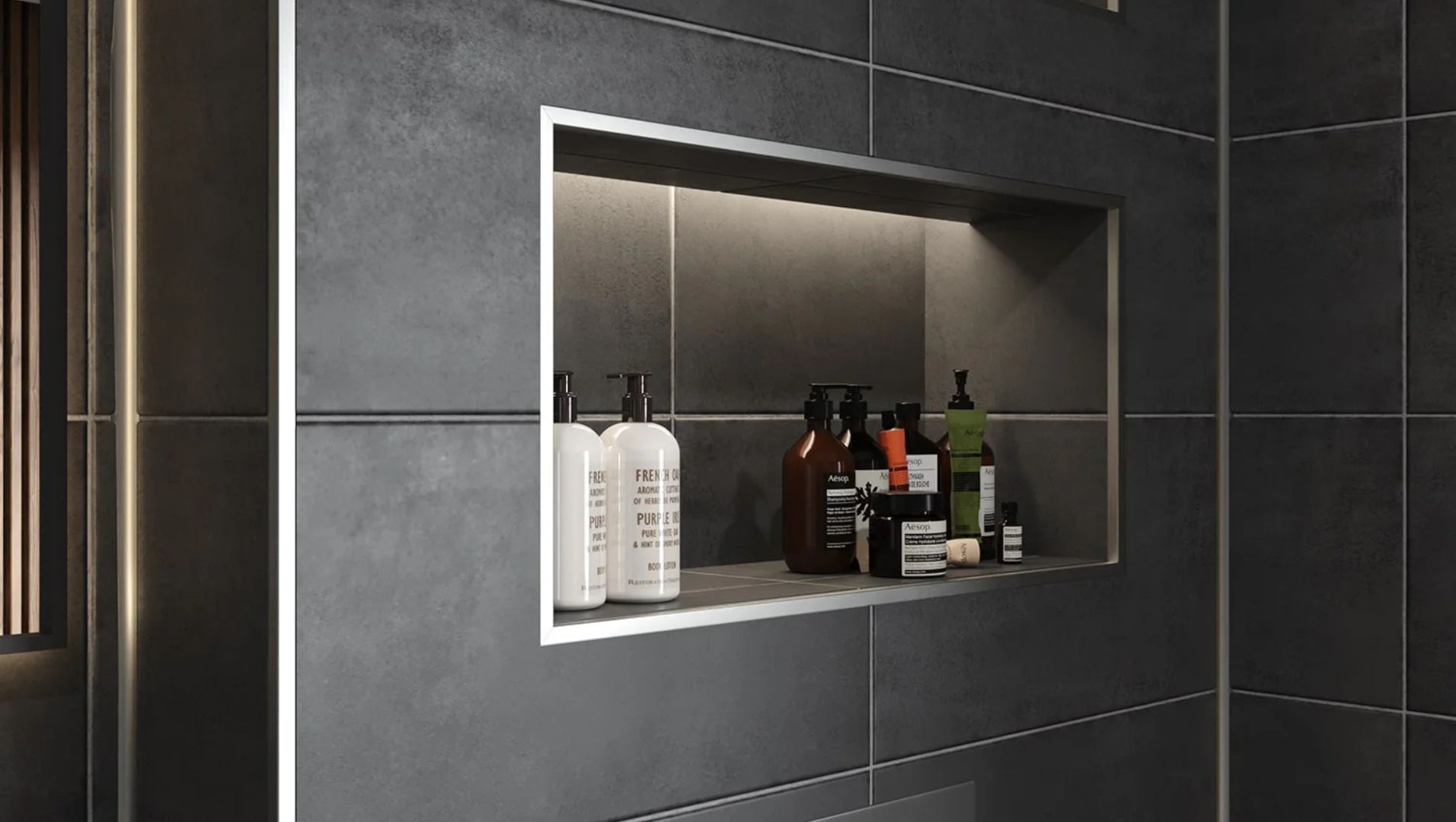
Enhancing Aesthetic Appeal
Tile trim adds a polished touch to your tiling project by providing a clean and finished edge. It helps achieve a seamless transition between different surfaces, whether between tiles and walls or tiles and floors. For instance, if you’re using a contrasting color trim, it can create a striking border that enhances the visual appeal of your space.
Protection Against Damage
One of the primary benefits of tile trim1 is its ability to protect the edges of your tiles from chipping and cracking. This is particularly important in high-traffic areas where wear and tear are common. By installing tile trim, you prevent unnecessary damage that can lead to costly repairs.
Moisture Barrier
Tile trim acts as a barrier against moisture, which is essential in areas like bathrooms and kitchens. It seals the edges of tiles, preventing water from seeping underneath and causing mold or structural damage. This feature not only preserves the integrity of the installation but also contributes to maintaining hygiene.
Increased Longevity
By protecting tile edges and preventing moisture ingress, tile trim significantly contributes to the durability and lifespan of your tiling project. It helps ensure that your tiles remain intact and looking pristine for years to come, providing long-term value and reducing maintenance costs.
Ease of Maintenance
Tile trim makes it easier to clean and maintain tiled surfaces. The smooth, finished edges allow for effortless wiping, helping keep the tiles and grout lines free from dirt and grime. This is especially beneficial in environments prone to spills or splashes.
| Benefit | Description |
|---|---|
| Aesthetic Enhancement | Provides a clean, finished look; complements interior design. |
| Edge Protection | Guards against chips and cracks; ideal for high-traffic areas. |
| Moisture Resistance | Prevents water damage; crucial for bathrooms/kitchens. |
| Durability | Extends lifespan; ensures long-term savings on repairs. |
| Easy Maintenance | Simplifies cleaning; keeps surfaces hygienic and pristine. |
Understanding these benefits can help you make informed decisions about incorporating tile trim into your next tiling project. Consider factors such as material, color, and design to select the perfect trim that aligns with your vision and practical needs.
Tile trim enhances tile longevity by preventing moisture ingress.True
Tile trim seals tile edges, preventing water damage and mold.
Tile trim is unnecessary for achieving a polished finish.False
Tile trim provides a clean edge, enhancing the overall aesthetic.
How Does Tile Trim Protect Tile Edges?
Tile trim is not just decorative; it serves essential protective functions for tile edges.
Tile trim protects tile edges by providing a buffer against chipping and cracking, which prolongs the lifespan of your tiling work.
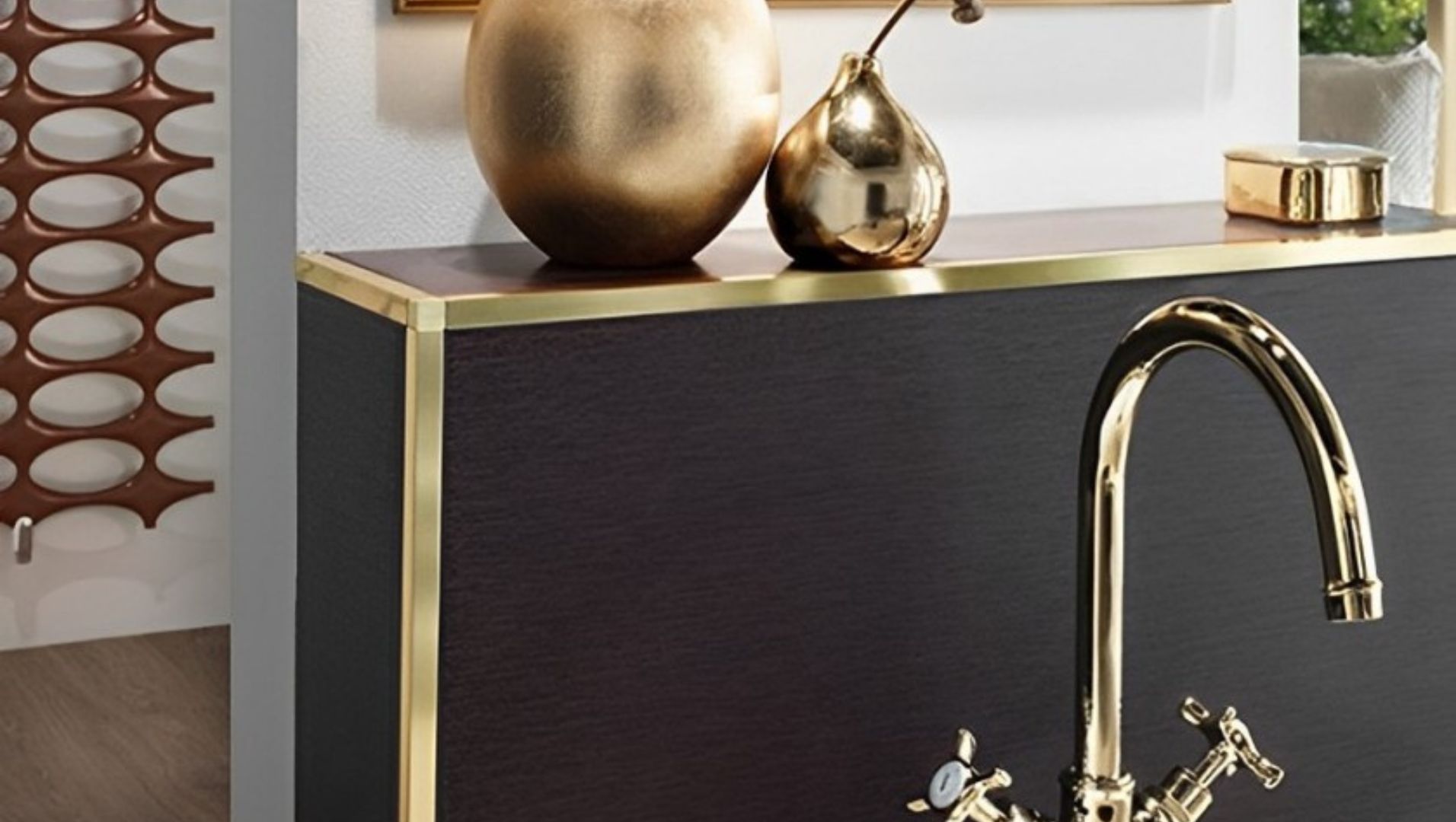
Understanding Tile Edge Vulnerability
Tile edges are prone to damage from everyday wear and tear. Activities like cleaning, moving furniture, or even accidental knocks can lead to chipped or cracked tiles. Without proper protection, these edges become weak points in your tiling, potentially leading to costly repairs.
The Role of Tile Trim in Protection
Tile trim acts as a protective barrier by covering the exposed edges of tiles. It absorbs impact and disperses pressure, reducing the risk of chipping. Moreover, it prevents moisture from seeping into the tile’s edges, which can cause expansion and subsequent cracking. By using tile trim, you enhance the durability and longevity of your tiled surfaces.
Materials Matter: Choosing the Right Trim
Different materials offer varying levels of protection. For instance, metal trims provide robust protection against physical impact, making them ideal for high-traffic areas. On the other hand, PVC trims are more affordable and provide basic protection, suitable for less demanding environments.
| Material | Durability | Best Use Case |
|---|---|---|
| Metal | High | Kitchens, Hallways |
| PVC | Moderate | Bathrooms, Residential Walls |
| Stone | High | Luxury Finishes |
Enhancing Aesthetics and Functionality
While protection is a primary function, tile trim also offers aesthetic benefits. It provides a neat finish, masking any imperfections or uneven cuts along the edges. Additionally, some trims come with anti-slip features, adding safety to functionality.
Expert Tips for Choosing Tile Trim
- Assess the location and traffic level of your tiling project. Choose a trim material that suits the specific needs of the area.
- Consider the color scheme and design style to ensure that the trim complements the overall look.
- Don’t overlook the thickness of your tiles; select a trim that fits snugly to avoid gaps that could compromise protection.
To explore more about the different types of tile trim available, check out different types of tile trim2 and ensure your choice aligns with your project needs.
Tile trim prevents moisture from seeping into tile edges.True
Tile trim covers edges, blocking moisture, preventing expansion and cracking.
PVC trims are ideal for high-traffic areas due to durability.False
Metal trims, not PVC, are recommended for high-traffic areas due to durability.
What Types of Tile Trim Are Available?
Exploring the variety of tile trims can transform your tiling project, enhancing both form and function.
Tile trim comes in various materials like metal, plastic, and ceramic, each suited for specific applications. These trims include edge trims, corner trims, and transition strips, offering options for different tiling needs and aesthetic preferences.
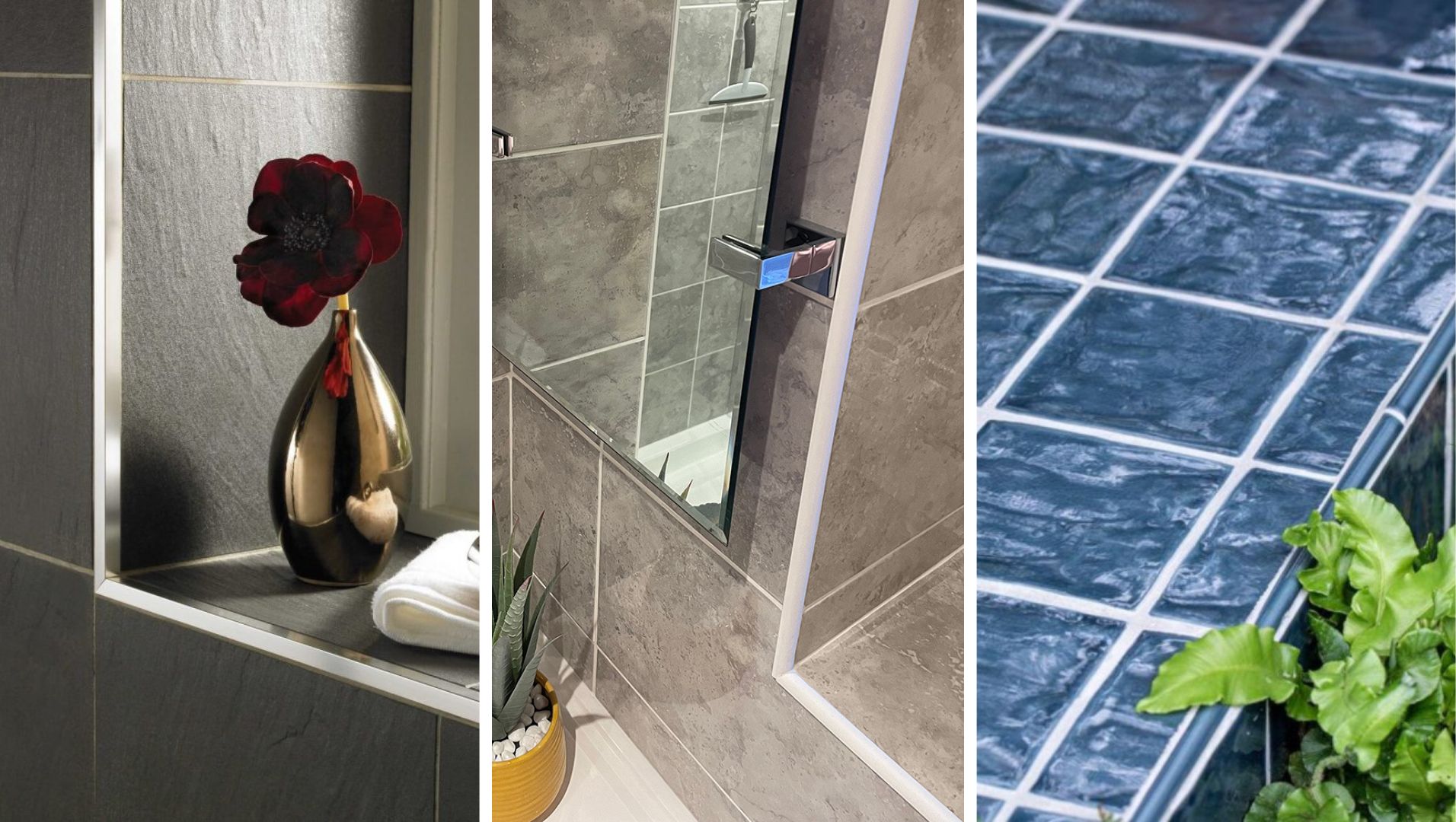
Exploring Different Tile Trim Materials
Tile trims are available in a range of materials, each bringing unique characteristics to a tiling project.
-
Metal Trims: These are popular for their durability and sleek appearance. Common metals include aluminum and stainless steel, which are ideal for modern bathrooms or kitchens due to their resistance to corrosion and rust.
-
Plastic Trims: Offering affordability and ease of installation, plastic trims are lightweight and come in various colors. They’re particularly suited for DIY projects or areas where cost efficiency is prioritized.
-
Ceramic Trims: Best for traditional settings, ceramic trims match well with ceramic tiles, providing a cohesive look. They’re often used in showers or areas prone to moisture.
Types of Tile Trim Profiles
Understanding different profiles helps in choosing the right trim for your project. Here’s a breakdown:
| Trim Type | Description |
|---|---|
| Edge Trims | Perfect for finishing tile edges, preventing chipping and damage. Ideal for countertops or backsplashes. |
| Corner Trims | Used to protect and decorate corners. Available in various angles to accommodate different design needs. |
| Transition Strips | Seamlessly connects tiles with other flooring types, like wood or carpet, ensuring a smooth transition and preventing tripping hazards. |
Choosing the Right Trim for Your Project
Selecting the appropriate trim involves considering both functionality and aesthetics. Consider the environment—will it be exposed to water or heavy traffic? For example, metal trims3 are excellent in wet areas due to their resistance to water.
Additionally, think about the design style you wish to achieve. A ceramic trim4 can enhance a rustic or classic look, whereas metal trims offer a more contemporary feel.
Installation Tips from Experts
Proper installation is key to maximizing the benefits of your chosen tile trim. Ensure accurate measurements to avoid gaps and uneven lines. Always use the recommended adhesive for your trim material to ensure longevity and stability.
By understanding the variety of tile trims available, you can make informed decisions that elevate your tiling projects from basic to extraordinary.
Metal trims are ideal for rustic designs.False
Metal trims suit modern designs, not typically rustic ones.
Plastic trims are lightweight and affordable.True
Plastic trims offer cost efficiency and ease of installation.
How Can You Install Tile Trim Successfully?
Installing tile trim correctly ensures a polished look and protects your tile edges from damage.
To install tile trim successfully, measure accurately, cut precisely, use the right adhesive, and ensure the trim is level with the tiles. This process enhances both the durability and aesthetic appeal of your tiling project.
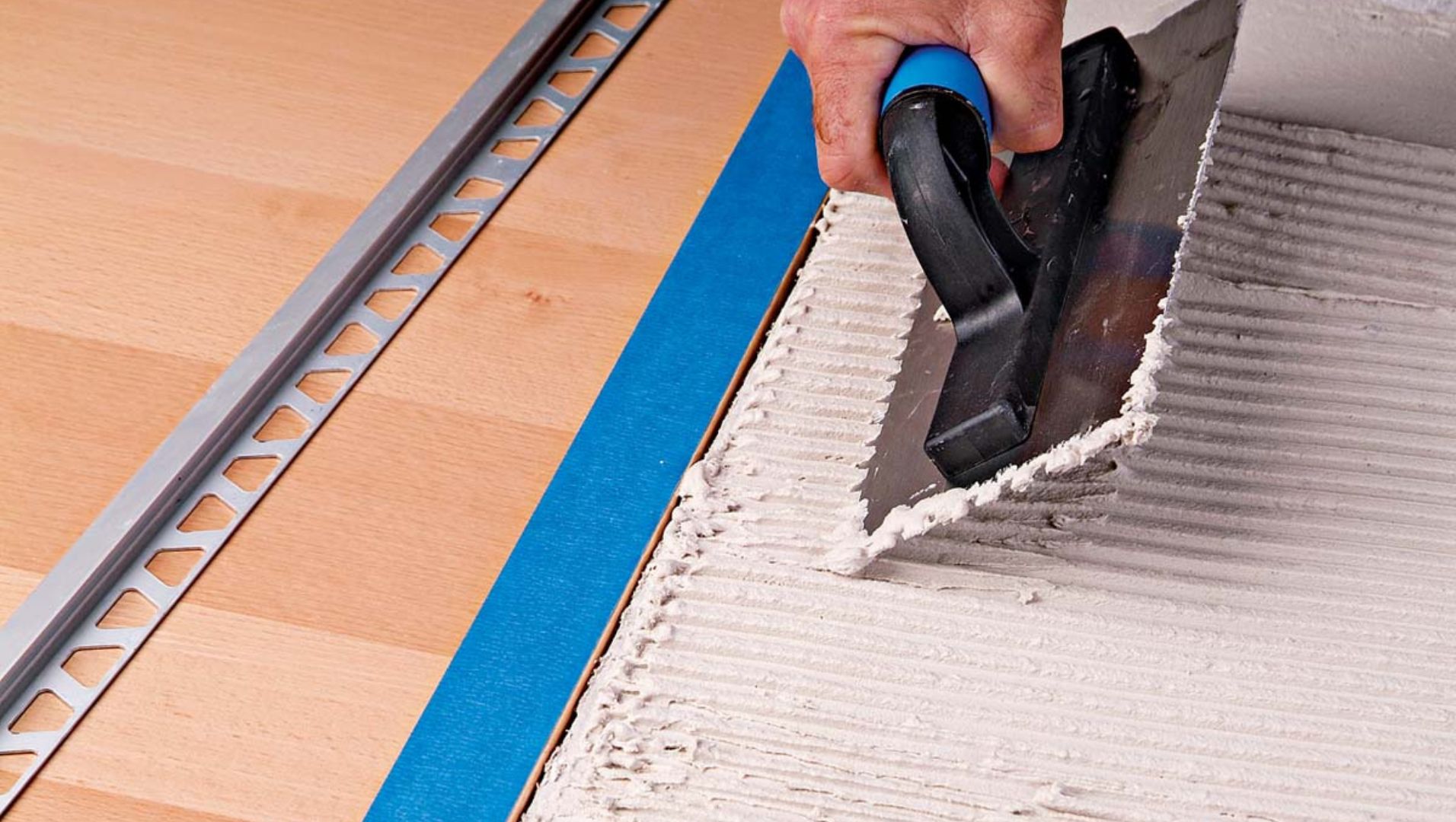
Understanding Tile Trim Types
Before you start the installation, it’s essential to understand the various tile trim types available5. Each type serves a different purpose and can impact the overall finish of your project. Options include metal, plastic, and ceramic trims, each offering unique durability and stylistic elements.
Essential Tools and Materials
Ensure you have all the necessary tools before starting the installation. Basic requirements include:
- Measuring tape
- Tile cutter or hacksaw (for metal trims)
- Tile adhesive or thinset
- Spirit level
Having the right tools ensures precision and efficiency in your installation process.
Measuring and Cutting Trim
Accurate measurement is crucial. Begin by measuring the area where the trim will be installed. For precise cuts:
- Mark the Trim: Use a pencil to mark the cutting point on the trim.
- Cut with Care: Use a tile cutter for plastic or ceramic trims and a hacksaw for metal trims.
- Smooth Edges: After cutting, use sandpaper to smooth any rough edges to prevent sharp corners.
Application of Adhesive
The adhesive you choose should be compatible with both your tiles and trim material. Spread a thin layer of adhesive along the edge where you plan to attach the trim.
- Apply Evenly: Use a notched trowel to ensure even application.
- Check Adhesive Instructions: Follow manufacturer instructions for drying times to ensure a strong bond.
Aligning the Trim with Tiles
To ensure your trim is perfectly aligned:
- Use a Spirit Level: Regularly check that the trim is level with your tiles as you work.
- Adjust Quickly: Make any necessary adjustments before the adhesive sets.
Final Touches
Once the adhesive is dry, clean off any excess material using a damp sponge. This ensures a clean and professional finish.
Explore more about effective installation techniques6 to perfect your tiling project.
Metal trims are less durable than plastic trims.False
Metal trims are generally more durable than plastic trims.
A spirit level ensures tile trim alignment.True
Using a spirit level helps keep the tile trim aligned with the tiles.
Conclusion
Tile trim not only enhances your project’s appearance but also significantly extends its lifespan. Choose wisely and enjoy a standout tiling experience.
-
Discover comprehensive insights into the advantages of using tile trim.: Installing a countertop tile edge trim saves tile edges from being chipped and is much more durable than traditional wood trim, while a floor profile protects … ↩
-
Discover various trim options for specific tiling needs and aesthetics.: The base molding is probably the most known of the trim types listed. It is the piece that can be found closest to the floor. It covers the joint and bridges … ↩
-
Discover why metal trims are perfect for wet environments.: In using metal tile corner trim, there is increased aesthetic appeal that the tiles will have and at the same time, tiles will have increased protection. ↩
-
Learn how ceramic trims complement rustic or classic designs.: They are not just about aesthetics; they offer functionality and protection to the tile edges, preventing them from chipping or cracking. When … ↩
-
Learn about various tile trim types and their specific uses.: Depending on the shape and style of your tiles, flat liners, bullnoses, and quarter rounds can be the best trim options for a polished and professional look. ↩
-
Discover expert tips for perfecting tile trim installation.: Set the trim in thinset, then use a couple of screws to hold it in place. That way you don’t have … ↩






