 Skip to content
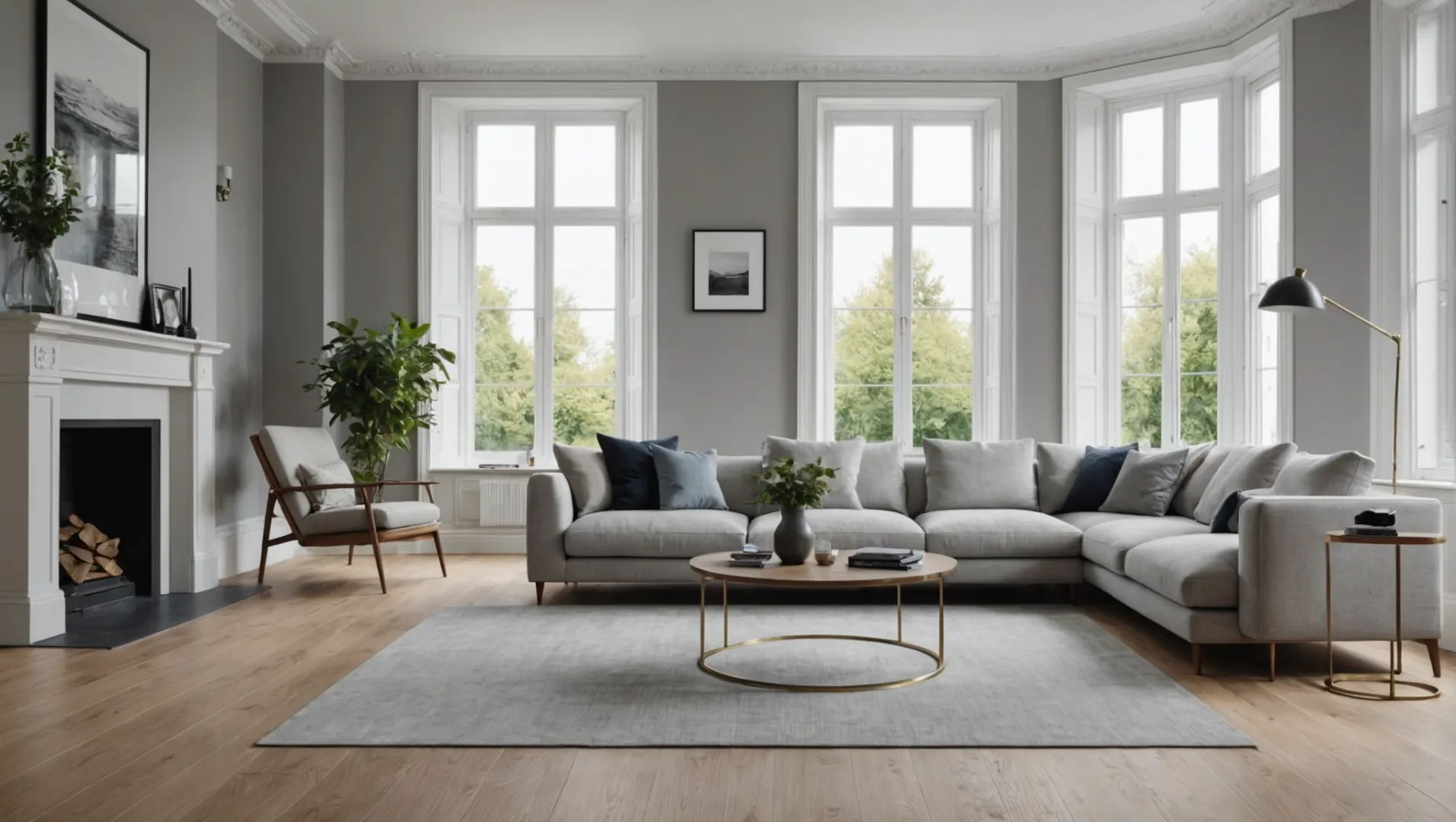
Skirting boards might seem like just a decorative detail, but trust me—they’re so much more!
Skirting boards, also known as baseboards, are crucial in home design for protecting walls from damage, covering gaps, and adding an aesthetic finish. They provide a seamless transition between wall and floor, safeguarding against dirt and scuffs.
While they may appear minor, skirting boards significantly impact aesthetics and functionality. Let’s dive into why they are indispensable and explore various styles and materials that can suit any home decor.
Skirting boards protect walls from vacuum damage.True
Skirting boards act as barriers, preventing scuffs and dents from vacuums.
What Functions Do Skirting Boards Serve?
Skirting boards are vital for more than just aesthetics; they play key functional roles in your home.
Skirting boards protect walls from damage, conceal unsightly gaps, and enhance interior design by providing a clean transition between floors and walls.
Protecting Walls from Damage
One of the primary functions of skirting boards is to shield your walls from various types of damage. Whether it’s a stray vacuum cleaner or furniture being pushed too close, skirting boards act as a barrier, preventing scuffs and dents on the lower parts of walls. This protective function is particularly valuable in high-traffic areas where walls are more susceptible to wear and tear.
Covering Gaps and Imperfections
Another important role of skirting boards is to hide the gaps between the wall and the floor. These gaps often occur due to construction imperfections or natural settling of the house over time. Skirting boards provide a neat finish that conceals these unsightly gaps, ensuring a polished look in any room.
Enhancing Aesthetic Appeal
Beyond their functional benefits, skirting boards contribute significantly to the overall aesthetic of a space. They add an architectural detail that can enhance the style of a room, whether it’s a classic Victorian design or a sleek modern finish. With various styles and materials available, from traditional wood to contemporary PVC options, skirting boards can be customized to complement any home decor.
Facilitating Electrical Wiring
In modern homes, skirting boards can also serve as conduits for electrical wiring. This is especially useful in homes where exposed wiring could detract from the visual appeal or pose safety hazards. By concealing cables and wires within specially designed skirting boards, homeowners can maintain a tidy appearance while ensuring functionality.
Comparing Skirting Board Materials
| Material | Durability | Maintenance | Aesthetic Appeal |
|---|---|---|---|
| Wood | High | Moderate | Classic |
| MDF | Medium | Low | Versatile |
| PVC | High | Low | Modern |
Each material has its unique advantages, allowing homeowners to select based on durability needs and stylistic preferences.
Understanding the versatile functions of skirting boards not only highlights their necessity but also opens up possibilities for enhancing both the look and functionality of your home. To explore innovative designs, consider checking out latest skirting board trends1 to find inspiration that matches your interior style.
Skirting boards protect walls from vacuum damage.True
They act as barriers against scuffs and dents from vacuums.
PVC skirting boards require high maintenance.False
PVC skirting boards are low maintenance, unlike wood.
How Do Skirting Boards Enhance Home Aesthetics?
Skirting boards add an elegant touch to interiors, transforming mundane spaces into stylish environments.
Skirting boards enhance home aesthetics by creating a harmonious flow between walls and floors, adding visual interest, and complementing architectural styles. Their design, color, and material can dramatically influence the overall look of a room, from classic to contemporary.
Creating Seamless Transitions
One of the primary aesthetic benefits of skirting boards is their ability to create a seamless transition between walls and floors. This smooth connection adds visual cohesion to a room, ensuring that all elements appear intentionally integrated. A well-chosen skirting board can harmonize disparate elements like wall colors and flooring materials, enhancing the overall decor.
For instance, in a room with wooden floors, a matching wood skirting board can extend the texture and warmth up the wall slightly, creating a continuous flow that’s pleasing to the eye.
Adding Visual Interest
Skirting boards also add a layer of visual interest that might otherwise be lacking. These boards can be designed with intricate patterns, such as beading or molding, which draw attention and contribute to a room’s character. Explore skirting board designs2 that incorporate classic Victorian patterns or sleek modern lines to see how they transform spaces.
Moreover, by choosing contrasting colors or materials, homeowners can highlight these features as decorative elements rather than functional necessities.
Complementing Architectural Styles
Skirting boards are available in numerous styles and materials, allowing them to complement any architectural theme. For homes with traditional architecture, ornate skirting boards featuring intricate carvings can echo the elegance of the era. Conversely, minimalist skirting boards with clean lines suit contemporary spaces perfectly.
A handy table below shows how different skirting board styles match various architectural themes:
| Architectural Style | Recommended Skirting Board |
|---|---|
| Victorian | Ornate with detailed carvings |
| Modern | Minimalist with straight lines |
| Rustic | Rough-hewn wood or distressed finishes |
| Industrial | Metal or concrete-inspired designs |
Enhancing Perceived Space
By creating a base for walls, skirting boards can also affect the perception of space. Taller skirting boards can make ceilings appear higher, adding a sense of grandeur to rooms with low ceilings. Learn how taller skirting boards3 impact room dimensions and create the illusion of more space.
Conclusion Not Needed Here
While skirting boards primarily serve practical functions, their ability to enhance home aesthetics is undeniable. By choosing the right design, material, and style, homeowners can significantly uplift their interior design.
Skirting boards create seamless wall-to-floor transitions.True
Skirting boards connect walls and floors, enhancing room cohesion.
Modern skirting boards often feature intricate Victorian patterns.False
Modern skirting boards usually have minimalist, clean lines.
What Are the Alternatives to Traditional Skirting Boards?
Seeking a modern look or unique style for your home? Explore alternatives to traditional skirting boards.
Alternatives to traditional skirting boards include shadow gaps, skirting tiles, and floor-to-ceiling designs. These options offer sleek, modern aesthetics and practical solutions for those looking to customize their interior design.
Shadow Gaps: A Minimalist’s Dream
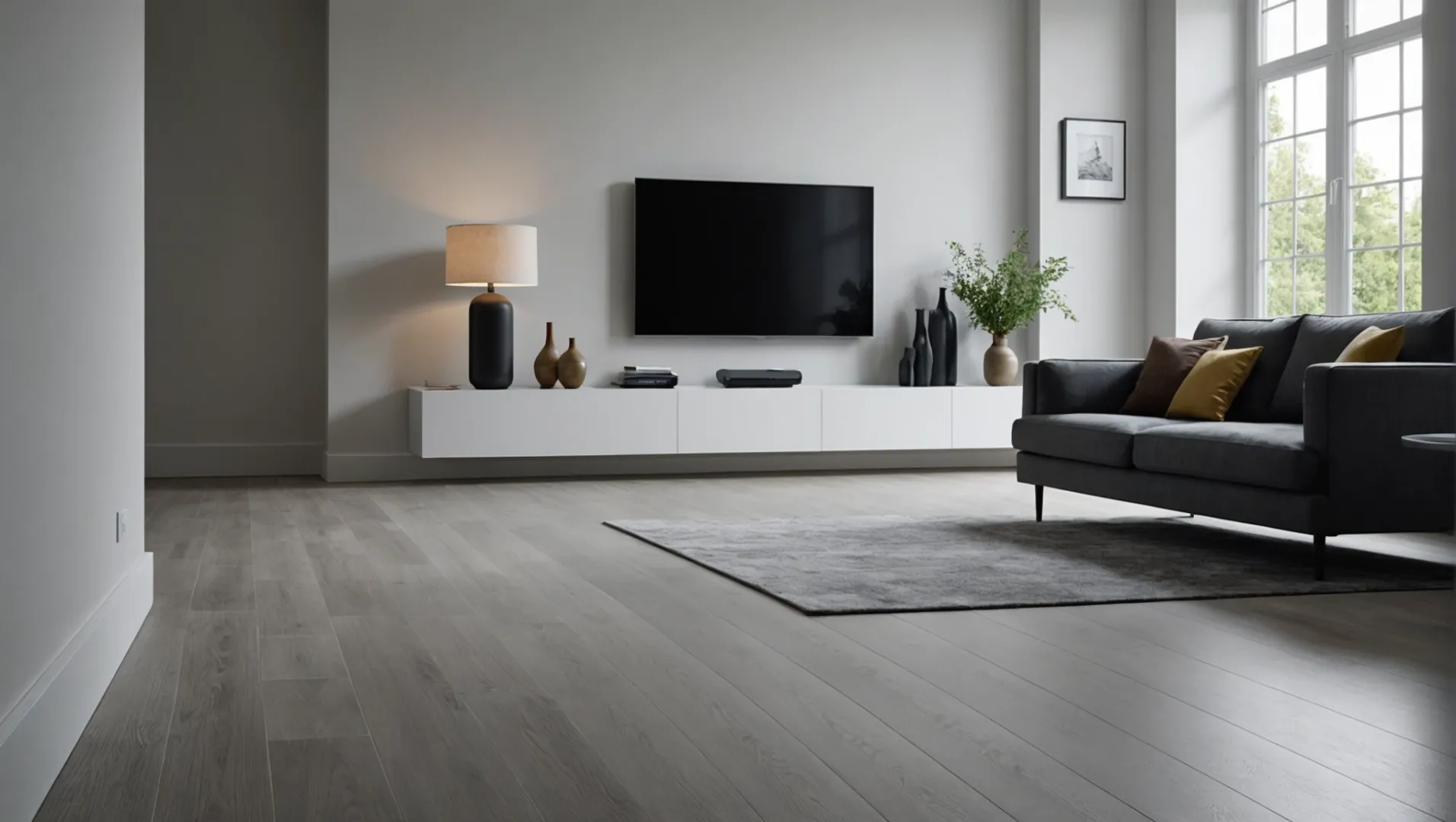
Shadow gaps provide a clean, contemporary look by eliminating visible skirting. Instead, a small recessed gap is left between the wall and floor, creating a seamless transition. This technique not only enhances the architectural appeal but also simplifies cleaning.
To implement shadow gaps, you might need professional installation to ensure precision. The result is a modern, minimalistic aesthetic that suits open-plan living spaces and industrial-style homes.
Skirting Tiles: Durable and Stylish
For a unique twist, consider skirting tiles. These are ceramic or porcelain tiles placed at the base of your walls. Skirting tiles are exceptionally durable, making them ideal for high-traffic areas like kitchens and bathrooms. They provide a water-resistant finish that protects against moisture damage.
Available in various designs and textures, skirting tiles can seamlessly blend with existing floor tiles or stand out as a distinct design element. This option is perfect for those seeking durability with a touch of elegance.
Floor-to-Ceiling Designs: For Bold Statements
Floor-to-ceiling skirting involves extending the skirting board all the way up the wall. While unconventional, this method makes a dramatic statement and can be particularly effective in spaces with high ceilings.
This design can be used to accentuate specific walls or create striking contrasts within a room. It works well in modern or eclectic interiors, adding an unexpected layer of depth and interest.
Adhesive Vinyl: Cost-Effective and Versatile
Adhesive vinyl is another practical alternative. It mimics the appearance of traditional skirting boards but with more flexibility in design and color. Easy to install, it’s an excellent option for DIY enthusiasts looking to refresh their interiors quickly.
Vinyl options are typically moisture-resistant and easy to clean, making them suitable for various areas within the home. They offer versatility and affordability, allowing homeowners to experiment with different styles without breaking the bank.
Exploring these alternatives opens up exciting possibilities for customizing your home’s aesthetic. Whether you favor modern minimalism with shadow gaps4 or durable elegance with skirting tiles5, there’s an option to suit every taste and budget.
Shadow gaps eliminate visible skirting boards.True
Shadow gaps create a recessed gap between the wall and floor.
Skirting tiles are unsuitable for high-traffic areas.False
Skirting tiles are durable, making them ideal for high-traffic areas.
How to Choose the Right Skirting Board for Your Home?
Choosing the perfect skirting board can elevate your home’s style and functionality.
To choose the right skirting board, consider the architectural style of your home, the height of your ceilings, and the type of material that best suits your lifestyle. These factors will ensure that your skirting board complements your home decor while providing durability and ease of maintenance.
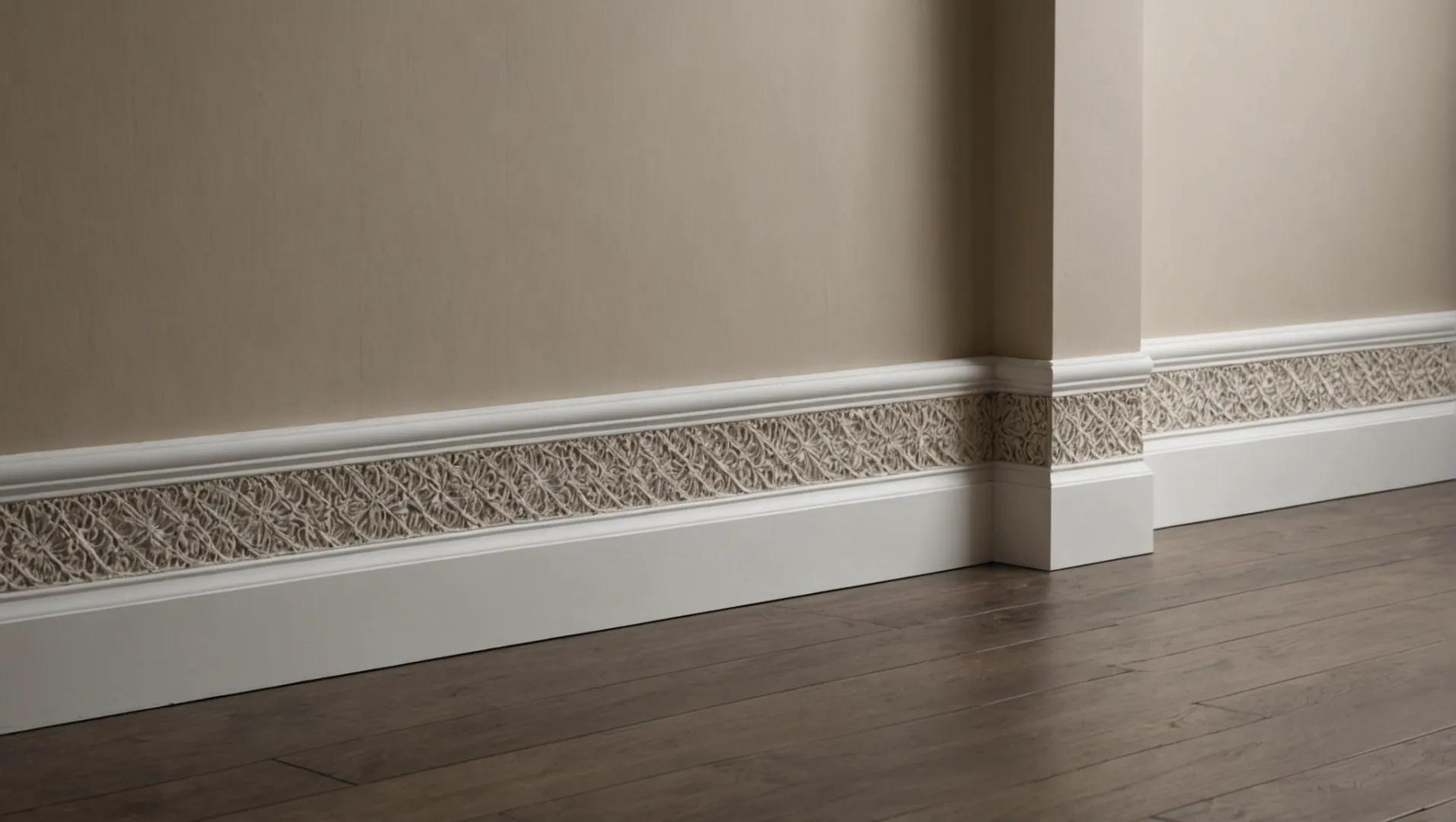
Consider Your Home’s Architectural Style
The architectural style of your home is a key factor in selecting a suitable skirting board. For example, Victorian homes6 often feature elaborate, ornate skirting boards, while modern homes tend to favor sleek, minimalistic designs. Matching the skirting board with your home’s architecture ensures cohesion and enhances the overall aesthetic appeal.
Evaluate Ceiling Height
Ceiling height plays a crucial role in determining the appropriate size for your skirting boards. Taller ceilings usually require higher skirting boards to maintain proportion and balance. Conversely, low ceilings benefit from shorter skirting boards, which help avoid a cramped appearance.
Choose the Right Material
The material you select for your skirting boards should align with both aesthetic preferences and practical needs. Common materials include:
| Material | Characteristics |
|---|---|
| MDF | Affordable, easy to paint, versatile |
| Solid Wood | Classic look, durable, can be expensive |
| PVC | Water-resistant, ideal for bathrooms and kitchens, available in various styles |
Consider how much wear and tear the skirting board will endure, especially in high-traffic areas.
Match with Flooring
The flooring in your home can also dictate the choice of skirting board. For instance, matching wood tones can create a harmonious look, while contrasting colors can make a bold statement. Be sure to consider how the skirting board will connect with flooring transitions like carpets or tiles.
Factor in Maintenance
Some materials require more upkeep than others. For example, MDF may need regular repainting, while PVC is low-maintenance. Select a material that aligns with how much time you are willing to invest in upkeep.
Selecting the right skirting board requires considering multiple aspects that align with both personal style and practical needs. By evaluating these elements, you can ensure a choice that enhances your home’s interior seamlessly.
Victorian homes require ornate skirting boards.True
Victorian architecture typically features elaborate designs for cohesion.
MDF skirting boards are water-resistant.False
MDF is not water-resistant and may swell if exposed to moisture.
Conclusion
Skirting boards are more than just decorative trims; they protect walls, enhance aesthetics, and offer practical solutions. Consider installing them for a polished look that safeguards your home.
-
Discover new styles to enhance your home’s interior design.: 1. Painted Skirting Boards. One of the latest trends in skirting boards is painting them in bold, contrasting colours. · 2. Glossy Finishes. ↩
-
Discover various skirting board styles to transform your home’s interior.: Jan 21, 2022 – Explore Martti’s board "Skirting boards" on Pinterest. See more ideas about skirting boards, baseboards, skirting. ↩
-
Understand how skirting board height influences room appearance.: The height of the skirting board may seem like a small detail, but it can make a dramatic impact on the overall look and feel of a space. ↩
-
Learn about installing shadow gaps for a modern minimalist look.: The shadow gap is one way of doing this, by forming an engineered break between two surfaces that might otherwise not meet cleanly. ↩
-
Discover why skirting tiles are a durable and stylish choice.: Enhance the look of your home with skirting tiles – a practical and decorative wall treatment that protects against scuffs and damage. ↩
-
Discover ornate skirting designs that suit Victorian-style homes.: Our Wooden Victorian Skirting Boards are available in a variety of profiles and designs. Find a good match for your skirting in your period home today. ↩







