
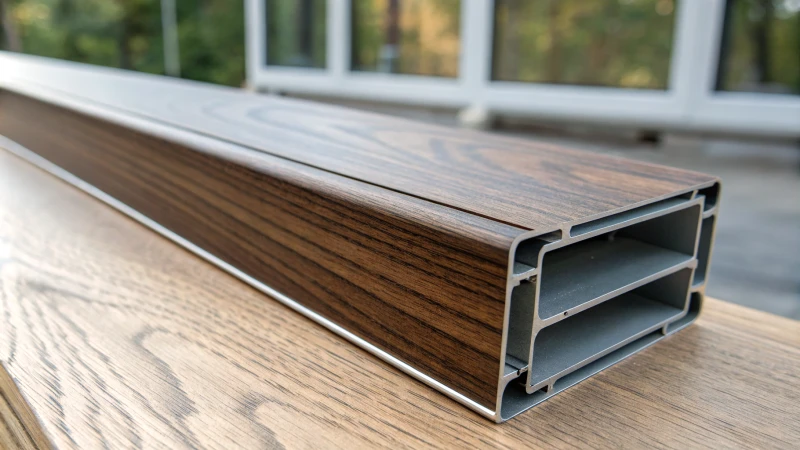
Ever wondered how aluminum can look so warm and inviting? Let’s explore together!
Wood grain transfer technology allows aluminum profiles to visually mimic natural wood, enhancing their aesthetic appeal without sacrificing durability. This innovative process combines advanced manufacturing techniques with design principles to create visually stunning materials that are perfect for various applications.
I remember the first time I encountered wood grain transfer technology—it was like magic! Seeing aluminum profiles that beautifully mimicked natural wood took me by surprise. This innovative process allows aluminum to retain its strength and durability while presenting a stunning aesthetic that can transform any project. It’s not just about looks; it’s about creating spaces that feel welcoming and alive. I’ve seen firsthand how this technology can elevate designs, making them not only functional but also visually appealing, and I can’t wait to share more about it with you.
Wood grain transfer technology can mimic natural wood patterns.True
This technology allows aluminum profiles to visually replicate the appearance of wood, enhancing aesthetics.
Aluminum profiles with wood grain are less durable than plain aluminum.False
The wood grain transfer process does not compromise the durability of aluminum profiles, maintaining strength.
What is Wood Grain Transfer Technology?
Have you ever marveled at how some metal surfaces can mimic the rich texture of wood? Join me as we explore the fascinating world of Wood Grain Transfer Technology and its impact on design and architecture.
Wood Grain Transfer Technology (WGTT) is a process that applies wood grain patterns to metals like aluminum, combining durability with aesthetic appeal. It’s widely used in architecture, furniture manufacturing, and interior design.
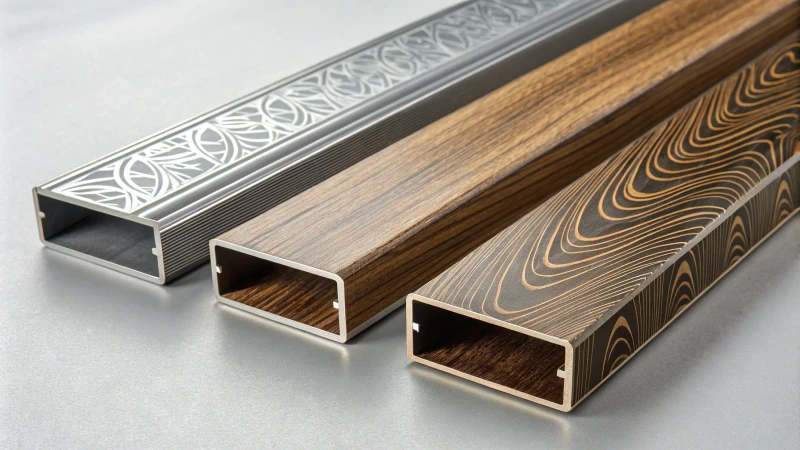
Understanding Wood Grain Transfer Technology
Wood Grain Transfer Technology (WGTT) is a manufacturing process that allows for the application of wood grain patterns onto various materials, particularly metals like aluminum. This technology enhances the aesthetic appeal of metal profiles, making them resemble traditional wood finishes while retaining the durability and strength of metal.
The application process often involves transferring a wood grain image onto the surface of the metal through heat and pressure, allowing for a high level of customization in design. This is particularly beneficial in industries like construction and manufacturing where visual appeal can enhance the product’s marketability.
Applications of Wood Grain Transfer Technology
WGTT is utilized across multiple sectors:
- Architecture and Design: Many architects are turning to WGTT to create striking facades that blend modern materials with natural aesthetics.
- Furniture Manufacturing: This technology is widely used in producing furniture items that require the look of wood without the associated maintenance issues.
- Interior Decor: Metal profiles treated with WGTT can be used in interior applications such as railings, doors, and cabinetry, providing a warm feel in modern spaces. I once visited a friend’s home where they used WGTT for their kitchen cabinets, and it felt so cozy yet chic!
For example, imagine a company employing WGTT on aluminum window frames to mimic the look of rich mahogany – it’s not just beautiful; it’s practical too, standing up to the elements while looking fabulous.
Benefits of Wood Grain Transfer Technology
Here are some key benefits of using WGTT:
| Benefit | Description |
|---|---|
| Aesthetic Versatility | Achieve a variety of wood looks without the weight and maintenance of real wood. |
| Durability | Metal profiles are resistant to warping, rotting, and pests unlike wood. |
| Sustainability | Often utilizes recycled materials, aligning with eco-friendly building practices. |
| Cost-Effectiveness | Reduces the need for expensive hardwoods while still providing high-end looks. |
By utilizing WGTT, manufacturers can create products that meet both aesthetic desires and practical needs, making it an attractive option in today’s market!
Challenges and Considerations
While WGTT presents numerous advantages, there are challenges to consider:
- Initial Costs: The setup for WGTT can be higher than traditional finishes due to specialized equipment involved.
- Surface Preparation: Proper preparation is crucial to ensure the transfer adheres correctly and maintains longevity. I learned this firsthand during a project when we had to redo a few items due to inadequate surface prep!
- Market Perception: Some consumers may still prefer genuine materials over imitation finishes which can affect acceptance in the marketplace.
Understanding these factors is essential for procurement managers like James when sourcing materials that incorporate this technology. Engaging with suppliers who demonstrate expertise in WGTT can significantly impact quality and aesthetic outcomes.
For more information on how this exciting technology could elevate your projects, check out advanced techniques1 or explore eco-friendly options2. I can’t wait to see how you might use WGTT in your next endeavor!
WGTT allows metal to mimic wood's appearance.True
Wood Grain Transfer Technology enables metals, particularly aluminum, to visually resemble wood while maintaining durability and strength.
WGTT increases the weight of metal profiles.False
Wood Grain Transfer Technology enhances aesthetics without adding significant weight, unlike real wood materials.
How Does This Technology Work in Aluminum Profiles?
Have you ever wondered what goes into the aluminum profiles we see everywhere in construction? Join me as I take a deep dive into the fascinating extrusion process that brings these essential components to life!
At the heart of aluminum profiles is the extrusion process. Picture this: heated aluminum is pushed through a specially shaped die, creating intricate profiles that are both strong and lightweight. This innovative technique allows us to craft complex shapes perfect for various construction needs, making it a game-changer in the industry!
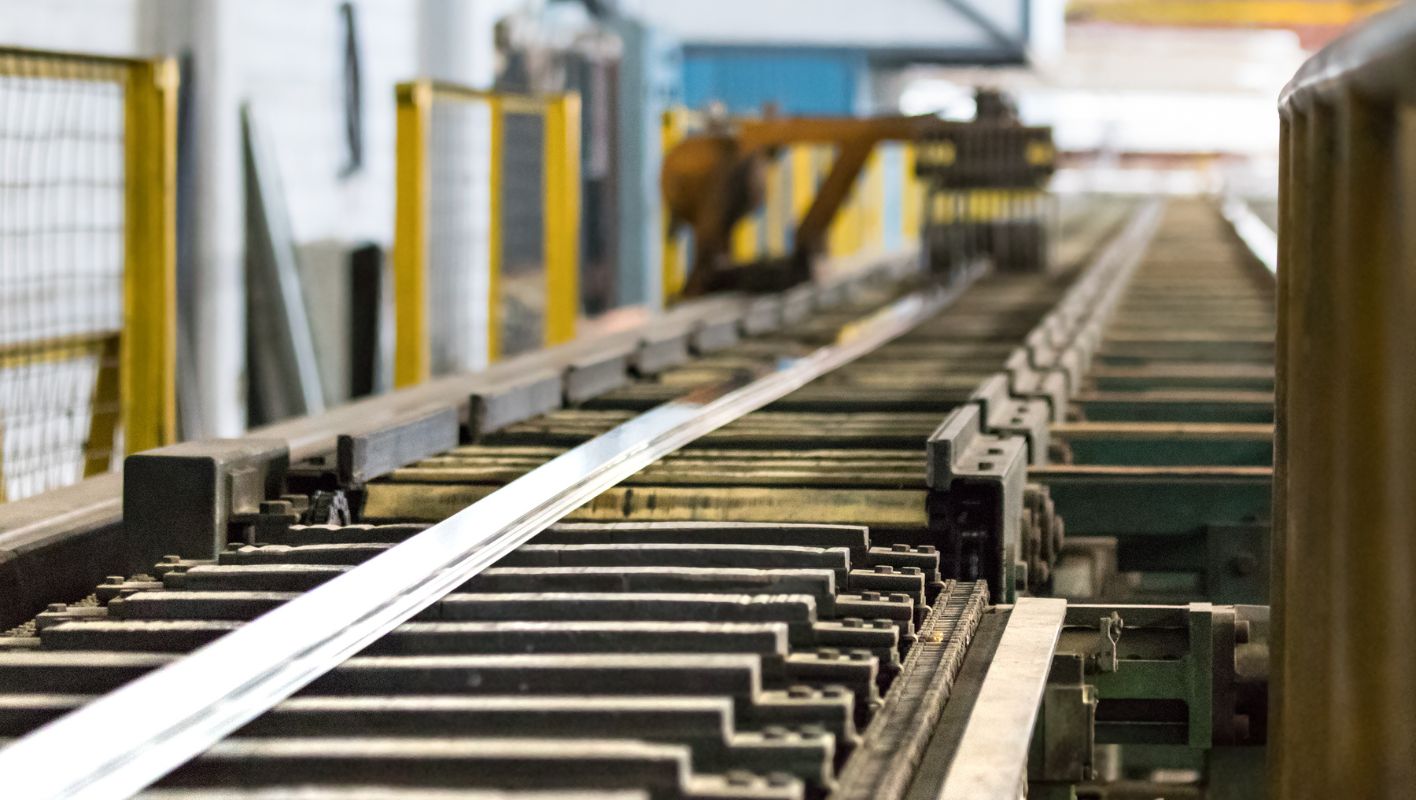
Understanding the Aluminum Extrusion Process
The technology behind aluminum profiles primarily involves the extrusion process, where heated aluminum is forced through a shaped die. This method enables the creation of complex shapes with enhanced strength and lightweight properties. It’s truly amazing how something so simple can lead to such incredible applications!
For example, aluminum frames for windows and doors are often extruded into specific shapes that enhance structural integrity while minimizing material use. The versatility of aluminum allows for customization in dimensions and finishes, catering to various project needs. You can explore more about the aluminum extrusion benefits3 for construction applications.
Key Components of the Extrusion Technology
Several components play a crucial role in the successful execution of aluminum extrusion:
| Component | Function |
|---|---|
| Extrusion Press | Applies the force needed to push the aluminum through the die |
| Die | Defines the shape of the profile being created |
| Heating Unit | Preheats aluminum billets to an optimal temperature |
| Cooling System | Rapidly cools extruded profiles to retain shape |
| Cutting Equipment | Trims profiles to specified lengths |
Understanding these components can help procurement managers like James identify reliable suppliers that maintain high-quality standards in their extrusion processes. For further details on finding quality aluminum suppliers4, click here.
Innovations in Aluminum Profile Technology
Recent advancements in technology have significantly improved the extrusion process. Techniques such as multi-void extrusion allow for the creation of complex hollow sections, which are beneficial for insulation and lightweight applications. Additionally, automation and computer numerical control (CNC) machinery have enhanced precision and reduced waste during manufacturing.
Innovations in surface treatments, such as anodizing and powder coating, provide added durability and aesthetic options, meeting the diverse needs of modern architecture. Discover more about surface treatment techniques5 that enhance aluminum profiles’ functionality.
Applications of Extruded Aluminum Profiles
Extruded aluminum profiles find applications across various sectors, including:
- Construction: Used for framing, cladding, and structural supports.
- Automotive: Lightweight components that improve fuel efficiency.
- Electronics: Heat sinks for effective thermal management.
- Furniture: Stylish and durable designs that offer flexibility in construction.
By understanding these applications, procurement managers can better assess how different profiles can meet project specifications and performance requirements. For insights into specific applications of aluminum profiles6, check this out.
Aluminum extrusion involves heating and shaping the metal.True
The extrusion process requires heating aluminum before forcing it through a die, allowing for various shapes to be created effectively.
Extruded aluminum profiles are only used in construction.False
While commonly used in construction, extruded aluminum profiles also serve applications in automotive, electronics, and furniture industries.
What Are the Benefits of Using Wood Grain Transfer Technology in Design?
Have you ever wondered how designers achieve that stunning wood look without the hefty price tag? Let’s explore the captivating benefits of wood grain transfer technology in design that blend beauty with practicality.
Wood grain transfer technology enhances design by offering aesthetic versatility, increased durability, and cost-effectiveness. It allows for customized appearances that mimic natural wood while providing sustainable alternatives that are easy to maintain.
Main Content:
I remember the first time I walked into a room filled with furniture that looked like it was carved from the finest oak. The warmth of the wood grain instantly made me feel at home. But as I learned more about design and sustainability, I discovered that wood grain transfer technology offers a remarkable way to capture that natural beauty without the environmental cost of cutting down trees.
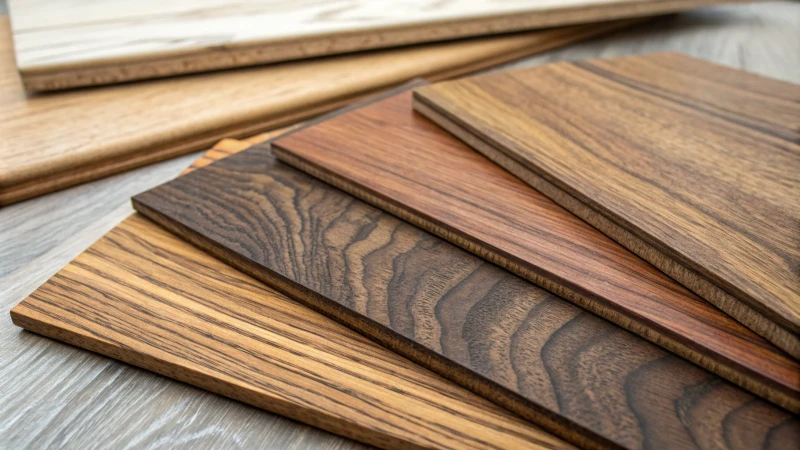
This technology opens up a world of possibilities for designers, allowing them to replicate the unique characteristics of various wood types while enhancing durability and reducing costs. It’s like having a paint palette filled with every wood species imaginable!
Enhanced Aesthetic Appeal
When I first stumbled upon wood grain transfer technology, I was amazed at how it allowed designers to recreate the rich textures and colors of real wood. This technique enables:
- Variety: Imagine walking through a gallery of furniture finishes—from classic oak to exotic teak, all available at your fingertips.
- Customization: Designers can tailor colors and textures to perfectly align with specific themes or client visions, creating a truly personalized touch.
For instance, I once worked on a project where we needed a walnut finish to match a sleek, modern decor style. The flexibility of this technology not only fulfilled our vision but also sparked my creativity in ways I never expected.
Explore more about how designers are embracing these techniques7.
Durability and Sustainability
One of the things that resonate with me is how wood grain transfer technology embraces sustainability. Unlike natural wood, which often leads to significant logging, this technology frequently uses materials that are:
| Feature | Wood Grain Transfer Technology | Natural Wood |
|---|---|---|
| Sustainability | Often uses eco-friendly materials | Requires logging of trees |
| Durability | Resistant to wear and tear | Prone to scratches |
| Maintenance | Low maintenance needs | Requires regular upkeep |
This eco-friendly approach is so appealing for those of us who care about our planet while still wanting that timeless wood aesthetic. I’ve seen clients light up when they realize they can have both beauty and responsibility in their designs.
Learn more about sustainable design practices8.
Cost-Effectiveness
Now, let’s talk about the wallet! Implementing wood grain transfer technology can significantly reduce costs for both manufacturers and consumers. Here are some benefits:
- Reduced Material Costs: Opting for synthetic or engineered materials can save a bundle without compromising on aesthetics.
- Lower Labor Costs: The simplified processes often mean less time spent in production, which translates to savings.
I recall a project where we switched from sourcing high-quality timber to using wood grain finishes. The savings were substantial, allowing us to invest in other creative elements while keeping our designs accessible. It’s all about making quality design reachable for everyone.
Find out more about cost-saving strategies in design9.
Wood grain transfer technology replicates natural wood's beauty.True
This technology allows designers to mimic the aesthetic of various wood species without using real wood, enhancing visual appeal.
Using wood grain transfer technology is not cost-effective.False
This technique reduces material and labor costs, making it a budget-friendly choice for designers and manufacturers.
What Applications Are Best Suited for Aluminum with Wood Grain Finish?
Have you ever marveled at the beauty of wood but wished for the durability of metal? That’s exactly what aluminum with a wood grain finish brings to the table. Let’s explore how this innovative material can transform various applications in our lives.
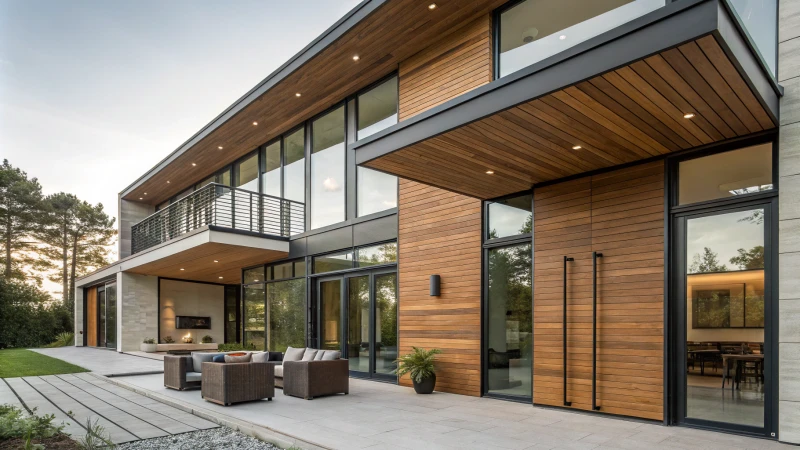
Aluminum with a wood grain finish is perfect for architectural elements like doors and windows, versatile furniture for indoor and outdoor use, and sustainable solutions in commercial spaces, merging beauty with functionality seamlessly.
Main Content
Aluminum with a wood grain finish is not just a trend; it’s a game-changer in how we think about materials in design and construction. I remember when I first encountered this finish—it felt like discovering a hidden gem. The way it captures the warmth of natural wood while offering the resilience of aluminum is simply enchanting. From stunning architectural features to stylish furniture, let’s dive into where this material shines the most.
Architectural Elements
Aluminum with a wood grain finish is particularly well-suited for architectural elements due to its blend of aesthetic appeal and functional durability. This finish mimics the warmth of natural wood, making it an ideal choice for:
- Doors and Windows: Offering a modern yet classic appearance, these elements enhance curb appeal while providing excellent insulation.
- Railings and Fencing: Aluminum’s resistance to corrosion ensures longevity, while the wood grain finish provides a soft touch to outdoor spaces.
For instance, modern architectural designs10 often feature aluminum clad entryways that showcase this unique finish, combining style with performance.
Furniture Applications
When it comes to furniture, aluminum with a wood grain finish can elevate both indoor and outdoor settings. Its lightweight yet sturdy nature makes it a popular choice for:
- Patio Furniture: Resistant to weather conditions, this type of aluminum furniture provides both comfort and style.
- Office Desks and Tables: The elegant appearance can enhance workplace aesthetics while ensuring durability in high-use areas.
Consider the increasing trend of eco-friendly office spaces11 where sustainable materials are prioritized without sacrificing design quality.
Interior Design
In interior design, using aluminum with a wood grain finish can help achieve a cohesive look. Suitable applications include:
- Wall Panels: These can create a stunning focal point in any room, providing warmth without the maintenance issues associated with real wood.
- Cabinetry: In kitchens or bathrooms, aluminum cabinets can provide a sleek, modern finish while being easy to clean and maintain.
As a result, many designers are exploring innovative interior trends12 that incorporate this material for its versatility.
Commercial Spaces
For commercial spaces, aluminum with wood grain finish has applications in:
- Retail Environments: It can be used in display cases or fixtures, drawing customers in with its inviting look while maintaining strength and stability.
- Public Buildings: Schools, libraries, and offices are increasingly utilizing this material for both its aesthetics and durability against wear and tear.
Exploring case studies on successful commercial projects13 can provide further insights into how this material enhances functionality and design.
Sustainability Considerations
Finally, sustainability is an important factor when considering aluminum with wood grain finishes. The longevity of aluminum means reduced waste over time, and many manufacturers are now offering recycled options. Applications such as:
- Green Building Projects: Incorporating aluminum with wood grain finishes aligns well with LEED certification goals.
- Sustainable Outdoor Structures: Pergolas and gazebos made from this material can provide an eco-friendly option for landscaping.
To understand more about sustainable material choices14, it’s essential to research current practices in the industry.
Aluminum with wood grain finish is ideal for outdoor furniture.True
Its weather resistance and aesthetic appeal make it perfect for patio furniture.
Wood grain aluminum is unsuitable for commercial spaces.False
This material's durability and design make it highly suitable for various commercial applications.
Conclusion
Wood grain transfer technology allows aluminum profiles to replicate the beauty of wood while ensuring durability, making it perfect for various architectural and design applications.
-
Clicking this link will provide deeper insights into advanced techniques related to WGTT, enhancing your understanding and application in various projects. ↩
-
This link offers information on eco-friendly options within WGTT processes, helping you make sustainable choices in your projects. ↩
-
This link offers a comprehensive overview of aluminum extrusion benefits tailored for construction applications. ↩
-
Learn how to find quality aluminum suppliers who adhere to high standards in their extrusion processes. ↩
-
Explore advanced surface treatment techniques that enhance the functionality of aluminum profiles. ↩
-
Gain insights into specific applications of aluminum profiles across different sectors. ↩
-
This link will provide you with detailed insights into how wood grain transfer technology can elevate your design projects. ↩
-
Learn how sustainable practices can be incorporated into your designs using modern technologies. ↩
-
Discover strategies that can help you save costs in your design and manufacturing processes. ↩
-
Explore practical examples of aluminum applications that combine aesthetics and durability. ↩
-
Learn about eco-friendly projects utilizing aluminum finishes. ↩
-
Discover how designers incorporate aluminum finishes in modern interiors. ↩
-
Find case studies on successful commercial applications of aluminum finishes. ↩
-
Research sustainable materials in construction and design. ↩






