
How to Install LED Strip Lights with Aluminum Profile?
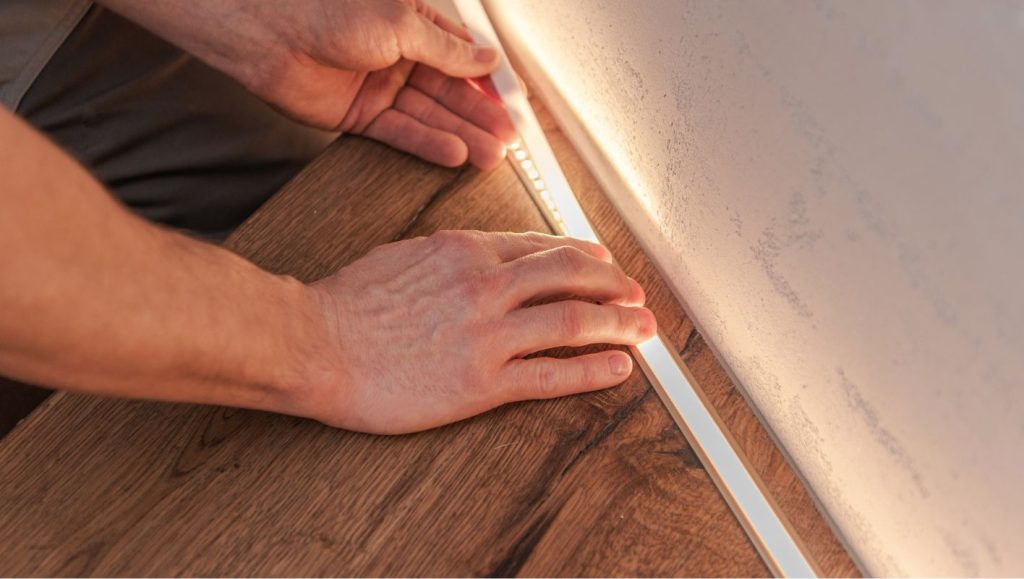
Installing LED strip lights with aluminum profiles can transform your living space. This guide covers essential materials needed for installation, step-by-step instructions on measuring and cutting profiles, as well as troubleshooting tips to ensure a successful setup. Whether you’re a DIY enthusiast or new to home improvement, these insights will help you achieve a polished look while avoiding common pitfalls. Discover the importance of proper power connections, voltage compatibility, and environmental considerations to enhance the durability and performance of your LED lighting project.
How to Go about Polishing Stainless Steel?
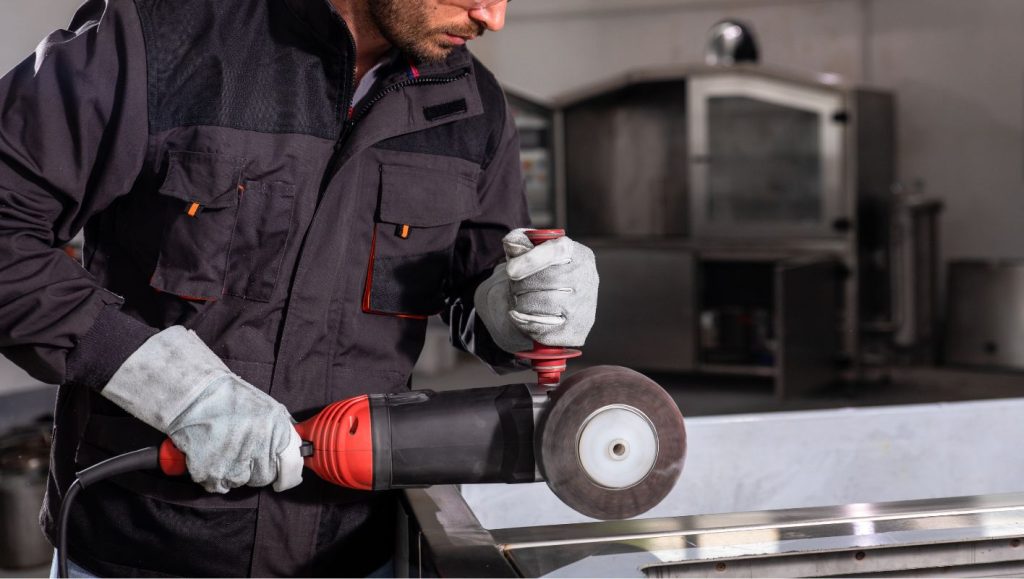
Polishing stainless steel can restore its original shine and luster. Start by thoroughly cleaning the surface with mild detergent. Use non-abrasive cloths and rub in the direction of the grain. For deeper scratches, sand with varying grits before applying polishing compounds. Household items like vinegar and baking soda can also be effective alternatives to commercial products. Remember to work gently to avoid scratches, maintain consistent technique, and always rinse off residues after polishing. With patience and the right tools, you can achieve a stunning mirror-like finish on your stainless steel surfaces.
What are The Best Drill Bits for Tiles?
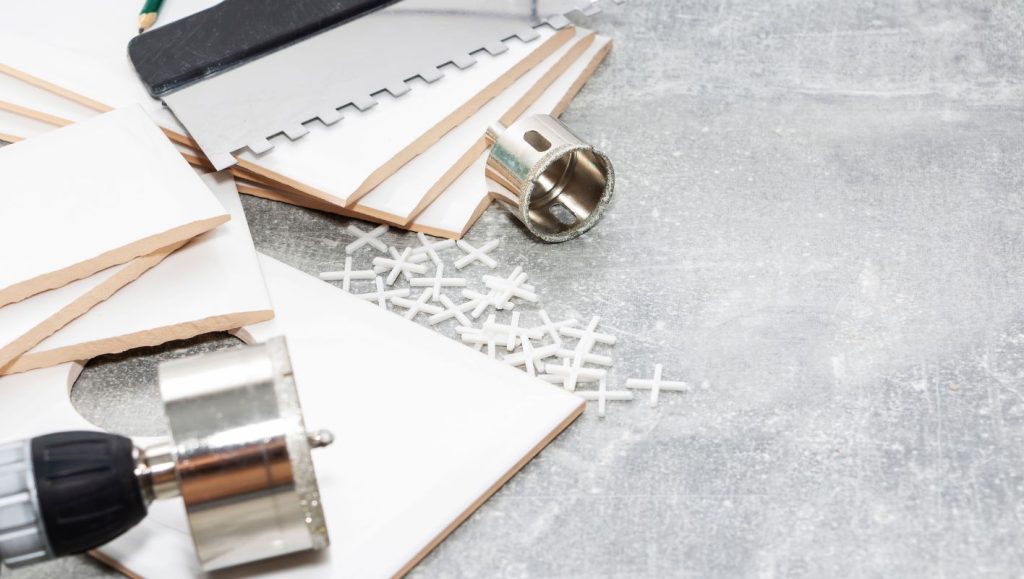
Drilling into tiles can be daunting, but using the right drill bits—diamond-tipped for porcelain and carbide-tipped for ceramic—ensures clean holes without damage. Understanding tile types, employing proper techniques like pilot holes, lubrication, and steady pressure is crucial to avoid cracks. Safety gear such as goggles and gloves is essential to protect against debris. With the right approach, anyone can master tile drilling, transforming their DIY projects into successful endeavors while maintaining the integrity of beautiful tiles.
What Destroys Vinyl Plank Flooring?
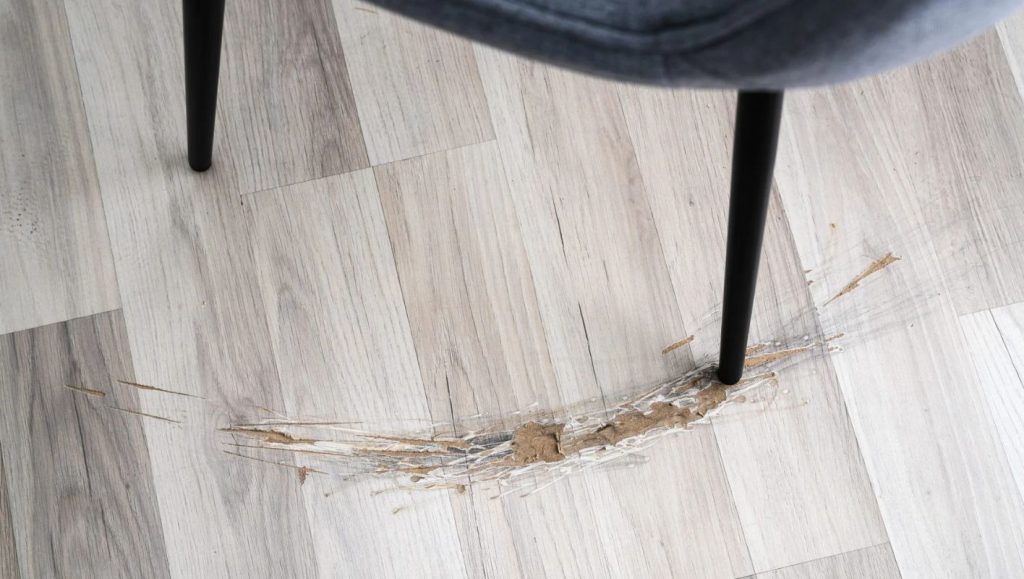
Vinyl plank flooring offers beauty and durability but is not immune to damage. Heavy furniture can cause scratches and indentations; direct sunlight may lead to fading; harsh chemicals can degrade the surface; and excessive moisture can warp or discolor the planks. To maintain your floors’ pristine condition, use protective pads under furniture, limit sun exposure with window treatments or UV coatings, choose gentle cleaners like diluted vinegar, and manage moisture levels effectively. Regular inspections and immediate cleanup of spills are crucial for preventing long-term damage. By adopting these strategies, you can protect your investment in vinyl plank flooring while keeping it looking beautiful for years to come.
Can You Powder Coat Aluminum?

Powder coating is an excellent choice for aluminum projects due to its durability, vibrant color options, and resistance to corrosion. This process involves applying a dry powder that is cured with heat, creating a robust protective layer. While it may require higher initial investment compared to traditional paints, the long-term benefits include reduced maintenance costs and enhanced longevity of the coated surfaces. Additionally, powder coating is environmentally friendly as it emits fewer volatile organic compounds (VOCs) and allows for recycling of overspray. However, challenges such as adhesion issues and surface defects must be managed through proper pre-treatment techniques. Overall, powder coating offers a versatile solution for both aesthetic appeal and performance in various applications.
Which Tile Spacer Size Should I Use?
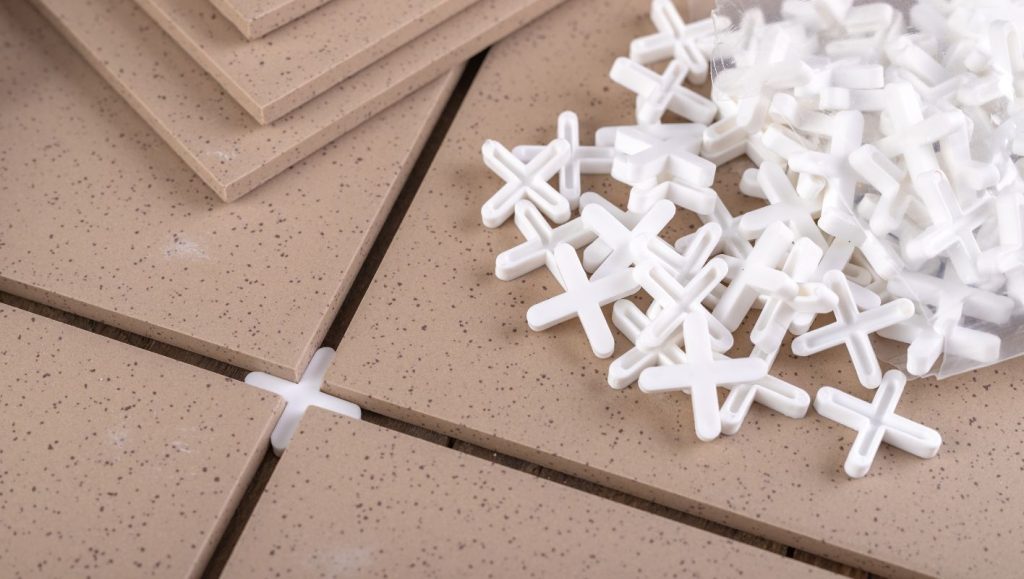
Selecting the appropriate tile spacer size is essential for a successful tiling project. It varies based on tile type, installation location, and aesthetic preferences. Smaller spacers create tighter grout lines while larger ones allow for more prominent lines. Common sizes range from 1/16 inch to 3/8 inch; for floors, 1/8 inch or 3/16 inch spacers are typical, whereas walls often use 1/16 inch spacers. Factors such as tile material and thickness also dictate spacer choice—porcelain tiles generally require larger spacers compared to ceramic tiles. Additionally, edge styles impact selection: rectified edges allow smaller spacers for a sleek finish while cushioned edges need larger ones to prevent lippage. Ultimately, understanding these nuances will help ensure your tiling project not only looks great but stands the test of time.
