
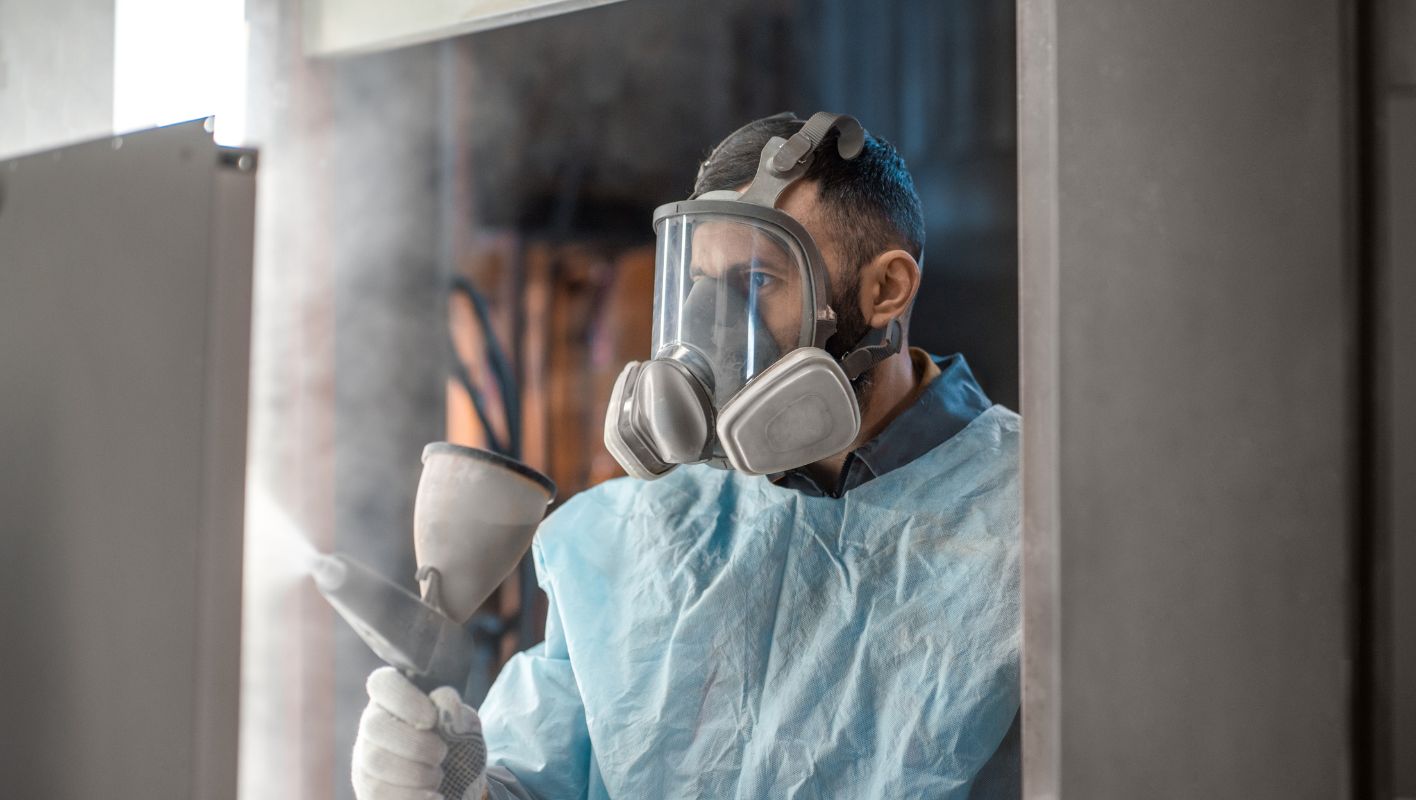
Ever wondered if powder coating is the way to go for your aluminum projects?
Absolutely, you can powder coat aluminum! This process involves applying a dry powder and curing it with heat, resulting in a robust, protective layer. Not only does it look great, but it also resists corrosion, making it a fantastic choice for aluminum surfaces.
I remember the first time I considered powder coating for one of my projects. It was an eye-opener. Initially, I was skeptical about how well this technique would hold up on aluminum. But after seeing the flawless finish and impressive durability it offered, I was sold. The way the coating adhered and the vibrant colors it delivered made my project not just sturdy, but also visually stunning.
So, what makes powder coating particularly suited for aluminum? Its ability to provide a seamless finish while protecting against corrosion is unmatched. However, there are some nuances to consider. For instance, ensuring that the aluminum is properly pre-treated can make a huge difference in the longevity of the coat. Let’s dive deeper into these aspects to help you decide if it’s the right fit for your next project.
Powder coating prevents aluminum from corroding.True
Powder coating creates a protective layer that resists corrosion.
Aluminum cannot be powder coated effectively.False
Aluminum can be effectively powder coated, forming a durable finish.
What Are the Benefits of Powder Coating Aluminum?
Ever wondered how a simple coating can transform aluminum into a powerhouse of durability and style?
Powder coating aluminum boosts its resistance to corrosion, weathering, and wear while offering a vibrant color palette. It’s environmentally friendly, emitting fewer VOCs than traditional paints, and provides a durable, attractive finish.
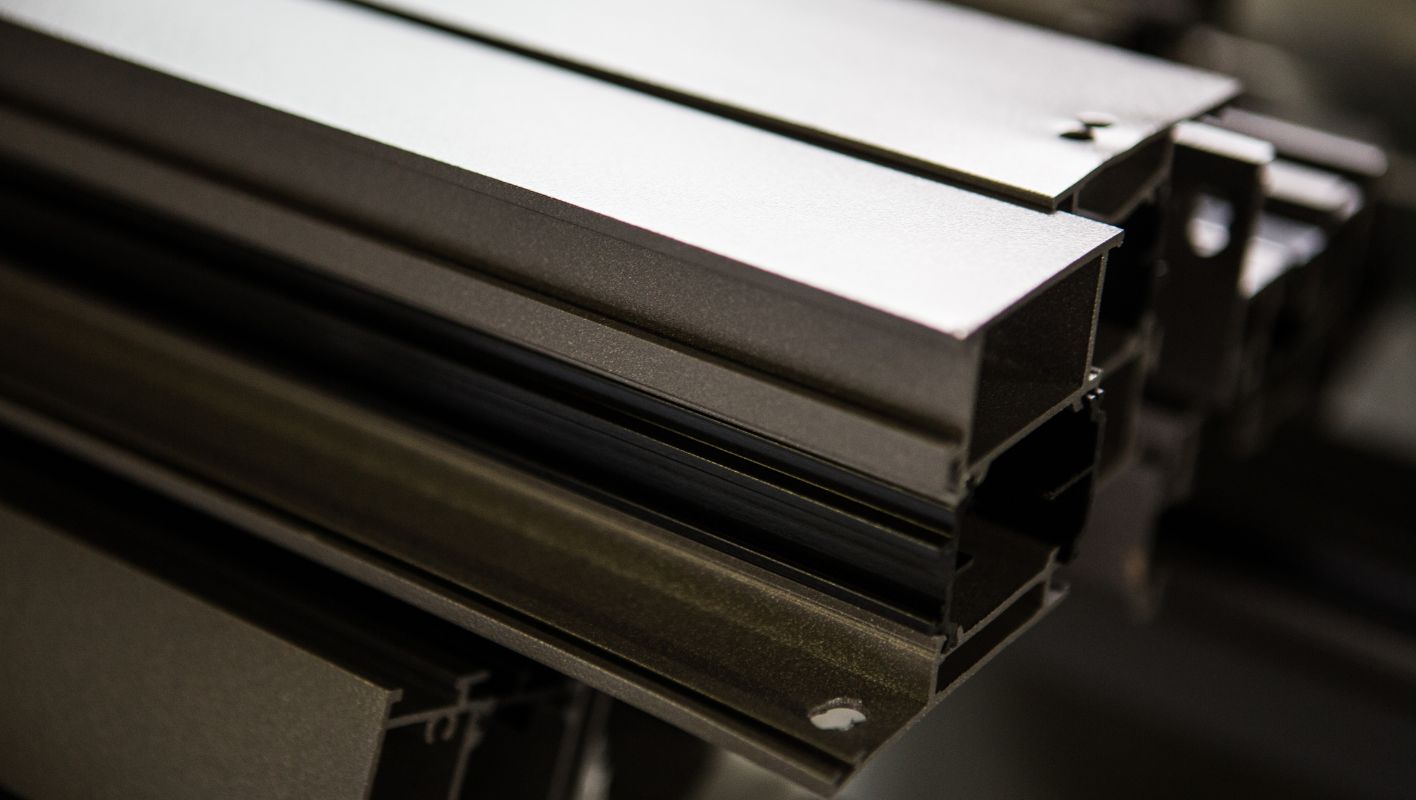
Improved Durability
I remember the first time I saw the impact of powder coating. It was during a project where we were refurbishing an old community center. The aluminum railings were chipped and faded, and they looked like they’d seen better days. After applying a fresh coat of powder, they were almost unrecognizable—like they’d just been installed. The transformation was not just skin-deep; the coating provided a robust shield against corrosion1, scratches, and chips. This was crucial, especially in such a high-traffic environment where wear and tear is inevitable.
Eco-Friendly Finishing
Working in construction, I’ve always been aware of our environmental footprint. That’s why I appreciate powder coating for its minimal environmental impact. Unlike traditional paints that release volatile organic compounds (VOCs), powder coating is much kinder to the air we breathe. Plus, any overspray can be recycled, which aligns perfectly with the sustainable practices I advocate for in my projects.
| Benefit | Description |
|---|---|
| Durability | Enhanced resistance to wear and environmental damage. |
| Color Variety | Wide range of vibrant colors available to meet design specifications. |
| Eco-Friendly | Low VOC emissions and recyclable overspray. |
Aesthetic Versatility
A few years back, I was involved in a project that required both durability and aesthetic appeal. We were tasked with designing an outdoor amphitheater where the aluminum structures needed to blend seamlessly with the natural surroundings while resisting the elements. Powder coating offered us an array of colors and finishes—from glossy to matte—that made matching our vision effortless. It’s this versatility that makes it such a favorite for projects demanding unique visual effects.
For example, a construction firm might choose powder-coated aluminum for a building facade where both durability and color consistency are crucial.
Cost-Effectiveness Over Time
In my experience, while powder coating might initially seem more expensive than traditional paints, the long-term benefits are undeniable. I’ve seen firsthand how its durability reduces the need for frequent maintenance or repainting, which means lower costs down the line. It also extends the lifespan of aluminum products, enhancing their value—something I’ve found crucial in large-scale projects like residential construction2.
If you’re weighing your options, check out our detailed guide on surface finishing options3 to make an informed choice for your next venture.
Powder coating aluminum reduces maintenance costs.True
Its durability decreases the need for frequent repainting, saving costs.
Powder coating emits high levels of VOCs.False
It emits minimal VOCs, making it an eco-friendly option.
What Are the Challenges of Powder Coating Aluminum?
Every time I think about powder coating aluminum, I’m reminded of the time I thought I had it all figured out, only to hit a few unexpected bumps in the road.
Powder coating aluminum poses challenges like adhesion issues, surface defects, and managing coating thickness. Proper pre-treatment and curing are essential for overcoming these hurdles and achieving a flawless finish.
Adhesion Issues in Powder Coating
Let me take you back to my early days in the industry when I was just getting my hands dirty with powder coating. I learned the hard way that adhesion is a tricky beast when it comes to aluminum. This metal forms an oxide layer that acts like a shield, making it hard for anything to stick to it properly. Back then, I discovered that using techniques like chemical etching4 or sandblasting could make a world of difference. Applying a chromate or non-chromate conversion coating helped, too. And, of course, starting with a spotless, grease-free surface was non-negotiable.
Surface Defects and Solutions
Fast forward to a project where I was tasked with achieving a perfect finish on an aluminum surface. Talk about nerve-wracking! I remember encountering the dreaded orange peel effect and feeling a bit like a painter trying to fix a masterpiece gone wrong. Turns out, controlling the curing temperature and ensuring even powder application were key. Using high-quality powders and techniques like electrostatic application5 helped me avoid the pitfalls of pinholes and craters.
Here’s a simple table to illustrate common defects and their solutions:
| Defect | Cause | Solution |
|---|---|---|
| Orange Peel | Uneven coating thickness | Maintain consistent spray gun distance |
| Pinholes | Trapped air or moisture | Ensure dry and clean surface preparation |
| Craters | Contaminated surface | Use proper cleaning techniques |
Managing Coating Thickness
Finally, there’s the art of getting that coating thickness just right. Too thin, and you’re looking at an incomplete job; too thick, and it starts cracking like old paint on a barn door. I’ve learned to rely on gauges for precision and ensure everyone involved knows their way around the equipment. Sometimes, exploring advanced coating technologies6 opened up new possibilities for maintaining that Goldilocks zone of thickness—not too much, not too little.
Key Takeaway: Overcoming these challenges isn’t just about technical know-how; it’s about patience, practice, and a willingness to learn from each misstep. With each project, I’ve honed my skills, learning that preparation and meticulous attention to detail lead to success in powder coating aluminum.
Aluminum oxide layer hinders powder coating adhesion.True
The oxide layer on aluminum prevents proper bonding of the coating.
Craters in coating are caused by uneven curing temperatures.False
Craters are due to surface contamination, not curing temperatures.
How Does Powder Coating Compare to Other Aluminum Finishes?
Ever stood in the hardware store, puzzled about which aluminum finish to choose?
Powder coating is a top choice for aluminum due to its durability, wide color range, and eco-friendly nature. Unlike anodizing, it offers superior corrosion resistance and aesthetic flexibility, despite a higher initial cost.
Durability and Performance
I remember my first big project where the durability of the materials was non-negotiable. Powder coating was my go-to because it forms a tough, resilient layer that stands up to harsh weather and wear. It’s like putting a suit of armor on your aluminum. On the flip side, anodizing might not hold up as well if you’re worried about scratches and fading; it’s more like a light jacket than armor.
When considering aluminum finishes, durability is key. Powder coating forms a thick, hard layer on the surface, providing excellent resistance to wear, corrosion, and impact. It’s ideal for exterior applications where exposure to weather is a concern.
In contrast, anodizing enhances the natural oxide layer of aluminum, offering moderate corrosion resistance but can be prone to scratching and fading over time. This can be a downside for projects requiring long-lasting aesthetics.
Cost Considerations
When I started out, budget was always at the forefront of my mind. While powder coating may cost more upfront due to the equipment and labor involved, I’ve found its longevity can save you money in the long run—fewer touch-ups mean fewer headaches down the road. Anodizing, being more budget-friendly initially, sometimes needs more frequent maintenance. This cost trade-off is something I always weigh carefully, especially for those big projects where every penny counts.
Cost is always a significant factor in material selection. Powder coating can be more expensive upfront than other finishes due to the equipment and labor involved. However, its longevity may lead to lower maintenance costs over time.
Anodizing is generally less costly initially but may require more frequent touch-ups or replacements if aesthetics are critical. This trade-off can influence decisions in large-scale projects.
| Finish Type | Initial Cost | Maintenance Cost | Durability |
|---|---|---|---|
| Powder Coating | High | Low | High |
| Anodizing | Moderate | Moderate | Moderate |
Aesthetic Flexibility
The flexibility in design is a dealbreaker for me. With powder coating7, you can go wild with colors and textures. I’ve seen projects where this variety brought creativity to life. Anodizing has its charm too, with that sleek metallic finish—perfect if you’re going for an industrial look.
Aesthetic appeal can vary significantly between finishes. Powder coating offers an extensive range of colors and textures, making it highly customizable. It’s perfect for projects where design flexibility is crucial.
Anodizing, while offering a natural metallic sheen that many find attractive, lacks the variety found in powder coating. It might be preferable for projects aiming for a minimalist or industrial look.
Environmental Impact
Sustainability is a big thing for me these days. Powder coating8 checks this box with no VOCs and the potential to recycle overspray, which makes it kinder to our planet. In contrast, anodizing involves chemicals that need careful handling and disposal. So if you’re like me, always on the lookout for eco-friendly options, powder coating might be the way to go.
Sustainability is increasingly important in material selection. Powder coating is an eco-friendly option since it doesn’t involve VOCs (volatile organic compounds), making it safer for the environment. Additionally, overspray can often be recycled, reducing waste.
Anodizing processes can involve hazardous chemicals that require careful disposal.Eco-conscious projects9 might opt for powder coating to minimize environmental impact.
With these insights into powder coating versus other aluminum finishes like anodizing, I hope you feel better equipped to make a decision that’s right for your project needs and aligns with your values.
Powder coating is more durable than anodizing.True
Powder coating forms a thick, hard layer providing excellent resistance.
Anodizing is initially cheaper than powder coating.True
Anodizing generally has lower initial costs compared to powder coating.
What Are the Environmental Impacts of Powder Coating Aluminum?
Have you ever wondered if powder coating aluminum really lives up to its eco-friendly reputation? Let’s dive into the details and find out.
Powder coating aluminum stands out for its lower volatile organic compounds (VOCs) emissions, reduced waste production, and reliance on recyclable materials, positioning it as a more sustainable alternative to traditional liquid coatings.
Understanding Powder Coating and Its Benefits
I remember the first time I saw a powder-coated aluminum frame in action. It was like witnessing magic—no solvents, just a vibrant finish that seemed to appear out of nowhere. Powder coating involves dusting a dry paint powder onto a surface, then heating it up to form a smooth, hard finish. This process is fascinating because it’s solvent-free, meaning it releases far fewer VOCs10 into the air compared to traditional liquid paints, which can significantly contribute to air pollution and are hazardous to our health.
Waste Reduction and Recycling
One of the things that I love about powder coating is how it tackles waste head-on. Any extra powder is captured and reused, so hardly anything goes to waste. This recycling aspect not only conserves materials but also eases the burden on landfills—unlike liquid paint overspray, which is often unrecoverable. I’ve seen how this can drastically reduce waste generation in projects.
| Feature | Powder Coating | Liquid Coating |
|---|---|---|
| VOC Emissions | Low | High |
| Waste Generation | Minimal | Significant |
| Material Reusability | High | Low |
Energy Efficiency Considerations
Now, I won’t sugarcoat it—powder coating does require high temperatures for curing, which can be energy-intensive. But there’s good news on the horizon. I’ve heard about new technologies in energy-efficient ovens11 that are really making a difference, cutting down on the energy needed without compromising on quality.
Material Sourcing and Longevity
Aluminum itself is a champion of recyclability, and when paired with powder coating, it becomes even more impressive. A durable finish that withstands chipping and fading means fewer recoating jobs and less resource use over time. It’s like giving your materials a longer lease on life.
Understanding these benefits helps me appreciate why powder coating is touted as a greener choice for finishing aluminum. Of course, there’s always room for improvement, but it’s encouraging to see how far we’ve come in making processes more sustainable.
Powder coating releases fewer VOCs than liquid coatings.True
Powder coating is solvent-free, reducing VOC emissions compared to liquid coatings.
Powder coating generates more waste than liquid coatings.False
Powder coating waste is minimal due to its recyclability, unlike liquid coatings.
Conclusion
Powder coating aluminum enhances durability, corrosion resistance, and aesthetic appeal while being eco-friendly. Proper pre-treatment is crucial for optimal adhesion and finish quality in projects.
-
Learn how powder coating offers superior corrosion protection for aluminum surfaces. ↩
-
Understand how powder coating saves costs in the long run through reduced maintenance. ↩
-
Explore various finishing options to find the best fit for your project needs. ↩
-
Discover how chemical etching enhances adhesion in powder coating by removing oxide layers and contaminants. ↩
-
Learn how electrostatic application ensures uniform coating for better finish quality. ↩
-
Explore innovative technologies that offer solutions for maintaining consistent coating thickness. ↩
-
Explore why powder coating offers more aesthetic options than anodizing for varied project needs. ↩
-
Discover how powder coating’s eco-friendly properties benefit sustainable construction projects. ↩
-
Discover how powder coating’s eco-friendly properties benefit sustainable construction projects. ↩
-
Learn how powder coating’s solvent-free process significantly cuts down on harmful emissions, promoting cleaner air quality. ↩
-
Discover how advanced ovens can lower energy consumption in powder coating, contributing to more sustainable manufacturing practices. ↩






