
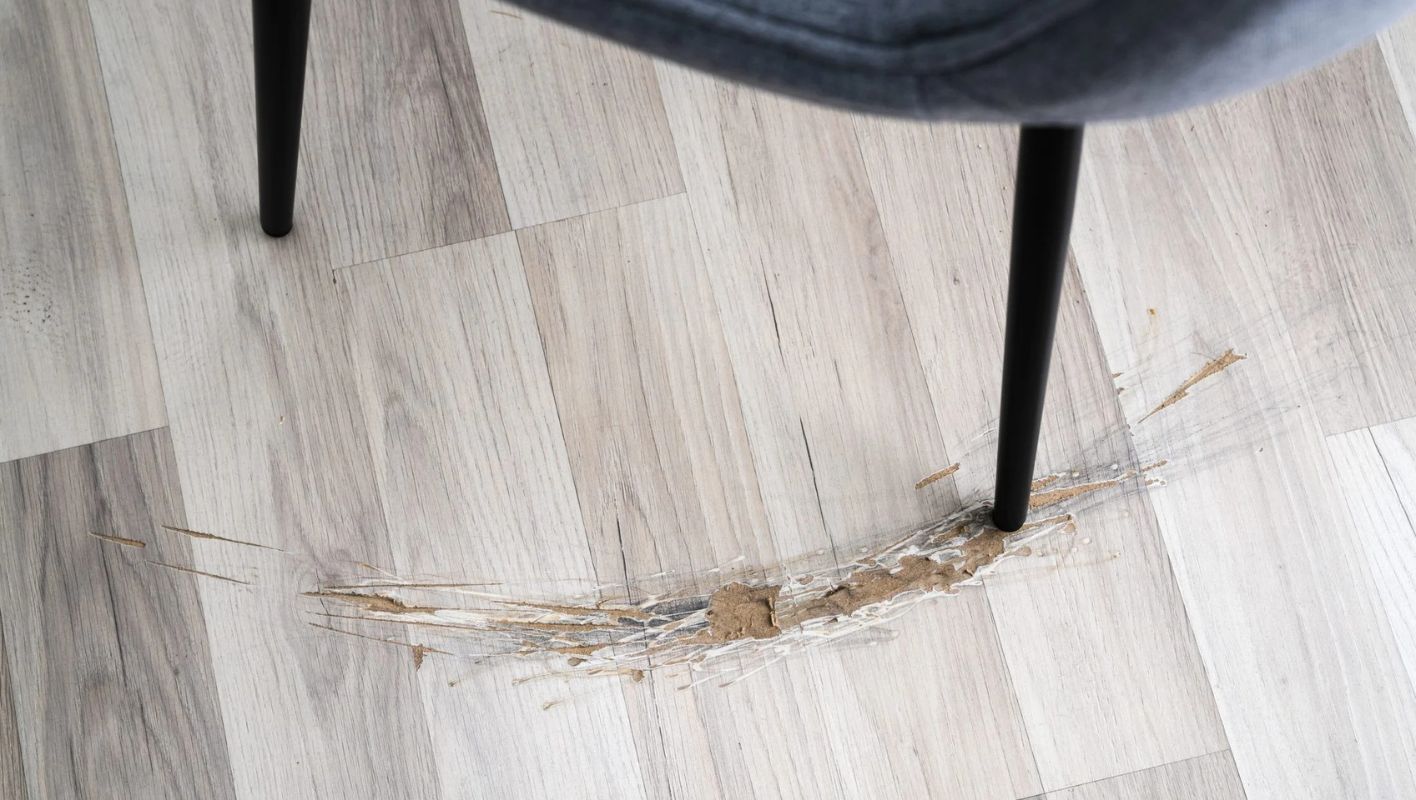
I remember the first time I walked barefoot on my new vinyl plank floors—pure bliss! But I quickly learned they’re not invincible.
Heavy furniture, direct sunlight, harsh chemicals, and excessive moisture are the usual suspects that can wreak havoc on vinyl plank flooring. To keep it looking pristine, I make sure to use protective pads under my furniture, limit sun exposure, choose gentle cleaners, and manage moisture levels carefully.
Initially, I was oblivious to these potential threats. But a small scratch from an unprotected chair leg was a wake-up call. Since then, I’ve been diligent about prevention. Let me walk you through the strategies I’ve adopted to protect my investment. These tips not only save the floor but also keep my peace of mind intact.
Direct sunlight can fade vinyl plank flooring.True
UV rays from direct sunlight can cause discoloration and fading over time.
Harsh chemicals strengthen vinyl plank flooring.False
Harsh chemicals can degrade the protective layer, weakening the flooring.
How Can Heavy Furniture Affect Vinyl Plank Flooring?
Ever wondered if your cozy living room setup is secretly waging war on your vinyl plank flooring?
Heavy furniture can leave indentations and scratches on vinyl plank flooring. To protect your floors, use furniture pads or rugs, and rearrange items periodically to spread out the weight.
The Weight Dilemma
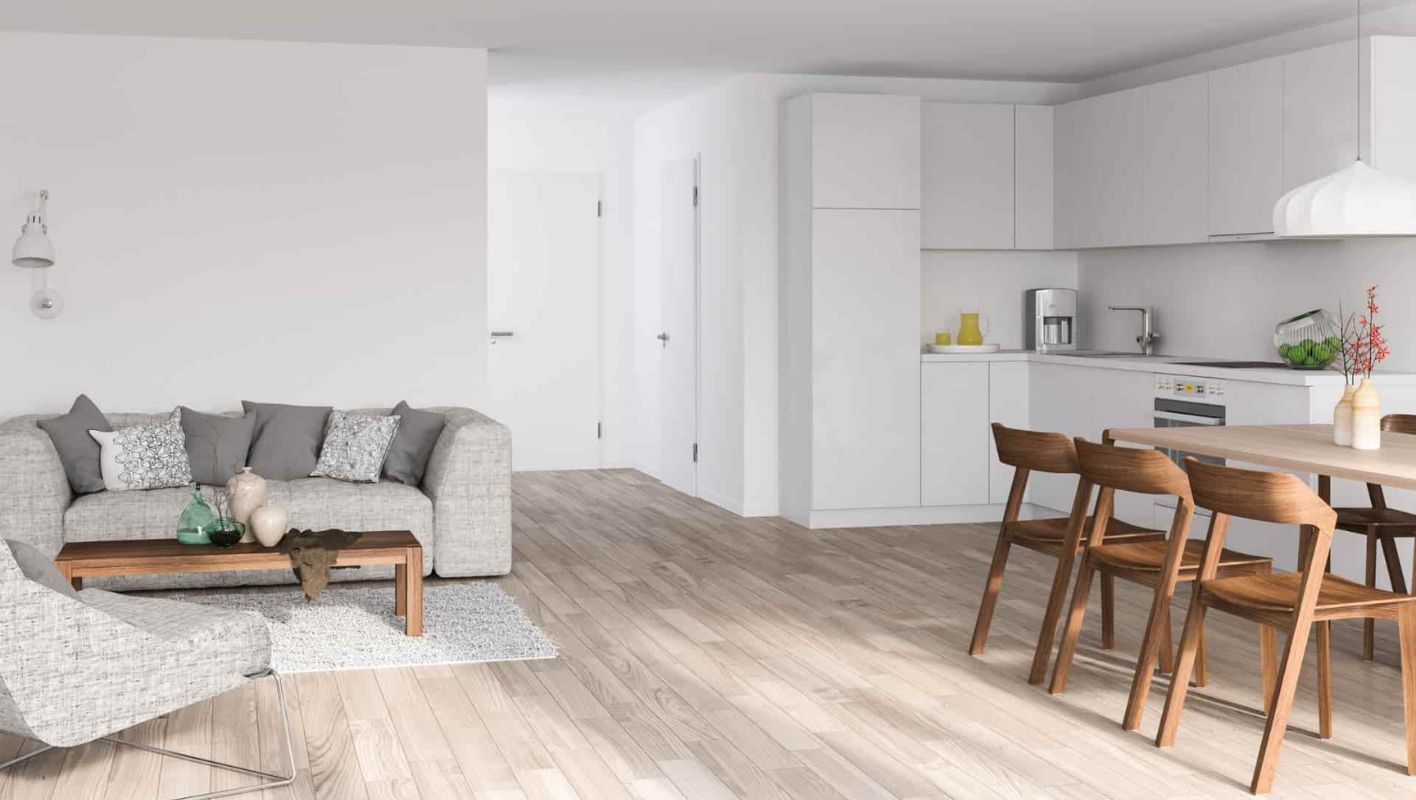
I remember the first time I decided to redecorate my living room. I was super excited about the new look but didn’t even consider how my hefty couch might affect the vinyl plank flooring. Vinyl’s flexibility is a great feature for everyday wear, but it’s like a sponge—it can only take so much pressure before it leaves a mark. The focus here is on how weight isn’t just about bulk; it’s about where and how it’s concentrated.
Protecting Your Flooring
When I learned about furniture pads, it was like discovering a secret weapon. You know that feeling when you find something that just makes sense? That’s exactly what furniture pads do—they distribute weight evenly, preventing those pesky indentations. Here’s a simple comparison:
| Type of Furniture Pad | Material | Benefits |
|---|---|---|
| Felt | Soft | Protects against scratches |
| Rubber | Firm | Reduces sliding |
Strategies for Weight Distribution
One trick I’ve found helpful is rearranging furniture. Not only does it give my space a fresh look, but it also lets the floor recover from constant pressure. It’s like giving your flooring a well-deserved break—just shift things around with the seasons.
Rugs: More than Decor
Rugs have become my best friend in home decor. They add warmth and style but more importantly, they act as a buffer between heavy furniture and the floor. Think of them as a cozy shield that guards against scratches and dents.
Beware of Dragging Furniture
I’ve learned the hard way that dragging furniture is a no-go. Imagine my horror when I saw scratches on my once-pristine flooring! Lifting or using sliders when moving items has saved me from more heartbreak. It’s all about those little steps that keep your floors looking brand new.
If you’re as keen as I am to dive deeper into this topic, additional resources1 can offer more tips on extending your flooring’s lifespan. Trust me, it’s worth it for the peace of mind.
Heavy furniture causes permanent dents in vinyl planks.True
Excessive weight from heavy furniture can lead to permanent indentations.
Rugs increase the risk of scratches on vinyl floors.False
Rugs act as a buffer and reduce the risk of scratches.
Does Sunlight Cause Vinyl Plank Flooring to Fade?
Ever glanced at your vinyl plank flooring and wondered if it’s losing its shine due to sunlight? Let’s explore how sunlight affects your flooring and what you can do to keep it looking fresh.
Yes, prolonged exposure to sunlight can cause vinyl plank flooring to fade due to UV rays. However, applying UV-resistant coatings and using window films can help preserve the flooring’s color and appearance over time.
Understanding Vinyl Plank Flooring
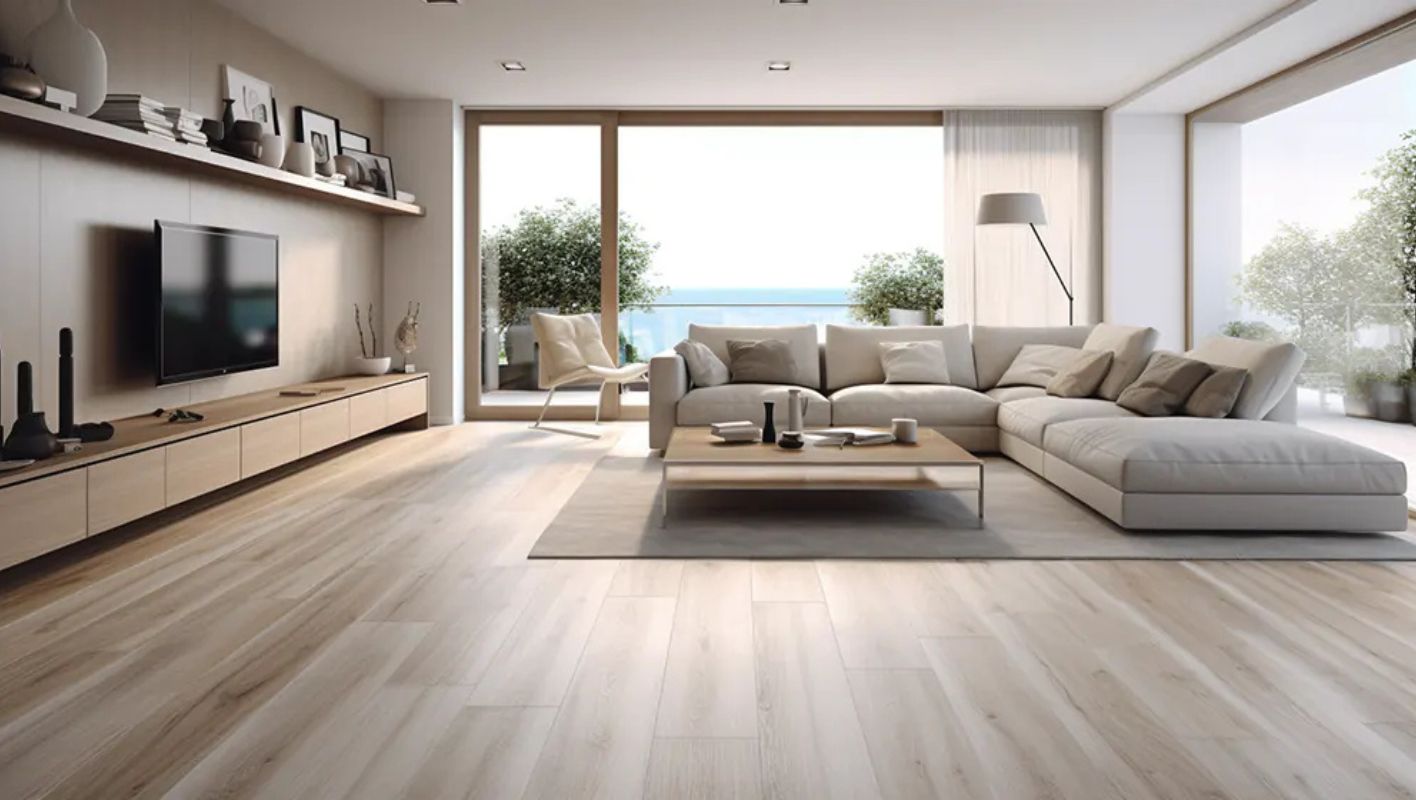
Let me take you back to when I first decided on vinyl plank flooring for my living room. It was love at first sight—I mean, who wouldn’t want the elegance of hardwood with the durability of vinyl2? However, just like with any great love story, there’s always a catch. Over time, I noticed that areas near the windows were starting to look a bit duller than the rest. That’s when I learned about how sunlight can affect these floors.
How Sunlight Affects Vinyl Plank Flooring
I remember one sunny afternoon when I decided to move my couch to a different spot. That’s when it hit me—the area that was under the couch was so much more vibrant! That’s when I realized that the beautiful natural light streaming through my windows every day was the culprit. Sunlight, specifically those sneaky ultraviolet (UV) rays, can break down the chemical bonds in vinyl, leading to fading and discoloration. It’s similar to how you might notice your favorite shirt losing its vibrancy if left in the sun too long.
| Factor | Impact on Flooring |
|---|---|
| UV Exposure | Can cause fading and yellowing |
| Heat from Sunlight | May lead to warping or buckling |
Preventing Fading from Sunlight
After realizing what was happening, I took a few steps to protect my floors. Here’s what worked for me:
- Use Window Treatments: I invested in some stylish curtains and blinds that not only matched my decor but also helped filter out the harsh sunlight. If curtains aren’t your thing, consider UV-blocking window films—they’re practically invisible!
- UV-Resistant Coatings: Some vinyl planks come with UV-resistant coatings, which I wish I’d known about earlier. It’s worth asking about these if you’re still in the purchasing phase.
- Rearrange Furniture Regularly: Now, I make it a point to shuffle around my rugs and furniture every few months. It keeps the room feeling fresh and ensures even exposure.
Exploring Alternatives
If you’re really worried about fading, you might want to consider alternative materials that handle sunlight better. Options like laminate flooring3 or engineered wood are great options with enhanced durability in sunlit spaces.
Choosing the right type of flooring involves weighing factors like location, sunlight exposure, and maintenance needs. By being proactive, you can keep your vinyl plank floors looking beautiful for years to come.
Sunlight does not affect vinyl plank flooring color.False
UV rays from sunlight can cause fading and discoloration in vinyl.
Vinyl planks with UV coatings resist fading better.True
UV-resistant coatings help minimize the fading effect of sunlight.
What Cleaning Products Are Safe for Vinyl Plank Flooring?
Ever looked at your vinyl plank flooring and wondered how to keep it spotless without damaging it?
To safely clean vinyl plank flooring, I use mild solutions like diluted vinegar or dedicated vinyl cleaning products. Steering clear of harsh chemicals and abrasive tools is key to preserving the floor’s shine and durability.
Understanding Vinyl Plank Flooring Composition
I remember when I first installed vinyl plank flooring in my living room. It looked just like hardwood but was way more practical for my lifestyle. This type of flooring is designed to be tough against scratches and stains, thanks to its protective top layer. But that layer means being picky about what cleaning solutions4 you use.
Recommended Cleaning Products
- Diluted Vinegar Solution: I stumbled upon this trick when I ran out of my usual cleaner. Mixing a cup of vinegar with a gallon of water did wonders for cleaning up everyday messes without leaving streaks.
- Commercial Vinyl Floor Cleaners: These products are my go-to when I need a deep clean. They’re specially formulated to tackle dirt without harming the floor.
| Product Type | Recommended Use |
|---|---|
| Vinegar Mix | General cleaning |
| Commercial Cleaner | Deep cleaning |
Products to Avoid
I learned the hard way that bleach and ammonia-based cleaners can really mess up the floor’s finish, making it look dull. Abrasive scrubs can also leave ugly scratches.
Best Practices for Cleaning
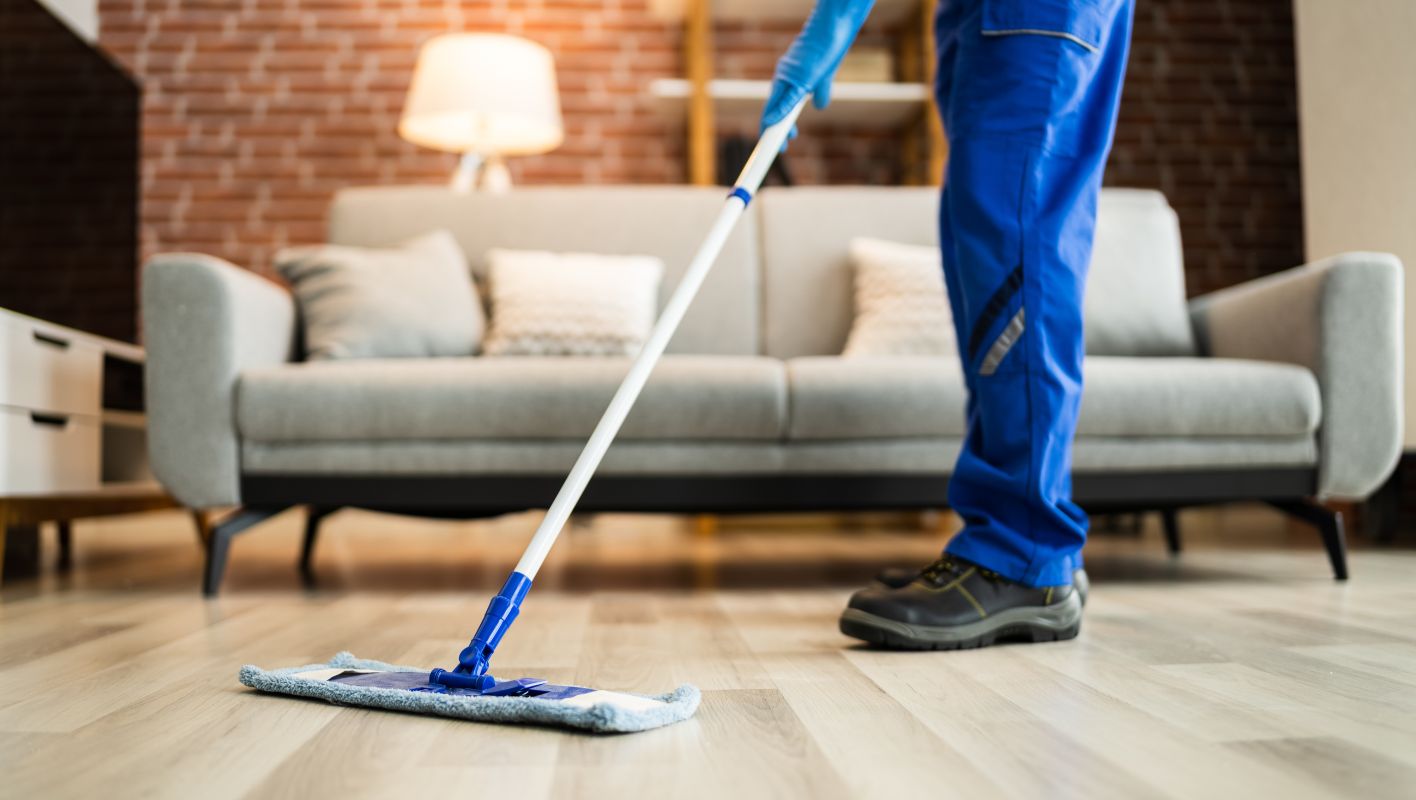
Switching to a soft microfiber mop was a game changer for me. It cleans well without scratching the surface. Plus, rinsing thoroughly5 with water after cleaning ensures no residue is left behind.
Environmental Considerations
I’ve started using more eco-friendly products as part of my sustainability efforts. Many eco-conscious brands6 offer biodegradable cleaners that are safe for vinyl floors.
Frequently Asked Questions
- Can steam mops be used?
I found out that steam mops aren’t the best idea. The heat can warp the planks over time. - How often should floors be cleaned?
Regular sweeping with weekly mopping has worked wonders for keeping my floors looking like new.
By following these practices, you can keep your vinyl plank flooring looking great for years to come.
Vinegar solution leaves residue on vinyl floors.False
Diluted vinegar cleans without leaving residue on vinyl flooring.
Steam mops can warp vinyl plank flooring.True
Excess heat from steam mops can warp vinyl planks.
How Does Moisture Impact Vinyl Plank Flooring?
Ever wondered how a little moisture can wreak havoc on your beautiful vinyl plank flooring? I found out the hard way and learned some valuable lessons.
Moisture can cause vinyl plank flooring to warp, bubble, or become discolored. By ensuring proper installation, performing regular maintenance, and opting for water-resistant materials, you can prevent these issues and prolong the life of your floor.
Understanding the Moisture-Vinyl Relationship
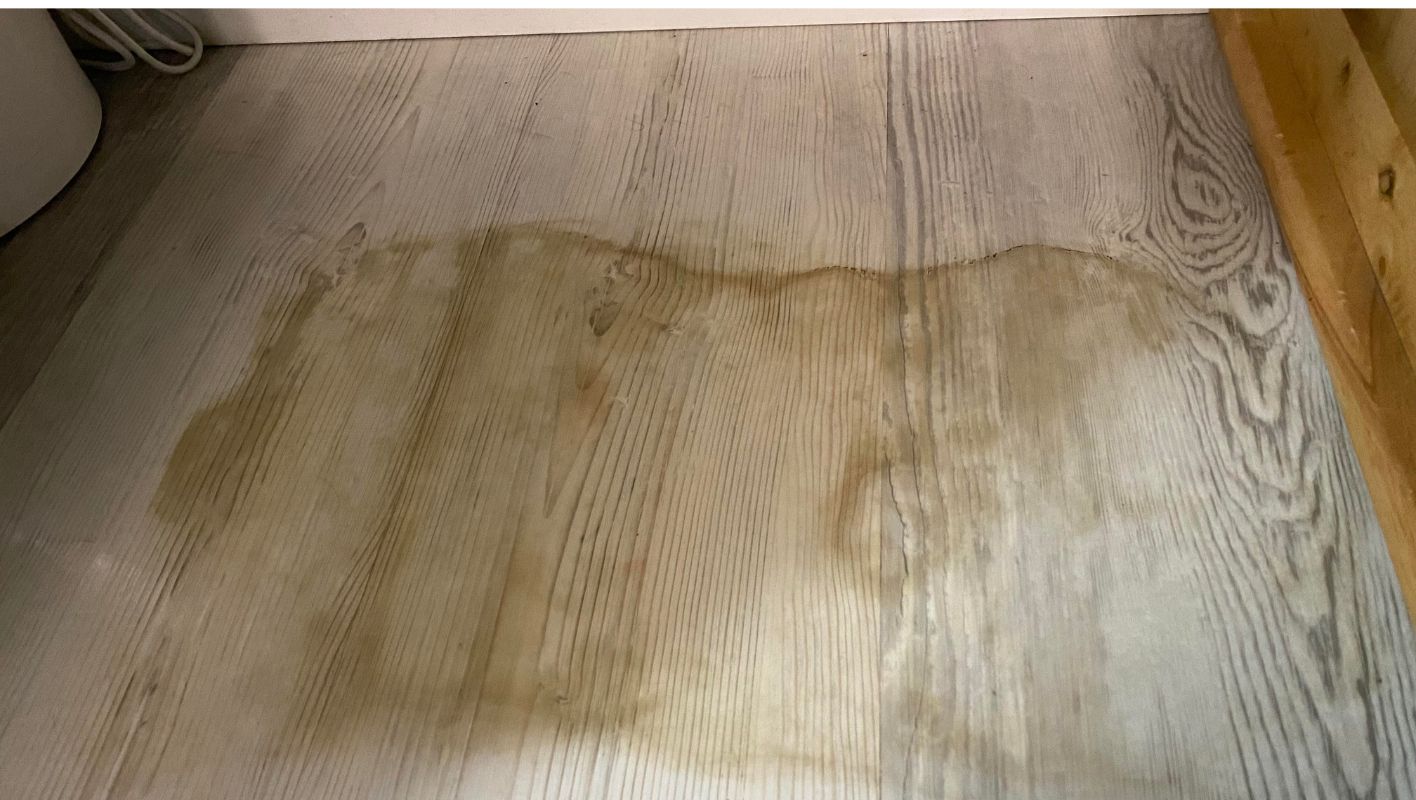
I remember stepping into my basement one humid summer day, only to find my once-perfect vinyl plank flooring looking a little…off. A tiny puddle from a leaking water heater had turned into an expensive lesson about moisture’s impact on vinyl. While vinyl plank flooring is known for its durability and water resistance, it’s not invincible. High humidity or standing water can lead to warping or swelling, especially in moisture-prone areas like basements and bathrooms.
Signs of Moisture Damage
When it comes to spotting moisture damage, here are some tell-tale signs that I wish I had noticed earlier:
1. Warping and Buckling: If the planks start lifting at the edges or look uneven, excessive moisture might be the culprit.
2. Discoloration: I was surprised by how quickly water exposure led to stains and fading on my floor.
3. Bubbling: Trapped moisture can create air bubbles beneath the flooring surface.
Preventative Measures
From personal experience, here’s how you can safeguard your vinyl planks:
- Seal the Subfloor: Before installation, ensure your subfloor is completely dry and sealed. It acts as a first line of defense against moisture.
- Use Proper Underlayment: Invest in quality underlayment to add another layer of protection.
- Choose Water-Resistant Options: Especially for damp areas, opt for vinyl planks designed to resist water absorption.
Maintenance Tips
To keep your floors looking as good as new, try these tips:
- Regular Cleaning: Immediately mop up spills and clean with a damp cloth—avoid over-wetting during cleaning.
- Dehumidifiers: In naturally damp spaces like mine, a dehumidifier is a game-changer for maintaining the right moisture levels.
- Routine Inspections: Regularly check for damage and tackle issues head-on to prevent them from escalating.
| Common Issues | Preventative Solutions |
|---|---|
| Warping | Seal subfloor, proper underlayment |
| Bubbling | Regular inspection, immediate spill cleanup |
| Discoloration | Use water-resistant options |
For more detailed insights on selecting water-resistant vinyl7 options, explore our guide on how to choose the right flooring for your space.
Embracing these strategies will help you protect your flooring investment and keep your home looking its best. Trust me; proactive maintenance and informed choices make all the difference when it comes to battling moisture challenges.
Vinyl planks are completely moisture-proof.False
Vinyl planks are water-resistant but not completely moisture-proof.
Warping is a sign of moisture damage in vinyl flooring.True
Excessive moisture can cause vinyl planks to expand, leading to warping.
Conclusion
Vinyl plank flooring can be damaged by heavy furniture, sunlight, harsh chemicals, and moisture. Preventive measures include using furniture pads, UV-resistant coatings, and proper cleaning techniques.
-
Discover practical tips for maintaining vinyl plank flooring in high-traffic areas, ensuring it remains in top condition despite heavy use. ↩
-
This link provides a comprehensive overview of vinyl plank flooring, helping readers understand its benefits and why it might be a preferred choice. ↩
-
Explore this link for a detailed comparison between laminate and vinyl flooring, highlighting advantages that may influence your decision. ↩
-
Discover top-rated cleaning solutions designed specifically for vinyl plank floors to ensure effective and safe maintenance. ↩
-
Understand the importance of rinsing floors post-cleaning to avoid residue buildup that can damage surfaces over time. ↩
-
Explore environmentally friendly cleaner options that effectively clean vinyl floors without harming the planet. ↩
-
Explore this link to discover top-rated water-resistant vinyl options that suit various needs and environments. ↩






