
What are Aluminum Extrusions Used For?
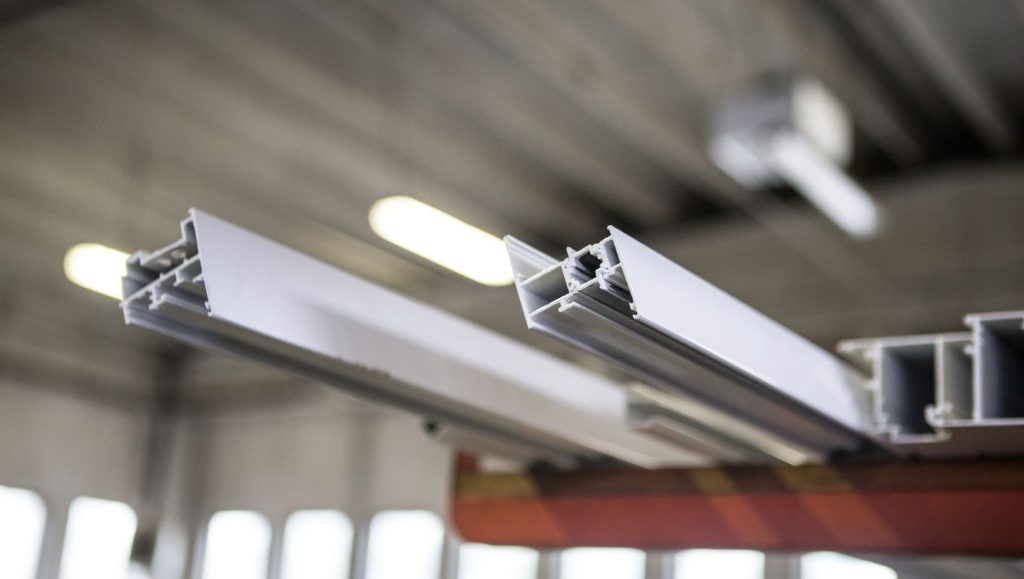
Aluminum extrusions play a crucial role in multiple industries including automotive, construction, and electronics. Their lightweight nature contributes to improved fuel efficiency in vehicles while offering design flexibility for innovative structures. In construction, they enhance aesthetics and energy efficiency through sustainable practices. Additionally, aluminum’s superior thermal management makes it essential for electronic devices. This blog post explores the benefits of aluminum extrusions across these sectors, detailing their applications from vehicle frames to building facades and electronic housings. Understanding the extrusion process reveals how this versatile material transforms into complex shapes that meet modern manufacturing needs.
What Are the Key Differences Between 2024 and 6061 Aluminum Alloys?
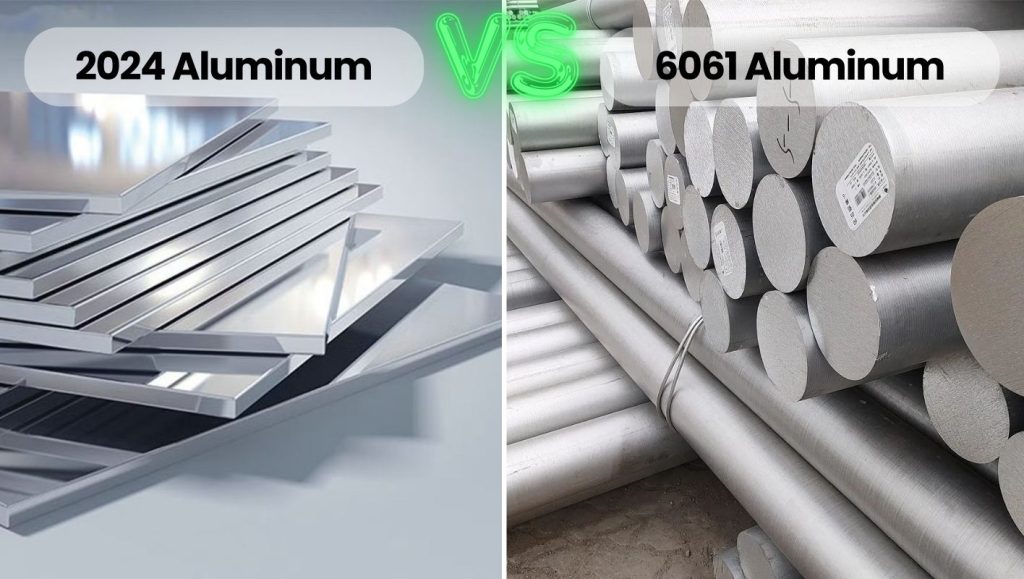
Choosing between 2024 and 6061 aluminum alloys involves understanding their distinct properties. Alloy 2024 is known for its high strength and fatigue resistance, making it ideal for aerospace applications. In contrast, alloy 6061 offers superior weldability and corrosion resistance, making it suitable for various structural applications. This article explores the composition differences, mechanical properties, typical uses, and cost implications of both alloys to help you make an informed decision based on your project needs.
What is a Die in Aluminium Extrusion?
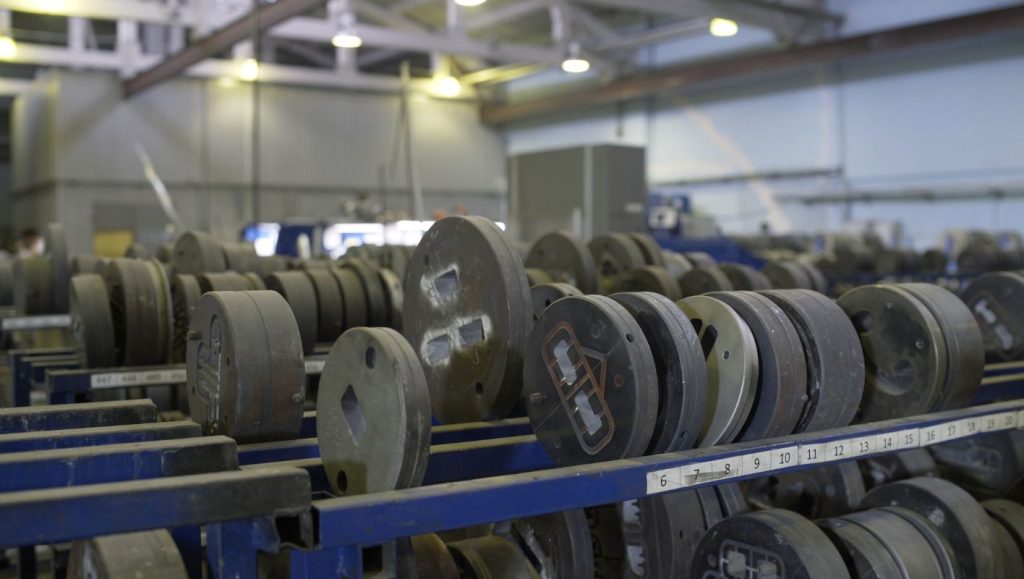
In aluminium extrusion, a die is a crucial tool that shapes heated aluminium billets into specific profiles by forcing them through its opening under high pressure. This process transforms raw material into complex forms used in everyday products. Understanding the different types of dies—solid for simple shapes, hollow for intricate designs, and semi-hollow for partial voids—is essential for optimizing production efficiency and ensuring quality outputs. The construction of these dies involves meticulous design, material selection, CNC machining, heat treatment, and rigorous quality assurance checks to meet industry standards. Regular maintenance of dies is vital to minimize downtime and defects while extending their lifespan. By adopting advanced technologies in maintenance practices, manufacturers can enhance reliability and operational excellence in the aluminium extrusion process.
What Are the Key Differences Between Cast Aluminum and Extruded Aluminum?
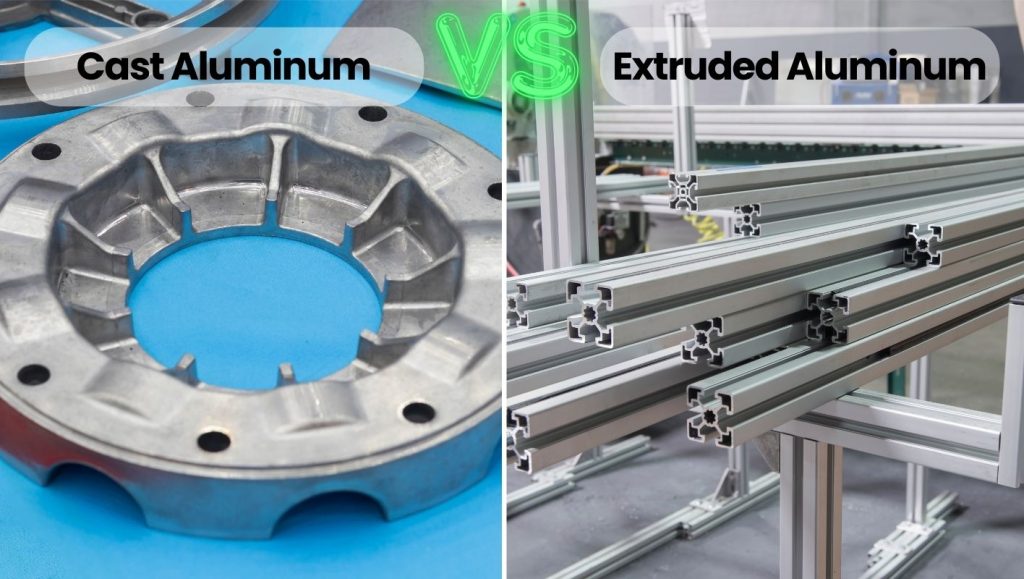
This article explores the key differences between cast aluminum and extruded aluminum, highlighting their distinct manufacturing processes, benefits, and applications across various industries such as automotive, aerospace, and electronics. Cast aluminum is ideal for complex designs due to its molding capabilities, while extruded aluminum excels in producing consistent shapes suited for structural applications. The piece also discusses cost considerations related to tooling and production volume, helping procurement specialists make informed decisions based on project needs and sustainability goals. Understanding these nuances empowers professionals to select the right method for their specific requirements.
What is Ductility in Metals, and Why is it an Advantage of Aluminum?
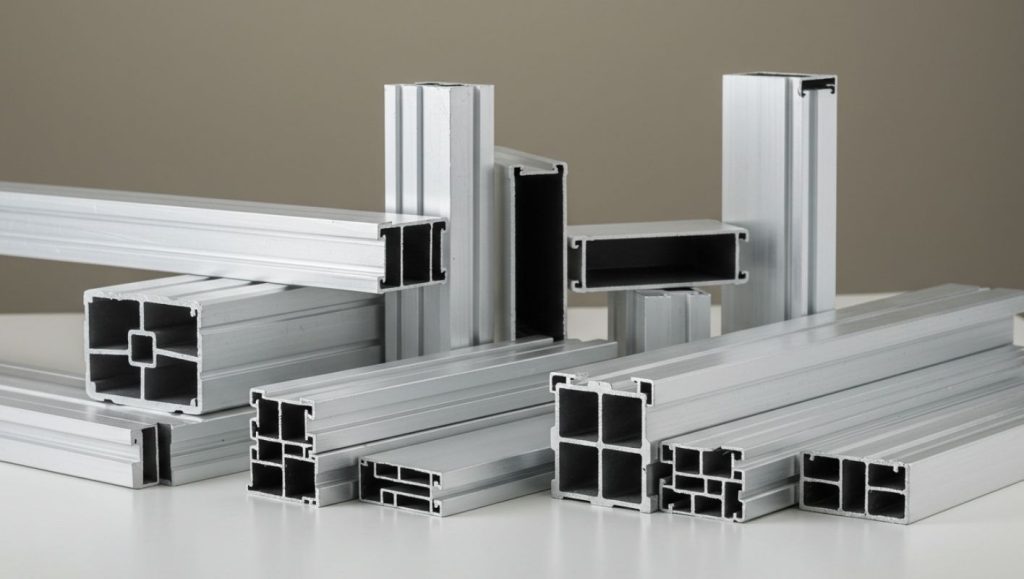
Ductility is the ability of metals to stretch under tensile stress without breaking. Aluminum excels in this property, making it highly adaptable for various applications such as wires and sheets. Its ductility not only facilitates innovative designs in industries like aerospace and automotive but also enhances structural integrity by allowing materials to absorb energy during impacts. This characteristic is crucial for safety, enabling components to deform rather than fracture. Additionally, aluminum’s lightweight nature contributes to efficiency and sustainability in manufacturing processes. Understanding ductility helps engineers select appropriate materials that balance flexibility with strength, ultimately leading to safer and more efficient products.
What are the Best Aluminum Alloys for Bending?
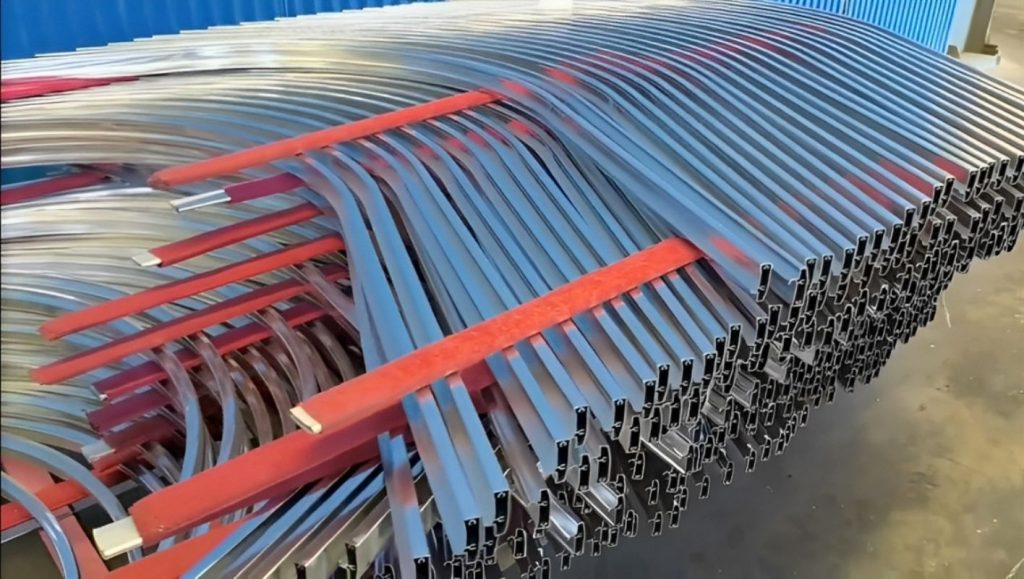
Choosing the right aluminum alloy is crucial for successful bending projects. Alloys like 3003 and 5052 stand out for their excellent bendability, thanks to their high ductility and moderate strength. While 3003 is perfect for intricate shapes, Alloy 5052 excels with superior formability and corrosion resistance, making it a favorite in automotive and marine applications. Understanding the properties of these alloys, including their composition, heat treatment effects, and proper tooling techniques can significantly enhance your bending outcomes. This guide explores the best practices for selecting aluminum alloys based on project needs, ensuring efficiency and quality in metal processing tasks.
