
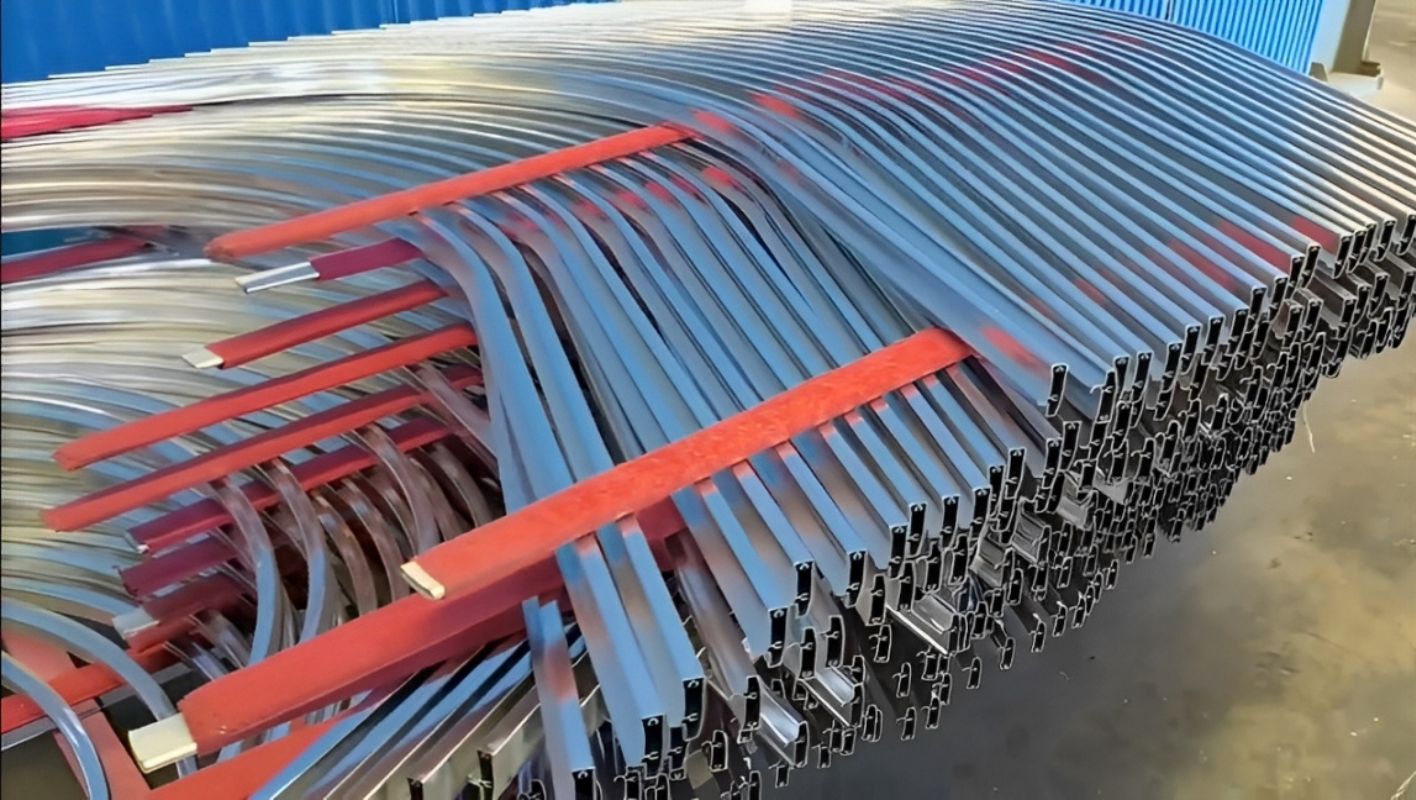
Ever wondered which aluminum alloys are best for bending and why? Let’s uncover this together.
For optimal bending results, aluminum alloys like 3003 and 5052 are your go-to options. These alloys are known for their high ductility and moderate strength, ensuring excellent bendability without cracking, perfect for those intricate designs and complex shapes you might be working on.
I remember the first time I tackled a bending project; the choice of alloy made all the difference. While 3003 and 5052 are top picks for their flexibility, each project has unique needs. Join me as we explore detailed alloy comparisons, practical use cases, and expert insights that could transform your bending tasks.
3003 aluminum alloy is ideal for intricate bending.True
3003 alloy has high ductility, making it suitable for complex shapes.
6061 aluminum alloy is the best for bending applications.False
6061 is stronger but less ductile, making it prone to cracking.
Why Is Alloy 5052 Often Preferred for Bending?
Ever wondered why Alloy 5052 is the go-to choice for bending tasks? Let me take you on a journey through its amazing properties that make it so popular.
Alloy 5052 is preferred for bending because it offers superior formability, high corrosion resistance, and a great strength-to-weight ratio, perfect for automotive, marine, and industrial applications.
Understanding Alloy 5052’s Composition
I’ve always been fascinated by how a mix of metals can create such diverse properties. Alloy 5052, for instance, is made up of magnesium and chromium. Magnesium is like the secret ingredient that boosts its strength and shields it from corrosion1, while chromium adds that extra layer of durability.
| Element | Percentage |
|---|---|
| Magnesium | 2.2 – 2.8% |
| Chromium | 0.15 – 0.35% |
| Aluminum | Balance |
When I first learned about this composition, it made sense why Alloy 5052 thrives in environments where chemical exposure or seawater is common. It’s like having a suit of armor that doesn’t rust!
Comparing Alloy 5052 with Other Alloys
If you’re like me, you love to compare options before making a decision. So, let’s pit Alloy 50522 against another popular choice—Alloy 6061.
- Formability: Have you ever tried bending something and felt like it was a wrestling match? Not with Alloy 5052! It’s much easier to bend than 6061.
- Corrosion Resistance: Both alloys resist corrosion, but 5052 is the champion in harsh environments3.
- Strength: Sure, 6061 is technically stronger, but in most bending applications, you’d hardly notice the difference.
Applications Where Alloy 5052 Excels
I remember the first time I saw Alloy 5052 being used in the automotive industry. It was in fuel tanks and body panels, and I thought, "Wow, that’s clever!" It’s also a superstar in the marine industry—picture boat hulls braving the salty sea without a hitch.
- Automotive: Fuel tanks, body panels (automotive sector4)
- Marine: Boat hulls, ship structures (resistance to saltwater5)
- Industrial: Chemical containers, pressure vessels
Knowing these applications can really help you decide if Alloy 5052 is your project’s new best friend. Whether you’re working on cars, ships, or heavy-duty containers, this alloy might just be the perfect match!
Alloy 5052 has higher corrosion resistance than Alloy 6061.True
Alloy 5052 excels in harsh environments due to its superior corrosion resistance.
Alloy 6061 is easier to bend than Alloy 5052.False
Alloy 5052 offers superior formability, making it easier to bend than 6061.
How Does 6061 Compare to 5052 in Bendability?
Choosing the right aluminum alloy can make or break your project, especially when it comes to bending. Let’s dive into how 6061 and 5052 compare in this crucial aspect.
When comparing 6061 and 5052 aluminum alloys in terms of bendability, 5052 is generally more flexible due to its higher magnesium content, making it easier to bend than 6061, which is stronger but less ductile. Your choice should align with your project needs.
Understanding Bendability in Metals
I remember the first time I had to choose between different aluminum alloys for a project. I was so overwhelmed by the options that I felt like I was navigating a minefield. But as I dug deeper into what each alloy offered, I realized how critical bendability was, especially for parts that needed precise angles and curves.
Bendability is essentially a metal’s ability to undergo plastic deformation without breaking, which is crucial for applications like automotive parts where precision matters.
6061 vs. 5052: Chemical Composition and Mechanical Properties
When I first started working with metals, I learned quickly that understanding their chemical makeup was key to making the right decision. Here’s a comparative glance at these two alloys:
| Alloy | Major Alloying Elements | Tensile Strength (MPa) | Elongation (%) |
|---|---|---|---|
| 60616 | Magnesium, Silicon | 310 | 17 |
| 50527 | Magnesium | 215 | 25 |
Looking at this, you can see that 60618 offers higher tensile strength, which is fantastic if you’re focusing on load-bearing capacity. But its lower elongation means it’s not as flexible as 50529.
Factors Affecting Bendability: Heat Treatment and Tempering
I once had a project where the heat treatment made all the difference. For instance, 6061-T610 is celebrated for its strength but has reduced flexibility due to artificial aging. On the other hand, 5052-H3211 remains more pliable thanks to its work-hardened state.
Practical Applications and Considerations
I’ve learned that picking the right material isn’t just about technical specs; it’s about what your project truly needs. If you’re working on something that requires intricate bends, 505212 might be your go-to due to its formability. However, if strength is your main concern, then 606113 could be more up your alley.
Taking these factors into account helps ensure that you make informed decisions tailored to your project’s unique demands. It’s all about balancing what you need with what each alloy can offer.
6061 aluminum is more bendable than 5052.False
5052 is more bendable due to higher elongation percentage.
5052 aluminum has higher tensile strength than 6061.False
6061 has higher tensile strength at 310 MPa compared to 215 MPa for 5052.
What Makes Aluminum Alloys Bendable?
Ever tried bending aluminum for a project and wondered why some alloys are more flexible than others? It’s all about understanding the factors that affect bendability.
Bendability in aluminum alloys depends on factors like alloy composition, thickness, grain size, and temper condition. Knowing these can help you pick the right alloy for your needs.
Alloy Composition
Aluminum alloys are like the spice rack of the metal world, each with its unique flavor. You have alloys with magnesium or silicon, which can really change how they act when you try to bend them. Think of 5000 series alloys as the yoga masters of aluminum—they’re super flexible because of their magnesium content.
Thickness and Grain Size
Picture trying to fold a piece of cardboard compared to a sheet of paper. That’s thickness for you. Thinner aluminum sheets bend like a dream, while thicker ones put up more of a fight. And then there’s grain size—smaller grains mean you get more bendability, kind of like how smaller puzzle pieces fit together more easily.
Temper Condition
When I first heard about tempering, I thought it was something out of a blacksmithing tale. In reality, it’s all about how heat treatments change the metal’s character. Soft tempers like "O" are your go-tos for projects needing flexibility. But if you need strength, "T6" might be your ally, though it sacrifices some bendability.
Environmental Factors
You know how a warm-up makes exercise easier? Well, heating aluminum can make it more pliable too. This is especially important in industries where precision is key—like aerospace—where every degree matters.
Table of Alloy Characteristics
| Alloy Series | Major Alloying Element | Typical Uses | Bendability Rating |
|---|---|---|---|
| 1000 | None | Electrical Conductors | High |
| 5000 | Magnesium | Marine Applications | Very High |
| 6000 | Magnesium & Silicon | Structural Components | Medium |
When you dive into metal processing, knowing these factors is like having a secret map to success. You can make smarter choices about which aluminum alloy will suit your project best, saving both time and money in the long run.
Further Considerations
Staying updated with technology is key. New heat treatments and alloy developments can open up fresh possibilities. I always recommend keeping an eye on industry publications and forums—they’re treasure troves of info.
By looking at these various factors, anyone from engineers to procurement specialists can make savvy decisions about aluminum alloys. It’s all about aligning the right materials with your project’s goals, ensuring efficiency and quality.
Choosing the right alloy and processing method14 doesn’t just boost product quality; it also supports sustainability by reducing waste and optimizing resources. These insights can lead to major improvements in both production outcomes and eco-friendliness.
Related Insights
If you’re hungry for more details on aluminum properties or want to compare different alloys, there are tons of online resources packed with analyses and case studies. They’re invaluable for making well-informed decisions on your next project.
Taking a strategic approach to material selection is crucial for achieving competitive advantages in today’s manufacturing world, where precision and sustainability reign supreme. Aligning your practices with industry standards and innovations ensures both compliance and excellence.
5000 series aluminum alloys offer excellent bendability.True
5000 series alloys contain magnesium, enhancing ductility for bending.
Thicker aluminum sheets bend more easily than thinner ones.False
Thinner aluminum sheets are generally easier to bend than thicker ones.
What Are the Best Techniques for Improving Aluminum Bendability?
Ever wondered how to get aluminum to bend just right without cracking? Join me as we dive into the techniques that make this versatile metal more pliable.
To enhance aluminum bendability, focus on choosing the right alloy, applying heat treatment, and using appropriate tooling. These methods boost flexibility and minimize cracking during bending.
Choosing the Right Alloy
One time, I was working on a project that demanded precision with aluminum, and I learned firsthand how crucial it was to select the right alloy. Aluminum isn’t a one-size-fits-all kind of metal. Alloys like 3003 or 5052, for instance, are superb choices due to their excellent forming capabilities. It was a game-changer in my projects once I realized how much understanding aluminum alloys15 could influence success.
Applying Heat Treatment
Applying heat to aluminum can feel a bit like unlocking a secret code. In one of my early experiments, I discovered annealing could dramatically alter the metal’s behavior, making it more ductile. Heat treatment is essentially about reducing internal stresses and enhancing flexibility, so the aluminum bends more gracefully. If you’re curious about this process, learning about annealing16 can be incredibly insightful.
Proper Tooling and Techniques
I once found myself in a situation where the wrong tool caused more harm than good. Trust me, using the right equipment is everything. Mandrel bending or press brake bending techniques can make all the difference in achieving that perfect bend with minimal deformation. Here’s a quick guide:
| Tool Type | Benefits |
|---|---|
| Mandrel | Reduces deformation |
| Press Brake | Ensures uniform bends |
To explore more about these tools, check out tooling options17.
Role of Lubrication
In one particularly challenging project, lubrication was my secret weapon. It significantly improved the bending process by reducing friction between the tooling and the aluminum surface. This simple addition helped prevent cracks and surface defects, which I found quite remarkable. Want to know more? Discover lubricants in metal forming18.
Advanced Techniques: Hot Bending
There are times when only hot bending will do the trick. This technique involves heating aluminum to make it more malleable, allowing for sharper angles without cracking. It’s like giving your metal a spa day. If you’re considering this method, explore hot bending techniques19 to see if they fit your needs.
Alloys 3003 and 5052 improve aluminum bendability.True
These alloys are known for their excellent forming capabilities.
Lubrication increases the risk of aluminum cracking during bending.False
Lubrication reduces friction, decreasing the chances of cracks.
Conclusion
Aluminum alloys 3003 and 5052 are ideal for bending due to their high ductility and moderate strength, making them suitable for intricate designs and applications in automotive and marine industries.
-
Learn about how magnesium enhances aluminum alloys like 5052, impacting their strength and corrosion resistance. ↩
-
Explore the differences between Alloy 5052 and 6061 to understand why 5052 might be better for certain bending applications. ↩
-
Find out why Alloy 5052 is preferred in marine applications due to its excellent saltwater resistance. ↩
-
Discover how Alloy 5052 is utilized in automotive manufacturing for components like fuel tanks. ↩
-
Find out why Alloy 5052 is preferred in marine applications due to its excellent saltwater resistance. ↩
-
Explore detailed insights on 6061 alloy’s characteristics to understand its strengths and limitations. ↩
-
Discover the unique properties of the 5052 alloy that contribute to its flexibility. ↩
-
Explore detailed insights on 6061 alloy’s characteristics to understand its strengths and limitations. ↩
-
Discover the unique properties of the 5052 alloy that contribute to its flexibility. ↩
-
Learn why 6061-T6 is favored in applications requiring high strength. ↩
-
Understand how the H32 temper affects the formability of 5052 alloy. ↩
-
Find examples of where 5052’s formability is particularly beneficial. ↩
-
Investigate how 6061’s structural strength benefits various applications. ↩
-
Find out about modern processing techniques that enhance aluminum alloy performance. ↩
-
Exploring this link will help you select the right alloy for your specific bending project. ↩
-
Clicking here provides insights into how annealing can enhance aluminum’s malleability. ↩
-
This link offers detailed guidance on selecting appropriate tools for aluminum bending. ↩
-
Discover effective lubricants to improve your metal forming efficiency and outcomes. ↩
-
Find out how hot bending can benefit your projects by reducing cracking risks. ↩






