
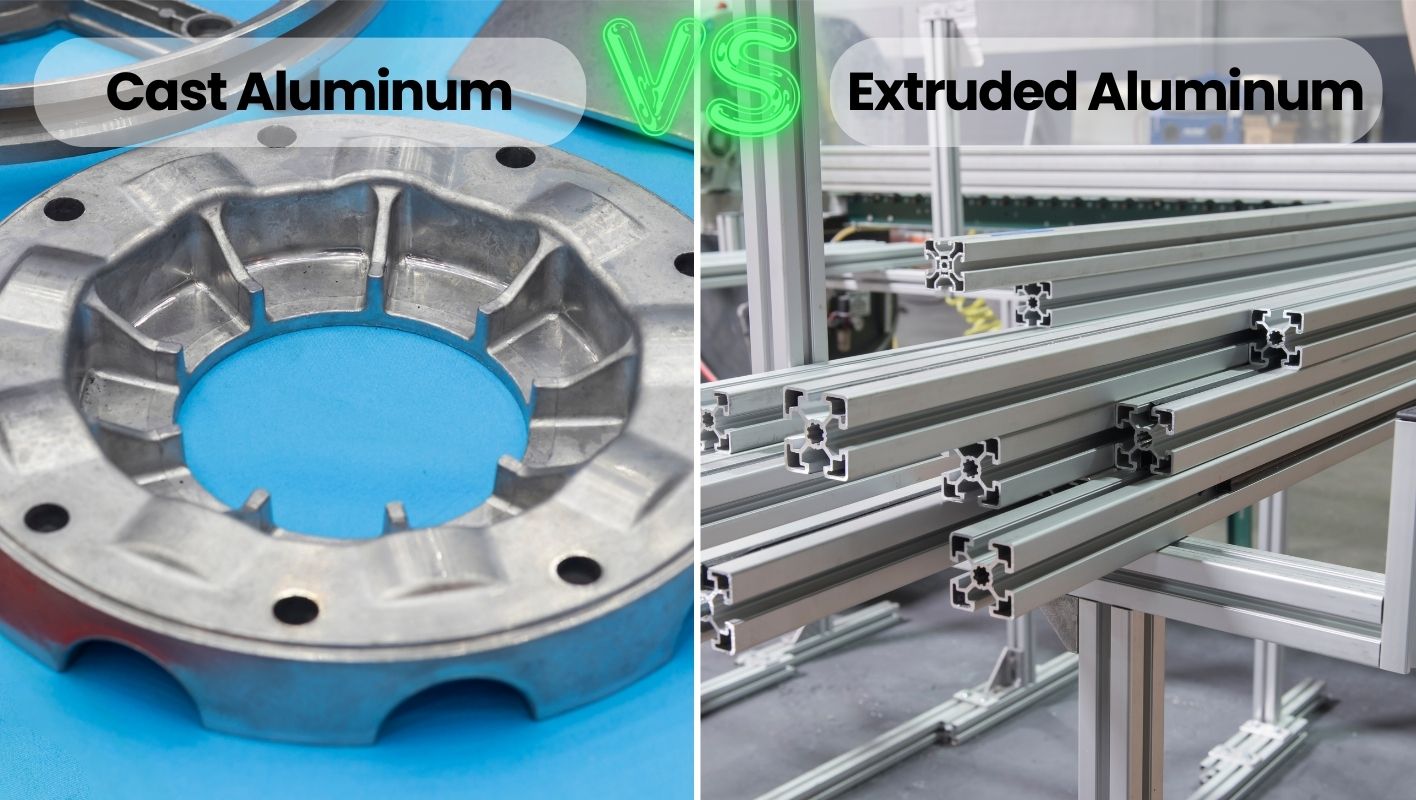
Diving into the world of aluminum can be like uncovering a treasure trove of possibilities.
Cast aluminum is created by pouring molten metal into molds, allowing for intricate designs, whereas extruded aluminum is made by pushing aluminum through a die, forming long, consistent shapes. Each has distinct benefits that suit different needs, from complex artistry to streamlined efficiency.
I remember when I first stepped into the world of metal processing, the vast array of options seemed overwhelming. But it didn’t take long to appreciate how each method has its unique charm and utility. Cast aluminum offers the freedom to mold breathtakingly intricate designs, ideal for those artistic and detailed projects that require a touch of complexity. On the other hand, extruded aluminum reminds me of watching an artisan at work, producing long, seamless shapes with precision and uniformity—perfect for applications where strength and consistency are paramount. By diving into these methods’ nuances, you can choose the one that aligns with your project’s goals and constraints.
Cast aluminum offers more complex shapes than extruded aluminum.True
Casting allows for intricate designs, unlike extrusion which is linear.
Extruded aluminum is less uniform than cast aluminum.False
Extrusion produces uniform shapes, while casting can vary in consistency.
How Is Cast Aluminum Manufactured?
Have you ever wondered how a simple chunk of aluminum transforms into the everyday products we rely on?
Cast aluminum is crafted by melting aluminum, pouring it into a mold, and letting it solidify. The main techniques include die casting, sand casting, and permanent mold casting, each offering distinct advantages for precision and cost-effectiveness.
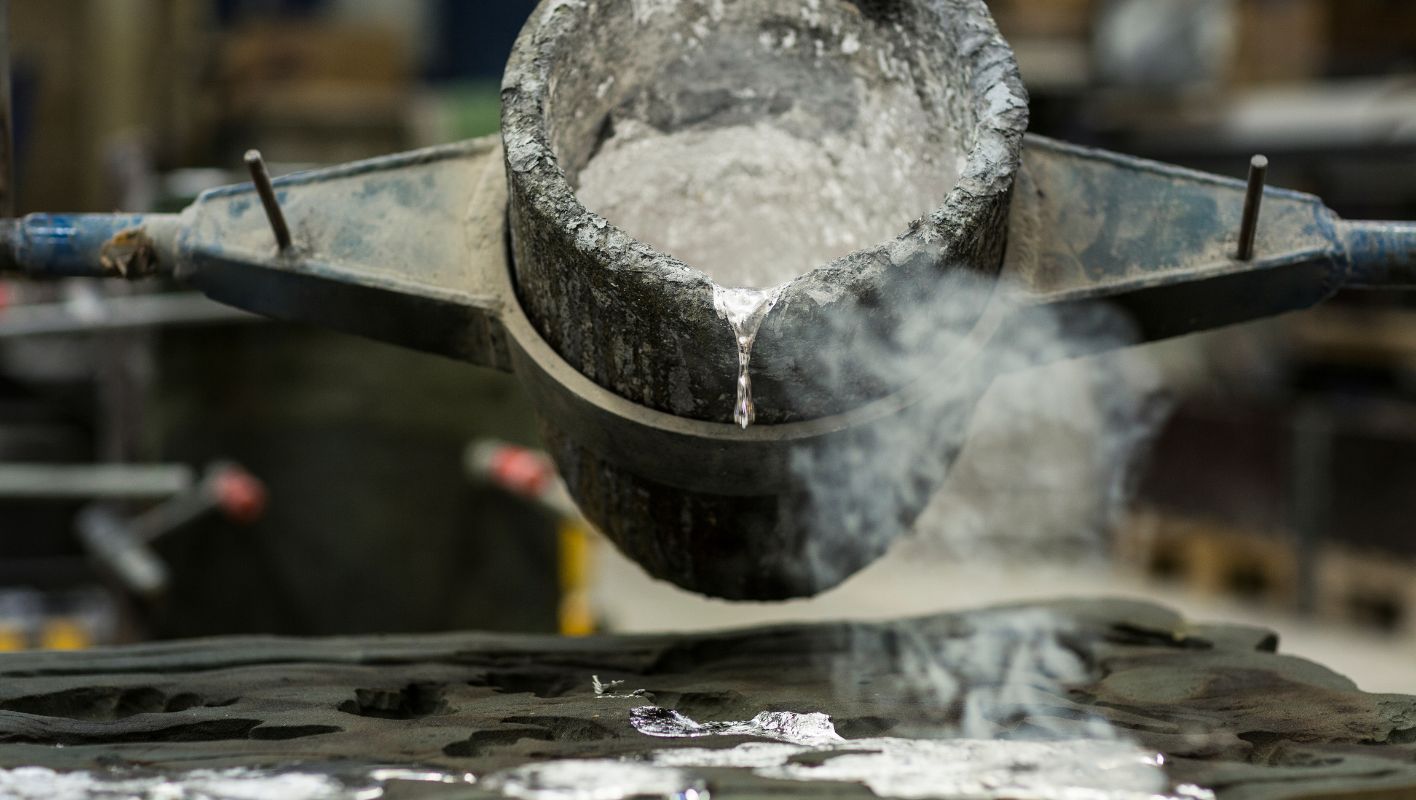
Key Aluminum Casting Techniques
Let me take you back to when I first walked into a casting workshop. The smell of molten metal and the rhythmic clang of machinery were both intimidating and exciting. It was there I learned that understanding aluminum casting techniques1 is like having the perfect recipe for a complex dish. Each method has its own flair—die casting is like precision baking, requiring exact conditions for a smooth surface; sand casting is more like sculpting with clay, offering the flexibility to create intricate designs; while permanent mold casting strikes a balance with its reusability and solid finish.
| Method | Description | Pros | Cons |
|---|---|---|---|
| Die Casting | Molten aluminum is injected into a steel mold under high pressure. | High precision and smooth surface finish. | High initial tooling costs. |
| Sand Casting | Molten aluminum is poured into a sand mold, which is then broken away after cooling. | Low cost and flexibility for complex shapes. | Rougher surface finish and lower accuracy. |
| Permanent Mold | Molten aluminum is poured into a reusable mold made from metal. | Better surface finish than sand casting. | Limited complexity compared to die casting. |
Process Steps in Aluminum Casting
Imagine standing by a furnace, watching aluminum melt at temperatures upwards of 660°C. It’s like witnessing a transformation akin to glassblowing, but with metal. Here’s the typical sequence of steps that follow this mesmerizing start:
- Melting: Aluminum is melted in a furnace at temperatures ranging from 660°C to 750°C.
- Mold Preparation: Molds are prepared based on the casting method chosen. Die casting uses steel molds, while sand casting employs sand molds.
- Pouring: The molten aluminum is poured or injected into the mold cavity.
- Solidification: The aluminum cools and solidifies, taking the shape of the mold.
- Finishing: After solidification, the part is removed and undergoes finishing processes such as trimming, cleaning, and surface treatments.
Factors Influencing Cast Aluminum Quality
Back in the day, when I was just starting out, I quickly realized that not all castings are created equal. Several factors play into the quality of the final product:
- Mold Material: Different mold materials affect heat transfer and cooling rates, impacting the final product’s properties.
- Cooling Rate: Faster cooling can lead to finer grain structures, enhancing strength but possibly increasing internal stresses.
- Alloy Composition: The specific aluminum alloy used can determine mechanical properties and corrosion resistance. Explore aluminum alloy options2.
Understanding these variables can be akin to mastering a craft, ensuring consistent results every time. This knowledge allows procurement specialists like John to select suppliers who meet stringent industry standards and sustainability goals, ensuring the end product not only meets but exceeds expectations.
Die casting offers the highest precision in aluminum casting.True
Die casting uses high pressure, resulting in high precision and smooth finishes.
Sand casting is the most expensive aluminum casting method.False
Sand casting is known for its low cost, especially for complex shapes.
What Are the Advantages and Disadvantages of Extruded Aluminum?
Ever wondered why extruded aluminum is a favorite in so many industries?
Extruded aluminum is prized for its lightweight nature, corrosion resistance, and flexible design options. However, it may face challenges like uneven surface quality and die wear, affecting its application in certain scenarios.
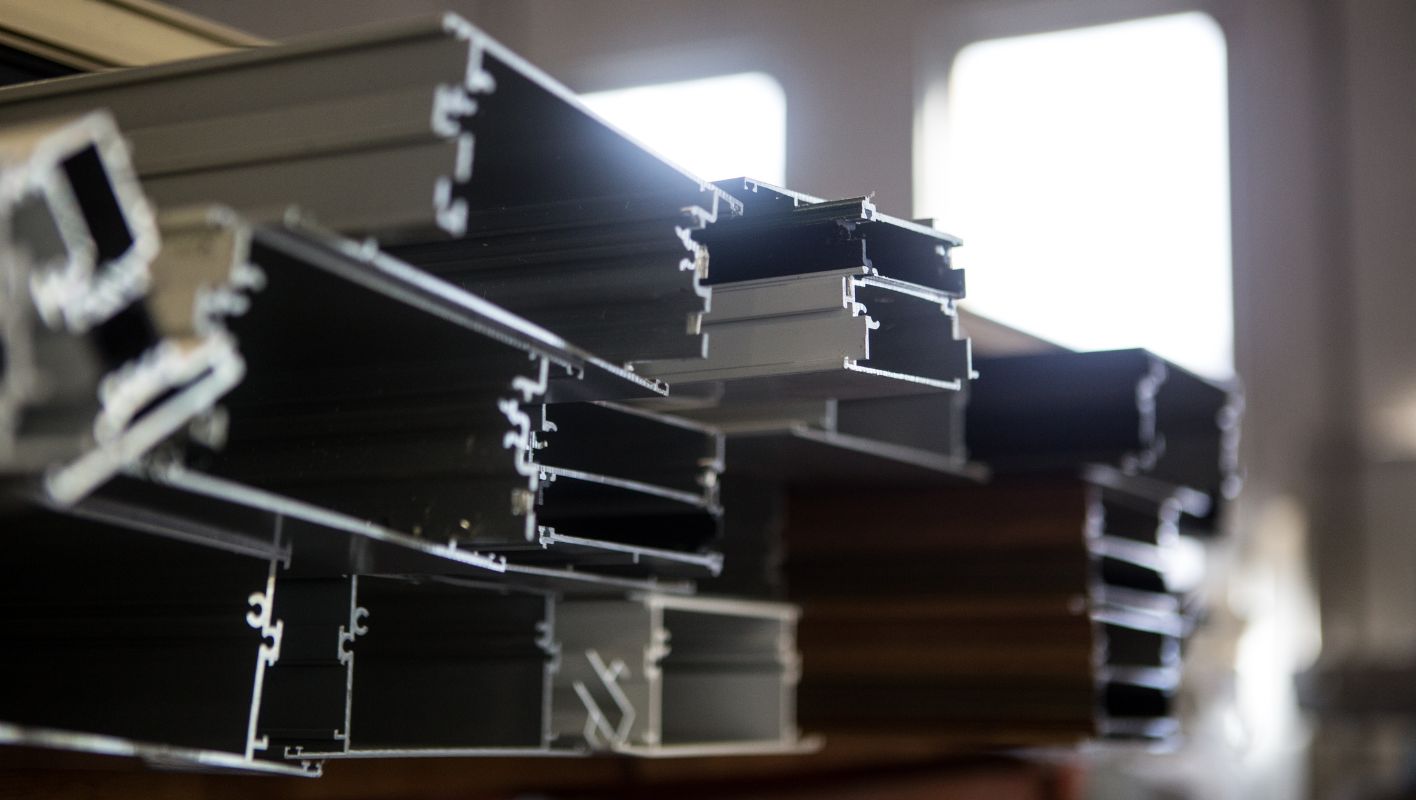
I remember my first encounter with extruded aluminum back when I was just starting in the metal processing world. It was like discovering a hidden gem. Its lightweight and strength combination felt almost magical to me, especially since I was used to handling much heavier materials like steel. Let me walk you through why this material could be a game-changer for your projects.
Advantages of Extruded Aluminum
Lightweight and Strong
Think about the last time you held an aluminum can and marveled at how light it was. Now imagine that quality, but with the strength needed for automotive applications3. Aluminum’s density is significantly lower than steel, which means vehicles can be lighter and more fuel-efficient.
| Property | Aluminum | Steel |
|---|---|---|
| Density (g/cm³) | 2.7 | 7.85 |
| Strength/Weight | High | Medium |
Corrosion Resistance
One thing I’ve always appreciated about aluminum is its natural ability to resist corrosion. The protective oxide layer it forms is like a shield against harsh conditions. This is particularly beneficial in aerospace components4, where materials face tough environments.
Design Flexibility
When I first saw an engineer’s face light up as they described their complex design made possible by aluminum extrusion, I understood the appeal. The process allows for intricate shapes that other materials simply can’t match, offering engineers the freedom to innovate.
Disadvantages of Extruded Aluminum
Inconsistent Surface Quality
On the flip side, extruded aluminum sometimes struggles with inconsistent surface quality. I’ve seen firsthand how streaks or lines can appear, much to the chagrin of perfectionists who prefer flawless finishes. This might mean additional processes to smooth things out.
Die Wear and Cost
Let’s not forget about the wear and tear on dies. Frequent use can hike up costs, especially in high-volume production settings. I’ve been in meetings where we had to weigh this factor carefully against budget constraints.
| Aspect | Pros | Cons |
|---|---|---|
| Surface Quality | Smooth | Inconsistent |
| Die Maintenance | Low | High |
Understanding these nuances helps us make smarter choices when considering extruded aluminum for industrial applications5. It’s all about balancing costs with quality needs and deciding if additional treatments are worth the investment. So next time you’re faced with this decision, I hope these insights will serve you well.
Extruded aluminum is heavier than steel.False
Aluminum's density is 2.7 g/cm³, much lighter than steel's 7.85 g/cm³.
Aluminum forms a protective oxide coating.True
This natural oxide layer provides excellent corrosion resistance.
Why Do Some Industries Love Cast Aluminum So Much?
Have you ever wondered why some industries seem to have a special bond with cast aluminum? It’s not just a coincidence; there’s a fascinating story behind it.
Industries like automotive, aerospace, and electronics favor cast aluminum because it’s lightweight, strong, and resists corrosion. These attributes boost performance, fuel efficiency, and durability, making it indispensable in modern manufacturing.
Automotive Industry: Lightweight Performance
I remember the first time I heard about how much of a game-changer cast aluminum was for the automotive industry. It was during a coffee break chat with an old colleague who was deeply passionate about cars. "Imagine," he said, "building a car that’s not only faster but also more efficient just by switching materials!" This magical material reduces vehicle weight without sacrificing strength. From engine blocks to transmission cases and wheels, cast aluminum enhances mileage and handling.
| Component | Advantage |
|---|---|
| Engine Blocks | Lighter weight for better fuel efficiency6 |
| Transmission Cases | Enhanced durability and heat resistance |
| Wheels | Superior handling and reduced unsprung weight |
Aerospace Sector: Strength with Efficiency
I once took a tour of an aerospace facility, and watching those massive aircraft parts come together was awe-inspiring. The engineers explained how cast aluminum’s strength-to-weight ratio7 is perfect for aircraft structures and engine components. It’s like giving wings to their dreams of lighter, more fuel-efficient planes that can carry more cargo or fly further.
Electronics: Heat Management Solutions
Working in electronics, I’ve seen firsthand how crucial managing heat is. During a challenging project, we turned to cast aluminum for its heat conductivity8, using it in heat sinks and housings. It was a lifesaver, keeping devices cool and reliable even under heavy use.
Industrial Machinery: Corrosion Resistance
In my early days in the industry, I dealt with machinery exposed to harsh environments. The corrosion resistance of cast aluminum was like a knight in shining armor for outdoor and marine applications, cutting down on maintenance costs and boosting product longevity.
| Industry | Application Example |
|---|---|
| Electronics | Heat sinks |
| Marine Equipment | Boat hulls |
| Industrial Machinery | Structural frames |
These sectors harness the power of cast aluminum to not just enhance performance but also to trim costs. Each use case underscores how its properties meet unique needs across diverse fields, proving to be a versatile hero in the world of materials.
Cast aluminum reduces vehicle weight in cars.True
Used in engine blocks and wheels, it enhances fuel efficiency.
Cast aluminum is unsuitable for heat management in electronics.False
It effectively dissipates heat, ideal for heat sinks and housings.
What Are the Cost Differences Between Cast and Extruded Aluminum?
Navigating the costs of cast versus extruded aluminum can be like choosing the right tool for a job – each has its own perks and quirks.
Cast aluminum is a budget-friendly choice for small runs due to lower tooling costs, while extruded aluminum, despite higher initial expenses, shines in large-scale productions with its cost efficiency.
Tooling and Production Costs
When I first started exploring the world of metal processing, I remember being struck by how each project seemed to have its own personality, much like meeting new people. Cast aluminum, for instance, feels like that friend who’s low maintenance and easygoing. The initial tooling costs are generally low, which makes it perfect for those smaller batches where you want to keep things flexible and not too heavy on the pocket. But here’s the kicker – as you ramp up production, those costs can creep up. It’s a bit like when you buy something cheap only to realize later it doesn’t quite hold up under pressure.
Extruded aluminum is akin to an investment piece in your wardrobe – yes, it might require a bigger upfront spend with its pricey dies and equipment. But boy, does it pay off when you’re looking at larger production volumes. The continuous extrusion process is like a well-oiled machine, making everything more efficient and reducing the per-unit cost over time. This is especially true for longer runs9, where spreading out that initial investment really starts to make sense.
| Aluminum Process | Initial Tooling Cost | Per Unit Cost for Small Runs | Per Unit Cost for Large Runs |
|---|---|---|---|
| Cast | Low | Moderate | High |
| Extruded | High | High | Low |
Material and Design Considerations
In my experience, deciding between casting and extrusion is a bit like choosing between a custom-made suit and an off-the-rack one. With cast aluminum, you get to play with intricate shapes and a variety of alloys, offering a certain level of artistic freedom in design applications10. But just like custom suits often need a few tweaks to get that perfect fit, cast components might require additional machining or surface treatment.
Extruded aluminum, however, is all about those clean lines and uniform profiles. It’s like slipping into that perfectly tailored suit that doesn’t need any adjustments. Its smooth finish means less post-processing work, which can save time and money. Plus, if you’re like me and always have an eye on sustainability, extrusion’s recycling efficiency11 is a huge win in aligning with those green goals.
Industry-Specific Applications
In fields like automotive and aerospace, I’ve seen both casting and extrusion being used depending on the specific needs at hand. Casting is often the go-to for engine components where complex geometries are key – it’s like crafting a masterpiece with precision tools. Meanwhile, extrusion is favored for structural applications due to its strength and lightweight nature – imagine building a sturdy bridge that doesn’t weigh you down.
Understanding these dynamics can really empower procurement specialists to make choices that not only meet budget constraints but also adhere to the technical requirements of their projects.
Cast aluminum has lower initial tooling costs than extruded.True
Cast aluminum requires simpler molds, reducing initial tooling costs.
Extruded aluminum is more cost-effective for small production runs.False
Extruded aluminum has higher initial costs, making it less ideal for small runs.
Conclusion
Cast aluminum allows for intricate designs, while extruded aluminum offers uniform shapes. Each method has unique advantages, influencing choices in industries like automotive and aerospace.
-
Discovering various casting techniques helps in choosing the right method based on precision, cost-effectiveness, and production volume. ↩
-
Exploring different aluminum alloys aids in selecting materials that offer specific mechanical properties and corrosion resistance. ↩
-
Explore how aluminum reduces vehicle weight, improving fuel efficiency and performance. ↩
-
Discover aluminum’s role in enhancing corrosion resistance and durability in aerospace. ↩
-
Learn about diverse industrial applications where extruded aluminum offers unique benefits. ↩
-
Explore how cast aluminum improves fuel efficiency and performance in automotive applications. ↩
-
Understand why aerospace industries rely on cast aluminum for strength without added weight. ↩
-
Learn how cast aluminum aids in effective heat management in electronics. ↩
-
Learn about how extrusion efficiency can lower costs in large-scale production. ↩
-
Explore versatile design options available with cast aluminum. ↩
-
Find out how extrusion supports sustainability through efficient recycling. ↩






