
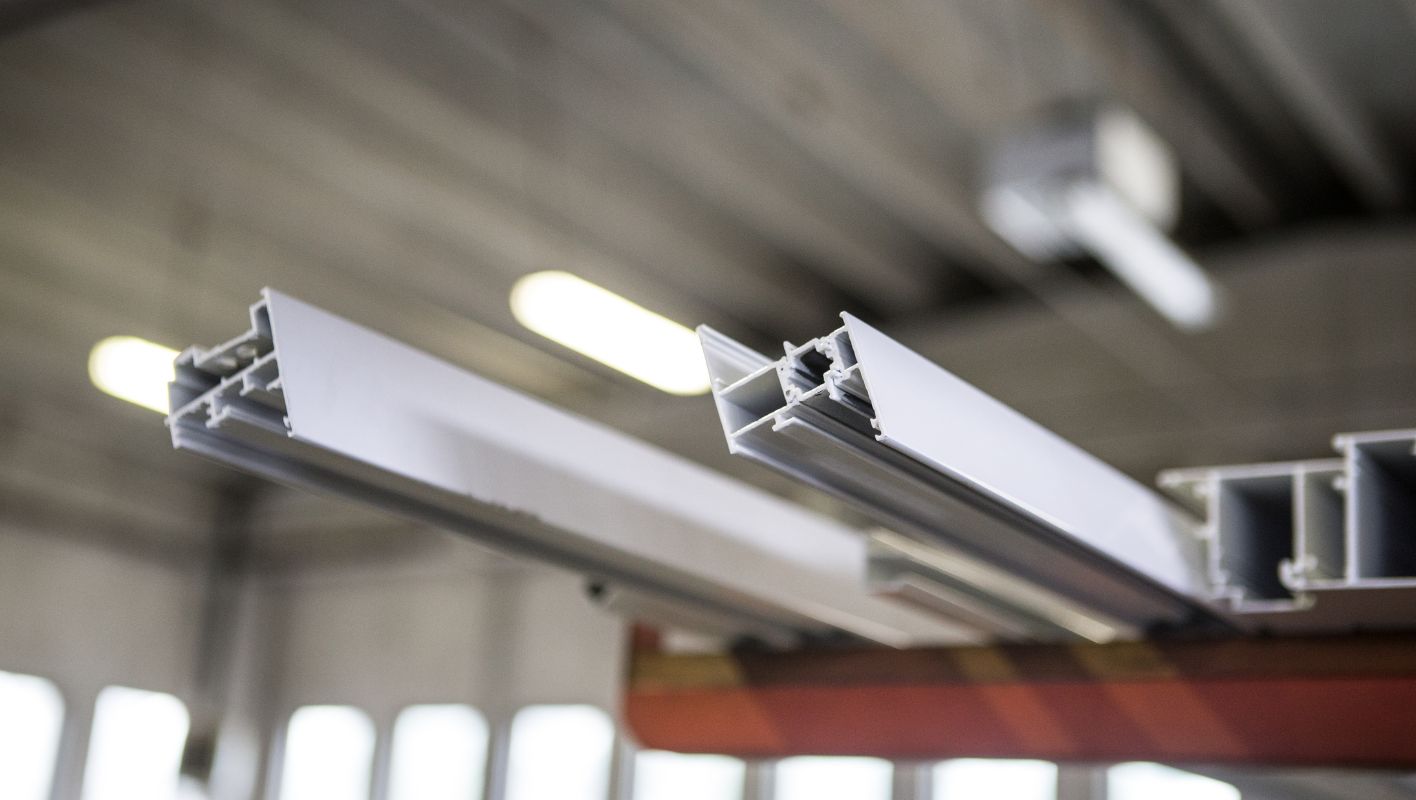
Have you ever wondered how aluminum becomes the unsung hero in our everyday lives?
Aluminum extrusions are crucial in industries like automotive, construction, and electronics due to their strength, light weight, and ability to be molded into complex shapes. They play vital roles as components in everything from vehicle frames to window frames and electronic housings.
Exploring the myriad uses of aluminum extrusions has always fascinated me. It’s like uncovering the hidden layers of how things around us are made. In this post, we’ll dive into specific examples, highlight the benefits, and unravel the extrusion process itself. Whether you’re a seasoned pro or just curious, you’ll find insights that could spark your next big idea.
Aluminum extrusions can be used in automotive frames.True
Due to their strength and light weight, aluminum extrusions are used in vehicle frames.
Aluminum extrusions are heavier than steel.False
Aluminum extrusions are lighter than steel, making them ideal for various applications.
Why are aluminum extrusions beneficial to the automotive industry?
When I first encountered aluminum extrusions in the automotive industry, I was amazed at their transformative potential. Have you ever wondered why they are favored over traditional materials like steel?
Aluminum extrusions benefit the automotive industry by significantly reducing vehicle weight, boosting fuel efficiency, and offering superior design flexibility. They enhance safety and sustainability, perfectly aligning with modern manufacturing needs.
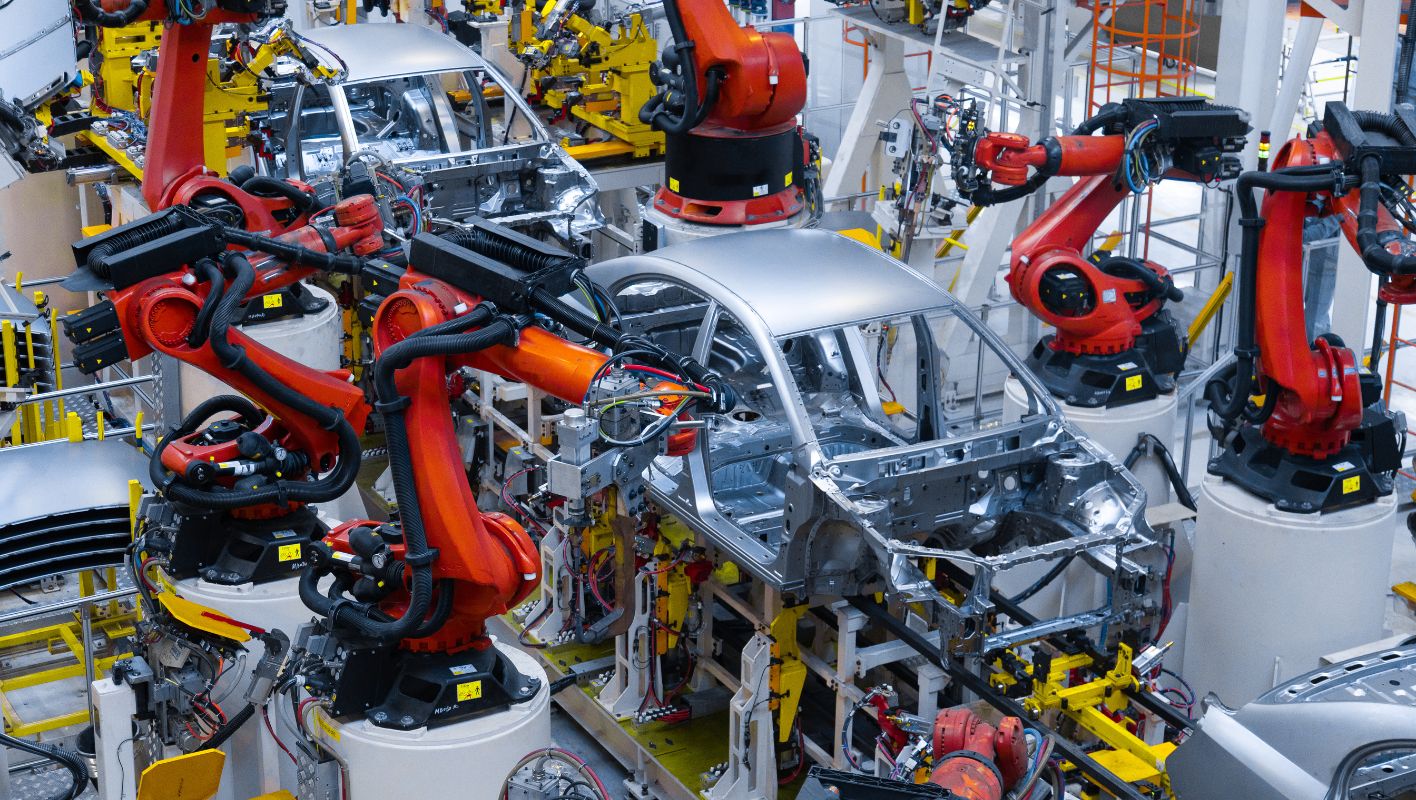
Weight Reduction and Fuel Efficiency
I remember the first time I realized the impact of switching from steel to aluminum in a car component. It felt like magic—how could something so lightweight be so strong? Aluminum’s lighter properties mean that when automakers replace steel components1 with aluminum extrusions, they achieve significant weight savings. This isn’t just about making cars faster; it’s about making them smarter by improving fuel efficiency, allowing vehicles to travel further on less fuel.
Design Flexibility and Innovation
The malleability of aluminum is like a playground for automotive designers. I once witnessed a designer’s face light up when they realized the intricate designs they could achieve with aluminum—shapes that were previously just ideas sketched on paper. Through extrusion processes, manufacturers can create these complex shapes, enabling innovative vehicle designs that push the boundaries of what’s possible. This flexibility supports modern automotive design2 trends, offering endless possibilities.
Enhanced Safety Features
Safety is always a priority, and aluminum extrusions play a vital role here too. They’re not just lightweight—they’re incredibly strong and energy-absorbent. In crash situations, I’ve seen how they effectively dissipate energy, enhancing vehicle safety. The ability to tailor extrusions for specific applications means that safety-critical components3 can be optimized for performance, giving peace of mind to both manufacturers and drivers.
Environmental Sustainability
We all want to do our bit for the planet, and choosing aluminum is a step in the right direction. Its recyclability is a huge bonus. I’m always amazed at how aluminum components can be recycled repeatedly without losing quality. This makes it a sustainable choice for automotive manufacturers4 aiming to minimize their environmental footprint, aligning with the growing emphasis on eco-friendly manufacturing.
| Advantages | Details |
|---|---|
| Weight Reduction | Lighter vehicles; improved fuel efficiency |
| Design Flexibility | Allows complex shapes; supports innovation |
| Safety Enhancements | Energy absorption in crashes |
| Environmental Benefits | Recyclability; eco-friendly manufacturing |
Aluminum extrusions improve vehicle fuel efficiency.True
Aluminum reduces vehicle weight, enhancing fuel efficiency by allowing longer travel on less fuel.
Steel components offer more design flexibility than aluminum.False
Aluminum's malleability allows for intricate designs, unlike steel, supporting innovative automotive designs.
How Do Aluminum Extrusions Impact Construction?
Have you ever wondered how aluminum extrusions have quietly transformed the construction world?
Aluminum extrusions are indispensable in modern construction due to their lightweight, durable, and eco-friendly attributes. These versatile components enhance design flexibility and improve energy efficiency, making them ideal for structural frames, curtain walls, and facade elements.

Aluminum Extrusions in Structural Frameworks
Aluminum extrusions provide robust support in building frameworks. Their lightweight nature reduces the load on foundations while maintaining structural integrity. This quality5 is particularly beneficial in seismic zones where reducing building weight can improve safety.
| Benefit | Description |
|---|---|
| Lightweight | Reduces overall building weight and foundation stress. |
| Strength | Offers comparable strength to steel with less weight. |
| Corrosion Resistance | Ensures longevity in harsh environments. |
Enhancing Aesthetics with Curtain Walls
Curtain walls made of aluminum extrusions offer an aesthetic appeal by providing sleek and modern building facades. These structures6 also allow for expansive use of glass, improving natural light entry and reducing energy consumption.
Sustainability and Energy Efficiency
Aluminum is highly recyclable, contributing to sustainable building practices. Using recycled aluminum extrusions not only reduces carbon footprint but also supports energy-efficient building designs through improved insulation and thermal breaks7. This makes them ideal for green building certifications.
Customization and Design Flexibility
Architects value aluminum extrusions for their ability to be customized into various shapes and profiles, allowing for innovative design possibilities. This adaptability aids in creating custom solutions8 that meet specific architectural requirements, offering architects the freedom to push design boundaries.
Understanding these aspects can help professionals like John from the Metal Processing Buyer User Profile make informed decisions when sourcing materials for construction projects, ensuring quality, compliance, and sustainability goals are met efficiently. By leveraging the benefits of aluminum extrusions, construction projects can achieve both functional and aesthetic excellence.
Aluminum extrusions are heavier than steel.False
Aluminum extrusions are lighter than steel, reducing building weight.
Recycled aluminum reduces carbon footprint in construction.True
Using recycled aluminum lowers emissions and supports sustainability.
Why Are Aluminum Extrusions Important in Electronics?
Ever wondered how your sleek smartphone or ultra-thin laptop stays cool and light? Aluminum extrusions hold the secret.
Aluminum extrusions are crucial in electronics due to their superior heat dissipation, lightweight nature, and the ability to form complex shapes, which aid in both cooling and the structural integrity of devices.

Thermal Management
I remember my first day working in a metal processing factory. I was amazed by the power that a simple aluminum extrusion had over electronic devices. It’s not just about making things lighter; it’s about managing heat effectively. Electronics, as you probably know, get pretty hot. Without proper dissipation methods9, you could end up with a device that’s more temperamental than my old car on a winter morning! Aluminum’s high thermal conductivity is like magic for this—ideal for creating heat sinks that pull heat away from critical components.
Moreover, extruded profiles10 can be customized to enhance airflow. This innovation facilitates better heat distribution, which ultimately ensures devices run smoother and last longer.
| Property | Aluminum | Copper |
|---|---|---|
| Thermal Conductivity | High | Higher |
| Weight | Light | Heavy |
| Cost | Lower | Higher |
Lightweight Design
I recall lugging around my first laptop—it weighed a ton! Fast forward to today, and the difference is stark. Aluminum extrusions make modern devices incredibly portable without compromising on strength. Especially in mobile device manufacturing11, where every gram counts, aluminum allows for the kind of mobility that makes you forget you’re carrying a mini-computer in your backpack.
Structural Integrity
With all the hustle and bustle of everyday life, our gadgets take a beating. The structural integrity provided by aluminum extrusions ensures that these devices can withstand physical impacts and environmental challenges. It’s like having a reliable friend who always has your back. Engineers can design intricate profiles that fit together seamlessly, boosting the resilience of electronic housings and keeping our gadgets safe.
Design Flexibility
And let’s not forget design flexibility. When I started exploring product development, I was thrilled by the possibilities aluminum extrusions offered. You can choose from various finishes—like anodizing or powder coating—not just to enhance the look but also to boost resistance to corrosion. This flexibility is a game-changer for cost-effective customization, ensuring that products meet specific needs and adhere to industry standards12.
Understanding these benefits allows professionals like us to make smart decisions when incorporating aluminum extrusions into electronic designs. It’s about blending functionality with creativity, ensuring our devices are not only efficient but also stylish.
Aluminum has higher thermal conductivity than copper.False
Aluminum has a thermal conductivity of 235 W/mK, lower than copper's 401 W/mK.
Aluminum extrusions enhance device portability.True
Aluminum is lightweight, reducing overall device weight, crucial for portability.
How Does the Aluminum Extrusion Process Work?
Ever wondered how aluminum transforms into all those intricate shapes you see in everyday products? Let me take you on a journey through the aluminum extrusion process!
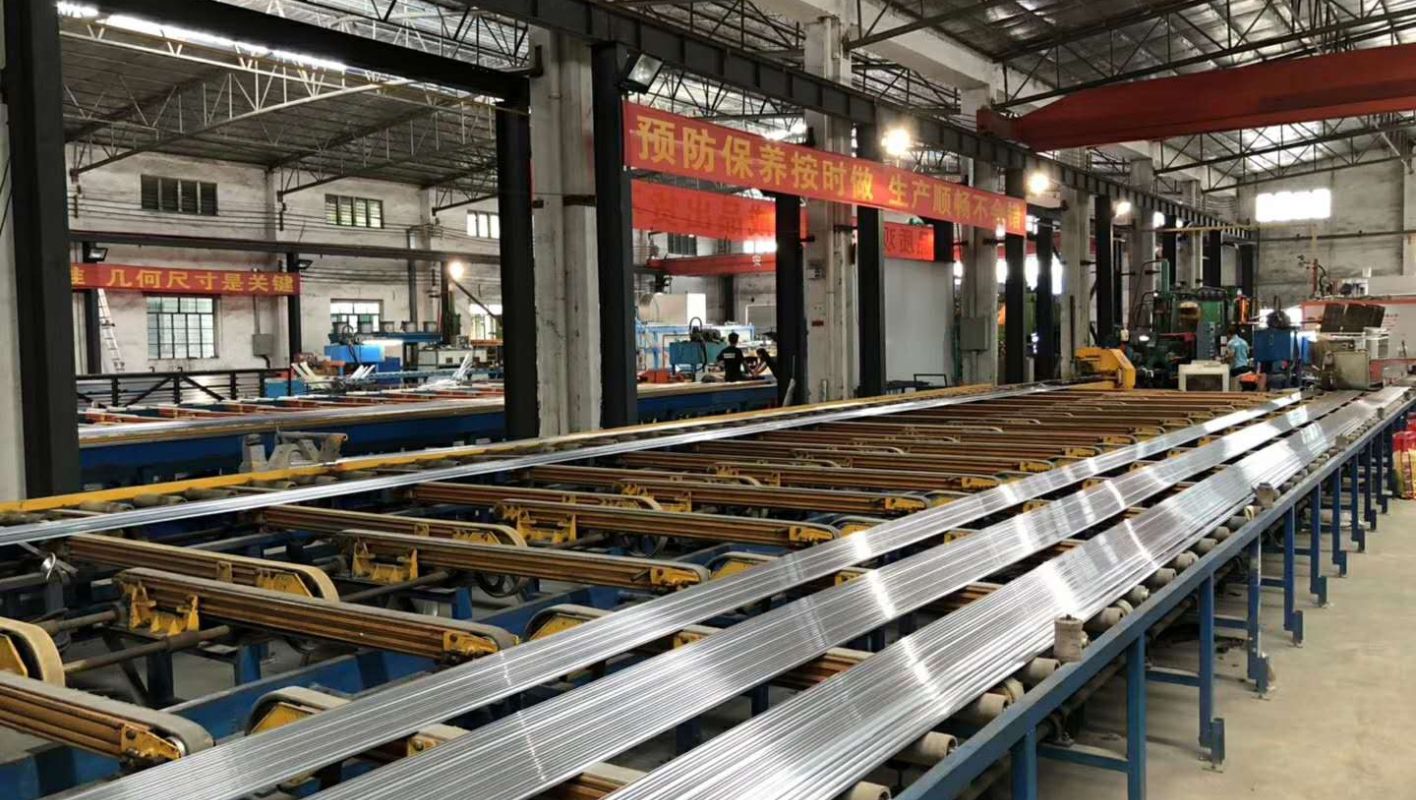
The aluminum extrusion process works by heating aluminum billets and pushing them through a die to form specific shapes. This results in components that are strong, lightweight, and versatile, perfect for use across multiple industries.
The Basics of Aluminum Extrusion
I remember the first time I saw aluminum extrusion in action—it was like witnessing magic. Imagine a massive, solid piece of aluminum alloy heated until it becomes malleable, ready to be transformed. This billet is then forced through a shaped die13, creating profiles that mimic the die’s cross-section. It’s like watching a metal version of dough being pushed through a cookie cutter, except the cookie is an essential component for industries worldwide.
Key Steps in the Process
-
Preheating the Billet: Preheating is crucial. I learned this the hard way during my early days in the factory—forgetting this step can turn your aluminum into a brittle mess instead of the sleek, strong profiles we strive for.
-
Extrusion: Once prepped, the heated billet is placed in a container, and with the force of a hydraulic ram, it’s pushed through the die. This moment determines the final shape of the extrusion, and trust me, seeing it happen is always a thrill.
-
Cooling: The extruded aluminum needs to cool down, using air or water, which solidifies its new form. Think of it as letting your freshly baked cookies set before you take a bite.
-
Stretching: Have you ever tried bending a ruler and noticed it doesn’t always stay straight? We stretch the extrusion to correct any warping, ensuring precision in its dimensions.
-
Cutting: Finally, we cut the profiles to the desired length and sometimes add finishing touches like anodizing or painting for added durability and aesthetic appeal.
Variations in Extrusion Techniques
-
Direct Extrusion: This is straightforward—you push the billet through a stationary die with a hydraulic press. It’s like pressing cookie dough through a cookie press—simple yet effective.
-
Indirect Extrusion: Here, the die moves toward the stationary billet, often requiring less force and energy—an efficient twist on the traditional method.
Applications Across Industries
Aluminum extrusions have always fascinated me because they’re everywhere—in cars, planes, and even buildings. Their lightweight yet strong nature makes them indispensable in industries like automotive, aerospace, and construction. Just think about how these extrusions contribute to manufacturing components like frames, brackets, and even electronic enclosures14.
Advantages of Aluminum Extrusion
| Advantages | Explanation |
|---|---|
| Lightweight | Aluminum’s low density makes extrusions easier to handle and transport. |
| Corrosion Resistance | Naturally forms a protective oxide layer, enhancing durability. |
| Recyclability | Aluminum can be recycled without losing its properties. |
| Customization | Allows for creation of unique profiles tailored to specific needs. |
Understanding these details equips professionals like John with insights into how aluminum extrusion can be leveraged for complex projects15 that require precision and efficiency. If you’re curious about how these techniques can be applied to your next big project, you’re not alone—I’ve been there too, and exploring these possibilities is always worth it.
Aluminum extrusions are always cooled with water.False
Aluminum extrusions can be cooled using either air or water.
Indirect extrusion requires less force than direct extrusion.True
The die moves towards the billet in indirect extrusion, needing less force.
Conclusion
Aluminum extrusions are vital in automotive, construction, and electronics for their lightweight, strength, design flexibility, and sustainability, enhancing performance and efficiency across various applications.
-
Discover how switching to aluminum from steel can lead to significant weight reduction and improved fuel efficiency. ↩
-
Explore how aluminum allows designers to create unique and complex vehicle shapes. ↩
-
Learn about aluminum’s role in enhancing vehicle safety through energy absorption in crashes. ↩
-
Understand how aluminum contributes to eco-friendly practices in the automotive industry. ↩
-
Discover why lightweight aluminum extrusions reduce building weight and enhance safety in seismic zones. ↩
-
Learn how aluminum curtain walls improve building aesthetics and natural light utilization. ↩
-
Explore how aluminum extrusions contribute to energy-efficient buildings through thermal breaks. ↩
-
See the flexibility of aluminum extrusions in meeting specific architectural designs. ↩
-
Explore how aluminum’s thermal properties aid in cooling electronic devices effectively. ↩
-
Discover the advantages of custom extruded aluminum profiles for electronics. ↩
-
Learn why aluminum’s lightweight properties are favored in mobile tech. ↩
-
Understand the standards governing aluminum extrusion use in electronics. ↩
-
Exploring shaped dies helps understand how intricate aluminum profiles are crafted. ↩
-
See real-world applications of extrusions in electronics. ↩
-
Gain insights into using extrusions for intricate designs. ↩






