
Are Aluminum Extrusions Strong?
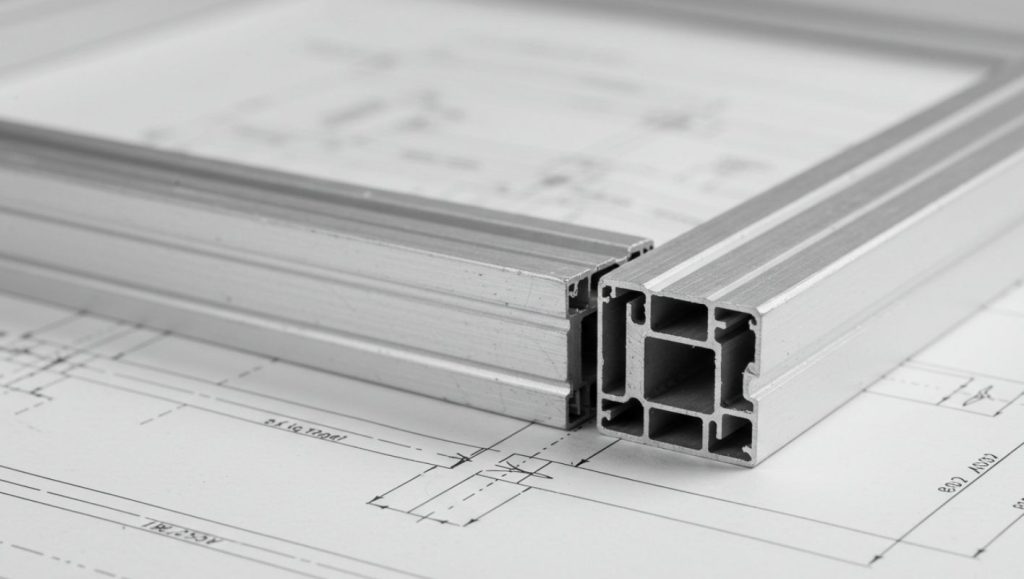
Aluminum extrusions are renowned for their impressive strength-to-weight ratio, often outperforming heavier materials like steel in specific applications. Their durability and lightweight nature make them suitable for load-bearing structures across industries. Key factors contributing to their strength include alloy composition, precision manufacturing processes, innovative design strategies, and advanced surface treatments like anodizing. These properties not only enhance performance but also ensure sustainability through the use of recycled materials. Understanding the advantages of aluminum extrusions is crucial for making informed decisions in material selection for projects that require reliability under stress and environmental challenges.
What are the Benefits of Aluminum Extrusion Profiles?
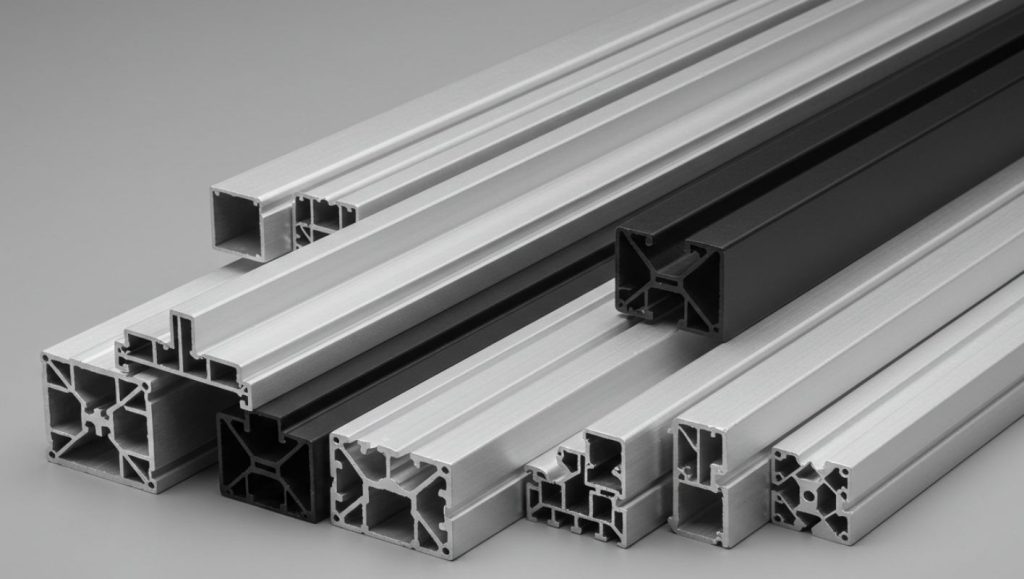
Aluminum extrusion profiles are versatile components that provide numerous benefits across multiple industries. Their lightweight nature combined with impressive strength and corrosion resistance makes them perfect for applications in architecture, automotive manufacturing, and electronics. These profiles are not only customizable but also sustainable due to their recyclability and energy-efficient production processes. As industries increasingly prioritize eco-friendly practices, aluminum extrusions stand out as a solution that balances performance with environmental responsibility. From enhancing fuel efficiency in vehicles to improving energy efficiency in buildings, the innovative applications of aluminum extrusions continue to grow. Understanding the cost factors associated with these profiles can help procurement managers make informed decisions while ensuring they meet technical specifications and sustainability goals.
What is Aluminum Extrusion Scrap 6063?
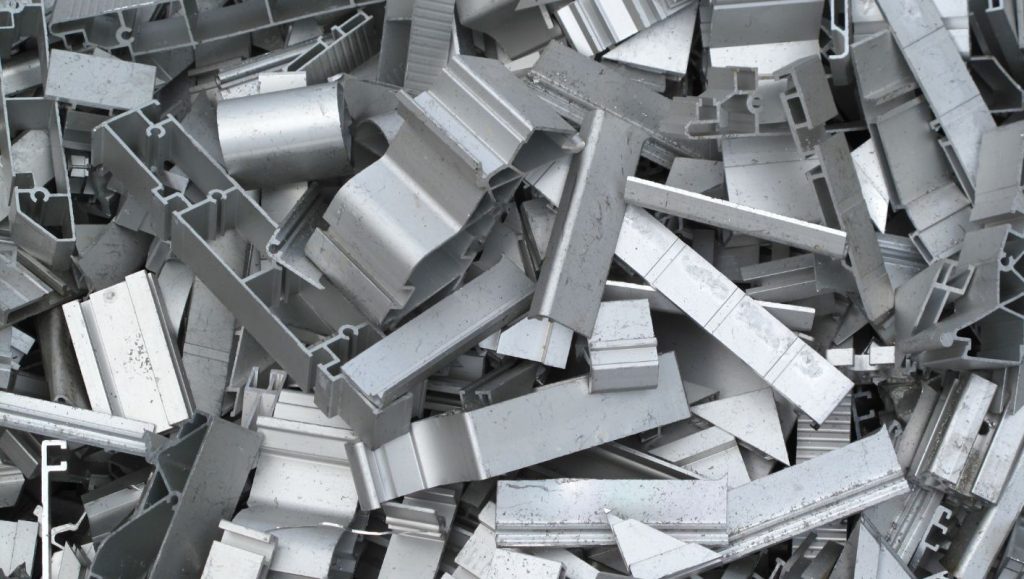
Aluminum Extrusion Scrap 6063 is a high-purity recycled aluminum alloy renowned for its smooth finish, corrosion resistance, and ease of machining. This material plays a crucial role in sustainable manufacturing, particularly in architectural applications such as window frames and roofing materials. Its excellent recyclability allows companies to melt it down for new products, significantly reducing energy consumption—up to 95% less than producing new aluminum. Despite challenges like maintaining quality and dealing with impurities, the benefits of using this scrap are substantial. Understanding market dynamics, purity levels, and supplier reliability are essential for procurement strategies that align with sustainability goals. By embracing Aluminum Extrusion Scrap 6063, industries can contribute to environmental conservation while optimizing production efficiency.
Can Steel or Iron be Extruded Into Pipes like Aluminium?
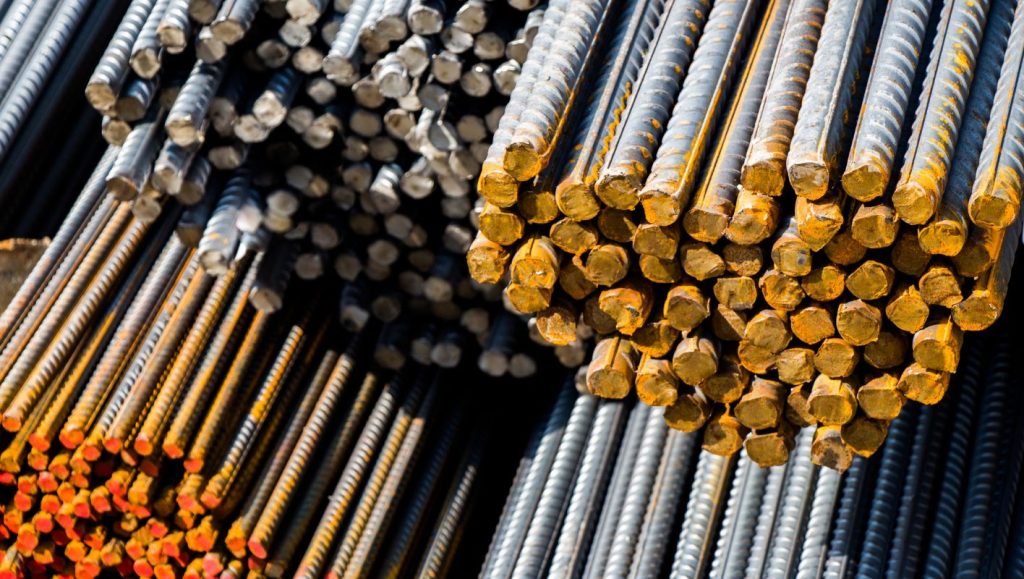
This article explores the complexities of extruding steel and iron into pipes compared to aluminum. While technically possible, steel and iron require specialized techniques like hot extrusion or drawing due to their higher melting points. The challenges include high power consumption, tool wear, limited design flexibility, and temperature control issues. Additionally, traditional manufacturing methods such as rolling and welding are highlighted alongside modern alternatives like spiral and laser welding. The unique strengths of steel and iron make them essential in various applications, particularly in construction and industrial settings where durability is crucial. Understanding these differences is vital for professionals in manufacturing and procurement.
Why is Aluminium Best for Extrusion?
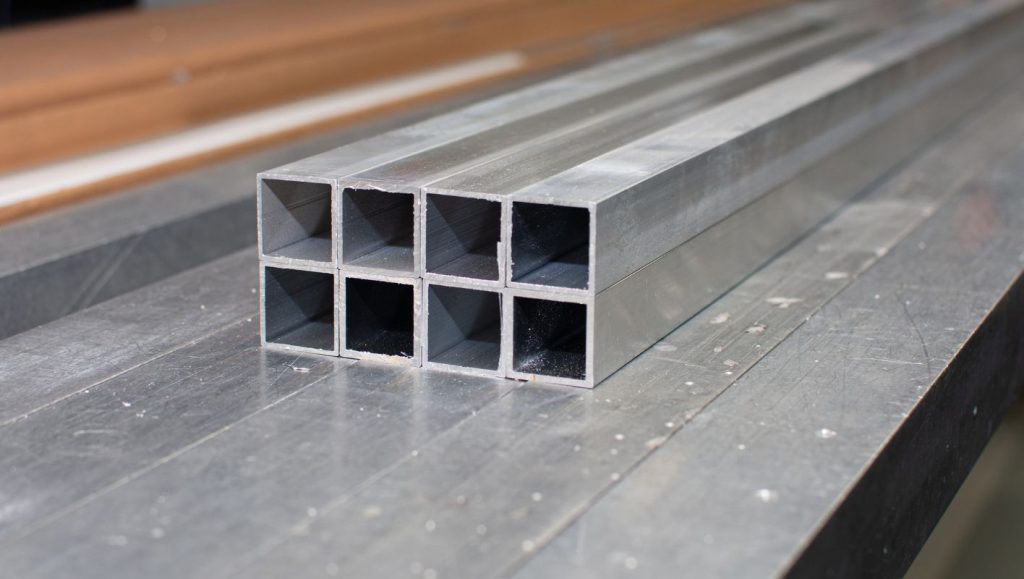
Aluminium stands out as the premier choice for extrusion because of its unique combination of lightweight strength, corrosion resistance, and adaptability. These properties enable manufacturers to create intricate designs while ensuring durability and precision across various applications. Industries such as automotive and aerospace benefit significantly from aluminium’s high strength-to-weight ratio, which enhances fuel efficiency and performance. Additionally, aluminium’s flexibility allows for efficient manufacturing processes that minimize waste. Its natural corrosion resistance ensures longevity even in harsh environments, reducing maintenance costs over time. As sustainability becomes increasingly important, aluminium’s recyclability further solidifies its status as an eco-friendly material choice. Overall, aluminium extrusion not only meets but exceeds industry standards by delivering quality solutions that cater to diverse needs.
