 Skip to content
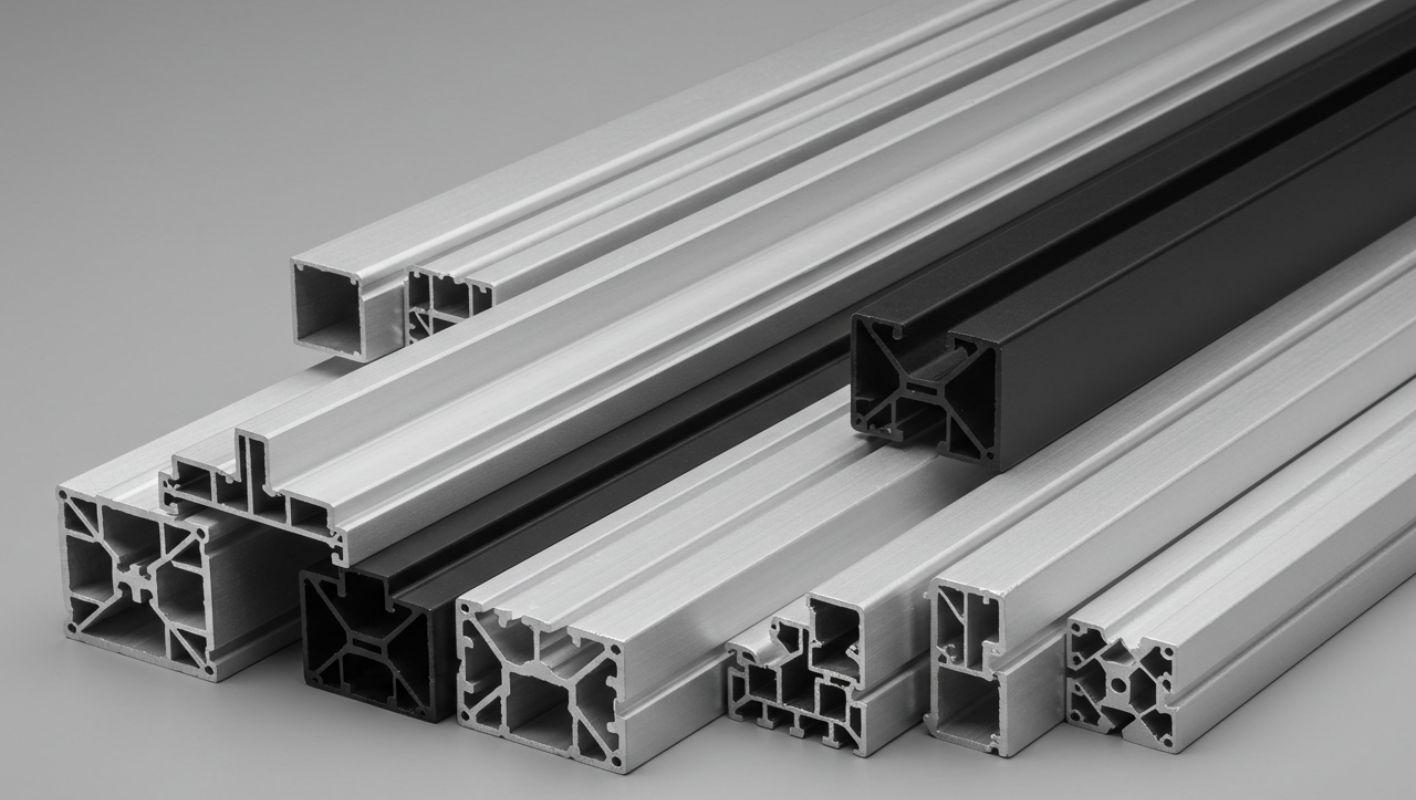
Ever stood in the aisle of possibilities, wondering which material could really take your project to the next level?
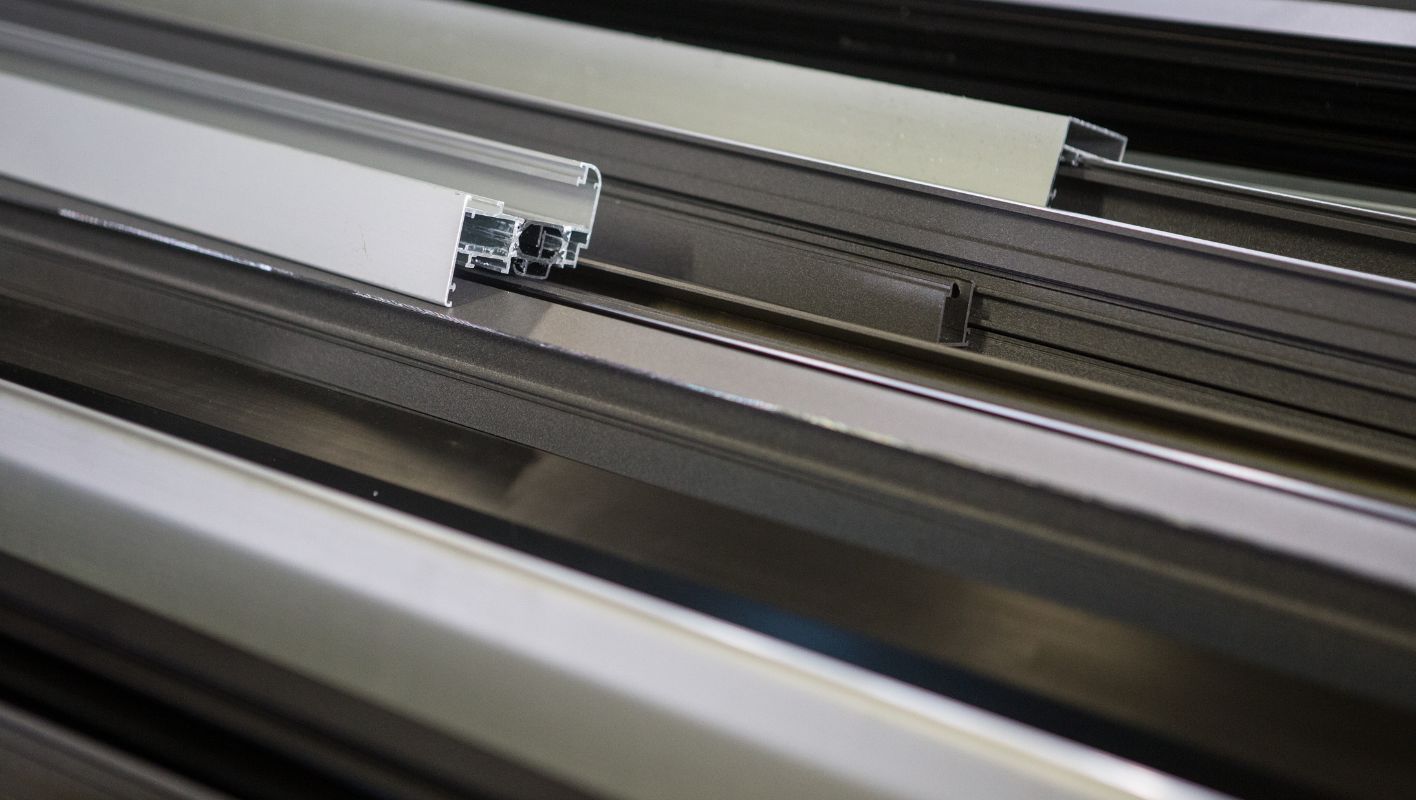
Aluminum extrusion profiles shine for their strength, lightweight nature, and superb corrosion resistance, making them perfect for architecture, automotive, and manufacturing uses. They’re also sustainable and budget-friendly, offering versatile solutions for diverse design needs.
I remember the first time I encountered aluminum extrusion profiles. It was during a project that seemed almost impossible until I realized these profiles could offer a perfect blend of strength and flexibility. As I delved deeper into their properties, I was amazed at how they could be customized to fit the unique requirements of each industry—from sleek architectural designs to robust automotive frameworks.
These profiles are not just about meeting technical specs; they embody innovation. The ability to mold them into various shapes while maintaining durability is like having a magic wand for engineers and designers. Plus, with sustainability becoming a priority, knowing that aluminum extrusions can be eco-friendly adds another feather to their cap. Imagine creating something not only strong and efficient but also kind to our planet. That’s a win-win in my book.
Aluminum extrusion profiles resist corrosion well.True
Aluminum naturally forms a protective oxide layer, enhancing its corrosion resistance.
Aluminum profiles are heavier than steel.False
Aluminum is lighter than steel, making it ideal for lightweight applications.
How Do Aluminum Extrusion Profiles Enhance Sustainability?
Imagine a world where the materials we use not only meet our needs but also nurture our planet.
Aluminum extrusion profiles improve sustainability by being highly recyclable, energy-efficient in production, and lightweight, which reduces emissions during transportation and enhances material efficiency across industries.
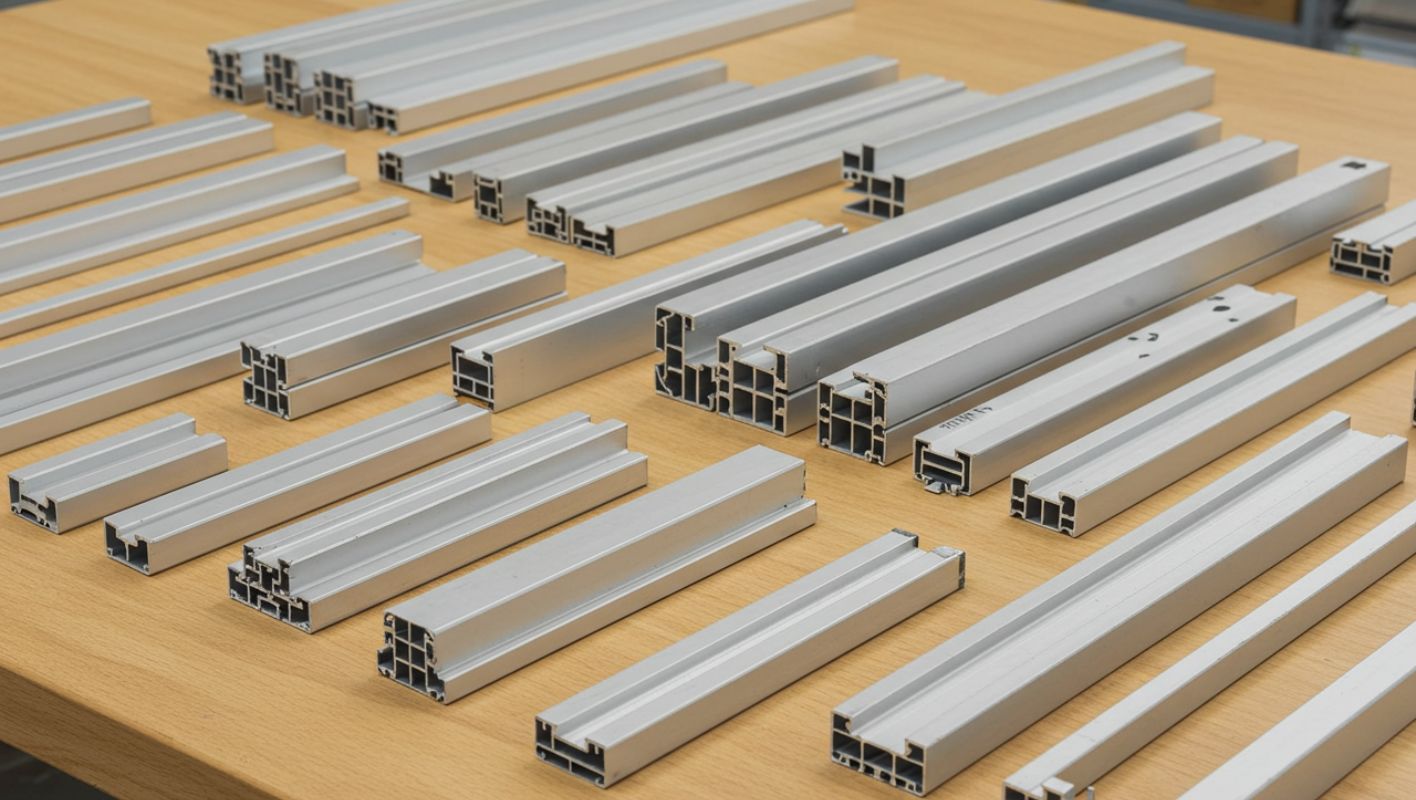
I remember my first encounter with aluminum extrusions at a bustling factory floor. It struck me how seamlessly they combined strength with sustainability, almost like nature itself had crafted them. This memory always reminds me of the incredible potential these profiles hold in promoting eco-friendly practices.
Recyclability: A Closed-Loop Process
Aluminum’s ability to be recycled over and over without losing its quality is nothing short of magic. It’s like the gift that keeps on giving! I once worked on a project where we switched to recycled aluminum, and the energy savings were mind-blowing—up to 95%! This massive reduction in energy consumption not only helped our bottom line but also drastically lowered our carbon footprint.
| Aspect | Recyclability Benefit |
|---|---|
| Energy Savings | Up to 95% less energy |
| Carbon Emissions | Drastically reduced |
| Material Integrity | Retained indefinitely |
Energy-Efficient Production Processes
In my experience, the process of creating aluminum extrusion profiles is incredibly efficient. Unlike traditional methods, extrusion involves pushing aluminum through a die to form shapes, using far less energy. I recall visiting a modern facility that employed cutting-edge technologies1 like waste heat recovery. It was inspiring to see how these innovations further minimized energy use.
Lightweight and Strong: Reducing Transportation Emissions
Aluminum’s lightweight nature is one of its greatest assets. I remember working on a project where switching to aluminum extrusions in car manufacturing led to a significant boost in fuel efficiency—up to 7%! It’s amazing how such a small change can have such a big impact. In industries like aerospace, using these profiles enhances payload efficiency while maintaining strength.
- Automotive Example: A vehicle’s overall weight reduction by 10% can lead to a 5-7% improvement in fuel economy.
- Aerospace Example: Aircraft using aluminum extrusions can achieve better payload efficiency.
Innovative Applications and Eco-Friendly Design
The versatility of aluminum extrusion profiles never ceases to amaze me. From sleek architectural designs that use less material to window frames with thermal breaks, these profiles are at the forefront of green building practices2. I’ve seen firsthand how these innovations not only enhance energy efficiency but also align with sustainable resource use.
As we move towards a more sustainable future, the demand for solutions like aluminum extrusions is growing across various sectors. Their recyclability, energy-efficient production, and lightweight strength make them pivotal in advancing eco-friendly industrial practices. It’s exciting to think about what the future holds as we continue to innovate and prioritize sustainability in our designs.
Recycled aluminum reduces energy use by 95%.True
Using recycled aluminum drastically cuts energy consumption, minimizing the carbon footprint.
Aluminum extrusions are heavier than steel.False
Aluminum is lightweight, offering a high strength-to-weight ratio, unlike steel.
What Industries Benefit Most from Aluminum Extrusion Profiles?
Ever wondered why aluminum extrusion profiles are a game-changer across industries? Here’s why these versatile components are indispensable.
Industries like construction, automotive, and electronics benefit greatly from aluminum extrusion profiles. They offer lightweight strength, corrosion resistance, and design flexibility, making them ideal for various applications.
Construction and Architecture
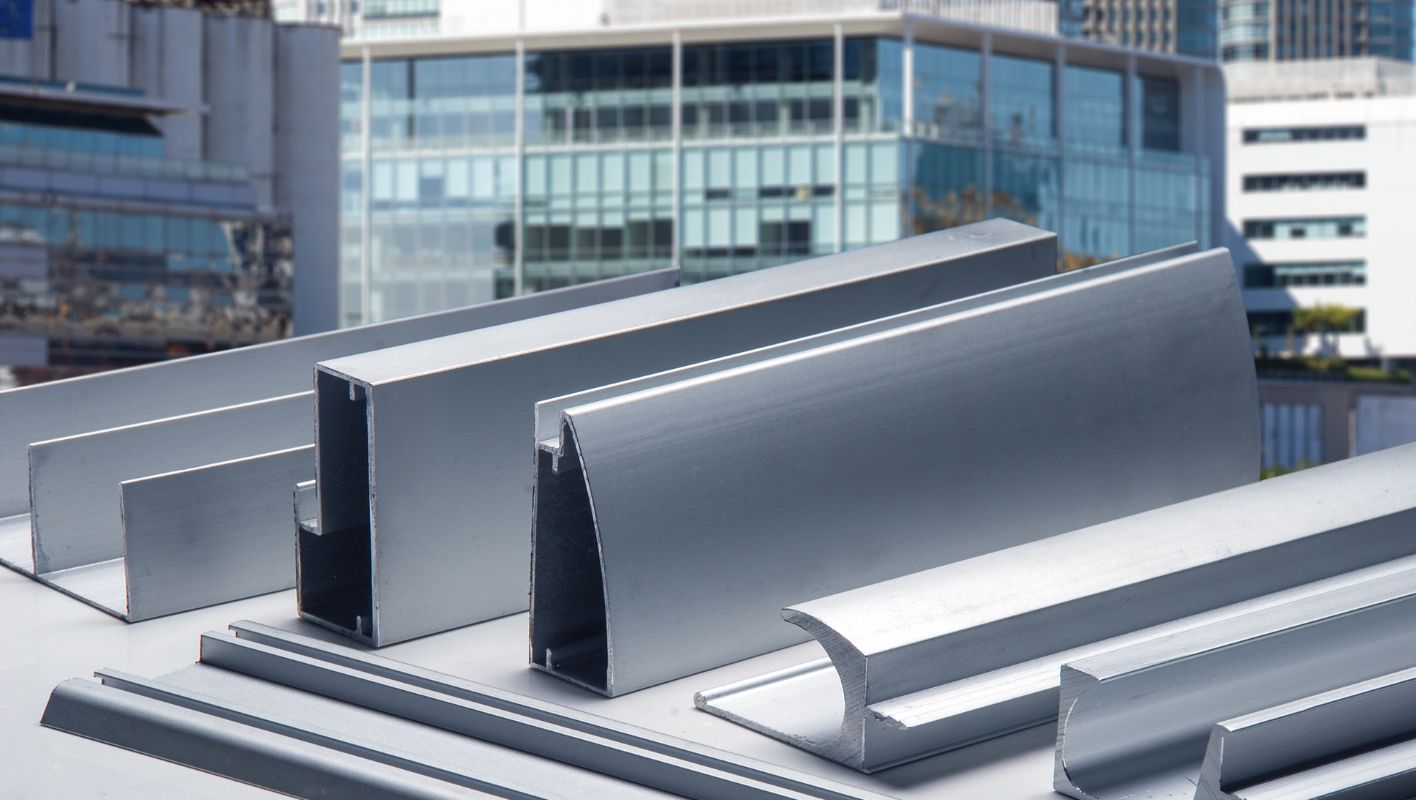
When I first walked into the construction world, aluminum extrusions were like a revelation. Imagine crafting curtain walls and window frames that not only stand the test of time but also defy gravity with their lightweight design. For architects craving to push the boundaries of creativity, aluminum is like a blank canvas, ready to be molded into any shape or form imaginable, offering design flexibility3 that’s hard to match.
| Feature | Benefits |
|---|---|
| Corrosion-resistant | Longevity in outdoor applications |
| Lightweight | Easier installation and transport |
Automotive Industry
Stepping into the automotive sector was like entering a world where every ounce counts. Here, aluminum extrusions are the unsung heroes. Reducing vehicle weight was our mantra, and these profiles delivered in spades. Who would’ve thought that something so light could enhance fuel efficiency and improve safety? Whether it’s in crash management systems or body panels, aluminum is the secret sauce to enhanced safety4 and performance.
| Application | Advantage |
|---|---|
| Chassis components | Increased fuel efficiency |
| Bumpers | Improved crash energy absorption |
Electronics and Consumer Goods
In the electronics realm, heat is the enemy. I remember when we started using aluminum extrusions for heat sinks – it was a game-changer. Devices remained cool and efficient, thanks to aluminum’s thermal prowess. Plus, it didn’t hurt that these profiles added a sleek look to our gadgets. In the electronics sector5, marrying aesthetics with utility is a dream come true.
| Use Case | Reason |
|---|---|
| Heat sinks | Efficient heat dissipation |
| Device casings | Lightweight yet durable design |
Renewable Energy
With renewable energy becoming the new frontier, aluminum extrusions feel like they’re tailor-made for this revolution. Solar panels and wind turbines owe a lot to these profiles. Their recyclability aligns perfectly with our eco-friendly aspirations, providing lasting environmental benefits6. For anyone in solar or wind energy, they offer the durability and lightness needed to capture nature’s gifts efficiently.
| Sector | Impact |
|---|---|
| Solar energy | Lightweight frames for panels |
| Wind energy | Durable turbine components |
Aluminum extrusions are used in vehicle crash systems.True
They improve safety by absorbing crash energy, enhancing vehicle performance.
Aluminum is rarely used in renewable energy projects.False
Aluminum is key in solar and wind energy for its recyclability and durability.
How Does the Strength of Aluminum Extrusion Compare to Other Materials?
Remember the last time you had to choose between a durable steel or a lighter aluminum for a project? It’s a tough call, right? Let’s break it down together.
Aluminum extrusion shines with its impressive strength-to-weight ratio, often outperforming heavier materials like steel in lightweight applications. While steel may offer greater raw strength, aluminum’s reduced weight makes it the go-to for projects where agility matters.
Comparing Strength-to-Weight Ratios
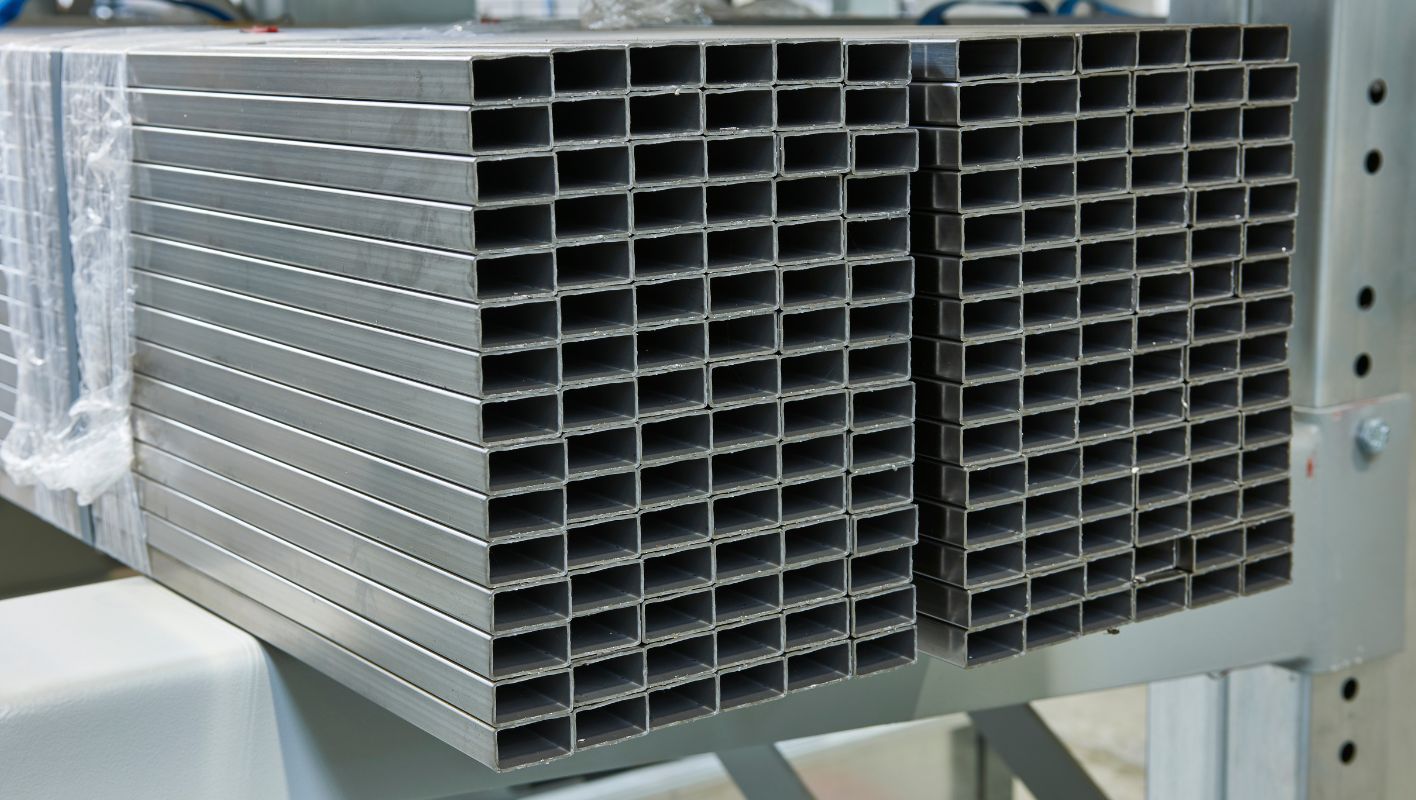
I remember working on a project where we had to decide between using aluminum and steel. It was an eye-opener to discover just how much aluminum’s strength-to-weight ratio7 mattered. Even though steel boasted higher absolute strength, aluminum delivered comparable strength with far less weight. This was a game-changer in the automotive and aerospace industries, where every ounce saved could translate into better fuel efficiency.
| Material | Density (g/cm³) | Tensile Strength (MPa) | Strength-to-Weight Ratio |
|---|---|---|---|
| Aluminum | 2.7 | 310 | High |
| Steel | 7.85 | 400-550 | Medium |
| Titanium | 4.5 | 434 | High |
Durability and Corrosion Resistance
In my early days working with metals, I was fascinated by how aluminum naturally resists corrosion. It forms this protective oxide layer that shields it from the elements, unlike steel which often needs extra coatings to avoid rusting. This makes aluminum perfect for outdoor uses like window frames and patio furniture, where longevity is key.
Customization and Versatility
One of my favorite aspects of aluminum extrusions is their flexibility in design. It’s like having a Swiss Army knife in the engineering world—able to be shaped and customized without losing its strength. This adaptability can be a bit of a challenge with steel, often requiring more machining or welding. In architecture, where style meets function, aluminum’s ability to balance strength with design versatility makes it a go-to for curtain walls and other features.
Cost Considerations
Budgeting is always a tricky part of project planning. I’ve found that while aluminum extrusions might initially seem pricier than some steel grades, the savings in manufacturing and assembly are worth noting. Its lightweight nature means easier handling and less wear on tools—factors that can add up to significant cost savings over time.
In conclusion, while aluminum extrusions might not always boast the raw power of other materials, their unique blend of lightness, corrosion resistance, and adaptability often makes them the top pick for many engineering and architectural applications. If you’re considering a project that might benefit from these advantages, take a closer look at aluminum’s benefits8 to see if it’s the right fit for your needs.
Aluminum has a higher strength-to-weight ratio than steel.True
Aluminum offers equivalent strength with significantly less weight, enhancing its ratio.
Steel naturally resists corrosion better than aluminum.False
Aluminum forms a natural oxide layer for corrosion resistance; steel needs coatings.
What Should I Consider About Costs When Choosing Aluminum Extrusion Profiles?
Navigating the world of aluminum extrusion profiles can feel like a puzzle, with costs influenced by many hidden factors.
When considering the cost of aluminum extrusion profiles, key factors include material selection, die design complexity, production volume, and finishing choices. Grasping these elements aids in effective budgeting and procurement.
Material and Alloy Choice
I remember the first time I had to decide on which aluminum alloy to use. It felt a bit like choosing a car—each has its own set of features and price tag. Common alloys like 6061 and 6063 are the reliable sedans of the aluminum world: dependable and reasonably priced. But if you’re eyeing something with more specialized traits, expect to pay a premium due to specific performance characteristics9.
Die Design and Tooling Costs
Picture this: you’re crafting a custom extrusion profile. It’s like sculpting a masterpiece, but instead of clay, you’re working with metal. The more intricate the design, the more expensive the tooling. I’ve found that simpler shapes can save a lot on costs since they often use existing dies.
| Die Complexity | Cost Implications |
|---|---|
| Simple | Low |
| Moderate | Medium |
| Complex | High |
Production Volume Impact
Here’s a lesson I learned early on: buying in bulk isn’t just for groceries. In the world of extrusion, the more you order, the less you pay per unit. It’s the beauty of economies of scale. Larger orders often come with perks like discounts or better rates.
Finishing Options
Think of finishing processes like accessorizing an outfit. Whether it’s anodizing for that sleek, corrosion-resistant look or powder coating for durability, each choice comes with its own price tag.
| Finish Type | Cost Factor |
|---|---|
| Anodizing | Moderate |
| Powder Coating | High |
Your pick should align with both function and aesthetics.
Labor and Production Efficiency
Labor costs can be a wild card. Depending on where you source from and how efficient their operations are, prices can vary significantly. I’ve seen advanced facilities with automated systems cut down on labor expenses, which can really help balance the books.
Exploring different suppliers’ capabilities and their production technologies10 can reveal cost-saving opportunities.
Sustainability Considerations
Sustainability might seem like a buzzword, but it’s crucial, especially for long-term savings. Using recycled aluminum or eco-friendly processes might have an upfront cost, but I’ve found that they often lead to energy efficiency and cost savings down the line.
Evaluating sustainable practices11 in suppliers can align with environmental goals while managing costs effectively.
Understanding these factors empowers you to make informed decisions in budgeting and procurement when selecting aluminum extrusion profiles.
6061 and 6063 alloys are the most expensive aluminum options.False
6061 and 6063 are common, cost-effective alloys, not the priciest.
Higher production volumes reduce the cost per aluminum unit.True
Economies of scale lower costs as production volume increases.
Conclusion
Aluminum extrusion profiles offer strength, lightweight design, corrosion resistance, and sustainability, making them ideal for various industries including construction, automotive, and electronics.
-
Highlights advanced technologies improving the energy efficiency of aluminum extrusion processes. ↩
-
Details how aluminum extrusions contribute to green building practices through enhanced energy efficiency. ↩
-
Discover innovative architectural uses for aluminum extrusions that enhance design aesthetics while maintaining structural integrity. ↩
-
Explore how aluminum extrusions improve vehicle safety by absorbing impact energy during crashes. ↩
-
Learn about the crucial role aluminum extrusions play in electronic device performance and cooling. ↩
-
Understand how aluminum supports sustainable practices in renewable energy projects through its recyclability. ↩
-
Discover how aluminum’s strength compares with its weight advantage over steel in engineering applications. ↩
-
Uncover the numerous advantages of using aluminum in various construction projects. ↩
-
Learn about different aluminum alloys to select the best one for your needs, balancing performance and cost. ↩
-
Discover how modern technologies in extrusion can enhance production efficiency and cost-effectiveness. ↩
-
Explore eco-friendly practices in aluminum extrusion that can offer both environmental and cost benefits. ↩







