
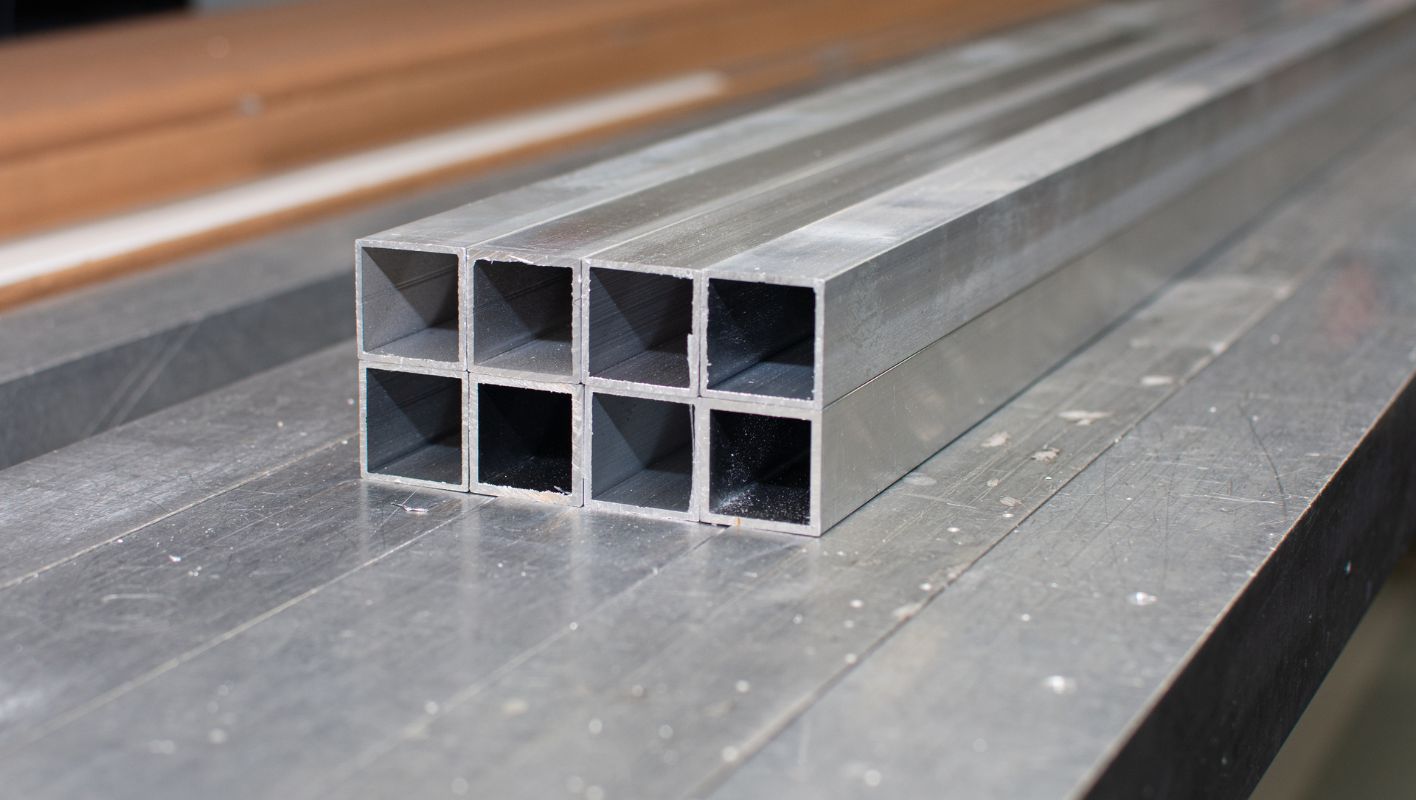
Imagine transforming a simple block of metal into any shape you need, thanks to aluminium’s magic touch.
Aluminium is best for extrusion because it’s lightweight yet strong, resists corrosion, and can be molded into almost any shape. These traits make it perfect for industries like automotive and construction, where precision and durability are key.
I remember the first time I encountered the marvel of aluminium extrusion—it felt like watching a magician perform tricks. The way this metal could be shaped into anything from intricate architectural frameworks to the sleek lines of a sports car was mesmerizing. You see, aluminium isn’t just a choice for extrusion; it’s the ideal choice. Its lightweight nature doesn’t compromise its strength, making it perfect for applications that require both durability and precision.
But there’s more to it than just its physical properties. Aluminium’s ability to resist corrosion means that products not only perform well but look great over time, maintaining their integrity even in harsh environments. This is crucial, especially in sectors like automotive and aerospace, where every component must withstand rigorous conditions without faltering.
And let’s not forget versatility. Whether it’s for structural components in construction or custom designs in industrial solutions, aluminium’s adaptability is unmatched. It’s this combination of features that makes aluminium the go-to material for those who value quality and innovation. Having worked with it extensively, I can vouch for its unmatched practicality and beauty in engineering solutions.
Aluminium's high strength-to-weight ratio aids in aerospace applications.True
This property makes aluminium ideal for lightweight, strong aerospace parts.
Aluminium is the lightest metal used in extrusion.False
Magnesium is lighter than aluminium, though aluminium is commonly used.
What Makes Aluminium’s Strength-to-Weight Ratio Unique?
Ever wondered why aluminium is the go-to choice for industries like aerospace and automotive?
Aluminium’s strength-to-weight ratio stands out because it combines significant strength with low weight, making it ideal for load-bearing designs in fields like aerospace and automotive.
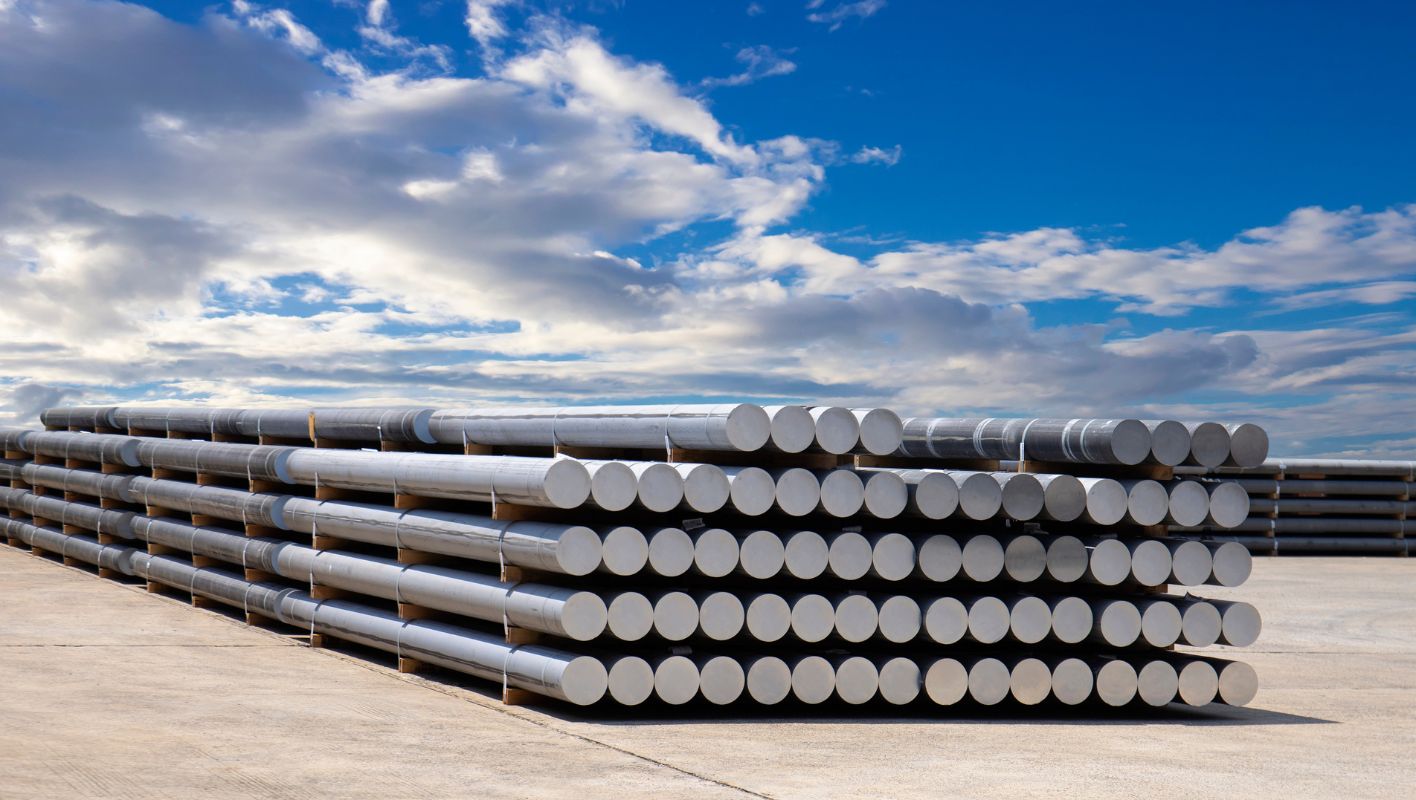
The Science Behind Aluminium’s Strength
When I first dove into the world of aluminium, its unique strength-to-weight ratio fascinated me. Imagine lifting something as light as a feather yet strong enough to support incredible loads—that’s aluminium for you! This incredible property stems from its atomic structure. The metal forms these strong metallic bonds thanks to its crystalline structure, allowing it to bear substantial forces while still being lightweight. It’s the secret sauce that makes aluminium so vital where every ounce counts—think aircraft or race cars.
| Property | Aluminium | Steel | Titanium |
|---|---|---|---|
| Density (g/cm³) | 2.7 | 7.85 | 4.5 |
| Tensile Strength | Medium | High | Very High |
| Yield Strength | Medium | High | Very High |
Practical Applications
In my early days in the industry, I was part of a team designing components for an aircraft project. We quickly realized how critical aluminium was; not just for keeping the weight down, but for improving fuel efficiency and payload capacity, all without compromising safety. It was like finding the perfect balance on a tightrope. That’s why aluminium is often preferred over heavier metals like steel1, which, while strong, can’t match aluminium’s lightweight charm.
Comparing with Other Metals
I remember having this debate with a colleague about whether to use titanium or aluminium for a specific project. Titanium boasted incredible strength but came with a hefty price tag. Aluminium struck the right balance between affordability and performance. Plus, its corrosion resistance was a huge bonus, enhancing its durability2 in various environments.
Material Innovations and Sustainability
These days, I’m amazed at how far we’ve come with aluminium alloys. Engineers are continually tweaking the compositions to enhance its strength-to-weight ratio. It’s like having a custom toolbox for every job—be it needing increased tensile strength or better thermal conductivity. What excites me even more is aluminium’s sustainability. You can recycle it repeatedly without losing its properties, which is a game-changer in our increasingly eco-conscious world.
Understanding these aspects has been invaluable to me in roles like Liam’s, where choosing the right materials is crucial for project success. Whether you’re sourcing materials for a new architectural marvel or the next generation of vehicles, aluminium’s strength-to-weight ratio offers an impressive combination of strength, affordability, and sustainability.
Aluminium has a higher density than steel.False
Aluminium's density is 2.7 g/cm³, while steel's is 7.85 g/cm³.
Aluminium is more cost-effective than titanium.True
Aluminium offers a balance of performance and affordability compared to titanium.
How does aluminium’s flexibility benefit extrusion processes?
Imagine the possibilities when aluminium’s flexibility meets innovation—it’s like giving your creative ideas a stretchable canvas.
Aluminium’s flexibility in extrusion processes allows manufacturers to create detailed designs with minimal waste, enhancing efficiency and enabling innovative applications across various industries.
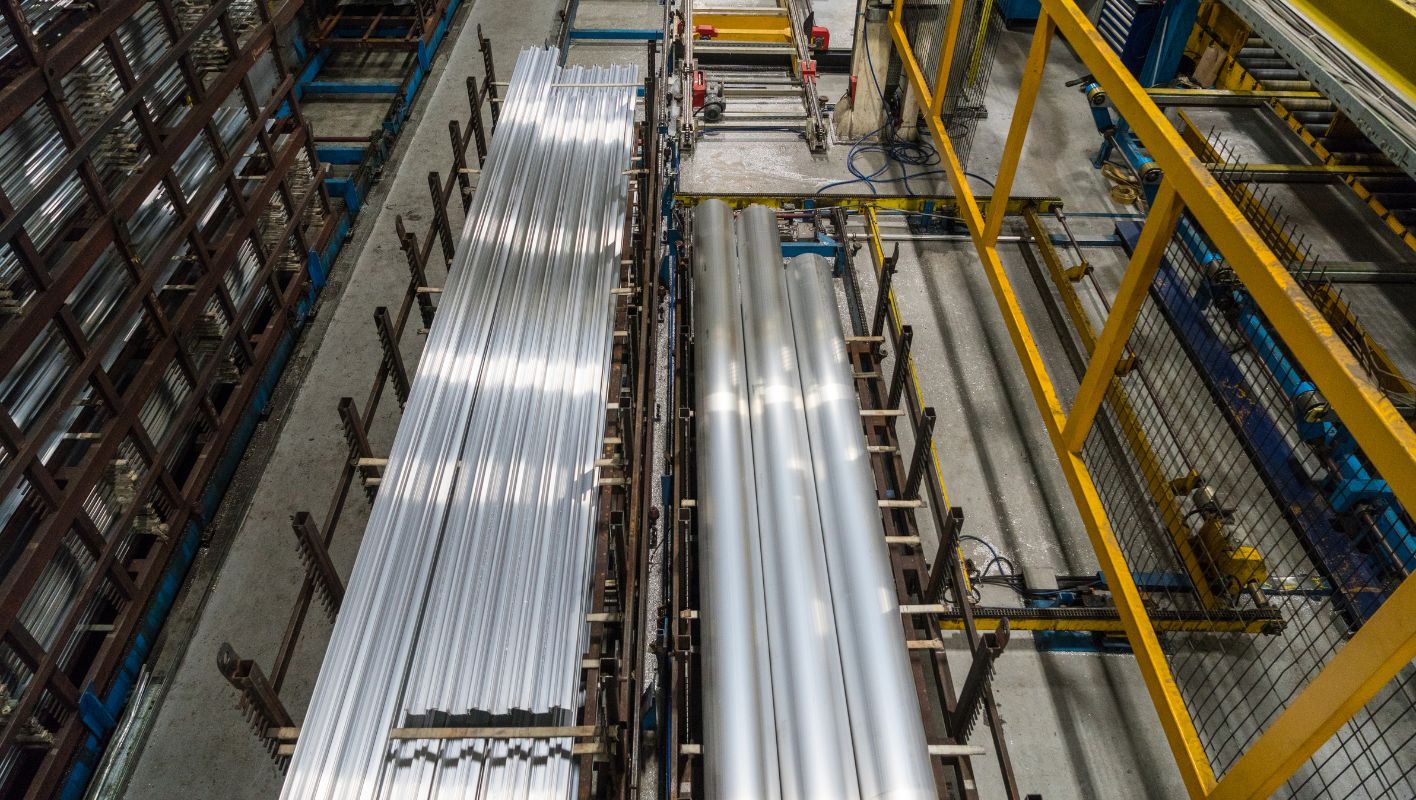
Aluminium’s Flexibility: A Key to Design Versatility
I remember my first encounter with aluminium’s flexibility3. It was like discovering a magic trick in manufacturing. This incredible metal can morph into complex shapes with ease, which is why it’s such a favorite in demanding industries. Whether it’s crafting sleek car parts or creating intricate aerospace components, aluminium makes it possible to tailor designs precisely to what each application requires.
| Industry | Application | Benefit |
|---|---|---|
| Automotive | Structural components, trim | Customization and weight reduction |
| Aerospace | Airframe sections, interior fittings | Precision and durability |
| Architecture | Window frames, curtain wall systems | Aesthetic appeal and structural strength |
Efficiency in Manufacturing
There’s something deeply satisfying about seeing a continuous profile come out of an extrusion machine, knowing that aluminium’s adaptability is at work. By minimizing material waste, we not only keep costs down but also help the planet a bit—every little counts, right? Plus, with less need for extra machining, we cut down lead times significantly.
Aluminium’s flexibility not only supports complex designs4 but also enhances manufacturing efficiency. The material’s adaptability minimizes the need for additional machining.
Safety and Heat Dissipation
Working with electronics or anything flammable? Aluminium’s flexibility comes to the rescue yet again. I’ve seen it form heat-dissipating profiles that not only manage thermal issues but also enhance safety. Picture it: LED housings and power electronics benefiting from these clever designs that keep them cool and safe.
- Feature: Ability to form heat-dissipating profiles
- Impact: Enhanced safety in high-temperature or sensitive environments
- Example: Utilization in LED housings and power electronics
By leveraging the unique properties of aluminium, we can fine-tune our extrusion processes to craft high-performing products that meet the strictest standards and cater to a wide array of applications5. This isn’t just about meeting industry standards—it’s about exceeding them and setting new benchmarks for what’s possible.
Aluminium's flexibility reduces material waste in extrusion.True
Aluminium's adaptability allows for continuous profiles, minimizing waste.
Aluminium is unsuitable for complex extrusion designs.False
Its flexibility makes it ideal for creating intricate profiles.
Why is Corrosion Resistance Important in Aluminium Extrusion?
Picture this: the thrill of building something that stands the test of time. That’s exactly what aluminum extrusion offers, with its secret weapon—corrosion resistance—ensuring durability even in the toughest environments.
Corrosion resistance in aluminum extrusion is key because it boosts durability, lowers maintenance costs, and maintains structural integrity in tough conditions, making it perfect for both architectural and industrial uses.
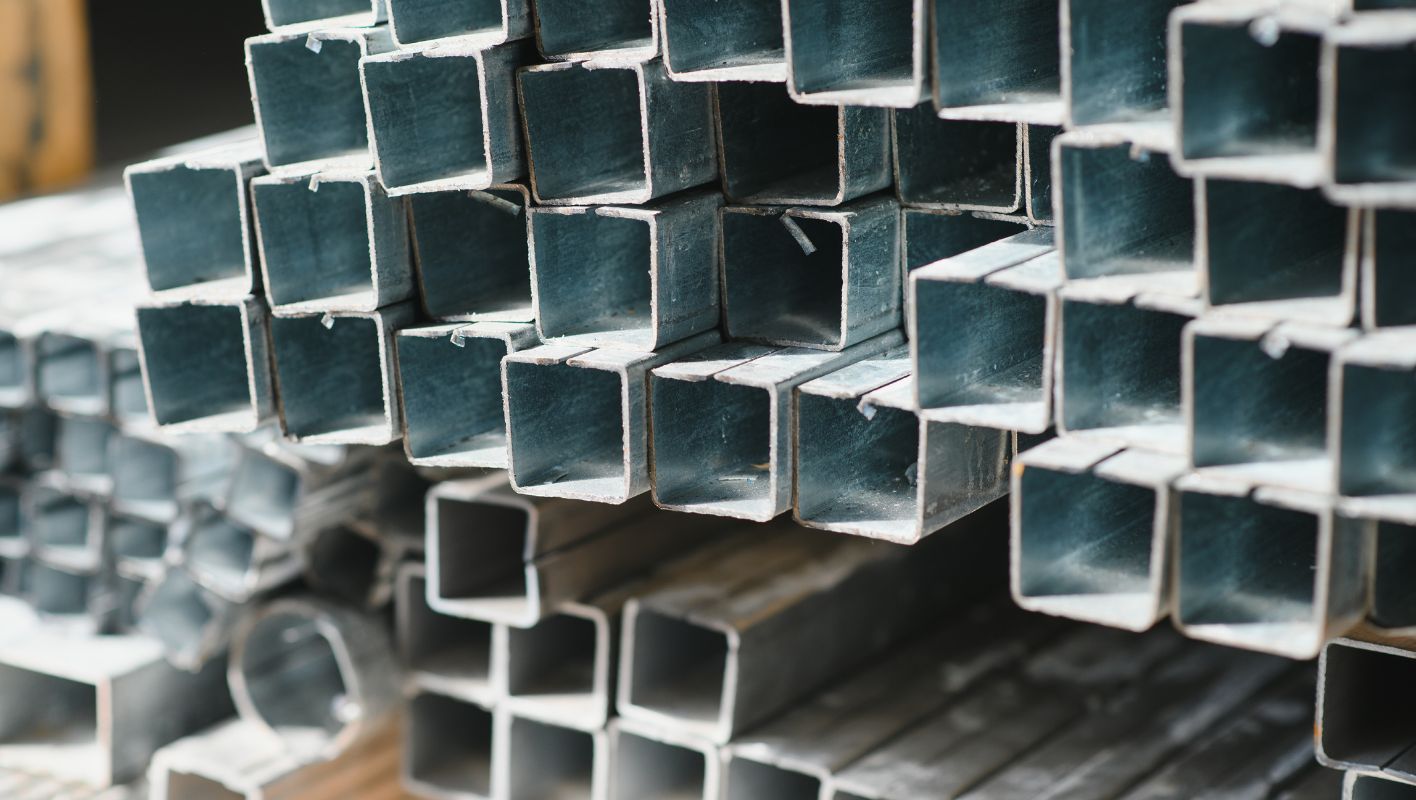
The Role of Corrosion Resistance in Durability
I’ve always found something fascinating about how aluminum’s natural oxide layer serves as a guardian against oxidation. This inherent corrosion resistance6 is like having an invisible shield, keeping the material strong and intact over the years. In sectors like construction7 and automotive, this quality is essential to withstand weathering and chemical exposure.
Cost Efficiency Through Reduced Maintenance
From my experience in manufacturing, I’ve seen how corrosion-resistant aluminum can be a game-changer for budgets. Less maintenance means less headache—something any procurement manager like myself can appreciate. Over time, lower upkeep translates into fewer interruptions and more productivity, enhancing operational efficiency.
Ensuring Longevity in Harsh Environments
In industries that brave harsh conditions—think marine or chemical—aluminum’s robustness is a lifesaver. I once worked with a team that faced constant challenges with saltwater exposure. The resilience of aluminum meant we could push boundaries without worrying about our materials failing us.
| Environment | Impact of Corrosion Resistance |
|---|---|
| Marine | Prevents saltwater corrosion |
| Industrial | Resists chemical exposure |
| Architectural | Withstands weathering |
Impacts on Product Design and Aesthetics
Aesthetics are as important as functionality, especially in architecture. I’ve seen projects where corrosion resistance ensured sleek, flawless facades that stood proud for years. The ability to anodize aluminum not only enhances its corrosion resistance8 but also opens up a world of design possibilities.
Importance in Compliance with Standards
Aluminum extrusions that meet standards like ISO 9001 and EN 755 are not just about ticking boxes—they’re about trust. When you’ve spent years building a reputation in the industry, like I have, you know how crucial it is to deliver on quality and performance consistently.
Sustainability and Environmental Considerations
These days, everyone’s talking about sustainability, and for good reason. Using corrosion-resistant aluminum aligns perfectly with eco-friendly goals by extending product life and reducing waste. Plus, opting for recycled aluminum only sweetens the deal, helping us all do our part for the planet.
Aluminium's oxide layer prevents all corrosion.False
While it reduces corrosion, aluminium's oxide layer doesn't prevent all types.
Corrosion-resistant aluminium lowers maintenance costs.True
Less corrosion means fewer repairs and maintenance, reducing overall costs.
What Role Does Sustainability Play in Choosing Aluminium?
Ever wondered how a simple choice like aluminium can impact the environment? Let’s dive into the sustainable benefits that make this material a go-to for eco-conscious decisions.
Sustainability plays a crucial role in choosing aluminium by focusing on its high recyclability, energy-efficient production, and eco-friendly processes. Opting for recycled aluminium and reducing energy usage significantly contribute to its sustainability.
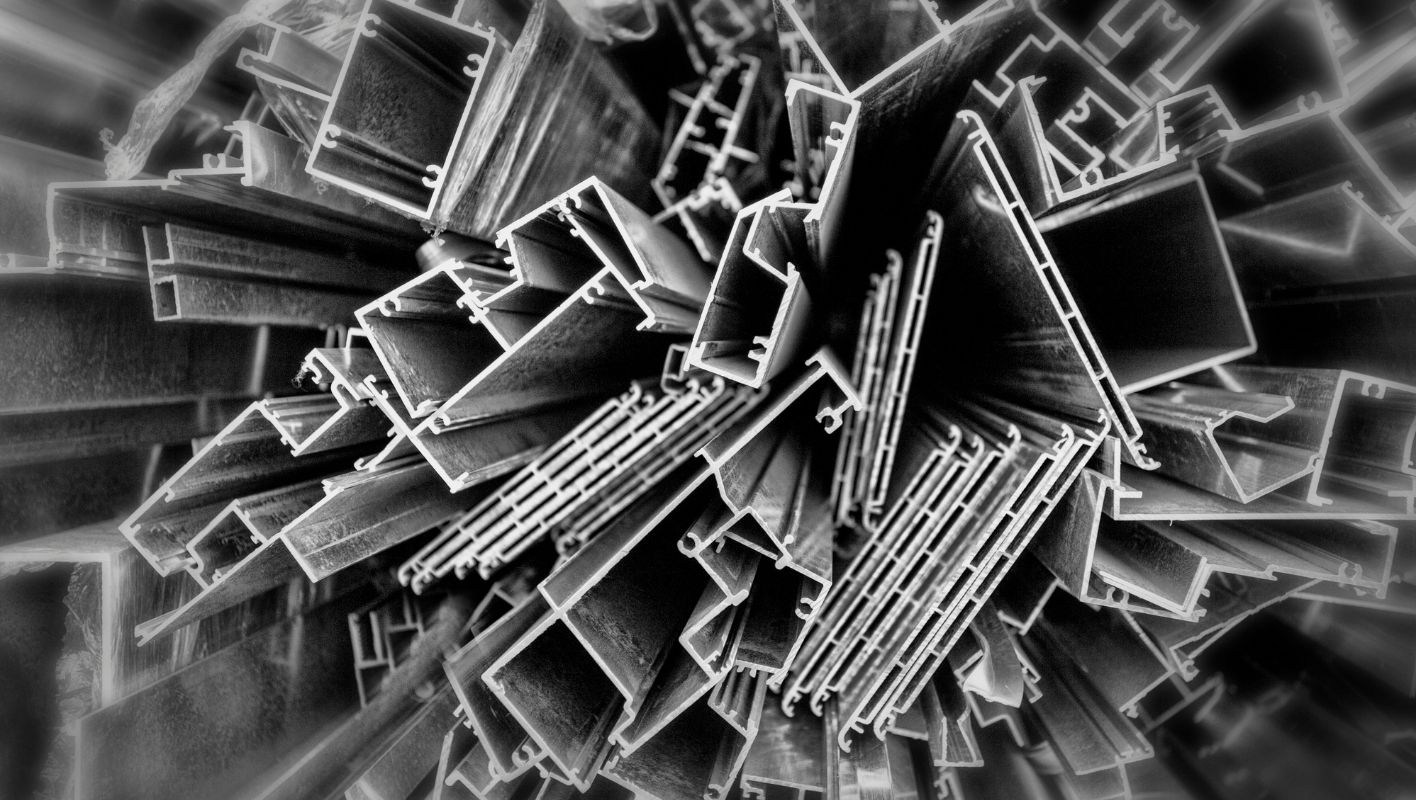
When I first started exploring materials for manufacturing, the concept of sustainability seemed overwhelming. But soon, I realized that every decision could contribute to a greener planet, and aluminium emerged as a standout choice. Its infinite recyclability is like having a gift that keeps on giving, perfect for procurement managers9 like me who are committed to reducing environmental impact.
Recyclability of Aluminium
I remember the first time I saw a chart comparing material recyclability—aluminium topped it with its infinite cycle potential. That moment was eye-opening. Not only does it ensure quality retention during recycling, but it also presents an opportunity for us to significantly minimize waste. By choosing recycled aluminium, we align with eco-conscious values, something that has become increasingly important in today’s world.
| Factor | Aluminium | Steel | Plastic |
|---|---|---|---|
| Recyclability | Infinite | Finite | Limited |
| Energy Savings (Recycling) | 95% | 60% | 90% |
The table above highlights aluminium’s superior recyclability compared to other materials.
Energy Efficiency in Production
The energy efficiency of aluminium is another major draw. Producing aluminium from recycled materials slashes energy consumption by up to 95%. This isn’t just good for the planet; it makes economic sense too. I’ve found that partnering with sustainable suppliers10 who use renewable energy sources helps us maintain competitive pricing while being environmentally responsible.
Eco-friendly Production Processes
In our journey toward sustainability, adopting eco-friendly production processes has been vital. Companies that prioritize reducing waste and pollution through closed-loop systems11 inspire confidence. Their commitment to meeting stringent environmental certifications is a testament to their dedication to sustainability.
Lifecycle Analysis of Aluminium
Understanding aluminium’s lifecycle analysis has given us insights into enhancing resource efficiency. From extraction to recycling, each step offers opportunities to lower our carbon footprint. It’s satisfying to know that by making informed choices, we not only comply with regulations but also contribute to a sustainable future.
By prioritizing sustainability in aluminium selection, we bolster our reputation and align with regulatory standards, all while paving the way for a greener tomorrow. It’s not just about the material—it’s about making a positive impact.
Aluminium can be recycled infinitely without quality loss.True
Aluminium retains its properties regardless of how many times it is recycled.
Recycled aluminium uses 95% less energy than primary production.True
Using recycled aluminium significantly cuts down on energy requirements and emissions.
Conclusion
Aluminium is ideal for extrusion due to its lightweight strength, corrosion resistance, and versatility, making it essential in automotive, aerospace, and construction industries.
-
Explore why aluminium is often chosen over steel in aerospace applications due to its lightweight and durable nature. ↩
-
Understand how aluminium’s corrosion resistance enhances its longevity and performance in various environments. ↩
-
Explore how aluminium’s atomic structure contributes to its flexibility during the extrusion process. ↩
-
Learn how aluminium’s properties allow for the creation of intricate profiles that meet specific industry needs. ↩
-
Discover various industries that benefit from aluminium’s versatility in extrusion processes. ↩
-
Understanding aluminum’s natural oxide layer helps appreciate its corrosion resistance, enhancing material selection insights. ↩
-
Exploring aluminum’s use in construction reveals its advantages, including corrosion resistance crucial for structural integrity. ↩
-
Anodizing boosts aluminum’s durability, making it valuable for design and functional applications by enhancing corrosion protection. ↩
-
Learn about the recycling process of aluminium and its environmental benefits. ↩
-
Discover how renewable energy sources contribute to sustainable aluminium production. ↩
-
Explore how closed-loop systems minimize waste and enhance sustainability in manufacturing. ↩






