
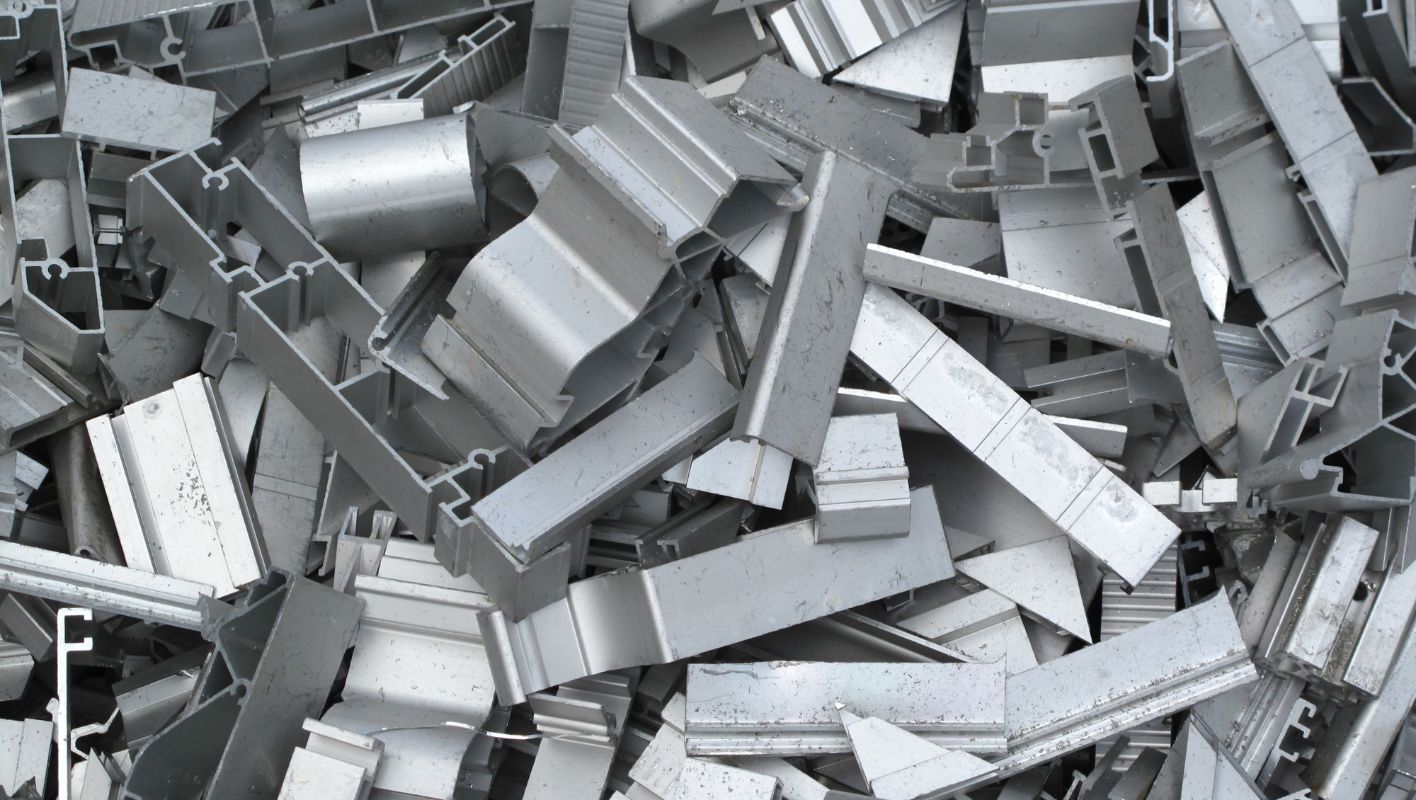
Ever wondered about the magic behind recycled aluminum? Let me tell you about Aluminum Extrusion Scrap 6063, a true hero in sustainability.
Aluminum Extrusion Scrap 6063 is a high-purity recycled aluminum alloy that shines in architectural and industrial settings. It’s cherished for its smooth finish, corrosion resistance, and machining ease, making it a go-to for recycling and manufacturing enthusiasts like myself.
I remember the first time I stumbled upon Aluminum Extrusion Scrap 6063 during my early days in manufacturing. It was like discovering a hidden treasure in the world of recycled materials. This specific type of aluminum isn’t just about its technical specs—it’s about its transformative potential in various industries.
Whether you’re diving into architectural wonders or industrial feats, this material’s properties can redefine your approach to design and sustainability. As you delve deeper into its market trends and applications, you might find that your procurement strategies and financial decisions align perfectly with this versatile alloy’s strengths. So, let’s explore why Aluminum Extrusion Scrap 6063 is a beloved choice for many of us who champion sustainable manufacturing solutions.
Aluminum 6063 is valued for its corrosion resistance.True
Aluminum 6063 is highly sought after for its excellent corrosion resistance.
6063 aluminum scrap is primarily used in automotive parts.False
6063 aluminum scrap is mainly used in architectural applications, not automotive.
How is Aluminum Extrusion Scrap 6063 Used in Manufacturing?
Ever wondered what happens to all that scrap aluminum after it’s been used?
Aluminum Extrusion Scrap 6063, with its excellent recyclability and retained properties, is a top choice in manufacturing. Companies often melt it down to create new products, ensuring sustainability and structural integrity.
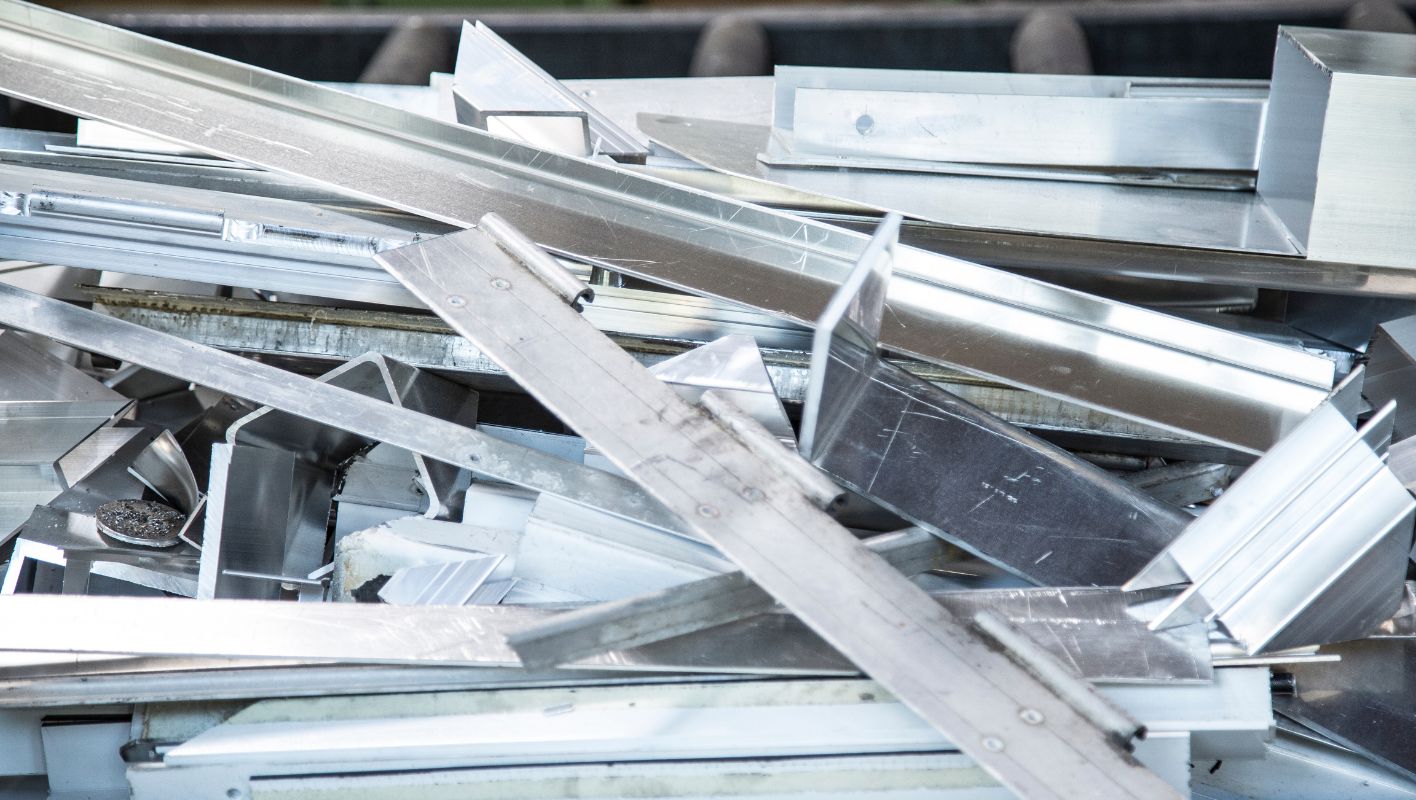
Understanding Aluminum Extrusion Scrap 6063
Back when I first started working in the aluminum industry, I was amazed at the endless lifecycle of aluminum products. Aluminum 6063, with its standout mechanical strength and corrosion resistance, was a game-changer. Even the scrap leftover from this alloy, known as extrusion scrap, kept these valuable properties1, making it ideal for recycling and reuse across many sectors. It reminded me of how nothing ever truly goes to waste in this field.
Applications in Construction and Architecture
I remember the first time I saw a skyscraper’s architectural plans. It was awe-inspiring to think that scrap aluminum could be transformed into sleek window frames or durable roofing materials. Using this scrap not only cuts costs but also aligns with the eco-friendly initiatives many companies are striving for today.
Table: Common Uses of Aluminum 6063 Scrap in Construction
| Application | Benefits |
|---|---|
| Window Frames | Lightweight, corrosion-resistant |
| Roofing Materials | Durable, energy-efficient |
| Decorative Trim | Aesthetic appeal |
Role in Automotive Industry
Cars have always been a passion of mine, and learning how aluminum 6063 scrap is recycled into automotive parts like radiator supports or vehicle frames was fascinating. It’s incredible how this lightweight material can enhance a car’s performance while simultaneously cutting down production expenses and environmental impact.
Environmental Impact and Sustainability
Using Aluminum Extrusion Scrap 6063 is like giving Mother Nature a helping hand. Recycling aluminum requires significantly less energy than producing new metal, which means fewer emissions and more conservation of our planet’s resources. I’ve always believed that exploring sustainable practices2 in aluminum recycling is not just beneficial but necessary for forward-thinking industries.
Table: Environmental Benefits of Recycling Aluminum
| Benefit | Description |
|---|---|
| Energy Efficiency | Less energy needed than primary production |
| Reduced Emissions | Lower CO2 emissions |
| Resource Conservation | Conserves natural resources |
Challenges and Considerations
Despite all these benefits, working with Aluminum Extrusion Scrap 6063 isn’t without its hurdles. Ensuring consistent quality and dealing with impurities can be challenging. However, with stringent quality control measures, these obstacles can be overcome, paving the way for more efficient use of aluminum scrap in manufacturing. I’ve found that overcoming such challenges not only sharpens our skills but also strengthens our commitment to sustainability. Overcoming these challenges3 truly makes the journey worthwhile.
Aluminum 6063 scrap is used in making window frames.True
Aluminum 6063 scrap is repurposed into window frames due to its lightweight and corrosion-resistant properties.
Recycling aluminum requires more energy than producing new aluminum.False
Recycling aluminum uses less energy compared to producing new aluminum, thus reducing emissions.
What Factors Influence the Market Value of Aluminum Extrusion Scrap 6063?
Ever wondered why the value of Aluminum Extrusion Scrap 6063 fluctuates so much? Let me take you through my personal journey of discovering what really drives these changes.
The market value of Aluminum Extrusion Scrap 6063 depends on demand and supply dynamics, scrap purity and quality, global market trends, and recycling process efficiency. Understanding these factors helps industry insiders optimize their strategies.
Demand and Supply Dynamics
I remember the first time I realized how much demand and supply could sway prices. It was like watching a seesaw at a playground. When manufacturers ramp up production and need more aluminum, prices soar. I’ve seen firsthand how a simple increase in demand can spike scrap values. On the flip side, when supply surpasses demand, prices can fall faster than a dropped wrench. It’s a delicate dance that keeps us all on our toes.
Purity and Quality of Scrap
Back when I was just starting out, I learned the hard way that not all scrap is created equal. I once purchased a batch that looked fine on the surface but was riddled with impurities—lesson learned! High-purity, clean scrap is like gold to buyers because it saves them processing headaches and costs. Ensuring that scrap meets ISO 9001 standards4 isn’t just a checkbox for me; it’s a promise of quality that keeps prices competitive.
Global Market Trends
Global trends have always fascinated me. Whether it’s an economic boom or a breakthrough in automotive production, these shifts can send ripples through our industry. I remember during one economic upswing, the demand for aluminum shot up, taking scrap prices along for the ride. Staying ahead of such trends requires a keen eye on economic developments5, and I’ve made it my mission to keep abreast of these changes.
Recycling Process Efficiency
Efficiency isn’t just a buzzword; it’s a lifeline in this business. I’ve invested countless hours in understanding how recycling processes can be fine-tuned to perfection. Efficient recycling means less energy and time wasted, which ultimately boosts profitability. Companies that embrace cutting-edge recycling technology6 aren’t just saving resources—they’re carving out a competitive edge. Being part of this innovative wave is exhilarating and rewarding.
| Factor | Influence |
|---|---|
| Demand and Supply | Affects price based on industry needs and availability |
| Purity and Quality | Higher purity commands higher prices due to less need for processing |
| Global Market Trends | Economic shifts can alter demand patterns, affecting pricing |
| Recycling Efficiency | Efficient processes can reduce costs and increase value |
Understanding these factors has helped me make strategic decisions when buying or selling Aluminum Extrusion Scrap 6063. It’s not just about reacting to the market; it’s about anticipating it, which adds a thrilling layer to an already dynamic industry.
Demand for aluminum products affects scrap value.True
Higher demand increases scrap value as manufacturers seek recycled materials.
Recycling process efficiency has no impact on scrap value.False
Efficient recycling reduces costs, enhancing the profitability and value of scrap.
How does recycling aluminum extrusion scrap 6063 benefit the environment?
Imagine a world where our everyday efforts can drastically reduce pollution and preserve precious resources—recycling aluminum extrusion scrap is one way to make that a reality.
Recycling aluminum extrusion scrap 6063 can save up to 95% of the energy required for new production, significantly cutting carbon emissions and conserving resources, thus promoting a sustainable and eco-friendly approach in industries.
Energy Conservation and Emission Reduction
I remember the first time I learned about the sheer energy savings from recycling aluminum. It was like finding out that you could bake a cake with half the ingredients and still get the same delicious result! Recycling aluminum 6063 extrusion scrap can save up to 95% of the energy required for primary production7. Just think about it: the energy you save means a drastic cut in greenhouse gas emissions, which is like giving our planet a breather.
| Process | Energy Usage (kWh) |
|---|---|
| Primary Aluminum Production | 14-16 |
| Recycled Aluminum Production | 0.7-1.0 |
This table really highlights how recycling is such an energy-efficient process compared to digging up raw materials.
Resource Conservation and Waste Reduction
When I think about resource conservation, I picture those beautiful landscapes untouched by mining activities. Recycling scrap aluminum helps keep it that way by reducing the need to mine bauxite ore. It’s not just about saving landscapes; it’s about preserving biodiversity and ensuring future generations can enjoy our planet’s natural beauty. Plus, recycling cuts down on landfill waste, aligning perfectly with circular economy practices8.
Impact on Industrial Practices
Incorporating recycling in industries using 6063 aluminum extrusions is more than just an eco-friendly gesture; it’s a smart business move. Companies can show they care about the environment while potentially trimming costs related to energy and raw materials. This dual benefit makes recycling a win-win for both the environment9 and business operations.
Using recycled aluminum also means meeting international standards and certifications, which ensures that products not only meet quality benchmarks but also support sustainability goals. It’s like hitting two birds with one stone: achieving excellence in product quality while championing environmental responsibility.
Recycling aluminum 6063 saves 95% energy vs. primary production.True
Recycling aluminum uses only 0.7-1.0 kWh compared to 14-16 kWh for new aluminum.
Using recycled aluminum increases landfill waste significantly.False
Recycling reduces landfill waste by reusing materials, conserving resources.
What Should I Consider When Sourcing Aluminum Extrusion Scrap 6063?
Decoding the secrets of aluminum extrusion scrap 6063 is like unlocking a hidden treasure for savvy buyers. Let’s journey through the essential factors that make all the difference.
When sourcing aluminum extrusion scrap 6063, I focus on the purity of the scrap, current market prices, and how reliable the supplier is. It’s also important to ensure that the scrap can be easily integrated into existing processes and recycled effectively.
Quality and Purity
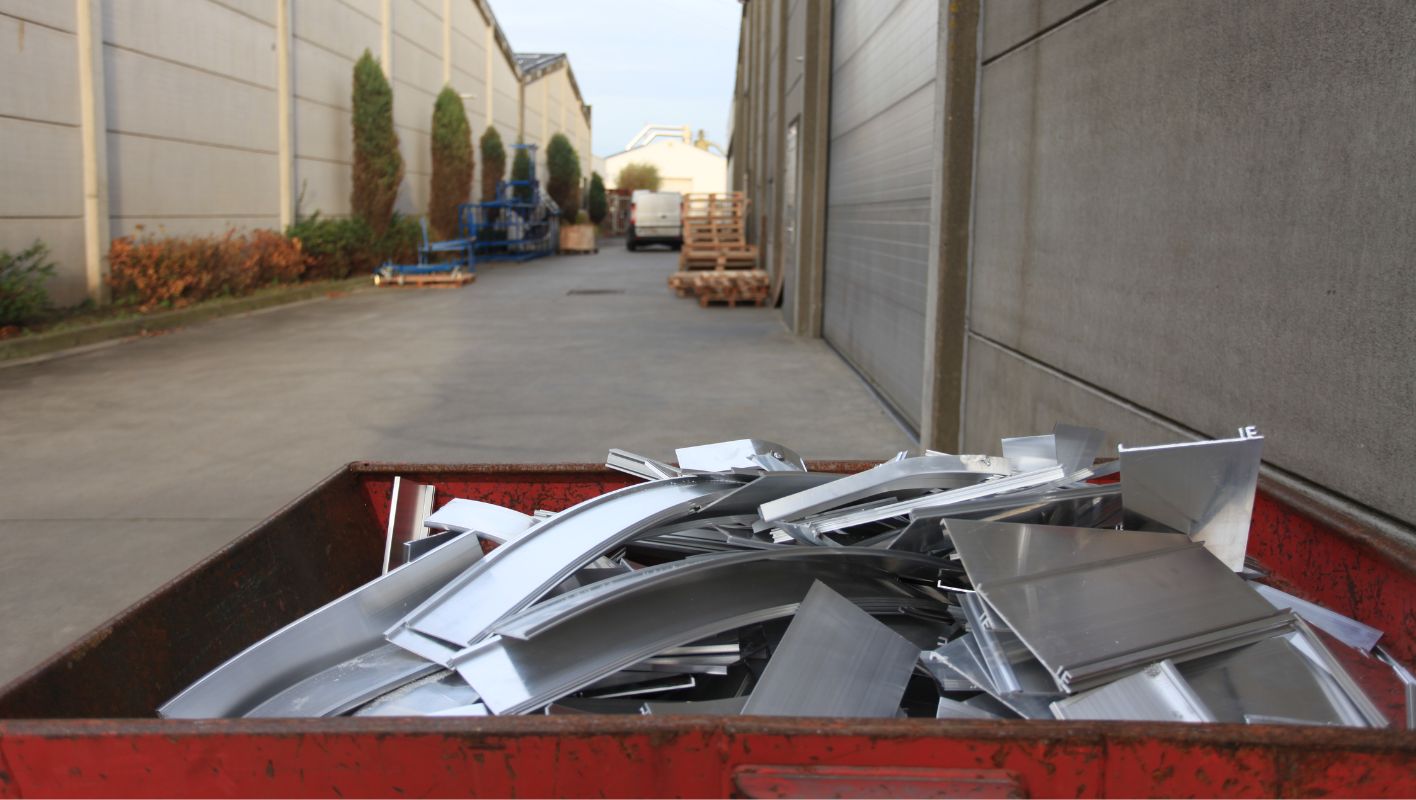
I remember the first time I sourced aluminum extrusion scrap 6063. I was a bit overwhelmed by the details, but I quickly learned that prioritizing purity is crucial. This alloy is prized for its smooth finish and resistance to corrosion, attributes vital for various applications. Ensuring these qualities are retained in the scrap can make or break the final product. Impurities, I’ve found, can not only disrupt recyclability but also compromise end-product quality.
Market Trends and Pricing
Keeping an eye on market trends10 and pricing feels a bit like playing a strategic game. The aluminum market is like a living organism, constantly changing with global demands and economic tides. I make it a point to regularly check price indexes; it’s like having a weather forecast for your purchasing plans. A table can be an effective tool for tracking historical prices:
| Date | Price per Ton | Demand Indicator |
|---|---|---|
| Jan 2023 | $1,800 | Moderate |
| Feb 2023 | $1,750 | High |
| Mar 2023 | $1,820 | Low |
Supplier Reliability
Once, I faced a tough situation with an unreliable supplier who couldn’t meet our delivery timeline. Since then, I’ve been keen on choosing suppliers with a history of consistent quality and reliability. Forming long-term partnerships can be beneficial, often leading to better pricing and priority service. Checking a supplier’s credentials, like ISO certifications, has become part of my routine to ensure industry standards are met.
Compatibility with Processes
Another learning curve was evaluating how well the sourced scrap meshed with existing manufacturing processes. I always consider recycling capabilities11 to maximize efficiency and minimize waste. Collaborating with suppliers who offer technical support has been invaluable—it’s like having an extra team member who speaks the same language.
Sustainability Practices
Sustainability is more than just a buzzword; it’s a commitment. In my sourcing endeavors, I’ve started to prioritize suppliers who adopt eco-friendly production methods and use recycled materials. This shift not only supports environmental goals but aligns with growing consumer expectations for sustainable practices. Partnering with suppliers who are committed to green initiatives helps future-proof operations and keeps us in step with industry trends.
Aluminum 6063 scrap purity affects recyclability.True
Impurities in aluminum 6063 scrap can degrade its recyclability and quality.
Supplier reliability is less important than pricing.False
Reliability ensures consistent quality and timely delivery, crucial for operations.
Conclusion
Aluminum Extrusion Scrap 6063 is a high-purity recycled alloy valued for its corrosion resistance and versatility in architecture and manufacturing, promoting sustainability through energy-efficient recycling.
-
Understanding the properties of Aluminum 6063 can help in evaluating its potential applications and benefits in manufacturing. ↩
-
Exploring sustainable practices in aluminum recycling is crucial for enhancing eco-friendliness in manufacturing. ↩
-
Identifying challenges in using recycled aluminum can guide manufacturers in improving quality control measures. ↩
-
Learn how adhering to ISO 9001 standards impacts aluminum scrap pricing. ↩
-
Explore how global economic conditions influence aluminum scrap values. ↩
-
Discover technological advancements that improve aluminum recycling efficiency. ↩
-
Explore detailed comparisons of energy usage between recycling aluminum and its primary production, highlighting sustainability benefits. ↩
-
Discover how recycling contributes to a circular economy by reducing waste and preserving resources. ↩
-
Learn about the role of recycling in enhancing corporate environmental responsibility and operational efficiency. ↩
-
Stay updated with market trends to make informed purchasing decisions and capitalize on favorable pricing. ↩
-
Understanding recycling practices ensures efficient processing and maximizes the value of sourced scrap. ↩






