
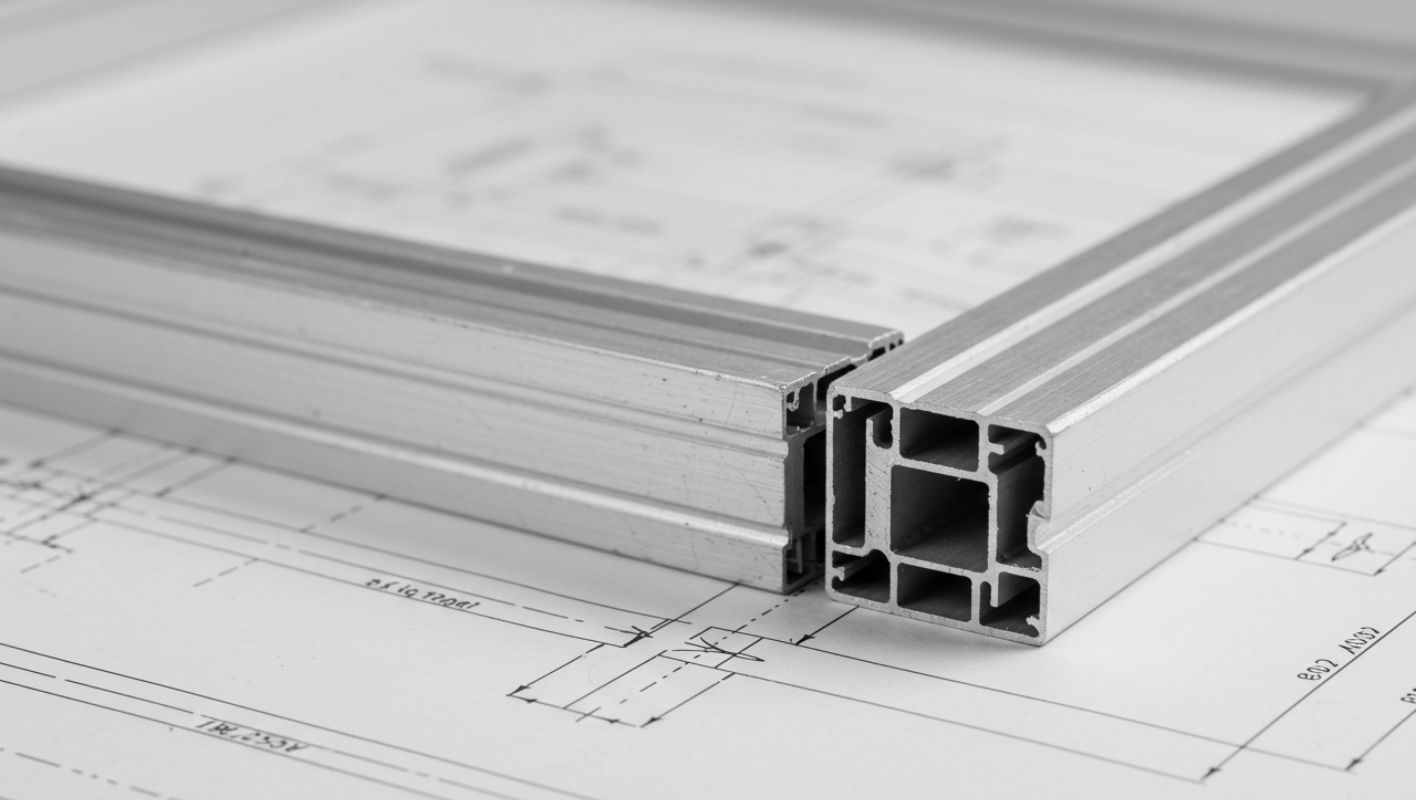
I remember the first time I saw aluminum extrusions in action, their strength took me by surprise.
Aluminum extrusions boast an impressive strength-to-weight ratio, often surpassing heavier materials like steel for specific uses. With excellent tensile strength and durability, they remain lightweight, making them ideal for load-bearing structures.
I used to think that heavier always meant stronger. But during a project involving high-stress frameworks, I discovered that aluminum extrusions could handle the job just as well, if not better, than their bulkier counterparts. Understanding these strengths and comparing them with other materials is essential when making informed decisions. Dive deeper into how aluminum extrusions perform across various applications and why they might just be the perfect fit for your next project.
Aluminum extrusions are suitable for load-bearing structures.True
Their excellent tensile strength and durability make them ideal for such applications.
Aluminum extrusions are stronger than steel.False
Aluminum extrusions have a high strength-to-weight ratio but are not stronger than steel.
What Makes Aluminum Extrusions Strong?
Have you ever wondered why aluminum extrusions are the go-to choice for so many industries? Let’s explore what makes them so strong and reliable.
Aluminum extrusions get their strength from a mix of alloy composition, meticulous manufacturing processes, and innovative design. These factors work together to ensure they can handle different loads and stresses effectively.
Alloy Composition: The Foundation of Strength
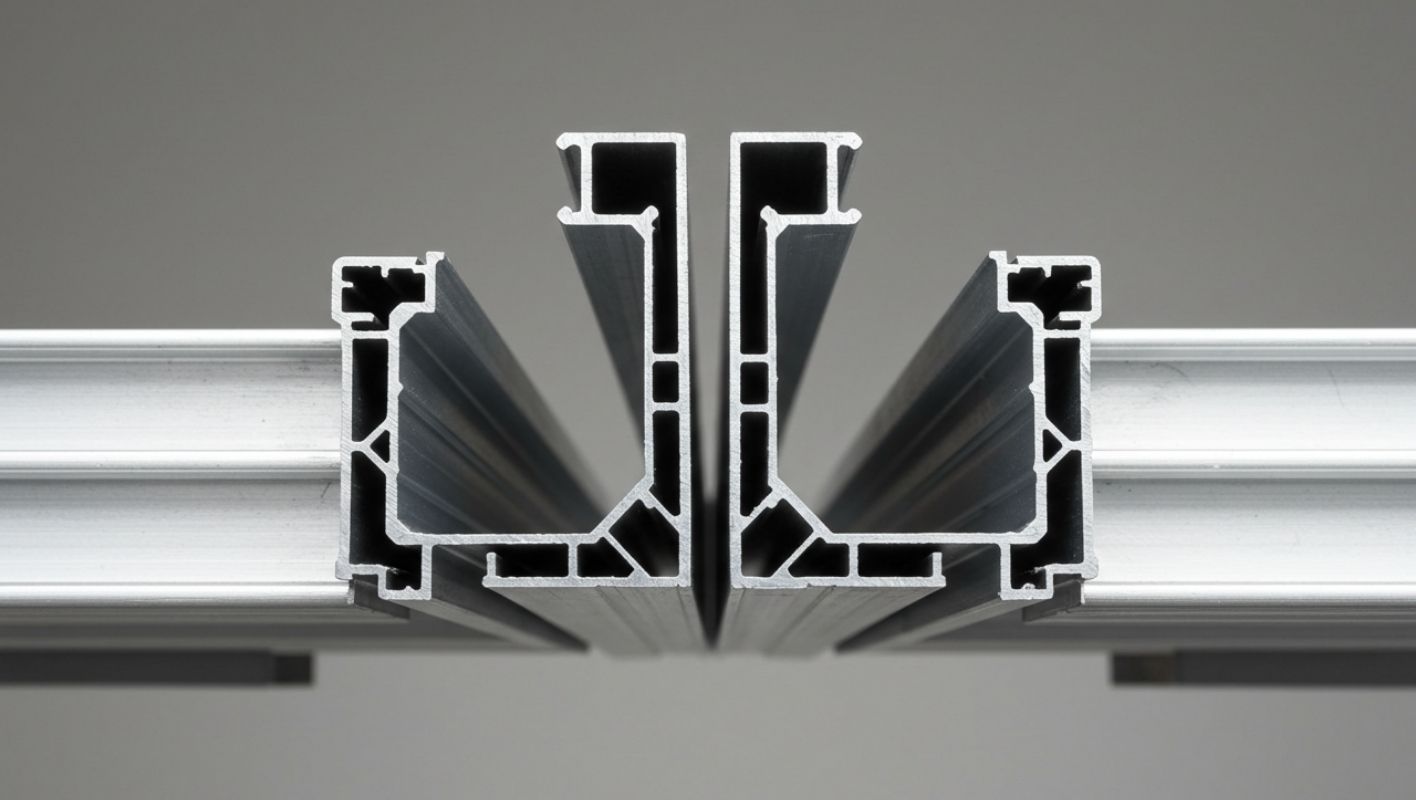
I remember the first time I worked with aluminum extrusions; it was like discovering a hidden superpower. The secret lies in the alloy composition. Alloys like 6061 and 7075 are popular because of their incredible strength-to-weight ratios. Elements such as magnesium and silicon are added, making them durable and resilient. Choosing the right alloy is crucial—just like picking the right team for a project. Each has its unique properties that can make all the difference in performance. Understanding the specific properties1 of each alloy is essential for selecting the right material for your application.
Manufacturing Processes: Precision Matters
Back in the day, I was amazed at how something so intricate could be so sturdy. The process involves pushing aluminum through a die, creating specific shapes while aligning the grain structure, which boosts strength. It’s like baking—precision and patience are key. Heat treatments like aging and annealing also play a big role, further enhancing tensile strength. A comparison of methods2 shows that direct extrusion offers more accuracy, while indirect extrusion provides a better surface finish.
Design Innovation: Maximizing Load-Bearing Capabilities
Innovative design strategies are where creativity meets functionality. I’ve seen engineers incorporate features like ribs or flanges that dramatically improve load-bearing capabilities. Using computer-aided design (CAD) software allows for precise modeling and stress analysis, which feels like having a crystal ball into the future of your design’s performance. Plus, design flexibility3 lets you tailor extrusions to meet specific needs, ensuring they not only perform well but also fit perfectly into their intended roles.
Anodizing and Surface Treatments: Enhancing Durability
Surface treatments like anodizing are a game-changer. They not only boost corrosion resistance but also strengthen the material. I remember a project where anodizing extended the life of our components significantly. It adds a tough outer layer that acts as armor against environmental threats. Diving into these processes reveals their integral role in production, offering benefits beyond just looking good—a detailed look4 at these processes shows how they integrate into manufacturing cycles.
Sustainability: Strengthening with Purpose
One of the things I’m most passionate about is sustainability. Using recycled aluminum in extrusions aligns with eco-friendly practices while maintaining strength. It feels good to know that recycling conserves resources and cuts down on energy consumption during production. Understanding sustainability in practice5 shows how these efforts contribute to environmental responsibility and economic viability, much like hitting two birds with one stone in manufacturing.
6061 and 7075 alloys enhance aluminum strength.True
These alloys contain elements like magnesium and silicon, enhancing durability.
Direct extrusion improves surface finish more than indirect.False
Indirect extrusion offers improved surface finish compared to direct extrusion.
How Do Aluminum Extrusions Compare to Steel?
Standing at the crossroads of aluminum and steel? I’ve been there, too. Each has its charms, but which one fits your project best? Let’s dive into the details together.
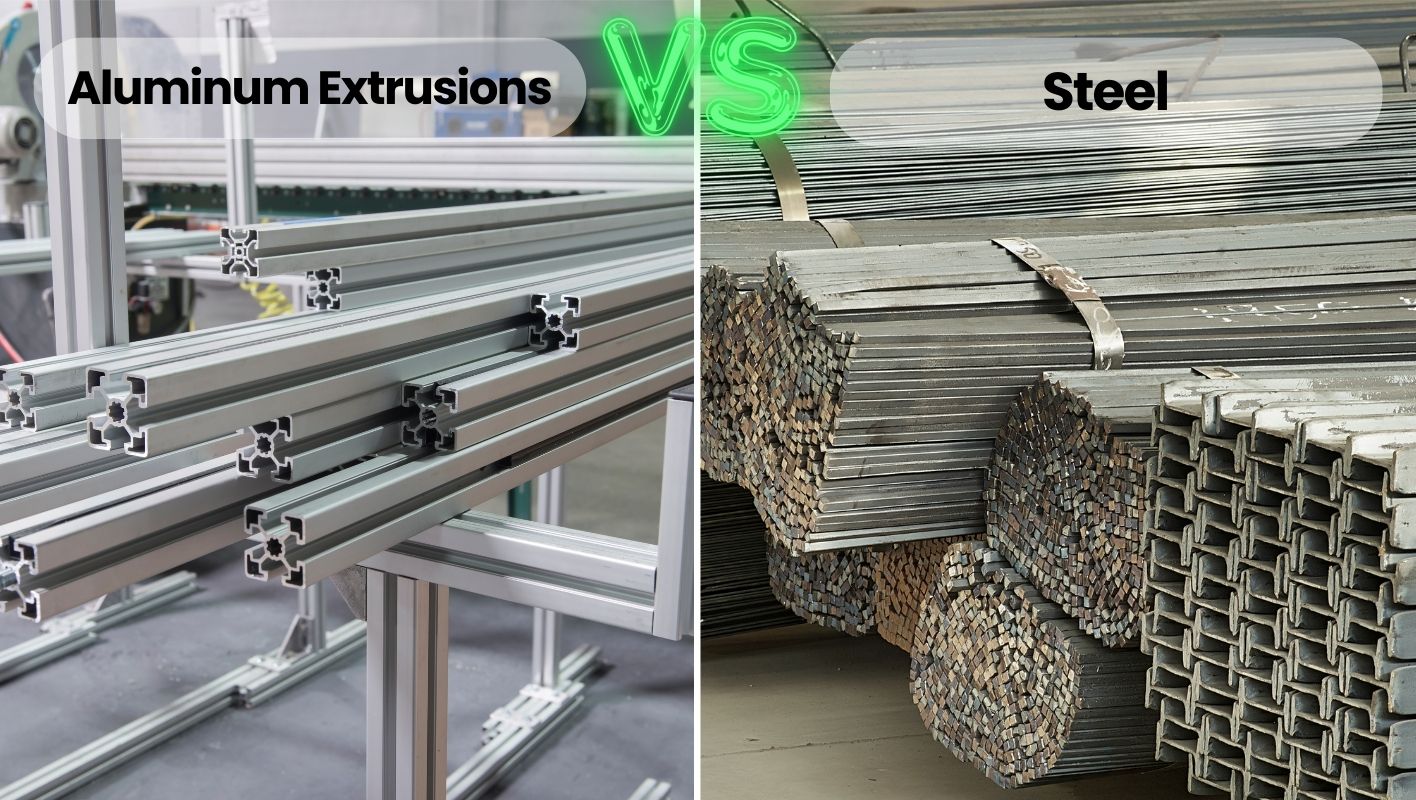
Aluminum extrusions are lighter, resistant to corrosion, and offer flexible designs compared to steel. On the other hand, steel boasts superior strength and durability, making it perfect for more demanding applications.
Material Properties
When I first faced the choice between aluminum extrusions and steel, it felt like deciding between two superheroes, each with their unique powers. Aluminum’s lightness really impressed me, especially when working on automotive projects. It’s not just about reducing weight—it translates to better fuel efficiency and performance. Think of those sleek, efficient cars zipping down the motorway—chances are aluminum components6 had a hand in that magic.
Steel, however, is like the reliable friend who always stands strong. Its high strength-to-weight ratio means it can handle more stress without bending. It’s no wonder skyscrapers often rely on steel frameworks. Those towering giants need the unwavering support that only steel can provide.
| Property | Aluminum | Steel |
|---|---|---|
| Density | Low | High |
| Strength | Moderate | High |
| Corrosion Resistance | Excellent | Moderate |
Corrosion Resistance and Sustainability
Aluminum’s natural ability to resist corrosion is something I deeply appreciate—especially after dealing with rust issues in the past. It’s like having a built-in shield against moisture and chemicals, which is a game-changer in architectural projects where both looks and longevity are key. Steel can fight back too, but it needs a bit of extra help with coatings or galvanization.
When it comes to sustainability, aluminum wins my heart again. It’s highly recyclable, and using recycled aluminum doesn’t compromise its quality. Many suppliers these days offer recycled options, which not only helps our planet but also aligns with eco-friendly goals—something I’ve grown more passionate about over the years. So, always check with your supplier about their sustainability practices7.
Cost and Manufacturing Flexibility
True story: I once hesitated over aluminum because of its initial cost compared to steel. But then I learned that over time, the savings in maintenance and energy make it a cost-effective choice. Plus, aluminum’s malleability allows for creative freedom in design—something that can turn a good project into a great one.
I’ve seen manufacturers select aluminum for projects needing precision and complex shapes, which steel can’t achieve without extensive machining. If you’re looking into this for your next project, exploring the design flexibility8 possibilities with aluminum could open up exciting new avenues.
Conclusion: Weighing the Options
So, when choosing between aluminum extrusions and steel, think about what matters most for your project. Is it weight, durability, environment, or budget? I’ve found that consulting with material experts can provide insights that align best with your goals and sustainability initiatives. Making the right choice feels like solving a puzzle—and when all pieces fit perfectly, it’s incredibly satisfying.
Aluminum is heavier than steel.False
Aluminum is lighter than steel, making it preferable for weight-sensitive applications.
Steel requires coatings to resist corrosion.True
Steel needs protective coatings or galvanization to prevent rust, unlike aluminum.
Can Aluminum Extrusions Withstand Extreme Conditions?
I remember the first time I saw aluminum extrusions in action and wondered if they could truly brave the elements.
Yes, aluminum extrusions can handle extreme conditions thanks to their corrosion resistance, thermal stability, and impressive strength-to-weight ratio. They’re perfectly suited for harsh weather and high-temperature applications.

Aluminum’s Core Properties
Aluminum extrusions offer a unique combination of properties that make them highly effective in extreme conditions. Their natural corrosion resistance9 prevents deterioration in harsh environments. This is particularly beneficial in maritime or coastal applications where exposure to saltwater could lead to rapid degradation of other materials.
| Property | Benefit |
|---|---|
| Corrosion Resistance | Prevents deterioration in marine environments |
| Thermal Stability | Maintains integrity under temperature fluctuations |
| Strength-to-Weight Ratio | Offers strength without adding bulk |
Temperature and Thermal Performance
When I think about aluminum’s role in the aerospace industry, I’m reminded of how essential its excellent thermal conductivity is. Imagine materials that have to face both scorching heat and freezing cold within hours! Aluminum efficiently dissipates heat, maintaining its structure even when temperatures wildly swing. This is due to its low thermal expansion coefficient10, which keeps everything intact despite the environmental roller coaster.
Strength and Durability
I’ve always been amazed by aluminum’s strength-to-weight ratio. Whether it’s in a sleek sports car or a towering skyscraper, aluminum extrusions provide robust support without weighing everything down. In industries like automotive and aerospace, where every gram matters, this property is nothing short of a game-changer.
Applications in Extreme Conditions
- Aerospace: I’ve seen firsthand how aluminum is used in structural components that face high-stress environments.
- Military: It’s incredible how this metal holds up in vehicles and infrastructure that need to be rock-solid under pressure.
- Construction: From personal experience, aluminum is the go-to choice for building frameworks in tough climates due to its resilience.
In my conversations with engineers who weigh aluminum against steel, it’s clear that while steel might have the edge in brute strength, aluminum extrusions11 offer distinct advantages where weight savings, corrosion resistance, and thermal properties are crucial.
Understanding these qualities means industries can confidently choose aluminum extrusions to tackle the toughest conditions effectively. I’ve seen it make a real difference across various projects, proving itself as a reliable material time and again.
Aluminum extrusions corrode easily in marine environments.False
Aluminum's natural corrosion resistance prevents deterioration in saltwater.
Aluminum extrusions are ideal for aerospace applications.True
Their thermal stability and strength-to-weight ratio suit high-stress conditions.
How can I enhance the strength of aluminum extrusions?
Aluminum extrusions have always intrigued me, a marvel of design and engineering. Maximizing their strength? That’s where the real magic happens, transforming possibilities into reality.
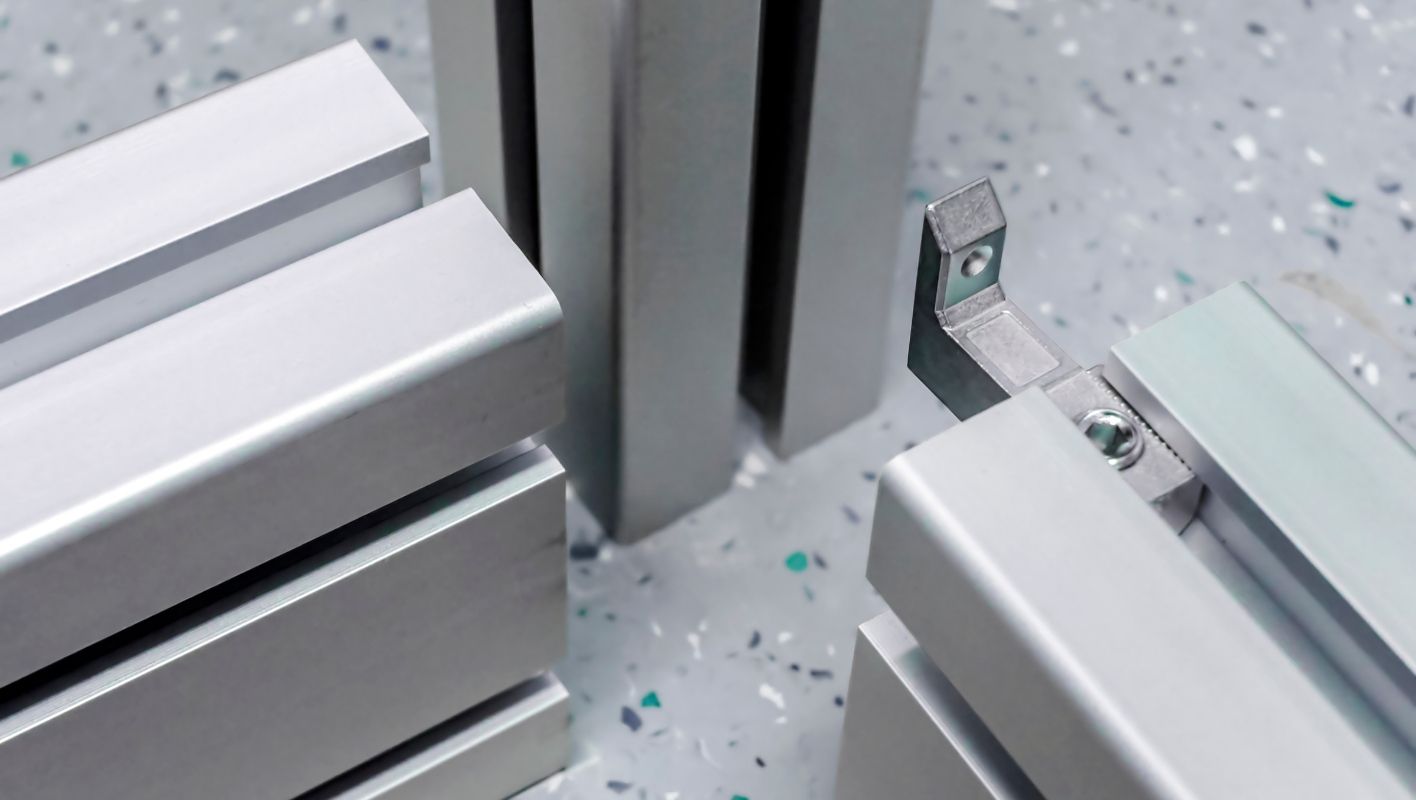
To maximize aluminum extrusion strength, I focus on choosing the right alloy, applying heat treatment, and optimizing the geometric design. Advanced finishing methods and precise manufacturing also play crucial roles in enhancing durability and structural integrity.
Understanding Alloy Selection
In my journey with aluminum extrusions, choosing the right alloy has often felt like picking the perfect tool for a job. Alloys like 6061 and 7075 have consistently been my go-tos for their impressive balance of strength and corrosion resistance12. Adding elements such as magnesium or silicon can really boost mechanical properties, making all the difference in the final product.
Heat Treatment Techniques
I’ve seen firsthand how applying the right heat treatment can be a game changer. T6 tempering, which involves solution heat treatment and aging, refines grain structures in ways that are perfect for high-stress uses like automotive or aerospace components. It’s like giving the aluminum a secret superpower.
Geometric Design Optimization
When designing with strength in mind, I’ve learned that optimizing the shape and thickness of the extrusion profile is key. Techniques such as ribbing or creating hollow sections distribute stress more evenly. Advanced CAD software is a trusty ally here, helping simulate stress distribution13 and pinpoint weak spots before they become issues.
Advanced Finishing Methods
Finishes such as anodizing or powder coating aren’t just about looks; they add layers of strength too. Anodizing, for instance, creates a protective layer that ups surface hardness—a crucial feature in challenging environments like marine or industrial settings.
| Finishing Method | Benefits |
|---|---|
| Anodizing | Increases corrosion resistance and surface hardness |
| Powder Coating | Provides a durable, decorative finish |
Precision Manufacturing Processes
The precision in manufacturing is something I never compromise on. Using techniques like CNC machining ensures tight tolerances and intricate details. This precision is vital for maintaining structural integrity14 when under load.
Collaborative Design Approaches
Partnering with suppliers during the design phase has proven invaluable. They often offer innovative extrusion techniques or eco-friendly material suggestions that I hadn’t considered. Establishing these partnerships opens doors to resources that might otherwise be out of reach.
For anyone involved in procurement or engineering, understanding these techniques is crucial for making informed decisions that affect product performance and longevity. By combining material science, design expertise, and manufacturing precision, I’ve found ways to maximize the strength of aluminum extrusions across a wide range of applications.
Alloy 6061 is preferred for strength and corrosion resistance.True
Alloy 6061 offers a good balance of strength and corrosion resistance.
Anodizing decreases the surface hardness of aluminum extrusions.False
Anodizing increases the surface hardness, enhancing durability.
Conclusion
Aluminum extrusions offer a high strength-to-weight ratio, excellent corrosion resistance, and design flexibility, making them ideal for various applications in demanding environments like aerospace and construction.
-
Discover how different aluminum alloys offer unique advantages in strength and application. ↩
-
Learn about how various extrusion techniques affect the final product’s strength and finish. ↩
-
Explore how CAD tools enable precision and innovation in aluminum extrusion design. ↩
-
Uncover how anodizing enhances durability and resistance in aluminum products. ↩
-
Find out how recycling contributes to sustainable manufacturing in the aluminum industry. ↩
-
Learn how aluminum’s lightweight properties improve fuel efficiency and reduce emissions in automotive applications. ↩
-
Discover how recycling aluminum contributes to eco-friendly practices and reduces environmental impact. ↩
-
Understand how aluminum’s malleability allows for customized designs tailored to specific engineering needs. ↩
-
Learn how aluminum’s corrosion resistance benefits industries by preventing material degradation. ↩
-
Understand how aluminum’s thermal expansion coefficient ensures stability under temperature changes. ↩
-
Explore how aluminum compares with steel in various industrial applications. ↩
-
Discover which aluminum alloys provide superior corrosion resistance for enhanced durability in various environments. ↩
-
Learn about using CAD software to simulate stress distribution in extrusions for optimal design performance. ↩
-
Find out methods to ensure the structural integrity of aluminum extrusions under various load conditions. ↩






