Picking the correct aluminum piece seems very confusing. Many choices make it hard. Your project probably depends on this choice. I recall my own difficulties at the beginning. It felt really challenging! Like finding a way through a maze.
Choose the best aluminum extrusion for your needs by thinking about strength, how easy it is to shape, types of alloy and how you plan to use it. Knowing these things helps you decide wisely. This way, your project very likely works better and faster. It really saves you from many problems I’ve had!
I learned that picking the right aluminum shape means more than numbers and specs. It means knowing what my projects need. Choosing parts is like a puzzle. Every piece really needs to fit. One time, I forgot how important bending the metal is. That caused delays and frustration. Now, I look closely at things like strength, alloy types and what I need before deciding. This feels natural now!
Aluminum extrusions are suitable for various project requirements.True
Aluminum extrusions can be tailored to meet diverse specifications, making them versatile for many applications.
Alloy types are irrelevant when choosing aluminum extrusions.False
The choice of alloy type significantly impacts the performance and suitability of aluminum extrusions for specific applications.
What Factors Influence the Strength of Aluminum Extrusions?
Have you ever wondered why aluminum extrusions are so strong? I really have! Exploring the world of aluminum taught me that several important factors determine their strength. Knowing these is very important for the success of any project.
Alloy composition influences the strength of aluminum extrusions. Extrusion methods also impact their strength. Temperature during processing matters a lot. Post-extrusion treatments affect the final result too. Each element is important. They help achieve the wanted mechanical properties. This really helps your projects last and perform well over time. Your projects need to meet performance expectations.
Main Content
When I began working with aluminum extrusions, I felt amazed by the careful consideration in selecting the right material. Choosing metal involves understanding complex details that affect a project. Let’s examine these factors together, okay?
Alloy Composition
The composition of aluminum alloys is a critical factor that affects the strength of extrusions. Different alloys contain varying amounts of elements such as copper, zinc, magnesium, and silicon. For instance, 6061 aluminum is known for its good mechanical properties and corrosion resistance, making it popular in structural applications.
| Alloy Type | Major Alloying Elements | Strength (MPa) | Common Applications |
|---|---|---|---|
| 6061 | Mg, Si | 260-310 | Structural parts |
| 7075 | Zn, Mg, Cu | 570-700 | Aerospace components |
| 2024 | Cu | 480-570 | Military applications |
Understanding these variations can help in selecting the right alloy for specific project requirements. For deeper insights on aluminum alloys, check out this resource1.
Extrusion Process
The method used to extrude aluminum also significantly influences its strength. Processes like hot extrusion allow for greater deformation, leading to a more refined grain structure, which enhances strength. In contrast, cold extrusion typically results in higher surface hardness but may not achieve the same structural integrity as hot-extruded materials.
Hot vs. Cold Extrusion
- Hot Extrusion: Carried out at elevated temperatures; promotes better material flow and reduced internal stresses.
- Cold Extrusion: Performed at or near room temperature; provides enhanced surface finish and dimensional accuracy.
By comparing these methods, engineers can choose the optimal process for their specific needs. Learn more about extrusion processes here2.
Temperature Effects
Temperature during the extrusion process not only affects the flow of aluminum but also its subsequent mechanical properties. Higher temperatures can improve ductility and decrease yield strength, while lower temperatures enhance strength but may lead to brittle behavior.
- High Temperatures: Enhance workability but can lead to a decrease in final strength.
- Low Temperatures: Increase strength but may compromise ductility.
Considerations of temperature effects are crucial for projects requiring precise mechanical performance. For detailed studies on temperature impact, visit this article3.
Post-Extrusion Treatments
Post-extrusion treatments like aging and annealing are essential for optimizing the strength of aluminum extrusions. Aging increases strength through precipitation hardening, whereas annealing can relieve stresses and improve ductility.
| Treatment Type | Description | Effect on Strength |
|---|---|---|
| Aging | Heat treatment to enhance strength | Increases hardness |
| Annealing | Heating to relieve stresses | Improves ductility |
These treatments are vital in ensuring that the final product meets required specifications for strength and durability. For more information on heat treatments, check out this guide4.
Conclusion
While this sub-heading doesn’t include a conclusion, understanding the various factors influencing the strength of aluminum extrusions is essential for making informed decisions in procurement and application. Each factor plays a crucial role in determining the suitability of aluminum profiles for specific engineering applications.
6061 aluminum is stronger than 7075 aluminum.False
This claim is false; 7075 aluminum has a higher strength range (570-700 MPa) compared to 6061 (260-310 MPa).
Hot extrusion improves the strength of aluminum extrusions.True
This claim is true; hot extrusion enhances material flow and reduces internal stresses, leading to improved strength.
How Do Different Aluminum Alloys Compare for Various Applications?
Have you ever thought about how different aluminum alloys perform in real life? These materials each have unique strengths and weaknesses, which I’ve learned to appreciate during my years in purchasing.
Comparing aluminum alloys requires looking at their power in strength, machinability and resistance to rust for specific uses. Wrought alloys such as 6061 offer flexibility. Cast alloys allow easy shaping. Knowing these differences helps choose the right alloy.
Overview of Aluminum Alloys
Aluminum alloys can be grouped into two main types: wrought and cast. Wrought alloys are strong and flexible, making them suitable for applications where high strength and durability are required. In contrast, cast alloys are easier to shape for special designs.
Key Properties of Aluminum Alloys
Aluminum alloys offer a range of features, including:
| Property | Description |
|---|---|
| Strength | Resistance to deformation under stress |
| Weight | Lightweight compared to other metals |
| Corrosion Resistance | Ability to withstand environmental degradation |
| Machinability | Ease of fabrication and shaping |
| Thermal Conductivity | Efficiency in conducting heat |
These traits really matter for picking the right alloy for a task. For instance, 6061 aluminum alloy is great in building projects because it balances strength and workability, especially when supporting heavy loads is important.
Applications of Different Aluminum Alloys
A look at some common aluminum alloys:
- 6061 Aluminum Alloy: My favorite for many building jobs due to its great strength and resistance to rust. Learn more about 6061 applications5.
- 5052 Aluminum Alloy: Works very well in the sea. It’s like the brave sailor – tough and dependable! Explore 5052 advantages6.
- 7075 Aluminum Alloy: The strong one, often used in space and airplane industry where every little bit counts. Discover aerospace uses7.
- 3003 Aluminum Alloy: Good for cooking tools and chemical gear, with strong rust resistance and ease to work. Check out 3003 features8.
Comparison of Alloys Based on Key Characteristics
Choosing an aluminum alloy feels similar to picking players for a team; you want the best ones for specific roles. Here’s a comparison table:
| Alloy Type | Strength (MPa) | Corrosion Resistance | Machinability | Typical Applications |
|---|---|---|---|---|
| 6061 | 310 | Excellent | Good | Structural components, frames |
| 5052 | 210 | Very Good | Excellent | Marine applications, fuel tanks |
| 7075 | 570 | Moderate | Fair | Aerospace structures |
| 3003 | 130 | Good | Excellent | Cooking utensils, storage tanks |
Understanding these differences helps me advise people like James in choosing materials that suit their project goals.
Factors Influencing Alloy Selection
Several things really matter when selecting an aluminum alloy:
- Application Requirements: What are the exact needs for strength, weight and resistance to the environment?
- Cost Considerations: Budgets can reduce options but shouldn’t harm quality.
- Supplier Availability: A dependable supply chain is crucial for the chosen alloy.
- Regulatory Standards: Meeting industry rules like ISO and ASTM is a must.
Thinking about these factors, I can pick the best aluminum alloy that meets needs and matches my clients’ values and project schedules.
Wrought aluminum alloys are generally stronger than cast alloys.True
Wrought alloys are processed to enhance their strength, making them suitable for demanding applications compared to cast alloys.
7075 aluminum alloy is primarily used in marine applications.False
7075 is known for its high strength but is mainly used in aerospace, not marine environments like 5052.
What are the Key Technical Specifications to Consider?
The world of metal profiles probably feels confusing sometimes. The key technical details really help understand quality and rules. Let’s explore this!
When developing products with metal profiles, concentrate on material properties, size precision, surface finish and industry standards. These details are crucial for long-lasting, functional and safe construction projects. Let’s look at these more closely!
Understanding Metal Profiles
When I first began working with metal profiles, the technical details confused me. It seemed like a completely different language. With a bit of patience and practice, I discovered how crucial these details are. These details are very important.
Material Properties
When considering technical specifications for metal profiles, the material properties play a crucial role. Key aspects include:
- Tensile Strength: Determines how much load a material can bear without breaking.
- Yield Strength: The stress at which a material begins to deform plastically.
- Ductility: Indicates how much a material can stretch before breaking.
For instance, steel typically offers high tensile and yield strengths, making it ideal for structural applications in construction. You can explore more about tensile strength definitions9 to enhance your understanding.
Dimensional Accuracy
Dimensional accuracy is vital in ensuring that the metal profiles fit precisely into the intended applications. Specifications to consider include:
- Thickness: The gauge of the metal profile, which affects strength and weight.
- Length and Width: Must meet project requirements to avoid wastage and ensure structural integrity.
A well-defined dimensional tolerance table is often beneficial:
| Specification | Tolerance |
|---|---|
| Thickness | ±0.1 mm |
| Length | ±5 mm |
| Width | ±2 mm |
This helps maintain uniformity across all units produced, ensuring high quality in your projects. Learn more about dimensional tolerances10 for a deeper insight.
Surface Finish
The surface finish of metal profiles can significantly impact both aesthetics and functionality. Consider these specifications:
- Coatings: Such as galvanization or powder coating for corrosion resistance.
- Surface Roughness: Affects adhesion properties for paints or other finishes.
Here’s an example comparison of common coatings:
| Coating Type | Benefits | Suitable Applications |
|---|---|---|
| Galvanization | Corrosion resistance | Outdoor structures |
| Powder Coating | Aesthetic appeal and durability | Decorative applications |
| Anodizing | Enhanced corrosion resistance | Aluminum profiles in harsh environments |
For more on surface finishes, check out surface finish types11.
Compliance and Standards
Ensuring compliance with industry standards is crucial for project success. Look for specifications such as:
- ISO Certification: Quality management principles.
- ASTM Standards: Material specifications and testing methods.
Understanding these certifications ensures that the materials you procure meet necessary safety and performance benchmarks. You might find it beneficial to read more about ISO and ASTM standards12 for detailed guidelines.
Steel has low tensile and yield strengths compared to aluminum.False
This claim is false; steel typically has higher tensile and yield strengths than aluminum, making it more suitable for structural applications.
Dimensional accuracy ensures metal profiles fit precisely in applications.True
This claim is true; precise dimensional accuracy is essential to avoid wastage and ensure structural integrity in projects.
How Can Customization Enhance Your Aluminum Extrusion Selection?
Have you ever thought about how small changes change your aluminum projects? Let me guide you through a journey where special solutions truly change everything!
Customization helps you choose aluminum extrusions that fit your project perfectly. Tailored solutions solve specific needs, improve appearance and function and support environmental goals. These choices also cut costs. Custom options really find the right match for your project.
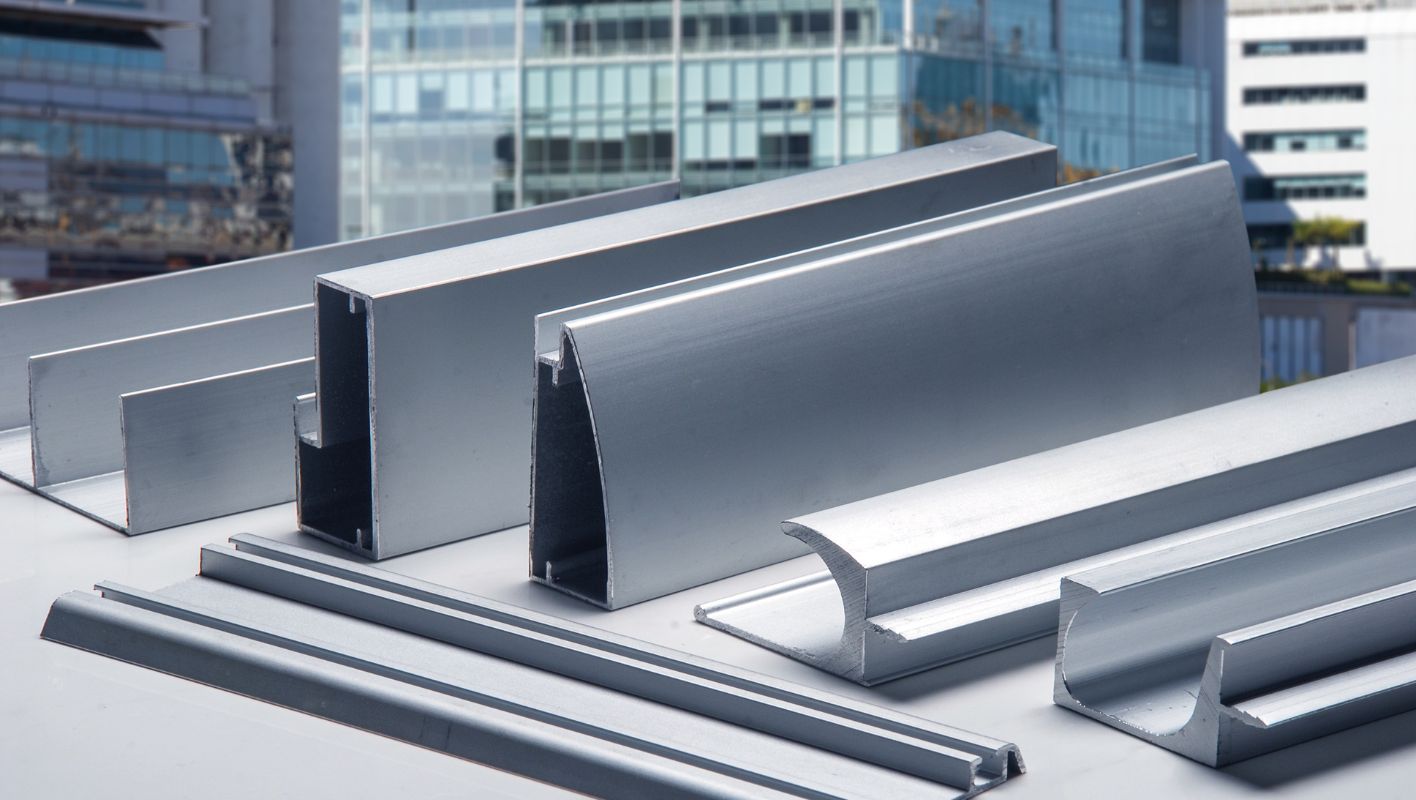
Customization helps you choose the best aluminum extrusion by offering specific solutions that fit project needs, improve function and appearance, and support sustainability while saving money. I recall my first major project where the right customization transformed a good design into an excellent one. When I first saw those perfectly tailored extrusions fit perfectly into our framework, I knew we had chosen well.
Tailoring Profiles for Specific Applications
Different projects demand different attributes from aluminum extrusions. For example, a construction project may require extrusions that are lightweight yet strong enough to support heavy loads. Customization enables the creation of profiles that fulfill these criteria, with options for added features such as:
- Hollow sections for reduced weight
- Reinforced edges for improved strength
- Unique cross-sectional shapes for specific applications
Understanding how to design these profiles can greatly impact the overall success of a project. For instance, if you’re interested in optimizing strength while minimizing weight, consider exploring design strategies13 that focus on innovative shapes and structures.
Aesthetic Enhancements Through Finishes
Another significant aspect of customization is the variety of finishes available. The finish not only affects the appearance but also plays a crucial role in durability and maintenance. Common finishing options include:
| Finish Type | Description | Benefits |
|---|---|---|
| Anodizing | Electrochemical process | Increases corrosion resistance and surface hardness |
| Powder Coating | Dry powder applied and cured | Offers a smooth, durable finish with a variety of colors |
| Mill Finish | Basic untreated aluminum | Provides a natural look but may require additional treatments for durability |
Custom finishes allow users to align their extrusions with brand aesthetics or architectural designs, enhancing overall project coherence. To learn more about choosing the right finish for your aluminum profiles, check out our guide on finishing options14.
Sustainability and Compliance Considerations
Customization also supports sustainability efforts by allowing for the use of recycled materials or eco-friendly coatings. As James, a procurement manager, values suppliers with strong sustainability commitments; customizing options that include sustainable practices can significantly influence purchasing decisions. By selecting custom extrusions that adhere to certifications such as ISO or ASTM, buyers can ensure they are making responsible choices that meet industry standards. Consider looking into sustainable practices15 in aluminum extrusion manufacturing for more insights.
Cost Efficiency through Bulk Customization
Opting for customized aluminum profiles can lead to cost savings, especially in bulk orders. Customization allows companies to streamline their inventory by ordering specific profiles tailored to multiple projects, reducing waste and ensuring better resource allocation. Additionally, by working closely with suppliers who understand the nuances of aluminum extrusion customization, businesses can negotiate better pricing on bulk orders. For further strategies on optimizing procurement processes, refer to our insights on bulk buying16.
Customization improves performance in aluminum extrusion projects.True
Tailoring aluminum extrusions enhances adaptability, ensuring components meet specific functional and design requirements for better project outcomes.
Custom finishes have no impact on aluminum durability.False
Finishes like anodizing and powder coating significantly improve corrosion resistance and surface hardness, enhancing the durability of aluminum extrusions.
Conclusion
Learn how to select the best aluminum extrusions by considering alloy types, strength, customization options, and sustainability for your specific project needs.
-
This link will provide in-depth information on aluminum alloy compositions and their influence on material strength. ↩
-
Explore this resource to understand different extrusion processes and their effects on aluminum strength. ↩
-
Learn about the impact of temperature on the mechanical properties of aluminum extrusions by visiting this article. ↩
-
This guide will explain how post-extrusion treatments enhance the strength of aluminum profiles effectively. ↩
-
Explore detailed comparisons of aluminum alloys to find the best fit for your project needs. ↩
-
Gain insights on specific applications of different aluminum alloys to enhance your material selection process. ↩
-
Learn about the unique properties of various aluminum grades to make informed decisions in your procurement process. ↩
-
Discover the influence of environmental factors on aluminum alloy performance in various applications. ↩
-
This link will guide you through the importance of tensile strength in material selection, helping you make informed decisions in your projects. ↩
-
Discover detailed insights on dimensional tolerances that can help improve your production quality and consistency in metal profiles. ↩
-
Explore various surface finish types and their applications to enhance both functionality and aesthetics in your projects. ↩
-
Understand ISO and ASTM standards to ensure compliance in your projects, which is vital for safety and performance. ↩
-
Explore how customization can elevate your project outcomes with tailored aluminum solutions that meet your exact specifications. ↩
-
Discover the various finishing options available for aluminum extrusions that enhance both appearance and durability. ↩
-
Learn about sustainable practices in aluminum extrusion customization to make environmentally friendly procurement choices. ↩
-
Find strategies for optimizing procurement processes through bulk ordering of customized aluminum profiles. ↩