Do you struggle to decide between polished and anodized aluminum for your next project? Believe me, I understand!
Recognizing these differences is crucial for choosing the correct material for your projects. The next sections thoroughly explore the traits of each finish. You decide which finish fits your needs the best.
When I first looked into aluminum for my projects, so many options confused me. I stood before a display, trying to choose between the shiny, sparkling polished aluminum and the more subtle but interesting anodized type. Each one looked nice, but knowing their differences was very important for my choice.
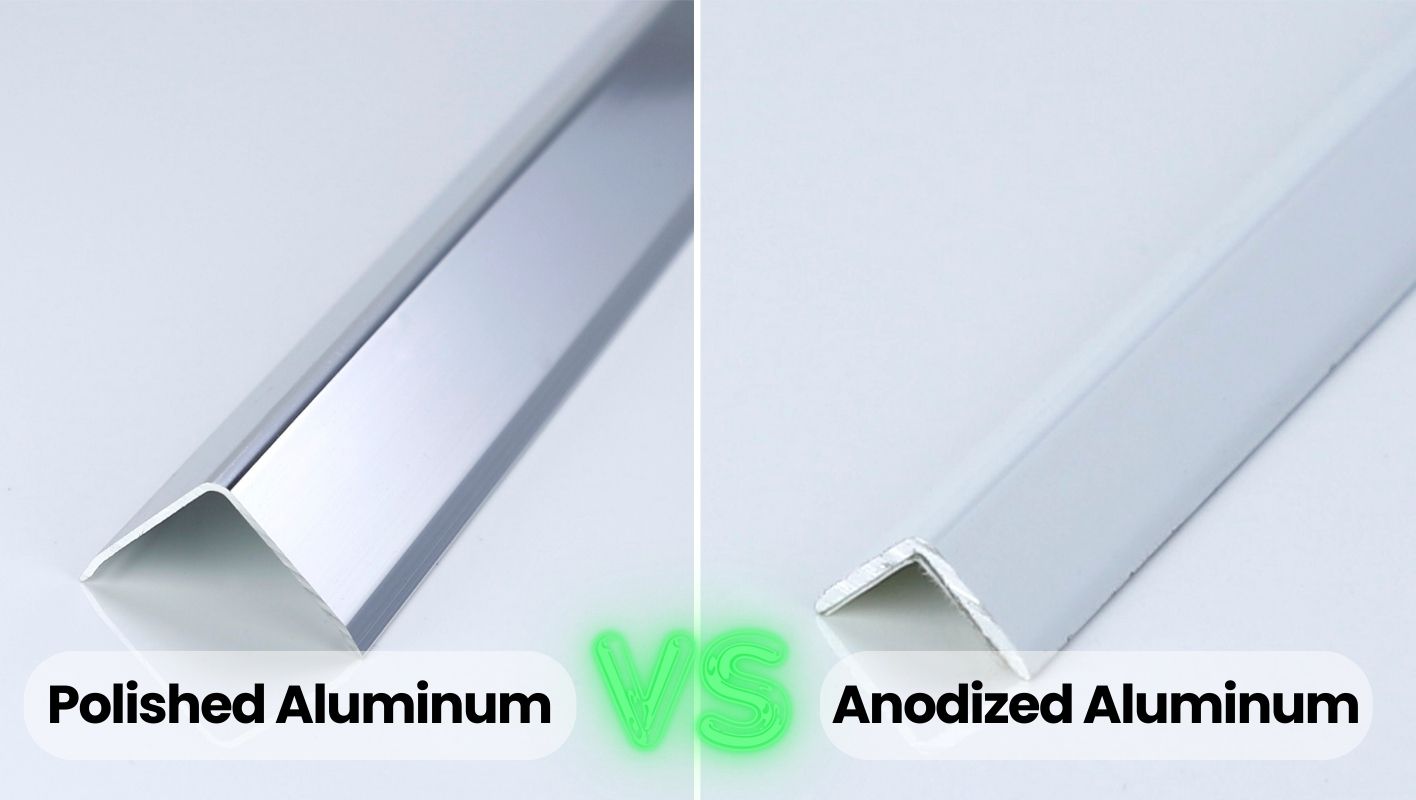
Polished and anodized aluminum differ mainly in their finish, strength, upkeep and look. Polished aluminum shines with a glossy, mirror-like surface but suffers more from rust. On the other hand, anodized aluminum goes through an electrochemical process that greatly improves its resistance to rust. It offers the flexibility of being colored in many shades.
Polished aluminum is more reflective than anodized aluminum.True
Polished aluminum has a shiny surface that reflects light better than anodized aluminum, which has a matte finish.
Anodized aluminum is less durable than polished aluminum.False
Anodized aluminum undergoes a process that enhances its durability, making it more resistant to wear and corrosion compared to polished aluminum.
What Are the Aesthetic Differences Between Polished and Anodized Aluminum?
Ever wondered how final touches turn metal from plain to stunning? Dive into the world of polished and anodized aluminum. Discover how these looks influence your design choices.
When deciding between polished and anodized aluminum, consider this꞉ Polished aluminum shines with a mirror-like finish. This finish works well for luxury items. Anodized aluminum has a matte appearance. It is very durable and comes in many colors. Each type has its own look and purpose!
Visual Appearance of Polished Aluminum
When I began using aluminum in my work, I felt surprised by the beauty of polished aluminum. Its shiny, mirror-like surface really stands out and I thought about how it could improve the appearance of any structure or product. During a luxury car project, polished aluminum shone as the main attraction. We chose it for the trim and wheels and its light reflection made the car look very luxurious and lively.
Learning to achieve that glamorous finish involved more than just appearance. It needed careful polishing, which sometimes affected durability. I recall a moment when scratches appeared on a polished piece during transport. It taught me the importance of handling with care.
Visual Characteristics of Anodized Aluminum
Let’s discuss anodized aluminum now. This finish lacks the flashy look but possesses a simple elegance I’ve really valued over time. Its matte or satin surface offers grace without being too flashy. For projects needing endurance, such as an outdoor one I worked on, anodized aluminum was the right choice. It provided excellent corrosion protection and allowed for different dye colors, giving freedom in design.
Moreover, anodized surfaces resist fading and wear much better. They’re ideal for outdoor settings where weather might damage other materials.
Comparison Table: Polished vs. Anodized Aluminum
| Feature | Polished Aluminum | Anodized Aluminum |
|---|---|---|
| Surface Finish | Mirror-like, reflective | Matte or satin, colored |
| Corrosion Resistance | Moderate | High |
| Durability | Prone to scratching | Scratch-resistant |
| Maintenance | Requires regular polishing | Low maintenance |
| Applications | Decorative, luxury finishes | Structural, outdoor usage |
Application Considerations
Picking between polished and anodized finishes often relies on your project’s needs. I always consider: Do I care more about looks or strength? For tough conditions where strength is crucial, anodized aluminum is generally my option due to its resistance against wear and corrosion.
If the project is indoors and visual appeal is really important, polished aluminum becomes the first choice due to its visual wow factor.
Understanding these aesthetic differences can significantly impact design choices in construction and product manufacturing, ensuring that both functionality and style are prioritized.
Additional Insights on Aesthetic Choices
I also discovered that light dramatically changes how these finishes look. Polished aluminum becomes lively under direct light, while anodized surfaces often display subtle shades in different lighting. Realizing this changed my approach – thinking not only about the materials but also their interaction with the setting.
Polished aluminum has a mirror-like finish.True
This claim is true as polished aluminum is characterized by its highly reflective, shiny surface that resembles a mirror.
Anodized aluminum is more scratch-resistant than polished aluminum.True
This claim is true because anodized aluminum undergoes a process that enhances its durability and resistance to scratching compared to polished finishes.
How Do Maintenance Requirements Vary for Polished and Anodized Aluminum?
Moving through the world of aluminum finishes feels challenging, especially with maintenance. I understand that, trying to find ways to keep projects looking perfect. Now, let’s explore how to care for polished and anodized aluminum!
Keeping polished and anodized aluminum in good condition uses different methods. Polished aluminum needs frequent cleaning and protective layers to maintain its gloss. It needs cleaning. Anodized aluminum is stronger and doesn’t need much care. It is durable.
Understanding Polished Aluminum Maintenance
Polished aluminum features a reflective surface that provides aesthetic appeal. However, its maintenance requires regular attention to avoid tarnishing and scratches. Cleaning should be done using mild detergents and a soft cloth to preserve the shine.
To effectively maintain polished aluminum, it is crucial to:
- Avoid harsh chemicals: I once tried a strong cleaner and it hurt the surface.
- Regularly clean: Frequent cleaning helps prevent buildup of dirt and oxidation.
- Apply protective coatings: Wax or sealants really help to keep its shine over time.
For more detailed cleaning tips, check out cleaning polished aluminum1.
Maintenance of Anodized Aluminum
Anodized aluminum undergoes an electrochemical process that enhances corrosion resistance and durability. The maintenance of anodized aluminum is less demanding compared to polished aluminum.
Key points for maintaining anodized aluminum include:
- Gentle cleaning: Just warm water and mild soap do the trick. Sometimes I use a soft brush to handle tough spots without scratching.
- Avoid abrasive materials: I remind myself to avoid steel wool or rough sponges – these can damage the anodized layer quickly!
- Inspect for wear: Regular inspections help me catch small problems before they become big ones.
For more tips on preserving anodized finishes, see our article on anodized aluminum care2.
Comparison Table: Maintenance Requirements
| Feature | Polished Aluminum | Anodized Aluminum |
|---|---|---|
| Cleaning Frequency | Regular cleaning needed | Less frequent cleaning |
| Chemical Resistance | Sensitive to harsh chemicals | Resistant to many chemicals |
| Surface Protection | Requires wax or sealants | No additional coatings usually needed |
| Durability | Prone to scratches and tarnishing | High durability and corrosion resistance |
Conclusion
Understanding how to care for polished and anodized aluminum has been really valuable in my work. It’s about more than appearance; it’s about protecting my projects. For someone like James, who focuses on procurement, knowing these care differences probably helps make smarter choices and achieve longer-lasting outcomes in his projects.
Polished aluminum requires more maintenance than anodized aluminum.True
Polished aluminum needs regular cleaning and protective coatings, while anodized aluminum is less demanding due to its durability and corrosion resistance.
Harsh chemicals are safe for cleaning anodized aluminum surfaces.False
Anodized aluminum is resistant to many chemicals, but harsh chemicals can still damage its surface, so gentle cleaning is recommended.
When Should You Choose Anodized Aluminum Over Polished Aluminum?
Do you ever feel stuck when picking between anodized and polished aluminum? Anodized aluminum offers various benefits for different uses. Let us explore these insights. This information may really simplify your choice.
Choose anodized aluminum for better protection against rust. It looks versatile. It feels light. It needs less upkeep. Anodized aluminum is really useful for boats, buildings, airplanes and everyday items. It’s particularly suitable for many things.
Corrosion Resistance
Corrosion resistance is very important, especially in tough environments. For example, during a marine project, we needed materials to resist constant saltwater exposure. Anodized aluminum, with its thick protective layer, became our top choice. It offered great resistance and lowered long-term upkeep expenses. This was a real win.
Anodized aluminum also works well in buildings, like curtain walls and cladding near coasts. These need to last and anodized coatings help achieve that.
To understand more about the durability of anodized finishes, check out this guide3.
Aesthetic Qualities
Now about looks. Have you ever opened a shiny new laptop or phone? Many use anodized aluminum for good reason! Dyeing anodized aluminum allows many color choices. I once worked on a modern design, using colorful anodized fixtures that transformed the space. Colors can fit any design idea. They really can.
For insights into color options available for anodized finishes, visit this resource4.
Weight Considerations
Every ounce is crucial, especially in fields like aerospace and cars. Anodized aluminum’s light weight gives a benefit without losing strength. While looking for materials for an aircraft part, balancing weight and durability was vital. Picking anodized aluminum helped reach this balance. Performance depends on it.
Learn more about weight efficiency in material choices at this article5.
Maintenance Requirements
Finally, maintenance is key. I’ve witnessed anodized aluminum simplify care compared to polished options. During a public project, we picked anodized finishes for benches and signs. They looked great and needed little maintenance over time. Less work for everyone involved!
For detailed maintenance tips on aluminum finishes, explore this guide6.
Anodized aluminum is more corrosion-resistant than polished aluminum.True
The anodizing process creates a protective oxide layer, enhancing corrosion resistance, especially in marine environments.
Anodized aluminum offers more color options than polished aluminum.True
Anodized finishes can be dyed in various colors, making them more versatile for aesthetic applications.
What Are the Cost Implications of Choosing Polished vs. Anodized Aluminum?
Did you ever feel confused choosing between shiny and anodized aluminum for a project? I definitely have! Learning about costs might seem hard, but it’s very important. Let’s explore the numbers and discover what truly counts over time.
When comparing polished and anodized aluminum, include initial expenses along with future maintenance and durability. Polished aluminum might cost less at the start. Anodized aluminum usually becomes more affordable over time because upkeep is less expensive. Anodized aluminum lasts longer.
Cost Breakdown of Polished vs. Anodized Aluminum
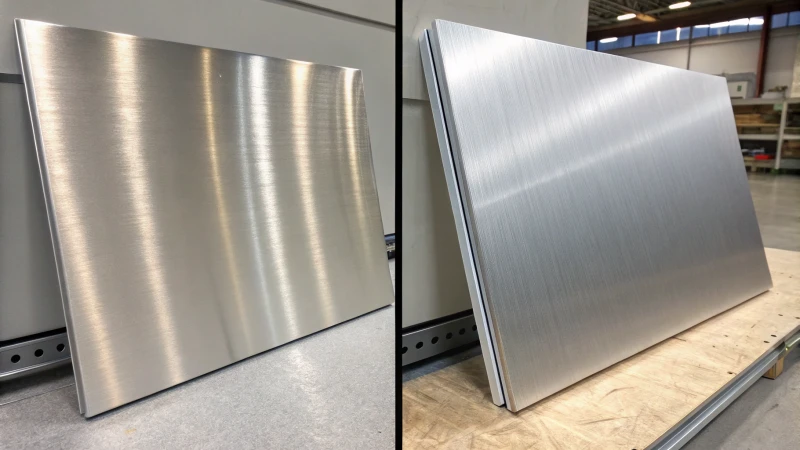
When comparing polished and anodized aluminum, it’s essential to break down the costs involved in each process. The initial cost of polished aluminum tends to be lower than anodized due to simpler finishing processes. However, the long-term costs can differ significantly.
| Cost Component | Polished Aluminum | Anodized Aluminum |
|---|---|---|
| Initial Purchase Price | Lower | Higher |
| Maintenance Costs | Moderate | Low |
| Durability | Moderate | High |
| Lifespan | Shorter | Longer |
For example, while polished aluminum might save money upfront, it may require frequent maintenance and replacement. In contrast, anodized aluminum is more durable and requires less upkeep, potentially saving money over time.
Factors Influencing Cost Implications
Several factors influence the overall cost implications when choosing between polished and anodized aluminum:
- Project Scale: Larger projects may benefit more from the longevity of anodized aluminum, leading to cost savings in the long run.
- Aesthetic Requirements: If aesthetics are critical, polished aluminum offers a shiny finish but may not last as long, thus affecting replacement costs.
- Environmental Considerations: Anodized aluminum often aligns better with sustainability goals due to its durability and lower environmental impact over time. For insights on sustainability in metal selection, check out sustainable metal choices7.
Maintenance and Lifecycle Costs
Considering lifecycle costs is crucial for procurement managers like me. Anodized aluminum typically has a longer lifespan compared to polished aluminum due to its corrosion resistance. Maintenance costs can accumulate, making anodized options more appealing in the long term:
| Maintenance Factor | Polished Aluminum | Anodized Aluminum |
|---|---|---|
| Frequency of Cleaning | High | Low |
| Risk of Corrosion | High | Low |
| Average Lifespan | 5-10 years | 20+ years |
By assessing these factors, decision-makers can better evaluate which option aligns with their project needs and budgets.
Conclusion on Cost Implications
In summary, understanding the cost implications of polished versus anodized aluminum involves looking at both initial investments and long-term maintenance expenses. A thorough analysis will guide procurement decisions effectively. For further insights into metal procurement strategies, consider visiting effective procurement practices8.
Polished aluminum has a lower initial cost than anodized aluminum.True
Polished aluminum is cheaper upfront due to simpler finishing processes compared to anodized aluminum, which incurs higher initial costs.
Anodized aluminum requires more maintenance than polished aluminum.False
Anodized aluminum generally has lower maintenance needs and better durability, unlike polished aluminum which requires frequent upkeep.
Conclusion
Explore the key differences between polished and anodized aluminum regarding appearance, durability, maintenance needs, and cost implications to make informed material choices for your projects.
-
Explore best practices for maintaining polished and anodized aluminum to ensure longevity and performance. ↩
-
Learn about the differences in care techniques for polished and anodized aluminum finishes for your projects. ↩
-
Find out how anodized aluminum can enhance your projects with its unique properties. Discover practical insights on its benefits over polished alternatives. ↩
-
Learn about the aesthetic advantages of anodized finishes and how they can be applied in modern design. ↩
-
Uncover the weight efficiency of anodized versus polished aluminum in engineering applications for optimal performance. ↩
-
Explore best practices for maintaining anodized aluminum finishes for long-lasting performance in various settings. ↩
-
Explore this link to find a detailed breakdown of costs for polished vs anodized aluminum, helping you make informed procurement decisions. ↩
-
Click here for effective procurement practices that can help optimize your material choices and budget management. ↩